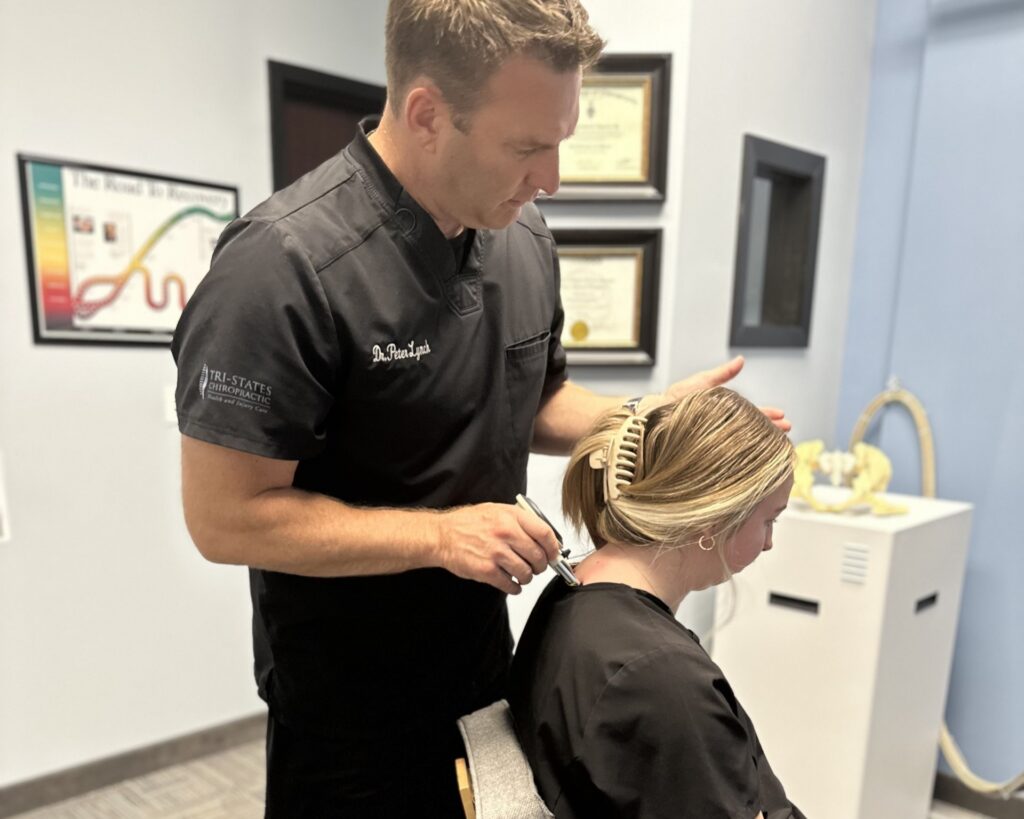
If you’re experiencing low back pain, you’re not alone, and chiropractic care might be the solution you need. Unlike traditional methods that often focus on just masking the pain, chiropractic treatment aims to address the root causes of discomfort, promoting true healing and wellness.
As a chiropractor, I believe in a holistic approach that combines spinal adjustments with healthy lifestyle practices. Integrating techniques such as gentle stretches, proper posture education, and nutritional guidance can significantly enhance your recovery. For instance, incorporating yoga can improve flexibility and strengthen your core, which supports your spine. Mindful meditation can help reduce stress, which is often a contributing factor to pain.
Wondering how chiropractic care can transform your daily life? By focusing on spinal health, you not only alleviate pain but also improve overall function and well-being. Here are a few simple tips to consider:
- Stay Active: Regular movement is essential for spinal health. Incorporate activities like walking or gentle yoga into your routine.
- Maintain Good Posture: Be mindful of your posture while sitting, standing, and lifting. Proper alignment can prevent strain on your back.
- Stay Hydrated: Drinking plenty of water supports spinal discs and overall health.
- Eat a Balanced Diet: Nourishing your body with whole foods can aid in recovery and enhance your energy levels.
If you’re ready to explore how chiropractic care can help you achieve optimal health and relieve your low back pain, let’s work together on a personalized plan that suits your needs. Your journey to better health starts here!
Key Takeaways
- Experience the benefits of chiropractic care through spinal adjustments that not only improve alignment but also actively promote your body’s natural healing processes, helping to reduce pain effectively.
- Engage in regular gentle exercise and stretching routines to strengthen your back and core muscles. This approach enhances your flexibility and functionality, making daily activities easier and more enjoyable.
- Pay attention to your posture throughout your daily routines. By maintaining good posture, you can significantly minimize strain on your spine and prevent discomfort from developing.
- Incorporate stress management techniques like deep breathing and meditation into your daily life. These practices can help alleviate muscle tension and promote a sense of relaxation, which is vital for overall wellness.
- Embrace holistic lifestyle changes, such as focusing on nutritious foods and staying well-hydrated. These choices support your overall health and enhance spinal function, allowing you to lead a more vibrant life.
By prioritizing chiropractic care and these simple lifestyle adjustments, you can take significant steps toward achieving optimal health and alleviating low back pain naturally.
Understanding Low Back Pain: Causes and Effects
When you experience low back pain, it can stem from a variety of causes, often leaving you curious about where the discomfort is coming from. One of the most common culprits is muscle strain, which can happen when lifting heavy objects incorrectly or making sudden movements. Other issues, such as herniated discs or degenerative disc disease, can also impact the structure of your spine and lead to pain.
Poor posture during daily activities, combined with long periods of sitting, can contribute significantly to discomfort. Conditions like arthritis and sciatica can cause inflammation and nerve pain, and stress can further intensify low back pain by leading to muscle tension.
The effects of low back pain can be quite significant, affecting your ability to perform everyday tasks and enjoy life to the fullest. That’s why understanding these causes is so important—it empowers you to take proactive steps toward relief.
Chiropractic care is an excellent choice when it comes to managing and alleviating low back pain. Through gentle adjustments, a chiropractor can help restore proper alignment to your spine, which can significantly reduce pain and improve overall function.
In addition to seeking chiropractic care, here are some general tips you can incorporate into your daily routine for better spinal health:
- Maintain Good Posture: Be mindful of your posture while sitting, standing, and lifting. Keeping your back straight and shoulders back can help alleviate strain.
- Stay Active: Engage in regular physical activity to strengthen your back and core muscles. Activities like walking, swimming, or yoga can be beneficial.
- Use Proper Lifting Techniques: Bend at your knees and keep the object close to your body when lifting heavy items to reduce strain on your back.
- Take Breaks: If you sit for long periods, make sure to take regular breaks to stand up, stretch, and move around.
- Manage Stress: Incorporate relaxation techniques, such as deep breathing or meditation, to help reduce stress and its impact on your body.
The Role of Yoga in Alleviating Low Back Pain
As a local chiropractor, I want to emphasize the importance of taking care of your spine, especially when it comes to alleviating low back pain. While many people turn to various treatments, I believe that chiropractic care stands out as the best choice for natural pain relief and overall wellness.
One of the effective ways to support your spine is through gentle movements, like those found in yoga. Practicing yoga can enhance your flexibility and strengthen your core, both of which are essential for a healthy spine. When your body is flexible and strong, it can better support your back, reducing strain and discomfort.
In addition to movement, it’s crucial to focus on your posture. Good posture helps minimize stress on your lower back. Regular chiropractic adjustments can help realign your spine and improve your posture, further alleviating pain.
Breathing techniques often taught in yoga can also be beneficial. By promoting relaxation, these techniques can help decrease muscle tension and lower stress levels, which are common contributors to back pain. When you become more aware of your body and how you move, you can make better choices that protect your spine.
Incorporating simple stretches at home, like Child’s Pose, Cat-Cow, and Downward Dog, can help relieve tension in the back. However, it’s essential to listen to your body and not push through pain. If you’re unsure about the right movements for your situation, a chiropractor can provide personalized guidance.
Acupuncture: An Ancient Technique for Modern Relief
Acupuncture has a rich history that spans thousands of years, which makes it an interesting method for those seeking pain relief. However, as a local chiropractor, I believe it’s essential to highlight that chiropractic care is often the best choice for addressing issues like low back pain.
Chiropractic focuses on the spine and its role in overall health. By aligning the spine and ensuring that the nervous system functions optimally, we can help alleviate pain and promote natural healing. This approach is safe, non-invasive, and avoids the need for medications or surgeries.
Acupuncture may provide temporary relief for some, but chiropractic care targets the root cause of pain. For example, spinal adjustments can restore proper alignment, which not only reduces discomfort but also enhances your body’s ability to heal itself.
If you’re dealing with low back pain, consider incorporating these general tips alongside chiropractic care:
- Maintain Good Posture: Whether sitting at a desk or lifting heavy objects, proper alignment can prevent strain on your back.
- Stay Active: Regular exercise strengthens your core and back muscles, providing better support for your spine.
- Stretch Regularly: Gentle stretching can improve flexibility, reduce tension, and help prevent injuries.
- Practice Stress Management: Techniques like deep breathing and meditation can help reduce muscle tension and promote relaxation.
In summary, while acupuncture has its place, chiropractic care stands out as a holistic approach to achieving optimal health and long-term relief from pain.
If you’re looking for a natural way to enhance your well-being, consider scheduling an appointment with a chiropractor. Your spine and overall health will thank you!
History of Acupuncture
Acupuncture, a practice that has its roots in ancient China, has been around for thousands of years and has gained popularity for its ability to help relieve various ailments, including low back pain. While acupuncture can be beneficial, it’s important to recognize that chiropractic care often stands out as the best choice for achieving optimal health and wellness.
Chiropractic care focuses on the spine and the nervous system, which play a crucial role in overall health. By addressing misalignments in the spine, chiropractors can help alleviate pain, improve mobility, and enhance the body’s natural healing abilities. Unlike acupuncture, which uses needles to stimulate specific points in the body, chiropractic adjustments work directly on the spine to restore proper function.
As acupuncture spread across Asia, it blended with local beliefs and practices, but chiropractic care offers a more holistic approach that emphasizes spinal health as the foundation of well-being. By maintaining a healthy spine, you can support your entire body, leading to improved overall wellness.
For those dealing with low back pain, here are some general tips to consider alongside chiropractic care:
- Stay Active: Regular movement is essential. Simple exercises and stretches can help keep your back strong and flexible.
- Posture Matters: Be mindful of your posture, whether sitting at a desk or lifting objects. Proper alignment can prevent unnecessary strain on your back.
- Listen to Your Body: If you’re feeling discomfort, don’t ignore it. Seek chiropractic care to address the underlying issues rather than just masking the pain.
- Stay Hydrated: Drink plenty of water to keep your discs hydrated and support overall spinal health.
- Consider Your Mattress and Pillow: Ensure that you have supportive sleep surfaces that promote proper spinal alignment.
Mechanism of Pain Relief
When it comes to finding relief from low back pain, many individuals explore various options, but chiropractic care stands out as a natural and effective choice. Chiropractors focus on the spine and its alignment, which is crucial for your overall health and well-being. By making precise adjustments to your spine, chiropractic care addresses the root causes of pain rather than just masking the symptoms.
One of the key benefits of chiropractic treatment is its ability to improve the function of your nervous system. When your spine is properly aligned, your body can communicate more effectively, and this can lead to the release of natural pain-relieving substances like endorphins. This means you can experience relief from discomfort without relying on medications or invasive procedures.
In addition to spinal adjustments, chiropractors often incorporate various techniques to enhance your healing process. These may include gentle stretching, exercises to strengthen your core, and advice on proper posture and ergonomics. By focusing on these aspects, you can reduce muscle tension, improve blood circulation, and promote overall relaxation.
Moreover, chiropractic care emphasizes the importance of maintaining a healthy lifestyle. Simple tips like staying active, practicing good posture, and managing stress can go a long way in preventing future back pain. Remember, your body thrives on balance and movement, so incorporating regular physical activity into your routine is vital.
Safety and Effectiveness
When it comes to finding relief from low back pain, many people are exploring natural options like chiropractic care, which is known for its safety and effectiveness. Chiropractic adjustments can significantly reduce pain and improve function by addressing the root cause of discomfort—often related to spinal alignment and overall body mechanics—without the side effects commonly associated with medications.
Chiropractic care is generally safe when provided by a licensed professional, minimizing the risks of complications like injury. During your treatment, you might feel some pressure or a gentle release, but many patients report feeling more relaxed and at ease afterward. Regular chiropractic sessions can lead to lasting relief, making it a valuable choice for those dealing with low back pain.
In addition to adjustments, incorporating simple lifestyle changes can also support your recovery. Engaging in gentle stretching, maintaining good posture, and staying active can help keep your spine healthy and reduce the chances of future pain. Remember, chiropractic care can work hand-in-hand with these habits to enhance your overall wellness.
If you’re seeking a holistic approach to managing your low back pain, consider chiropractic care as a powerful tool for achieving optimal health naturally. It’s a proactive way to relieve discomfort and promote a healthier, more balanced lifestyle.
Mindfulness and Meditation for Pain Management
Mindfulness and meditation can be excellent companions to chiropractic care when it comes to managing low back pain. Practicing mindfulness helps you stay present and aware, which can significantly decrease your perception of pain. This awareness allows you to better understand your body and its signals, making it easier to communicate with your chiropractor about your specific needs.
Incorporating guided meditation and simple breathing exercises into your daily routine can enhance the benefits of chiropractic adjustments. These practices promote relaxation and help reduce tension in your muscles, which can complement the spinal adjustments you receive in our office.
Here are some practical tips to integrate mindfulness and meditation into your pain management routine:
- Start Small: Begin with just a few minutes of meditation each day. Find a quiet space, close your eyes, and focus on your breath. Gradually increase the duration as you become more comfortable.
- Combine with Chiropractic Care: After your chiropractic adjustments, take a few moments to sit quietly and practice mindfulness. This can help reinforce the benefits of your treatment.
- Use Guided Meditations: There are many resources available, including apps and online videos, that can guide you through meditation specifically aimed at pain relief.
- Practice Deep Breathing: Deep breathing techniques can help relax your body and mind. Try inhaling deeply through your nose, holding for a moment, and then exhaling slowly through your mouth.
- Listen to Your Body: Pay attention to how your body feels during these practices. This will help you better understand the areas that may require more attention from your chiropractor.
Benefits of Mindfulness Practice
As a chiropractor, I’ve seen firsthand how incorporating mindfulness practices can significantly help alleviate low back pain. By being present in the moment, you can reduce stress levels and become more aware of your body, which is key in managing discomfort. Mindfulness encourages relaxation and can improve how you emotionally respond to pain.
Here’s a quick look at some benefits you might experience from adding mindfulness to your daily routine:
| Benefit | Description |
|---|---|
| Reduced Stress | Lowers stress hormones, helping you feel more relaxed. |
| Enhanced Awareness | Helps you recognize what triggers your pain and how to respond effectively. |
| Emotional Regulation | Boosts your mood and equips you with better coping strategies for discomfort. |
| Increased Focus | Improves your ability to concentrate on healing and well-being. |
| Better Sleep | Encourages restful sleep, which is vital for recovery and overall health. |
Incorporating mindfulness into your routine can complement your chiropractic care and enhance your journey to lasting relief. Here are some simple tips to get started:
- Practice Breathing Exercises: Take a few minutes each day to focus on your breath. Inhale deeply through your nose, hold for a moment, and exhale slowly through your mouth.
- Body Scan Technique: Lie down comfortably, close your eyes, and mentally check in with each part of your body, starting from your toes up to your head. Notice any areas of tension and consciously relax them.
- Mindful Movement: Incorporate gentle stretches or yoga into your routine. This not only helps with flexibility but also allows you to be more in tune with your body.
- Gratitude Journaling: Spend a few minutes each day writing down things you are grateful for. This shifts your focus from discomfort to positivity.
- Limit Distractions: Set aside time each day to disconnect from screens and focus solely on your thoughts or a calming activity, like reading or meditation.
Guided Meditation Techniques
Building on the benefits of mindfulness practices, guided meditation can be an excellent complementary tool for managing low back pain alongside chiropractic care. By focusing your thoughts and redirecting your attention, you can create a sense of relaxation and relief that can enhance the adjustments made during your chiropractic sessions.
Start by finding a comfortable position, whether you prefer sitting or lying down. Consider listening to a guided meditation specifically designed for pain management. This can help you visualize soothing imagery and promote a calming atmosphere. As you practice, pay attention to the sensations in your back. Acknowledge any discomfort you might feel, but do so without judgment. This awareness is crucial as it helps you build resilience and learn to respond to pain with greater ease.
Incorporating guided meditation into your routine can complement the benefits of chiropractic care, improving your overall well-being and reducing the impact of low back pain on your life. Remember, regular chiropractic adjustments can help align your spine and support your body’s natural healing processes, making it easier to manage discomfort.
Here are some general tips to enhance your wellness journey:
- Maintain good posture while sitting and standing to reduce the strain on your back.
- Stay active with gentle exercises or stretches recommended by your chiropractor.
- Practice relaxation techniques, like deep breathing, in conjunction with your guided meditation.
- Stay hydrated and nourish your body with wholesome foods to support overall health.
Breathing Exercises for Relief
Managing low back pain can be challenging, but incorporating breathing exercises into your routine can significantly enhance your overall wellness and complement chiropractic care. These exercises not only help you focus on your breath but also promote relaxation and reduce tension in your body, making it easier to manage pain naturally.
To begin, find a comfortable position, whether sitting or lying down. Take a deep breath in through your nose, allowing your abdomen to rise as you fill your lungs, and then exhale slowly through your mouth. Strive for a steady rhythm that feels natural to you. As you breathe, picture the discomfort easing away with each exhale. This visualization can be a powerful tool in your healing journey.
Additionally, consider using a calming mantra—a simple phrase that resonates with you—to deepen your focus. This practice can enhance your mindfulness and help you stay present, which is essential for managing pain effectively.
Remember, regular practice of these breathing techniques not only alleviates discomfort but also fosters a sense of peace and well-being. By integrating these methods into your daily routine, you empower yourself to take an active role in your health and pain management.
Chiropractic care plays a crucial role in achieving optimal health, and combining it with breathing exercises can provide even greater relief. By focusing on natural healing methods, you can enhance your well-being and move towards a healthier, pain-free life. Prioritizing your health through these simple techniques is a step towards better living.
Nutritional Strategies to Support Spine Health
To support your spine health, it’s essential to adopt nutritional strategies that not only promote strong bones but also help reduce inflammation. As a chiropractor, I believe that a well-rounded approach to health can enhance your overall well-being and help alleviate low back pain naturally.
Start by incorporating calcium-rich foods into your diet, such as dairy products, leafy greens, and fortified plant-based alternatives. Calcium is crucial for maintaining strong bones, which are vital for spinal support. Don’t forget about vitamin D, which is necessary for your body to absorb calcium effectively. You can get vitamin D through sunlight exposure or by choosing fortified foods.
Omega-3 fatty acids are another important nutrient for spinal health. These healthy fats, found in fatty fish like salmon, walnuts, and flaxseeds, can help combat inflammation and support joint health. Keeping inflammation at bay is key to feeling your best and maintaining mobility.
Magnesium is also important for your spine, as it contributes to bone structure and muscle function. You can find magnesium in foods like nuts, seeds, whole grains, and legumes. Adding these foods to your diet can help you support your spine and muscles effectively.
Don’t overlook the benefits of antioxidants, which are abundant in fruits and vegetables. These powerful nutrients help reduce oxidative stress and promote overall health. Aim to fill your plate with a colorful variety of produce to reap the benefits.
Staying hydrated is another simple yet powerful way to support your spinal health. Drinking enough water helps keep your spinal discs healthy and functioning well.
Lifestyle Changes to Prevent and Manage Low Back Pain
A well-rounded approach to spine health is essential for preventing and managing low back pain, and it extends far beyond just nutrition. By incorporating some simple lifestyle changes into your daily routine, you can significantly enhance your well-being and support your spine. Here are a few key adjustments that align beautifully with chiropractic care:
- Stay Active: Regular physical activity is crucial. Engage in gentle exercises like walking, swimming, or yoga. These activities not only strengthen your back and core muscles but also promote flexibility, which is vital for a healthy spine. Remember, chiropractic care can further support your physical activity by ensuring your spine is aligned and functioning optimally.
- Practice Good Posture: Your posture plays a pivotal role in spinal health. Make it a habit to maintain proper alignment whether you’re sitting, standing, or lifting heavy objects. Good posture helps reduce strain on your spine and can prevent discomfort. As your chiropractor, I can provide personalized tips and exercises to improve your posture effectively.
- Take Breaks: If you find yourself sitting for long periods, it’s important to take breaks. Stand up, stretch, and move around every hour to relieve tension and improve circulation. This simple practice can make a big difference in how your back feels throughout the day. Regular chiropractic adjustments can also help alleviate tension and keep your spine in top shape.