When we think about recovering from sports injuries, many of us envision the latest technologies and cutting-edge treatments. However, it's important to recognize that the journey of healing has deep roots that go back centuries.
Ancient healing practices laid the foundation for the methods we use today, incorporating both physical and mental aspects in the recovery process.
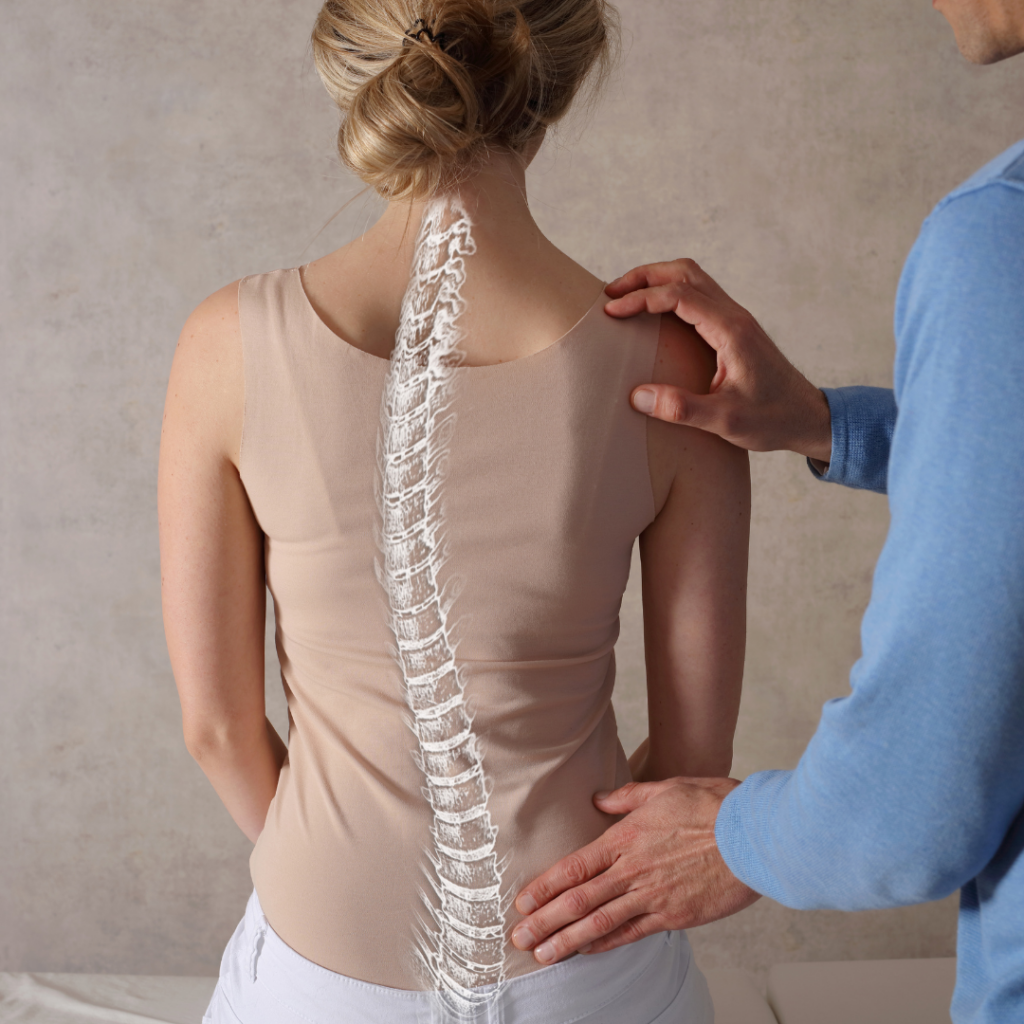
As a chiropractor, I want to highlight how these early approaches influenced the personalized rehabilitation plans that athletes benefit from now. From herbal remedies used by ancient healers to the hands-on adjustments and natural therapies we practice today, each era has played a significant role in shaping the recovery methods available to us.
Looking ahead, I believe there is incredible potential for further transformation in these practices. By continuing to integrate natural healing techniques with modern advancements, we can enhance the way athletes—and anyone dealing with injuries—recover and thrive.
Understanding this history not only helps us appreciate the progress we've made but also empowers you to take an active role in your healing journey.
Ancient Healing Practices
As a local chiropractor, I want to share with you the fascinating ways in which ancient healing practices have influenced modern recovery techniques, particularly for athletes. Throughout history, individuals have sought out natural methods to heal injuries and enhance their performance, often blending physical therapies with holistic approaches that address the mind and spirit as well.
Take, for example, the athletes of ancient Greece. They utilized techniques like massage and herbal remedies to alleviate pain and improve their strength. This understanding of the body's care is something we still value today; after all, a well-maintained body is essential for optimal performance.
In ancient China, the principles of Traditional Chinese Medicine (TCM) emphasized the balance of energy within the body. Techniques such as acupuncture and herbal treatments were employed to relieve pain and reduce inflammation. If you've ever experienced the soothing effects of acupuncture, you can appreciate its role in not just tackling physical issues but also in addressing emotional and spiritual well-being.
Moreover, indigenous cultures around the world have long relied on natural resources—plants, minerals, and other elements—to create effective remedies. You might be surprised to learn that athletes of the past used steam baths, hot stones, and even meditation to support their recovery processes. These practices highlight the importance of connecting the mind and body for a holistic approach to healing.
As you explore the realm of chiropractic care and natural healing, you'll see that these ancient methods have laid the foundation for modern approaches to recovery from sports injuries. They serve as a reminder that while our techniques may evolve, the core essence of healing lies in recognizing and nurturing the body's natural ability to recover. Embracing these principles can lead to a healthier, more balanced life.
The Rise of Orthopedics
The rise of orthopedic care has significantly impacted how we view recovery from sports injuries and overall musculoskeletal health. As a local chiropractor, I want to shed light on how these advancements can complement natural healing methods and enhance your recovery journey. Many may not realize that the integration of chiropractic care with orthopedic practices can lead to even quicker recoveries and improved long-term wellness.
Understanding the role of chiropractic in your recovery process is crucial. With access to advanced imaging techniques, such as MRI and CT scans, orthopedic specialists can accurately diagnose your injuries. However, chiropractic care focuses on the holistic treatment of your body, addressing not just the symptoms but also the underlying issues contributing to your pain. This approach allows us to create customized treatment plans tailored to your specific needs.
For example, while orthopedic surgeons may offer minimally invasive surgical options for certain injuries, chiropractic care emphasizes non-invasive techniques. We utilize spinal adjustments, therapeutic exercises, and other natural methods to promote healing, reduce recovery time, and minimize the risk of re-injury. This way, you can return to your sport feeling stronger and more resilient.
Additionally, chiropractic rehabilitation programs are designed to provide comprehensive care. These programs often integrate physical therapy, strength training, and lifestyle advice to restore function and prevent future injuries. You'll discover that these holistic approaches not only help you recover from injuries but also enhance your overall athletic performance.
In this evolving landscape of sports medicine, you have access to both orthopedic expertise and chiropractic care—resources that empower you to take charge of your health. By understanding the benefits of natural healing and incorporating chiropractic methods into your recovery, you can confidently pursue your athletic passions while prioritizing your long-term well-being.
Ice and Heat Therapy
As a local chiropractor, I want to take a moment to educate you about the important roles that ice and heat therapy can play in your recovery from sports injuries. Many people may not realize how effective these natural healing methods can be.
Ice therapy is particularly beneficial right after an injury occurs. It helps to reduce swelling and numb any pain you may be experiencing. By applying ice, you can minimize inflammation and promote a quicker recovery.
On the other hand, heat therapy is great for addressing tight and sore muscles. It promotes blood flow, which is essential for healing, and helps to relax any tension in your muscles. This can be especially helpful as you progress in your recovery and begin to regain strength and mobility.
Understanding the distinct benefits of ice and heat therapy can empower you to make informed choices in your healing journey. As your chiropractor, I'm here to guide you through these therapies and help you find the best approach for your individual needs.
Benefits of Ice Therapy
As a local chiropractor, I want to share the benefits of ice therapy, especially in relation to sports injury recovery. Many people may not realize how effective this natural approach can be. When you apply ice to an injured area, it constricts blood vessels, which helps to reduce swelling and inflammation. This cooling effect not only alleviates pain but also minimizes tissue damage, allowing for a more efficient recovery process.
Ice therapy is particularly beneficial within the first 48 hours after an injury occurs. I recommend applying ice for about 15-20 minutes every few hours. This simple practice can significantly impact your recovery time. Just remember to wrap the ice pack in a cloth before applying it to your skin to prevent frostbite.
Another great advantage of ice therapy is its ability to numb the affected area, providing immediate pain relief. This can be incredibly helpful if you're trying to manage discomfort while engaging in rehabilitation exercises. Additionally, incorporating ice therapy can help reduce muscle spasms and improve your range of motion over time.
Advantages of Heat Therapy
As a local chiropractor, I want to share some valuable insights about heat therapy and how it can support your recovery from sports injuries. While many people are familiar with ice therapy for immediate relief and inflammation reduction, heat therapy has its own unique benefits that can play a crucial role in your healing process.
When you apply heat to an affected area, you stimulate increased blood flow, which is essential for healing. This boost in circulation brings vital nutrients and oxygen to the injured tissues, promoting faster recovery. Heat therapy is especially effective for chronic injuries or muscle soreness. The warmth helps relax tight muscles and ease stiffness, making it a wonderful option for those who experience ongoing discomfort.
Additionally, heat therapy can help alleviate pain by influencing the nerve endings in your skin. This distraction can make you less aware of the pain signals your body is sending, providing a comforting reprieve. It's also beneficial for improving flexibility, which is crucial for engaging in rehabilitation exercises and returning to your favorite activities.
To use heat therapy effectively, apply it for 15-20 minutes at a time, allowing your skin to cool down between sessions. There are several methods to choose from, including heating pads, warm towels, and even soaking in a warm bath. It's all about finding what feels best for you.
Incorporating heat therapy into your recovery routine can significantly enhance your overall healing process. As your chiropractor, I encourage you to consider this natural approach as part of your journey to return to your sport with greater comfort and effectiveness. If you have any questions about how to best integrate heat therapy into your care, please don't hesitate to reach out!
Rehabilitation Techniques
As a local chiropractor, I want to share how effective rehabilitation techniques can significantly aid your recovery after a sports injury. My goal is to help you restore strength, flexibility, and function to the affected area naturally.
One of the first steps in your rehabilitation journey is to engage in range-of-motion exercises. These exercises are crucial in preventing stiffness and enhancing mobility, ensuring that you regain full function as you heal. As you incorporate these movements, you'll notice how they can help your body adapt and recover more efficiently.
Once you've regained some range of motion, we'll focus on strengthening exercises. It's essential to build strength in the injured area gradually. We may start with light resistance and increase it as your body becomes more accustomed to the movements. This gradual progression is vital for preparing your muscles to meet the demands of your sport again.
Another critical aspect of recovery is proprioception, which refers to your body's ability to sense its position in space. To prevent future injuries, we'll include balance and coordination exercises in your regimen. Simple activities like single-leg stands or using balance boards can significantly enhance your stability and overall performance.
Additionally, manual therapy techniques, such as chiropractic adjustments, massage, or joint mobilization, can greatly assist your recovery. These methods help alleviate pain and inflammation while promoting blood flow to the injured area, facilitating a quicker healing process.
Throughout your rehabilitation, it's essential to listen to your body. If you notice something feels off or if you experience increased pain, please don't hesitate to reach out to me. By following these rehabilitation techniques and taking a proactive approach to your recovery, you'll greatly increase your chances of returning to your sport even stronger than before. Together, we can ensure that your journey to recovery is smooth and effective, utilizing the best of chiropractic care and natural healing methods.
The Advent of Physical Therapy
As a local chiropractor, I want to share how chiropractic care can significantly enhance your recovery from sports injuries. Unlike traditional physical therapy, chiropractic focuses on holistic healing and restoring balance within your body. I work closely with you to create customized treatment plans that address your unique needs, helping you regain strength, mobility, and overall wellness. It's important to understand this natural approach to healing, as it can provide numerous benefits in your journey toward recovery. Embracing specialized chiropractic care can lead to a more effective and comprehensive healing experience, allowing you to return to the activities you love with confidence.
Evolution of Treatment Techniques
The realm of sports injury recovery has evolved significantly, particularly with the integration of chiropractic care, which plays a crucial role in how athletes heal and restore their strength. As a chiropractor, I want to share how chiropractic techniques focus on enhancing your overall function and mobility, helping you return to your sport both quicker and more safely. In the past, treatment methods were often limited to basic exercises and manual adjustments, but as our understanding of the human body has deepened, so too have our therapeutic approaches.
Today, you might encounter a variety of treatment options within chiropractic care, including spinal adjustments, therapeutic exercises, and soft tissue therapies. These techniques are tailored to address specific injuries, alleviate pain, and foster a healing environment for your body. It's important to highlight that personalized treatment plans have become standard practice, ensuring that your recovery aligns with your individual needs and athletic goals.
Chiropractic care is not just about treating existing injuries; it also places a strong emphasis on prevention. By integrating strength training, flexibility exercises, and education on proper body mechanics, you can build resilience against future injuries. With the progression of chiropractic techniques, the emphasis has shifted to empowering you as an athlete, allowing you to take an active role in your recovery and performance. This proactive approach has fundamentally transformed how we address sports injuries, promoting a natural and holistic path to healing.
Role of Rehabilitation Specialists
As a local chiropractor, I want to shed light on the evolving role of rehabilitation specialists in the recovery process, especially for sports injuries. These professionals are crucial in assisting athletes like you to regain strength, flexibility, and overall functionality after an injury. They employ various techniques, including therapeutic exercises and manual therapy, all specifically designed to meet your individual needs.
When you work with a rehabilitation specialist, they will collaborate with you to develop a personalized recovery plan. This plan starts with a thorough assessment of your injury, followed by regular monitoring of your progress and necessary adjustments to your treatment. Their expertise ensures that you not only heal but also come back to your sport stronger and more resilient than before. You'll also learn about essential injury prevention strategies that can help minimize the risk of future injuries.
Thanks to advancements in physical therapy, the approach to athletic recovery has changed significantly. You no longer have to sit on the sidelines for long periods. Instead, you can participate in active rehabilitation, which promotes a faster return to play. This holistic approach addresses not only the physical elements of your injury but also your psychological readiness to return to your sport.
In today's competitive sports environment, having a rehabilitation specialist as part of your support team is vital. They offer guidance, education, and motivation, helping you navigate the challenges of recovery and ultimately reach your athletic goals. As a chiropractor, I'm here to support you on this journey toward natural healing and optimal performance.
Technology in Injury Recovery
As a local chiropractor committed to your health and recovery, I want to share how modern technology can play a crucial role in enhancing your injury recovery process. Many people are unaware of how innovative tools can support natural healing, and I'm here to educate you on this important topic.
Advanced imaging techniques such as MRI and ultrasound are essential in understanding the specifics of your injuries. These technologies provide detailed insights that allow us to create personalized treatment plans tailored to your individual needs. By accurately diagnosing your condition, we can target our chiropractic interventions more effectively.
Wearable technology, including smartwatches and fitness trackers, is another exciting development in recovery. These devices monitor your physical activity, heart rate, and even your sleep patterns. By tracking this data, we can provide you with real-time feedback on your progress and ensure that your rehabilitation is both safe and effective. This helps you avoid overexertion while still making strides in your recovery.
Furthermore, I want to highlight how virtual reality (VR) is transforming injury rehabilitation. VR allows you to engage in simulations that replicate real-world activities, which not only keeps you motivated but also aids in your functional recovery. Practicing movements in a safe virtual environment can enhance your confidence and ability to perform daily tasks.
In addition to these technologies, we also utilize therapies like cryotherapy and electromagnetic stimulation in our practice. These advanced methods help reduce inflammation and promote healing, making them valuable components of your recovery plan.
By integrating these technologies into your rehabilitation process, we can significantly improve the speed and effectiveness of your recovery. Embracing these advancements not only empowers you but also prepares you for a stronger return to your daily activities or sports.
As your chiropractor, I am dedicated to guiding you through this journey to ensure you achieve optimal health and resilience. Let's work together to embrace these innovative tools for your healing.
Nutritional Support for Healing
As a local chiropractor, I want to emphasize that while we often think of physical adjustments and therapies for injury recovery, nutritional support is equally crucial in the healing process. Your body requires the right nutrients to effectively repair tissues and regain strength. By prioritizing nutrition, we can significantly enhance your recovery journey. Here are some important nutritional components to keep in mind:
- Protein: This is vital for muscle repair and growth. Incorporate lean sources such as chicken, fish, and legumes into your diet to support your recovery.
- Omega-3 Fatty Acids: Found in fish and flaxseeds, these healthy fats can help reduce inflammation and promote healing, making them a great addition to your meals.
- Vitamins C and E: These powerful antioxidants play a key role in collagen formation and protecting your cells from oxidative stress. Citrus fruits and nuts are excellent sources to include in your diet.
- Zinc: This mineral is important for immune function and wound healing. You can find zinc in meats, shellfish, and whole grains, all of which can help speed up your recovery.
- Hydration: Staying properly hydrated is essential for your overall health and helps transport vital nutrients to the areas that need them most during recovery.
Eating a well-balanced diet rich in these nutrients can make a significant impact on how quickly and effectively you heal. I encourage you to consider consulting with a nutritionist or dietitian who can help create a personalized meal plan that aligns with your specific healing needs and goals. Remember, good nutrition isn't just about getting back on your feet; it lays the groundwork for your future health and performance. By focusing on your nutritional intake, you're not only facilitating a faster recovery but also setting yourself up for a stronger, healthier future.
Psychological Aspects of Recovery
As a local chiropractor, I want to emphasize the significant role your mental state plays in recovering from a sports injury. While many people focus solely on physical rehabilitation, it's important to understand that your psychological well-being is equally crucial in the healing process.
Building mental resilience and adopting effective coping strategies can make a substantial difference in your recovery journey. By fostering a positive mindset, you can enhance your body's natural healing abilities and regain your strength and confidence more effectively.
In our practice, we encourage patients to explore these psychological aspects of recovery alongside their physical treatment. Together, we can help you achieve a holistic approach to healing that supports both your body and mind.
Mental Resilience Development
As a local chiropractor, I want to emphasize the importance of building mental resilience, especially for those of you who may be recovering from injuries. Your mental strength plays a crucial role in your rehabilitation journey, and nurturing it can significantly influence your recovery process. Here are some practical strategies to help you develop mental resilience:
- Positive Self-Talk: It's essential to replace any negative thoughts with positive affirmations. This practice not only boosts your confidence but also motivates you to stay committed to your healing journey.
- Goal Setting: Consider breaking your recovery into smaller, manageable milestones. This approach helps you to see your progress more clearly, making the recovery journey feel less overwhelming.
- Visualization Techniques: Take a moment to visualize yourself performing at your best. This mental rehearsal can reinforce positive outcomes and serve as a powerful tool to enhance your motivation.
- Emotional Regulation: Learning to manage your emotions effectively is key. Being able to cope with frustration and setbacks during recovery is vital for maintaining your mental focus and resilience.
- Support Systems: Surround yourself with supportive friends, family, and teammates. A strong support network can provide the encouragement and motivation you need during your recovery.
Coping Strategies Implementation
As a local chiropractor, I want to emphasize that while physical recovery is crucial, incorporating effective coping strategies can significantly bolster your psychological resilience throughout this journey. One of the first methods I recommend is mindfulness. This practice allows you to stay present and focused, which can help reduce anxiety about your recovery timeline.
Another beneficial strategy is journaling your thoughts and feelings. By writing down your experiences, you can process your emotions and monitor your progress, which fosters a sense of control over your healing journey.
Visualization is also a powerful technique. I encourage you to picture yourself successfully returning to your activities or sports, as this can enhance your motivation and confidence levels. Additionally, surrounding yourself with a supportive network—whether it be friends, family, or teammates—can provide vital emotional support. Don't shy away from sharing your feelings with them; being open can strengthen those connections.
Setting realistic goals is essential for maintaining focus and motivation throughout your recovery. I suggest breaking your recovery into smaller, achievable tasks and rewarding yourself upon completion. Lastly, it's important to practice patience with yourself. Remember that recovery takes time, and experiencing setbacks is completely normal. By embracing these coping strategies, you not only navigate the mental challenges of your injury more effectively but also set the stage for a stronger comeback. As your chiropractor, I'm here to support you every step of the way.
Innovations in Pain Management
As a local chiropractor passionate about natural healing, I want to share how innovations in pain management can significantly enhance your recovery from injuries. Many of you may be accustomed to traditional treatment methods, but I encourage you to explore the modern advancements available to support your healing journey.
One of the most promising developments we're seeing is the integration of technology into pain management. For instance, wearable devices can now track your pain levels in real-time, giving us valuable insights to tailor your treatment plan effectively. Moreover, alternative therapies and medications are evolving, allowing for personalized approaches that cater to your unique needs. Here are some innovative options you might consider:
- Cryotherapy: This technique employs extreme cold to help reduce inflammation and alleviate pain, which can accelerate your recovery process.
- Transcutaneous Electrical Nerve Stimulation (TENS): TENS units provide a non-invasive way to deliver electrical impulses that help relieve pain, minimizing the reliance on medication.
- Platelet-Rich Plasma (PRP) Therapy: By utilizing your own body's platelets, this treatment promotes healing in the injured area while also reducing pain.
- Virtual Reality (VR) Therapy: This cutting-edge approach can serve as a distraction during rehabilitation, making the experience more enjoyable and effective for you.
- Cannabinoid-Based Treatments: These options are gaining traction for their potential to manage pain without the side effects commonly associated with traditional pain medications.
Future Trends in Sports Medicine
As a local chiropractor, I'm excited to share how the future of sports medicine can significantly enhance your recovery and performance, especially through natural healing methods. One of the most promising advancements is personalized medicine. This approach tailors treatment plans to your individual genetic makeup and unique physiological responses, which means your recovery protocols can become more effective. By focusing on what works specifically for you, we can reduce downtime and help you perform at your best.
Another important aspect is wearable technology. Imagine having access to real-time data that informs you about your body's biomechanics, muscle fatigue, and potential injury risks. These devices can help monitor your performance continuously, enabling you to make proactive adjustments to your training regimen. This knowledge empowers you to stay at peak performance while minimizing the risk of injury.
Telemedicine is also becoming a game-changer in sports medicine. With the rise of remote consultations, you can easily access expert advice without the hassle of traveling to a clinic. This not only makes receiving care more convenient but also allows for consistent follow-ups to ensure your recovery is on track.
Additionally, regenerative medicine techniques, such as stem cell therapy and Platelet-Rich Plasma (PRP) treatments, are gaining popularity. These natural healing methods can accelerate your body's healing processes, helping you return to your sport faster and stronger.
As we embrace these advancements in technology and science, the landscape of sports medicine continues to evolve, offering you more effective ways to push your limits safely. By incorporating chiropractic care and natural healing methods into your routine, you can stay in the game longer and achieve your athletic goals with confidence.
Conclusion
As a local chiropractor, I want to share with you how the journey of sports injury recovery has evolved over the years. We've seen a wonderful blend of ancient healing practices with modern technology that can significantly aid your recovery process. Here at our clinic, we believe in holistic approaches that focus not just on treating the injury, but also on understanding your overall well-being.
Personalized treatment plans are essential, as each person's body responds differently to injury and healing. We utilize innovative therapies, including chiropractic adjustments, to help restore balance and promote healing in your body. But remember, recovery isn't just about the physical aspect; it also requires mental resilience and proper nutrition.
By staying informed about these advancements in sports medicine and taking a proactive approach to your health, you'll be better equipped to navigate your recovery journey. If you have questions about how chiropractic care can support you, I'm here to help you understand and embrace these natural healing methods.