
Elbow pain has a funny way of sneaking up on you. One day you notice a little soreness after a workout or a long day at the computer, and the next thing you know, you’re struggling to lift a coffee cup without wincing. Most of the time, elbow discomfort comes from everyday overuse — and with some rest and conservative care, it resolves on its own. But sometimes, what feels like ordinary elbow pain is actually signaling something far more serious going on in your body. Knowing the difference could change your recovery timeline dramatically — and in some cases, it could genuinely protect your long-term health. Here in Dubuque, IA, Dr. Peter Lynch and the team at Tri-States Chiropractic see patients with elbow pain regularly, and we want to help you understand what your body might be telling you.
What Does “Elbow Pain” Really Mean?
Elbow pain refers to any discomfort, soreness, stiffness, or sharp sensation felt in or around the elbow joint — the point where the humerus (upper arm bone) meets the radius and ulna (forearm bones). It can stem from the muscles, tendons, ligaments, nerves, or even referred sources like the neck or shoulder. While many cases are minor, certain patterns of elbow pain warrant closer attention and a professional evaluation.
Sign #1: The Pain Radiates Up Your Arm or Into Your Neck
One of the most telling warning signs that your elbow pain is more than a local muscle issue is when the pain travels. If you notice that the discomfort doesn’t stay put at the elbow but instead spreads up toward the shoulder or down into the forearm and wrist — or even up into the neck — that pattern is a signal worth paying attention to.
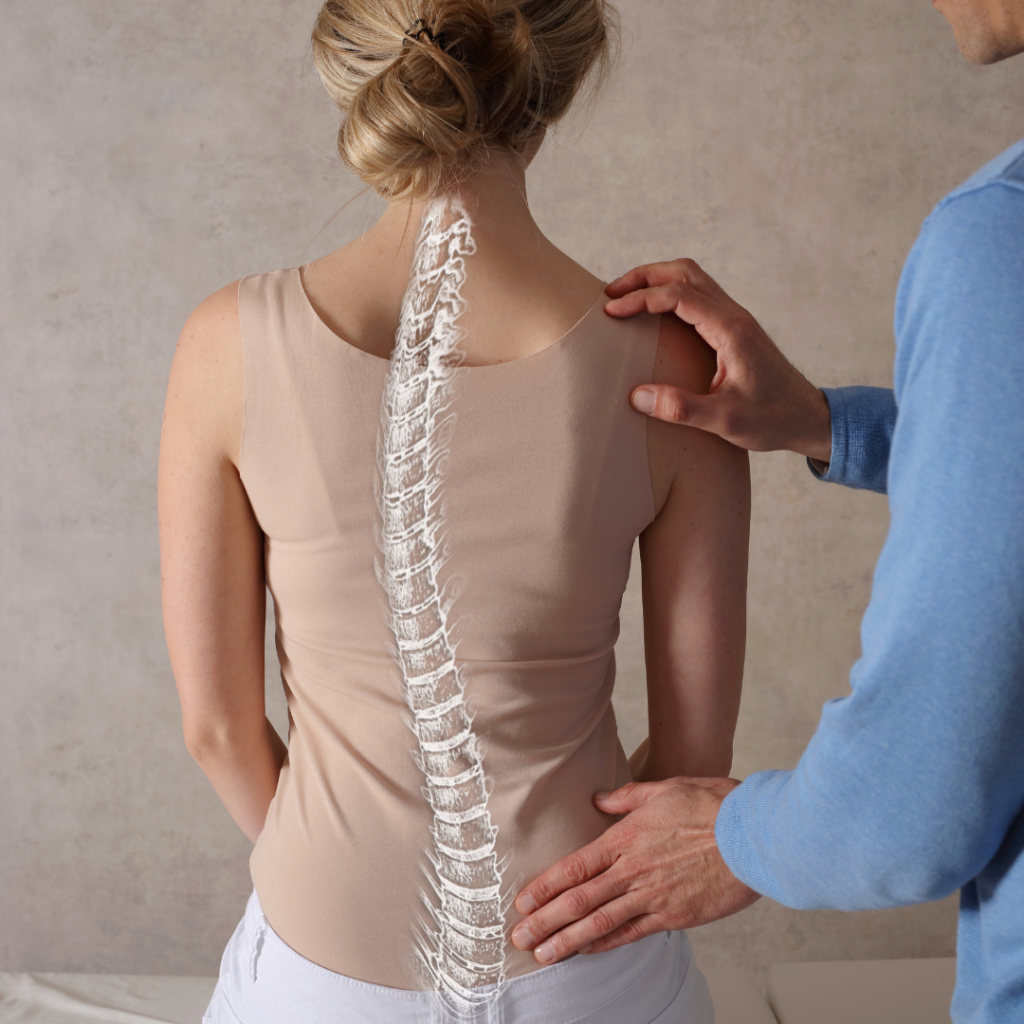
Radiating pain is often a sign that a nerve is involved. The nerves that control sensation and movement in your arm originate in the cervical spine — meaning your neck. When one of those nerve roots becomes irritated or compressed due to a herniated disc, bone spur, or spinal misalignment, the pain can travel all the way down the arm and feel as though it’s coming from the elbow. This is sometimes called “referred pain,” and it’s one of the more common reasons people end up in Dr. Peter Lynch’s office thinking they have a simple elbow problem when the real source is higher up in the spine.
This kind of radiating pattern is distinct from tennis elbow or golfer’s elbow, which tend to stay localized. If the pain seems to move or spread, that’s your body asking you to look at the bigger picture.
Sign #2: You Have Numbness, Tingling, or Weakness
Ordinary muscle soreness rarely causes numbness or tingling. If you’re experiencing a “pins and needles” sensation in your fingers, hand, or forearm — especially alongside elbow pain — that’s a neurological symptom, and it deserves a thorough evaluation. These sensations occur when a nerve is compressed or irritated somewhere along its path from the spine to the fingertips.
Cubital tunnel syndrome is one condition that can cause these symptoms. It involves compression of the ulnar nerve at the elbow, and it often mimics simple elbow discomfort at first. But carpal tunnel syndrome, thoracic outlet syndrome, and even cervical radiculopathy can all produce similar sensations that make the elbow feel like the problem area when the real issue lies elsewhere.
Weakness is another red flag. If you notice that your grip strength has declined, that you’re dropping things more easily, or that certain movements feel unusually difficult, the nervous system is likely involved. At Tri-States Chiropractic in Dubuque, IA, Dr. Peter Lynch conducts careful orthopedic and neurological assessments to help identify where along the nerve pathway the problem is originating — and what type of care may help.
Sign #3: The Elbow Is Visibly Swollen, Bruised, or Deformed
This one might seem obvious, but it’s worth saying clearly: visible changes to the elbow — significant swelling, discoloration, or an abnormal shape — are signs that something structural may have occurred. These can indicate a fracture, dislocation, bursitis, or a torn ligament. They’re not symptoms to push through or ignore.
Olecranon bursitis, for example, causes the back of the elbow to swell up noticeably, sometimes to the size of a golf ball. It can result from a fall, repetitive pressure, infection, or inflammatory conditions like gout or rheumatoid arthritis. The swelling alone can be striking, but when it’s combined with redness or warmth to the touch, infection becomes a concern — and that warrants medical attention promptly.
A deformed elbow following a traumatic event — a fall, a sports collision, or a sudden twist — could indicate a fracture or dislocation. These are situations where imaging is typically needed. While conservative chiropractic care plays an important role in many elbow conditions, Dr. Peter Lynch and the team at Tri-States Chiropractic are always committed to co-managing care appropriately and referring patients to medical providers when imaging or specialized treatment is needed first.
Sign #4: The Pain Doesn’t Improve — It Gets Worse Over Time
Here’s a truth that many people don’t want to hear: pain that steadily worsens over several weeks, rather than gradually improving, is not something your body is just “working through.” Persistent, progressive elbow pain is a warning sign — especially if it’s happening without a clear reason or in the absence of any recent injury.
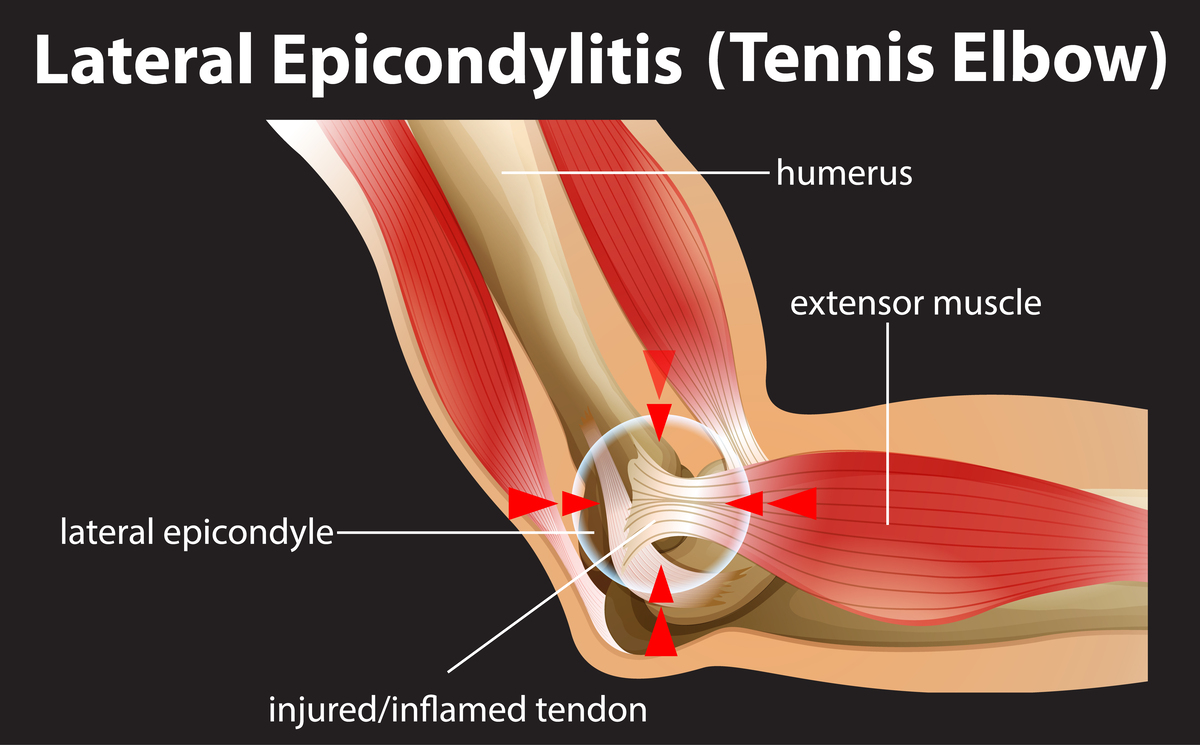
Degenerative joint conditions like osteoarthritis can cause progressive joint pain and stiffness. These conditions develop slowly and tend to worsen if left unaddressed. Repetitive stress injuries — like chronic tennis elbow (lateral epicondylitis) or golfer’s elbow (medial epicondylitis) — can also escalate into more significant tendon damage if the underlying biomechanical issues are never corrected.
There are also rarer but more serious causes of progressive joint pain that should be considered, including inflammatory arthritis and, in very rare cases, bone pathology. These aren’t meant to frighten you — they’re mentioned because persistent, worsening pain that doesn’t follow the usual course of a soft tissue injury is always worth evaluating. Here in Dubuque, the team at Tri-States Chiropractic encourages patients not to wait it out indefinitely when pain is on an upward trend.
Sign #5: You’re Experiencing Symptoms Beyond the Elbow
Sometimes what appears to be an isolated elbow problem is actually part of a broader systemic or musculoskeletal issue. If your elbow pain is accompanied by fatigue, fever, unexplained weight loss, or joint pain in multiple locations at once, that constellation of symptoms points away from a simple overuse injury and toward something that needs medical workup.
Inflammatory arthritis conditions, including rheumatoid arthritis, can affect multiple joints simultaneously. Lyme disease — which is relevant in the upper Midwest, including Iowa — can cause joint pain and swelling that affects the elbows, knees, and other joints. These are not conditions that chiropractic care treats directly, but recognizing their early signs and referring appropriately is a core part of responsible, whole-patient care.
Dr. Peter Lynch approaches every patient at Tri-States Chiropractic with the understanding that the body is interconnected. When the picture is bigger than the elbow alone, the approach needs to be broader too. Listening carefully to the full range of symptoms is how we make sure patients get the right care — whether that’s in our office or elsewhere.
How Chiropractic Care Fits Into Elbow Pain Treatment
When elbow pain stems from musculoskeletal or nerve-related causes, chiropractic care can be a genuinely effective, non-invasive approach to finding and addressing the root of the problem. Research from organizations like the National Center for Complementary and Integrative Health (NCCIH) supports spinal manipulation and manual therapy as helpful options for a range of musculoskeletal conditions — and the elbow is no exception when the cause is mechanical.
At Tri-States Chiropractic, Dr. Peter Lynch begins with a comprehensive evaluation that looks at the elbow itself, but also at the cervical spine, thoracic spine, shoulder, and wrist — because all of these areas can contribute to or compound elbow symptoms. Misalignments in the neck or upper back can create nerve tension that travels down the arm. Poor shoulder mechanics can place excess strain on the elbow. Even wrist positioning during daily tasks can feed stress upward through the kinetic chain.
Care may include spinal adjustments to restore proper nerve function and joint mobility, soft tissue therapy for the muscles and tendons surrounding the elbow, and corrective guidance for posture and movement patterns. The goal is always to reduce pain, restore function, and address the underlying cause so the problem doesn’t keep coming back.
Practical Tips to Protect Your Elbow and Upper Body
Whether you’re recovering from elbow pain or trying to prevent it in the first place, there are several practical habits that can make a real difference. These aren’t complicated — they’re the kind of everyday adjustments that add up over time.
Pay close attention to your workstation setup. If you spend long hours at a desk, your elbows should be bent at roughly a 90-degree angle when typing. Keeping them unsupported or at awkward angles for hours at a time puts chronic strain on the lateral and medial tendons of the elbow joint. A good ergonomic setup is one of the most underrated forms of elbow injury prevention.
Be thoughtful about repetitive movements. Whether it’s a tennis swing, a paint roller, or typing thousands of keystrokes a day, repetitive motions with poor mechanics are among the top causes of chronic elbow conditions. If you notice early soreness or stiffness, that’s a signal to look at your technique, equipment, or rest schedule before the issue becomes a full-blown injury.
Strengthen the supporting muscles. The muscles of the forearm, shoulder, and upper back all play a role in how load is distributed through the elbow. Keeping these muscles conditioned and balanced reduces the strain on tendons and joints. A chiropractor can guide you toward appropriate exercises that support elbow health without aggravating existing issues.
When to See a Chiropractor for Elbow Pain
Not every elbow ache requires a professional visit. A mild muscle soreness that clears up in a day or two after physical activity is generally nothing to worry about. But there are specific situations where getting evaluated sooner rather than later makes a meaningful difference.
You should consider scheduling an evaluation if your elbow pain has persisted for more than two to three weeks without improvement. If the pain is interfering with daily activities — gripping objects, typing, reaching overhead, or sleeping — that’s a functional limitation worth addressing. Numbness, tingling, or radiating pain, as described earlier, should always prompt a professional assessment.
|
Symptom / Situation |
Likely Appropriate Response |
Red Flag Level |
|---|---|---|
|
Mild soreness after exercise, resolves in 1-2 days |
Rest, monitor; no visit needed immediately |
Low |
|
Elbow pain lasting 2-3+ weeks without improvement |
Schedule a chiropractic evaluation |
Moderate |
|
Numbness, tingling, or weakness in the arm or hand |
Prompt chiropractic or medical evaluation |
Moderate–High |
|
Radiating pain from elbow up to neck or shoulder |
Chiropractic evaluation; cervical spine assessment |
Moderate–High |
|
Visible deformity, severe swelling, bruising after trauma |
Seek medical/emergency care first; imaging likely needed |
High |
|
Elbow pain with fever, fatigue, or multi-joint symptoms |
Medical evaluation for systemic causes |
High — see medical provider |
There are also situations where chiropractic care is not the first step. Visible deformity following trauma, suspected fracture, severe infection signs like intense warmth and redness, or systemic symptoms like fever alongside joint pain — these warrant medical evaluation before anything else. At Tri-States Chiropractic, the priority is always your safety and getting you connected to the right level of care.

Myths vs. Facts About Elbow Pain
Myth: Elbow pain always means tennis elbow.
Fact: Tennis elbow (lateral epicondylitis) is one of the most well-known elbow conditions, but it’s far from the only one. Cubital tunnel syndrome, medial epicondylitis, bursitis, nerve compression originating from the cervical spine, and referred pain from the shoulder or neck can all produce elbow symptoms. Assuming it’s tennis elbow without evaluation risks missing the true cause entirely.
Myth: If you can still move the elbow, nothing serious is wrong.
Fact: Range of motion can be preserved even with fractures, nerve injuries, or significant tendon damage — especially in the early stages. The ability to move the joint does not rule out a more serious underlying problem. Pain with movement, weakness, or neurological symptoms should still be evaluated even if full motion seems intact.
Myth: Elbow pain will go away on its own if you just rest it long enough.
Fact: Rest can be helpful for minor overuse injuries, but it doesn’t address underlying causes like poor mechanics, nerve compression, or spinal misalignments. In some cases, passive rest without addressing the root cause leads to prolonged recovery or recurring problems. Active, guided care tends to produce better outcomes than simply waiting.
Myth: Chiropractic care is only for back and neck problems.
Fact: Chiropractors are trained to evaluate and address musculoskeletal conditions throughout the entire body — including the elbow, shoulder, wrist, hip, and knee. Because nerve pathways and biomechanical chains connect all these areas, chiropractic evaluation of the full musculoskeletal system often uncovers root causes that explain peripheral joint pain like elbow discomfort.
Myth: You only need to see a chiropractor if the pain is severe.
Fact: Early intervention often leads to faster, more complete recovery. Waiting until pain becomes severe can allow compensatory patterns to develop, other areas to become strained, and the original issue to worsen. Addressing mild-to-moderate elbow pain early — before it becomes a chronic problem — is generally the wiser approach.
Final Thoughts from Tri-States Chiropractic
Elbow pain is one of those conditions that’s easy to dismiss — until it isn’t. The five signs we’ve walked through in this article aren’t meant to alarm you. They’re meant to empower you with the knowledge to recognize when your body is asking for something more than a few days of rest. Radiating pain, neurological symptoms, visible changes to the joint, persistent worsening, and systemic symptoms alongside joint pain are all signals worth taking seriously.
Here in Dubuque, IA, Dr. Peter Lynch and the entire team at Tri-States Chiropractic are committed to helping people understand what’s happening in their bodies — and to offering the kind of thoughtful, thorough care that gets to the root of the problem. Whether your elbow pain turns out to be a simple overuse injury or something that needs a broader look, you deserve to understand what’s going on and to feel supported through the process.
If any of the signs in this article sound familiar, don’t wait and wonder. Reach out to Tri-States Chiropractic in Dubuque and let us help you get a clearer picture. Your health is worth that conversation.
Frequently Asked Questions
Can neck problems actually cause elbow pain?
Yes — this is more common than many people realize. The nerves controlling arm sensation and movement originate in the cervical spine. When those nerve roots are irritated or compressed due to a disc issue or misalignment, pain can radiate down the arm and manifest at the elbow. Dr. Peter Lynch at Tri-States Chiropractic evaluates the cervical spine as part of any arm or elbow complaint for this reason.
How long should I wait before seeing someone about elbow pain?
If your pain is mild and seems connected to a specific activity, monitoring it for a week is reasonable. However, if it hasn’t improved after two to three weeks, is getting worse, or is accompanied by numbness, tingling, or weakness, seek a professional evaluation sooner. Early care generally leads to better outcomes.
Is it safe to get a chiropractic adjustment if my elbow is swollen?
This depends entirely on the cause of the swelling. Significant swelling, especially following trauma, should be evaluated medically first to rule out fracture or dislocation. Once a structural injury has been ruled out, a chiropractor can then determine the most appropriate approach. Always disclose swelling and any history of injury at your appointment.
Can chiropractic care help with tennis elbow?
Evidence suggests that manual therapy, soft tissue treatment, and addressing biomechanical factors through chiropractic care may be helpful for lateral epicondylitis (tennis elbow). Treatment typically focuses on reducing tendon irritation, improving joint mechanics, and addressing contributing factors in the shoulder and spine. Results vary depending on the severity and duration of the condition.
What makes elbow pain a chiropractic issue rather than just a medical one?
When elbow pain has a musculoskeletal or nerve-related origin — such as a spinal misalignment, poor posture, repetitive stress mechanics, or joint dysfunction — chiropractic care is well-suited to address it. Chiropractors like Dr. Peter Lynch are trained to identify these patterns and provide non-invasive care. When symptoms suggest a fracture, infection, or systemic disease, referral to medical care is the appropriate path.
Does Tri-States Chiropractic treat elbow conditions in Dubuque?
Yes. Tri-States Chiropractic in Dubuque, IA offers evaluation and conservative care for a wide range of upper extremity conditions, including elbow pain. Dr. Peter Lynch conducts a thorough assessment to determine the source of your symptoms and develops a care plan tailored to your specific situation.
TL;DR — Key Takeaways
-
Elbow pain that radiates toward the neck or down the arm may indicate a nerve problem originating in the cervical spine — not just a local elbow issue.
-
Numbness, tingling, or unexplained weakness alongside elbow pain are neurological warning signs that warrant professional evaluation.
-
Visible swelling, deformity, or bruising — especially after trauma — may indicate a fracture, dislocation, or bursitis and should not be ignored.
-
Pain that steadily worsens over weeks rather than improving is a red flag that the underlying cause needs to be identified and addressed.
-
Chiropractic care, like that offered by Dr. Peter Lynch at Tri-States Chiropractic in Dubuque, IA, can address the root mechanical and neurological causes of elbow pain — but also helps guide patients toward the right level of care when something more serious is suspected.