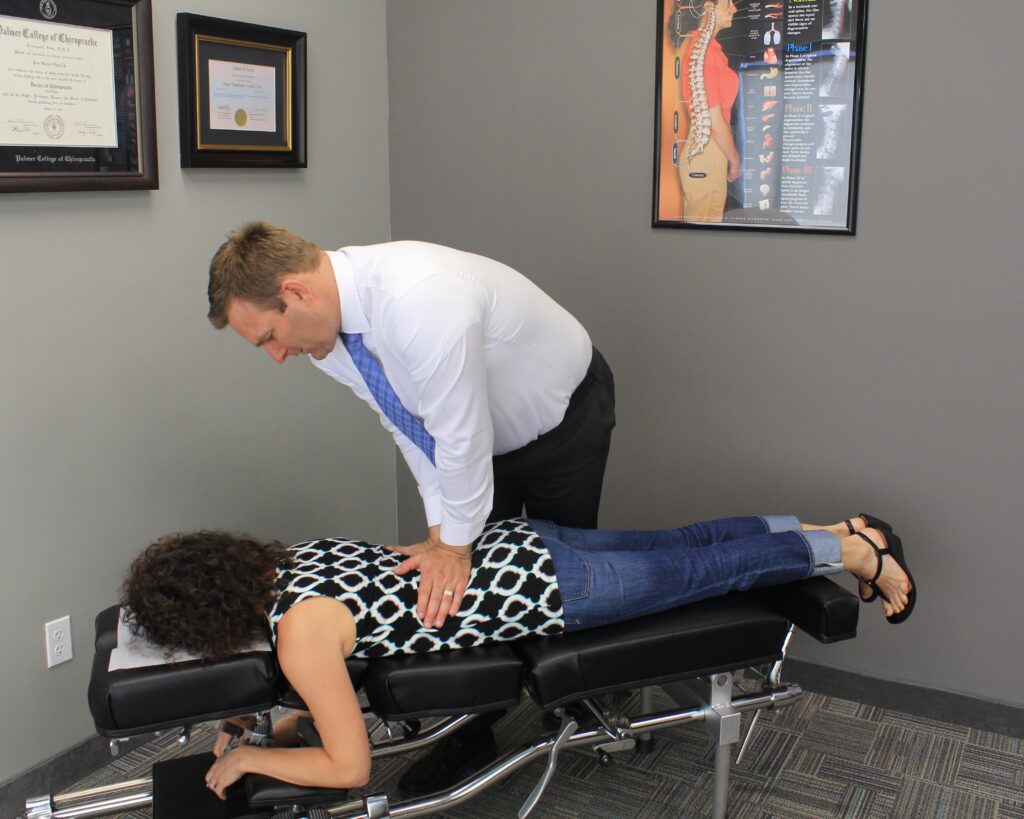
As your local chiropractor, I want to guide you through the recovery process from a neck injury with gentle techniques that can significantly aid your healing.
It's essential to incorporate mild movements, such as neck tilts and shoulder rolls, which can help alleviate tension and improve your overall flexibility. Paying attention to your body's signals is vital; this awareness allows you to make necessary adjustments that can prevent any additional discomfort.
But beyond these simple movements, there are other effective practices you can adopt to support a more comprehensive recovery.
For instance, gentle stretches and proper posture can play a crucial role in your healing journey. Understanding these nuances not only transforms your approach to recovery but can also enhance your daily life immensely.
If you have any questions or would like to explore personalized treatment options, I'm here to help you on your path to wellness.
Understanding Neck Injuries
As a local chiropractor, I want to help you understand the importance of neck health and the various injuries that can occur. Neck injuries can affect anyone, whether they arise from sports accidents, falls, or even poor posture while using devices. It's essential to recognize the different types of neck injuries to facilitate effective recovery.
Common injuries include strains, sprains, and herniated discs. A strain happens when the muscles or tendons in your neck stretch or tear, while a sprain involves the ligaments. Both injuries can lead to pain, stiffness, and decreased mobility, making it difficult to carry out your daily activities comfortably.
Whiplash is another prevalent injury, often resulting from abrupt neck movement, typically seen in car accidents. It can lead to symptoms like headaches, dizziness, and fatigue, which may hinder your recovery process. If you suspect you have a herniated disc, you might notice radiating pain or numbness extending into your arms, indicating that nerves may be affected.
I encourage you to pay attention to how your neck feels during everyday tasks. Poor posture, such as slouching or craning your neck forward, can contribute to chronic pain and discomfort. Many people are unaware that their sitting or standing habits significantly impact their neck health.
Recognizing the signs and symptoms of neck injuries early on is crucial to preventing further complications. If you're experiencing persistent pain or discomfort, I urge you to consult with a healthcare professional, such as myself, for a thorough assessment. I can provide you with tailored treatment options that focus on natural healing methods, helping you regain your mobility and return to your normal activities as quickly and safely as possible. Your neck health is important, and together we can work towards a pain-free future.
Importance of Gentle Recovery
Recovering from a neck injury is a process that requires a gentle approach to ensure proper healing without putting additional strain on your body. As your chiropractor, I want to emphasize how delicate the neck is and the importance of not rushing into aggressive treatments or exercises, as this could worsen your condition. By focusing on gentle recovery techniques, you allow your body the time it needs to heal and gradually regain strength.
One of the most important aspects of gentle recovery is tuning into your body's signals. If you feel discomfort or pain as you go through your recovery, it's crucial to reassess your activities. Ignoring these signals can lead to setbacks and prolong the healing process. Instead, I encourage you to engage in mild movements and supportive practices that promote circulation and flexibility without pushing your limits.
Moreover, gentle recovery methods can significantly reduce the risk of complications. The neck is closely connected to the spine and nervous system, meaning that any undue stress can result in further injury or chronic pain. By taking it slow, you create an optimal environment for healing, allowing your muscles, ligaments, and nerves to recover properly. Remember, chiropractic care is here to support you on this journey, guiding you toward safe and effective recovery.
Stretching Exercises for Relief
As a local chiropractor, I want to emphasize the importance of gentle stretching in your recovery from a neck injury. Incorporating specific neck stretches into your daily routine can significantly improve your flexibility and help alleviate discomfort. It's crucial to understand not only the stretches themselves but also how often and for how long you should be performing them to achieve optimal results. By integrating these practices, you can support your healing process and enhance your overall well-being naturally.
Importance of Gentle Stretching
As a local chiropractor, I want to emphasize the importance of a well-executed stretching routine in your recovery from neck injuries. Gentle stretching can play a crucial role in alleviating tension in your neck muscles, which not only helps reduce pain but also improves your overall mobility. When you incorporate these gentle stretches into your daily routine, you promote better blood circulation, allowing essential nutrients to reach the injured areas more effectively. This process can significantly speed up your healing and enhance your recovery experience.
It's vital to listen to your body during these stretches. You should avoid pushing yourself too hard, as doing so can worsen your injury or create new discomfort. Instead, focus on slow, controlled movements that gradually expand your range of motion. Consistency is key here—aim for short stretching sessions multiple times throughout the day to maximize benefits.
Beyond the physical advantages, gentle stretching can also promote relaxation and reduce stress, which is particularly important during your recovery journey. By dedicating time to stretch mindfully, you foster a deeper connection between your body and mind, creating a holistic approach to healing. Remember, gentle stretching is not just about finding relief; it's a vital component of your path to recovery, and I'm here to support you every step of the way.
Recommended Neck Stretches
As a local chiropractor, I often see patients who struggle with neck pain and discomfort. One effective way to alleviate this pain is through targeted stretching exercises that can easily be incorporated into your daily routine. These gentle stretches not only help improve flexibility but also work to reduce tension in the neck area.
Let's start with a simple neck tilt. Whether you're sitting or standing, slowly tilt your head to one side, bringing your ear toward your shoulder. Hold this position for about 15 seconds, then switch to the other side. This stretch is great for releasing tight muscles.
Next, I recommend the neck rotation stretch. Gently turn your head to one side until you feel a mild stretch in your neck. Hold for 15 seconds, and then rotate to the opposite side. This movement can help improve your range of motion.
Another beneficial stretch is the chin tuck. Sit up straight and gently tuck your chin in, creating a slight double chin effect. Hold this position for about 5 seconds before releasing. This exercise is fantastic for strengthening the muscles that support your neck.
For a more comprehensive approach, try the shoulder shrug. Raise your shoulders toward your ears, hold for a moment, and then release them down. Repeat this several times to help relieve tension in the upper body.
Lastly, don't overlook the upper trapezius stretch. Sit up straight, reach your right hand over your head, and gently pull your head to the right side. You should feel a nice stretch along the left side of your neck. Hold for 15 seconds, then switch sides.
Incorporating these stretches into your routine can significantly enhance your neck health and overall well-being. If you have any questions or need further assistance, don't hesitate to reach out!
Frequency and Duration Tips
As a local chiropractor, I want to emphasize the importance of incorporating neck stretches into your daily routine for optimal relief and recovery. Understanding how often and how long to perform these exercises is crucial for achieving the best results. I recommend stretching your neck at least three to five times a week. This frequency allows your muscles to adapt and encourages better flexibility over time.
In terms of duration, aim to hold each stretch for about 15 to 30 seconds. This timeframe is effective for releasing tension and improving mobility in your neck. While you're stretching, don't forget to breathe deeply; this not only enhances relaxation but also helps you achieve better outcomes from your efforts.
Additionally, consider incorporating short, gentle stretches throughout your day, particularly if you find yourself sitting for extended periods. Taking breaks every hour to stretch for a few minutes can help prevent stiffness and alleviate discomfort in your neck and shoulders.
It's essential to listen to your body. If you experience pain while stretching, ease off and consult a healthcare professional if necessary. Gradually increasing the intensity and duration of your stretches can lead to more significant improvements in your neck health. Remember, consistency is key—making these practices a regular part of your routine will help you achieve lasting relief and support your overall well-being.
Gentle Strengthening Techniques
As a local chiropractor, I want to share some valuable insights on how gentle strengthening techniques can aid in your recovery following a neck injury. These exercises are essential for rebuilding the muscle support around your neck, enhancing stability, and significantly reducing the risk of future injuries.
Let's start with isometric exercises. These involve gently pushing your head against an immovable surface, like a wall or even your own hand. This method is particularly effective as it builds strength without requiring excessive movement, making it a safe choice for those recovering from neck issues.
Next, I recommend incorporating head nods and rotations into your routine. While seated or standing, gently nod your head up and down or turn it side to side. Focus on controlled movements and aim for a range of motion that feels comfortable for you. Additionally, shoulder shrugs and rolls can be very beneficial as they help relieve tension in both the neck and upper back while promoting overall mobility.
Using resistance bands can also enhance your healing process. Secure the band in one hand and gently pull it away while keeping your head steady. This technique introduces gentle resistance, which is excellent for strengthening the muscles surrounding your neck. Throughout these exercises, maintaining proper posture is crucial—make sure to keep your back straight and your shoulders relaxed.
Always pay attention to your body's signals. If you experience any pain or discomfort during these exercises, it's essential to stop and consult with a healthcare professional. As you regain strength, you can gradually increase the intensity of your workouts. Remember, consistency is key! By integrating these gentle strengthening techniques into your daily routine, you will not only aid in your recovery but also promote long-term health for your neck.
As your chiropractor, I'm here to support you on this journey to healing and wellness. Don't hesitate to reach out if you have any questions or need guidance on your recovery path.
Mindfulness and Relaxation Practices
As your local chiropractor, I want to emphasize the importance of incorporating mindfulness and relaxation practices into your recovery process, especially if you're dealing with a neck injury. Techniques such as breathing exercises, guided meditation, and gentle stretching can significantly reduce tension in your body and enhance your overall well-being. These practices not only support your healing journey but also promote a lasting sense of calm. By focusing on these natural healing methods, you can empower yourself to recover more effectively and improve your quality of life.
Breathing Exercises Benefits
As a chiropractor, I often emphasize the importance of breathing exercises in promoting mindfulness and relaxation, particularly during the recovery process from a neck injury. When you focus on your breath, you create a soothing environment that can significantly alleviate stress and tension in both your body and mind. This approach can be especially advantageous as you navigate the discomfort that often accompanies an injury.
Let me highlight some key benefits of integrating breathing exercises into your daily routine:
- Reduces muscle tension: By practicing controlled breathing, you can help release tightness in your neck and the surrounding muscles, which often contribute to discomfort.
- Enhances focus: Concentrating on your breath can sharpen your mental clarity, allowing you to stay more present and engaged in your recovery.
- Promotes relaxation: Deep breathing activates your body's natural relaxation response, helping to lower your heart rate and blood pressure, which can be beneficial during healing.
- Improves posture: Mindful breathing encourages you to be aware of your body alignment, which can lead to better posture and less strain on your neck over time.
- Boosts emotional well-being: Regular practice of these exercises can help you better regulate your emotions, making it easier to cope with the ups and downs of your recovery journey.
Guided Meditation Techniques
As a local chiropractor, I want to share five effective guided meditation techniques that can significantly support your mindfulness and relaxation, especially during your recovery from neck injuries. These practices not only complement chiropractic care but also promote natural healing.
First, let's explore body scan meditation. By focusing your attention on each part of your body, you can release tension and become more aware of the areas that may need extra healing. This technique can be particularly beneficial as you recover from neck pain.
Next, I encourage you to try visualization. Picture yourself in a serene setting, such as a tranquil beach or a peaceful forest. Engaging all your senses in this imagery can provide a wonderful escape from discomfort and foster relaxation, aiding your recovery journey.
Third, consider incorporating loving-kindness meditation into your routine. This practice involves silently wishing yourself well and extending those positive thoughts to others. It nurtures compassion and can effectively reduce stress, which is vital for healing.
Fourth, breath awareness is a powerful tool. By concentrating on your breath, you can ground yourself and bring your focus back to the present moment, which is essential for managing pain and anxiety during your recovery.
Lastly, guided imagery can be incredibly beneficial. Listening to a recording that takes you through a calming scenario can help distract you from discomfort while instilling a profound sense of calm.
Gentle Stretching Practices
As a chiropractor, I often emphasize the importance of gentle stretching to support recovery and promote relaxation. Many of you may not be familiar with how simple stretches can alleviate tension and enhance your overall mobility, so let's explore some effective practices together. Remember to listen to your body and avoid any movements that cause discomfort. Here are a few gentle stretches I recommend for your neck and surrounding muscles:
- Neck Tilts: Begin by slowly tilting your head to one side, bringing your ear toward your shoulder. Hold this position for 15-30 seconds, then gently switch to the other side. This stretch can help release tightness in your neck.
- Chin Tucks: Whether you're sitting or standing, maintain a straight posture. Gently tuck your chin in toward your chest and hold for a few seconds. This exercise not only helps to strengthen your neck muscles but also promotes better alignment.
- Shoulder Rolls: To relieve tension in your upper back and neck, try rolling your shoulders in a circular motion—first forward, then backward. This simple movement can make a significant difference in how you feel.
- Gentle Neck Rotation: Slowly turn your head to one side, as if looking over your shoulder. Hold for a few seconds before switching to the other side. This rotation can improve your neck's range of motion and reduce stiffness.
- Upper Trap Stretch: While seated comfortably, let one arm hang down at your side and tilt your head to the opposite side. This stretch targets the muscles in your neck and shoulders, helping to alleviate tightness.
Incorporating these gentle stretches into your daily routine can lead to a more relaxed and pain-free neck. As your chiropractor, I'm here to guide you on your journey to better health and well-being through natural methods.
Heat and Cold Therapy
As a local chiropractor, I want to help you understand the benefits of heat and cold therapy, especially when it comes to managing neck injuries. These natural healing methods can be incredibly effective in alleviating pain and promoting recovery, but it's essential to know when and how to use them for optimal results.
When you experience a recent neck injury, cold therapy should be your first line of defense. Applying an ice pack or a cold compress to the affected area can significantly reduce swelling and numb sharp pain. I recommend using cold therapy for about 15 to 20 minutes at a time, several times throughout the day. Remember to wrap the ice pack in a cloth to protect your skin from frostbite. This method is particularly beneficial during the first 48 hours post-injury, as it helps manage inflammation.
Once the initial swelling has decreased, heat therapy can be a wonderful way to ease muscle tension and enhance blood circulation. Using a warm towel, heating pad, or even taking a warm shower can help relax tight muscles and alleviate stiffness. Just like with cold therapy, limit your exposure to heat to 15 to 20 minutes, and ensure that the heat is gentle enough to prevent burns.
You might also find it helpful to alternate between heat and cold therapy. This combination can offer even greater relief. Pay attention to how your body responds; if one method feels more beneficial than the other, feel free to stick with it. Healing takes time, so be patient with yourself, and don't hesitate to reach out to a healthcare professional, such as myself, if your pain persists. Together, we can explore effective strategies to support your recovery and overall well-being.
Supportive Therapies Overview
As a local chiropractor, I want to emphasize the importance of supportive therapies when recovering from a neck injury. Many patients may not be aware, but chiropractic care plays a crucial role in your healing journey. Through targeted adjustments and treatments, we can improve your mobility and reduce pain effectively.
In addition to chiropractic adjustments, physical therapy is an excellent complement to your recovery, as it helps strengthen the muscles surrounding your neck. I also encourage exploring alternative healing methods, such as massage therapy, acupuncture, or yoga, which can provide a holistic approach to your recovery. Together, these therapies can enhance your healing process and help you regain your strength and comfort.
Physical Therapy Benefits
As a local chiropractor, I want to share the incredible benefits of chiropractic care for those recovering from neck injuries. Our goal is to help you regain strength, flexibility, and overall function in a natural and holistic way. When you work with a chiropractor, you receive a customized treatment plan designed specifically for your needs. This individualized approach ensures that you not only receive care but also become an active participant in your healing journey.
Here are some key benefits of chiropractic care for neck injuries:
- Enhanced Range of Motion: Through specific adjustments and exercises, we help improve your neck's flexibility gradually and safely.
- Natural Pain Relief: Our techniques focus on alleviating pain through manual adjustments and therapies, reducing the need for medication.
- Strength Development: We incorporate targeted exercises that strengthen the muscles supporting your neck, leading to better stability and resilience.
- Postural Improvement: We'll guide you in adopting better postural habits, which can relieve strain and prevent future neck issues.
- Empowerment Through Education: I will provide you with valuable information and self-care strategies to effectively manage your injury and maintain a healthy neck.
Choosing chiropractic care not only aids in your recovery but also equips you with the tools to sustain long-term neck health. By dedicating time to this holistic healing process, you're investing in a stronger and more resilient future.
Alternative Healing Methods
As a local chiropractor, I want to emphasize that chiropractic care is just one important aspect of your recovery journey after a neck injury. It's crucial to consider a variety of alternative healing methods that can complement your treatment and enhance your overall healing experience.
For instance, acupuncture is a technique we often recommend. It involves the insertion of thin needles into specific points on your body, which can promote healing and alleviate pain. Many of my patients have reported significant improvements in neck tension and discomfort after just a few sessions of acupuncture.
Another effective method is massage therapy. This approach not only helps to relax tight muscles but also improves blood circulation and encourages the release of endorphins – your body's natural painkillers. Regular massages can lead to increased flexibility and a reduction in pain, making it a valuable addition to your recovery plan.
I also encourage exploring gentle movement practices like yoga and tai chi. These exercises focus on stretching, strengthening, and improving posture, all of which are essential for maintaining neck health. Incorporating these practices can help you regain mobility and promote relaxation and mindfulness.
Lastly, consider the benefits of herbal remedies and essential oils. Certain herbs and oils can help reduce inflammation and pain. However, it's essential to consult with a healthcare provider before starting any new treatments. Remember, exploring these alternative therapies can greatly enhance your recovery journey alongside chiropractic care.
Posture Correction Strategies
As a chiropractor, I understand the importance of good posture, especially when recovering from a neck injury. Maintaining proper alignment not only alleviates strain on your spine and surrounding muscles but also supports the healing process and prevents future discomfort. Here are some effective strategies to help you achieve and maintain good posture in your daily life.
- Align your ears with your shoulders: Whether you're sitting or standing, it's crucial to keep your ears in line with your shoulders. This alignment helps prevent forward head posture, which can lead to further neck issues.
- Invest in ergonomic furniture: A supportive chair and a well-designed desk setup can make a world of difference. Make sure your computer screen is at eye level to encourage a natural alignment of your spine while you work.
- Take frequent breaks: If you find yourself sitting for extended periods, aim to take short breaks every 30 minutes. Use this time to stand up, stretch, and reset your posture. These small adjustments can significantly reduce strain on your neck and back.
- Strengthen your core: A strong core acts as a foundation for your spine, promoting better posture. Incorporating exercises such as planks and bridges into your routine can help enhance your core strength and support your overall spinal health.
- Be mindful of your movements: When lifting objects, always bend at your knees rather than your waist. Keeping the object close to your body can help minimize strain on your neck and back, reducing the risk of injury.
Daily Habits for Neck Health
As a chiropractor dedicated to your well-being, I want to emphasize that maintaining proper posture is just the beginning of supporting your neck health. To enhance your neck's health and prevent discomfort, I encourage you to adopt some daily habits that can make a significant impact.
First and foremost, be conscious of your screen time. Whether you're working on a computer or scrolling through your phone, it's essential to position your device at eye level. This simple adjustment can help reduce the strain on your neck that comes from looking down or leaning your head forward.
Taking regular breaks is another key strategy. If you find yourself sitting for extended periods, make it a habit to stand up, stretch, and move around every 30 to 60 minutes. Incorporating simple neck stretches can alleviate tension and keep your muscles flexible. For example, try gently tilting your head from side to side or rotating it in circles.
Hydration is also vital for your neck's health. Make sure to drink plenty of water throughout the day, as staying hydrated helps maintain the elasticity of your spinal discs, which can ultimately reduce discomfort and promote better function.
Paying attention to your sleep habits is equally important. Using a supportive pillow that keeps your neck aligned with your spine can make a world of difference. Generally, sleeping on your back or side is preferable to sleeping on your stomach, which can twist your neck and lead to discomfort.
Lastly, I highly recommend incorporating gentle exercises into your daily routine. Activities like yoga or swimming can significantly strengthen your neck and enhance flexibility. By making these small yet impactful adjustments to your daily habits, you'll lay the groundwork for improved neck health and minimize the risk of future injuries.
Prioritizing these practices will not only benefit your neck but also contribute to your overall well-being. Your body will thank you for it!
When to Seek Professional Help
As a local chiropractor, I want to emphasize the importance of recognizing when it's time to seek professional help for neck injuries. Your body has a way of signaling when something isn't quite right, and being attentive to these signals can be crucial for your recovery. While some neck discomfort can often be addressed with at-home remedies, certain symptoms may indicate a more significant issue that warrants the expertise of a healthcare professional.
Here are five key signs that suggest it's time to visit a chiropractor or another healthcare provider:
- Severe Pain: If your neck pain is intense and doesn't improve with rest or over-the-counter medications, it's time to reach out for help. Severe pain can often be a sign that your body needs a more tailored approach to healing.
- Radiating Symptoms: If you are experiencing numbness, tingling, or weakness in your arms or hands, this could indicate nerve involvement. Chiropractic care can help address these issues by restoring proper alignment and function.
- Limited Mobility: Difficulty turning your head or increased pain with movement are significant signs that should not be ignored. Chiropractic adjustments can enhance your range of motion and alleviate discomfort.
- Persistent Symptoms: If your neck pain persists for several days without any signs of improvement, it's wise to seek professional advice. Early intervention is key to preventing further complications.
- Accompanying Symptoms: The presence of headaches, fever, or unexplained weight loss alongside neck pain can signal a more serious condition that requires immediate attention. Your health is paramount, and these symptoms should prompt a visit to a healthcare professional.
Don't hesitate to reach out to a chiropractor if you notice any of these warning signs. Early intervention can lead to a more effective treatment plan tailored to your specific needs, helping you get back on the path to recovery. Remember, your well-being is a priority, and seeking professional help is a proactive step towards natural healing and improved health.
Conclusion
As a local chiropractor, I want to emphasize the importance of incorporating gentle techniques into your neck injury recovery. These approaches can significantly enhance your healing process. By focusing on mild movements, practicing mindfulness, and maintaining proper posture, you can alleviate discomfort while boosting your overall well-being.
It's crucial to listen to your body during this journey—adjusting your activities as needed is key. If you ever feel uncertain or overwhelmed, please don't hesitate to reach out for professional guidance. Your neck health is vital, and by embracing these gentle techniques, you can work towards a more comfortable and fulfilling life. Remember, chiropractic care is here to support you every step of the way on your path to recovery.