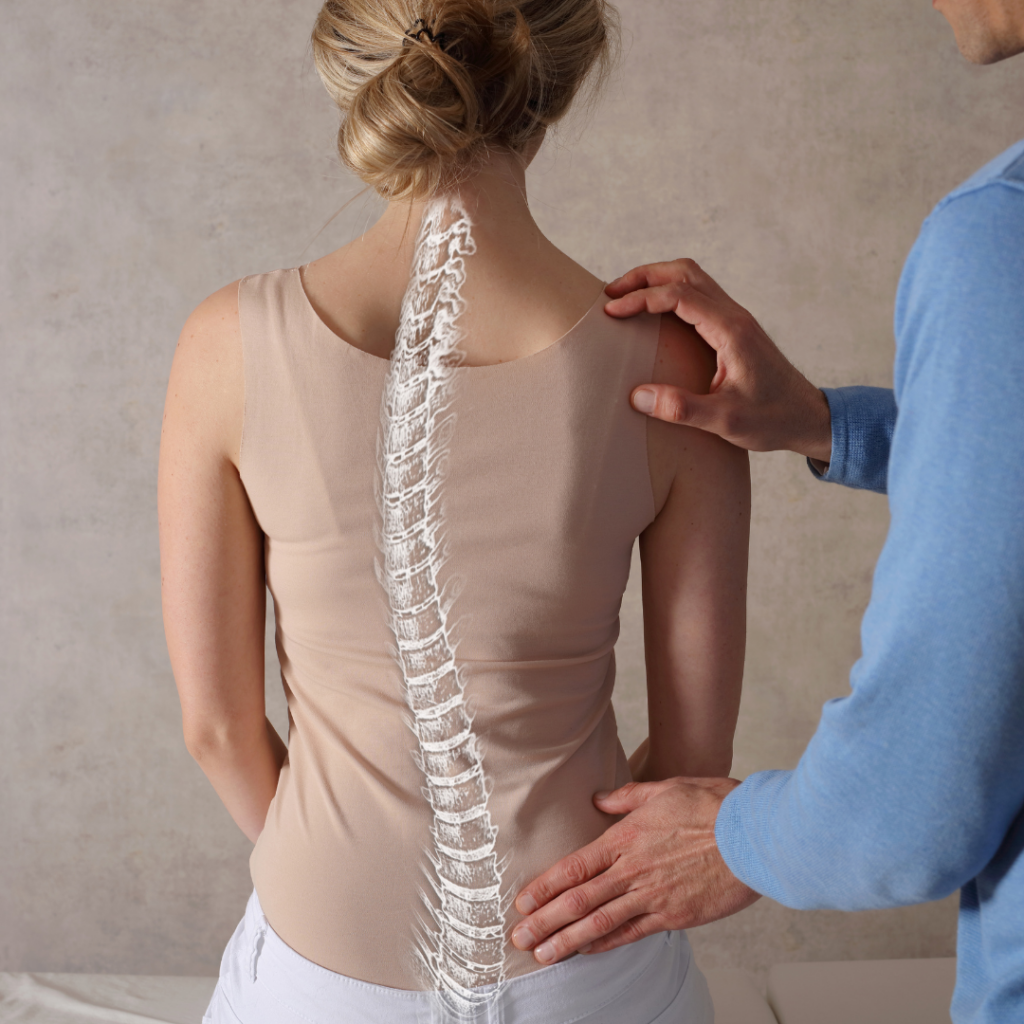
As a local chiropractor, I understand that experiencing a neck injury can be incredibly disruptive to your daily life. The pain you feel can limit your movements and affect your overall well-being.
However, I want to share with you some gentle techniques that can offer relief and help you regain your comfort without the risk of aggravating your injury.
Gentle stretching and targeted massage can be effective ways to restore mobility and alleviate discomfort in your neck. These practices encourage blood flow and relaxation of tense muscles, promoting healing in a natural way.
But there's more to recovery than just physical techniques. Incorporating mindfulness into your routine can help you manage pain and stress, creating a more balanced approach to healing.
It's also important to recognize when it might be time to seek professional help. As a chiropractor, I'm here to guide you through your recovery process, providing tailored treatment options that focus on your unique needs.
Together, we can explore a holistic approach to healing that combines these gentle techniques with chiropractic care, ensuring you are supported every step of the way on your journey toward relief and resilience.
Understanding Neck Injuries
As your local chiropractor, I want to shed light on the complexities of neck injuries and how they can impact your overall well-being. Many people often think of neck injuries as just simple strains or sprains, but the truth is that they can be much more intricate. These injuries can stem from various factors, such as accidents, sports activities, or even poor posture that develops over time. To truly understand neck injuries, it's important to recognize the anatomy involved.
Your neck is made up of vertebrae, muscles, ligaments, and nerves, all of which work together to support your head and allow for movement. When any part of this delicate system is damaged, it can lead to symptoms like pain, stiffness, and reduced mobility. For instance, a herniated disc might press on spinal nerves, resulting in radiating pain that travels down your arms. On the other hand, muscle strains can occur from overexertion or sudden movements, leading to discomfort that can interfere with your daily life.
Symptoms of neck injuries can present in various ways. You may notice localized pain, headaches, or even tingling sensations. It's crucial to pay attention to these signs, as they may indicate the severity of your condition. Sometimes, what you perceive as a minor ache could actually be a symptom of a more significant issue that deserves medical attention.
The healing process can also be influenced by several factors, including your age, overall health, and the specific nature of your injury. By understanding these elements, you can make informed decisions about your recovery. In chiropractic care, we focus on natural healing techniques that can support your body's ability to recover. By grasping the complexities of neck injuries, you will be better equipped to address them effectively with our holistic approach to health and wellness. If you have any concerns or questions about your neck, I'm here to help guide you on your journey to recovery.
Importance of Gentle Techniques
As a local chiropractor, I want to emphasize the importance of gentle techniques in the recovery process for neck injuries. When you experience a neck injury, your body often reacts with pain and stiffness, making movement difficult. Utilizing gentle techniques can significantly alleviate discomfort while allowing your muscles and tissues to heal properly. These methods prioritize your overall well-being and support a gradual recovery without putting additional strain on your body.
You may be curious about why gentle approaches can be more beneficial than aggressive treatments. When you push your body too hard, you risk worsening the injury and extending your recovery time. Gentle techniques, such as stretching, light massage, or specific therapeutic exercises, help increase blood flow and promote healing without overwhelming your injured neck. This nurturing approach can also reduce the tension and stress that often accompany pain.
Moreover, gentle techniques encourage mindfulness. As you engage in these practices, you'll learn to pay closer attention to your body's signals. This awareness can help you understand your limits and recognize when you need to modify your activities. Instead of seeking quick fixes, you'll be embracing a holistic approach that allows your body to heal at its own pace.
Incorporating these gentle techniques not only supports your physical healing but also fosters emotional resilience. You'll likely find yourself feeling more empowered and in control of your recovery, which can greatly enhance your overall well-being. By focusing on gentle methods, you're laying the groundwork for a successful and sustainable recovery from your neck injury. As your chiropractor, I'm here to guide you through this process and help you navigate your journey to healing.
Rest and Recovery Strategies
As a local chiropractor, I want to emphasize the vital importance of rest and recovery when it comes to healing from neck injuries. It's essential to allow your body the necessary time to recuperate. I encourage you to listen to your body; if you experience pain or discomfort, it's crucial not to push through it. Instead, take a step back from activities that may exacerbate your condition, such as heavy lifting or extended periods of computer use.
Creating a comfortable environment can significantly aid in your recovery. I recommend using supportive pillows while resting and maintaining a neutral position for your neck. Sleeping on your stomach can strain your neck further, so consider opting for positions on your back or side that support proper alignment. A cervical pillow designed to support the natural curve of your neck can be particularly beneficial.
Hydration is another key factor in your recovery journey. Drinking plenty of water helps maintain the elasticity of your muscles and tissues, facilitating the healing process. A balanced diet rich in vitamins and minerals is also crucial. Incorporating foods high in omega-3 fatty acids, such as salmon and walnuts, can help reduce inflammation, while leafy greens provide essential nutrients that support recovery.
Additionally, I want to highlight the benefits of gentle heat and ice therapy. Applying ice can help minimize swelling, while heat can relieve stiffness in your muscles. Alternating between the two can provide relief, but always ensure your neck has adequate time to rest. By following these strategies, you can create a solid foundation for a smoother recovery process and work toward regaining your mobility. Remember, your health is a priority, and I'm here to guide you on your path to natural healing.
Gentle Stretching Exercises
As a local chiropractor, I often emphasize the importance of gentle stretching exercises for healing and enhancing flexibility in your neck. These exercises can significantly alleviate tension, boost blood circulation, and improve your overall mobility. Here are four effective stretches that I recommend for my patients:
- Neck Tilts: Whether you're sitting or standing, maintain an upright posture. Slowly tilt your head to the right, aiming to bring your ear closer to your shoulder. Hold this position for 15-30 seconds, and you should feel a gentle stretch along the left side of your neck. Be sure to repeat this on the left side.
- Chin Tucks: While seated or standing, gently pull your chin in toward your chest. This action helps elongate the back of your neck. Hold the tuck for about 5 seconds, then relax. Aim to repeat this motion 5-10 times, as it strengthens the muscles that support your neck.
- Shoulder Rolls: With your arms relaxed at your sides, either sit or stand comfortably. Begin by rolling your shoulders forward in a circular motion for 5 repetitions, then switch and roll them backward for another 5. This exercise is excellent for releasing built-up tension in your neck and upper back.
- Upper Trapezius Stretch: Sit up straight and place your right hand on the left side of your head. Gently apply a slight pressure to pull your head toward your right shoulder. Hold this position for 15-30 seconds, then switch to the other side.
Incorporating these gentle stretches into your daily routine can greatly aid in your neck recovery. It's essential to listen to your body and avoid pushing into any discomfort. Remember, consistency is vital for achieving optimal results in your healing journey. If you have any questions or need guidance, feel free to reach out during your next visit!
Heat Therapy Benefits
As a local chiropractor, I want to share with you the incredible benefits of heat therapy for neck injuries. When you experience discomfort in your neck, heat therapy can play a vital role in your recovery. By applying heat, we can enhance blood circulation to the affected area, which means more oxygen and nutrients are delivered to help speed up the healing process.
Additionally, the warmth from heat therapy promotes muscle relaxation, easing tension in your neck and providing you with greater comfort. It's a natural and effective way to support your body's healing capabilities. If you're unfamiliar with chiropractic care, know that incorporating techniques like heat therapy can significantly enhance your overall well-being and recovery.
Improved Blood Circulation
As a local chiropractor, I often see patients who are dealing with neck injuries, and one of the most effective methods to support your recovery is through improved blood circulation. One of the best ways to enhance blood flow is through heat therapy. By applying warmth to your neck, you can stimulate circulation, which helps deliver vital oxygen and nutrients to the injured area, ultimately accelerating the healing process.
Let's explore four key benefits of using heat therapy to improve blood circulation:
- Enhanced Nutrient Delivery: Increased blood flow means that essential nutrients can reach your damaged tissues more efficiently, promoting better repair.
- Accelerated Healing: With improved circulation, your body can recover more quickly as it works to mend the injury.
- Reduced Inflammation: Heat therapy can help alleviate swelling by encouraging fluid drainage from the affected area, offering relief.
- Pain Relief: As the blood vessels expand with warmth, you may notice a decrease in pain levels, making your discomfort easier to manage.
Incorporating heat therapy into your recovery routine can significantly benefit your healing journey. Just be sure to use it safely—whether you opt for a warm towel, a heating pad, or a comforting warm shower, always ensure that you don't overheat your skin. Embrace the soothing warmth, and you're likely to feel the positive effects soon! If you have any questions or want to discuss this further, feel free to reach out during your next visit.
Muscle Relaxation Effects
As a local chiropractor, I want to share the benefits of heat therapy for muscle relaxation and recovery. One of the simplest yet effective methods to enhance your healing process is by using heat. When you apply heat to an area like your neck, it increases the muscle temperature, making them more flexible and less tense. This is especially important after a neck injury, as tight muscles can lead to increased discomfort and limited mobility.
Heat therapy activates your body's natural healing response, helping to soothe and relax your muscles. You may find that the warmth alleviates stiffness, reduces muscle spasms, and brings a sense of comfort. Whether you prefer using a heating pad, wrapping a warm towel around your neck, or enjoying a hot shower, the soothing effects can be quite beneficial.
As the heat penetrates deeper layers of muscle, it can also help reduce pain by blocking pain signals from reaching the brain. This can lead to a noticeable decrease in discomfort, allowing you to restore your range of motion more effectively. I recommend applying heat for about 15 to 20 minutes at a time—just be sure it's warm, not too hot, to prevent burns. Incorporating heat therapy into your routine can significantly aid in your recovery and enhance your overall well-being. If you have any questions or need further guidance, feel free to ask during your next visit!
Cold Therapy Applications
As a local chiropractor, I want to share with you how cold therapy can serve as an effective method for alleviating neck injuries. By reducing inflammation and numbing sharp pain, cold therapy can provide immediate relief when you're experiencing discomfort. Here's how you can easily incorporate this natural healing technique into your routine:
- Ice Packs: One of the simplest ways to apply cold therapy is by using an ice pack. Just wrap an ice pack or a bag of frozen vegetables in a thin towel to protect your skin. Place it gently on the injured area for about 15-20 minutes. This technique works by constricting blood vessels, which helps to minimize swelling and alleviate pain.
- Cold Compresses: Another effective method is to create a cold compress. Soak a soft cloth in cold water, wring it out, and place it on your neck for quick relief. You can repeat this several times throughout the day to help manage inflammation and discomfort.
- Gel Packs: If you have reusable gel packs, they can be particularly beneficial for targeted relief. These packs mold to the shape of your neck, making them comfortable to use. Keep them in the freezer so they're readily available whenever you need them.
- Cool Showers: Don't underestimate the power of a cool shower! Taking a cool shower can help lower your internal body temperature and soothe your neck. The cool water can ease muscle tension, providing a refreshing break from discomfort.
As you explore these cold therapy techniques, it's essential to listen to your body. If the cold feels too intense, it's perfectly fine to take a break from the application. Remember, cold therapy is most beneficial when used in moderation, especially within the first 48 hours following an injury. By consistently using these methods, you can significantly enhance your recovery process, getting you back to your daily activities with less pain and more comfort. If you have any questions or need further guidance, don't hesitate to reach out. Your health and well-being are our priority!
Massage Techniques for Relief
As a local chiropractor, I want to share some effective massage techniques that can help alleviate neck injuries and tension. These methods not only reduce muscle tightness but also improve blood circulation and promote healing in the neck area. It's essential to start by finding a comfortable position, whether you prefer sitting or lying down, and consider using a pillow to provide support for your neck.
Begin your massage by applying gentle strokes with your fingers or palms. Place your hands on the back of your neck, using light pressure and moving in circular motions. This initial step is crucial as it warms up the muscles, preparing them for deeper work. Pay close attention to any tight spots you may encounter. If you identify a particularly tender area, use your fingertips to apply pressure and hold for a few seconds before releasing. This targeted approach can be very beneficial.
Once you've warmed up the muscles, you can incorporate kneading techniques. Use your thumbs to press into the sides of your neck and gently roll the muscles, similar to kneading dough. This method helps break up knots and alleviate tension. For a deeper massage, you might consider using your forearms to apply slow, steady pressure along the neck's length.
It's also important to stretch after your massage. Gently tilting your head from side to side, as well as forward and backward, can help further relax your muscles and enhance flexibility. Remember, if you feel increased pain or discomfort at any point, please stop the massage immediately.
Incorporating these massage techniques into your routine can lead to significant relief and improved neck mobility over time. As we focus on natural healing methods, these practices can complement the chiropractic care I provide, allowing for a holistic approach to your health.
Mindfulness and Relaxation Practices
As a local chiropractor, I want to share with you the importance of incorporating mindfulness and relaxation practices into your recovery from neck injuries. These techniques not only help alleviate stress but also foster a healing environment by promoting a positive mindset. Here are some simple yet effective practices that you can easily weave into your daily life:
- Deep Breathing: I encourage you to take a few moments each day to focus on your breath. Inhale deeply through your nose, hold for a brief moment, and then exhale slowly through your mouth. This practice calms your nervous system and can significantly relieve tension in your neck and shoulders.
- Guided Imagery: Close your eyes and picture a serene scene, such as a sunny beach or a tranquil forest. Visualize the sensations of that place—the warmth of the sun on your skin or the gentle rustle of leaves. This mental escape can help reduce feelings of pain and anxiety, making a noticeable difference in your recovery.
- Progressive Muscle Relaxation: A technique I often recommend is to systematically tense and then relax each muscle group, starting from your toes and working your way up to your neck. This method helps release accumulated tension, allowing your muscles to relax more completely.
- Mindful Movement: Engaging in gentle activities like yoga or tai chi can be incredibly beneficial. These practices promote mindful movement, encouraging you to pay attention to how your body feels with each motion, particularly in the neck and shoulders. By cultivating this awareness, you can identify areas of tension and encourage deeper relaxation.
Incorporating these mindfulness and relaxation practices into your routine can greatly complement the chiropractic care you receive, supporting your journey towards recovery and overall well-being.
Ergonomic Adjustments for Comfort
As a local chiropractor, I want to emphasize the importance of creating a comfortable workspace to prevent and alleviate neck injuries. Understanding ergonomics is key to achieving this. Start by adjusting your chair height so that your feet rest flat on the floor and your knees form a 90-degree angle. This simple adjustment can greatly improve your posture and reduce strain on your neck.
It's also vital to position your computer monitor at eye level. The top of your screen should align with your line of sight when you're seated comfortably. This prevents the need to tilt your head up or down, which can lead to discomfort and strain over time. If you primarily use a laptop, I encourage you to invest in a separate keyboard and mouse to avoid hunching over the device.
Your desk space is another crucial element. Ensure there's enough room for your arms to rest comfortably, keeping your elbows close to your body and at a 90-degree angle while typing. This position minimizes stress on both your neck and shoulders. Remember, taking regular breaks is essential; I recommend standing up, stretching, and moving around every 30 minutes to keep your muscles engaged.
Finally, consider investing in a supportive chair that promotes good posture. Look for features such as adjustable lumbar support and armrests. If you find sitting for extended periods uncomfortable, a standing desk might be a beneficial alternative. By implementing these ergonomic adjustments, you can create a workspace that not only boosts your productivity but also supports your neck health over time. Remember, taking care of your body is an essential part of maintaining your overall well-being!
When to Seek Professional Help
As your local chiropractor, I want to emphasize the importance of knowing when to seek professional help for neck injuries. Many people underestimate how severe their condition can be, but recognizing the right signs is crucial for effective recovery and maintaining your overall health. If you find yourself experiencing any of the following symptoms, it's time to reach out for chiropractic care:
- Persistent Pain: If your neck pain persists for more than a few days or seems to worsen, don't brush it off. Chronic pain often points to an underlying issue that requires attention. Chiropractic adjustments can help alleviate this pain and restore function.
- Numbness or Tingling: If you notice numbness, tingling, or weakness in your arms or hands, it may indicate nerve involvement. It's important to address these symptoms promptly to prevent further complications. Chiropractic care can help relieve pressure on nerves and promote healing.
- Loss of Range of Motion: Struggling to turn your head or look up and down without discomfort? These limitations can disrupt your daily activities. A chiropractor can assess your range of motion and provide targeted treatments to improve mobility and reduce pain.
- Headaches or Dizziness: If you experience frequent headaches or dizziness along with neck pain, it may be a sign of a more serious issue. Don't wait for these symptoms to escalate—chiropractic care can help identify and treat the root cause of your discomfort.
Ignoring these signals can lead to complications and prolonged discomfort. It's always wiser to err on the side of caution when it comes to your health. Consulting with a chiropractor can provide you with a thorough diagnosis and a personalized treatment plan that promotes natural healing. Remember, your health is invaluable, and taking proactive steps can help you return to your normal life more swiftly!
Conclusion
As a local chiropractor, I want to share with you the importance of incorporating gentle techniques for neck injury relief to enhance your recovery process. Embracing practices such as light stretching, targeted massage, and mindfulness can significantly promote healing while minimizing discomfort. It's essential to listen to your body throughout this journey.
Making ergonomic adjustments to your workspace or home environment can provide added comfort and support your healing process. If you find that your pain persists, I encourage you to seek professional help, as we can provide tailored care to address your specific needs.
Prioritizing your neck health now is crucial for achieving a more flexible and pain-free future. By taking these gentle steps, you'll be on a solid path to recovery, and I'm here to support you every step of the way. Remember, natural healing is a journey, and together we can make it a successful one.