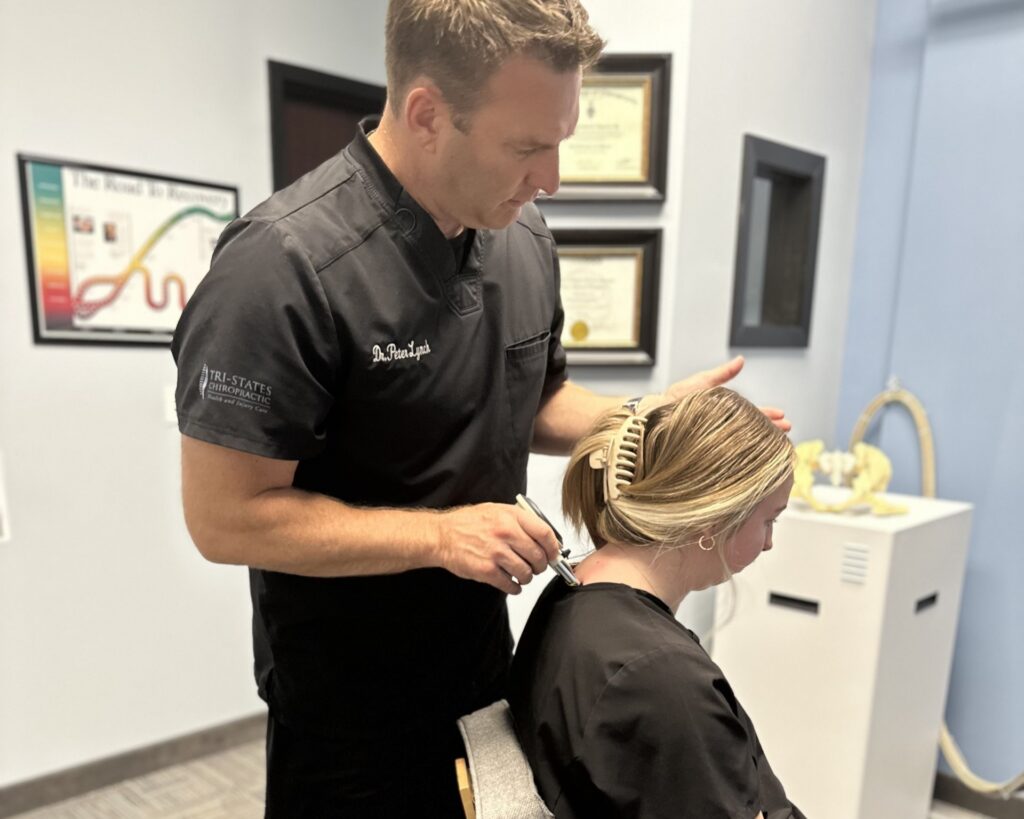
If you’re struggling with chronic low back pain, incorporating gentle exercise into your daily routine could be a game changer for your health. As a local chiropractor, I can tell you that focusing on low-impact activities not only helps strengthen your core but also improves your flexibility and mobility—key components for easing back pain.
It’s essential to choose exercises that specifically target the muscles supporting your spine. This can help alleviate discomfort and promote healing without the need for medications or surgeries that can often complicate matters.
Some effective exercises to consider include gentle stretches, pelvic tilts, and knee-to-chest movements. These exercises can enhance your spinal alignment and overall well-being. Remember, it’s crucial to listen to your body and start slowly, gradually increasing the intensity as you gain strength and confidence.
Chiropractic care is also a fantastic option to consider for achieving optimal health. Regular adjustments can help align your spine, reduce tension, and enhance your body’s natural ability to heal itself.
In addition to exercise and chiropractic care, here are a few general tips to keep in mind:
- Maintain Good Posture: Whether sitting or standing, keep your spine aligned to reduce strain on your back.
- Stay Hydrated: Drinking plenty of water helps keep your discs hydrated and functioning well.
- Use Heat Therapy: Applying heat can help relax tight muscles and improve circulation to the affected area.
- Limit Prolonged Sitting: If you work at a desk, take regular breaks to stand, stretch, and move around.
By integrating these practices into your routine, you can take meaningful steps towards relieving chronic low back pain naturally and effectively. Remember, chiropractic care is here to support you on your journey to better health and wellness.
Key Takeaways
- Strengthening your core is crucial for supporting your spine and alleviating low back pain. Simple exercises like planks and bridges can be very effective. Focusing on these movements can help stabilize your back and prevent further discomfort.
- Gentle stretching is another key component of managing low back pain. Incorporating stretches such as the cat-cow pose and child’s pose can help relieve tension in your muscles and improve flexibility, making everyday activities easier and more comfortable.
- Engaging in low-impact activities like walking, swimming, or cycling is not only beneficial for your overall cardiovascular health but also helps to keep your back strong without putting too much strain on it. These activities are great ways to stay active while being kind to your spine.
- Consistency is vital when it comes to exercise routines. Aim to make physical activity a regular part of your day, gradually increasing the intensity as your body becomes stronger. Always listen to your body’s signals to prevent injury—if something doesn’t feel right, it’s best to modify your routine.
- As a chiropractor, I encourage you to seek personalized guidance to ensure you’re performing exercises safely and effectively. If you experience pain during physical activity, don’t hesitate to reach out for professional advice. Chiropractic care can help you find the best modifications and techniques suited for your body, enhancing your journey toward natural healing and optimal health.
By integrating these tips into your life, you can take proactive steps toward alleviating chronic low back pain and promoting overall wellness, all while prioritizing the natural healing benefits of chiropractic care.
Understanding Chronic Low Back Pain
Chronic low back pain can be a frustrating and debilitating condition, especially when it lingers for months or even years. It’s not uncommon to feel overwhelmed trying to understand the exact cause, as many factors can contribute to this persistent discomfort. Common culprits include muscle strains, ligament injuries, or even conditions like arthritis or herniated discs.
Living with chronic pain can take a toll on your daily life and mental well-being. Simple tasks may become daunting, leading to feelings of frustration and helplessness. That’s why it’s essential to gain a better understanding of your pain. Identifying triggers and patterns that worsen your symptoms can empower you to make informed decisions about your health.
Chiropractic care offers a natural, effective approach to managing chronic low back pain. By focusing on spinal health and alignment, chiropractic adjustments can alleviate pain and improve overall function. Regular chiropractic visits can help you develop a personalized treatment plan that addresses your specific needs, promoting healing from within.
In addition to chiropractic care, there are several tips you can incorporate into your daily routine to support your back health:
- Stay Active: Gentle exercises, like walking or swimming, can help strengthen your back muscles and improve flexibility.
- Practice Good Posture: Be mindful of your posture, whether sitting, standing, or lifting. Keeping your spine aligned can help reduce strain on your back.
- Use Ergonomic Furniture: If you spend long hours sitting, invest in ergonomic chairs or desks to support your spine.
- Stretch Regularly: Incorporate stretching into your daily routine to relieve tension and enhance mobility.
- Stay Hydrated and Eat Well: Proper nutrition and hydration can support overall health and help maintain the integrity of your spinal discs.
Importance of Exercise in Managing Pain
Exercise is a vital component of managing pain, particularly for conditions like low back pain. As a chiropractor, I want to emphasize the importance of regular physical activity in your journey to wellness. Not only does exercise help strengthen your muscles, improve flexibility, and enhance overall mobility, but it also plays a significant role in reducing discomfort. When you engage in physical activity, your body releases endorphins—natural pain relievers that can boost your mood and help you feel better overall.
Here’s a simple breakdown of how exercise can benefit you:
| Benefit | Description | Impact on Pain |
|---|---|---|
| Strengthening Muscles | Supports your spine and body | Reduces strain and discomfort |
| Increasing Flexibility | Improves your range of motion | Eases tightness and stiffness |
| Boosting Endorphins | Elevates mood and lowers pain perception | Enhances your overall well-being |
Incorporating these elements into your daily routine can significantly help in managing your low back pain. Here are some general tips to get you started:
- Start Slow: If you’re new to exercise, begin with gentle activities like walking or stretching. Gradually increase the intensity as your body adjusts.
- Focus on Core Strength: Exercises that strengthen your core muscles can provide better support for your spine, helping to alleviate pain.
- Stay Consistent: Aim for regular exercise throughout the week. Consistency is key to reaping the benefits of physical activity.
- Listen to Your Body: Pay attention to how your body responds to different exercises. If something doesn’t feel right, don’t hesitate to modify or stop.
- Consider Chiropractic Care: Regular visits to a chiropractor can complement your exercise routine. Chiropractic adjustments can help align your spine and improve your overall function, making it easier to engage in physical activity.
Core Strengthening Exercises
Building core strength is crucial for maintaining a healthy spine and alleviating low back pain, which is where chiropractic care can play a vital role. A strong core supports your pelvis and spine, helping to prevent injuries during everyday activities and promoting overall wellness.
To get started, I recommend incorporating basic core strengthening exercises into your routine, such as planks and bridges. For planks, lie face down and lift your body off the ground, supporting yourself on your forearms and toes. Try holding this position for 20-30 seconds, and as you become stronger, gradually increase your hold time.
Bridges are another excellent exercise. Lie on your back with your knees bent, then lift your hips toward the ceiling. Hold this position for a few seconds before lowering back down. This exercise not only strengthens your core but also supports your lower back.
Another beneficial exercise is the bird-dog. While on all fours, extend one arm forward and the opposite leg back. This movement promotes balance and stability, which are essential for a healthy spine.
Aim to complete 2-3 sets of each exercise, 2-3 times a week. Remember, consistency is key to achieving lasting results. Listen to your body; if you experience any pain, it’s important to stop and consult with a chiropractor. They can provide tailored advice and adjustments to ensure your spine stays aligned and healthy.
In addition to these exercises, consider incorporating general wellness tips into your routine. Stay hydrated, maintain good posture, and take regular breaks from sitting to keep your spine in optimal condition.
Stretching Techniques for Back Relief
Incorporating stretching techniques into your routine can significantly enhance back relief and improve flexibility, complementing the benefits of chiropractic care.
Starting with gentle stretches like the cat-cow pose can help mobilize your spine. As you arch and round your back, you’ll release tension and promote better blood flow, which is essential for a healthy spine.
Another great option is the child’s pose, which gently stretches your lower back while promoting relaxation. Holding each stretch for 20-30 seconds and focusing on deep, calming breaths can maximize the benefits and ease tension in the back.
Don’t overlook the seated forward bend, where you reach for your toes while seated. This stretch helps ease tight hamstrings and lower back muscles, further supporting your spine’s health.
As you become more comfortable with stretching, you might want to add the piriformis stretch. This stretch targets the glutes and can provide relief from sciatic pain, which many chiropractic patients experience.
Remember, it’s important to listen to your body and avoid pushing through pain. Regular stretching not only helps prevent stiffness but also encourages a greater range of motion, enhancing your overall comfort and mobility.
Low-Impact Aerobic Activities
Low-impact aerobic activities can be a transformative approach for managing chronic low back pain. These exercises aren’t only beneficial for enhancing your overall fitness but also play a significant role in promoting better circulation and reducing stiffness in your back. As a chiropractor, I believe that incorporating these activities into your routine, alongside regular chiropractic care, can lead to substantial improvements in your health and wellness.
Here are some low-impact aerobic activities that can help you find relief from back pain while supporting your body’s natural healing processes:
- Walking: A simple yet effective way to get moving. Aim for a brisk walk for at least 20-30 minutes a day. This can help strengthen your core muscles and improve spinal alignment.
- Swimming: The buoyancy of water reduces stress on your joints and spine, making swimming an excellent low-impact exercise. It helps strengthen muscles without putting undue strain on your back.
- Cycling: Whether on a stationary bike or outdoors, cycling can be a great way to improve cardiovascular health while being gentle on your back.
- Chair Exercises: If you have limited mobility, chair exercises can be a fantastic option. These exercises allow you to stay active and strengthen your muscles without putting pressure on your spine.
- Yoga: Gentle yoga stretches can enhance flexibility and strength, helping to alleviate tension in your back. Look for classes that focus on restorative poses.
As you explore these activities, remember that regular chiropractic care can enhance your efforts by ensuring proper spinal alignment and function. A well-aligned spine can improve your overall movement and reduce pain, making your low-impact workouts even more effective.
General tips for incorporating these activities into your routine:
- Start Slow: If you’re new to exercise, take it easy and gradually increase the duration and intensity of your workouts.
- Listen to Your Body: Pay attention to how your body responds. If something doesn’t feel right, consult with your chiropractor for guidance.
- Stay Consistent: Aim for at least 150 minutes of moderate aerobic activity each week to reap the full benefits.
Benefits of Low-Impact Aerobics
Engaging in low-impact aerobics can be a beneficial part of your journey toward healing, especially if you’re dealing with chronic low back pain.
Activities such as walking, swimming, or cycling can help promote blood circulation and improve flexibility—both crucial elements for recovery.
These exercises can also strengthen your core muscles, which provide essential support for your spine and help reduce strain on your back.
Maintaining a healthy weight is another important factor, as it alleviates extra pressure on your lower back.
Incorporating low-impact aerobics into your routine can aid in this regard, making it easier to achieve and sustain a healthy weight.
Beyond the physical benefits, you may also notice an improvement in your mood and a reduction in stress levels, positively influencing your overall perception of pain.
While low-impact aerobics are a great addition to your wellness routine, don’t forget the importance of chiropractic care.
Regular chiropractic adjustments can enhance your body’s natural healing processes, ensuring that your spine is aligned and functioning optimally.
This not only helps alleviate pain but also promotes overall well-being.
To further support your healing journey, here are a few tips:
- Stay Consistent: Aim to include low-impact activities in your routine several times a week.
- Listen to Your Body: Pay attention to how your body responds to different exercises and adjust your routine accordingly.
- Focus on Core Strength: Incorporate exercises that specifically target your core muscles, as they play a vital role in supporting your spine.
- Stay Hydrated: Drinking plenty of water helps keep your muscles and joints healthy.
- Schedule Regular Chiropractic Visits: Regular adjustments can enhance your recovery and help maintain a pain-free lifestyle.
Recommended Activities for Relief
Finding relief from chronic low back pain can often be achieved through natural and holistic approaches, with chiropractic care being one of the most effective options. Engaging in specific activities that promote movement without strain can significantly contribute to your recovery. Low-impact aerobic exercises such as walking, swimming, or cycling are fantastic choices because they increase blood flow to your muscles, improve flexibility, and strengthen your core—all crucial for supporting your back.
Aim for at least 30 minutes of these exercises on most days of the week. In addition to aerobic exercises, incorporating practices like yoga and Pilates can be incredibly beneficial. These activities focus on gentle stretching and strengthening, which help enhance your posture and alleviate tension in your back.
As you explore these activities, it’s essential to listen to your body. If something doesn’t feel right, don’t hesitate to modify the activity or consult with your chiropractor for personalized advice. Remember, consistent low-impact aerobics, combined with regular chiropractic adjustments, can greatly enhance your overall back health and lead to lasting pain relief.
In addition to exercise, consider these general tips for maintaining a healthy back:
- Maintain good posture, whether sitting or standing.
- Use ergonomic furniture to support your spine.
- Stay hydrated to keep your muscles and joints healthy.
- Take regular breaks during prolonged sitting or standing to stretch and move around.
Tips for Safe Exercise Practices
When you begin exercising to manage chronic low back pain, it’s essential to take a gradual approach. Start slowly and pay attention to how your body responds during and after each session. This mindful practice not only helps you avoid injuries but also supports your journey towards recovery and optimal health.
As a chiropractor, I emphasize the importance of listening to your body. If you feel any discomfort or pain, it’s crucial to modify your activities accordingly. Incorporating gentle movements and stretches can promote spinal health and enhance your overall wellness.
Consider incorporating chiropractic care into your routine. Regular adjustments can help ensure your spine is aligned and functioning properly, which can alleviate pain and improve your mobility. Remember, a well-aligned spine is key to maintaining a healthy lifestyle and supporting your body’s natural healing processes.
Here are some simple tips to keep in mind as you start your exercise journey:
- Warm-Up: Always start with a gentle warm-up to prepare your muscles and joints.
- Stay Hydrated: Drinking water before, during, and after exercise is essential for overall health and can help prevent muscle cramps.
- Focus on Form: Proper technique is crucial. If you’re unsure about how to perform an exercise, consider seeking guidance from a qualified professional.
- Incorporate Variety: Mix different types of exercises—such as stretching, strength training, and low-impact activities like walking or swimming—to keep things interesting and beneficial for your body.
- Rest and Recovery: Allow your body time to recover between sessions. Rest is just as important as the exercise itself.
Start Slowly and Progress
To effectively manage chronic low back pain, it’s important to start slowly and progress at a comfortable pace. This gentle approach helps reduce discomfort while improving your strength and flexibility.
As a local chiropractor, I want to share some helpful tips to support your journey toward better health and wellness:
- Choose low-impact activities like walking or swimming. These exercises are gentle on your back and can promote healing without causing strain.
- Incorporate gentle stretching into your routine. Stretching can enhance your flexibility and help relieve tension in your muscles without putting undue stress on your spine.
- Limit session duration to 10-15 minutes at first. Gradually increase your activity time as you start to feel more comfortable. This way, you allow your body to adapt without overwhelming it.
- Focus on your form during exercises. Proper technique is crucial for avoiding injury and ensuring that you get the most benefit from your movements. If you’re unsure, a chiropractor can help guide you.
- Stay consistent with your routine. Aim for a few short sessions each week instead of sporadic longer workouts. Regular activity is key to managing pain and improving overall wellness.
Listen to Your Body
Listening to your body is crucial for safe and effective exercise, especially if you’re managing chronic low back pain. It’s important to really tune in to how your body feels during and after your workouts. If you notice any sharp pain, it’s a sign to stop right away. Take a moment to reassess your technique or consider modifying the exercise. While some discomfort is normal during physical activity, sharp or persistent pain is your body’s way of signaling that something isn’t right.
Remember, warming up and cooling down properly is key to preventing injuries. These simple steps prepare your body for movement and help it recover afterward. If you find yourself feeling fatigued or in pain, don’t hesitate to take breaks. Rest isn’t a sign of weakness; it’s an important part of the healing process.
Keeping a journal can also be incredibly beneficial. Track your workouts, any pain levels, and how you feel overall. This can help you spot patterns over time and adjust your routine for better results.
Chiropractic care can be an excellent partner in your journey toward wellness. Regular adjustments can help keep your spine aligned, reduce pain, and enhance your overall health. Prioritize your well-being by listening to your body, and consider incorporating chiropractic care into your routine for natural pain relief and improved wellness. Remember, your health is your greatest asset, and taking care of it should always come first!
When to Seek Professional Help
If your chronic low back pain doesn’t improve even with regular exercise and self-care, it’s important to reach out for professional help. Ignoring persistent pain can lead to further complications, and chiropractic care can be a natural and effective solution.
Here are some signs that suggest it’s time to consult a chiropractor:
- You experience severe pain that doesn’t get better with rest or gentle movement.
- The pain travels down your leg or you feel numbness or tingling in your feet.
- You find it difficult to stand up straight or bend over comfortably.
- You notice unexpected weight loss or changes in how your body functions, like with bowel or bladder control.
- Your pain is accompanied by fever or any swelling in your back.
A chiropractor can provide a thorough evaluation to uncover the underlying cause of your pain. They can guide you through specific treatments and exercises tailored to your needs, helping you achieve optimal health through natural healing methods.
In the meantime, here are some general tips to help manage your discomfort:
- Practice gentle stretching and strengthening exercises to support your back.
- Maintain good posture when sitting, standing, or lifting to reduce strain on your spine.
- Apply heat or ice to the affected area to help alleviate pain and inflammation.
- Stay hydrated and maintain a balanced diet to support overall well-being.
Remember, advocating for your health is essential. Addressing chronic pain sooner rather than later can lead to better outcomes, and chiropractic care offers a safe, holistic approach to healing and wellness.
Don’t hesitate to seek the help you deserve!