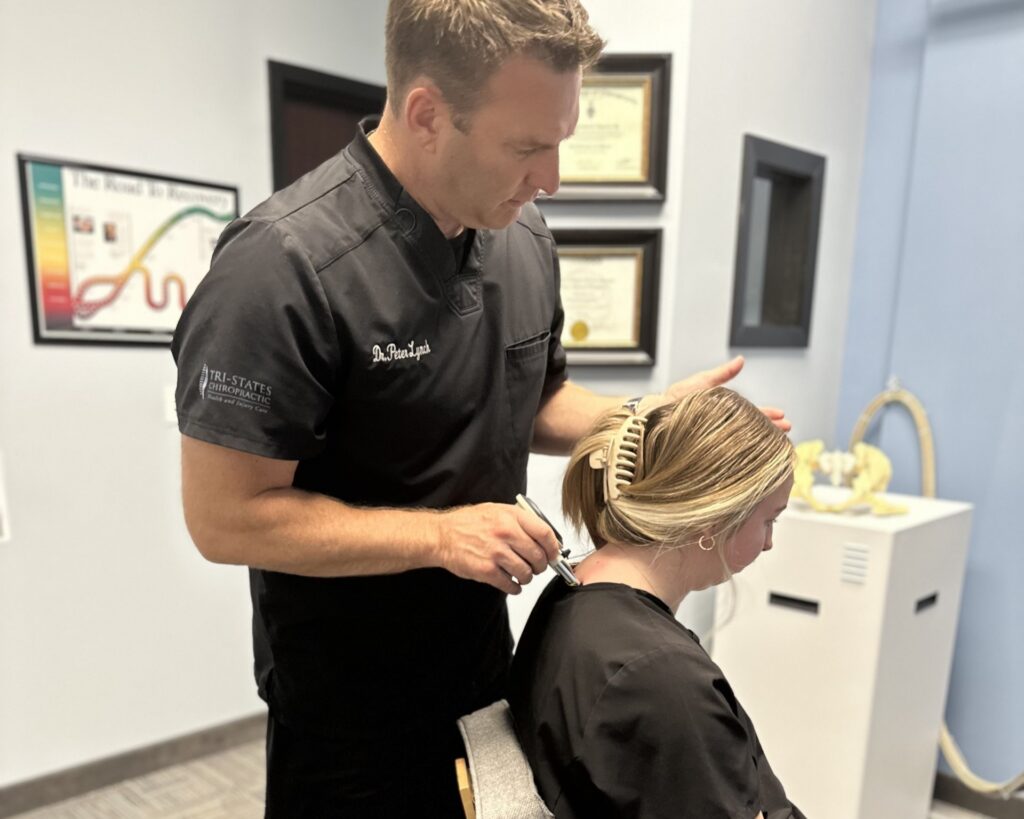
If you’re struggling with chronic low back pain, you understand just how much it can impact your everyday activities. The good news is that incorporating specific exercises into your routine can help alleviate that discomfort by about 70%. A combination of stretching, strengthening, and low-impact activities can significantly improve your condition.
As a chiropractor, I want to emphasize that understanding your body and its movements is key to managing pain effectively. By focusing on natural healing methods, we can work together to enhance your overall wellness and mobility. Here are some helpful strategies to consider:
- Stretching: Gentle stretches can release tension in the muscles surrounding your spine. Simple movements like knee-to-chest and seated forward bends can be integral in improving flexibility and reducing discomfort.
- Strengthening: Building core strength is vital for supporting your spine. Exercises such as pelvic tilts and bridges can help stabilize your lower back and reduce pain.
- Low-Impact Activities: Engaging in activities like walking, swimming, or cycling can help keep your body moving without putting too much strain on your back. These activities promote blood flow and healing while being gentle on your joints.
- Posture Awareness: Pay attention to your posture throughout the day. Whether sitting at a desk or lifting objects, maintaining proper alignment can prevent additional strain on your back.
- Chiropractic Care: Regular visits to a chiropractor can provide tailored adjustments that address your specific issues, enhance your spinal health, and promote natural healing. It’s one of the best ways to ensure a healthy spine and alleviate pain.
Remember, managing chronic low back pain is a journey, and incorporating these exercises along with chiropractic care can lead to a healthier, more active lifestyle. If you’re ready to take the next step toward relief and wellness, consider scheduling an appointment to discuss a personalized plan that works for you. Together, we can help you regain control over your life and well-being.
Key Takeaways
As a local chiropractor, I want to share some effective strategies to help you manage chronic low back pain naturally and promote overall wellness.
- Core Strengthening: Engaging in core strengthening exercises, such as planks and bridges, can significantly enhance your spinal stability and endurance. These exercises not only help to alleviate low back pain but also support your body’s natural alignment, making them a great complement to your chiropractic care.
- Low-Impact Aerobics: Activities like walking or swimming are excellent ways to improve your cardiovascular health without putting undue strain on your spine. These low-impact exercises can help keep you active while also aiding in your recovery process.
- Daily Stretching: Incorporating a daily routine of gentle stretching can work wonders for your flexibility and help relieve muscle tension. Regular stretching encourages your body to heal naturally by promoting better circulation and reducing stiffness in the back.
- Consistency is Key: Aim to exercise for just 10–15 minutes each day. This commitment can have a profound impact on your spinal health and will help you maintain the benefits gained from chiropractic adjustments. Remember, small, consistent efforts can lead to significant improvements over time.
- Listen to Your Body: It’s essential to pay attention to how your body responds during exercise. If you feel any increased pain or discomfort, be sure to modify your routine. Your well-being is the priority, and adapting your exercises is a smart way to stay on track without risking further injury.
By embracing these tips and focusing on a natural approach to health, you can manage your chronic low back pain effectively while supporting your overall wellness. Remember, chiropractic care is a powerful ally in your journey toward optimal health!
Understanding Chronic Low Back Pain
Chronic low back pain can feel overwhelming, but understanding its nature is the first step toward effective management. This type of pain lasts longer than three months and often arises from factors like injury, poor posture, or underlying conditions. You might experience dull aches, sharp sensations, or stiffness, all of which can limit your daily activities. It’s important to recognize that chronic pain isn’t just a physical issue; it can also take a toll on your mental well-being. Stress and anxiety can make your pain feel worse, creating a challenging cycle.
One of the best ways to address chronic low back pain is through chiropractic care. By focusing on spinal health and alignment, chiropractors can help alleviate pain and restore function. Regular adjustments can improve your posture, enhance mobility, and reduce discomfort, allowing you to engage in daily activities with greater ease.
Identifying your pain triggers is also essential. Keep a journal of activities or positions that worsen your pain. Understanding these patterns will help you make informed choices to minimize discomfort. Remember, you don’t have to navigate this journey alone. Seeking professional chiropractic advice can provide you with personalized strategies to address your unique situation.
Incorporating simple lifestyle changes can also make a significant difference. Here are a few tips to help you manage chronic low back pain:
- Stay Active: Engage in gentle exercises or stretches that promote flexibility and strength without putting too much strain on your back.
- Mind Your Posture: Be conscious of your posture, especially when sitting or lifting. Proper alignment can prevent additional strain on your back.
- Use Supportive Furniture: Invest in a chair that provides good lumbar support and consider using cushions for added comfort.
- Practice Relaxation Techniques: Incorporate deep breathing, yoga, or meditation into your routine to help manage stress and promote relaxation.
- Stay Hydrated and Nourished: Maintaining a healthy diet and drinking plenty of water can support overall wellness and help your body heal.
With the right knowledge, support, and a commitment to your health, you can take meaningful steps toward regaining control of your life. Chiropractic care offers a natural, effective way to relieve pain and enhance your overall well-being. Don’t hesitate to reach out to a chiropractor to explore how they can help you on your journey to optimal health.
Importance of Exercise in Pain Management
Exercise plays a crucial role in managing chronic low back pain, and as a local chiropractor, I want to share how incorporating regular physical activity can support your journey to wellness.
By participating in exercises tailored to strengthen your core muscles, enhance flexibility, and improve mobility, you can experience significant relief from pain while also boosting your overall health.
Chiropractic care focuses on aligning your spine and optimizing your body’s function, which is essential for effective pain management.
When your spine is properly aligned, your body can move more freely, reducing tension and discomfort.
Alongside your chiropractic adjustments, consistent exercise can help you maintain this alignment and prevent future issues.
Here are some simple tips to incorporate exercise into your routine:
- Start Slow: If you’re new to exercise or have been inactive, begin with gentle activities like walking or stretching. Gradually increase the intensity as your body adapts.
- Focus on Core Strength: Incorporate exercises that strengthen your abdominal and back muscles. A strong core supports your spine and reduces strain.
- Practice Flexibility: Stretching exercises can improve your range of motion and help alleviate stiffness. Consider yoga or simple stretches that target your back and hips.
- Stay Consistent: Aim for regular activity, even if it’s just 10-15 minutes a day. Consistency is key to seeing improvements in your pain levels.
- Listen to Your Body: Pay attention to how your body feels during and after exercise. If you experience increased pain, consult with your chiropractor for guidance on modifying your routine.
Remember, chiropractic care combined with exercise is a powerful approach to achieving optimal health and managing pain naturally.
Benefits of Regular Activity
Regular activity is a vital part of managing chronic low back pain, and as a chiropractor, I want to emphasize how beneficial it’s for your overall wellness. Engaging in consistent exercise can significantly improve your flexibility, which helps reduce stiffness and discomfort in your back. Moreover, moving your body promotes better blood circulation, which is essential for healing and reducing inflammation in your back muscles.
One of the fantastic benefits of regular exercise is its impact on your mood. Physical activity releases endorphins, your body’s natural pain relievers, making you feel better both physically and emotionally. You might even find that you sleep better as a result, which is crucial for recovery and maintaining your overall health.
Incorporating regular movement into your daily routine builds resilience against future pain flare-ups, enhancing your physical function in everyday activities. It’s important to choose exercises you enjoy, as this makes it easier to stick with your routine. Consider activities like walking, swimming, or gentle yoga, which can be incredibly beneficial for your low back health.
Strengthening Core Muscles
Strengthening your core muscles is crucial for effectively managing chronic low back pain, and as your local chiropractor, I emphasize the importance of this in achieving optimal health. A strong core not only supports your spine but also alleviates pressure on your lower back, which can help you feel more comfortable and pain-free in your daily life. By incorporating core-strengthening exercises into your routine, you can improve your stability and reduce pain naturally, without the need for medications or surgeries.
Here are some simple and effective exercises that you can do at home to strengthen your core:
| Exercise | Duration/Reps | Benefits |
|---|---|---|
| Plank | 30 seconds | Builds endurance and strength, stabilizes your spine |
| Bridges | 10-15 reps | Strengthens glutes and lower back, supports pelvic alignment |
| Bird-Dog | 10 reps/side | Enhances balance and stability, improves coordination |
| Dead Bug | 10 reps/side | Engages multiple core muscles, promotes spinal alignment |
| Side Plank | 20 seconds/side | Improves lateral stability, strengthens oblique muscles |
In addition to these exercises, here are some general tips to keep in mind for better spinal health and overall wellness:
- Stay Active: Regular physical activity helps keep your muscles strong and supports a healthy spine. Aim for at least 30 minutes of movement most days.
- Practice Good Posture: Maintaining proper posture while sitting, standing, and lifting can significantly reduce stress on your back.
- Listen to Your Body: If you feel pain during any activity, stop and consult with your chiropractor for guidance on modifications.
- Stay Hydrated: Proper hydration supports muscle function and spinal health. Drink plenty of water throughout the day.
- Get Regular Chiropractic Care: Regular adjustments can help maintain spinal alignment and improve overall function, which is essential for managing pain and enhancing your quality of life.
Enhancing Flexibility and Mobility
Improving flexibility and mobility is crucial for effectively managing chronic low back pain, and chiropractic care is one of the best ways to support this journey. When you engage in regular stretching and mobility exercises, you can help reduce muscle tension and enhance your range of motion. This not only eases pain but also boosts your overall ability to perform daily activities with ease.
Incorporating gentle stretches like the cat-cow or seated forward bend can work wonders in loosening tight muscles and promoting relaxation. Additionally, practices such as yoga or Pilates can be fantastic complements to your chiropractic care, as they emphasize flexibility while also strengthening your core.
Chiropractic adjustments can further enhance your flexibility and mobility by aligning your spine and improving nerve function, which is essential for overall health. Remember, maintaining a consistent routine of stretching, combined with regular chiropractic visits, can lead to significant improvements in your condition.
Stretching Exercises for Flexibility
Flexibility is crucial in managing chronic low back pain, and as a local chiropractor, I want to emphasize how incorporating specific stretching techniques into your daily routine can significantly enhance your range of motion and alleviate discomfort. By focusing on these effective stretches, you not only regain flexibility but also support your overall healing and well-being.
Here are some simple yet powerful stretches that can help you on your path to recovery:
- Cat-Cow Stretch: This gentle movement alternates between arching and rounding your back, promoting spinal flexibility. Start on all fours, inhale while arching your back (the cow), and exhale as you round it (the cat). Repeat several times to release tension.
- Child’s Pose: A fantastic stretch for the lower back, this pose allows your spine to relax and elongate. Kneel on the floor, sit back on your heels, and stretch your arms forward while lowering your chest toward the ground. Hold this position for a few deep breaths.
- Seated Forward Bend: Sit with your legs extended in front of you, and gently reach forward toward your toes. This stretch not only increases flexibility in your hamstrings but also helps relieve strain in your lower back.
- Knee-to-Chest Stretch: While lying on your back, bring one knee up to your chest, holding it gently for a few breaths before switching legs. This stretch can help ease tension and improve spinal mobility.
Incorporating these stretches into your routine can be a natural and effective way to enhance your flexibility and support your spine. Remember, regular chiropractic adjustments can also play a vital role in maintaining your spinal health and overall wellness.
By working together, we can create a personalized approach that aligns with your body’s needs.
As you embark on your journey to better health, keep these tips in mind:
- Consistency is key! Aim to stretch daily for the best results.
- Listen to your body; if a stretch feels too intense, ease back.
- Combine stretching with proper hydration and nutrition to support muscle recovery.
Importance of Flexibility
Incorporating stretching exercises into your daily routine can significantly boost your flexibility, which is crucial for alleviating chronic low back pain. Improved flexibility allows your muscles and joints to move more freely, reducing tension and discomfort.
As a local chiropractor, I want to share three key benefits of increased flexibility and how it can enhance your overall well-being:
- Enhanced Range of Motion: When your body is flexible, you can perform everyday activities with greater ease. This not only makes tasks more manageable but also minimizes the strain on your back, helping you feel more comfortable throughout the day.
- Reduced Risk of Injury: Flexible muscles are less susceptible to strains and injuries. By incorporating regular stretching into your routine, you help protect your back during physical activities, allowing you to stay active and healthy without fear of pain.
- Improved Posture: Stretching plays a vital role in maintaining proper alignment of your spine. Good posture can alleviate pressure on your back, helping to prevent pain and discomfort. When your spine is aligned, your body functions better overall.
As a chiropractor, I encourage you to make flexibility a priority in your wellness journey. Simple tips include dedicating just a few minutes each day to stretching, focusing on areas that feel tight, and incorporating gentle movements into your routine.
Key Stretching Techniques
To enhance your flexibility and alleviate chronic low back pain naturally, it’s essential to incorporate specific stretching techniques that focus on key muscle groups. As a chiropractor, I believe that these stretches can complement your chiropractic care and promote overall wellness.
Start with the hamstring stretch: sit on the floor with one leg extended and gently reach toward your toes. This can help release tension in your lower back; hold the stretch for 20-30 seconds.
Next, try the hip flexor stretch: kneel on one knee, push your hips forward, and feel the stretch in your hip area. This can open up tight hips, which often contribute to back pain.
For your lower back, the child’s pose is a wonderful stretch; kneel and sit back on your heels while reaching your arms forward. This position can provide gentle relief and promote relaxation.
Finally, include the cat-cow stretch: get on all fours and alternate between arching and rounding your back. This movement encourages spinal flexibility and can help alleviate discomfort.
Incorporating these stretches into your routine can significantly improve your flexibility and reduce pain. Remember, regular chiropractic care can support your healing journey, ensuring your spine stays aligned and healthy. Always listen to your body, and consult with your chiropractor for personalized advice tailored to your needs. Together, we can achieve optimal health and wellness!
Strengthening Exercises for Core Support
Strengthening your core is vital for managing chronic low back pain. A stable core not only supports your spine but also promotes better posture, making it an essential part of your overall health and wellness journey.
As a chiropractor, I encourage you to incorporate specific exercises into your routine. This will help you build strength, alleviate discomfort, and enhance your body’s natural healing capabilities. Here are three effective exercises to get you started on your path to better health:
- Plank: Begin by lying face down. Lift your body off the ground, balancing on your forearms and toes. Keep your body in a straight line from head to heels. Aim to hold this position for 20-30 seconds. This exercise strengthens your core and improves stability, which is crucial for spinal support.
- Bird-Dog: Start on all fours, with your hands directly under your shoulders and your knees under your hips. Extend one arm forward while simultaneously extending the opposite leg back. Hold this position for a few seconds, focusing on your balance, then switch sides. This exercise not only targets your core but also enhances coordination and balance, which can reduce the risk of injury.
- Bridge: Lie on your back with your knees bent and feet flat on the floor. Gently lift your hips towards the ceiling while squeezing your glutes. Hold for a few seconds before lowering back down. This movement strengthens your lower back and glute muscles, providing better support for your spine.
Incorporating these exercises into your daily routine can lead to increased core strength and reduced low back pain. Remember, regular practice is key!
Additionally, consider visiting your chiropractor for personalized care and guidance. Chiropractic adjustments can help keep your spine aligned, enhancing the effectiveness of your exercises. Together, we can work towards achieving optimal health and promoting a natural, pain-free lifestyle.
Low-Impact Aerobic Activities
Engaging in low-impact aerobic activities can greatly benefit those of you who are dealing with chronic low back pain. As a chiropractor, I want to emphasize that exercises like walking, swimming, or cycling can enhance your cardiovascular fitness while putting minimal strain on your spine. These gentle movements not only help strengthen the muscles supporting your back but also promote blood flow, which is essential for healing and reducing stiffness.
To get started, keep your sessions short and manageable, gradually increasing the duration as your endurance improves. Aim for at least 150 minutes of moderate activity each week, but it’s perfectly fine to break it into smaller segments that fit your schedule. Listen to your body; if something feels off, it’s important to adjust your routine.
Incorporating these low-impact activities into your daily life can also uplift your mood and enhance your overall well-being. It’s an excellent way to manage pain naturally, boost your energy levels, and improve your quality of life. So, whether you’re lacing up your shoes for a walk or taking a refreshing swim, know that these activities can complement your chiropractic care and support your journey toward optimal health.
Yoga Poses to Alleviate Pain
Incorporating yoga poses into your routine can be a wonderful addition to your journey towards alleviating chronic low back pain. While yoga can enhance flexibility and promote relaxation, it’s essential to remember that chiropractic care is the most effective way to address the underlying issues causing your discomfort.
Regular chiropractic adjustments can help ensure your spine is properly aligned, which is crucial for optimal health and wellness. Here are three gentle yoga poses that complement chiropractic care and can provide relief:
- Child’s Pose: Start on your hands and knees, then gently sit back on your heels, stretching your arms forward. This pose helps lengthen your spine and relieve tension in your lower back. It’s a great way to relax and prepare your body for the day ahead.
- Cat-Cow Stretch: While on your hands and knees, alternate between arching your back (like a cat) and lowering your belly (like a cow). This flowing movement enhances circulation and mobility in your spine, making it a perfect warm-up before your chiropractic visit.
- Bridge Pose: Lie on your back with your knees bent and feet flat on the floor. Lift your hips towards the ceiling while engaging your glutes. This pose not only strengthens your lower back but also opens up your hips, which can alleviate discomfort.
In addition to these poses, remember to listen to your body and practice mindfulness. Regular visits to your chiropractor can help maintain your spinal health, ensuring that your body functions at its best.
Pilates Techniques for Back Health
As you seek to enhance your back health, I encourage you to consider incorporating Pilates techniques into your routine. While Pilates can be beneficial, it’s important to remember that chiropractic care is often the best choice for achieving optimal back wellness. Chiropractic adjustments can help restore proper alignment, alleviate pain, and promote overall spinal health.
One Pilates exercise you might start with is the “Pelvic Curl.” This movement helps mobilize your spine and strengthens your glutes and hamstrings—key players in maintaining a healthy back. However, for lasting relief and to prevent future issues, regular chiropractic adjustments can provide an excellent foundation for your back health.
Another gentle movement is the “Cat-Cow Stretch.” This flow not only promotes spinal flexibility but also helps relieve tension. While practicing these stretches, remember that engaging your core is essential. A strong core stabilizes your spine and reduces the risk of strain, which is something chiropractic care can further enhance through targeted adjustments.
You might also consider the “Saw” exercise, which improves rotation and stretches your back muscles. Yet, to truly support your back, make chiropractic visits a regular part of your health routine. Consistency is key; aim for two to three sessions a week to experience the full benefits of chiropractic care alongside your Pilates practice.
Incorporating these exercises with the guidance of a chiropractor can lead to noticeable improvements in your back strength and overall posture. Remember, chiropractic care isn’t just about pain relief; it’s a holistic approach to achieving a healthier back and a more active lifestyle. Prioritize your spinal health, and you’ll be on your way to feeling better every day.
Daily Habits to Incorporate Movement
Movement is a vital component of maintaining a healthy spine and overall well-being. As a chiropractor, I encourage you to incorporate movement into your daily routine in simple and effective ways. You don’t need a gym membership or a strict workout plan—just small adjustments to your habits can lead to significant improvements in your health.
1. Choose the Stairs: Make it a point to take the stairs instead of the elevator whenever possible. This not only elevates your heart rate but also helps strengthen the muscles in your legs and back, promoting good posture and spinal health.
2. Frequent Desk Breaks: Set a timer to remind yourself to stand up, stretch, or walk around for a few minutes every hour. This practice not only alleviates stiffness but also keeps your muscles engaged, which is crucial for a healthy spine.
Regular movement helps prevent discomfort and promotes better circulation, aiding in natural healing.
3. Walk and Talk: For phone calls or virtual meetings, consider taking a stroll while you speak. This keeps you physically active and can enhance your mood and productivity. Plus, movement can help reduce tension in your back and neck, common areas where stress accumulates.
Incorporating these small habits into your daily life can make a big difference in your health. Remember, chiropractic care is an excellent way to support your body’s natural ability to heal and function at its best.
When to Seek Professional Help
Recognizing when to seek professional help for chronic low back pain is crucial for effective management and healing. If your pain lingers for more than a few weeks, even after trying gentle exercises and natural remedies, it’s a good idea to consult a chiropractor. Our expertise lies in understanding the spine and its role in overall health, and we can help identify the root of your discomfort.
Pay attention to any severe pain that comes on suddenly or worsens over time, particularly if it travels down your legs. This could be a sign that your spine is misaligned, and chiropractic care can address these issues without the need for invasive procedures.
Symptoms like numbness, tingling, or weakness in your legs shouldn’t be overlooked, as they might suggest nerve involvement. A chiropractor can provide effective techniques to alleviate these symptoms and restore balance to your body.
If your pain is affecting your daily activities—like getting a good night’s sleep or performing at work—it’s time to seek guidance. Chiropractic adjustments can help realign your spine and relieve pressure on nerves, promoting better overall wellness.
Lastly, if you’ve experienced a recent injury or if your pain comes with unusual symptoms like unexplained weight loss, fever, or changes in bowel and bladder function, it’s essential to reach out for professional help. Early intervention through chiropractic care can significantly enhance your quality of life and prevent future complications.