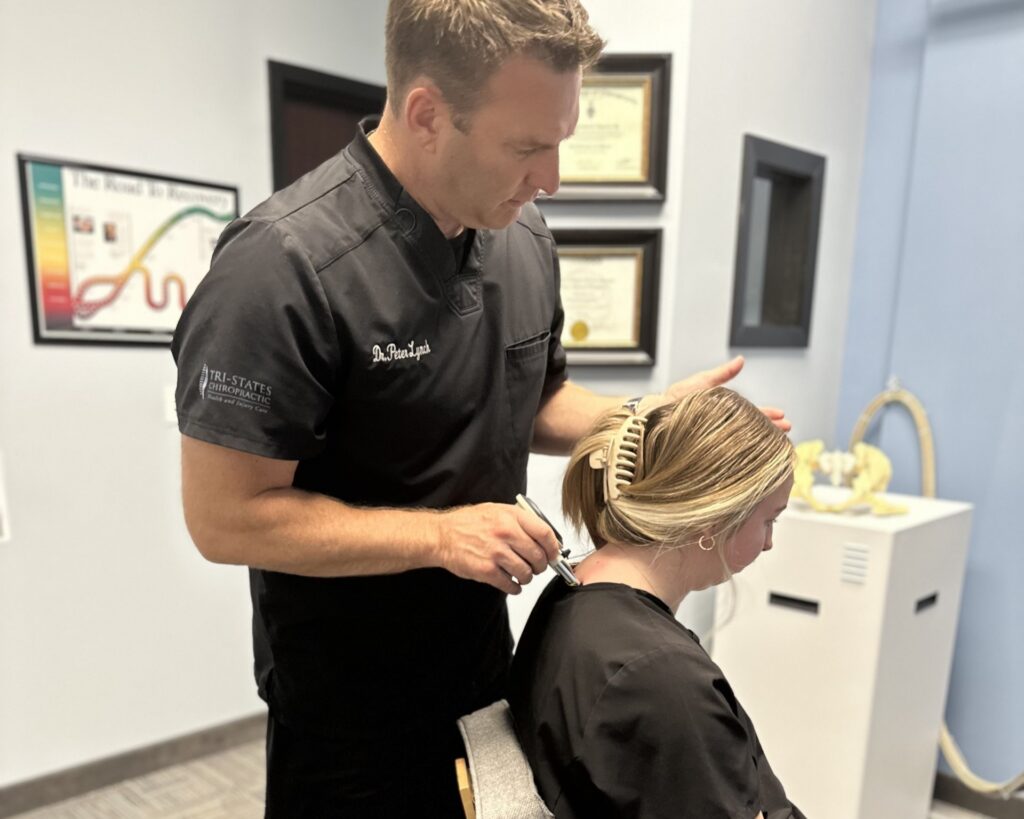
Chronic low back pain can be a persistent issue that impacts your daily activities and overall quality of life. As a chiropractor, I want to share how specific exercises can help alleviate your discomfort and enhance your well-being, while also emphasizing the importance of chiropractic care in your journey toward natural healing.
Gentle movements and targeted strengthening exercises are crucial for supporting your spine and promoting healing. Here are some effective options to consider:
- Pelvic Tilts: This simple exercise helps to strengthen your abdominal muscles and improve flexibility in your lower back. Start by lying on your back with your knees bent. Slowly tilt your pelvis upward, pressing your lower back into the floor. Hold for a few seconds, then relax. Repeat several times.
- Cat-Cow Stretch: This dynamic stretch helps to increase flexibility and relieve tension in your spine. Start on all fours with your wrists under your shoulders and knees under your hips. Inhale as you arch your back (Cow), and exhale as you round your back (Cat). Repeat several times, moving gently and fluidly.
- Child’s Pose: A restorative stretch that helps to release tension in the lower back. Begin on all fours and then sit back onto your heels while extending your arms forward. Hold this position for several deep breaths, allowing your spine to relax.
- Knee-to-Chest Stretch: This stretch helps to elongate the lower back. Lie on your back and bring one knee up towards your chest, holding it with both hands. Hold for 20-30 seconds, then switch legs.
- Bird-Dog: This exercise improves core stability and balance. Start on all fours and extend one arm forward while extending the opposite leg back. Hold for a few seconds, then switch sides.
In addition to these exercises, regular chiropractic adjustments can help align your spine and reduce pain. Chiropractic care focuses on treating the root cause of your pain, rather than just masking the symptoms. It can enhance your body’s natural ability to heal, providing you with long-term relief and better overall health.
Remember to listen to your body and consult with your chiropractor before starting any new exercise routine. As you work on these exercises, you may also consider incorporating gentle walking into your daily routine, which can further promote healing and improve your overall health.
By focusing on these exercises and the benefits of chiropractic care, you can take meaningful steps toward managing your chronic low back pain and improving your lifestyle. Embrace this journey to wellness and empower yourself with tools for better health!
Key Takeaways
As a chiropractor dedicated to helping you achieve optimal health and wellness, I want to share some effective exercises that can alleviate chronic low back pain while promoting a healthier lifestyle.
- Core Strengthening Exercises: Engaging in exercises like planks and bridges can significantly support your spine and improve your posture. This not only helps reduce strain on your lower back but also enhances your overall stability. A strong core is essential for maintaining good spinal health, and these exercises are a great way to start.
- Low-Impact Aerobic Activities: Incorporating low-impact activities like walking or swimming into your routine can boost your fitness level and promote healing without putting excessive strain on your spine. These activities increase blood flow to the muscles and joints, which can help alleviate pain and stiffness in your back.
- Pilates for Flexibility and Core Engagement: Pilates exercises, such as The Hundred and Single Leg Stretch, focus on core strength and flexibility, which are vital for supporting lower back health. These movements can help you develop better control over your body and improve your posture, leading to reduced discomfort.
- Consistency is Key: Regular exercise can prevent future flare-ups and keep you active, which is essential for long-term health. Staying active encourages your body to release endorphins, the natural pain relievers that can help improve your mood and reduce discomfort.
- Warm-Up and Listen to Your Body: Always start with gentle warm-up exercises to prepare your body for movement. Pay attention to your posture during workouts and listen to how your body feels. If something doesn’t feel right, it’s important to stop and reassess to avoid exacerbating any pain.
Remember, chiropractic care is an excellent complement to these exercises. It can help ensure your spine is aligned, promote healing, and enhance the effectiveness of your exercise routine. By focusing on natural healing methods, you can achieve lasting relief from low back pain and enjoy a healthier, more active life.
Understanding Chronic Low Back Pain
When it comes to chronic low back pain, understanding its causes and effects is crucial for managing your discomfort effectively.
This type of pain often arises from various factors, such as muscle strain, poor posture, or underlying issues related to the spine.
Activities we do every day, like lifting heavy objects or sitting for extended periods, can aggravate this pain.
Chronic low back pain can significantly impact your mobility and daily life, making even simple tasks feel overwhelming.
It’s essential to realize that the pain you experience isn’t always connected to visible injuries; sometimes, it can stem from stress or emotional factors that affect your body’s overall health.
One of the best approaches to address chronic low back pain is through chiropractic care.
Chiropractors are trained to understand how the spine and nervous system work together to affect your overall well-being.
By focusing on spinal health, chiropractic adjustments can help alleviate pain, improve mobility, and enhance your body’s natural healing processes.
Here are some practical tips to help you manage chronic low back pain:
- Practice Good Posture: Be mindful of your posture while sitting, standing, or lifting. Keep your back straight, shoulders relaxed, and avoid slumping.
- Stay Active: Gentle exercises, like walking or stretching, can help strengthen your back muscles and improve flexibility. Regular movement is key to reducing pain and preventing stiffness.
- Use Ergonomic Furniture: If you sit for long periods, consider using ergonomic chairs or desks to support your spine’s natural alignment.
- Manage Stress: Stress can exacerbate pain. Incorporate relaxation techniques, such as deep breathing, meditation, or yoga, into your routine.
- Hydrate and Eat Well: Staying hydrated and maintaining a balanced diet can support your overall health and contribute to better recovery.
If you’re struggling with chronic low back pain, consider consulting a chiropractor.
They can provide personalized care tailored to your needs, helping you take meaningful steps toward relief and improved quality of life.
Importance of Exercise in Managing Pain
Regular exercise is a crucial component in managing chronic low back pain, and as your local chiropractor, I want to emphasize how it can work hand-in-hand with chiropractic care to help you feel your best. Engaging in physical activity strengthens the muscles that support your spine, reducing strain and discomfort. This not only helps relieve existing pain but also helps prevent future flare-ups, allowing you to maintain a more active lifestyle.
Incorporating exercise into your routine can enhance your flexibility and improve your posture—two key factors in keeping your back healthy. When your spine is aligned and your muscles are strong, you’re less likely to experience pain.
Additionally, exercise prompts your body to release endorphins, which are natural pain relievers. This can uplift your mood and lessen your perception of pain, making it easier to tackle daily tasks. I recommend focusing on low-impact activities such as walking, swimming, or cycling, as these are gentle on the body while still providing significant benefits.
Here are some simple tips to help you get started:
- Start Slow: Begin with short sessions of activity and gradually increase the duration and intensity as your body allows.
- Stay Consistent: Aim for regular movement each week. Consistency is vital for seeing improvements in your back health.
- Listen to Your Body: Pay attention to how your body responds to different exercises. If something doesn’t feel right, it’s okay to modify or choose a different activity.
- Combine with Chiropractic Care: Regular adjustments can complement your exercise routine by ensuring your spine is aligned, which can enhance the benefits of your workouts.
Stretching Exercises for Flexibility
Flexibility is essential for managing chronic low back pain, as it can help alleviate tension and enhance your overall mobility. As a chiropractor, I believe that incorporating stretching exercises into your daily routine can be a powerful way to support your spine and promote natural healing.
Focusing on specific muscle groups can make a significant difference in your flexibility and comfort levels. Some effective stretches include gentle hamstring stretches, hip openers, and spinal twists. Remember to listen to your body and never push yourself too hard – safety is key to avoiding injury.
By embracing these simple stretching techniques and making them a part of your lifestyle, you can improve your flexibility and contribute to better back health. Additionally, regular chiropractic care can further enhance your progress by ensuring your spine is aligned and functioning optimally. Together, stretching and chiropractic adjustments can create a natural path to pain relief and overall wellness.
Incorporate these tips into your routine, and you’ll be on your way to a healthier, more flexible you!
Importance of Flexibility
Stretching exercises are essential for managing chronic low back pain, as they enhance flexibility and promote better movement. By including regular stretching in your routine, you’re helping to loosen tight muscles that may be contributing to your discomfort. Improved flexibility allows your joints to move more freely, which can reduce stiffness and lower the risk of injury.
As you increase your range of motion, you’ll find it easier to carry out daily activities without pain. Additionally, flexible muscles play a key role in supporting better posture, which can alleviate strain on your back. Remember, maintaining flexibility isn’t just about preventing pain; it’s also about enhancing your overall quality of life.
Chiropractic care can be a powerful ally in your journey towards optimal health and flexibility. Regular visits to a chiropractor can help ensure that your spine is aligned, which supports overall body function and promotes natural healing.
Here are some simple tips to incorporate into your daily routine:
- Set Aside Time for Stretching: Dedicate a few minutes each day to stretch your back and surrounding muscles. This can make a significant difference in how you feel.
- Warm Up Before Stretching: Consider doing light activity, like walking, to warm up your muscles before you stretch. This helps prevent injury.
- Listen to Your Body: Pay attention to how your body responds to different stretches. If something feels uncomfortable, ease off and try a gentler movement.
- Stay Consistent: Regular stretching is key. Make it a part of your daily routine, just like brushing your teeth!
Recommended Stretching Techniques
As a chiropractor, I understand the impact that chronic low back pain can have on your quality of life. One effective way to manage this discomfort is through specific stretching techniques that can be easily incorporated into your daily routine.
Begin with the cat-cow stretch, which helps mobilize your spine and enhances flexibility. This gentle movement encourages blood flow and can alleviate stiffness.
Following that, the child’s pose is a fantastic way to gently stretch your lower back and hips, promoting relaxation and helping to release built-up tension.
The seated forward bend is another wonderful stretch that works to elongate your spine and hamstrings, providing relief and improving posture. Don’t forget about the piriformis stretch, which targets tightness in the glutes. This is important because tight glutes can contribute to lower back pain, and releasing this tension can lead to significant relief.
When performing these stretches, aim to hold each position for 20-30 seconds while breathing deeply. This not only enhances your relaxation but also encourages deeper stretches. I recommend making this a regular part of your routine, ideally daily, to maintain flexibility and ease discomfort.
In addition to stretching, remember that chiropractic care is a powerful tool for achieving optimal health. Regular adjustments can help align your spine, improve mobility, and reduce pain.
Safety Considerations for Stretching
Incorporating stretching into your daily routine can be a fantastic way to alleviate chronic low back pain, but it’s essential to prioritize safety while doing these exercises. As a chiropractor, I want to emphasize that a gentle warm-up is key to preparing your muscles, since cold muscles are more vulnerable to injury.
Always pay attention to how your body feels during stretches; if you experience any pain, it’s important to ease off and not push through discomfort. Maintaining proper form is crucial to avoid straining your body—keep your spine in a neutral position and remember to avoid bouncing during stretches, as this can lead to injury.
Aim to hold each stretch for at least 20-30 seconds to ensure you’re getting the most benefit without overexerting yourself. If you need extra support, consider using props like yoga blocks or straps. These can help you achieve better alignment and provide stability.
Before starting a new stretching program, especially if you’re dealing with existing conditions, it’s wise to consult with a healthcare professional, like a chiropractor. We specialize in natural healing and can help you develop a tailored plan that promotes optimal health and wellness. Remember, prioritizing safety will ultimately help you enjoy the many benefits of stretching and support your journey to a healthier, pain-free life.
Strengthening Exercises for Core Stability
Strengthening your core is vital for stabilizing your spine and alleviating low back pain. A strong core not only supports your spine but also enhances your overall stability, which can lead to improved comfort in everyday activities. As a chiropractor, I believe that focusing on effective core exercises is a natural way to promote health and wellness without the need for invasive procedures or medications.
Let’s explore some key movements that can significantly improve your strength and comfort. These exercises are designed to engage your core muscles, fostering better posture and reducing strain on your back.
- Planks: A simple yet powerful exercise, planks engage multiple muscle groups. Start by lying face down, then lift your body off the ground with your forearms and toes, keeping your body in a straight line. Hold for 20-30 seconds, gradually increasing the time as you get stronger.
- Bridges: This exercise targets your glutes and lower back. Lie on your back with your knees bent and feet flat on the ground. Press through your heels to lift your hips towards the ceiling, forming a straight line from your shoulders to your knees. Hold for a few seconds before lowering back down.
- Bird-Dogs: This movement enhances stability and coordination. Start on all fours, then extend one arm forward and the opposite leg back, keeping your hips level. Hold for a moment, then switch sides. This exercise helps in developing balance while strengthening your core.
- Pelvic Tilts: This gentle exercise can help relieve lower back tension. Lie on your back with your knees bent. Gently tilt your pelvis upwards, flattening your lower back against the floor. Hold for a few seconds before releasing.
Incorporating these exercises into your routine can be a great way to build strength naturally. Remember, chiropractic care can also play a crucial role in your journey to optimal health.
Regular adjustments can help improve your spinal alignment, enhance your mobility, and complement your core strengthening efforts. By focusing on both exercise and chiropractic care, you can effectively manage pain and promote a healthier lifestyle.
Always listen to your body and consult with your chiropractor if you have any concerns or need personalized guidance. Together, we can work towards achieving your wellness goals and ensuring a strong, stable core for a pain-free life!
Importance of Core Strength
Core strength is essential for managing chronic low back pain and promoting overall wellness. Strong core muscles provide support for your spine and help maintain proper posture, which is vital for preventing discomfort. When your core is strong, it stabilizes your body during everyday activities, reducing strain on your lower back and minimizing the risk of injury.
Conversely, a weak core can lead to poor alignment, often resulting in pain and discomfort. By focusing on strengthening your core, you establish a solid foundation for better movement patterns, which can enhance your daily life. Simple exercises like planks, bridges, and abdominal crunches can help build core strength and are easy to incorporate into your routine.
At our chiropractic practice, we emphasize the importance of core stability not only to alleviate existing pain but also to prevent future issues. Our approach to care focuses on natural healing methods that empower you to lead a more active and fulfilling life. We believe that chiropractic care, combined with core strengthening, is one of the best ways to achieve optimal health and wellness.
Effective Core Exercises
Incorporating effective core exercises into your routine is crucial for enhancing stability and minimizing the risk of back pain, which is where chiropractic care comes into play. Strengthening your core not only supports your spine but also improves your posture, helping you feel your best. By focusing on these exercises, you can take proactive steps towards a healthier lifestyle and potentially reduce your need for pain relief interventions.
Here are some simple yet effective core exercises you can easily add to your weekly regimen:
| Exercise | Description |
|---|---|
| Plank | Hold a push-up position while engaging your core to stabilize your spine. This exercise builds endurance in your abdominal muscles. |
| Bird-Dog | While on all fours, extend one arm and the opposite leg, focusing on maintaining balance. This helps improve coordination and spinal stability. |
| Bridges | Lie on your back, lift your hips towards the ceiling, and squeeze your glutes. This exercise strengthens the lower back and glute muscles, which support your spine. |
| Dead Bug | Lie on your back, extend your arms and legs, and alternate lowering your limbs while keeping your core engaged. This promotes balance and core strength without straining your back. |
Incorporating these exercises into your daily routine helps build a strong foundation, making everyday activities easier and more comfortable. Remember, consistency is key! Aim to perform these exercises several times a week.
Additionally, consider visiting your local chiropractor for tailored advice and techniques that can further enhance your core strength while promoting natural healing and wellness. Chiropractic care focuses on addressing the root cause of pain and discomfort, ensuring that you not only feel better but also improve your overall health. By strengthening your core and maintaining a healthy spine, you’re investing in a more active and fulfilling life.
Low-Impact Aerobic Activities
Regularly engaging in low-impact aerobic activities can be an excellent way to manage chronic low back pain, and as your local chiropractor, I want to emphasize how these exercises can support your journey to natural healing. Activities like walking, swimming, or cycling are gentle on your body, helping to increase blood flow and promote healing without placing excessive strain on your spine. By improving your overall fitness, you not only reduce pain but also enhance your mobility, which is crucial for maintaining a healthy lifestyle.
To reap the benefits, aim for at least 150 minutes of moderate-intensity exercise each week. Start slowly, and gradually increase your duration and intensity. It’s important to listen to your body; if something doesn’t feel right, don’t hesitate to adjust your activity level. This approach helps prevent injury and ensures that you’re supporting your body’s natural healing processes.
In addition to alleviating pain, low-impact aerobics can elevate your mood and boost your energy levels, making it easier to cope with chronic discomfort. Consider joining a class or finding a workout buddy to help keep you motivated. Remember, consistency is vital in your health journey, and discovering an enjoyable activity can make it easier to stick with your routine.
As a chiropractor, I believe that maintaining spinal health is essential for overall wellness. Combining low-impact aerobics with regular chiropractic care can offer you the best path to optimal health. A well-aligned spine can improve your body’s function and enhance the benefits of your exercise routine. So, prioritize your back health, stay active, and embrace the natural healing power of chiropractic care to live your best life!
Yoga Poses to Relieve Back Pain
If you’re dealing with chronic low back pain, consider incorporating yoga into your wellness routine as a complementary practice alongside chiropractic care. While chiropractic adjustments are essential for aligning your spine and relieving pain, yoga can enhance your overall mobility and promote natural healing. Certain yoga poses can help improve flexibility, strengthen your core, and improve posture, all of which support your chiropractic treatment. Here are some effective yoga poses to consider:
| Pose | Benefits | Tips |
|---|---|---|
| Child’s Pose | Gently stretches the back and hips | Keep your arms extended forward to deepen the stretch |
| Cat-Cow Stretch | Increases spinal flexibility | Coordinate your movement with your breath for maximum benefit |
| Downward Dog | Strengthens back and shoulders | Press your heels down gently to feel a nice stretch throughout your body |
| Sphinx Pose | Gently stretches the lower back | Engage your core to protect your spine while in this pose |
| Pigeon Pose | Opens hips and relieves tightness | Focus on your breath to ease into the stretch and release tension |
Incorporating these poses into your daily routine can complement your chiropractic care, enhancing your mobility and reducing discomfort. Remember, always listen to your body and feel free to modify poses to suit your comfort level. Chiropractic care, combined with mindful movement like yoga, can be a powerful approach to achieving optimal health and wellness.
Pilates for Lower Back Strength
Pilates can be an excellent way to strengthen your lower back and promote stability, especially for those experiencing chronic discomfort. This gentle form of exercise emphasizes core engagement, flexibility, and proper alignment, all of which are vital for relieving pain.
By incorporating specific Pilates movements, you can enhance your lower back strength while also developing greater body awareness.
As a chiropractor, I encourage you to explore these three Pilates exercises that can support your lower back health:
- The Hundred: This exercise not only engages your core but also promotes blood circulation, which helps in supporting your lower back. Remember to maintain a neutral spine while performing this exercise for optimal benefits.
- Single Leg Stretch: This movement strengthens your abdominal muscles and improves hip flexibility, which can alleviate stress on your lower back. Focus on keeping your pelvis stable as you stretch your legs to enhance the effectiveness of the exercise.
- Bridging: By activating your glutes and hamstrings, bridging provides stability and support to your lower back. Ensure you lift your hips slowly and engage your core to maintain proper alignment throughout the movement.
In addition to these exercises, here are some general tips to help you manage lower back pain and encourage wellness:
- Stay Active: Regular movement is key to maintaining a healthy spine. Incorporating light activities like walking or gentle stretching can help keep your back flexible and strong.
- Practice Good Posture: Whether sitting or standing, maintaining good posture can significantly reduce strain on your lower back. Be mindful of your alignment throughout the day.
- Listen to Your Body: If you experience pain or discomfort while exercising, it’s essential to stop and assess. Consult with a chiropractor to ensure you’re performing exercises safely and effectively.
By practicing these Pilates exercises and following these tips, you can enhance your lower back strength and reduce discomfort, allowing you to move with more ease and confidence.
Tips for Safe Exercise Practices
Engaging in Pilates exercises can significantly strengthen your lower back, but it’s essential to approach any physical activity with caution to prevent injury. As a chiropractor, I emphasize the importance of spinal health and natural wellness, so let’s look at how you can exercise safely while prioritizing your overall health.
Always start with a proper warm-up to prepare your muscles and joints. This can include gentle stretches and movements that promote blood flow and flexibility. Focusing on maintaining good posture during your exercises is crucial. Proper alignment not only prevents strain but also helps support your spine, which is vital for long-term health.
If you feel any pain while exercising, stop immediately and reassess your technique. Pain is your body’s way of signaling that something isn’t right. Instead of pushing through, listen to your body and make necessary adjustments.
When increasing the intensity or duration of your workouts, do so gradually. This approach allows your body to adapt without risking injury. Don’t forget to incorporate rest days into your routine to allow your muscles and spine to recover. Hydration is also key; drinking enough water supports overall muscle function and spinal health.
Using supportive props like mats or blocks can enhance stability and comfort during your workouts. These tools help you maintain proper form and reduce the risk of injury.
Finally, consider working with a certified instructor who understands the importance of spinal alignment and can guide you through safe practices tailored to your needs. Prioritizing safety in your workouts not only improves your exercise experience but also fosters long-term progress and reduces the risk of injury.
Remember, chiropractic care is an excellent choice for achieving optimal health and wellness. Regular chiropractic adjustments can help ensure your spine is aligned and functioning properly, which is essential for both your physical activity and overall well-being.
Embracing a holistic approach to health, including safe exercise and chiropractic care, can lead to lasting pain relief and a healthier lifestyle.
When to Seek Professional Help
Knowing when to seek professional help for chronic low back pain is essential for effective management and recovery. If you’re facing ongoing discomfort or if your symptoms seem to be getting worse, it’s time to consult with a chiropractor.
Here are some important signs that indicate you should reach out for support:
- You’ve been dealing with significant pain for more than a few weeks without any improvement.
- You find it difficult to stand, walk, or carry out your daily activities because of the pain.
- You’re experiencing weakness, numbness, or tingling sensations in your legs.
If you’re feeling uncertain about the severity of your condition, don’t hesitate to seek help. A chiropractor can provide a thorough assessment and create a personalized treatment plan that focuses on natural healing and spinal health.
Early intervention is key—it can lead to more effective pain management and a better quality of life.
In addition to seeking chiropractic care, here are some general tips to help you manage your low back pain at home:
- Stay Active: Gentle exercises, like walking or stretching, can help keep your back strong and flexible. Always consult your chiropractor about which activities are best for you.
- Practice Good Posture: Be mindful of your posture whether you’re sitting, standing, or lifting objects. Good posture can significantly reduce strain on your back.
- Use Heat and Ice: Applying a heating pad or ice pack can provide relief. Heat helps relax tight muscles, while ice can reduce inflammation.
- Stay Hydrated: Drinking plenty of water is essential for overall health and can help maintain the elasticity of your spinal discs.
- Get Adequate Rest: Ensure you’re getting enough sleep and rest to allow your body to heal.
Remember, your health is a priority, and chiropractic care is a natural and effective way to achieve optimal wellness.