Maintaining lasting back health is crucial for your overall well-being, and chiropractic care can play a key role in achieving this. By making simple adjustments in your daily routine and focusing on natural healing, you can significantly enhance your back health.
One of the first steps is to improve your posture. Good posture not only helps alleviate strain on your back but also promotes spinal alignment, which is essential for overall health. Pay attention to how you sit, stand, and lift objects. Consider incorporating ergonomic furniture into your workspace to support your spine.
In addition, specific exercises can strengthen your back and improve flexibility. Gentle stretches and strengthening routines that focus on your core can provide substantial benefits. A chiropractor can guide you on the best exercises tailored to your needs.
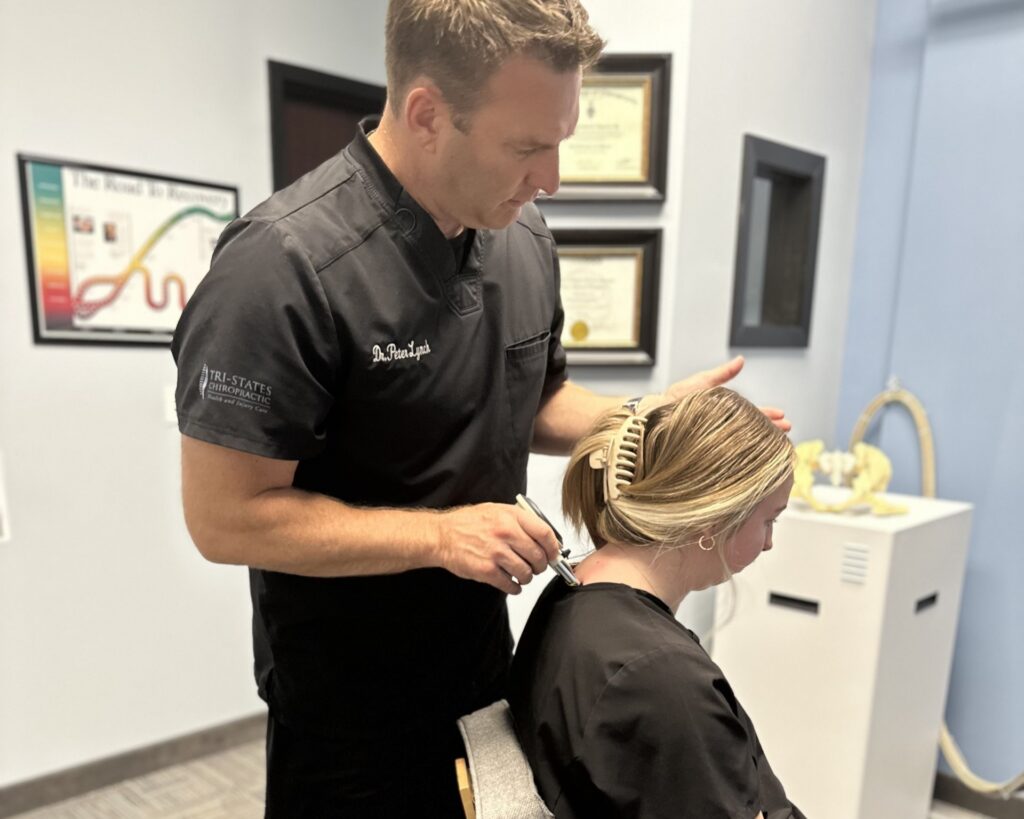
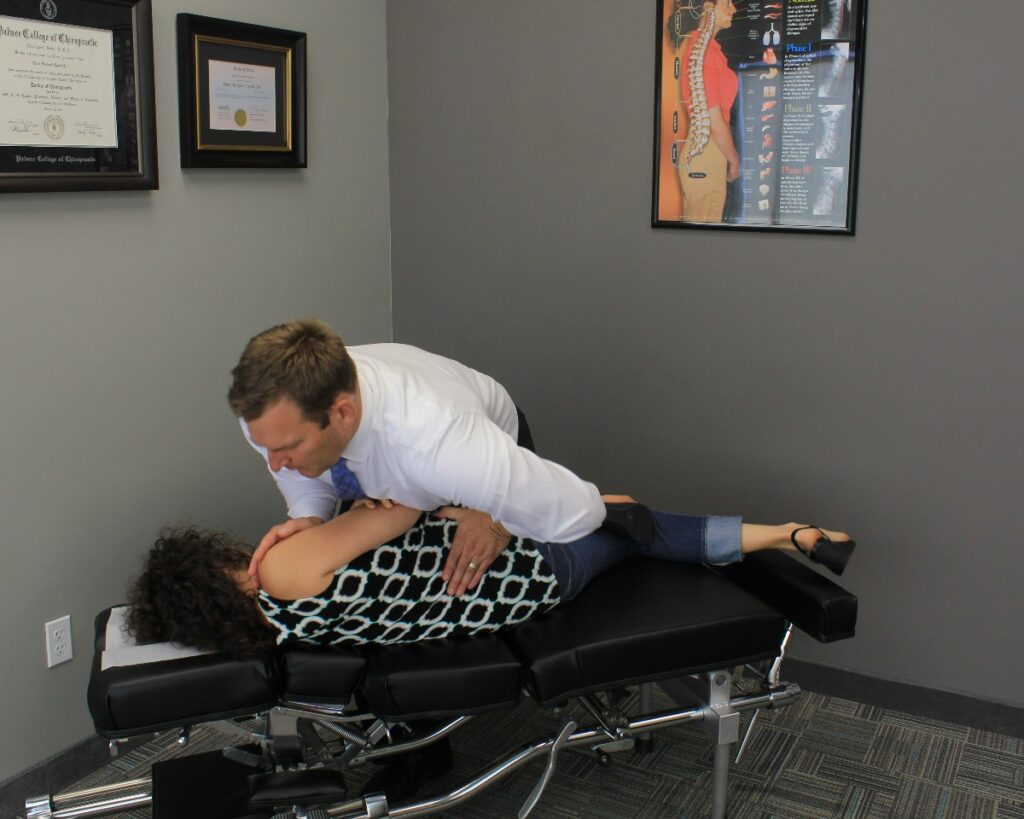
Moreover, regular chiropractic adjustments can significantly aid in maintaining a healthy spine. These adjustments help align the vertebrae, reduce pain, and improve mobility, allowing your body to function optimally without relying on medications or invasive procedures.
Curious about how to implement these changes? Here are some key takeaways for achieving and maintaining a healthier back:
- Focus on Posture: Be mindful of your body alignment throughout the day.
- Incorporate Regular Exercise: Engage in activities that strengthen your back and core.
- Seek Chiropractic Care: Regular visits to a chiropractor can help keep your spine aligned and functioning well.
- Listen to Your Body: Pay attention to any discomfort and consult with a chiropractor to address issues before they escalate.
By adopting these strategies and considering chiropractic care as your primary approach to back health, you can enhance your quality of life and promote natural healing for a healthier, pain-free future.
Key Takeaways
- Prioritize maintaining good posture throughout your daily activities. Consider investing in ergonomic furniture that supports your spinal alignment, as this can significantly reduce strain on your back and help you avoid discomfort.
- Regular physical activity is vital for back health. Engaging in activities like walking, yoga, or swimming can improve your flexibility and strengthen your core, which plays a crucial role in supporting your spine.
- When lifting objects, it’s important to use safe techniques to protect your back. Always bend at your knees, keep the load close to your body, and avoid twisting. This simple practice can help prevent injuries and maintain your spine’s integrity.
- Incorporate core-strengthening exercises into your routine a few times a week. Exercises like planks and glute bridges are fantastic for building strength in your core muscles, which can provide added support to your spine and help prevent injuries.
- Don’t forget to take regular breaks throughout your day. Standing up, stretching, and moving around can promote circulation and reduce stiffness, which is essential for keeping your back healthy.
By focusing on these effective tips and considering regular chiropractic care, you can achieve lasting back health and overall wellness. Chiropractic care is a natural and effective way to relieve pain and enhance your quality of life without the need for medications or surgeries.
Understanding the Importance of Back Health
When considering overall health, it’s common to overlook the significance of your back. However, maintaining a healthy spine is crucial for your daily activities and overall well-being.
Your back is the foundation of nearly every movement you make—whether you’re bending, lifting, or standing. A healthy spine not only enhances your mobility and flexibility but also allows you to partake in the activities you enjoy without pain or discomfort.
Neglecting your back health can lead to chronic pain, which can negatively impact your work, relationships, and happiness. Issues like poor sleep or low energy levels can also stem from poor back health, making it essential to prioritize spinal care. This is where chiropractic care comes into play.
Chiropractic care offers a natural, holistic approach to pain relief and wellness. By focusing on spinal health, chiropractors can help restore proper alignment, improve mobility, and alleviate discomfort. Regular chiropractic adjustments can strengthen your back, prevent injuries, and promote better overall health.
Here are some simple tips to take care of your back health:
- Stay Active: Engage in regular physical activity, such as walking, swimming, or yoga, to strengthen your back muscles and improve flexibility.
- Practice Good Posture: Be mindful of your posture while sitting, standing, or lifting. Keep your back straight and avoid slouching to reduce strain on your spine.
- Use Proper Lifting Techniques: When lifting heavy objects, bend at your knees and keep the load close to your body to minimize stress on your back.
- Incorporate Stretching: Make stretching a part of your daily routine to keep your muscles flexible and reduce tension in your back.
- Seek Chiropractic Care: Regular visits to a chiropractor can help maintain spinal health, alleviate pain, and support your overall wellness journey.
Posture Tips for Everyday Activities
When it comes to maintaining your back health, good posture is essential in your daily activities. Whether you’re sitting at your desk or lifting heavy objects, using proper ergonomics and techniques can significantly impact your comfort and well-being. As a chiropractor, I want to share some valuable tips to help you stay comfortable, injury-free, and promote natural healing.
- Sit Smart: When you’re seated, make sure your chair offers good lumbar support to maintain the natural curve of your spine. Keep your feet flat on the floor, and your knees at a 90-degree angle. Consider using a small cushion or rolled-up towel to support your lower back. This simple adjustment can prevent discomfort and help maintain a healthy spine.
- Lift with Care: When lifting heavy objects, always bend at your knees and not at your waist. Keep the object close to your body and use your legs to lift, not your back. This technique reduces strain on your spine and helps prevent injury.
- Take Breaks: If you’re sitting for long periods, make it a habit to stand, stretch, and move around every 30 minutes. This promotes circulation and keeps your muscles engaged, which is crucial for spinal health.
- Stay Active: Incorporating regular physical activity into your routine can significantly enhance your overall health and spinal wellness. Simple exercises like walking, stretching, or yoga can improve flexibility, strengthen core muscles, and support your spine.
- Mind Your Tech: With so much time spent on devices, it’s important to maintain good posture while using them. Hold your phone at eye level to avoid hunching over, and if you’re working on a computer, ensure your monitor is at eye level and your chair supports your posture.
- Listen to Your Body: If you experience discomfort or pain, don’t ignore it. Chiropractic care is a natural and effective way to address these issues without the need for surgeries or medications. Regular chiropractic adjustments can help align your spine and enhance your body’s ability to heal naturally.
By following these simple tips, you can promote a healthier lifestyle and support your spinal health. Remember, chiropractic care is your ally in achieving optimal wellness and pain relief.
Your journey to a healthier spine starts with the choices you make every day!
Sitting Ergonomics Essentials
Getting your sitting posture right is essential for maintaining a healthy spine and preventing back pain during your daily activities. As a chiropractor, I can’t stress enough the importance of a supportive chair. Choose one that cradles your lower back and allows your feet to rest flat on the floor.
This will help keep your knees at or just below hip level, which is crucial for spinal alignment.
When working at a desk, ensure that your monitor is positioned at eye level. This will help you avoid straining your neck and keep your spine in a neutral position. If you find that you need extra support for your lower back, consider using a cushion or a rolled towel to promote proper lumbar support.
While you work, remember to keep your shoulders relaxed and your elbows close to your body, ideally at a 90-degree angle. This posture not only helps reduce tension but also promotes better circulation. Don’t forget to take regular breaks—it’s vital to stand up, stretch, and walk around.
This simple practice can significantly alleviate discomfort and prevent stiffness.
By incorporating these tips into your daily routine, you can create a more comfortable workspace that supports your spine’s health. And remember, chiropractic care is a fantastic way to achieve optimal wellness and relief from pain. Regular adjustments can help maintain your spinal health, allowing you to live your life more comfortably.
Prioritize your posture and consider how chiropractic can assist you on your journey to natural healing and healthier living.
Lifting Techniques Overview
As a local chiropractor, I want to emphasize the importance of proper lifting techniques not only for preventing injury but also for maintaining optimal spinal health. Our daily activities often require lifting, and doing it the right way can significantly impact your well-being.
When you lift something, always remember to bend at your knees instead of your waist. This technique helps protect your back and spine. Stand with your feet shoulder-width apart to ensure stability, and grip the object firmly. Engaging your core muscles while you lift is crucial—this helps support your spine. As you rise, use the strength of your legs to do the heavy lifting, and keep your back straight.
Avoid twisting your torso while lifting; instead, pivot your feet to turn your body. If you encounter an object that feels too heavy or awkward, don’t hesitate to ask for help or use tools like dollies or carts. Keeping the load close to your body can also minimize strain on your back.
Remember, practicing these safe lifting techniques not only helps prevent pain but also contributes to your overall spinal health. By incorporating these habits into your daily routine, you can maintain a healthy back and reduce the risk of injury, allowing you to enjoy a pain-free life.
If you ever experience discomfort or pain, consider chiropractic care as a natural and effective solution for pain relief and wellness. Together, we can work towards achieving your optimal health.
Strengthening Exercises for a Resilient Back
Building a resilient back is essential for overall health and wellness, and incorporating targeted strengthening exercises can greatly enhance your back support and flexibility. As a chiropractor, I emphasize the importance of core stability since it plays a vital role in maintaining a healthy spine.
To start your journey towards a stronger back, consider adding exercises like planks, bridges, and bird-dogs to your routine. These movements effectively engage your abdominal and lower back muscles, helping to stabilize your spine and improve your posture.
Don’t overlook the importance of your glutes! Strong glutes play a crucial role in supporting your lower back. Incorporating glute bridges and squats into your workouts can provide that extra support your back needs. As you become more comfortable with these exercises, try adding resistance with weights or resistance bands to further challenge your muscles and promote growth.
Another fantastic exercise to include is the deadlift. This move strengthens your entire posterior chain, which encompasses not just your back, but also your hamstrings and glutes. This holistic approach to strengthening can lead to better overall spinal health.
Aim for consistency by targeting these exercises at least two to three times a week. By focusing on building strength in your back and core, you’re creating a solid foundation that helps prevent injuries and supports your daily activities.
Lastly, remember that chiropractic care can be a vital partner in your journey to back health. Regular adjustments can help ensure your spine is properly aligned, which complements your strengthening efforts. By prioritizing both exercise and chiropractic care, you’ll be setting yourself up for optimal health and a resilient back for years to come.
Stretching Techniques to Enhance Flexibility
As a local chiropractor, I want to emphasize the importance of effective stretching techniques alongside strengthening exercises to enhance flexibility and prevent back pain. Stretching plays a vital role in maintaining a healthy spine and overall well-being.
Begin with gentle neck stretches to relieve tension. Simply tilt your head from side to side, holding each position for about 15 seconds. This simple action can help alleviate discomfort and improve mobility in your neck.
Next, consider the cat-cow stretch, which is excellent for spinal mobility. Get on all fours, arch your back upward like a cat, then dip it down like a cow. Repeat this flow for around 30 seconds. This movement helps to increase flexibility in your spine, which can contribute to better posture and reduced pain.
To specifically target your lower back, try the seated forward bend. Sit with your legs extended in front of you and gently reach for your toes. Hold this position for 20 seconds while focusing on your breath. This stretch can help release tension in your lower back and improve flexibility over time.
Another beneficial stretch is the child’s pose. Kneel on the floor, sit back on your heels, and stretch your arms forward while letting your forehead rest on the ground. This pose not only stretches your back but also promotes relaxation.
Aim to incorporate these stretches daily, holding each pose for at least 15-30 seconds. By making these techniques a regular part of your routine, you’ll not only enhance your flexibility but also support your spinal health.
Ergonomic Solutions for Your Workspace
To maintain a healthy back, it’s crucial to create an ergonomic workspace that supports your spine. Start by adjusting your chair height so that your feet rest flat on the ground and your knees are at a comfortable 90-degree angle. This alignment helps to reduce pressure on your back and promotes better posture throughout the day.
Next, ensure your monitor is positioned at eye level. This small adjustment can significantly minimize strain on your neck and back, making it easier to maintain a relaxed and comfortable position while you work. Remember, when your workspace is set up properly, you’re taking an important step towards preventing discomfort and pain.
As a chiropractor, I encourage you to pay attention to your body’s signals. If you’re feeling tension or discomfort, consider incorporating regular chiropractic care into your routine. Chiropractic adjustments can help align your spine, improve your posture, and enhance your overall wellness.
By prioritizing your spinal health, you can achieve a higher quality of life and better manage any pain you may experience.
In addition to these adjustments, here are some simple tips to enhance your workspace ergonomics:
- Take Regular Breaks: Stand up, stretch, and walk around every hour to keep your body mobile and reduce stiffness.
- Use a Supportive Chair: Invest in a chair that provides good lumbar support to help maintain the natural curve of your spine.
- Position Your Keyboard and Mouse: Keep them close enough so you can use them without reaching, and maintain a straight wrist position to avoid strain.
- Stay Hydrated: Drink plenty of water throughout your day to keep your muscles and joints functioning well.
Chair Height Adjustment
When it comes to maintaining your back health, adjusting your chair height is a simple yet effective way to create a more ergonomic workspace. As a chiropractor, I want to emphasize how important it’s to support your spine throughout your daily activities. For optimal comfort, your feet should rest flat on the floor, and your knees should form a 90-degree angle. This position helps distribute your weight evenly and reduces strain on your lower back, ultimately contributing to a healthier spine.
If your chair has adjustable features, make sure to use them to find the perfect height for you. Your thighs should be parallel to the ground, and your hips should sit slightly above your knees. This alignment encourages proper posture and minimizes discomfort during long work hours. Remember, even a small adjustment can lead to significant improvements in your overall back health.
In addition to adjusting your chair, consider taking regular breaks to stand up, stretch, and move around. This is especially important if you’re sitting for extended periods. Incorporating gentle stretches into your routine can further support your spine and help alleviate tension.
Chiropractic care is an excellent option for promoting natural healing and maintaining optimal health. Regular visits can help ensure that your spine is properly aligned, reducing pain and enhancing your overall well-being. By making these simple adjustments to your workspace and integrating chiropractic care into your wellness routine, you can take proactive steps toward a healthier, pain-free life.
Monitor Placement Guidelines
Proper monitor placement is crucial for maintaining good posture and reducing eye strain while you work, which directly supports your spinal health. By ensuring your monitor is positioned correctly, you can help alleviate discomfort and promote overall wellness.
Here are some simple guidelines to follow:
- Distance: Arm’s Length – Keep your monitor about an arm’s length away. This helps reduce eye strain, allowing your eyes to stay relaxed and focused without excessive effort.
- Height: Eye Level – Position the top of your screen at or just below eye level. When your monitor is at the right height, it prevents you from tilting your head, which keeps your neck aligned and can help avoid strain.
- Angle: Tilted Backward – Tilt your monitor slightly backward to minimize glare. This small adjustment can reduce eye fatigue and make viewing more comfortable.
- Position: Directly Ahead – Make sure your monitor is directly in front of you. This encourages proper posture, helping to maintain the natural curves of your spine and reducing the risk of discomfort as you work.
By following these guidelines, you can create a workspace that supports your health and well-being.
Safe Lifting Practices to Prevent Injury
While lifting might seem simple, using the correct techniques is crucial for preventing injuries and supporting your overall spinal health.
First, assess the load you’re about to lift. If it feels too heavy, don’t hesitate to ask for assistance or use a wheeled cart. Standing close to the object and positioning your feet shoulder-width apart will help you maintain balance.
Remember to bend at your knees rather than your waist—this is key to protecting your back. Engaging your core muscles provides additional support for your spine, allowing you to lift more safely. Firmly grip the object and use your legs to lift, keeping the load close to your body throughout the process.
When it’s time to set the object down, bend your knees again, keeping that core engaged. Avoid twisting your body while lifting; instead, pivot your feet to change direction. It’s also important to take breaks if you find yourself lifting repeatedly.
Incorporating these safe lifting practices not only reduces your risk of back injuries but also promotes better spinal health overall.
If you experience any discomfort, remember that chiropractic care is a natural and effective way to address pain and support your body’s healing process. Embracing these techniques will help you move comfortably and maintain your wellness.
Lifestyle Changes for Long-term Back Wellness
Incorporating safe lifting practices is just one important step toward achieving long-term back wellness, but there’s so much more you can do to support your spinal health naturally. As a chiropractor, I believe that making thoughtful lifestyle changes is key to protecting your back and enhancing your overall well-being.
First and foremost, maintaining a healthy weight is crucial. Extra pounds can put unnecessary strain on your back, leading to discomfort and pain. Regular exercise is also essential—focus on activities that strengthen your core muscles, as a strong core provides vital support for your spine. Yoga and Pilates can be excellent options for building strength while improving flexibility.
Be mindful of your posture throughout the day. Whether you’re sitting at a desk or standing, keeping your spine aligned can greatly reduce the risk of back pain. If you’re working at a computer, ensure your workstation is ergonomically set up—your screen should be at eye level, and your chair should support your lower back.
Don’t underestimate the importance of wearing proper footwear. Supportive shoes can help maintain your body’s alignment and reduce strain on your back. When it comes to sleep, prioritize quality rest. A good mattress that supports your spine, along with a sleeping position that keeps your back aligned, can significantly impact your overall spinal health.
Lastly, consider incorporating regular chiropractic care into your wellness routine. Chiropractic adjustments can help alleviate pain, improve mobility, and keep your spine in optimal condition. By prioritizing these changes and seeking out natural solutions like chiropractic care, you’re investing in your long-term back wellness and overall health. Remember, a healthy spine contributes to a healthier life!