Maintaining back health is crucial for your overall well-being, and chiropractic care is one of the best ways to support this. It all begins with understanding your posture. Simple ergonomic adjustments in your workspace can make a world of difference. For example, ensure your computer screen is at eye level and your chair supports your lower back.
Incorporating effective stretches and exercises into your daily routine can significantly enhance your back’s stability and flexibility. Exercises like gentle twists, hamstring stretches, and core strengthening can help keep your spine healthy. Remember, chiropractic adjustments can also aid in improving your range of motion and relieving tension.
You might be surprised to learn that your nutrition and stress levels can impact your back health as well. Staying hydrated and consuming anti-inflammatory foods can support your spine, while finding ways to manage stress—such as mindfulness or deep-breathing exercises—can help reduce muscle tension.
Let’s embrace these essential tips and discover how small changes, combined with regular chiropractic care, can lead to significant improvements in your back health. Together, we can work towards a pain-free and vibrant life!
Key Takeaways
Essential Chiropractic Tips for Back Health
- Posture Matters: One of the simplest ways to protect your spine is by maintaining proper posture. Keep your shoulders back, your chest open, and your head level. This will help reduce strain on your spine during everyday activities.
- Regular Chiropractic Check-Ups: Think of chiropractic visits as an essential part of your wellness routine. Regular check-ups can help identify misalignments in your spine before they become painful issues, allowing you to maintain optimal spinal health naturally.
- Strengthen Your Core: Engaging in core-strengthening exercises like planks and bird dogs can be incredibly beneficial. A strong core supports your spine and can significantly reduce the risk of pain. Plus, these exercises are easy to incorporate into your daily routine!
- Ergonomic Choices: Using ergonomic furniture is a smart way to support your back, especially if you spend long hours sitting. Make it a habit to take breaks and move around regularly. This simple practice can reduce strain and keep your spine feeling great.
- Stay Active and Hydrated: Gentle exercises, like walking or stretching, keep your body moving and your joints healthy. Don’t forget to drink plenty of water; hydration is key for flexibility and overall wellness.
By incorporating these chiropractic tips into your daily routine, you can take proactive steps towards a healthier back and a happier life. Remember, chiropractic care is a natural and effective way to achieve pain relief and promote wellness. Embrace these practices, and give your spine the care it deserves!
Understanding Posture and Its Importance
Your posture is more important than you might think, especially when it comes to maintaining a healthy spine. Good posture keeps your spine aligned, which helps to reduce strain on your muscles and ligaments. When you sit or stand up straight, your body weight is distributed evenly, minimizing discomfort and preventing long-term issues. On the other hand, slouching can lead to tension in your back and neck, resulting in pain and decreased mobility.
To support your back health, pay attention to your alignment throughout the day. Keep your shoulders back, your chest open, and your head level. If you catch yourself hunching over, take a moment to correct it. Regularly checking in with your body and making small adjustments can lead to significant improvements. Engaging your core muscles also provides support for your spine and helps you maintain better posture.
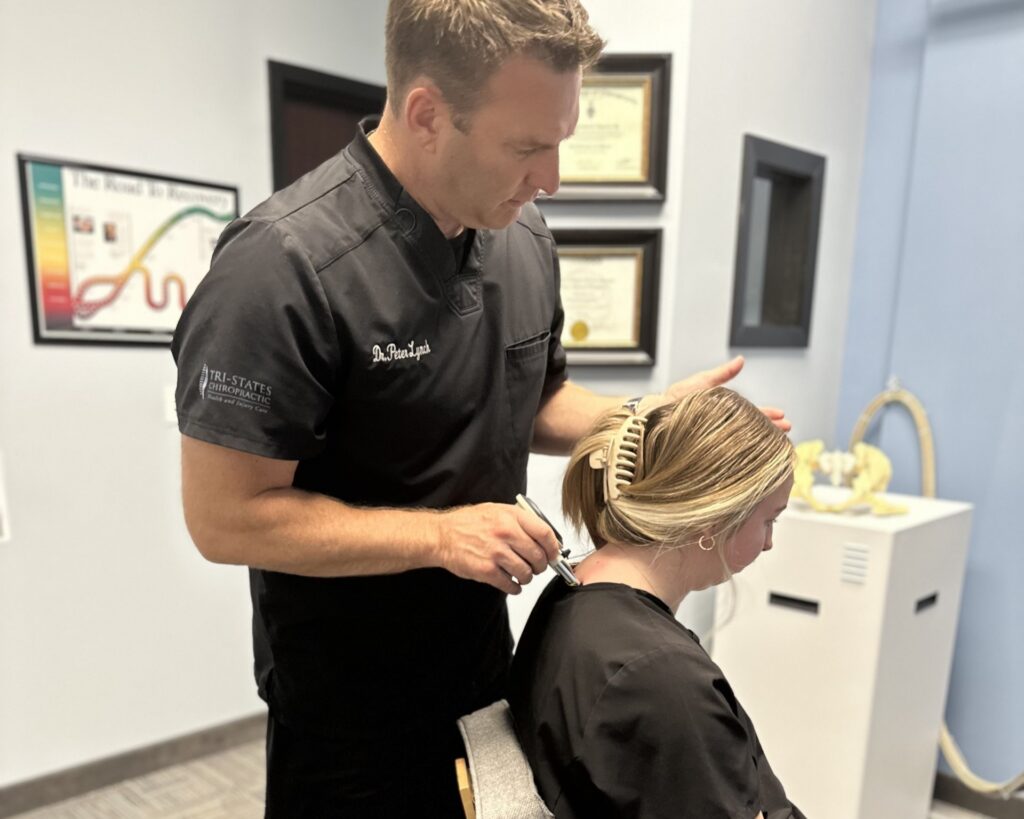
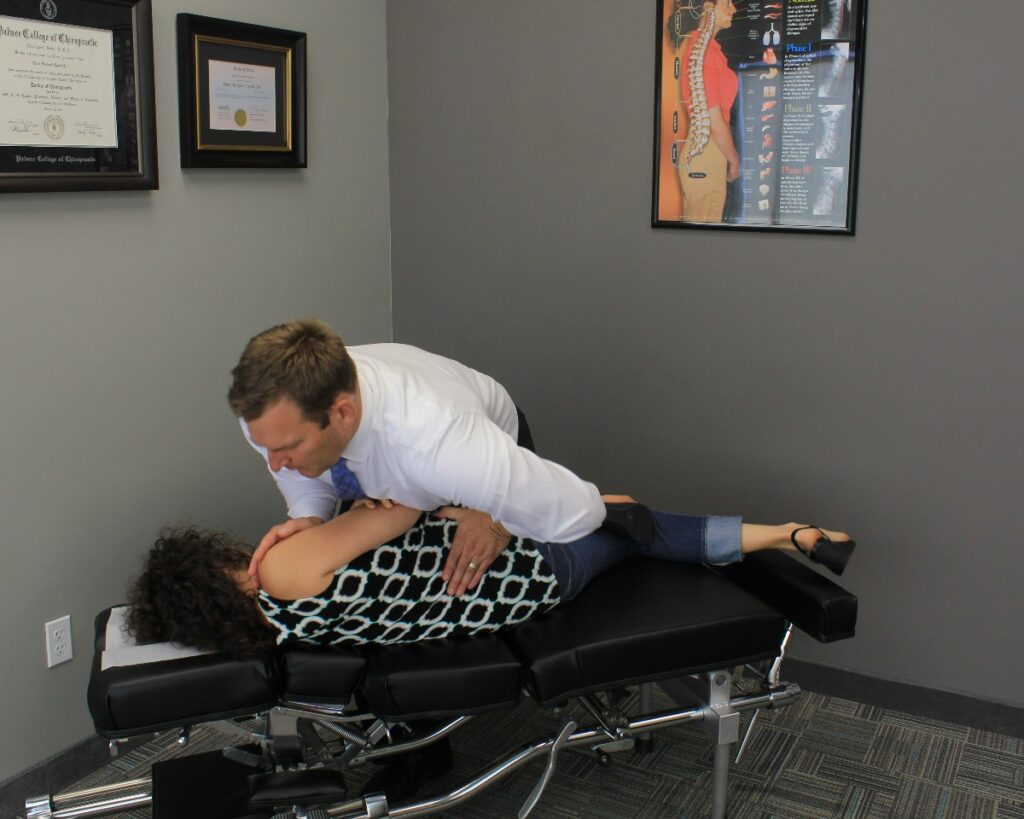
Chiropractic care is a fantastic option for addressing posture-related issues and promoting overall wellness. By visiting your chiropractor, you can receive personalized adjustments that restore your spine’s natural alignment, helping you feel more comfortable and mobile. Additionally, your chiropractor can guide you on exercises and stretches that will strengthen your core and improve your posture.
Ergonomic Adjustments for Your Workspace
Maintaining good posture is just the beginning of ensuring your back health. Creating an ergonomic workspace is essential for your overall wellness and can significantly reduce discomfort and pain.
Start by adjusting your chair height so your feet rest flat on the floor and your knees are level with your hips. This alignment is crucial for a healthy spine.
Your desk should be positioned at elbow height when seated, enabling your arms to rest comfortably at your sides. A chair that provides support for your lower back is vital; consider adding a cushion if necessary to enhance your comfort.
It’s also important to position your monitor at eye level to prevent neck strain; the top of the screen should be just below your line of sight to maintain a neutral neck position.
Keep your keyboard and mouse close to avoid unnecessary reaching, as this can lead to discomfort and tension in your shoulders and back.
But remember, sitting for long periods, even in a well-adjusted position, isn’t ideal for your spine. Make it a habit to take regular breaks to stand, stretch, and move around.
These simple adjustments and practices can greatly reduce the risk of back pain and enhance your comfort while working.
Incorporating chiropractic care into your routine can also support your journey to optimal health. Regular chiropractic adjustments can help align your spine, reduce tension, and promote natural healing, allowing you to live a more active and pain-free life.
Prioritizing your spinal health is a key step towards achieving overall wellness.
Stretches to Enhance Flexibility and Strength
To maintain a healthy back, it’s crucial to incorporate effective stretching techniques into your routine. As a chiropractor, I emphasize the importance of strengthening your core muscles through specific exercises. A strong core supports your spine and enhances overall stability, which is key to preventing discomfort and maintaining mobility.
Establishing a daily flexibility routine can significantly improve your range of motion and help reduce the risk of injury. Simple stretches like the cat-cow stretch, gentle twists, and forward bends can be very beneficial. Remember to listen to your body and only stretch to a comfortable limit.
Chiropractic care plays an important role in achieving optimal health. Regular adjustments can help align your spine, making it easier for you to engage in these stretching routines effectively. By focusing on natural healing methods like chiropractic care, you’re taking a proactive step toward a pain-free, healthier life.
Incorporate these tips into your daily routine and consider visiting your chiropractor for personalized advice tailored to your specific needs. Together, we can work towards a healthier, more active lifestyle!
Key Stretching Techniques
Regular stretching is a vital component of maintaining a healthy back, as it enhances both flexibility and strength. By incorporating key stretching techniques into your daily routine, you can alleviate tension, prevent injuries, and support your overall wellness.
As a chiropractor, I believe that these practices, combined with chiropractic care, can lead to optimal health without the need for surgeries or medications. Here are three essential stretches you should consider:
- Cat-Cow Stretch: This dynamic movement is fantastic for warming up your spine and improving flexibility. By alternating between arching and rounding your back, you can effectively release tension and promote spinal health. This stretch can be easily integrated into your morning routine to start your day off right.
- Child’s Pose: A gentle and restorative stretch, Child’s Pose helps to elongate your spine and relax your back muscles. Simply kneel on the floor, reach your arms forward, and sit back on your heels. This pose not only stretches your back but also encourages relaxation, making it a perfect way to unwind after a long day.
- Seated Forward Bend: Targeting your hamstrings and lower back, this stretch is simple yet effective. Sit with your legs extended in front of you and gently reach for your toes, feeling a comfortable stretch along your spine. This is a great way to relieve tightness and improve your overall flexibility.
Incorporating these stretches into your daily routine can significantly enhance your back health. Remember, regular chiropractic adjustments can also play a key role in maintaining proper spinal alignment and overall wellness.
Strengthening Core Muscles
A strong core is essential for maintaining a healthy back and ensuring overall stability. By strengthening your core muscles, you provide essential support to your spine, which can significantly reduce the risk of injury and discomfort. As a chiropractor, I want to emphasize the importance of a strong core for your well-being and how it can complement your chiropractic care.
Incorporating core-strengthening exercises into your daily routine is a great way to enhance your spinal health. Here are some effective exercises that you can easily integrate into your life:
| Exercise | Repetitions |
|---|---|
| Plank | 3 sets of 30 seconds |
| Dead Bug | 3 sets of 10 reps |
| Russian Twist | 3 sets of 15 reps |
| Bird Dog | 3 sets of 10 reps |
Tips for Success:
- Consistency is Key: Aim to perform these exercises several times a week to build strength and stability over time.
- Focus on Form: Proper technique is crucial to avoid injury. If you’re unsure, consider asking your chiropractor for guidance.
- Listen to Your Body: Start with what feels comfortable and gradually increase intensity as your strength improves.
- Combine with Chiropractic Care: Regular chiropractic adjustments can enhance the effectiveness of your core workouts by improving your spinal alignment and overall function.
Daily Flexibility Routine
Incorporating a daily flexibility routine can significantly enhance your strength and mobility, while also promoting better back health, which is crucial for overall well-being.
As a chiropractor, I often emphasize the importance of regular stretching as a natural way to reduce muscle tension and increase your range of motion. This can make daily activities easier and more comfortable, helping you to live a healthier life. Here are three effective stretches to include in your routine that align with chiropractic principles:
- Cat-Cow Stretch: This dynamic movement not only improves spinal flexibility but also helps relieve tension in the back. By gently flowing between these two positions, you can promote better spinal alignment and engage your core muscles, which are essential for back support.
- Child’s Pose: This restorative pose is fantastic for lengthening the spine and relaxing tight muscles. When you take a moment to settle into Child’s Pose, you allow your body to release stress and tension, which can lead to improved posture and comfort throughout your day.
- Hamstring Stretch: Keeping your hamstrings flexible is vital for maintaining proper posture and reducing strain on your lower back. A simple hamstring stretch can help alleviate tightness that might contribute to discomfort and improve your overall mobility.
Remember, embracing a daily flexibility routine is a natural and effective way to support your spine and overall health. These stretches can be easily incorporated into your day-to-day life, and they complement chiropractic care beautifully.
If you’re looking for personalized guidance or have specific concerns about your back health, don’t hesitate to reach out for a chiropractic consultation. Together, we can achieve optimal health through natural healing and wellness practices!
Exercises to Support Your Spine
Engaging in exercises that support your spine is a fantastic way to enhance your back health and overall well-being. As a chiropractor, I emphasize the importance of strengthening your core muscles, as they play a crucial role in stabilizing your spine and reducing the risk of pain. Simple exercises like planks, bridges, and bird-dogs can be easily incorporated into your daily routine to build strength effectively without the need for invasive procedures.
Flexibility is equally important for spinal health, so don’t forget to include gentle stretches such as the cat-cow and child’s pose. These movements not only help maintain mobility but also alleviate tension in the back, which can improve your posture and enhance your daily comfort.
In addition to strength and flexibility, consider incorporating low-impact aerobic activities like walking or swimming into your routine. These exercises promote blood flow and nourish your spine, contributing to its health. Aim for at least 30 minutes of activity most days—your body will thank you!
As you embark on this journey to better spinal health, always listen to your body. If you encounter any pain during exercise, it’s essential to stop and consult with a chiropractic professional who can guide you safely. By prioritizing these exercises and embracing chiropractic care as a holistic approach to wellness, you’re taking significant steps towards a healthier, pain-free life.
The Role of Nutrition in Back Health
When it comes to keeping your back healthy, nutrition is incredibly important. By focusing on a balanced diet filled with essential nutrients, you can boost your spine’s strength and flexibility. Good nutrition not only helps reduce inflammation but also supports muscle function and enhances your overall well-being.
Here are some key nutritional elements to consider for a healthy back:
- Calcium and Vitamin D: These nutrients are vital for strong bones. Incorporate dairy products, leafy greens, and fortified foods into your meals to help maintain bone health. Remember, strong bones provide a solid foundation for your spine!
- Omega-3 Fatty Acids: Found in fish, flaxseeds, and walnuts, these healthy fats can help reduce inflammation in your body and support joint health, which is crucial for a healthy back. Consider adding these foods to your diet to promote a more flexible and resilient spine.
- Magnesium: This mineral plays a significant role in muscle function and can help prevent cramps and spasms. You can find magnesium in nuts, seeds, and whole grains. Including these foods in your diet can contribute to better muscle health and comfort.
In addition to focusing on these nutrients, here are some general tips for maintaining back health through nutrition:
- Stay Hydrated: Drinking plenty of water is essential for overall health and helps keep your spinal discs hydrated.
- Eat a Variety of Foods: Aim for a colorful plate! A variety of fruits and vegetables provides a wide range of nutrients that support your overall health and healing.
- Limit Processed Foods: Try to cut back on processed foods, as they can lead to inflammation and negatively impact your health.
- Listen to Your Body: Pay attention to how different foods make you feel. If something doesn’t sit well or causes discomfort, it may be worth avoiding.
As a chiropractor, I believe that nutrition is a powerful ally in achieving and maintaining optimal health. By nourishing your body with the right foods, along with regular chiropractic care, you can support your back and overall wellness naturally.
Managing Stress and Its Impact on Your Back
Nutrition plays a significant role in your overall well-being, but managing stress is equally crucial for maintaining a healthy spine. When stress levels rise, your body can respond by tightening up muscles, leading to discomfort and pain in your back. This tension, combined with poor posture often caused by stress, can exacerbate existing back issues.
To effectively combat stress and support your back health, consider incorporating relaxation techniques into your daily routine. Simple practices like deep breathing exercises, meditation, or yoga can help release built-up tension and enhance your mood. Additionally, regular physical activity not only uplifts your mental well-being but also strengthens your back muscles, providing vital support for your spine.
Don’t overlook the importance of quality sleep in managing stress. Aim for restorative sleep to help your body recover and alleviate the tension that accumulates throughout the day. Remember, chiropractic care is an excellent way to address stress-related back pain. By visiting a chiropractor, you can receive natural, hands-on adjustments that help realign your spine, improve your posture, and relieve muscle tension.
Regular Chiropractic Check-Ups: Why They Matter
Regular chiropractic check-ups are a vital part of maintaining your back health and overall wellness. By visiting your chiropractor, you can help prevent issues before they arise, ensuring that your spine stays aligned and your body functions at its best.
These check-ups not only enhance your mobility and flexibility, but they also allow for the early detection of potential problems, which can save you from experiencing more serious complications in the future.
Chiropractic care is an exceptional choice for natural pain relief and promoting overall health. Instead of relying on medications or invasive procedures, chiropractic adjustments work with your body’s natural ability to heal itself.
By focusing on spinal health, we can help alleviate discomfort, improve your posture, and boost your energy levels.
Here are some simple tips to keep your spine healthy between visits:
- Stay Active: Regular physical activity, such as walking, swimming, or yoga, can strengthen your back muscles and improve flexibility.
- Practice Good Posture: Pay attention to your posture, especially when sitting for extended periods. Use ergonomic furniture and take breaks to stretch.
- Stay Hydrated: Drinking plenty of water helps maintain the health of your spinal discs and promotes overall body function.
- Get Enough Sleep: Ensure you have a supportive mattress and pillow to keep your spine in alignment while you rest.
- Mind Your Lifting Technique: When lifting heavy objects, bend at your knees and keep the load close to your body to avoid straining your back.
Incorporating these practices into your daily routine, along with regular chiropractic care, will help you achieve and maintain optimal health naturally. Remember, your chiropractor is here to support you on your journey to wellness!
Preventative Care Benefits
Many people only think about chiropractic care when they’re experiencing pain, but making regular check-ups a part of your wellness routine can significantly boost your back health. By focusing on preventative care, you can spot potential issues before they turn into bigger problems. Regular visits help keep your spine aligned and enhance your overall well-being.
Here are some essential benefits of incorporating preventative chiropractic care into your life:
- Early Detection: By catching misalignments early, you can prevent pain and injuries from developing.
- Better Posture: Consistent adjustments help you maintain good posture, which can reduce strain on your back and improve your daily comfort.
- Boosted Overall Health: Chiropractic care not only supports your spine but also strengthens your immune system, helping you stay active and healthy.
Incorporate these simple tips into your routine: make a habit of regular chiropractic check-ups, pay attention to your posture throughout the day, and stay active with gentle exercises that promote flexibility and strength.
Your back will thank you for prioritizing its health! Embrace the benefits of preventative care and experience the difference chiropractic can make in your life.
Improved Mobility and Flexibility
Many people don’t realize just how vital mobility and flexibility are to their overall health until they start feeling stiffness or discomfort. Regular chiropractic check-ups can significantly improve your range of motion, allowing you to move more freely and comfortably throughout your day. By addressing misalignments and relieving tension in your body, chiropractors can help you maintain your optimal function and enhance your overall well-being.
To help you better understand the difference between mobility and flexibility, here’s a simple comparison:
| Aspect | Mobility |
|---|---|
| Definition | The ability to move freely |
| Importance | Essential for daily activities |
| Exercises | Dynamic stretches and functional movements |
| Benefits | Injury prevention and improved performance |
As a chiropractor, I encourage you to incorporate simple practices into your daily routine to enhance your mobility and flexibility. Here are a few tips:
- Stay Active: Engage in regular physical activity, which can include walking, swimming, or cycling. These activities promote overall mobility.
- Warm Up: Before any workout or physical activity, take time to warm up your muscles with dynamic stretches. This prepares your body for movement and helps prevent injuries.
- Listen to Your Body: If you feel stiffness or discomfort, don’t ignore it. Consider scheduling a chiropractic appointment to address any underlying issues.
- Practice Good Posture: Maintaining proper posture can enhance your spinal alignment and improve your mobility.
- Stay Hydrated: Drinking enough water is essential for joint health and can help maintain flexibility.
Chiropractic care is a natural, effective way to support your body’s mobility and flexibility. By focusing on your spine and overall musculoskeletal health, you can enjoy a more active, pain-free lifestyle. Remember, taking care of your body today will help you feel your best tomorrow!
Early Detection of Issues
Maintaining mobility and flexibility is just one piece of the puzzle when it comes to your overall health. Catching potential issues early can truly enhance your well-being. Regular chiropractic check-ups are vital for spotting problems before they snowball into more serious concerns. By being proactive, you ensure your spine and nervous system are functioning at their peak.
Here are a few reasons why these check-ups are so important:
- Preventive Care: By addressing minor misalignments early, you can prevent pain or injury down the road. It’s all about staying ahead of the game!
- Holistic Approach: Chiropractic care looks at your entire body, not just your back. You’ll gain valuable insights into your overall health that can lead to a happier, healthier life.
- Personalized Treatment: Every person is unique, and so are their needs. During your visits, you’ll receive tailored advice and adjustments that cater specifically to you.
By prioritizing early detection through regular chiropractic visits, you can significantly enhance your quality of life and keep your body moving freely.
Remember, your spine is the foundation of your health; taking care of it with chiropractic care is one of the best choices you can make for natural pain relief and wellness.
Here are a few tips to keep in mind:
- Stay Active: Regular movement helps maintain spinal health. Whether it’s walking, stretching, or yoga, find what works for you.
- Practice Good Posture: Be mindful of your posture when sitting, standing, or lifting. This can help prevent misalignments.
- Listen to Your Body: If something doesn’t feel right, don’t ignore it. Early attention can make a world of difference.
Make chiropractic care a part of your health journey. Together, we can work towards achieving your optimal health!
Tips for Safe Lifting and Carrying Techniques
When lifting or carrying heavy objects, it’s crucial to use proper techniques to protect your spine and prevent injuries. As a chiropractor, I want to emphasize that taking care of your back is essential for overall health and wellness. Here are some helpful tips to ensure safe lifting and carrying:
| Step | Technique |
|---|---|
| Prepare | Before you lift, assess the load and ensure your path is clear to avoid any obstacles. |
| Position your body | Stand close to the object, with your feet shoulder-width apart for stability. This position helps maintain balance and reduces strain on your back. |
| Lift properly | Always bend at your knees rather than your waist. Keep your back straight and utilize the strength of your legs to lift the object. This method minimizes stress on your spine and helps prevent injuries. |
| Carry safely | Hold the object close to your body and keep your movements smooth. Avoid twisting your torso while moving; instead, pivot with your feet to maintain a safe posture. |