Chronic low back pain can be a frustrating experience, but there are effective remedies that can help you regain control and improve your overall wellness. As a chiropractor, I believe that chiropractic care is one of the best ways to achieve optimal health and alleviate pain naturally, without the need for surgeries or medications.
By incorporating lifestyle changes, such as maintaining a healthy weight, staying active, and practicing good posture, you can support your spine and reduce discomfort. Regular physical activity, like walking or gentle stretching, can also help to strengthen the muscles that support your back.
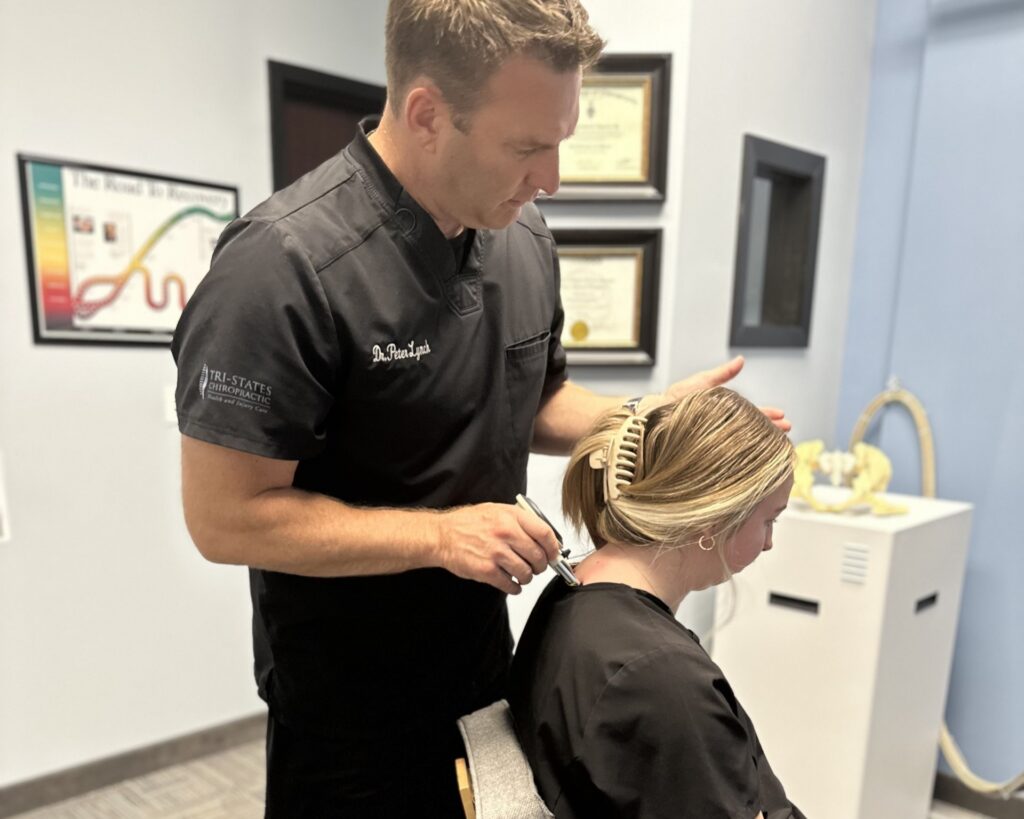
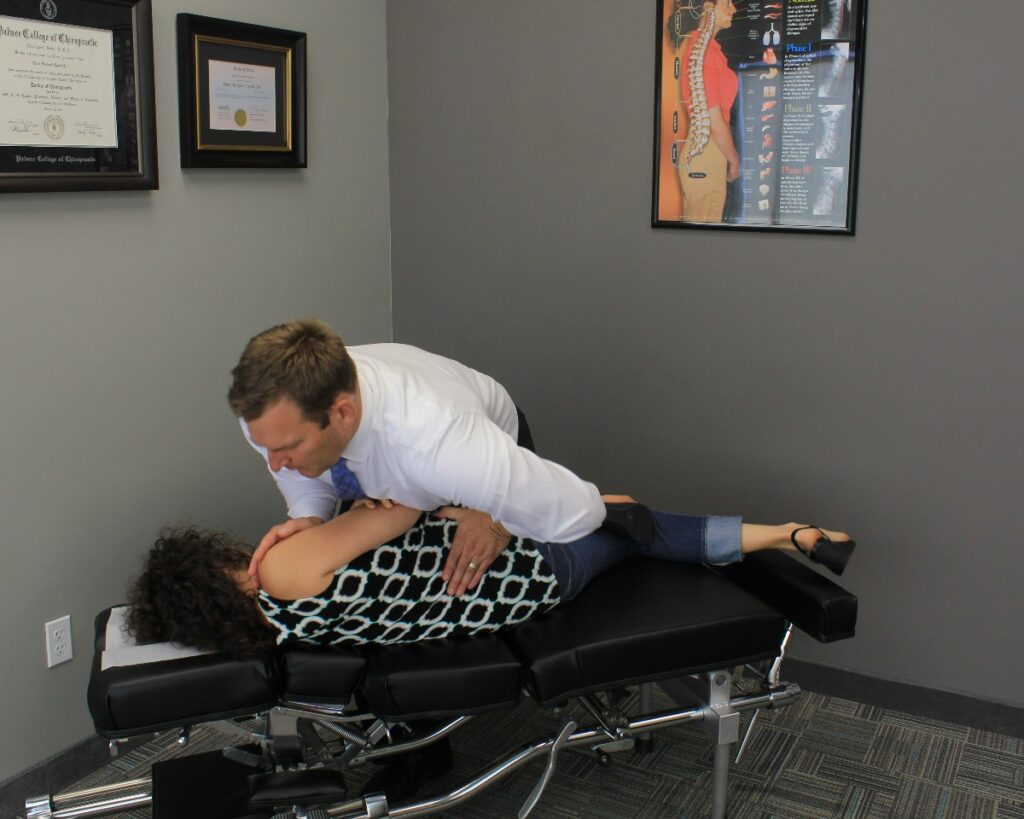
Chiropractic care focuses on the alignment of your spine, which is crucial for overall health. Through gentle adjustments, we can relieve pressure on nerves, improve mobility, and promote natural healing. This holistic approach not only addresses your pain but also helps enhance your body’s ability to function optimally.
In addition to chiropractic adjustments, consider integrating other natural remedies into your routine. Heat or ice therapy can provide immediate relief, and incorporating mindfulness practices such as yoga or meditation can help manage stress, which often exacerbates pain.
Remember, understanding your body and listening to its signals is key. Always consult with a qualified chiropractor to create a personalized plan that works for you. By taking these steps and choosing chiropractic care, you can work towards a pain-free life and enjoy a better quality of living. Let’s explore practical strategies that could make a difference in your journey to wellness!
Key Takeaways
If you’re dealing with chronic low back pain, there are several effective remedies you can incorporate into your daily routine to promote healing and enhance your overall wellness. Here are some practical tips that can help:
- Gentle Movement: Engaging in gentle exercises such as walking, swimming, or yoga can be incredibly beneficial. These activities not only strengthen your back muscles but also improve flexibility, which is essential for maintaining a healthy spine. Remember, staying active is key, and listening to your body is crucial—take breaks when you feel discomfort.
- Heat and Cold Therapy: Applying heat or cold packs to the affected area can provide immediate relief. Heat helps to relax tense muscles and improves blood flow, while cold therapy can reduce inflammation and numb sharp pain. Alternating between the two can be particularly effective.
- Posture Matters: Maintaining good posture is vital for spinal health. Make sure your workspace is ergonomically set up to avoid unnecessary strain on your back. Simple adjustments, like keeping your feet flat on the ground and your computer screen at eye level, can make a big difference.
- Chiropractic Care: One of the most effective ways to address chronic low back pain is through chiropractic care. Regular spinal adjustments can restore balance to your body, improve mobility, and alleviate pain. A chiropractor can provide personalized care that targets the root of your discomfort, helping you achieve optimal health naturally.
- Stay Active and Mindful: It’s important to stay active, but also to be mindful of your body. If you start to experience pain or discomfort, don’t push through it. Instead, take a moment to rest and assess what your body needs. This approach not only helps in managing pain but also supports your overall well-being.
By incorporating these practices into your life, you can take steps toward relieving chronic low back pain while promoting natural healing and wellness. Remember, chiropractic care is a powerful ally on your journey to better health!
Understanding Chronic Low Back Pain
When you think about chronic low back pain, it’s important to understand that it’s not just a temporary annoyance; it can significantly affect your everyday life. This condition often lasts longer than three months and can arise from various factors like injury, muscle strain, or underlying health issues. You may notice that your pain varies, often influenced by your daily activities or stress levels.
Understanding your pain is key to managing it effectively. You might feel stiffness, sharp sensations, or a dull ache that can extend to other areas of your body. Chronic low back pain can also lead to changes in how you stand or move, which can create additional discomfort. Acknowledging both the emotional and physical challenges can motivate you to seek the right treatments.
Chiropractic care stands out as a natural and effective way to address chronic low back pain. By focusing on spinal health, chiropractors can help restore proper alignment and function, which may alleviate pain and improve your overall well-being. Regular chiropractic adjustments can’t only relieve discomfort but also promote better posture and movement patterns, reducing the risk of future pain.
Here are some general tips for managing chronic low back pain:
- Stay Active: Gentle exercises, such as walking, swimming, or yoga, can keep your muscles strong and flexible, which supports your spine.
- Practice Good Posture: Be mindful of your posture when sitting, standing, or lifting objects. Using ergonomic furniture can also help.
- Incorporate Stretching: Daily stretching can relieve tension and improve flexibility in your back and legs.
- Use Ice and Heat: Applying ice packs can reduce inflammation, while heat can soothe tight muscles.
- Stay Hydrated: Drinking plenty of water is essential for keeping your spinal discs healthy.
Lifestyle Changes for Pain Management
Making lifestyle changes can significantly impact your ability to manage chronic low back pain effectively.
By adopting healthier habits, you can enhance your overall well-being and alleviate discomfort naturally.
Here are three key changes to consider, along with how chiropractic care can support you on this journey:
1. Stay Active: Engaging in regular physical activity is crucial for strengthening your back muscles and improving flexibility.
Low-impact exercises, such as walking, swimming, or gentle yoga, are excellent options.
Incorporating chiropractic adjustments can also help align your spine, making it easier for you to stay active and pain-free.
2. Maintain a Healthy Weight: Carrying excess weight can put added strain on your back.
Focus on eating a balanced diet rich in whole foods and staying active.
Chiropractic care can assist you by optimizing your body’s function, making it easier to manage weight and reduce pressure on your spine.
3. Improve Your Posture: Good posture is essential whether you’re sitting at a desk or lifting objects.
Being mindful of your alignment can prevent unnecessary strain on your back.
A chiropractor can provide personalized advice on how to maintain proper posture and may offer spinal adjustments to help you achieve better alignment.
By integrating these lifestyle changes and utilizing chiropractic care, you can take significant steps toward managing your chronic low back pain naturally.
Physical Therapy Techniques
Managing chronic low back pain can be challenging, but chiropractic care offers a natural and effective solution. By focusing on spinal health, we can help relieve your pain and enhance your overall well-being. Chiropractic techniques aim to strengthen the muscles around your spine, improve flexibility, and promote better posture, all crucial for maintaining a healthy back.
One of the key strategies in chiropractic care is gentle spinal adjustments. These adjustments help realign your spine, reducing tension and improving mobility.
Additionally, incorporating stretches into your routine can increase flexibility and relieve tightness in the lower back. Simple core-strengthening exercises can also provide stability to your spine, alleviating stress on your back muscles.
Chiropractors often emphasize the importance of proper body mechanics in daily activities. By learning how to lift, bend, and move correctly, you can avoid putting unnecessary strain on your back, which can lead to pain.
For those looking for quick tips, consider these: take regular breaks during long periods of sitting, practice good posture while working, and engage in low-impact activities like walking or swimming to keep your back healthy.
By choosing chiropractic care, you’re opting for a holistic approach to pain relief and wellness. With a consistent routine and the guidance of a chiropractor, you can experience significant improvements in your comfort and function without the need for medications or surgery.
Embrace the path to natural healing and healthier living today!
Alternative Treatments and Therapies
When it comes to managing chronic low back pain, chiropractic care stands out as a powerful option for relief and wellness.
Unlike traditional methods that often rely on medications or invasive procedures, chiropractic adjustments focus on aligning the spine and enhancing the body’s natural ability to heal itself. Many patients report significant reductions in pain and improvements in mobility through regular chiropractic sessions.
Incorporating chiropractic care into your pain management plan not only addresses the immediate discomfort but also promotes overall health and well-being.
Here are a few tips to help you get the most out of your chiropractic experience:
- Stay Consistent: Regular visits to your chiropractor can help maintain spinal alignment and prevent future pain flare-ups. Think of it as routine maintenance for your body.
- Practice Good Posture: Pay attention to your posture at work and home. Keeping your spine aligned can reduce strain on your back and may enhance the effectiveness of your chiropractic treatments.
- Stay Active: Engage in gentle exercises or stretches recommended by your chiropractor. Movement can promote healing and strengthen the muscles that support your spine.
- Listen to Your Body: If you experience discomfort in certain positions or activities, don’t push through the pain. Communicate openly with your chiropractor to find solutions that work for you.
- Prioritize Your Wellness: Chiropractic care isn’t just about pain relief; it’s about achieving optimal health. Make it a part of your holistic wellness plan, including proper nutrition and stress management.
Acupuncture Benefits
Chiropractic care offers a powerful approach to managing chronic low back pain, making it an excellent choice for those looking to achieve natural relief without the use of medications.
This hands-on treatment focuses on aligning the spine and enhancing your body’s ability to heal itself. Here are three essential benefits you can experience from chiropractic care:
- Improved Spinal Alignment: Regular chiropractic adjustments help realign the spine, which can alleviate pressure on nerves and muscles, reducing pain and improving overall function.
- Enhanced Mobility: Chiropractic care can help increase your range of motion by relieving tension in tight muscles and joints. This allows you to move more freely and with less discomfort.
- Natural Pain Relief: Chiropractic adjustments stimulate the body to release its natural pain-relieving chemicals, such as endorphins. This not only helps reduce pain but also boosts your mood and overall well-being.
In addition to seeking chiropractic care, here are some general tips for managing low back pain at home:
- Stay Active: Engage in gentle exercises and stretches to strengthen your back and improve flexibility. Walking, swimming, or yoga can be particularly beneficial.
- Practice Good Posture: Be mindful of your posture when sitting, standing, or lifting heavy objects. Maintaining proper alignment can help prevent strain on your back.
- Use Heat or Cold Therapy: Applying heat or cold packs to the affected area can provide temporary relief and reduce inflammation.
Consider incorporating chiropractic care into your wellness routine for a holistic approach to managing chronic low back pain and achieving optimal health.
Chiropractic Adjustments
Chiropractic adjustments are a cornerstone of natural healing and play a crucial role in alleviating chronic low back pain. By focusing on the spine’s alignment, these adjustments help restore balance and improve mobility, providing a drug-free path to wellness. Many patients experience immediate relief, while others notice gradual improvements in their overall function and comfort over time.
When you visit a chiropractor, they’ll assess your unique condition and customize their approach to meet your specific needs. This personalized care is what sets chiropractic apart as the best choice for pain relief and achieving optimal health. It’s essential to communicate openly with your chiropractor about your symptoms and progress so they can provide the most effective treatment.
In addition to chiropractic adjustments, there are several tips you can incorporate into your daily routine to support your spinal health:
- Maintain Good Posture: Whether sitting at a desk or standing, keeping your spine aligned can prevent unnecessary strain.
- Stay Active: Regular exercise strengthens your back and core muscles, providing better support for your spine.
- Stretch Daily: Gentle stretching can increase flexibility and reduce tension in your muscles, promoting better mobility.
- Stay Hydrated: Drinking plenty of water helps keep your discs hydrated and healthy, contributing to a more resilient spine.
- Listen to Your Body: If you experience pain or discomfort, take it as a sign to slow down and reassess your activities.
Medications and Pain Relief Options
When managing chronic low back pain, it’s essential to understand that there are natural and effective options available to you. While some may turn to over-the-counter medications or prescriptions for relief, chiropractic care stands out as a holistic approach that addresses the root cause of your pain rather than just masking it.
Chiropractic care focuses on the alignment of your spine and overall body mechanics, which can significantly reduce discomfort and improve your overall health. By restoring proper alignment, we help your body heal itself naturally, minimizing the need for medications and invasive procedures.
In addition to chiropractic adjustments, there are several tips and tricks you can incorporate into your daily routine to support your spinal health and alleviate pain:
- Stay Active: Regular physical activity, such as walking or gentle stretching, can help strengthen your back muscles and improve flexibility.
- Practice Good Posture: Be mindful of your posture when sitting, standing, or lifting. Keeping your spine aligned can prevent unnecessary strain.
- Use Heat and Cold Therapy: Applying a warm compress or ice pack to the affected area can provide temporary relief and reduce inflammation.
- Stay Hydrated: Drinking plenty of water supports spinal health by maintaining the elasticity of your discs and tissues.
- Consider Ergonomics: If you spend long hours at a desk, make sure your workspace is ergonomically friendly to avoid strain on your back.
Over-the-Counter Medications
Managing chronic low back pain can be challenging, but there are natural and effective approaches that can help you find relief and enhance your overall wellness. While some may consider over-the-counter medications, I want to emphasize the benefits of chiropractic care as a holistic solution for pain management and spinal health.
Here are some valuable insights to consider:
- Chiropractic Adjustments: Regular chiropractic adjustments can help realign your spine and reduce tension in your muscles. This not only alleviates pain but also improves your body’s ability to function optimally. Many patients find significant relief from their low back pain through consistent chiropractic care.
- Exercise and Stretching: Incorporating gentle exercises and stretches into your daily routine can strengthen your back muscles and improve flexibility. Activities like yoga or simple stretching can help reduce stiffness and prevent future pain. Always consult with your chiropractor to find the right exercises tailored to your needs.
- Posture Awareness: Maintaining proper posture is crucial for preventing and managing low back pain. Be mindful of your sitting and standing positions, especially if you spend long hours at a desk. Your chiropractor can provide guidance on ergonomic adjustments that can support your spinal health.
- Lifestyle Changes: Adopting a healthier lifestyle can have a profound impact on your back pain. Focus on nutrition, hydration, and getting enough rest. A balanced diet and staying hydrated can aid in recovery and overall wellness.
- Natural Therapies: Consider exploring natural therapies such as massage, acupuncture, or heat therapy, which can complement your chiropractic care and provide additional relief.
Prescription Pain Relief Options
When dealing with chronic low back pain, many people seek out various forms of relief. As a chiropractor, I believe that natural healing through chiropractic care is one of the best options available for managing your symptoms effectively. Chiropractic adjustments can help realign the spine, reduce inflammation, and relieve tension in the muscles, offering a holistic approach to pain relief.
Instead of turning to prescription medications, which often come with side effects and risks, consider the benefits of regular chiropractic care. This approach not only targets the root cause of your pain but also supports your overall well-being. Alongside adjustments, incorporating exercises and stretches tailored by your chiropractor can strengthen your back and promote better posture.
In addition to chiropractic care, here are a few simple tips to help you manage your low back pain naturally:
- Stay Active: Gentle movements and low-impact activities like walking or swimming can keep your back strong and flexible.
- Practice Good Posture: Be mindful of your posture while sitting, standing, and lifting. Proper alignment can make a big difference in how your back feels.
- Use Heat and Cold Therapy: Applying a warm compress or ice pack can help soothe inflamed areas and provide relief.
- Stay Hydrated: Drinking plenty of water helps maintain the elasticity of spinal discs, which is important for overall spinal health.
When to Seek Professional Help
Knowing when to seek professional help for chronic low back pain is crucial, as waiting too long can lead to more significant issues. If you’re dealing with ongoing discomfort, don’t hesitate to consult with a chiropractor.
Here are three key signs that it’s time to get professional help:
- Severe Pain: If your pain feels overwhelming or doesn’t get better with simple home care techniques like stretching or applying heat, it’s important to seek an evaluation. A chiropractor can help identify the source of your pain and develop a personalized treatment plan.
- Numbness or Tingling: If you experience numbness, tingling, or weakness in your legs or feet, this could be a sign of nerve involvement that needs attention. A chiropractor can assess your spine’s alignment and function to alleviate these symptoms, often through gentle adjustments and targeted therapies.
- Loss of Bladder or Bowel Control: This is a serious symptom that should never be ignored. It may indicate a condition that requires immediate care. Consulting with a chiropractor can help determine the underlying cause and guide you towards appropriate care.
In addition to these signs, here are some general tips for managing your low back pain at home:
- Stay Active: Gentle exercise can help strengthen your back muscles and improve flexibility. Activities like walking or swimming are great options.
- Practice Good Posture: Pay attention to your posture when sitting, standing, and lifting. Proper alignment can significantly reduce strain on your back.
- Use Heat and Ice: Applying heat or ice can provide relief. Use ice for the first 48 hours after a flare-up, then switch to heat to relax tight muscles.
Remember, chiropractic care is a natural and effective approach to achieving optimal health and wellness. If you’re experiencing any of the signs mentioned, consider reaching out to a chiropractor who can help you find relief without the use of medication or surgery.
Your journey to a healthier back starts with understanding your body and seeking the right help.