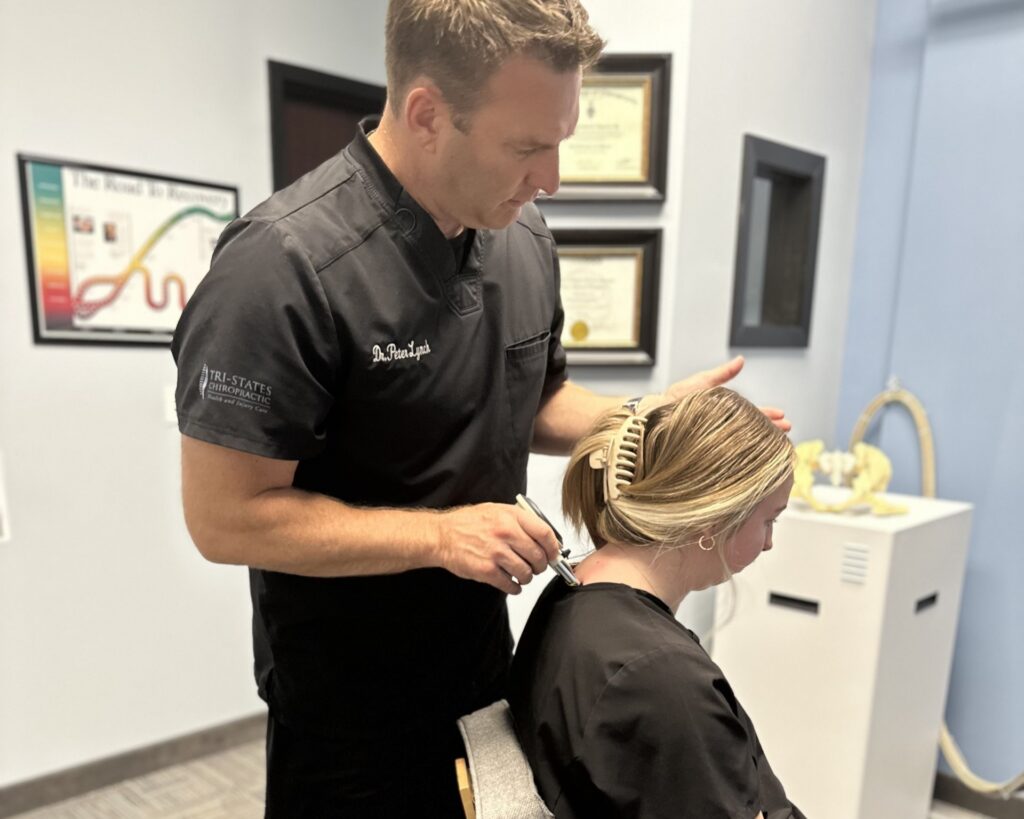
If you’re dealing with chronic low back pain, exploring natural approaches can be beneficial, and chiropractic care is one of the most effective methods for achieving relief and promoting overall wellness. While many individuals seek various remedies, including herbal options, understanding how chiropractic care can address the root causes of pain is essential.
Chiropractic adjustments focus on aligning the spine and supporting proper function of the nervous system, which can significantly reduce inflammation and discomfort. Alongside chiropractic care, you might consider integrating some herbal remedies to complement your treatment. However, it’s important to remember that these should not replace your chiropractic visits but rather serve as an addition to your wellness routine.
Some popular herbs that are known for their anti-inflammatory properties include turmeric, ginger, and willow bark. These can be taken in various forms, such as teas, capsules, or topical applications. They may help alleviate some discomfort while you continue your chiropractic treatments.
In addition to herbal remedies, here are some general tips to enhance your recovery and promote a healthier lifestyle:
- Stay Active: Gentle exercises and stretches can strengthen your back muscles and improve flexibility. Always consult with your chiropractor about which activities are best for your condition.
- Maintain Good Posture: Be mindful of your posture while sitting, standing, or lifting objects. Proper alignment can prevent further strain on your back.
- Use Ice or Heat: Applying ice packs can reduce inflammation, while heat can help relax tense muscles. Alternate between the two for maximum relief.
- Stay Hydrated: Drinking plenty of water supports overall health and can help maintain the elasticity of spinal discs.
- Listen to Your Body: Pay attention to how your body responds to different activities, and don’t hesitate to communicate with your chiropractor about any changes in your pain levels.
Remember, chiropractic care is a holistic approach that not only targets pain relief but also promotes long-term wellness. By combining regular chiropractic adjustments with healthy lifestyle choices and, if desired, herbal remedies, you can work towards achieving optimal health and a pain-free life.
Key Takeaways
When it comes to managing chronic low back pain, chiropractic care is an excellent first step toward achieving optimal health and wellness. It focuses on the body’s natural ability to heal itself, using adjustments and holistic methods to alleviate pain without the need for medication or surgery. In addition to chiropractic treatments, incorporating certain herbal remedies can further support your journey toward relief.
- Turmeric is a powerful herb known for its anti-inflammatory properties. Adding turmeric to your diet can help reduce pain and swelling associated with chronic low back discomfort. Consider sprinkling turmeric powder on meals or enjoying a warm turmeric tea.
- Ginger is another natural option that enhances circulation and reduces inflammation, potentially easing muscle pain in your lower back. You can enjoy ginger in various forms, such as fresh ginger tea or added to smoothies.
- Willow bark, often referred to as “nature’s aspirin,” has been used traditionally to help manage pain and inflammation. While this can be a supportive addition, remember that chiropractic adjustments are your best bet for addressing the root cause of pain.
- Devil’s claw is recognized for its potential to improve mobility and alleviate pain, particularly related to arthritis and lower back issues. This herb can complement your chiropractic care by enhancing your overall comfort and movement.
- Boswellia is another helpful herb that acts on inflammatory pathways, promoting wellness and pain relief. Including Boswellia in your wellness routine can support the healing process initiated by chiropractic adjustments.
In addition to these herbal remedies, remember to maintain a healthy lifestyle that includes regular physical activity, proper hydration, and good posture. These practices can all contribute to a healthier spine and improved overall well-being.
If you’re looking for effective pain relief and a path to better health, consider visiting a chiropractor. They can guide you through a personalized treatment plan that incorporates both chiropractic care and natural remedies, helping you reclaim your life from chronic low back pain.
Understanding Chronic Low Back Pain
When you experience chronic low back pain, it can feel like a never-ending cycle of discomfort and frustration. This type of pain lasts for more than three months and often comes from various sources, such as muscle strain, herniated discs, or even emotional stress. Daily activities may become a challenge, limiting your mobility and impacting your mood.
Understanding the source of your pain is essential. It’s not just about physical issues; sometimes, lifestyle factors like poor posture or lack of exercise play significant roles. You might notice that certain movements trigger your pain or that it intensifies during stressful times.
This is where chiropractic care shines. By seeking the help of a qualified chiropractor, you can address the underlying causes of your pain without relying on medications or invasive procedures. Chiropractors focus on spinal health and alignment, which can significantly alleviate discomfort and promote overall wellness.
Here are some general tips to help manage your chronic low back pain naturally:
- Maintain Good Posture: Pay attention to how you sit, stand, and move. Proper alignment can reduce strain on your back.
- Stay Active: Gentle exercises, like walking or stretching, can help strengthen your back and improve flexibility. Always consult your chiropractor for personalized recommendations.
- Mind Your Movements: Be mindful of how you lift heavy objects. Use your legs instead of your back to prevent injury.
- Manage Stress: Emotional stress can contribute to physical pain. Consider relaxation techniques like deep breathing or yoga.
- Regular Chiropractic Visits: Regular check-ups can keep your spine aligned and help prevent future pain.
The Role of Herbal Remedies
Herbal remedies can be a useful addition to your overall wellness routine, especially when it comes to managing low back pain. While these natural ingredients may help relieve discomfort, it’s important to remember that the best approach to pain relief and optimal health is through chiropractic care.
As a chiropractor, I believe that understanding your body and how it moves is crucial to maintaining a healthy spine. Regular adjustments can help align your spine, reduce pain, and promote better overall health. Incorporating herbal remedies can complement this care, but they shouldn’t replace the benefits of chiropractic treatment.
When considering herbal options, be mindful of proper preparation and dosage for the best results. Always prioritize safety to avoid any adverse effects. To empower yourself, educate yourself on how these herbs work alongside your chiropractic care.
Here are a few general tips to enhance your wellness journey:
- Stay Active: Incorporate gentle exercises and stretches that support your spine. This can help alleviate tension and improve your overall mobility.
- Posture Awareness: Pay attention to your posture throughout the day, whether sitting at a desk or lifting objects. Good posture can prevent strain on your back.
- Stay Hydrated: Drink plenty of water to keep your body hydrated and support spinal health.
- Consult Your Chiropractor: Always discuss any herbal remedies with your chiropractor. They can guide you on how to safely incorporate them into your routine.
Effective Herbal Ingredients
While many individuals seek conventional treatments for low back pain, there are effective herbal ingredients that can complement the holistic approach of chiropractic care. Herbs like turmeric are renowned for their anti-inflammatory properties, which can help ease pain and reduce swelling. Willow bark, often dubbed nature’s aspirin, may provide relief due to its natural salicin content. Devil’s claw is another powerful herb that has been shown to relieve pain and improve mobility, making it a great ally for those dealing with discomfort.
Incorporating ginger into your routine can also be beneficial, as it enhances circulation and reduces inflammation, offering additional support for back pain relief. Additionally, boswellia is an herb that works to inhibit inflammatory pathways, further aiding in your wellness journey.
While herbal remedies can provide support, it’s essential to remember that chiropractic care is a comprehensive approach to achieving optimal health. Regular chiropractic adjustments can’t only relieve pain but also promote spinal health, improve mobility, and support your body’s natural healing processes.
In addition to considering these herbal ingredients, here are some general tips for managing low back pain naturally:
- Maintain good posture, especially when sitting for extended periods.
- Engage in regular, gentle exercises like walking or stretching to keep your body active.
- Stay hydrated and eat a balanced diet rich in anti-inflammatory foods.
- Consider incorporating mindfulness practices, such as yoga or meditation, to help manage stress, which can contribute to pain.
Preparation and Dosage
To effectively harness the benefits of herbal remedies for low back pain, it’s important to understand their preparation and dosage, but remember that chiropractic care is also a powerful ally in your journey toward natural healing and wellness. Each herb can be used in various forms, such as teas, tinctures, or capsules, and it’s vital to follow recommended dosages to get the best results without any side effects.
Here’s a quick reference table for some common herbal remedies that can complement your chiropractic care:
| Herbal Remedy | Recommended Dosage |
|---|---|
| Turmeric | 500-2000 mg daily |
| Ginger | 1-3 grams daily |
| Devil’s Claw | 600-1200 mg daily |
| Willow Bark | 120-240 mg daily |
Always consider starting with lower doses and adjusting as needed. This way, you can find what works best for your body while ensuring effectiveness.
In addition to using these herbal remedies, make sure to combine them with regular chiropractic adjustments. Chiropractic care can enhance your body’s healing process, improve spinal alignment, and help alleviate pain naturally.
Here are some general tips for managing low back pain:
- Stay Active: Gentle exercises and stretches can help maintain flexibility and strength in your back.
- Posture Matters: Pay attention to your posture, especially when sitting for long periods. Good posture supports your spine.
- Hydration: Drink plenty of water to keep your spinal discs hydrated.
- Sleep Support: Use a supportive mattress and pillow to maintain a healthy sleeping position.
Safety and Precautions
When looking for natural ways to relieve low back pain, it’s essential to prioritize safety and understand some key precautions. As a local chiropractor, I always recommend consulting with your healthcare provider before trying any new herbal treatments, especially if you’re already taking medications or have existing health concerns. Some herbs can interact with prescription drugs, which may lead to unwanted side effects.
If you do decide to explore herbal remedies, start with a small dose to see how your body reacts. If you notice any negative effects, it’s best to stop using them. Additionally, make sure to purchase herbs from reputable sources to ensure their quality and avoid contamination. Just because something is “natural” doesn’t mean it’s suitable for everyone.
While herbs can be a part of your wellness journey, I emphasize that chiropractic care is one of the most effective and safe ways to address low back pain. Chiropractic adjustments can help realign your spine, relieve tension, and promote overall health without the need for medications or invasive procedures.
Here are some general tips to support your low back health:
- Stay Active: Incorporate gentle exercises or stretches into your routine to keep your back strong and flexible.
- Maintain Good Posture: Pay attention to your posture while sitting and standing. Proper alignment can significantly reduce strain on your back.
- Use Ergonomic Furniture: If you work at a desk, invest in an ergonomic chair and desk setup to support your spine.
- Stay Hydrated: Drinking plenty of water can help keep your spinal discs hydrated and healthy.
- Listen to Your Body: If you experience pain, don’t push through it—consult with your chiropractor to find the best approach.
Popular Herbs for Pain Relief
When it comes to managing low back pain, exploring herbal remedies can be a worthwhile endeavor. While these natural options have been used for centuries, it’s important to remember that chiropractic care is a powerful approach to achieving optimal health and pain relief.
Here are some popular herbs that may complement your wellness journey alongside chiropractic treatment:
- Turmeric: This vibrant yellow spice is renowned for its anti-inflammatory properties. It may help reduce pain and swelling, supporting your body’s healing process.
- Ginger: Known for its zesty flavor, ginger has anti-inflammatory effects that can aid in alleviating muscle pain and discomfort, making it a great addition to your diet.
- Willow Bark: Sometimes called “nature’s aspirin,” willow bark has been used traditionally to relieve pain and reduce inflammation. It may serve as a helpful herbal ally.
- Devil’s Claw: This herb is noted for its potential to alleviate pain, especially related to arthritis and lower back issues, providing a natural option for those seeking relief.
Incorporating these herbs into a balanced diet can enhance your overall wellness. However, it’s essential to prioritize chiropractic care as a primary form of treatment for back pain.
Chiropractors focus on addressing the root causes of pain through spinal adjustments, which can lead to improved mobility and reduced discomfort.
Additionally, here are some general tips for managing low back pain:
- Stay Active: Gentle movements and stretching can help maintain flexibility and strength in your back.
- Practice Good Posture: Pay attention to your posture while sitting, standing, and lifting to avoid unnecessary strain on your spine.
- Use Heat or Cold Therapy: Applying a heating pad or ice pack can provide temporary relief from pain and inflammation.
- Stay Hydrated: Drinking plenty of water supports overall health and helps keep your muscles and joints functioning properly.
Always consult with your chiropractor or healthcare professional to find the best approach for your individual needs and to discuss any herbs you may want to incorporate.
How to Use Herbal Remedies Safely
When considering herbal remedies for low back pain, it’s essential to prioritize your safety and overall wellness. As a chiropractor, I recommend first consulting with a healthcare professional who understands natural healing approaches. This ensures that you’re making informed choices that complement your chiropractic care.
Start with small doses of any herbal remedy to gauge how your body responds. It’s also crucial to keep an eye on any side effects that may arise. Remember, the goal is to support your body’s natural healing processes, and sometimes less is more.
While herbal remedies can be a part of your wellness journey, I encourage you to explore chiropractic care as a primary option for pain relief. Chiropractic adjustments not only address the root cause of your pain but also enhance your body’s ability to heal itself naturally.
Incorporating regular chiropractic visits into your routine can lead to improved mobility and long-term relief from discomfort. Additionally, maintaining a healthy lifestyle—such as staying active, practicing good posture, and managing stress—can further enhance your overall health and well-being.
Consult a Healthcare Professional
While herbal remedies might provide some relief for low back pain, the most effective approach to achieving optimal health and wellness is through chiropractic care. Before exploring any new treatment options, it’s a good idea to consult with your chiropractor.
Here’s why chiropractic care should be your first choice:
- Personalized Assessment: A chiropractor will evaluate your specific health needs and conditions, ensuring that your treatment is tailored just for you.
- Safe and Natural: Chiropractic care focuses on natural healing methods that work with your body’s own systems, minimizing the risk of interactions with medications or other treatments.
- Holistic Approach: Chiropractors address not just the symptoms but the underlying causes of pain, promoting overall wellness and long-term health.
- Ongoing Support: With regular visits, your chiropractor can monitor your progress and adjust your treatment plan as needed, helping you stay on track towards a pain-free life.
In addition to chiropractic adjustments, here are some general tips for managing low back pain and promoting a healthier lifestyle:
- Stay Active: Engage in regular low-impact exercises like walking or swimming to strengthen your back and improve flexibility.
- Practice Good Posture: Be mindful of your posture throughout the day—especially when sitting for long periods. Consider using ergonomic furniture to support your spine.
- Stretch Regularly: Incorporate gentle stretches into your daily routine to relieve tension and keep your muscles flexible.
- Mind Your Weight: Maintaining a healthy weight can reduce strain on your back and improve your overall health.
Start With Low Doses
Starting herbal remedies for low back pain can be a great addition to your wellness routine, but it’s essential to begin with low doses to see how your body responds. This gentle approach allows you to understand how each remedy affects you without overwhelming your system. Start with the smallest recommended dose and increase gradually if you feel comfortable.
As you explore these natural options, pay close attention to how you feel during this initial phase. You may find that certain herbs provide more relief than others, and starting low helps you identify what works best without risking any unwanted effects.
However, while herbal remedies can be helpful, I want to emphasize that chiropractic care is one of the most effective ways to manage pain and promote overall wellness. Adjustments can relieve tension in your spine, improve alignment, and enhance your body’s natural healing abilities.
If you’re ever unsure about how to integrate herbal remedies into your routine, or if you want to explore the benefits of chiropractic care further, don’t hesitate to consult with a healthcare professional who understands your unique needs. Remember, prioritizing your health is about finding the right balance, and chiropractic care is here to support you every step of the way!
Monitor for Side Effects
As you explore natural options for managing low back pain, it’s important to keep a close eye on how your body responds to herbal remedies. Everyone’s body is unique, so monitoring your experiences is key to ensuring a safe and effective approach. Here are some common side effects you might encounter:
- Nausea or an upset stomach
- Allergic reactions, such as rashes or itching
- Dizziness or lightheadedness
- Changes in sleep patterns
If you experience any of these symptoms, it may be helpful to adjust your dosage or consider pausing the use of the remedy.
Remember, it’s always a good idea to consult with a healthcare professional if any side effects persist or worsen.
While herbal remedies can be a part of your wellness journey, consider incorporating chiropractic care as a foundational approach to pain relief and overall health. Chiropractic adjustments can help alleviate discomfort, improve spinal alignment, and enhance your body’s natural healing abilities.
Here are some general tips for promoting a healthier back and enhancing your well-being:
- Maintain good posture, especially when sitting for long periods.
- Engage in regular physical activity to strengthen your back and core muscles.
- Stay hydrated and maintain a balanced diet to support overall health.
- Ensure you have a comfortable sleeping environment to promote restful sleep.
Integrating Herbal Remedies Into Your Routine
When it comes to alleviating low back pain, integrating herbal remedies into your daily routine can complement the benefits of chiropractic care and support your journey to optimal health.
Start by selecting a few herbs known for their anti-inflammatory and analgesic properties, such as turmeric or ginger. These can be easily added to your meals or smoothies, providing a delicious way to support your body.
Brewing herbal teas, like chamomile or willow bark, can also offer soothing effects. Enjoying these teas regularly can be a wonderful addition to your self-care routine. Remember, consistency is key! Regular use of these natural remedies can help enhance the relief you receive from chiropractic adjustments.
Additionally, consider topical applications such as arnica gel or essential oils to target specific areas of discomfort. These can be a great way to provide localized relief while you continue to invest in your overall spinal health through chiropractic care.
To establish a beneficial herbal routine, try setting aside a specific time each day for your herbal practices. Keeping a journal can help you track your progress and notice any changes in your pain levels over time. This commitment not only reinforces your healing journey but also aligns well with the holistic approach of chiropractic care.
Consulting With Healthcare Professionals
Integrating herbal remedies into your routine can be a great way to support your journey in managing low back pain, but remember that consulting with a chiropractor is an essential step in your healing process.
A chiropractor can offer insights tailored to your specific needs and ensure a holistic approach to your wellness.
Here are some reasons to consider seeing a chiropractor:
- Personalized advice: A chiropractor can recommend specific natural remedies and practices based on your health history and current condition.
- Holistic assessment: Chiropractors can evaluate your spine and overall alignment, identifying any underlying issues that may be contributing to your pain.
- Natural pain relief: Chiropractic care focuses on restoring balance to your body, which can alleviate pain without the need for medications or invasive procedures.
- Comprehensive care: Chiropractors can guide you on safe and effective herbal remedies that complement your spinal health and overall well-being.
Taking the step to consult with a chiropractor not only enhances your understanding of your body but also empowers you to make informed choices about your health.
This partnership can lead to improved outcomes and a greater sense of well-being.
In addition to chiropractic care, here are some general tips for managing low back pain naturally:
- Stay active: Gentle exercises like walking, stretching, or yoga can help keep your back strong and flexible.
- Practice good posture: Be mindful of your posture when sitting, standing, or lifting to reduce strain on your back.
- Apply heat or cold: Using a heating pad or ice pack can provide relief from pain and inflammation.
- Stay hydrated: Drinking plenty of water supports overall health and can help maintain the elasticity of your spinal discs.