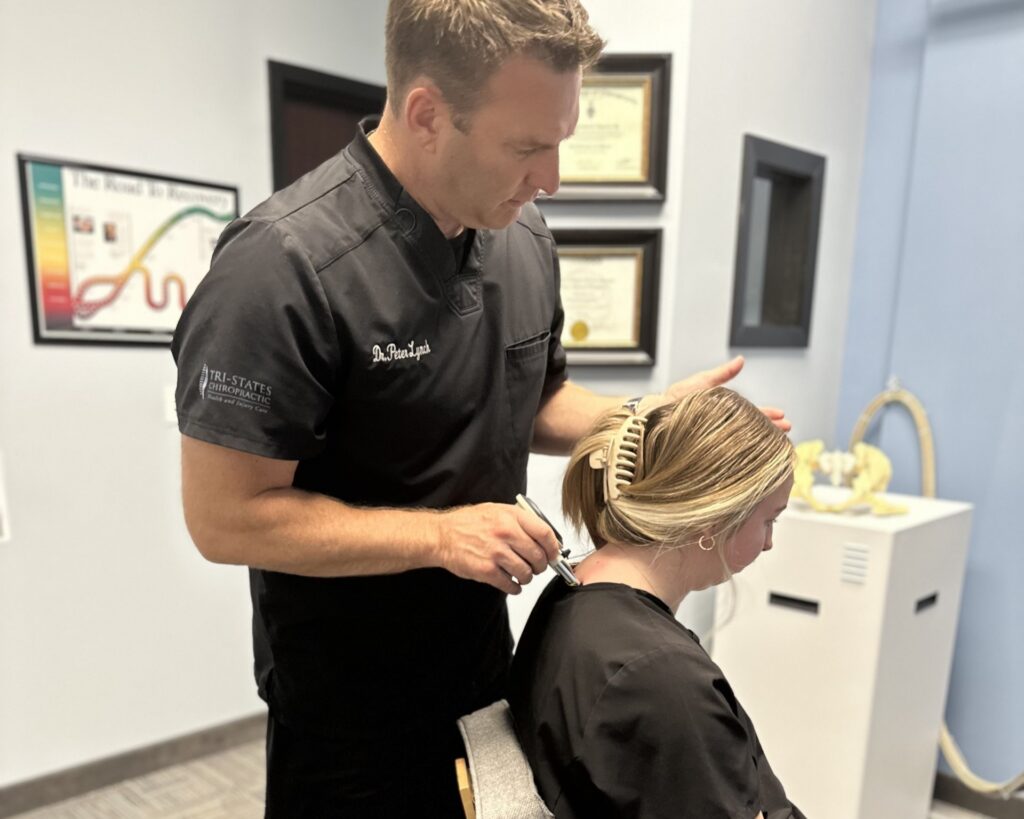
If you’re struggling with low back pain, you’re not alone, and there are effective natural remedies that can help you find relief. As a chiropractor, I believe that simple changes in your posture, movement, and self-care can significantly improve your condition. By focusing on natural healing methods, you can regain comfort and mobility without the need for medications or surgeries.
Incorporating targeted exercises into your daily routine is a great way to strengthen your back and improve flexibility. Gentle stretches can ease tension in your muscles, while core-strengthening exercises can provide better support for your spine. I recommend movements like pelvic tilts, cat-cow stretches, and bridges as excellent starting points.
Additionally, paying attention to your posture is crucial. Make sure to sit and stand with your back straight and shoulders relaxed. When lifting objects, bend at the knees and keep the object close to your body to protect your back.
Dietary adjustments can also play a role in your overall wellness. Eating anti-inflammatory foods such as leafy greens, fatty fish, and nuts can help reduce inflammation in your body, which may contribute to your pain.
Lastly, consider regular chiropractic adjustments as a key component of your wellness routine. Chiropractic care focuses on aligning your spine, which can relieve pressure on your nerves and improve your body’s ability to heal itself. Many patients find that regular visits help them manage their pain effectively and support their overall health.
By adopting these simple strategies and prioritizing chiropractic care, you can take significant steps toward alleviating your low back pain and enhancing your quality of life. Remember, your journey to wellness is just a few adjustments away!
Key Takeaways
As a local chiropractor, I’m excited to share some effective natural remedies for low back pain that can help you achieve optimal health and wellness without the need for medications or surgeries. Here are some tips that I encourage you to incorporate into your daily routine:
- Regular Stretching: Engaging in simple stretching exercises, such as hamstring stretches and the cat-cow movement, can significantly enhance your flexibility. These stretches not only relieve tension in the lower back but also help maintain a healthy spine, which is key to preventing pain.
- Heat Therapy: Applying heat to your lower back can work wonders. It relaxes tight muscles and boosts blood flow, providing relief from stiffness and chronic pain. A warm compress or a heating pad can be your best friend after a long day.
- Cold Therapy: If you’ve recently engaged in physical activities or sustained an injury, cold therapy can help. Applying an ice pack to the affected area can numb the pain and reduce inflammation, promoting faster recovery.
- Chiropractic Care: I cannot emphasize enough the importance of chiropractic care. Regular visits can help align your spine correctly and address the root causes of your back pain. This natural approach not only alleviates discomfort but also promotes overall health and wellness.
- Good Posture: Practicing good posture during your daily activities is essential for back health. Make an effort to sit and stand with your spine aligned, and consider ergonomic tools for your workspace to prevent strain on your back.
By incorporating these natural remedies and prioritizing chiropractic care, you can take significant steps toward relieving low back pain and enhancing your overall quality of life. Remember, your spine is the foundation of your health, so treat it well!
Understanding Low Back Pain
Low back pain can catch you off guard, transforming simple everyday tasks into daunting challenges. It often arises from a variety of factors such as muscle strain, improper lifting techniques, or extended periods of sitting. You may experience a dull ache or a sharp pain that sometimes radiates down your legs. Understanding the underlying causes of your discomfort is key to effective management and relief.
You might notice that certain activities or specific times of day exacerbate your pain. Stress and tension can also contribute significantly, causing muscle tightness and increasing discomfort. By recognizing these patterns, you can take proactive steps toward alleviating your pain.
Lifestyle choices play a crucial role in your back health, too. Engaging in regular exercise, staying well-hydrated, and maintaining a balanced diet can significantly enhance your overall well-being. Incorporating gentle stretches and strengthening exercises can be particularly beneficial for your spine.
Chiropractic care is an excellent option for those dealing with low back pain. A chiropractor can assess your spine, identify misalignments, and provide adjustments that help restore proper function and reduce pain. By focusing on natural healing methods, chiropractic care empowers you to take charge of your health without the need for surgeries or medications.
The Importance of Proper Posture
The Importance of Proper Posture for Your Spine Health
As your local chiropractor, I want to emphasize how vital maintaining proper posture is for preventing and alleviating low back pain. When you sit, stand, or move in alignment with your body’s natural structure, you significantly reduce the strain on your spine and muscles. This not only helps relieve discomfort but also supports your overall health and well-being.
Good posture is a fundamental aspect of chiropractic care, and I encourage you to adopt these simple tips for better posture in your daily activities:
| Position | Tips | Benefits |
|---|---|---|
| Sitting | Keep your feet flat on the floor, and consider using a lumbar support to maintain the natural curve of your lower back. | This reduces pressure on your spine and can alleviate discomfort. |
| Standing | Distribute your weight evenly on both feet, keeping your shoulders back and relaxed. | This promotes balance and stability, helping you avoid unnecessary strain. |
| Lifting | Always bend at the knees and keep your back straight when lifting heavy objects. | This technique prevents injury and strain, allowing you to lift safely. |
Stretching and Strengthening Exercises
When it comes to managing low back pain, incorporating stretching and strengthening exercises is a vital part of your healing journey.
These exercises not only enhance your flexibility but also build core strength, which can significantly reduce discomfort in your back.
By integrating safe stretching techniques into your routine, you can prevent further injuries and improve your overall mobility.
As a chiropractor, I believe that natural healing through chiropractic care is the best way to achieve optimal health.
Regular chiropractic adjustments can help align your spine and relieve tension, making your stretching and strengthening efforts even more effective.
Remember, it’s essential to listen to your body and perform exercises at your own pace.
Here are some general tips to help you on your path to recovery:
- Warm-Up: Always start with a gentle warm-up to prepare your muscles and reduce the risk of injury.
- Focus on Core Strength: Exercises that strengthen your core, like planks or bridges, are especially beneficial for supporting your lower back.
- Incorporate Flexibility: Simple stretches like the cat-cow or child’s pose can help relieve tightness and improve flexibility.
- Stay Consistent: Make stretching and strengthening a regular part of your routine for the best results.
- Consult Your Chiropractor: If you’re unsure about which exercises are right for you, don’t hesitate to ask your chiropractor for personalized recommendations.
Embrace these practices, and you’ll be on your way to a healthier, pain-free life.
Importance of Flexibility
Flexibility is a vital component in preventing and easing low back pain, as it enhances your range of motion and reduces muscle tension. As a chiropractor, I encourage you to incorporate stretching exercises into your daily routine to improve flexibility in your back, hips, and legs. Simple movements, such as the cat-cow stretch or hamstring stretches, can effectively loosen tight muscles and promote better posture.
When you make stretching a regular part of your life, you’ll likely find that it not only alleviates discomfort but also allows you to engage in daily activities with more ease and comfort. Additionally, practices like yoga or Pilates can further enhance your flexibility, offering a holistic approach to maintaining your back health.
Remember, keeping your body flexible is essential for building a strong and resilient back, which is key to avoiding injuries. So, prioritize stretching and consider visiting your chiropractor to discuss personalized strategies for improving your flexibility and overall well-being.
Core Strength Development
Building on your flexibility, developing core strength is essential for supporting your lower back and overall spinal health. Strong core muscles stabilize your spine, which can help reduce strain and discomfort, making day-to-day activities more enjoyable. Incorporating chiropractic care into your wellness routine can further enhance these benefits, as chiropractors can help ensure your spine is properly aligned, allowing your muscles to function optimally.
To start your journey toward a stronger core, consider simple exercises such as planks, bridges, and pelvic tilts. These movements engage both your abdominal and back muscles, creating a solid foundation for your body. Aim to create a balanced routine that targets all areas of your core, as this will provide the best support for your spine.
Additionally, movements like bird-dogs can improve your coordination and stability, further promoting a healthy spine. As you grow stronger, you might think about adding some resistance with weights or bands to challenge yourself, but remember to do this gradually. It’s important to listen to your body; if something doesn’t feel right, it’s best to consult your chiropractor for guidance.
Consistency is crucial—try to incorporate these core-strengthening exercises into your routine at least three times a week. Not only will a strong core help alleviate low back pain, but it can also greatly enhance your overall posture and performance in everyday activities.
Safe Stretching Techniques
Incorporating safe stretching techniques into your daily routine can greatly improve your flexibility and significantly alleviate low back pain. As a chiropractor, I encourage you to start with gentle stretches like the cat-cow pose. This stretch warms up your spine and enhances mobility, preparing your body for more movement. Another excellent option is the child’s pose, which gently stretches the lower back, providing much-needed relief.
Don’t overlook the importance of stretching your hamstrings, as tight hamstrings can often lead to back discomfort. Remember to hold each stretch for 15-30 seconds and focus on deep breathing to enhance the effectiveness of your stretches. It’s crucial to listen to your body; never push through pain. Your body will guide you on how far to stretch.
As you become more comfortable with these stretches, you can gradually increase their intensity and duration. Consistent practice is key—not only will it help ease your pain, but it will also contribute to strengthening your back over time.
While stretching is beneficial, I want to emphasize the importance of chiropractic care in achieving and maintaining optimal health. Regular adjustments can help improve your spinal alignment and overall wellness, complementing your stretching routine beautifully. By choosing chiropractic care, you’re taking a proactive step toward natural healing and pain relief. Remember, your journey to a healthier back and body can be supported through safe stretching and regular chiropractic visits.
Hot and Cold Therapy
When it comes to managing low back pain, hot and cold therapy can be incredibly effective and is a great complement to chiropractic care. Applying heat helps to relax tight muscles and increase blood flow, which can ease stiffness and promote healing. On the other hand, cold therapy numbs the area, reducing inflammation and swelling, especially after activities that may aggravate your back. Knowing when to use each method can significantly enhance your comfort and support your overall wellness.
Here’s a handy reference guide for utilizing hot and cold therapy:
| Therapy Type | When to Use |
|---|---|
| Heat | For muscle stiffness or spasms |
| Cold | For swelling or recent injuries |
| Heat | For chronic pain or tension |
| Cold | After physical activity |
To apply heat, use a heating pad or a warm towel for about 15-20 minutes. This can be soothing and help your body relax, making it easier for your chiropractor to perform adjustments. For cold therapy, wrap ice in a cloth and apply it for 10-15 minutes to help control inflammation.
Herbal Remedies for Pain Relief
If you’re experiencing low back pain and are seeking natural methods for relief, chiropractic care should be your first consideration. As a chiropractor, I believe in the power of the body’s natural healing abilities, and I want to share some insights on how chiropractic adjustments can help alleviate pain and promote overall wellness.
Chiropractic adjustments focus on aligning the spine, which can significantly reduce discomfort and improve mobility. By addressing the root cause of your pain, rather than just masking the symptoms, chiropractic care aims to restore balance and function to your body.
In addition to chiropractic adjustments, there are several herbal remedies that may support your healing journey. While I recommend consulting with your chiropractor for personalized advice, here are some popular herbal options to consider:
- Turmeric: Known for its anti-inflammatory properties, turmeric can help reduce pain associated with inflammation. You can incorporate it into your diet or take it as a supplement.
- Willow Bark: This herb has been used for centuries to alleviate pain. It contains salicin, which has effects similar to aspirin, but without the side effects of conventional medications.
- Ginger: Another anti-inflammatory powerhouse, ginger can be consumed as tea or added to meals to help ease muscle pain and discomfort.
Remember, while these herbs can be beneficial, they should complement, not replace, your chiropractic care. It’s essential to work with your chiropractor to develop a comprehensive plan that addresses your specific needs.
As you explore these natural remedies, here are some general tips for managing low back pain:
- Stay Active: Gentle movement and stretching can help maintain flexibility and strength in your back.
- Practice Good Posture: Pay attention to your posture while sitting and standing to reduce strain on your spine.
- Use Heat or Cold Therapy: Applying a warm compress or an ice pack can provide temporary relief from pain and inflammation.
Ultimately, chiropractic care is a proactive and holistic approach to achieving optimal health. It focuses on enhancing your body’s innate ability to heal itself while providing you with the tools and techniques to maintain a healthy spine and lifestyle.
If you’re struggling with low back pain, make an appointment with your chiropractor today to discuss how you can start your journey toward pain relief and wellness.
Top Herbal Options
When it comes to managing low back pain, exploring natural remedies can be a great complement to chiropractic care. While chiropractic adjustments and therapies are designed to address the root causes of pain and promote overall spinal health, certain herbal remedies may enhance your healing process. Here are three top herbal options to consider alongside your chiropractic treatment:
- Turmeric: This golden spice is renowned for its strong anti-inflammatory properties. By incorporating turmeric into your meals or taking it as a supplement, you may experience reduced pain and swelling, making your chiropractic adjustments even more effective.
- Ginger: Known for its ability to combat inflammation, ginger can be beneficial in alleviating muscle soreness and tension. Whether enjoyed as a soothing tea or added as a spice in your cooking, ginger can support your recovery and comfort.
- Willow Bark: Often dubbed nature’s aspirin, willow bark may help relieve pain and enhance mobility. Available in tea or capsule form, it can be a helpful addition to your wellness routine, especially when combined with regular chiropractic care.
Incorporating these herbs into your lifestyle can work hand-in-hand with chiropractic adjustments, improving your comfort and mobility. Remember, consistent chiropractic care is key to achieving optimal health, so be sure to prioritize your visits.
Additionally, staying active, maintaining good posture, and practicing stress-relief techniques can further support your journey to wellness.
Preparation Methods
To effectively harness the benefits of herbal remedies for pain relief, it’s important to know the best preparation methods, especially as part of a holistic approach to wellness that complements chiropractic care. Herbal remedies can be a great addition to your self-care routine, enhancing your body’s natural ability to heal.
One simple method is making herbal teas. You can steep dried herbs like ginger or turmeric in hot water for about 10 minutes. These herbs are known for their anti-inflammatory properties and can help soothe discomfort.
For those looking to apply herbal remedies topically, consider creating an infused oil. This involves simmering your chosen herbs in a carrier oil (like olive or coconut oil) for a few hours, allowing the beneficial properties to be absorbed. After straining the mixture, you can use the infused oil to massage sore areas, which also promotes circulation and can enhance the effects of chiropractic adjustments.
Another effective preparation is making poultices with fresh herbs. Simply mash them up and apply the paste directly to the affected area. This can provide localized relief and is an excellent way to use fresh ingredients from your garden or local market.
If you prefer a more concentrated form, tinctures are an option. These involve soaking herbs in alcohol or glycerin for several weeks. While tinctures require a bit more time and patience, they can be a powerful way to harness the healing properties of herbs.
Remember, while incorporating these natural remedies, maintaining regular chiropractic visits can significantly enhance your overall well-being. Chiropractic care focuses on aligning your spine and nervous system, which is fundamental for optimal health and pain relief.
Experiment with these herbal preparation methods to find what resonates with you, and always keep in mind that integrating natural remedies with chiropractic care can lead to the best outcomes for your health and wellness journey.
Safety Considerations
While herbal remedies can provide some relief for low back pain, it’s essential to prioritize safety when considering them as part of your wellness journey. As a chiropractor, I believe that natural healing and the body’s innate ability to heal itself should be your first line of defense. Here are some important safety tips to keep in mind:
- Consult a Healthcare Professional: Before trying any herbal remedy, it’s wise to have a conversation with a healthcare professional, such as your chiropractor. They can help you understand how these remedies might fit into your overall health plan, especially if you’re dealing with other health issues.
- Choose Quality Products: When considering herbal options, opt for reputable brands that ensure their products are tested for quality. Just like you’d choose a trusted chiropractor for your spinal health, choose herbal remedies that are reliable and safe.
- Be Aware of Side Effects: It’s important to know that some herbs can cause side effects, including digestive discomfort or drowsiness, and may interact with other treatments. Always keep an eye on how your body feels when introducing something new.
In addition to exploring herbal remedies, remember that chiropractic care is an excellent way to address low back pain and promote overall wellness.
Regular adjustments can help realign your spine, improve mobility, and reduce discomfort naturally.
Don’t forget to incorporate simple practices into your daily routine, such as maintaining good posture, staying active with gentle exercises, and paying attention to your body’s signals.
Embracing a holistic approach not only supports your back health but enhances your overall quality of life.
Essential Oils for Low Back Pain
As a local chiropractor, I’m here to share how essential oils can be a supportive addition to your wellness routine, especially for managing low back pain. While I firmly believe that chiropractic care is the most effective way to address spinal health and alleviate pain naturally, essential oils can complement your healing journey.
Oils such as lavender, peppermint, and eucalyptus can offer soothing relief. Lavender oil is renowned for its calming effects, which can help reduce muscle tension and promote relaxation. Peppermint oil, with its menthol content, provides a refreshing cooling sensation that can ease discomfort and enhance circulation. Eucalyptus oil is valued for its anti-inflammatory properties, making it a great option for reducing swelling and promoting healing.
To incorporate these oils into your routine, consider mixing a few drops with a carrier oil like coconut or almond oil and gently massaging it into your lower back. This can enhance blood flow and encourage relaxation in the muscles surrounding your spine. Another wonderful option is to add a few drops to a warm bath, allowing the soothing scents to envelop you as you unwind.
Before trying any new remedy, it’s wise to perform a patch test to ensure you don’t have an allergic reaction. Remember, while essential oils can be beneficial, they work best in conjunction with regular chiropractic adjustments. These adjustments help align your spine, alleviate pressure on nerves, and improve overall function.
If you’re experiencing low back pain, I encourage you to explore chiropractic care as your primary solution. It’s a holistic approach that focuses on restoring balance and promoting natural healing. And while you’re at it, consider incorporating these essential oils as a gentle way to support your wellness journey. Together, they can help you find relief and embrace a healthier lifestyle.
Acupuncture and Acupressure
How can acupuncture and acupressure help relieve low back pain? While these practices target specific points in your body to promote healing, chiropractic care is often the most effective way to achieve optimal health and wellness. By focusing on spinal alignment and overall body function, chiropractic can provide long-lasting relief from low back pain. Here’s how acupuncture and acupressure can complement your chiropractic journey:
- Pain Relief: Acupuncture uses fine needles to stimulate energy flow, which can help decrease pain signals in your back. While some people may experience relief from acupuncture, regular chiropractic adjustments can address the root cause of your pain and provide more comprehensive care.
- Muscle Relaxation: Acupressure involves applying pressure to key points, helping to release tension in tight muscles. You can practice this technique at home for immediate relief; however, chiropractic adjustments work to align your spine and restore proper function, which can lead to more significant muscle relaxation and pain relief.
- Enhanced Blood Flow: Both acupuncture and acupressure can improve circulation, ensuring your muscles receive the nutrients they need for healing. Chiropractic care not only enhances blood flow but also fosters a healthier nervous system, which is essential for overall wellness and recovery.
In addition to these practices, here are some general tips to help manage low back pain:
- Maintain Good Posture: Pay attention to your posture while sitting, standing, and lifting. Proper body mechanics can prevent strain on your back.
- Stay Active: Engage in regular low-impact exercises like walking, swimming, or yoga to strengthen your back and improve flexibility.
- Stretch Regularly: Incorporate gentle stretching into your routine to maintain muscle elasticity and prevent tightness.
- Listen to Your Body: If you feel discomfort, allow yourself time to rest and recover. Avoid pushing through pain, as this can lead to further injury.
Mindfulness and Meditation Techniques
As a local chiropractor, I understand the challenges of dealing with low back pain and the importance of finding effective relief. While acupuncture and acupressure can certainly offer benefits, I want to highlight how incorporating mindfulness and meditation techniques can complement your healing journey.
Mindfulness is all about tuning into the present moment. By focusing on your breath and letting go of distractions, you can significantly reduce anxiety and stress, both of which can worsen pain. To begin, find a quiet space where you feel comfortable. Close your eyes and take deep, calming breaths, allowing your body to relax more with each exhale.
Another useful technique is body scanning. This involves mentally checking in with various parts of your body, especially your lower back. By doing this, you can become more aware of any tension you might be holding and can work on releasing it.
Additionally, consider guided meditations specifically designed for pain relief. There are plenty of resources available through apps or online that can lead you through relaxing visualizations, helping you to cultivate a sense of calm and ease.
Integrating these mindfulness practices into your daily routine, alongside regular chiropractic care, can support your journey to optimal health. Chiropractic adjustments work to align your spine, improve mobility, and promote natural healing, making them an excellent choice for managing pain and enhancing overall wellness.
Nutrition and Anti-Inflammatory Foods
When it comes to managing low back pain, what you eat can significantly impact your recovery and overall well-being. Incorporating anti-inflammatory foods into your diet not only helps reduce inflammation but also supports your body in healing naturally. As a chiropractor, I emphasize the importance of nutrition alongside chiropractic care for achieving optimal health. Here are three key foods to consider adding to your meals:
- Fatty Fish: Salmon, mackerel, and sardines are excellent sources of omega-3 fatty acids. These healthy fats can help reduce inflammation in your body, which is essential for alleviating pain and discomfort. Try to include these fish in your diet a couple of times a week for the best benefits.
- Berries: Blueberries, strawberries, and blackberries aren’t only delicious but also packed with antioxidants. These powerful compounds help combat oxidative stress, which can contribute to pain and inflammation. A handful of berries makes a great snack or can be added to smoothies and cereals for a health boost.
- Leafy Greens: Spinach, kale, and Swiss chard are loaded with essential vitamins and minerals that support overall health and help fight inflammation. Incorporating a variety of these greens into your meals can enhance your body’s ability to heal.
In addition to including these anti-inflammatory foods in your diet, remember that regular chiropractic care can help address the root causes of your back pain. By maintaining proper spinal alignment and function, chiropractic adjustments can complement your nutritional efforts, leading to a more holistic approach to pain relief and wellness.
Make sure to stay hydrated, manage stress through relaxation techniques, and maintain a healthy weight to further support your back health. Simple lifestyle changes can make a significant difference in your recovery journey.
Embrace a natural approach to healing—your body will thank you!
Lifestyle Modifications for Long-Term Relief
To achieve long-term relief from low back pain, embracing lifestyle modifications is crucial for your spinal health. As a chiropractor, I emphasize the importance of regular exercise in your daily routine. Activities like walking, swimming, or yoga not only strengthen your core but also enhance flexibility, providing essential support for your spine. Always aim to maintain good posture while sitting, standing, or lifting—this simple change can make a big difference in reducing strain on your back. Ergonomic furniture is also a great investment to support your posture during daily activities.
Your sleep environment plays a vital role in your back health. A supportive mattress and pillow can greatly improve how you feel each morning, so choose wisely!
Remember, stress can lead to muscle tension, which affects your back health. Techniques such as meditation or deep-breathing exercises can help manage stress levels and promote relaxation.
Staying hydrated and maintaining a healthy weight are key factors too. Excess weight adds pressure to your back, so aim for a balanced diet paired with regular physical activity. These lifestyle changes, combined with the benefits of chiropractic care, can pave the way to a healthier, pain-free back in the long run.