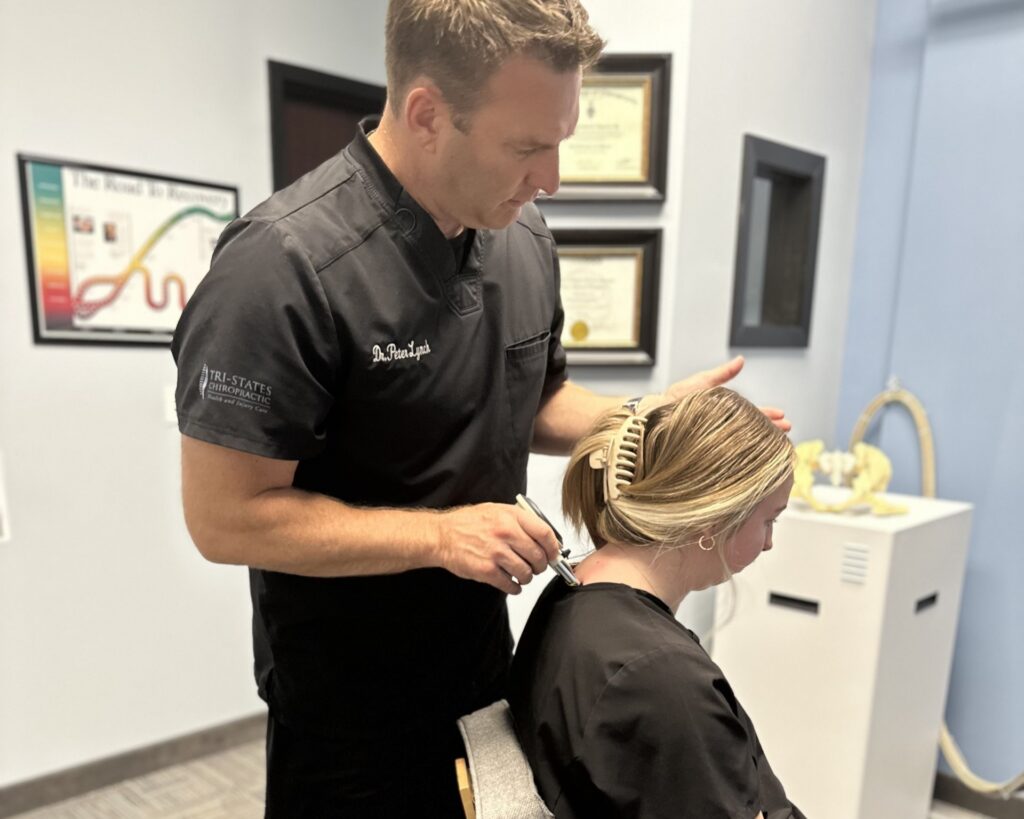
If you’re experiencing low back pain, you’re certainly not alone—it’s a common issue many people face. As a chiropractor, I can tell you that finding relief through natural remedies is not only effective but also essential for long-term wellness. Gentle movements, stretching, and strengthening exercises are great ways to support your spine and improve your overall health.
One of the most beneficial steps you can take is to incorporate chiropractic care into your routine. Chiropractic adjustments can help realign your spine, reduce pain, and enhance your body’s natural healing abilities. This holistic approach focuses on treating the root cause of your discomfort rather than just masking the symptoms.
In addition to chiropractic care, consider these simple tips for managing low back pain:
- Stay Active: Engage in low-impact activities like walking or swimming. This keeps your muscles strong and flexible.
- Practice Good Posture: Be mindful of your posture throughout the day, especially when sitting for long periods. Proper alignment can prevent strain on your back.
- Stretch Regularly: Incorporate gentle stretches into your daily routine to improve flexibility and reduce tension in your back muscles.
- Strengthen Your Core: A strong core supports your spine. Try exercises like planks or bridges to build strength in your abdominal muscles.
- Use Heat or Cold Therapy: Applying a heating pad or ice pack can relieve pain and reduce inflammation.
- Stay Hydrated: Drinking plenty of water helps maintain the elasticity of your spinal discs, reducing the risk of pain.
Remember, chiropractic care is a powerful ally in your journey toward optimal health. By prioritizing your spine and overall wellness, you can achieve lasting relief from low back pain and enjoy a healthier, more active life. If you’re curious about how chiropractic care can specifically benefit you, don’t hesitate to reach out for a consultation. Together, we can develop a personalized plan to help you feel your best!
Key Takeaways
As a local chiropractor, I’m here to share effective natural remedies for relieving low back pain and promoting overall wellness. One of the best ways to address low back pain is through regular chiropractic adjustments. These adjustments help align your spine and tackle any underlying issues that may be contributing to your discomfort.
In addition to chiropractic care, gentle stretching exercises can work wonders. Poses like Child’s Pose and Knee-to-Chest are fantastic for enhancing flexibility and relieving muscle tension. Incorporating these stretches into your daily routine can make a significant difference in how your back feels.
Don’t forget the power of deep breathing and mindfulness techniques! Taking a moment to practice these can help you relax and reduce the perception of pain, making your overall experience more comfortable.
Strengthening your core is also essential for supporting your spine and minimizing strain. Exercises like planks and bridges are excellent ways to build core strength. A strong core plays a crucial role in maintaining proper posture and reducing the risk of pain.
Another simple yet effective remedy is hot and cold therapy. Using a heating pad or an ice pack can help reduce inflammation and ease muscle tension, providing fast relief for your low back pain.
Remember, chiropractic care is a holistic approach to health that focuses on your body’s natural ability to heal itself. By incorporating these natural remedies alongside regular chiropractic visits, you can achieve optimal health and well-being without the need for medications or surgeries. Take care of your back, and it will take care of you!
Understanding Low Back Pain
Low back pain is a common issue that affects millions of people, and it can arise from various causes. Whether it’s due to muscle strain, poor posture, or an injury, understanding the root of your pain is key to finding relief. Sometimes, underlying conditions like herniated discs or arthritis can also contribute to your discomfort. This is where chiropractic care comes into play, offering a natural and effective approach to addressing these issues.
As a chiropractor, I often see how factors such as stress, lack of physical activity, or improper lifting techniques can worsen low back pain. By identifying these triggers, you can take steps to avoid them in the future. Incorporating simple habits like regular stretching, staying active, and using proper lifting techniques can make a significant difference in managing your pain.
Additionally, understanding how your body works, particularly in terms of maintaining good posture, is essential for prevention. A chiropractor can guide you in improving your posture and body mechanics, which can help alleviate pain and prevent future injuries. Remember, chiropractic care focuses on the natural healing of your body, making it a great choice for pain relief and overall wellness. Prioritize your health by exploring the benefits of chiropractic adjustments and holistic approaches to living a healthier, pain-free life.
Importance of a Holistic Approach
A holistic approach to low back pain beautifully highlights the strong connection between your mind and body. As a chiropractor, I believe that by making simple lifestyle changes, you can effectively tackle not just the physical discomfort but also the mental and emotional aspects that may be contributing to your pain.
Incorporating chiropractic care into your wellness routine is one of the best ways to achieve this balance. Regular adjustments can help align your spine, reduce tension, and promote overall well-being.
Additionally, consider integrating gentle stretching, proper hydration, and a balanced diet into your daily life. These practices, combined with chiropractic care, can lead to more effective and lasting relief from low back pain.
Mind-Body Connection
While many individuals seek out physical treatments for low back pain, it’s essential to understand the powerful connection between the mind and body, which can greatly enhance your recovery. Your mental state plays a significant role in how you perceive and experience pain. Stress, anxiety, and negative emotions can elevate discomfort, making it more challenging for your body to heal effectively.
Incorporating relaxation techniques into your routine can be a game-changer for both your emotional well-being and physical health. Practices like mindfulness, meditation, and deep breathing can help reduce tension and foster a sense of calm. Visualizing a pain-free state or using positive self-talk can shift your mindset, making it easier to cope with discomfort.
Chiropractic care is an excellent approach to address both the physical and emotional aspects of pain. By focusing on spinal health, we can help restore balance and proper function to your body, which in turn can alleviate pain and promote overall wellness. Regular chiropractic adjustments can improve your body’s ability to heal, ultimately supporting a healthier mental state.
Remember, nurturing your mental health is just as important as addressing your physical symptoms.
Simple tips to support your recovery include:
- Practice Deep Breathing: Take a few minutes each day to focus on your breath. Inhale deeply through your nose, hold for a moment, and exhale slowly through your mouth. This can help reduce stress and promote relaxation.
- Engage in Mindfulness: Spend a few moments each day being fully present. Whether it’s during a walk, while eating, or simply sitting quietly, being mindful can help you connect with your body and ease tension.
- Visualize Healing: Spend some time visualizing your body free from pain. Picture yourself moving easily and comfortably. This positive imagery can help shift your mindset and support your recovery.
- Positive Self-Talk: Replace negative thoughts with affirmations. Instead of thinking, “I’ll never feel better,” try telling yourself, “I am taking steps toward healing every day.”
- Stay Active: Gentle movement and stretching can help keep your body limber and support your recovery. Consult with your chiropractor for specific exercises that are right for you.
Lifestyle Modifications
Your journey to recovery from low back pain goes beyond just addressing mental and emotional well-being; it encompasses essential lifestyle modifications that can enhance your healing process.
One of the best ways to support your spine and overall health is by making regular physical activity a part of your daily routine. Gentle exercises such as yoga or swimming are excellent choices, as they help strengthen your back and improve flexibility without putting excess strain on your body.
Paying attention to your posture is crucial, especially when sitting for long periods or lifting heavy objects. Proper posture helps prevent further injury and reduces strain on your spine. Consider using ergonomic chairs and taking regular breaks to stand and stretch if you have a desk job.
Nutrition plays a significant role in your healing journey as well. Focus on a balanced diet filled with anti-inflammatory foods like fruits, vegetables, nuts, and whole grains. These foods not only nourish your body but also help reduce inflammation, which is vital for recovery.
Another key element to consider is your sleep hygiene. Prioritize restful sleep, as it’s during this time that your body repairs itself. Aim for a comfortable sleep environment, and consider using a supportive mattress and pillows to maintain proper spinal alignment.
Lastly, remember that chiropractic care is an excellent option for addressing low back pain naturally. Regular visits to your chiropractor can help ensure that your spine is properly aligned, which promotes optimal nerve function and overall health. By making these adjustments to your lifestyle and incorporating chiropractic care into your routine, you empower yourself on your journey to relief and long-term wellness.
Gentle Stretching Exercises
Incorporating gentle stretching exercises into your daily routine can significantly help alleviate low back pain, a common issue many face.
These movements not only enhance flexibility but also release built-up tension in the muscles and encourage better posture—important elements for maintaining a healthy spine.
While you don’t need to be a yoga expert to benefit, just a few simple stretches can make a big difference in how you feel. Here are four effective exercises to consider:
- Child’s Pose: Start by kneeling and sitting back on your heels. Extend your arms forward and rest your forehead on the ground. This calming pose gently elongates your spine while helping to relax your mind.
- Knee-to-Chest Stretch: Lie down on your back and gently pull one knee towards your chest. Hold this position for about 20 seconds. It’s a fantastic way to release tightness in your lower back, promoting comfort and mobility.
- Cat-Cow Stretch: Get on all fours and alternate between arching your back (like a cat) and lowering your belly (like a cow). This rhythmic movement helps improve spinal flexibility and encourages better alignment.
- Seated Forward Bend: Sit with your legs straight in front of you, and reach for your toes while taking deep breaths. This stretch not only soothes your back but also lengthens your hamstrings for improved overall flexibility.
These gentle stretches are simple yet effective, making it easy to integrate them into your daily life.
However, if you’re struggling with persistent pain or discomfort, consider visiting your local chiropractor. Chiropractic care focuses on natural healing methods that can promote spinal health and overall wellness without the need for medications or surgery.
Remember, your spine is the foundation of your overall health, so taking care of it’s essential.
Embrace these stretches and feel more comfortable in your body while also exploring the benefits of chiropractic care for long-term relief and wellness!
Strengthening Your Core
Strengthening your core is a vital step in alleviating low back pain and enhancing your overall stability. A robust core supports your spine and helps reduce the strain on your lower back, making it a key focus of your wellness journey. As a chiropractor, I emphasize the importance of natural methods to achieve optimal health, and core strengthening is a fantastic place to start.
Begin with simple yet effective exercises like planks, bridges, and abdominal crunches. These exercises not only build strength but also improve your balance and coordination, which are essential for daily activities. Incorporating these exercises into your routine at least three times a week can lead to significant benefits.
As you progress, consider adding variations to keep your workouts engaging and challenging. Remember, form is crucial. Focus on engaging your abdominal muscles while keeping a neutral spine. This practice is vital for avoiding injury and maximizing the benefits of your exercises.
Additionally, complementing your core strength exercises with gentle stretching is essential for maintaining flexibility. Stretching helps to keep your muscles loose and reduces tension in your back, promoting better movement and comfort.
By following a consistent core strengthening routine, you may notice improvements in your posture and a significant reduction in low back pain. As you focus on these natural methods, remember that chiropractic care can further enhance your journey to wellness. Regular chiropractic adjustments can help align your spine, improve your overall function, and support your core strengthening efforts.
Incorporate these tips into your daily routine, and you’ll be on your way to a healthier, more balanced life without the need for medications or surgeries. Embrace the power of natural healing through chiropractic care and core strengthening, and take charge of your health today!
Hot and Cold Therapy
When it comes to easing low back pain, hot and cold therapy can be incredibly effective. As a chiropractor, I often recommend these techniques to my patients to complement their spinal care. Applying heat can help relax tight muscles and improve blood flow, while cold therapy can reduce inflammation and numb sharp pain.
For those dealing with discomfort, you might try using a warm heating pad or taking a warm bath to soothe your back muscles. On the flip side, using an ice pack wrapped in a towel can help manage swelling and provide relief from acute pain.
Combining both methods—using heat followed by cold—can be particularly beneficial in promoting recovery and comfort. Remember, while these therapies can provide temporary relief, they work best alongside regular chiropractic adjustments, which focus on addressing the root cause of pain and promoting overall wellness.
In addition to hot and cold therapy, consider incorporating gentle stretches into your daily routine and maintaining good posture to support your spine. Staying active and mindful of your body mechanics can contribute significantly to your long-term health. If you’re struggling with persistent pain, don’t hesitate to reach out to a chiropractor for personalized care and guidance on achieving optimal health naturally.
Benefits of Heat Application
Applying heat or cold can noticeably alleviate low back pain, offering relief and promoting healing. As a local chiropractor, I want to share how incorporating heat therapy into your routine can enhance your comfort and well-being while emphasizing the importance of chiropractic care for achieving optimal health.
- Increased Blood Flow: Using heat increases circulation, which is crucial for delivering essential nutrients to your muscles and tissues. This nutrient boost helps your body heal naturally, which is a core principle of chiropractic care.
- Relaxation of Muscles: The warmth from heat therapy helps relax tight muscles, reducing stiffness and improving your mobility. When your muscles are relaxed, it complements the adjustments made during chiropractic treatments, allowing for better alignment and function.
- Pain Relief: The soothing sensation of heat can diminish pain signals sent to your brain, providing immediate relief. This is particularly beneficial in conjunction with chiropractic adjustments, which target the source of pain for long-term relief.
- Improved Range of Motion: Heat can loosen tight areas, allowing you to move more freely and engage in daily activities without discomfort. This improved range of motion can enhance the effectiveness of your chiropractic care, making it easier to incorporate healthy movements into your lifestyle.
For those struggling with low back pain, integrating heat therapy into your self-care routine can truly transform your experience. Remember, chiropractic care focuses on natural healing and wellness, helping your body function at its best.
Consider these general tips:
- Apply heat for 15-20 minutes at a time to relax muscles and improve circulation.
- Combine heat therapy with gentle stretching or exercises recommended by your chiropractor for maximum benefit.
- Listen to your body; if heat feels too intense or uncomfortable, adjust the temperature or duration accordingly.
Cold Therapy Techniques
While heat therapy is often highlighted for its soothing effects, cold therapy is an excellent complementary method for managing low back pain. As a chiropractor, I understand the importance of reducing inflammation and pain in a natural way. Applying cold packs or ice wrapped in a cloth to your lower back can effectively help numb sharp pain and decrease swelling.
I recommend using cold therapy for about 15-20 minutes at a time, making sure to allow your skin to return to a normal temperature between applications. If you don’t have an ice pack readily available, a bag of frozen vegetables can work just as well! Just remember, never apply ice directly to your skin; always use a cloth barrier to avoid frostbite.
Cold therapy is particularly beneficial within the first 48 hours after an injury, making it a valuable addition to your self-care routine. Incorporating this technique alongside regular chiropractic adjustments can enhance your recovery and help you achieve optimal health. Always listen to your body and consult with your chiropractor about the best strategies for your specific situation. Together, we can work towards a healthier, pain-free life!
Combining Both Methods
Combining hot and cold therapy can be a powerful method for managing low back pain and enhancing your overall wellness. As a local chiropractor, I believe that using these natural healing techniques can complement your chiropractic care, helping you achieve optimal health without the need for medications or surgeries. Here’s how to effectively combine both therapies for greater relief:
- Start with Cold Therapy: Begin by applying ice or a cold pack to your lower back for about 15-20 minutes. This helps reduce inflammation and numbs any sharp pain you may be experiencing. It’s a great way to tackle swelling right at the source.
- Follow Up with Heat Therapy: After the cold therapy, switch to heat. You can use a heating pad or a warm towel on your lower back for another 15-20 minutes. This step increases blood flow, which helps relax tight muscles and promote healing.
- Enhance Flexibility: Alternating between hot and cold can be especially beneficial for improving flexibility. This combination helps ease stiffness in your lower back, making it easier for you to move and engage in your daily activities.
- Boost Your Mood Naturally: Finding relief from pain can significantly uplift your spirits. When you manage discomfort naturally, you may feel more energetic and positive, which contributes to your overall well-being.
- Chiropractic Care as Your Foundation: Remember, while hot and cold therapy can be beneficial, regular chiropractic adjustments are key to maintaining a healthy spine and preventing future pain. Chiropractic care addresses the root cause of your discomfort, promoting long-term health and wellness.
Incorporating these tips into your routine can help you manage low back pain effectively. Always listen to your body and consult with your chiropractor to create a personalized approach that works best for you.
Embracing a healthier lifestyle through natural methods is a step towards living pain-free!
Herbal Supplements for Pain Relief
When it comes to finding relief for low back pain, chiropractic care stands out as a natural and effective way to manage discomfort and promote overall wellness. By focusing on spinal health and proper alignment, chiropractic adjustments can help alleviate pain, improve mobility, and enhance your body’s natural healing abilities.
In addition to chiropractic care, you might consider incorporating herbal supplements into your wellness routine. For instance, turmeric is a great option with its active compound, curcumin, known for its strong anti-inflammatory properties that can help reduce pain. Ginger is another excellent choice, famous for its ability to soothe muscle discomfort and reduce inflammation.
You may also hear about herbal remedies like devil’s claw, which has become popular for its pain-relieving effects, and Boswellia, or Indian frankincense, which can aid in reducing inflammation and enhancing joint function. However, it’s always a good idea to consult with your chiropractor before trying any new supplements to ensure they align with your personalized health plan.
Remember, while herbal remedies can complement your wellness journey, they’re most effective when combined with the benefits of chiropractic care. Additionally, engaging in physical activities and exercises that strengthen your core and support your spine can further enhance your recovery and overall health.
Taking steps toward managing your low back pain naturally is a proactive choice! Embrace chiropractic care, stay active, and consider integrating natural supplements to support your journey toward optimal health and wellness.
Essential Oils and Aromatherapy
As a local chiropractor, I believe in the power of natural healing and the importance of maintaining a healthy spine for overall wellness. When it comes to managing low back pain, essential oils and aromatherapy can be valuable tools to complement your chiropractic care. These natural remedies not only help ease discomfort but also promote relaxation and a sense of well-being. Here are four essential oils that may support your journey toward relief:
- Lavender: This oil is renowned for its calming effects. By reducing stress and muscle tension, lavender can help create a more relaxed state, which is essential for healing.
- Peppermint: Known for its invigorating scent, peppermint oil can stimulate blood circulation. The cooling sensation it provides may help alleviate pain, making it a great addition to your self-care routine.
- Eucalyptus: With its anti-inflammatory properties, eucalyptus oil can assist in reducing swelling and improving mobility. This can be particularly beneficial for those experiencing tightness in the back.
- Ginger: Often praised for its warming effects, ginger oil can soothe aching muscles and joints, helping you feel more comfortable as you go about your day.
Incorporating these essential oils into your daily routine, whether through a diffuser or by applying them topically (always diluted with a carrier oil), can make a notable difference in managing low back pain. However, remember that these oils work best when used alongside regular chiropractic adjustments, which help to align your spine and address the root causes of your discomfort.
For optimal health, consider these additional tips:
- Stay active with gentle exercises and stretches to keep your back strong and flexible.
- Maintain good posture, especially when sitting for long periods.
- Stay hydrated and nourish your body with whole foods to support healing.
Chiropractic care is a holistic approach that can effectively address pain and promote overall wellness. By combining chiropractic adjustments with natural remedies like essential oils, you can take significant steps toward achieving a pain-free life.
Mindfulness and Relaxation Techniques
When facing low back pain, incorporating mindfulness and relaxation techniques alongside chiropractic care can greatly enhance your overall well-being. Breathing exercises are particularly beneficial, as they help to alleviate tension in your body and promote relaxation. By focusing on your breath, you can create a sense of calm that complements your chiropractic adjustments.
Guided meditation is another excellent tool to help center your thoughts and manage stress. This practice allows you to take a moment for yourself, giving your mind a break from the daily hustle. By doing so, you can better connect with your body and its healing process.
Remember, chiropractic care is designed to address the root cause of your pain, not just the symptoms. By combining regular chiropractic adjustments with mindfulness practices, you can support your journey towards optimal health and pain relief.
Here are a few simple tips to incorporate mindfulness into your routine:
- Set Aside a Few Minutes Daily: Find a quiet space and dedicate just a few minutes each day to practice deep breathing or meditation. Consistency is key!
- Stay Present: Throughout your day, take moments to check in with your body. Notice how you’re feeling and adjust your posture if needed, especially if you’re sitting for long periods.
- Mindful Movement: Incorporate gentle stretching or yoga into your routine, which can complement your chiropractic care by increasing flexibility and reducing tension.
Breathing Exercises Benefits
Practicing breathing exercises can significantly enhance your journey toward mindfulness and relaxation, particularly if you’re experiencing low back pain. Deep, intentional breathing not only helps you connect with your body, but it also provides relief and fosters a sense of calm.
Here are four benefits you can expect when incorporating these exercises into your daily routine:
- Reduced Tension: Focused breathing helps release tension in your muscles, which can alleviate discomfort in your lower back. This is especially beneficial when combined with regular chiropractic adjustments, which work to align your spine and promote overall muscle relaxation.
- Enhanced Awareness: Breathing exercises encourage you to tune into your body’s signals, allowing you to identify pain triggers more effectively. This awareness is crucial in understanding how your body responds to various activities and how chiropractic care can support your overall health.
- Improved Mood: Engaging in breathing exercises can lift your spirits and reduce stress and anxiety. This emotional boost complements the benefits of chiropractic care, which often focuses on not just physical adjustments, but also on improving your overall well-being.
- Better Sleep: Relaxation through breath can lead to improved sleep quality, which is essential for your body’s healing and rejuvenation. Quality sleep enhances the effectiveness of chiropractic treatments, allowing your body to recover and maintain optimal health.
Incorporating these breathing techniques into your routine can be a game-changer in managing low back pain. Remember, alongside these exercises, regular chiropractic care can play a vital role in your journey to wellness, providing natural pain relief and promoting healthier living.
Embrace these practices to support not just your back but your entire body’s health!
Guided Meditation Practices
Guided meditation practices can be an effective way to manage low back pain, complementing the care you receive from your chiropractor. These practices help cultivate mindfulness and deep relaxation, which can enhance your healing journey. By focusing your mind during guided sessions, you can shift your attention away from discomfort, effectively reducing stress and tension in your body.
To get started, find a quiet space where you can relax. You might choose to follow audio or video guides that lead you through calming visualizations and breathing techniques. These techniques encourage you to connect with your body, fostering awareness of your posture and movement – key elements in chiropractic care.
Incorporating regular guided meditation into your routine can help improve your ability to cope with pain, boost your overall well-being, and support the alignment and function of your spine. Remember, you don’t need any prior experience; just a willingness to listen and relax is all you need.
As you explore these practices, consider pairing them with chiropractic adjustments. This combination can create a powerful synergy for pain relief and natural wellness. Additionally, here are some general tips to keep in mind:
- Stay Consistent: Just like with chiropractic care, regular practice is essential for maximum benefits.
- Focus on Posture: Pay attention to your body during meditation. Maintaining a good posture can help alleviate strain on your back.
- Breathe Deeply: Use deep, intentional breaths to relax your mind and body, which can also help in maintaining spinal health.
- Listen to Your Body: If you feel discomfort during meditation, adjust your position or take a break. Your comfort is a priority.
Proper Posture and Ergonomics
As a local chiropractor, I want to share some important insights about maintaining proper posture and ergonomics, which are crucial for preventing low back pain, especially if you find yourself sitting or standing for extended periods.
By prioritizing your body’s alignment, you can significantly reduce strain on your back muscles and joints. Here are some practical tips to help you achieve optimal health and wellness:
- Adjust your chair: Ensure that your feet are flat on the floor and your knees are at hip level. This simple adjustment can make a world of difference in your spinal health.
- Screen height: Position your computer monitor at eye level. This helps avoid unnecessary neck strain, allowing your spine to remain in a neutral position.
- Take breaks: It’s essential to stand up and stretch every 30 minutes. Taking these short breaks helps to relieve muscle tension and promotes blood circulation, which is vital for your overall well-being.
- Mind your lifting: When lifting heavy objects, always remember to bend at your knees and keep your back straight. This technique not only protects your spine but also prevents injury.
Incorporating these tips into your daily routine can lead to a healthier lifestyle and better spinal alignment.
Remember, chiropractic care is an excellent choice for pain relief and natural wellness. If you’re experiencing discomfort or are looking to enhance your overall health, consider visiting your local chiropractor to explore personalized treatment options that cater to your needs.
Your spine will thank you!
Lifestyle Changes for Long-Term Relief
While it can be tempting to seek quick fixes for low back pain, embracing lifestyle changes can lead to more lasting relief. As a chiropractor, I believe that chiropractic care is a cornerstone of achieving optimal health and wellness, and it can work hand-in-hand with these lifestyle adjustments.
First and foremost, regular exercise is essential. Activities that strengthen your core and improve flexibility can significantly alleviate back pain. I often recommend gentle options like yoga or swimming, as they’re easy on the back and promote overall well-being.
Another important factor is maintaining a healthy weight. Carrying excess weight can put additional strain on your lower back, so adopting a balanced diet rich in anti-inflammatory foods—think fresh fruits, vegetables, and whole grains—can be beneficial.
Don’t overlook the impact of stress on your body. High stress levels can lead to muscle tension, which may worsen your pain. Incorporating stress management techniques such as meditation or deep breathing exercises can help relax your mind and body.
Lastly, ensure you prioritize restful sleep. Poor sleep can aggravate pain, so creating a comfortable sleep environment is key to improving your overall health.
By integrating these lifestyle changes with regular chiropractic care, you can’t only address your low back pain but also enhance your overall wellness. Chiropractic adjustments help align your spine, reduce pain, and support your body’s natural healing processes.
Together, these approaches can lead you toward a healthier, pain-free life.