If you’re dealing with low back pain, you may be wondering about the best ways to find relief. Chiropractic care is a powerful option that not only addresses your pain but also targets the root causes of your discomfort. By focusing on spinal alignment and alleviating nerve pressure, chiropractic techniques can help restore your mobility and improve your everyday life.
So, what specific chiropractic methods can help you on your path to recovery? Here are some effective approaches that I often use in my practice:
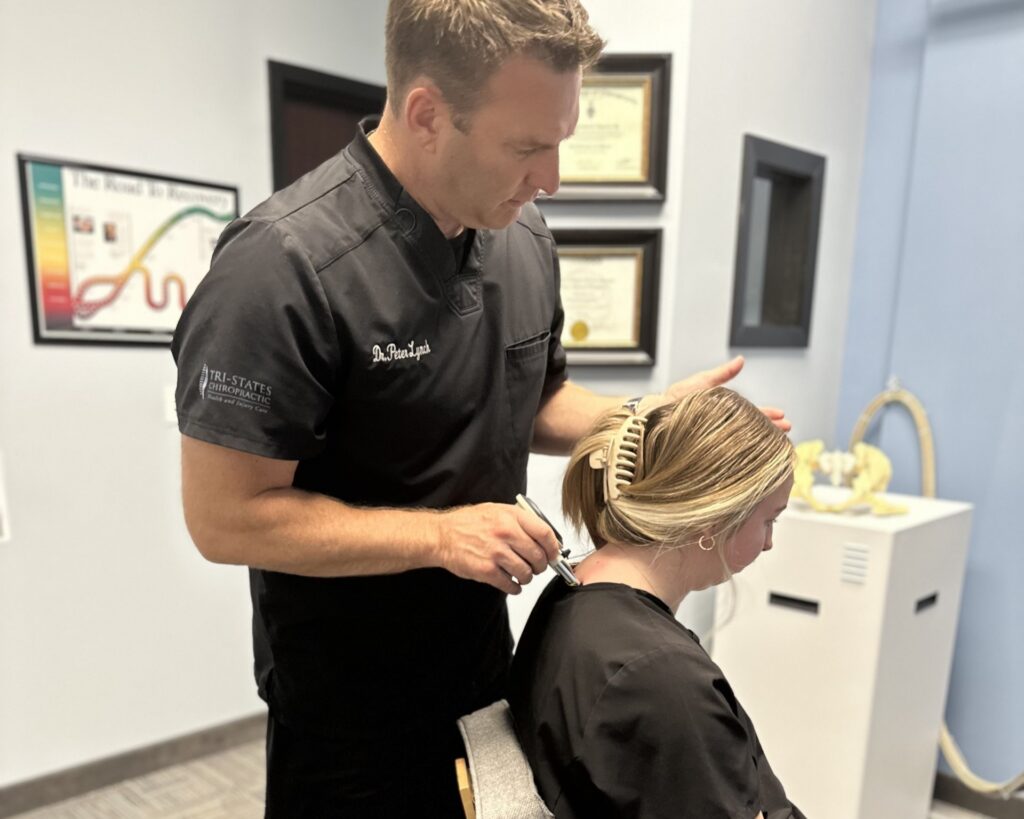
- Spinal Adjustments: This is the cornerstone of chiropractic care. By gently manipulating the spine, I can help realign your vertebrae, reducing pain and improving function. Many patients report feeling immediate relief after an adjustment.
- Soft Tissue Therapy: Techniques like massage and stretching can relieve tension in the muscles surrounding the spine. This can enhance the effectiveness of spinal adjustments and provide additional comfort.
- Posture Education: Poor posture can contribute to low back pain. I’ll teach you how to maintain proper alignment while sitting, standing, and moving, which can help prevent future pain.
- Exercise Recommendations: Strengthening the muscles that support your spine is essential. I can guide you through specific exercises tailored to your needs, promoting healing and preventing recurrences of pain.
- Lifestyle Tips: Simple changes in your daily routine can significantly impact your back health. Staying active, maintaining a healthy weight, and practicing good ergonomics can all contribute to long-term relief.
Chiropractic care stands out as a natural and effective way to achieve optimal health and wellness. By focusing on your body’s innate ability to heal, we can work together to create a personalized plan that supports your recovery and promotes a healthier lifestyle. Remember, your journey to wellness starts with understanding your body and making informed choices. Let’s take that first step together!
Key Takeaways
Chiropractic care is a powerful and natural approach to relieving low back pain and achieving optimal health. Here are some effective techniques we use to help you feel your best:
- Spinal Manipulation Techniques: Our gentle spinal adjustments, including high-velocity thrusts, help release pressure on your nerves, providing immediate relief from low back pain. This technique is designed to restore proper alignment in your spine, allowing your body to function more effectively.
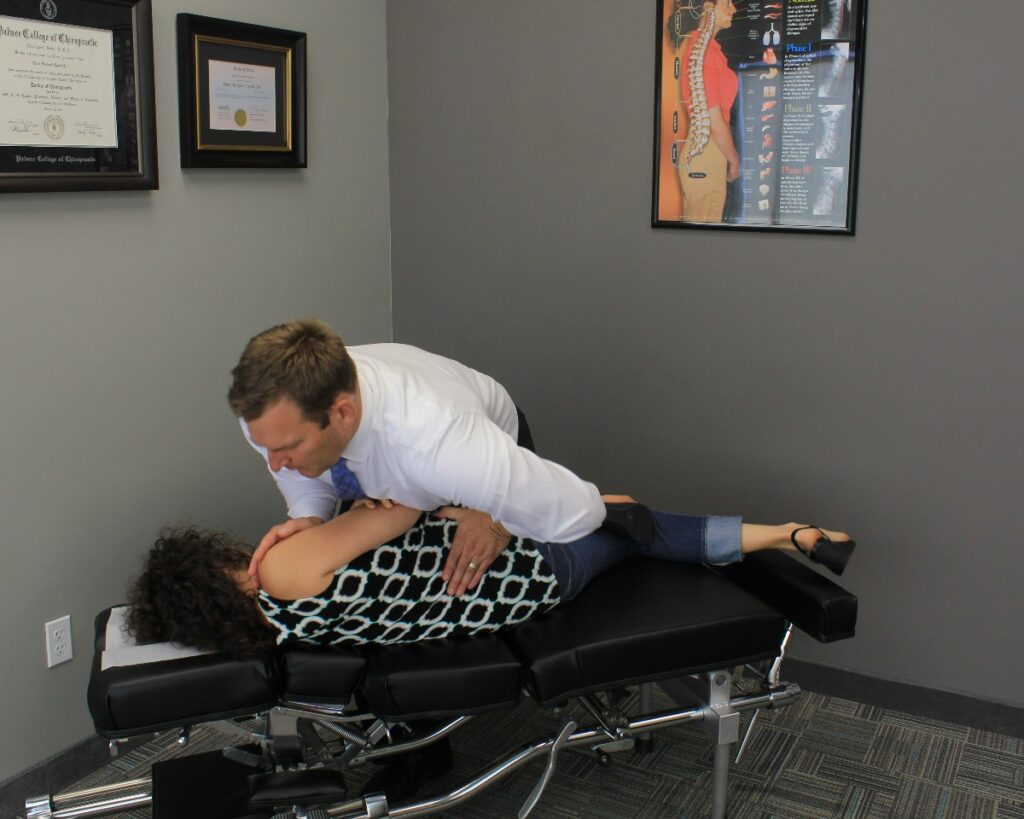
- Flexion-Distraction Therapy: This specialized technique involves gently stretching the spine to decompress the vertebrae. By alleviating nerve pressure, we can improve your mobility and significantly reduce pain, helping you get back to doing the things you love.
- Active Release Technique (ART): ART focuses on the soft tissues in your body, such as muscles and ligaments. By releasing tension and breaking down adhesions, we promote healing and enhance blood flow, which can speed up your recovery and improve your overall well-being.
- Personalized Care Plans: We believe that every patient is unique. That’s why we create personalized chiropractic care plans that combine spinal adjustments with targeted exercises and lifestyle advice. This tailored approach ensures that you receive the most effective treatment for your specific needs.
- Complementary Therapies: Techniques like myofascial release can work hand-in-hand with chiropractic care. These therapies enhance your overall function and boost the effectiveness of your treatment for managing low back pain.
As you embark on your journey to wellness, remember these simple tips: maintain good posture, stay active with low-impact exercises, and listen to your body. By choosing chiropractic care, you’re taking a proactive step towards natural healing and a healthier lifestyle. Let us help you achieve your wellness goals!
Understanding Low Back Pain: Causes and Symptoms
Low back pain can be a frustrating and debilitating experience that affects your daily life and activities. Understanding its causes is essential for finding relief and achieving optimal health. Common causes of low back pain include muscle strains, ligament sprains, and herniated discs. Additionally, poor posture, prolonged sitting, or lifting heavy objects incorrectly can contribute to discomfort.
Symptoms of low back pain can vary widely. You might feel a dull ache, sharp pain, or stiffness in your lower back. Sometimes, the pain may radiate down your legs, suggesting nerve involvement. Limited mobility or difficulty standing up straight can also occur.
As a chiropractor, I believe that understanding the specific cause and symptoms of your low back pain empowers you to seek effective treatment through natural healing methods. Chiropractic care focuses on the spine and its alignment, helping to restore function and alleviate pain without the need for medications or surgeries.
Here are some general tips to help manage low back pain and promote a healthier lifestyle:
- Maintain Good Posture: Be mindful of your posture, especially when sitting for long periods. Use ergonomic furniture and take breaks to stretch regularly.
- Strengthen Your Core: Engage in exercises that strengthen your core muscles, as a strong core can provide better support for your spine.
- Practice Proper Lifting Techniques: Always bend at your knees and keep your back straight when lifting heavy objects to prevent injuries.
- Stay Active: Incorporate regular physical activity into your routine. Activities like walking, swimming, or yoga can help improve flexibility and strength.
- Consider Chiropractic Care: Regular chiropractic adjustments can help maintain spinal alignment, reduce pain, and promote overall wellness.
The Role of Chiropractic Care in Pain Management
Chiropractic care is an essential part of effective pain management, particularly for common issues like low back pain. By concentrating on the spine and ensuring proper alignment, chiropractors work to restore function and relieve discomfort. Many patients report that regular adjustments lead to significant reductions in pain and improvements in mobility.
In addition to spinal adjustments, chiropractors take the time to evaluate your overall posture and body mechanics. This assessment helps identify everyday habits that might be contributing to your pain. By providing personalized advice on simple exercises and lifestyle changes, chiropractors empower you to take charge of your health and well-being.
Chiropractic care also works hand-in-hand with other wellness practices, enhancing their benefits. Whether you’re experiencing acute pain or dealing with long-term issues, your chiropractor will design a tailored plan that fits your specific needs. This holistic approach not only targets your pain but also fosters long-term health and wellness.
Here are a few tips to help you maximize the benefits of chiropractic care:
- Stay Active: Regular movement is crucial for spinal health. Simple activities like walking or stretching can make a big difference.
- Practice Good Posture: Pay attention to your posture while sitting, standing, and even sleeping. Good posture can alleviate unnecessary strain on your spine.
- Listen to Your Body: If something doesn’t feel right, don’t ignore it. Early intervention is key to preventing more serious issues.
- Incorporate Stretching: Gentle stretching can improve flexibility and reduce tension in your muscles, which supports your spine.
- Stay Hydrated: Proper hydration is important for overall health and helps maintain the elasticity of spinal discs.
Spinal Manipulation Techniques for Low Back Pain
When it comes to managing low back pain, spinal manipulation techniques are a key component of chiropractic care. These hands-on adjustments are designed to restore proper alignment in your spine, relieving pressure on nerves and enhancing your flexibility. You may encounter various techniques during your sessions, such as high-velocity thrusts, gentle mobilizations, or specific adjustments customized just for you.
During your visit, I’ll assess your posture, range of motion, and pain levels to determine the most effective approach for your needs. Many patients report feeling immediate relief as tension eases and their bodies begin to heal. Spinal manipulation not only targets the source of your pain but also improves blood flow, which is essential for overall wellness.
To complement your chiropractic care and support your recovery, here are a few tips you can incorporate into your daily routine:
- Stay Active: Engage in gentle exercises like walking, swimming, or yoga to keep your muscles strong and flexible.
- Practice Good Posture: Pay attention to how you sit, stand, and move. Proper posture can help prevent additional strain on your back.
- Use Heat or Ice: Applying heat can soothe tight muscles, while ice can reduce inflammation. Alternate between the two as needed.
- Stay Hydrated: Drinking plenty of water helps maintain the elasticity of your spinal discs and supports overall health.
- Listen to Your Body: If you feel discomfort during certain activities, take a break and give your body the rest it needs.
Chiropractic care is a natural and effective way to alleviate pain and promote wellness. By prioritizing spinal health and making small adjustments to your lifestyle, you can achieve optimal health and a better quality of life.
Active Release Technique (ART) Explained
Active Release Technique (ART) is an innovative and effective method for treating soft tissue injuries and enhancing your mobility, making it an excellent choice for those seeking natural pain relief.
This hands-on technique is designed to identify and release tension within your muscles, ligaments, tendons, and fascia, all of which play critical roles in your overall health and well-being.
During an ART session, I’ll work with you to target specific areas of pain or discomfort.
By applying precise movements and pressure, we can break down scar tissue and adhesions that may be contributing to your pain.
The best part? You’ll actively participate in your healing journey!
By moving your body into various positions, we can maximize the effectiveness of the treatment.
ART is particularly beneficial for chronic low back pain, a common issue many people face.
By promoting blood flow and oxygen to the injured tissues, this technique helps facilitate healing naturally, without the need for medications or invasive procedures.
To make the most of your ART sessions and continue your healing outside of the clinic, here are a few tips:
- Stay Active: Engage in regular, gentle exercise to keep your muscles strong and flexible.
- Maintain Good Posture: Pay attention to your body mechanics, especially when sitting or lifting, to avoid unnecessary strain.
- Hydrate: Drink plenty of water to support tissue health and recovery.
- Listen to Your Body: If you feel tension or discomfort, don’t ignore it. Seek help early to prevent more significant issues.
By choosing chiropractic care, particularly through techniques like ART, you’re making a proactive decision towards achieving optimal health and wellness.
Flexion-Distraction Therapy: A Gentle Approach
Flexion-distraction therapy is a gentle yet powerful technique that can help relieve low back pain by decompressing the spine. This method involves stretching the vertebrae, which not only improves mobility but also reduces pressure on the nerves. Many patients find that they experience significant benefits from this therapy, including pain relief and improved daily function.
As a chiropractor, I believe that chiropractic care is one of the best choices for achieving optimal health and wellness. By focusing on the root cause of pain and discomfort rather than just masking symptoms, chiropractic care promotes natural healing and overall well-being.
If you’re dealing with low back pain, consider these tips to enhance your spinal health:
- Stay Active: Gentle exercises, like walking or stretching, can keep your spine strong and flexible.
- Maintain Good Posture: Pay attention to how you sit, stand, and lift. Good posture can prevent unnecessary strain on your back.
- Use Proper Lifting Techniques: When lifting heavy objects, bend your knees and keep the object close to your body to avoid back injury.
- Stay Hydrated: Drinking plenty of water can help maintain the elasticity of spinal discs.
Mechanism of Action
Chiropractors often utilize flexion-distraction therapy as a gentle and effective way to relieve low back pain by addressing the root causes within the spine. This technique uses a specialized table to create controlled movements, which helps to open up the spaces in the spinal column. Here’s a simple breakdown of how it works:
- Decompression: The gentle flexion of the spine helps to relieve pressure on the intervertebral discs, easing any strain on surrounding nerves. This can lead to a significant reduction in pain and discomfort.
- Increased Mobility: The distraction aspect of this therapy enhances spinal mobility, allowing for better movement and function. This increased range of motion can make everyday activities easier and more enjoyable.
- Muscle Relaxation: By easing tension in the muscles around the spine, flexion-distraction therapy promotes overall comfort and can support the healing process. A relaxed body is better able to recover from pain.
By focusing on these natural mechanisms, flexion-distraction therapy effectively targets pain at its source, helping you regain your quality of life without the need for invasive procedures or medications.
For those seeking optimal health, incorporating regular chiropractic care can be a game-changer. Here are some general tips to support your spinal health:
- Maintain Good Posture: Whether sitting or standing, keeping a neutral spine can help prevent unnecessary strain on your back.
- Stay Active: Engage in regular physical activity to strengthen your back muscles and improve flexibility.
- Practice Relaxation Techniques: Stress can contribute to muscle tension. Techniques such as deep breathing or gentle yoga can help keep your muscles relaxed.
- Listen to Your Body: If you feel discomfort, pay attention and seek help early. Chiropractic care can often address issues before they become more serious.
Embracing chiropractic care is a proactive step toward a healthier, pain-free life, allowing you to move freely and enjoy your daily activities.
Benefits for Patients
Managing low back pain can often feel overwhelming, but flexion-distraction therapy offers a gentle and effective solution that aligns perfectly with the principles of chiropractic care. This technique works by gently stretching the spine and creating space between the vertebrae, which can significantly reduce pain and discomfort. After just a few sessions, many patients report a noticeable decrease in pain levels and an increase in mobility and flexibility.
One of the best aspects of flexion-distraction therapy is its safety profile. Unlike more aggressive treatments that can increase the risk of injury, this approach minimizes those risks, making it a wise choice for anyone looking for a natural way to alleviate pain. Each session is personalized to address your specific needs, ensuring that you receive the most effective care possible.
In addition to the therapy itself, there are simple tips you can incorporate into your daily routine to support your spinal health. Maintaining good posture, engaging in regular low-impact exercises like walking or swimming, and practicing gentle stretching can all contribute to a healthier back. Staying hydrated and using ergonomic furniture can also make a difference in how your body feels throughout the day.
Ultimately, flexion-distraction therapy isn’t just about relieving pain; it’s about enhancing your overall well-being. By choosing chiropractic care, you’re taking a proactive step towards regaining control of your life and keeping low back pain at bay. Embrace this natural approach to healing and discover how chiropractic care can help you achieve optimal health and wellness.
Myofascial Release: Targeting Soft Tissue Pain
When it comes to managing low back pain, myofascial release is an excellent technique that can significantly help alleviate soft tissue discomfort. As a chiropractor, I want to emphasize the importance of targeting the underlying causes of pain rather than just masking the symptoms. Myofascial release focuses on relieving tension in the muscles and fascia, which can lead to improved mobility and a greater sense of well-being.
One of the most beneficial aspects of myofascial release is that it complements chiropractic care beautifully. By addressing soft tissue restrictions, we can enhance spinal alignment and overall function. During your chiropractic sessions, I can incorporate myofascial release techniques that will aid in your healing process.
To take control of your pain and improve your quality of life, here are some simple tips you can incorporate into your daily routine:
- Practice Good Posture: Pay attention to your posture while sitting, standing, and moving. Proper alignment can reduce strain on your back and improve overall comfort.
- Stay Active: Engage in low-impact exercises such as walking, swimming, or yoga. Regular movement helps keep your muscles flexible and strong.
- Use Heat or Cold Therapy: Applying a warm compress or an ice pack to your back can help relieve tension and reduce inflammation.
- Stay Hydrated: Drinking plenty of water can keep your muscles hydrated and functioning optimally.
- Focus on Breathing: Deep, mindful breathing can help reduce stress and promote relaxation in your muscles.
Techniques for Myofascial Release
Myofascial release techniques are essential for alleviating soft tissue pain by focusing on the fascia, the connective tissue surrounding our muscles and organs. By using gentle pressure and stretching, you can enhance mobility and reduce discomfort, which is especially beneficial for those dealing with pain in the lower back.
Here are three effective techniques that can complement your chiropractic care:
- Direct Myofascial Release: This technique involves applying steady pressure to specific areas where fascia may be tight. This helps release tension and promote relaxation in the muscles and surrounding tissues. It’s a great way to enhance the benefits of your chiropractic adjustments.
- Myofascial Stretching: Gently stretching the impacted area can help lengthen the fascia, increasing flexibility and reducing pain. Incorporating simple stretches into your daily routine can make a significant difference in how you feel and support your overall wellness.
- Self-Myofascial Release: Tools like foam rollers or massage balls can be used at home to apply pressure to trigger points in your muscles. This self-care approach empowers you to take charge of your recovery and complements the care you receive in the chiropractic office.
Incorporating these techniques into your wellness routine can greatly enhance your recovery from low back pain and support your journey to optimal health. Remember, chiropractic care is a holistic approach that focuses on your body’s natural ability to heal, so consider these techniques as part of your comprehensive care strategy.
Always consult with your chiropractor to determine the best approach for your individual needs.
Benefits of Soft Tissue Therapy
Soft tissue therapy, especially myofascial release, can be a powerful ally in your journey towards pain relief and overall wellness. By focusing on the tightness in the fascia, this technique helps to alleviate discomfort and promotes healing in a natural way. As your chiropractor, I believe that enhancing blood circulation through these methods can significantly reduce inflammation and support your body’s innate ability to heal itself.
One of the most notable benefits of myofascial release is the improvement in flexibility and range of motion. This means you can participate in daily activities and exercise without feeling restricted by pain. Additionally, this therapy can help reduce tension and stress, contributing to a greater sense of well-being.
Regular sessions not only help with immediate relief but can also lead to better posture over time. Good posture plays a crucial role in preventing future pain and discomfort, which is why I encourage my patients to consider soft tissue therapy as part of their wellness routine.
Whether you’re dealing with chronic pain or recovering from an injury, incorporating soft tissue therapy alongside chiropractic care can truly enhance your recovery process. Remember, your body is designed to heal naturally, and with the right support, you can achieve optimal health.
Here are some simple tips you can incorporate into your daily life to support your wellness journey:
- Stay hydrated to help keep your fascia supple.
- Engage in regular gentle stretching to maintain flexibility.
- Practice deep breathing to reduce stress and tension.
- Be mindful of your posture throughout the day.
The Importance of Exercise and Rehabilitation
Regular exercise and rehabilitation are essential for effectively managing low back pain, and chiropractic care can play a pivotal role in this journey toward healing and wellness. By integrating specific exercises into your daily routine, you can’t only alleviate pain but also strengthen your body and enhance your overall health.
Here are three key benefits of incorporating exercise and rehabilitation into your life, especially with the support of chiropractic care:
- Strengthening Muscles: Engaging in targeted exercises helps to build strength in your back and abdominal muscles, which provides crucial support for your spine. A strong core is fundamental for maintaining proper posture and reducing the strain on your back.
- Improving Flexibility: Incorporating stretching and mobility exercises into your routine can significantly increase your flexibility. This reduction in stiffness won’t only enhance your range of motion but also contribute to overall comfort in your daily activities.
- Promoting Healing: Rehabilitation programs, particularly those guided by a chiropractor, often include gentle movements that promote circulation to the affected area. This increased blood flow can speed up the healing process, allowing you to recover more effectively.
By combining these exercises with chiropractic techniques, such as spinal adjustments and postural education, you can create a more holistic approach to pain management.
Remember, consistency is key! Here are some general tips to help you stay on track:
- Create a Routine: Set aside specific times each week for your exercises and stick to them, just like you’d for any important appointment.
- Listen to Your Body: Pay attention to how your body feels during and after exercises. If something doesn’t feel right, consult your chiropractor for guidance.
- Stay Hydrated: Drinking plenty of water is crucial for maintaining flexibility and overall health, especially when engaging in physical activity.
- Seek Professional Guidance: Working with a chiropractor can provide personalized advice and adjustments that can enhance your exercise program, ensuring you’re on the right path to recovery and wellness.
Patient Testimonials: Success Stories in Chiropractic Care
Many of my patients have shared inspiring stories about how chiropractic care has profoundly changed their lives for the better.
Often, their journey starts with debilitating low back pain that interferes with everyday activities.
However, after beginning chiropractic treatment, they experience remarkable relief and regain their mobility.
For instance, one patient told me that after just a few sessions, they could finally play with their children without discomfort.
Another patient revealed that chiropractic adjustments not only eased their pain but also enhanced their sleep quality and uplifted their overall mood.
These testimonials highlight a crucial aspect of chiropractic care: it empowers you to take control of your health naturally.
You aren’t alone in your struggle; many have faced similar challenges and found success through chiropractic support.
With commitment to your wellness journey and the appropriate chiropractic techniques, you too can see significant improvements in your quality of life.
Here are a few helpful tips to consider as you explore chiropractic care:
- Stay Active: Gentle exercises and stretches can help maintain your mobility and keep your spine healthy.
- Posture Matters: Pay attention to your posture throughout the day. Sitting and standing correctly can prevent unnecessary strain on your back.
- Listen to Your Body: If something feels off, don’t ignore it. Early intervention can make a big difference in your recovery.
- Stay Hydrated: Drinking plenty of water supports spinal health by keeping your discs hydrated and functioning properly.
- Choose Natural Healing: Chiropractic care focuses on your body’s innate ability to heal itself. Embrace this natural approach to wellness.
Many people have successfully navigated their path to better health through chiropractic care.
With the right support, you too can create your own success story.
Let’s work together towards achieving optimal health and well-being through the power of chiropractic care!
What to Expect During Your Chiropractic Visit
When you arrive for your chiropractic visit, the first step is to sit down with your chiropractor to discuss your health history and any concerns you may have. This initial conversation is essential as it allows your chiropractor to understand your unique needs and tailor a plan just for you. Here’s what you can expect during your visit:
- Comprehensive Assessment: Your chiropractor will conduct a thorough physical examination. They’ll check your posture, assess your range of motion, and identify any areas of pain or discomfort. This assessment is crucial in identifying the root cause of your issues.
- Personalized Diagnosis: After the assessment, your chiropractor will explain their findings in clear and simple terms. They’ll discuss potential treatment options that are specifically designed for you, ensuring you feel informed and confident about the next steps.
- Tailored Treatment Plan: If you choose to move forward, your chiropractor will initiate your treatment. This may include gentle spinal manipulation, therapeutic massage, or other natural techniques focused on relieving your pain and promoting overall wellness.
Chiropractic care is a holistic approach that aims not only to alleviate discomfort but also to enhance your overall health.
Takeaway Tips:
- Maintain good posture throughout your day—whether sitting at a desk or walking. This can significantly reduce strain on your body.
- Incorporate regular stretching or gentle exercises into your routine to improve flexibility and support spinal health.
- Stay hydrated and maintain a balanced diet rich in nutrients to support your body’s natural healing processes.
Remember, chiropractic care is a powerful tool for achieving optimal health and wellness.
Tips for Maintaining a Healthy Spine at Home
Maintaining a healthy spine at home is essential for overall wellness, and it’s easier than you might think! As a chiropractor, I want to share some straightforward habits that can help you support your spine and prevent discomfort.
First and foremost, practice good posture throughout your day. Whether you’re sitting, standing, or walking, keep your back straight, shoulders relaxed, and feet flat on the ground when seated. Investing in a supportive chair can make a significant difference, and don’t hesitate to use cushions for extra comfort.
Regular movement is key to spinal health, so make exercise a part of your daily routine. Incorporate gentle stretching and strengthening activities that focus on your core and back muscles. Great options include yoga and Pilates, which not only improve flexibility but also promote better body awareness. Remember, if you find yourself sitting for extended periods, take breaks every hour! Stand up, stretch, and move around to keep your spine happy.
When lifting objects, it’s crucial to protect your back. Always bend at your knees, not your waist, to minimize strain. This simple technique can help you avoid injury and keep your spine aligned.
Lastly, ensure you’re getting quality sleep on a mattress and pillow that supports your spine’s natural alignment. A good night’s rest is vital for recovery and maintaining your overall health.
By incorporating these tips into your daily life, you can promote a healthy spine and reduce the risk of back pain. If you’re experiencing discomfort or simply want to enhance your wellness journey, consider chiropractic care. A chiropractor can provide personalized guidance and adjustments to help you achieve optimal health naturally.