If you’re experiencing low back pain, know that you’re not alone—it’s a common issue that many people face, affecting their daily activities and overall quality of life. The good news is that there are non-invasive solutions to help you find relief in just 30 days, with chiropractic care being one of the most effective options. By focusing on posture, targeted exercises, and positive lifestyle changes, you can start to alleviate your pain naturally.
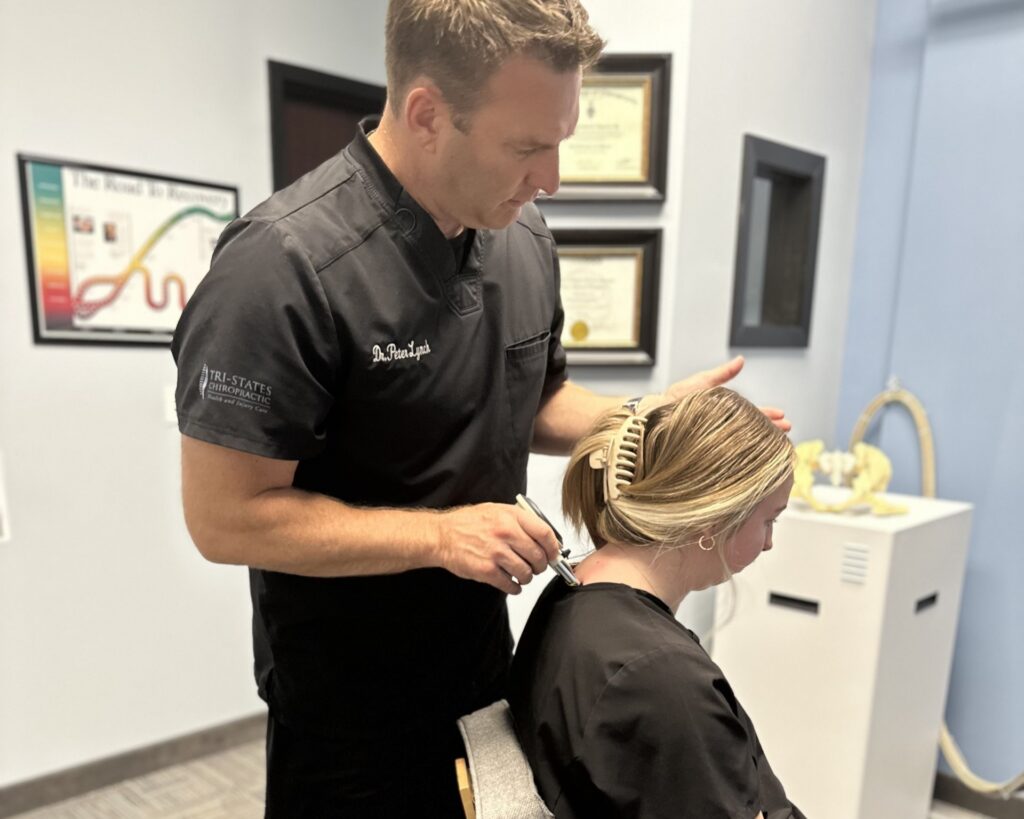
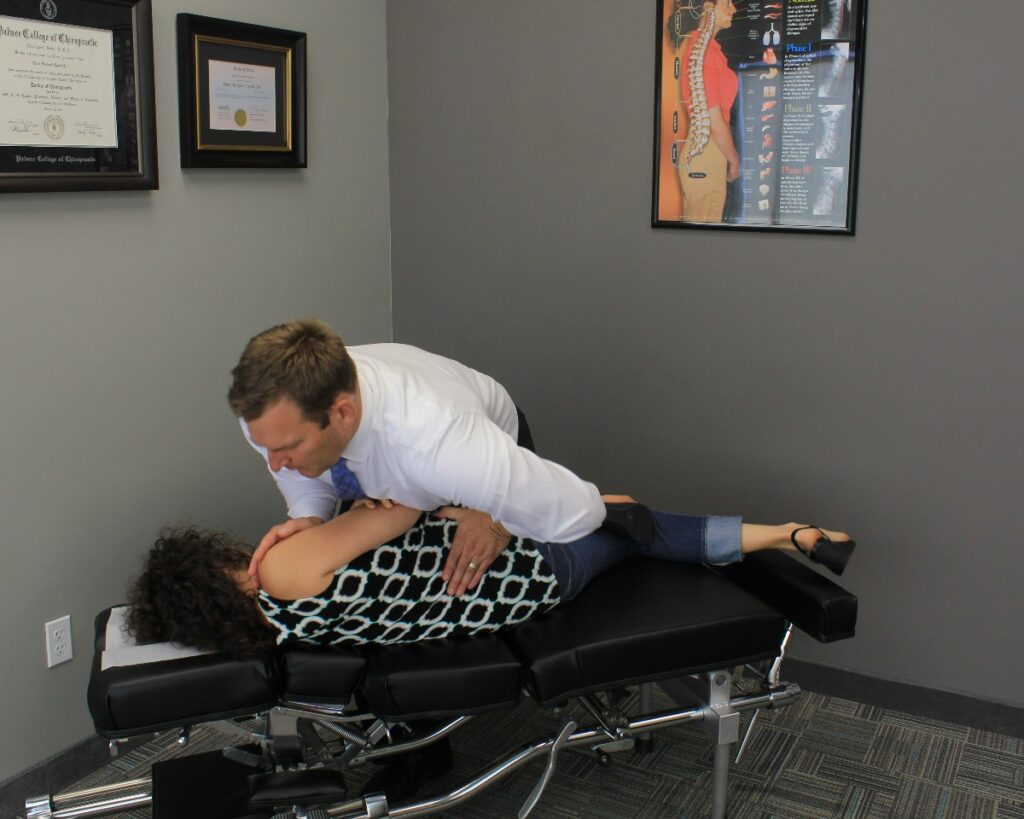
Chiropractic care emphasizes the importance of spinal health and alignment. A chiropractor can assess your spine and provide tailored adjustments that help restore proper function and alleviate discomfort. This hands-on approach not only addresses pain but also promotes overall well-being, allowing your body to heal itself.
Here are some effective strategies you can incorporate into your daily routine for lasting improvement:
- Posture Awareness: Pay attention to your posture throughout the day. Whether sitting at a desk, standing, or lifting objects, maintaining a neutral spine can help prevent strain on your back. Consider using ergonomic furniture and take regular breaks to stretch.
- Strengthening Exercises: Engage in gentle exercises that strengthen your core muscles, as this supports your spine. Activities like planks, bridges, and gentle yoga can be beneficial. Always consult with your chiropractor for personalized exercise recommendations.
- Stretching: Incorporate daily stretching routines to improve flexibility and reduce tension in your back muscles. Simple stretches for the hamstrings, hip flexors, and lower back can provide immediate relief.
- Healthy Lifestyle Choices: Nutrition plays a key role in your overall health. Eating a balanced diet rich in anti-inflammatory foods can help reduce pain. Stay hydrated and consider incorporating supplements like omega-3 fatty acids.
- Regular Chiropractic Visits: Schedule regular appointments with your chiropractor to maintain your spinal health. Consistent adjustments can help keep your spine aligned and prevent future pain.
- Mindfulness and Relaxation: Stress can contribute to muscle tension, so find ways to relax. Activities like meditation, deep breathing exercises, and spending time in nature can help ease your mind and body.
By integrating these strategies into your life, you can take proactive steps towards relieving low back pain naturally. Remember, chiropractic care is designed to support your body’s innate healing abilities, helping you achieve optimal health without the need for invasive procedures or medications. Make the choice for better health today, and embrace the journey towards a pain-free life!
Key Takeaways
- Experience the benefits of regular chiropractic adjustments, which can help realign your spine, reduce tension, and improve mobility. This natural approach not only alleviates pain but also promotes overall wellness.
- Incorporate gentle stretching and low-impact aerobic activities into your daily routine. These practices can enhance flexibility, reduce stiffness, and support your body’s healing process, all while being gentle on your back.
- Establish a consistent exercise routine that includes core-strengthening exercises. A strong core is essential for stabilizing your spine and preventing future discomfort. Remember, a healthy spine is key to a healthy life!
- Pay attention to your posture and set up an ergonomic workspace. Proper alignment while sitting and standing helps reduce strain on your back, promoting spinal health and overall comfort throughout your day.
- Don’t forget to take short breaks every hour to stretch and walk around. This simple habit can relieve tension and boost circulation, helping you feel more energized and reducing the risk of back pain.
By embracing these non-invasive strategies and prioritizing chiropractic care, you can take significant steps toward a pain-free and healthier life. Remember, your spine is the foundation of your health—let’s keep it aligned and well!
Understanding Low Back Pain: Causes and Effects
When you experience low back pain, understanding its causes and effects is crucial for finding effective relief, and chiropractic care can play a vital role in your recovery journey.
Low back pain can arise from various sources, such as muscle strain, herniated discs, or poor posture. Activities like repetitive movements or lifting heavy objects without proper technique can also contribute to your discomfort. By identifying these triggers, you can avoid future pain and embrace a healthier lifestyle.
The effects of low back pain can be significant, affecting your daily activities and overall quality of life. You may struggle with simple tasks like bending or lifting, leading to frustration and reduced mobility. Additionally, chronic pain can take a toll on your mental well-being, potentially causing feelings of anxiety or depression. This is where chiropractic care shines, as it addresses the root cause of your pain instead of just masking the symptoms.
Chiropractic adjustments can help realign your spine, relieve tension, and improve your body’s natural healing processes. Additionally, incorporating gentle stretching and strengthening exercises into your routine can further support your recovery.
Here are some general tips to help you manage low back pain:
- Maintain Good Posture: Be mindful of your posture, especially when sitting or standing for long periods. Use ergonomic furniture if possible.
- Stay Active: Engage in low-impact activities like walking, swimming, or yoga to strengthen your back and improve flexibility.
- Use Proper Lifting Techniques: When lifting heavy objects, bend at your knees and keep the object close to your body to reduce strain on your back.
- Incorporate Stretching: Simple stretches for your back and legs can help relieve tension and improve mobility.
- Stay Hydrated: Drinking enough water supports overall health and helps maintain the elasticity of spinal discs.
The Role of Physical Therapy in Pain Management
Chiropractic care is a crucial part of managing low back pain and achieving optimal health. While physical therapy can provide some benefits, chiropractic adjustments directly address spinal misalignments and improve overall body function. A skilled chiropractor will assess your condition and develop a personalized treatment plan designed just for you.
Through gentle spinal adjustments, we can restore proper alignment, which helps reduce pain and enhance your body’s natural healing abilities. Additionally, we focus on educating you about proper body mechanics and ergonomics to help you avoid future issues and maintain a healthier lifestyle.
Incorporating exercises that strengthen your core and improve flexibility can also be beneficial. These exercises can often be recommended during your chiropractic visits, ensuring they align with your specific needs. Remember, taking care of your spine is key to your overall health, so always prioritize good posture and regular chiropractic check-ups.
Strengthening Exercises for a Healthier Back
To achieve and maintain a healthier back, it’s important to incorporate strengthening exercises into your daily routine. These movements not only enhance your core stability, but they also provide essential muscle support around your spine, significantly reducing the risk of injury. By focusing on your abdominal, oblique, and lower back muscles, you can create a strong foundation for your body.
As a chiropractor, I believe that natural healing through exercise and proper spinal care is key to optimal health. Here are a few simple yet effective exercises that can help you strengthen your back:
| Exercise | Repetitions | Frequency |
|---|---|---|
| Plank | 10-30 sec | 3 times/week |
| Bird-Dog | 10 per side | 3 times/week |
| Glute Bridges | 15 | 3 times/week |
In addition to these exercises, here are some general tips to keep in mind:
- Listen to Your Body: If you experience pain during any exercise, stop immediately and consult with a chiropractor. It’s important to ensure you’re performing exercises correctly to avoid injury.
- Maintain Good Posture: Whether sitting at a desk or lifting objects, maintaining proper posture can help prevent strain on your back.
- Stay Active: Regular physical activity is essential for spinal health. Aim for at least 30 minutes of movement each day, whether it’s walking, yoga, or your strengthening exercises.
- Stay Hydrated: Drinking plenty of water helps keep your discs hydrated and supports overall spinal health.
- Regular Chiropractic Care: Consistent visits to your chiropractor can help maintain proper alignment, support your strength training efforts, and ensure your body is functioning at its best.
The Benefits of Stretching and Flexibility
Stretching and flexibility are essential components of maintaining a healthy back and overall wellness. As a chiropractor, I encourage everyone to incorporate regular stretching into their daily routine to enhance your range of motion and alleviate muscle tension. This proactive approach not only helps prevent injuries but also provides relief from discomfort, especially in the lower back.
Improving your flexibility can lead to better posture, which is crucial for reducing strain on your spine. Simple stretches, such as hamstring and hip flexor stretches, can specifically target areas that often contribute to back pain. By taking just a few minutes each day to focus on these stretches, you may experience significant improvements in your mobility and overall comfort.
Moreover, stretching promotes better blood flow to your muscles, which aids in recovery and helps reduce stiffness. This is especially important for those who lead active lifestyles or spend long hours sitting.
Embracing a stretching routine not only supports your back health but can also boost your overall physical performance. With greater flexibility, you can engage in daily activities with enhanced ease and confidence.
I recommend setting aside time each day for stretching, listening to your body, and being consistent. If you’re looking for personalized guidance, consider visiting a chiropractor who can help you develop a tailored stretching program that complements your chiropractic care. Remember, natural wellness is within reach, and taking these simple steps can lead to a healthier, more active life.
Mindfulness and Stress Reduction Techniques
As you navigate the challenges of daily life, incorporating mindfulness and stress reduction techniques can greatly enhance your overall well-being and support natural healing, especially when it comes to relieving lower back pain. Practicing mindfulness allows you to stay present, helping you identify tension in your body before it escalates into discomfort. A great starting point is simple breathing exercises—focus on your breath by inhaling deeply through your nose and exhaling slowly through your mouth. This practice not only calms your mind but also promotes relaxation in your muscles.
You might also consider incorporating gentle movements like yoga, which can complement chiropractic care by enhancing flexibility and reducing stress on your spine. Even setting aside just a few minutes each day for these practices can lead to positive changes in how you feel.
Another powerful tool is journaling. By expressing your thoughts and feelings on paper, you can clear your mind and alleviate anxiety, creating a more peaceful mental state. Remember, the objective here isn’t to achieve perfection but to take steps towards progress. By integrating these mindfulness techniques into your daily routine, you not only manage stress more effectively but may also experience significant relief from low back pain.
Alongside these practices, regular chiropractic care is essential for maintaining spinal health and promoting overall wellness. Chiropractic adjustments help align your spine, reduce tension, and improve mobility, all of which play a crucial role in alleviating pain and enhancing your quality of life. Embrace these holistic approaches, and you’ll be on your way to achieving optimal health and well-being.
The Importance of Good Posture
Good posture is essential for maintaining spinal health and preventing low back pain, making it a key focus for anyone looking to enhance their well-being. As a chiropractor, I believe that understanding workplace ergonomics and integrating posture-improving exercises into your daily routine can lead to significant improvements in your overall health.
By making small adjustments to how you sit, stand, and move, you can experience lasting relief from discomfort and promote a healthier lifestyle. Here are some practical tips to help you achieve better posture:
- Sit Smart: When sitting at your desk, ensure that your chair supports your lower back. Keep your feet flat on the floor and your knees at a right angle. Use a cushion if necessary to maintain proper alignment.
- Stand Tall: When standing, distribute your weight evenly on both feet. Keep your shoulders back and your head aligned with your spine to reduce strain on your back.
- Stretch Regularly: Incorporate simple stretches throughout your day to keep your muscles flexible and relieve tension. Focus on your neck, shoulders, and lower back.
- Stay Active: Regular physical activity strengthens your core muscles, which are vital for supporting your spine. Consider activities like walking, yoga, or swimming.
- Listen to Your Body: Pay attention to any discomfort or pain and address it early. Regular chiropractic care can help keep your spine aligned and prevent problems before they start.
Incorporating these tips into your daily life can lead to improved posture and a healthier spine. I encourage you to consider chiropractic care as a natural and effective way to achieve optimal health.
With the right approach, you can enjoy a pain-free life and enhance your overall well-being.
Effects on Spinal Health
Maintaining proper posture is crucial for your spinal health, especially if you’re dealing with low back pain. Good posture supports the natural curve of your spine, which helps to reduce strain on your muscles and ligaments. When you slouch or hunch over, it can lead to misalignment and discomfort, making it all the more important to be mindful of your posture throughout your day.
Here’s a quick look at the benefits of good posture and how it impacts your spinal health:
| Benefits of Good Posture | Impact on Spinal Health |
|---|---|
| Reduces pressure on discs | Helps prevent herniated discs, keeping your spine healthy and pain-free. |
| Enhances circulation | Improves the delivery of essential nutrients to your spine and surrounding muscles. |
| Decreases muscle fatigue | Promotes better muscle balance, allowing you to feel more energetic throughout the day. |
| Boosts confidence | Supports a positive mindset, which can influence your overall well-being. |
| Improves overall alignment | Minimizes pain and discomfort, making daily activities more enjoyable. |
To maintain good posture and support your spinal health, here are some simple tips you can incorporate into your daily routine:
- Be Mindful of Your Setup: Whether you’re sitting at a desk or standing, ensure that your computer screen is at eye level and your chair supports your lower back.
- Take Regular Breaks: If you sit for long periods, stand up, stretch, and move around every 30 minutes to keep your muscles engaged and reduce tension.
- Strengthen Your Core: A strong core can support your spine. Incorporate exercises like planks and bridges into your routine to build strength.
- Practice Good Lifting Techniques: When lifting heavy objects, bend your knees and keep the object close to your body to reduce strain on your back.
- Consider Chiropractic Care: Regular chiropractic adjustments can help keep your spine aligned and support your overall health. A chiropractor can provide personalized care tailored to your body’s needs, helping you maintain good posture and alleviate pain naturally.
Workplace Ergonomics Tips
Creating an ergonomic workspace is essential for promoting good posture and preventing low back pain, which can greatly benefit your overall health. As a chiropractor, I encourage you to take the following steps to enhance your workspace and support your spine naturally.
First, adjust your chair so that your feet rest flat on the floor, and your knees are at hip level. This positioning helps maintain proper alignment and reduces strain on your lower back. Your desk should be set up so that your elbows are at a comfortable 90-degree angle while typing. This will help prevent unnecessary tension in your shoulders and neck.
Position your computer screen at eye level, about an arm’s length away. This will help you avoid straining your neck and keep your spine aligned. If you find yourself leaning forward or looking down, you may be putting stress on your spine without even realizing it.
Consider using a lumbar support cushion. This simple tool can help you maintain the natural curve of your spine, providing support where you need it most. Remember, a well-supported back is key to preventing discomfort.
It’s also important to take regular breaks. Stand up, stretch, and move around every hour if possible. This will help keep your muscles engaged and reduce the risk of stiffness.
Lastly, keep your workspace organized. An uncluttered environment minimizes the need for awkward reaching, which can lead to strain and discomfort.
Exercises for Posture Improvement
Improving your posture is a vital step towards enhancing your overall well-being and reducing the risk of low back pain. As a chiropractor, I believe that incorporating specific exercises into your daily routine can make a significant difference in how you feel and function.
Let’s start with a simple yet effective exercise called wall angels. To do this, stand with your back flat against a wall, and slowly raise your arms while keeping them in contact with the wall. This exercise helps open up your shoulders and aligns your spine.
Next, consider adding seated rows using resistance bands to strengthen your upper back. This will help counteract the effects of slouching, which many of us do throughout the day.
Don’t overlook the importance of core strength! Planks are a fantastic way to engage your core and support spinal alignment. Just hold your body in a straight line, keeping your abs tight, and you’ll be doing wonders for your posture.
In addition to strengthening exercises, stretching is crucial. One of my favorite stretches is the cat-cow stretch. This gentle movement improves flexibility in your spine and helps relieve tension.
Make it a goal to practice these exercises regularly. Consistency is key to seeing improvements in your posture over time. Remember, maintaining good posture not only alleviates pain but also boosts your confidence and energy levels.
If you’re looking for a holistic approach to achieving optimal health, chiropractic care is an excellent choice. Regular adjustments can help correct misalignments in your spine, support your posture, and enhance your overall wellness.
Ergonomic Adjustments for Home and Work
To effectively alleviate your low back pain, it’s essential to implement ergonomic adjustments in your workspace. As a chiropractor, I can tell you that proper ergonomics can greatly enhance your spinal health and overall well-being. Begin by assessing your desk setup; a chair that properly supports your posture is crucial. Look for one that encourages a neutral spine position, allowing your back to maintain its natural curves.
Here are some simple tips to make your workspace more ergonomic and promote natural healing:
- Chair Height: Adjust your chair so that your feet are flat on the floor, and your knees are at or slightly below hip level. This helps reduce strain on your lower back.
- Desk Arrangement: Keep your computer monitor at eye level to avoid straining your neck. Your elbows should be at a 90-degree angle while typing, with your wrists straight.
- Frequent Breaks: Take short breaks every hour to stand, stretch, and walk around. This helps to relieve tension in your back and encourages circulation.
- Supportive Cushions: Consider using lumbar support cushions for added comfort. They can help maintain the natural curve of your spine and reduce discomfort.
- Mind Your Posture: Stay mindful of your posture throughout the day. Sit back in your chair and avoid slouching, as this can contribute to back pain over time.
Remember, consistent ergonomic practices not only enhance your comfort but also support the natural healing processes of your body.
If you’re experiencing ongoing pain, chiropractic care is an excellent choice for restoring balance and promoting optimal health. A chiropractor can provide personalized adjustments and guidance tailored to your needs, helping you achieve a pain-free life. Embrace these ergonomic tips, and take a step towards a healthier, more comfortable you!
Workspace Setup Tips
A well-designed workspace can significantly enhance your comfort and productivity while also playing a crucial role in preventing low back pain. As a chiropractor, I encourage you to make a few key adjustments to your workspace that not only support your posture but also promote your overall health.
Start by adjusting your desk height. Ideally, your elbows should remain at a 90-degree angle when typing. This alignment helps reduce strain on your spine and supports healthy spinal mechanics. Ensure your feet are flat on the ground or resting on a footrest, which aids in maintaining proper posture throughout the day.
Your monitor’s position is also vital. It should be at eye level, approximately an arm’s length away. This positioning helps prevent neck strain and encourages a more natural alignment of your spine. Additionally, keeping frequently used items within arm’s reach allows you to avoid unnecessary twisting and reaching, which can lead to discomfort over time.
If you find yourself working long hours, I recommend taking short breaks every hour to stretch and move around. Simple stretches can relieve tension in your back and promote circulation, further supporting spinal health. Remember, chiropractic care emphasizes the importance of movement and flexibility for optimal wellness.
Lastly, ensure your workspace is well-lit to reduce eye strain. While this may seem unrelated, eye strain can lead to tension headaches and discomfort, indirectly affecting your spine and overall well-being.
Chair Selection Guide
Selecting the right chair is crucial for your comfort and spinal health, whether you’re working from home or in an office. As a chiropractor, I want to emphasize the importance of supporting your spine to maintain its natural alignment. Look for a chair that provides excellent lumbar support to help preserve the natural curve of your spine.
Adjustability is key—choose a chair with adjustable height and armrests to customize your seating position. This can significantly reduce strain on your back and neck, promoting better posture. Make sure the seat depth allows your feet to rest flat on the floor while keeping your knees at a 90-degree angle. This simple adjustment can go a long way in preventing discomfort.
Consider chairs made of breathable materials, which help keep you cool and comfortable during long hours of sitting. Additionally, it’s beneficial to choose a chair that encourages movement. Being able to shift your position easily can promote circulation and reduce stiffness.
Alternative Therapies: Acupuncture and Massage
When it comes to finding relief from low back pain, many individuals explore alternative therapies such as acupuncture and massage. While these methods can provide temporary relief, it’s essential to consider how chiropractic care can offer a more comprehensive and effective solution for your health and wellness.
Chiropractic care focuses on the alignment of the spine and the overall health of your musculoskeletal system. By performing gentle adjustments, chiropractors help restore proper alignment, which can alleviate pain, improve mobility, and enhance your body’s natural healing processes.
Many patients experience significant improvements in their pain levels and functionality through regular chiropractic adjustments.
Acupuncture, on the other hand, involves inserting thin needles into specific points on the body, which may help release pain-relieving endorphins and improve blood flow. While some individuals report feeling better after acupuncture, these benefits can often be temporary.
Similarly, massage therapy can help relieve muscle tension and promote relaxation. While manipulating soft tissues can alleviate tightness, it doesn’t address the root cause of your pain, which is often related to spinal alignment.
For optimal health and long-term relief, chiropractic care is an excellent choice. By addressing the underlying issues affecting your spine and nervous system, chiropractic adjustments can lead to lasting improvements in your back pain and overall wellness.
Here are some general tips to support your journey towards better spinal health:
- Stay Active: Engage in regular physical activity that strengthens your core and back muscles.
- Practice Good Posture: Maintain proper posture while sitting and standing to reduce strain on your spine.
- Stretch Regularly: Incorporate gentle stretches into your daily routine to improve flexibility and relieve tension.
- Stay Hydrated: Drink plenty of water to keep your discs hydrated and maintain overall health.
- Listen to Your Body: Pay attention to any signs of discomfort and consult your chiropractor if you experience persistent pain.
Incorporating chiropractic care into your wellness routine can be the key to achieving optimal health and managing your low back pain effectively. Why not schedule a visit with a chiropractor to explore how this natural approach can benefit you? Your body will thank you!
Creating a Sustainable Pain Management Plan
Creating a sustainable pain management plan is essential for achieving optimal health and wellness, especially when considering the natural healing benefits of chiropractic care. By understanding your unique pain triggers and establishing proactive strategies, you can effectively manage your discomfort.
Here are three key steps to help you on your journey to better health:
1. Identify Your Triggers: Start by keeping a pain diary. This simple tool allows you to track when and how your pain flares up. By noting specific activities or situations that lead to discomfort, you can identify patterns and make informed decisions about what to avoid. This awareness is crucial in managing your pain effectively.
2. Incorporate Movement: Engaging in regular, gentle exercise is vital for strengthening your body and alleviating pain. Activities such as walking, yoga, or swimming not only promote physical health but also enhance your mood and overall well-being.
Chiropractic care can complement your exercise routine by improving spinal alignment and mobility, allowing you to move more freely and comfortably.
3. Establish a Support System: Surrounding yourself with understanding and supportive individuals can significantly impact your wellness journey. Whether it’s friends, family, or local support groups, having a network of encouragement helps you stay motivated and positive.
Additionally, consider consulting with a chiropractor who can provide personalized guidance and support tailored to your needs.