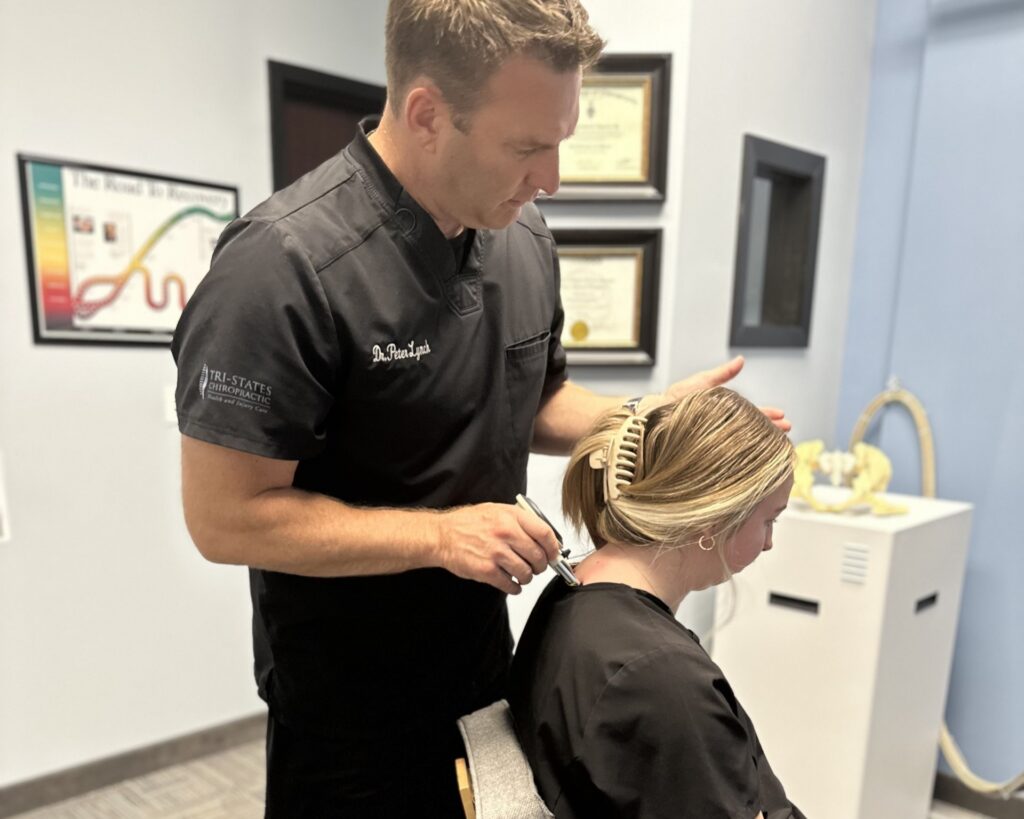
If you’re experiencing low back pain, you’re definitely not alone. Many people face this challenge, which can significantly impact their daily routines. The good news is that chiropractic care offers a natural, effective approach to relieve your discomfort and restore your mobility. By integrating gentle stretches, core-strengthening exercises, and low-impact cardio into your routine, you can work towards a more comfortable life without the need for medications or invasive procedures.
As a chiropractor, I want to share some essential techniques that can help you alleviate your low back pain while promoting overall wellness. Here are a few exercises and tips to get you started:
- Gentle Stretches: Incorporate simple stretches into your day to help loosen tight muscles. A great start is the knee-to-chest stretch, where you lie on your back and gently pull your knees toward your chest. Hold for 15-30 seconds for relief.
- Core Strengthening: Strong core muscles support your spine, reducing strain on your lower back. Try exercises like pelvic tilts or bridges to engage your abdominal muscles gently.
- Low-Impact Cardio: Activities like walking or swimming can improve circulation and strengthen your back without putting too much stress on it. Aim for 20-30 minutes of low-impact exercise a few times a week.
- Posture Awareness: Pay attention to your posture, especially if you sit for long periods. Keep your back straight, shoulders relaxed, and feet flat on the floor. Consider using lumbar support when sitting to maintain the natural curve of your spine.
- Stay Hydrated: Drinking plenty of water is essential for spinal health. Proper hydration helps maintain the elasticity of spinal discs and can reduce discomfort.
- Regular Chiropractic Visits: Regular adjustments from a chiropractor can help align your spine and improve your overall health. Chiropractic care focuses on natural healing, offering a holistic approach to pain relief.
Remember, you’re not alone in dealing with low back pain, and there are many natural solutions available. By incorporating these exercises and tips into your daily routine, you can take charge of your health and work towards a pain-free life. If you have any questions or need personalized guidance, don’t hesitate to reach out to your local chiropractor. Together, we can achieve optimal health!
Key Takeaways
As a local chiropractor, I believe in the power of natural healing and the body’s ability to restore itself with the right support. If you’re struggling with low back pain, there are several gentle exercises and practices you can incorporate into your daily routine to achieve relief and promote overall wellness.
- Gentle Stretching: Start with simple stretches like the Cat-Cow and Child’s Pose. These movements help to mobilize your spine and release tension in your lower back. Stretching not only feels good but also increases blood flow to the muscles, aiding in recovery.
- Core Strengthening: Engaging in exercises such as planks and bridges can be incredibly beneficial. Strengthening your core stabilizes your pelvis and reduces strain on your lower back, allowing you to move more freely and with less discomfort.
- Yoga Poses: Incorporating yoga poses like Downward Dog and Supine Twist can enhance flexibility and relieve tension in your spine. These poses encourage better alignment and can help alleviate pressure on your back.
- Foam Rolling: Utilizing a foam roller can target tight or sore muscles, promoting relief and improved mobility. This self-myofascial release technique can be a wonderful addition to your wellness routine, helping to break up muscle knots and tension.
- Posture and Ergonomics: Maintaining proper posture is essential for back health. Make sure your workspace is ergonomically friendly, which means your chair, desk, and computer setup support a healthy spine alignment. This simple adjustment can make a significant difference in preventing and alleviating back pain during your daily activities.
Remember, chiropractic care is an excellent choice for those seeking to alleviate pain naturally. Regular adjustments can help keep your spine aligned, reduce tension, and promote overall health. If you’re looking for relief from low back pain and want to embrace a healthier lifestyle, consider reaching out for chiropractic care. Your body will thank you!
Understanding Low Back Pain: Causes and Symptoms
Understanding low back pain is crucial, as it impacts many individuals at some point in their lives. This discomfort can arise from various causes, including muscle strain, herniated discs, or even poor posture. Activities such as sports, heavy lifting, or even sitting for extended periods can contribute to this pain. If you lead a sedentary lifestyle, your back may be particularly vulnerable.
Symptoms of low back pain can range significantly. You might notice a dull ache or a sharp, stabbing sensation. Sometimes, the pain can radiate down into your legs or make it difficult to stand up straight. If you experience stiffness or find it hard to move comfortably, these are important signals to consider. Recognizing these symptoms early is essential for finding effective relief.
As a chiropractor, I believe that understanding the causes and symptoms of low back pain empowers you to take charge of your health. Chiropractic care is a natural and effective way to address these issues. By focusing on spinal health and alignment, chiropractic adjustments can relieve pain, improve mobility, and promote overall wellness.
Here are some general tips to support your back health:
- Practice Good Posture: Whether sitting or standing, maintaining proper posture can help alleviate strain on your back.
- Stay Active: Engage in regular physical activity to strengthen the muscles that support your spine.
- Use Proper Lifting Techniques: When lifting heavy objects, bend at your knees and keep your back straight to prevent injury.
- Incorporate Stretching: Simple stretches can help relieve tension in your back and improve flexibility.
Importance of Core Strength in Back Pain Relief
Low back pain is a common issue that many people face, and it often arises from weak core muscles that struggle to support your spine. When you strengthen your core, you help stabilize your pelvis and spine, which can significantly reduce strain on your lower back. By incorporating core-strengthening exercises into your routine, you can experience noticeable relief from pain and help prevent future problems.
A strong core acts like a natural brace, allowing you to maintain good posture and proper alignment throughout your daily activities. This not only lowers your chances of injury but also boosts your overall physical performance. Focusing on your core can improve your balance and coordination, making it easier to move comfortably and freely.
You don’t need to complicate things with elaborate routines; simple exercises like planks, bridges, and leg raises can yield great results. It’s essential to prioritize your core strength as part of a holistic approach to managing and relieving low back pain.
As a chiropractor, I firmly believe that chiropractic care plays a vital role in achieving optimal health and wellness. Regular adjustments can help align your spine and improve your body’s function, working hand-in-hand with your core strengthening efforts. Remember, the path to lasting relief is about nurturing your body naturally, and strengthening your core is a key step in that journey!
Stretching Exercises for Low Back Pain
Incorporating stretching exercises into your daily routine can significantly help alleviate low back pain. As a chiropractor, I emphasize the importance of flexibility in relieving muscle tension and enhancing overall mobility, which is crucial for a healthy spine.
One effective stretch to begin with is the cat-cow stretch. This simple movement helps mobilize your spine. Start by getting on all fours. Arch your back upward like a cat, then dip it down like a cow. Move through this stretch slowly while breathing deeply, repeating it for several breaths to feel the release in your back.
Another fantastic stretch is the child’s pose. Kneel down and sit back on your heels. Extend your arms forward and allow your back to gently stretch. You should feel a soothing release in your lower back.
The seated forward bend is also beneficial. Sit with your legs extended in front of you, reach for your toes, and hold the stretch for about 20-30 seconds. This can help elongate the muscles in your back and improve flexibility.
Incorporating these stretches into your daily routine can lead to reduced stiffness and discomfort over time. Remember to focus on your breath and listen to your body, making adjustments as necessary to ensure your comfort.
While stretching is a great way to support your back health, it’s important to remember that chiropractic care is a holistic approach to maintaining optimal health. Regular chiropractic adjustments can help align your spine, improve mobility, and promote natural healing, making it a vital part of your wellness journey. Make sure to consult with your chiropractor to create a personalized plan that includes these stretches and adjustments, ensuring you achieve the best results for your low back pain.
Strengthening Exercises for Core Stability
To enhance your back health, it’s important to focus on strengthening exercises for core stability, as a strong core is essential for supporting your spine. This support can significantly reduce the risk of injury and alleviate back pain, making chiropractic care an excellent choice for natural healing and wellness.
Start with planks—these are a fantastic way to engage your core. Simply hold a straight position, ensuring your body is aligned, for about 20-30 seconds. As you grow stronger, feel free to gradually increase the duration.
Next, try bridges. Lie on your back with your knees bent, and lift your hips while squeezing your glutes. This exercise effectively targets your lower back and glutes, helping to provide the support your spine needs.
Don’t overlook side planks; they’re great for working your obliques and enhancing your overall stability. By incorporating these into your routine, you can help maintain a balanced body.
Lastly, include bird-dogs in your regimen. Get on all fours, extend one arm and the opposite leg while keeping your core tight. This not only strengthens your core but also improves coordination.
Aim for two to three sets of each exercise, gradually increasing the repetitions as you build strength. Remember, consistency is key! By making these exercises a regular part of your routine, you’ll not only enhance your core stability but also support your spinal health naturally.
In addition to these exercises, consider visiting your chiropractor regularly. Chiropractic care plays a vital role in maintaining spinal health, promoting overall wellness, and helping you stay active. Together, these practices can lead you to a healthier, pain-free life.
Low-Impact Aerobic Exercises for Back Health
Low-impact aerobic exercises can be a transformative addition to your routine for better back health. As a chiropractor, I believe that these exercises not only boost your cardiovascular fitness but also play a vital role in alleviating pain and improving mobility—key components to a healthy spine. Let’s take a closer look at some effective exercises and essential tips for practicing them safely.
First, activities like walking, swimming, or cycling are fantastic options. They provide gentle movements that can help strengthen your back muscles without putting unnecessary strain on your spine. Aim for at least 30 minutes of these exercises most days of the week. Remember, consistency is key!
Before starting any exercise, it’s crucial to listen to your body. If you experience any discomfort while exercising, take a break and consult with your chiropractor. We can help you tailor a plan that suits your specific needs and addresses any underlying issues.
Incorporating stretching exercises before and after your aerobic routine can also significantly enhance your back health. Simple stretches like gentle twists and forward bends can help improve flexibility and reduce tension in your back muscles.
Lastly, don’t underestimate the importance of good posture during your everyday activities, whether you’re sitting at your desk or lifting groceries. Maintaining proper alignment can prevent unnecessary strain on your back.
By prioritizing low-impact aerobic exercises and chiropractic care, you can achieve optimal health and natural wellness. Remember, your spine is the foundation of your overall well-being, and taking steps to care for it can lead to a healthier, more active lifestyle.
If you’re unsure where to start, consider scheduling a consultation with your chiropractor to explore the best options for your back health.
Benefits of Low-Impact Aerobics
Aerobic exercises can significantly enhance your back health, especially when you opt for low-impact options. Activities like walking or swimming raise your heart rate while being gentle on your back. This type of exercise improves blood flow, which is crucial for delivering essential nutrients to your muscles and tissues, aiding in recovery.
Low-impact aerobics also help strengthen your core muscles, which provide vital support for your spine. A strong core is key to maintaining proper posture and reducing the risk of injuries. Additionally, these exercises enhance your flexibility, which can alleviate stiffness and allow you to move more freely in your daily life.
Beyond physical benefits, engaging in low-impact aerobic activities can greatly uplift your mood and diminish stress levels—both of which are important for managing pain effectively. Incorporating these exercises into your routine can lead to long-lasting benefits for your back, ultimately improving your overall mobility and quality of life.
As a chiropractor, I encourage you to make low-impact aerobics a part of your lifestyle, and remember that regular chiropractic care can further enhance your results. Chiropractic adjustments can help align your spine and improve your body’s function, allowing you to enjoy these activities with less discomfort. Together, these practices can lead you on the path to optimal health and wellness.
Recommended Aerobic Activities
Engaging in low-impact aerobic activities can significantly enhance your back health and overall well-being. As a chiropractor, I recommend incorporating activities such as walking, swimming, or cycling into your daily routine. These exercises not only elevate your heart rate but also minimize stress on your spine, making them ideal for anyone looking to support their back.
Walking on softer surfaces, like grass or a track, offers a gentle yet effective workout. It’s a fantastic way to strengthen your core and improve your flexibility, both of which are essential for maintaining a healthy spine. Additionally, swimming is a wonderful option as it provides buoyancy, which alleviates pressure on your back while allowing you to engage multiple muscle groups.
Cycling, whether on a stationary bike or outdoors, is another excellent choice. It boosts your cardiovascular fitness without putting excessive strain on your back. By regularly engaging in these low-impact exercises, you can promote your overall health and support your body’s natural healing processes.
Remember, maintaining a healthy spine is crucial for a pain-free life. Alongside these activities, consider visiting your chiropractor for personalized care that can enhance your recovery and overall wellness. Regular chiropractic adjustments can help improve your posture, alleviate discomfort, and keep you feeling your best, allowing you to enjoy daily activities more fully.
Embrace these tips and make them part of your lifestyle for a healthier, happier you!
Tips for Safe Practice
To make the most of your chosen aerobic activities while keeping your back healthy, it’s essential to prioritize safe practices. Begin with gentle stretches to warm up your muscles, which prepares your body for exercise. Opt for low-impact activities, such as swimming or cycling, as these are easier on the back and can help prevent strain.
While exercising, remember to maintain proper posture—keep your shoulders back and your core engaged. This alignment is crucial for protecting your spine. Always listen to your body; if you experience any discomfort, it’s important to stop immediately. Gradually increase the intensity and duration of your workouts to avoid overdoing it.
Stay hydrated and don’t hesitate to take breaks when needed. Incorporating chiropractic care into your routine can also enhance your overall well-being. A chiropractor can provide guidance on safe movements and help address any underlying issues contributing to back pain. By following these tips and considering chiropractic care, you can reap the benefits of aerobic exercise while promoting a healthy spine and achieving optimal wellness.
Yoga Poses to Alleviate Low Back Pain
While low back pain can be challenging, there’s good news! Incorporating specific yoga poses into your daily routine can offer substantial relief and complement your chiropractic care. These poses not only help stretch and strengthen your back but also promote flexibility and reduce discomfort. Here are some effective yoga poses that can support your journey toward better health:
| Yoga Pose | Benefits |
|---|---|
| Cat-Cow Stretch | Enhances spinal flexibility, making it easier to maintain proper posture. |
| Child’s Pose | Gently relaxes the lower back, allowing for tension release and relaxation. |
| Downward Dog | Strengthens and stretches the back while encouraging proper alignment. |
| Sphinx Pose | Opens up the lower back, fostering better mobility and comfort. |
| Supine Twist | Relieves tension in the spine, promoting relaxation and improved movement. |
As you begin to practice these poses, take your time and listen to your body. Avoid pushing yourself into pain; instead, focus on gentle movements that feel good. By consistently incorporating these poses into your routine, you can enhance your mobility and experience a significant reduction in low back pain.
Foam Rolling Techniques for Muscle Relief
Foam rolling can be an excellent addition to your wellness routine, especially for relieving muscle tension and enhancing flexibility.
By applying pressure to sore areas, you can boost blood flow, which aids in recovery. However, while foam rolling can provide temporary relief, it’s important to remember that chiropractic care addresses the root causes of pain and promotes long-term wellness.
Let’s explore some key foam rolling techniques that can help you feel better, but also consider how regular chiropractic adjustments can support your overall health.
- Identify Sore Areas: Start by finding the muscles that feel tight or sore. Gently roll over these areas to identify spots that may need extra attention. Remember, persistent soreness may indicate an underlying issue that a chiropractor can help diagnose and treat.
- Use Controlled Pressure: When you find a tender spot, apply pressure slowly. You can use your body weight to adjust the intensity. If you feel significant pain, it’s important to stop and assess; this is a sign that you may benefit from a chiropractic evaluation.
- Roll Slowly: Move slowly over the foam roller, pausing on tight areas for 20 to 30 seconds. This helps release muscle tightness. However, if tightness persists, consider scheduling a chiropractic appointment to explore deeper issues.
- Incorporate Breathing: As you roll, focus on your breathing. Deep breaths can help relax your muscles and enhance the effectiveness of the foam rolling. Incorporating relaxation techniques can be beneficial for overall wellness.
- Target Key Muscle Groups: Focus on major muscle areas such as your back, quads, hamstrings, and calves. While foam rolling can help relieve tension, a chiropractor can provide targeted adjustments to ensure your spine and joints are aligned, further supporting your muscle health.
- Stay Consistent: Regular foam rolling sessions can help maintain flexibility and reduce muscle tightness. Pairing this with regular chiropractic visits can enhance your wellness routine by ensuring your body is functioning optimally.
While foam rolling can be a helpful tool for muscle relief, it’s essential to view it as part of a holistic approach to health.
Chiropractic care goes beyond temporary relief; it aims to restore balance and function to your entire body. If you’re experiencing ongoing pain or discomfort, consider consulting with a chiropractor to explore how chiropractic adjustments can lead to a healthier, more active lifestyle.
Benefits of Foam Rolling
Foam rolling is a fantastic way to help alleviate low back pain and improve your overall mobility, especially when combined with chiropractic care. As a chiropractor, I often emphasize the importance of addressing muscle tension and promoting natural healing methods to enhance your well-being. Incorporating foam rolling into your routine can complement the adjustments you receive in my office and support your journey to optimal health.
By regularly using a foam roller, you can effectively release tight muscles, boost blood circulation, and promote quicker recovery after physical activities. This practice not only enhances flexibility but also helps ease tightness in your lower back, making it an excellent addition to your wellness toolkit.
Here’s a brief overview of the benefits of foam rolling:
| Benefit | Description |
|---|---|
| Pain Relief | Helps reduce discomfort in the lower back |
| Improved Mobility | Enhances your range of motion |
| Faster Recovery | Speeds up muscle recovery after exercise |
| Increased Blood Flow | Promotes circulation to tight areas |
| Reduced Muscle Tension | Eases tension in surrounding muscles |
To maximize the benefits of foam rolling, here are some simple tips you can follow:
- Consistency is Key: Aim to foam roll at least a few times a week, especially after workouts, to maintain muscle elasticity.
- Focus on Tight Areas: Spend extra time on any particularly tight muscles, but listen to your body and avoid rolling over painful spots excessively.
- Stay Hydrated: Drink plenty of water before and after foam rolling to help flush out toxins and support muscle recovery.
- Combine with Chiropractic Care: Regular visits to a chiropractor can enhance the effects of foam rolling by ensuring your spine and joints are properly aligned, which is crucial for overall mobility and pain relief.
Key Techniques Explained
To effectively relieve muscle tension and enhance your mobility, learning some key foam rolling techniques can be incredibly beneficial. However, it’s important to remember that while foam rolling can help, chiropractic care is the best choice for achieving optimal health and natural wellness.
Start by positioning the foam roller under your lower back. Allow your body weight to sink into it gently. Roll slowly from your tailbone to the mid-back, pausing on any tight spots for 20-30 seconds. This technique can help alleviate tension, but for lasting relief, consider regular visits to your chiropractor who can help address the underlying issues.
Next, turn your attention to your glutes. Sit on the roller and cross one leg over the opposite knee. Roll back and forth, focusing on any knots you find. This can provide temporary relief, but remember, a chiropractor can offer tailored treatments that address your specific needs and enhance overall well-being.
For your hamstrings, place the roller under your thighs and roll from your knees to your glutes. Similarly, don’t forget your calves—roll them out by placing the roller under your lower legs. While these techniques will help improve muscle relief and mobility, incorporating chiropractic care into your routine can significantly enhance your body’s natural healing processes and prevent future discomfort.
Incorporating these foam rolling techniques into your self-care routine is a great step, but always keep in mind that chiropractic care is the best way to achieve long-term pain relief and support a healthier lifestyle. Consistency is key, so make sure to combine these practices with regular chiropractic adjustments for the best results.
Posture Correction Exercises for Everyday Relief
Maintaining good posture may seem straightforward, but it’s essential for reducing low back pain and promoting overall wellness. Proper alignment helps alleviate strain on your spine and muscles, which is where chiropractic care truly shines in helping you achieve optimal health. Here are four effective posture correction exercises you can incorporate into your daily routine:
- Wall Angels: Stand with your back against a wall and raise your arms to form a ‘W’ shape. Slowly slide your arms up to create a ‘Y’, ensuring that your back and arms remain in contact with the wall. This exercise can help improve shoulder mobility and posture, making it a perfect complement to chiropractic adjustments.
- Chin Tucks: Sit or stand tall and gently tuck your chin towards your chest. Hold this position for a few seconds. This simple exercise strengthens your neck muscles and helps align your head with your spine, enhancing your overall posture. Consistent practice can support the benefits of your chiropractic care.
- Shoulder Blade Squeeze: Whether sitting or standing, pull your shoulder blades together and hold for five seconds. This action opens up your chest and promotes better posture, which can be reinforced through regular chiropractic sessions.
- Hip Flexor Stretch: Step one foot forward into a lunge position while keeping your back straight. This stretch targets tight hip flexors that can contribute to poor posture. Incorporating this stretch can help maintain flexibility, making your chiropractic adjustments even more effective.
Incorporating these exercises into your daily routine can lead to lasting relief and a healthier spine. Remember, chiropractic care is an excellent way to support your journey toward optimal health and wellness.
Tips for Incorporating Exercises Into Your Routine
Finding ways to incorporate exercises into your daily routine can seem daunting, but it’s simpler than you might think, especially when considering how movement can support your spinal health. Start with small, manageable steps—commit to just five minutes of stretching or strengthening exercises each morning. These gentle movements can help improve flexibility and support your spine, and as they become a habit, you can gradually increase the duration.
Think about integrating exercises into your everyday activities. For example, while you’re watching TV, try doing pelvic tilts to engage your core and support your lower back. You can also perform gentle stretches while your coffee brews—these little moments can make a big difference in how you feel.
Setting reminders on your phone can be a great way to encourage short breaks throughout your day. Use these moments to stand up, stretch, or take a brief walk—simple actions that can help alleviate tension and promote better spinal alignment.
To stay motivated, consider partnering with a friend or family member for accountability. Exercising together can make it more enjoyable and help you stay committed to your goals.
Lastly, keep your workout gear easily accessible. Having your yoga mat or resistance bands visible serves as a gentle reminder to practice your exercises. Consistency is crucial; even short bursts of activity can lead to significant improvements in your overall wellness and help you manage back pain effectively.
When to Seek Professional Help for Low Back Pain
If your low back pain continues despite trying various exercises and home remedies, it may be time to seek professional help, particularly from a chiropractor. Here are some signs that indicate you should consult a chiropractic professional:
- Severe Pain: If your pain is intense and doesn’t improve with rest or simple home care techniques, it’s a good idea to consult a chiropractor who specializes in spinal health.
- Radiating Pain: If you’re experiencing pain that shoots down your legs, this could signal nerve involvement. A chiropractor can assess your condition and help relieve that discomfort through targeted spinal adjustments.
- Loss of Mobility: If you’re finding it hard to perform daily activities or are noticing weakness in your legs, a chiropractor can provide treatments designed to improve mobility and restore function.
- Bowel or Bladder Issues: If you’re having trouble controlling your bladder or bowel movements, this could be a sign of a serious issue. A chiropractor can help determine the underlying causes and guide you toward the right path to recovery.
Don’t ignore these warning signs. Seeking guidance from a chiropractor can help identify the underlying cause of your pain and provide an effective, natural treatment plan tailored to your needs.
General Tips for Managing Low Back Pain:
- Stay Active: Gentle movement is crucial. Try walking or light stretching to keep your muscles engaged.
- Ergonomics Matter: Ensure your workspace promotes good posture. A supportive chair and desk setup can make a significant difference.
- Listen to Your Body: Pay attention to how different activities affect your pain. This can help you identify what works best for your body.
- Stay Hydrated: Proper hydration helps maintain spinal health and overall well-being.