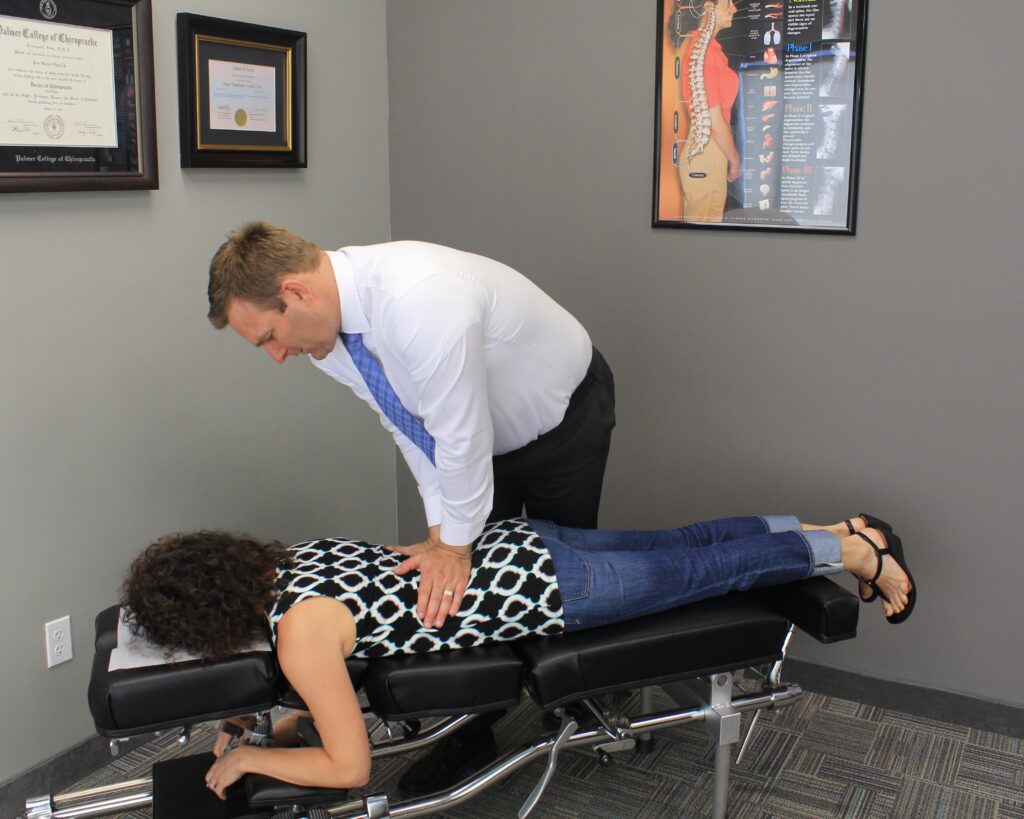
As a local chiropractor, I want to emphasize the significant role posture techniques play in managing back pain. Many of my patients have found that making simple ergonomic adjustments in their workspaces can lead to noticeable relief from discomfort. However, it's also essential to consider other approaches such as mindful body awareness and yoga. Each of these techniques offers distinct benefits that can complement chiropractic care.
Understanding how these methods compare and how they can work together can empower you to find the most effective strategy for your back pain management. As you explore these options, you may discover valuable insights that can truly transform your experience and improve your overall well-being. My goal is to guide you on your journey to better health through natural healing and informed choices.
Importance of Posture
As a local chiropractor, I want to emphasize the vital role that posture plays in your overall health and well-being. Maintaining proper posture is crucial for supporting your spine, which can significantly reduce the risk of developing back pain. When your posture is aligned correctly, your muscles and ligaments can function optimally, leading to better balance and stability. This means you're less likely to experience discomfort during everyday activities, whether you're sitting at a desk, standing, or moving around.
Many people aren't aware of the serious consequences that poor posture can bring. Slouching or leaning forward can put undue strain on your muscles, resulting in tension and aches. Over time, these issues can contribute to chronic back pain, which can severely disrupt your daily life. By being mindful of your posture and making adjustments, you can prevent these problems from escalating.
Focusing on good posture isn't just about avoiding pain; it also has several health benefits. Proper alignment allows for better breathing, as it opens up your chest and enables your lungs to expand fully. This can lead to increased energy levels, improved concentration, and even a boost in your overall mood. When you stand tall and align your body correctly, you'll not only feel better physically but also project an air of confidence.
I encourage you to be mindful of your posture throughout the day. Whether you're working at your desk, walking, or exercising, take a moment to check in with your body. Make the necessary adjustments to ensure that you're supporting your spine properly. By doing so, you're taking a proactive approach to your health and significantly reducing the risk of back pain.
Ergonomic Adjustments
As a local chiropractor, I want to emphasize the importance of making ergonomic adjustments in your workspace to enhance your comfort and minimize the risk of back pain. Many people are unaware of how their work environment can affect their overall health, so let's go through some key adjustments you can make.
First, let's talk about your chair. It's crucial that it supports your lower back properly. You should be able to rest your feet flat on the floor or on a footrest. Adjust the height of your chair so that your knees are at or slightly below hip level, ensuring your thighs are parallel to the ground. This simple change can significantly alleviate pressure on your spine.
Next, consider your desk and monitor setup. Position your monitor at eye level to avoid straining your neck. Ideally, it should be about an arm's length away, with the top of the screen at or just below eye level. This positioning helps you maintain a neutral neck posture, which is vital in preventing discomfort.
The placement of your keyboard and mouse is also essential. Keep them close enough that you don't have to reach too far, and ensure your arms are at a 90-degree angle or slightly more. It's important that your wrists remain straight; if you find them bending, using a wrist rest can provide additional support.
Remember to take regular breaks throughout your day. Stand up, stretch, or take a short walk. This movement not only promotes circulation but also helps reduce stiffness, contributing to a decrease in back pain. Even small changes, such as incorporating a standing desk or investing in an ergonomic chair, can make a noticeable difference in your comfort.
Lastly, don't overlook the significance of good lighting. Proper lighting can reduce eye strain, enabling you to maintain good posture without discomfort. By implementing these ergonomic adjustments in your workspace, you can create an environment that supports your health and well-being. This, in turn, can lead to a more productive and pain-free day.
As your chiropractor, I encourage you to take these steps seriously. Your body will thank you for it!
Mindfulness Techniques
As a chiropractor, I often see how mindfulness techniques can significantly improve the management of back pain. By integrating mindfulness into your daily life, you can cultivate a greater awareness of your body and its sensations. This heightened awareness empowers you to detect discomfort before it escalates into pain, enabling you to respond more effectively.
One effective mindfulness practice I encourage is focused breathing. When you start to feel tension in your back, take a moment to pause and engage in a few deep breaths. Inhale slowly through your nose, allowing your abdomen to expand, and then exhale gently through your mouth. This practice not only calms your mind but also aids in releasing physical tension in your muscles, which is essential for spinal health.
Another valuable technique is body scanning. I recommend lying down or sitting comfortably, and mentally working your way through your body from head to toe. Pay attention to areas where you feel tension or discomfort without judging those sensations. Acknowledge these feelings and breathe into them. This practice strengthens your mind-body connection, making you more aware of your physical state and how it affects your overall well-being.
You can also weave mindfulness into your daily activities. Whether you're walking, eating, or working, focus on the sensations and movements involved in each task. This approach can help alleviate stress and promote relaxation, both of which are crucial for reducing back pain.
Finally, I suggest exploring guided mindfulness meditation as part of your routine. Numerous apps and online resources offer sessions specifically tailored for pain management. By committing to these mindfulness techniques, you'll not only improve your ability to manage back pain but also enhance your overall health and wellness.
Yoga and Stretching
As a local chiropractor, I want to emphasize the significant role that yoga and stretching can play in alleviating back pain. These practices not only enhance flexibility but also help to strengthen your core muscles, which are vital for maintaining a healthy spine.
By integrating yoga and stretching into your daily routine, you can improve your posture and promote overall well-being.
Let's delve into some effective stretching techniques that can benefit your back health, as well as the various advantages that yoga can provide. These methods can complement chiropractic care by enhancing your body's natural healing processes and supporting your journey towards a pain-free life.
Benefits of Yoga
As a chiropractor dedicated to helping patients find relief from back pain, I often recommend exploring various holistic approaches, with yoga being a standout option. Integrating yoga into your daily routine can provide a multitude of benefits not just for your back pain, but for your overall health and well-being.
Here are some key advantages of practicing yoga that I encourage my patients to consider:
- Improved Flexibility: Engaging in regular yoga helps stretch and strengthen the muscles that support your spine. This increase in flexibility can significantly reduce stiffness and discomfort in your back.
- Enhanced Posture: Yoga promotes awareness of body alignment, which can lead to better posture habits. By cultivating proper alignment, you can alleviate unnecessary strain on your back, helping to prevent pain from recurring.
- Stress Reduction: Many of my patients find that the mindful breathing and relaxation techniques inherent in yoga can effectively lower stress levels. Since stress often leads to muscle tension and pain, incorporating these techniques can be a valuable part of your healing journey.
With consistent practice, you may notice a marked improvement in your back pain, alongside a greater sense of balance and tranquility.
Yoga is accessible for all levels, whether you're a beginner or have some experience. I encourage you to roll out your mat and explore how yoga can be a powerful tool in achieving a healthier, pain-free back.
It's a wonderful complement to chiropractic care and natural healing methods I often recommend.
Effective Stretching Techniques
As a local chiropractor, I understand that many of you may be unfamiliar with the benefits of chiropractic care and natural healing. One of the effective ways to manage back pain is through the incorporation of stretching techniques into your daily routine. Stretching not only helps alleviate tension in your back muscles but also improves flexibility and enhances blood circulation, which are essential for overall spinal health.
A great starting point is the Cat-Cow pose, a gentle yoga stretch that promotes spinal flexibility and releases tightness. This simple move can be performed daily and is particularly beneficial for those of you experiencing discomfort.
Another stretch I often recommend is the Child's Pose. To perform this, kneel on the floor, sit back on your heels, and extend your arms forward while lowering your torso. This position not only stretches the lower back but also promotes relaxation throughout the entire body, making it an excellent addition to your pain management routine.
You may also find the Piriformis stretch helpful. To do this, lie on your back, cross one leg over the other, and gently pull the knee toward your chest. This stretch targets the muscles in your hips and lower back, providing relief for many patients.
Consistency is key when it comes to stretching. I encourage you to incorporate these stretches into your daily routine, even if it's just for a few minutes.
Always listen to your body and remember that stretching should provide relief, not pain. By integrating these techniques into your life, you may experience a reduction in back pain and an overall improvement in your well-being.
If you have any questions or need guidance on your journey to better spinal health, feel free to reach out.
Strengthening Exercises
As a local chiropractor, I want to emphasize the importance of incorporating strengthening exercises into your daily routine to effectively manage back pain.
Many people are unaware that focusing on core stability, resistance training, and improving flexibility can significantly enhance your overall mobility and well-being.
By building strength in these key areas, you're not only supporting your spine but also helping to alleviate discomfort that may be affecting your daily life.
It's crucial to understand that these exercises work in harmony with chiropractic care, promoting natural healing and long-term relief from pain.
Core Stability Exercises
As a local chiropractor, I want to share the importance of core stability exercises in managing back pain and improving your overall posture. Many individuals may not realize that the muscles supporting your spine play a crucial role in maintaining balance and stability during everyday activities.
By integrating core stability exercises into your daily routine, you can significantly alleviate discomfort and enhance your posture naturally.
Here are three core stability exercises I recommend for my patients:
- Plank: This exercise activates your entire core. Start in a push-up position, making sure your body is straight from head to heels. Aim to hold this position for 20-30 seconds, gradually extending the duration as your strength increases. This will help reinforce your spinal support.
- Bird-Dog: Begin on all fours, with your hands directly beneath your shoulders and knees under your hips. Extend your right arm forward while simultaneously stretching your left leg back. Hold for a few seconds, then return to the starting position and switch sides. This exercise not only strengthens your core but also improves balance and coordination—key elements in preventing injuries.
- Pelvic Tilts: Lie on your back with your knees bent and feet flat on the floor. Gently flatten your lower back against the floor by tilting your pelvis upward. Hold this position for a few seconds, then relax. This simple yet effective move helps strengthen your lower back and abdominal muscles, which are essential for maintaining spinal health.
Incorporate these exercises into your routine to enhance your core strength, reduce back pain, and improve your posture.
Resistance Training Benefits
As a local chiropractor, I want to share with you the incredible benefits of resistance training for your body, particularly when it comes to spinal health. Engaging in resistance exercises isn't just about building muscle; it plays a significant role in strengthening your core stability. This is crucial for maintaining proper posture and can significantly reduce back pain.
By developing strength in your back, abdomen, and surrounding muscles, you create a robust framework that alleviates strain on your spine.
Resistance training also enhances your overall functional strength, making daily activities like lifting groceries, climbing stairs, or standing for long periods much easier and less taxing on your body. With stronger muscles, you'll experience improved endurance, allowing you to maintain good posture throughout the day without feeling fatigued.
Furthermore, incorporating resistance training into your routine can enhance your balance and coordination, which is essential for preventing injuries from falls or awkward movements. As you become stronger, you'll likely notice a boost in your confidence regarding your physical abilities, which can have a positive effect on your mental well-being.
At our chiropractic practice, we advocate for the integration of resistance training as part of a holistic approach to health. Not only does it support your back health, but it also contributes to a more resilient and capable body overall.
Flexibility and Mobility
As your local chiropractor, I want to emphasize the crucial role that flexibility and mobility play in managing back pain and enhancing your overall physical function.
While many people are familiar with the benefits of resistance training, integrating stretching and mobility exercises into your daily routine is equally important. These practices not only help improve your range of motion but also alleviate muscle tension and promote proper posture, leading to significant relief from discomfort and a lower risk of future injuries.
To help you get started on this journey towards better flexibility and mobility, I recommend focusing on these three key areas:
- Dynamic stretches: Before any workout, it's beneficial to incorporate movements that warm up your muscles. Simple exercises like arm circles and leg swings can prepare your body for activity.
- Static stretches: After your workouts, spend time holding stretches for major muscle groups, such as the hamstrings and hip flexors. This is essential for improving flexibility and allowing your muscles to recover effectively.
- Mobility drills: Engaging in exercises like hip circles and thoracic spine rotations is vital for enhancing joint mobility. These movements promote better movement patterns, which can contribute to a healthier spine and overall well-being.
By incorporating these practices into your routine, you'll not only support your chiropractic care but also take proactive steps towards a healthier, pain-free life.
If you have any questions or need guidance on specific exercises, please feel free to reach out during your next visit.
Chiropractic Care
As a local chiropractor, I want to take a moment to explain how chiropractic care can be an effective solution for managing back pain and improving your overall well-being. Many people are unfamiliar with what we do, so let me break it down for you.
Chiropractic care is a targeted approach that focuses on the alignment of your spine and musculoskeletal system. By examining your body's structure, I can help identify the root causes of your discomfort. Through hands-on spinal manipulation and various manual techniques, I work to improve your body's alignment, which can alleviate tension and enhance your range of motion.
During your initial visit, I'll conduct a thorough assessment of your posture, flexibility, and any specific areas where you're experiencing pain. Based on my findings, we'll create a personalized treatment plan tailored to your needs. This plan may include spinal adjustments, specific exercises, and lifestyle recommendations designed to promote healing and prevent future issues.
You might experience immediate relief following an adjustment, as it helps relieve pressure on your nerves and reduce inflammation. However, it's important to attend follow-up visits to ensure lasting benefits and continued improvement.
In addition to spinal adjustments, I may incorporate therapeutic modalities such as heat therapy or electrical stimulation to complement your treatment. I also provide guidance on ergonomics and posture correction to help you maintain proper alignment throughout your daily activities.
This proactive approach is instrumental in preventing future pain episodes and enhancing your overall health. Chiropractic care not only addresses your current back pain but also equips you with the knowledge and tools to manage your posture effectively.
Pilates for Posture
As a local chiropractor, I want to share with you the incredible benefits of Pilates for improving posture and alleviating back pain. This practice involves dynamic movements and mindful engagement, making it a powerful tool for enhancing your overall well-being.
By focusing on core strength, flexibility, and body awareness, Pilates can help you not only improve your posture but also build a solid foundation for your health.
When you participate in Pilates, you can expect several key benefits that support better posture:
- Core Strength: Strengthening your core muscles is essential for stabilizing your spine and pelvis, which can significantly reduce strain on your back.
- Flexibility: Increased flexibility allows for a greater range of motion, making it easier to maintain proper alignment during daily activities and reducing the risk of injury.
- Body Awareness: Pilates encourages you to listen to your body, fostering a greater understanding of how your posture impacts your overall health.
Incorporating Pilates into your routine can be transformative for managing back pain and enhancing your posture. Many classes target specific exercises aimed at strengthening the muscles that support your spine, including the abdominals, back, and pelvic floor.
Even practicing at home can lead to significant improvements.
As you explore Pilates, remember that consistency is essential. The more regularly you practice, the more pronounced the positive effects on your posture and back health will be.
So, roll out that mat and embark on your journey toward better posture today! If you have any questions about how Pilates can complement your chiropractic care or have any concerns about your posture and back health, feel free to reach out to me.
I'm here to help you on your path to natural healing and wellness.
Lifestyle Modifications
As a local chiropractor, I want to share how simple lifestyle modifications can significantly alleviate your back pain and enhance your overall posture. It all starts with evaluating your daily habits. If you find yourself sitting for extended periods, consider investing in an ergonomic chair. This type of chair is designed to support your lower back, helping to maintain a healthy spine alignment.
It's also crucial to adjust your workspace. Ensure that your computer screen is at eye level; this minor adjustment can help you maintain a neutral spine position, reducing strain on your back.
Incorporating regular physical activity into your daily routine is essential for your spine health. Aim for at least 30 minutes of moderate exercise most days. Activities like walking, swimming, or cycling not only strengthen your core muscles but also improve flexibility, both of which can help alleviate back pain.
Don't overlook the importance of stretching, especially for your hamstrings and hip flexors; tight muscles in these areas can lead to poor posture.
Footwear is another important consideration. Supportive shoes can greatly impact your spine health. High heels and flat shoes lacking arch support can cause misalignment and discomfort. Choose shoes that promote a natural foot position to support your overall posture.
Mindfulness in your daily activities is key. When lifting objects, always remember to bend at your knees and keep the load close to your body. This technique protects your back from unnecessary strain.
Additionally, good sleeping habits are vital; using a supportive mattress and pillow can enhance your posture while you sleep.
Lastly, managing stress is crucial, as it can lead to muscle tension and exacerbate back pain. Techniques such as yoga or meditation can be beneficial for relaxation.
Conclusion
As a chiropractor, I want to share how a combination of posture techniques can significantly aid in managing your back pain. By making ergonomic adjustments to your workspace and daily routines, you can create a supportive environment for your spine. Additionally, incorporating mindfulness practices can help you develop awareness of your posture throughout the day.
Engaging in activities such as yoga and Pilates can further enhance your spinal health and overall well-being. These practices promote flexibility, strength, and balance, which are essential for a healthy back. It's also crucial to focus on strengthening your core muscles, as they play a vital role in supporting your spine.
Don't forget that chiropractic care itself can provide added support and relief. Regular adjustments can help align your spine and reduce discomfort. By adopting these strategies, you can alleviate tension and work towards lasting relief from back pain. Start implementing these changes today, and together we can pave the way to a healthier, pain-free back.