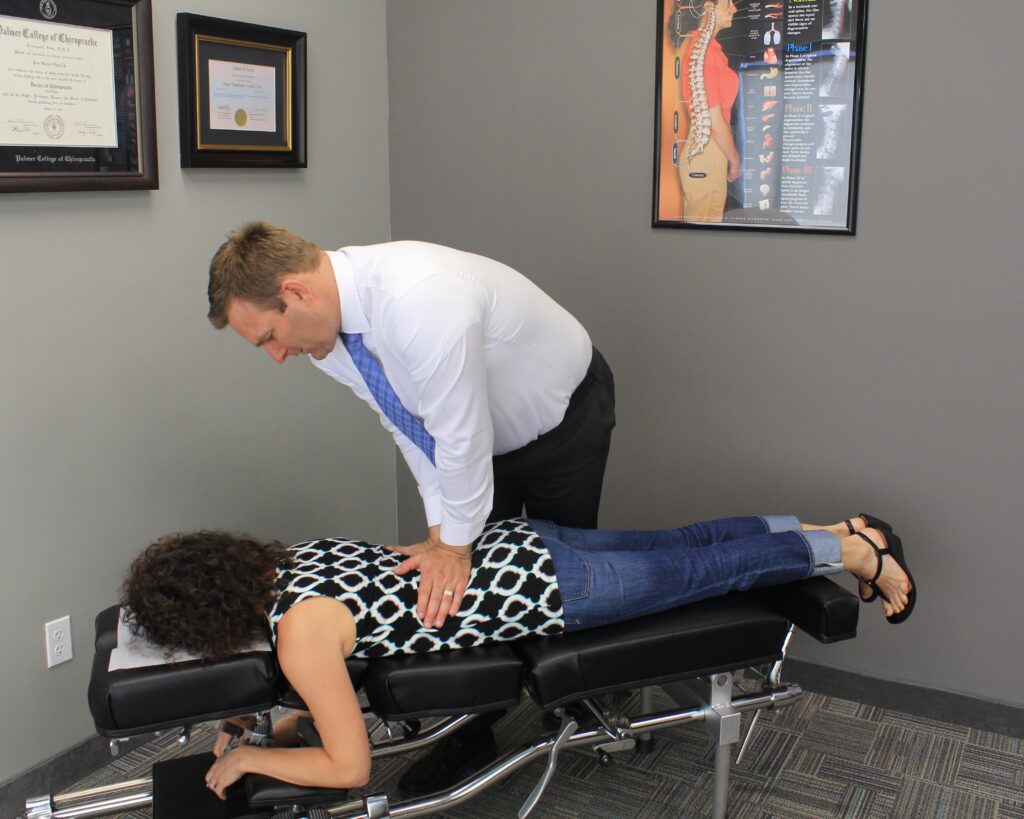
As a chiropractor, I often hear patients wondering if simple changes to their daily routines can truly help alleviate ongoing pain. It's a valid question and one that deserves attention. Research shows that incorporating mindful practices, gentle movements, and even adjustments to your diet can significantly enhance your overall comfort levels.
So, what specific changes can you make that will be most effective in addressing your unique pain experience? Each individual's situation is different, but there are practical steps we can explore together.
For instance, integrating stretching and strengthening exercises can improve flexibility and support your spine. Mindfulness techniques, such as deep breathing or meditation, can help reduce stress and tension in your body.
Additionally, paying attention to your diet can also play a role in managing pain. Certain foods have anti-inflammatory properties that may help reduce discomfort.
By considering these adjustments, we can work towards a more manageable relationship with your pain. I'm here to guide you through this journey, providing you with the knowledge and support needed to find relief naturally.
Let's take the first steps together towards a healthier, more comfortable you.
Understanding Chronic Pain
Understanding chronic pain is essential, especially when considering the holistic approach of chiropractic care. It's important to recognize that chronic pain is not merely a symptom; it's a multifaceted condition that can significantly impact your day-to-day life. Many of my patients report persistent discomfort that lingers long after an injury or surgery, affecting their routines and emotional well-being. This pain can originate from various sources, including past traumas or underlying health issues, and often does not respond well to conventional pain relief methods.
As a chiropractor, I want you to understand the connection between chronic pain and both your physical and mental health. The ongoing nature of discomfort can lead to feelings of frustration, anxiety, or even depression. It's not just about the pain itself; it's the way it limits your ability to engage in activities, connect with loved ones, and enjoy life to the fullest. Many patients find that even simple tasks become daunting, which can lead to feelings of helplessness.
Additionally, the body's response to pain can complicate the situation further. Chronic pain can alter how your nervous system processes pain signals, leading to increased sensitivity. This heightened sensitivity can trap you in a cycle where pain discourages movement, and inactivity, in turn, exacerbates the pain. Recognizing this cycle is crucial for effectively managing your chronic pain.
While you may not have control over the pain itself, understanding its complexities empowers you to explore natural healing options. As your chiropractor, I'm here to guide you in seeking appropriate treatments and coping strategies. This may include chiropractic adjustments, physical therapy, or other holistic therapies tailored to your needs. Remember, you are not alone on this journey. Together, we can work towards better pain management and improved quality of life through natural healing methods.
The Role of Routine
As your local chiropractor, I want to emphasize the importance of establishing a consistent routine for effective pain management. By incorporating daily movement practices and mindfulness techniques into your life, you can become more attuned to your body's needs. These practices not only help alleviate discomfort but also empower you with a greater sense of control over your pain. Making these adjustments a regular part of your day can significantly enhance your overall well-being and support the natural healing processes of your body. Embracing this holistic approach can lead to lasting relief and a healthier lifestyle.
Daily Movement Practices
As a local chiropractor, I want to emphasize the importance of incorporating daily movement practices into your routine for effective pain relief. Engaging in regular physical activity is essential for maintaining strong and flexible muscles, which can significantly reduce stiffness and discomfort. You don't have to dive into an intense workout; even simple activities such as stretching, walking, or gentle yoga can yield remarkable benefits.
I recommend setting aside a specific time each day to dedicate to these movements. Consistency is crucial, as it helps to establish a healthy habit. You may notice that even short bursts of movement throughout your day can not only alleviate pain but also boost your overall mood. Always listen to your body and adjust your movements to what feels best for you.
As you become more accustomed to these daily practices, you might stumble upon new activities that you genuinely enjoy, which will make it easier to stay committed. Remember, the aim is to move in ways that feel good and support your body's natural healing processes. Over time, these daily movement practices can lead to lasting benefits, helping you manage pain more effectively while enhancing your overall quality of life. Embracing this approach can complement the care I provide and empower you on your journey to better health.
Mindfulness and Pain Management
As a chiropractor, I understand that managing pain can be a challenging journey, and incorporating mindfulness into your routine can truly enhance your healing process. Mindfulness helps you develop a deeper awareness of your body and its sensations, which can empower you to respond to pain more effectively. Here are some essential elements to consider when integrating mindfulness into your pain management approach:
- Breathing Exercises: Concentrating on your breath can help ground you and alleviate tension within your body, making it easier to manage discomfort.
- Body Scans: Take time to regularly check in with different areas of your body. This practice can help you identify and acknowledge any discomfort, allowing for a more informed response to it.
- Meditation: Dedicating a few minutes each day to meditation can improve your mental clarity and emotional resilience, creating a stronger foundation for dealing with pain.
- Gratitude Journaling: Writing down the things you are thankful for can shift your focus away from pain and foster a more positive mindset, which is crucial for healing.
- Mindful Movement: Gentle activities such as yoga or tai chi can help you connect with your body, promoting flexibility and reducing tension, which is vital for pain relief.
Gentle Movement Practices
As a local chiropractor, I want to introduce you to the transformative power of gentle movement practices for pain relief. Many of my patients discover that incorporating activities such as yoga, tai chi, or even simple stretching into their daily lives can significantly enhance their physical and mental well-being. These practices are centered around slow, intentional movements that promote flexibility, strength, and relaxation, ultimately helping to alleviate tension and discomfort.
When you engage in gentle movement, it's not just about improving your physical health; it's also a vital component of nurturing your mental well-being. The rhythmic flow of your movements fosters a deeper connection with your body, enhancing your awareness and control. This connection is crucial for managing pain effectively, as it encourages you to tune in to your body's signals and respond in a way that supports your healing.
You don't need to dedicate extensive time to experience the benefits of gentle movement. Even a few minutes of focused movement throughout your day can yield positive results. I often recommend setting aside just 5-10 minutes for gentle stretches or specific poses that resonate with you. You may be surprised at how these small, consistent efforts can lead to significant improvements over time.
It's important to approach this journey with patience. Progress may take time, but consistency is essential. As you integrate these gentle movement practices into your routine, you may notice a decrease in pain and an increase in overall mobility. By embracing these practices, you empower yourself to take an active role in your pain management journey, paving the way for a more comfortable and fulfilling life. Remember, I'm here to support you every step of the way in your healing process.
Mindful Eating Habits
As a local chiropractor, I want to emphasize the importance of mindful eating habits as part of a holistic approach to your health and well-being. By being intentional about what and how you eat, you can cultivate a stronger connection with your food, which often leads to better nutritional choices and improved digestion—both of which can positively impact your spinal health and overall body function.
Mindful eating isn't just about nourishment; it's also a practice that can enhance your body's response to treatment and recovery. Here are some essential principles to help you incorporate mindful eating into your daily routine:
- Slow down: When you take your time to eat, you allow your body to properly digest and absorb nutrients. Chewing your food thoroughly not only makes it more enjoyable but also aids in the digestive process, which is crucial for overall health.
- Eliminate distractions: Create a serene environment during mealtime. By putting away your phone and turning off the TV, you can focus fully on your meal, leading to a more satisfying and aware eating experience.
- Listen to your body: Tune into your body's hunger and fullness cues. Eating when you're genuinely hungry and stopping when you're satisfied can help maintain a healthy weight and prevent digestive issues, which are important for spinal alignment.
- Focus on your food: Take a moment to appreciate the colors, aromas, and textures of your meal. This heightened awareness not only makes your meals more enjoyable but also encourages healthier choices, which can support your chiropractic care.
- Reflect on your choices: Consider how the foods you consume affect your body and mood. Being mindful of these connections can guide you towards making healthier decisions that complement your chiropractic treatment and enhance your overall wellness.
Sleep Hygiene Improvements
As a local chiropractor, I want to emphasize the importance of quality sleep for your overall health and well-being, especially in relation to pain management and recovery. Many of my patients are surprised to learn that improving your sleep hygiene can significantly enhance the quality of your sleep, allowing your body to heal and manage pain more effectively.
To start, I recommend establishing a consistent sleep schedule. Going to bed and waking up at the same time every day—yes, even on weekends—helps regulate your body's internal clock. This routine can lead to improved sleep quality, which is crucial for your recovery process.
Creating a calming bedtime ritual is also beneficial. Engaging in relaxing activities, such as reading a book, practicing gentle stretches, or enjoying a warm bath, can signal to your body that it's time to wind down. This can be particularly helpful for anyone experiencing chronic pain, as it prepares your body for restorative sleep.
Your sleep environment is another critical factor in achieving good sleep hygiene. Make sure your bedroom is dark, quiet, and cool. Consider using blackout curtains, earplugs, or a white noise machine to minimize disturbances that could interrupt your rest. Additionally, investing in a comfortable mattress and pillows can make a significant difference in how well you sleep, directly impacting your pain management.
It's also wise to limit your exposure to screens at least an hour before bedtime. The blue light emitted by phones, tablets, and TVs can interfere with your body's natural ability to fall asleep. Instead, choose calming activities that do not involve screens, which will help promote a more restful state.
Lastly, pay attention to your diet and caffeine intake as they can greatly influence your sleep patterns. Avoid heavy meals, caffeine, and alcohol close to bedtime, as these can disrupt your ability to fall asleep and stay asleep.
Stress Management Techniques
As a local chiropractor, I want to emphasize how crucial it is to manage stress for your overall well-being and its significant impact on your pain levels. Many patients may not realize that stress can manifest physically, leading to discomfort and tension in the body. Techniques such as mindfulness, meditation, and breathing exercises can be incredibly effective in helping you regain control and find a sense of calm amidst life's challenges.
Incorporating regular physical activity into your routine is another key element in reducing stress. Not only does it boost your mood, but it also enhances your body's ability to cope with daily challenges and reduces pain. Remember, chiropractic care is not just about adjusting the spine; it's about promoting a holistic approach to health that includes managing stress and improving your overall lifestyle. Let's work together to create a personalized plan that addresses your unique needs and helps you thrive.
Mindfulness and Meditation
As a local chiropractor, I want to share how mindfulness and meditation can be valuable tools in your journey toward pain relief. When stress levels rise, these practices can support your overall well-being by helping you stay grounded in the present moment. By fostering a mindful approach, you can lighten the emotional and physical weight that often accompanies persistent pain. This awareness allows you to respond to discomfort in a more thoughtful and calm manner.
Here are several ways mindfulness and meditation can positively impact your health:
- Reduces stress: Regular mindfulness and meditation practices can lower cortisol levels, enabling you to handle stress more effectively, which is crucial for spinal health.
- Enhances awareness: By practicing mindfulness, you become more in tune with your body's signals, helping you identify what might trigger your pain.
- Improves emotional regulation: Mindfulness teaches you to approach pain with a balanced mindset, rather than reacting out of frustration or fear.
- Promotes relaxation: Meditation engages your body's natural relaxation response, which can alleviate muscle tension and support your chiropractic adjustments.
- Encourages self-compassion: You'll learn to be kinder to yourself, which can significantly alleviate the mental strain that often accompanies chronic pain.
Incorporating mindfulness and meditation into your routine can complement the chiropractic care you receive, enhancing your overall healing experience.
Breathing Exercises
As a local chiropractor, I want to share with you the incredible benefits of breathing exercises for managing stress and enhancing your overall well-being. Many people don't realize that by simply focusing on your breath, you can activate your body's natural relaxation response, which can help alleviate tension and discomfort often associated with musculoskeletal issues.
You don't need any special equipment or a lot of time to get started; just a few minutes each day can significantly improve your mental and physical health. Find a quiet space where you can sit or lie down comfortably. Close your eyes and take a deep breath in through your nose, allowing your abdomen to expand fully. Hold this breath for a few seconds, then slowly exhale through your mouth. Pay attention to the sensation of your breath entering and leaving your body. Repeat this process several times, gradually lengthening your inhales and exhales.
You might also want to try different techniques, such as the 4-7-8 method, where you inhale for four counts, hold for seven, and exhale for eight. These exercises can complement your chiropractic care by helping to reduce stress and promote relaxation, which is vital for your healing process. By incorporating breathing exercises into your daily routine, you may find a greater sense of calm and improved pain management, leading to a more balanced life. Remember, your health is not just about spinal adjustments; it's about nurturing your entire well-being!
Physical Activity Benefits
As a local chiropractor dedicated to promoting natural healing, I want to emphasize how incorporating physical activity into your daily routine can significantly improve your ability to manage stress. Regular exercise not only elevates your mood but also enhances your body's capacity to cope with pain. When you engage in physical activity, your body produces endorphins—often referred to as nature's painkillers—which can help ease discomfort and diminish stress levels.
Here are some specific benefits of physical activity that I encourage you to consider for effective stress management:
- Improved Mood: Exercise stimulates the release of endorphins, which can elevate your spirits and create a sense of well-being.
- Increased Energy: Engaging in regular physical activity enhances your stamina, making everyday tasks feel more manageable.
- Better Sleep: Incorporating exercise into your routine can facilitate quicker sleep onset and promote deeper, more restorative sleep.
- Enhanced Focus: Physical activity has been shown to sharpen your concentration and improve cognitive function, making it easier to tackle daily challenges.
- Social Interaction: Participating in fitness classes or group activities fosters social connections, helping to alleviate feelings of loneliness and isolation.
As we discuss your health and wellness journey, remember that combining chiropractic care with regular physical activity can lead to a holistic approach to managing stress and improving your overall well-being.
Hydration and Its Impact
As a local chiropractor, I want to emphasize the critical role proper hydration plays in managing pain and enhancing your overall well-being. When you keep your body well-hydrated, it operates more efficiently, and this can significantly influence how you perceive and experience pain. Water is essential as it helps transport nutrients, lubricate your joints, and cushion your tissues, all of which are key in preventing discomfort.
Many of my patients may not realize that even mild dehydration can lead to symptoms like fatigue, irritability, and difficulty concentrating. These factors can heighten your perception of pain. By staying hydrated, you can maintain your energy levels and improve your mood, both of which are crucial in how you cope with any pain you might be experiencing. I encourage you to drink adequate amounts of water throughout the day, particularly if you are physically active or live in a warmer climate.
It's also important to consider the types of fluids you consume. While water is the best choice for hydration, incorporating hydrating foods such as fruits and vegetables can provide additional benefits. Foods like watermelon, cucumbers, and oranges not only keep you hydrated but also supply essential vitamins and minerals that support your body's natural healing processes. Remember, hydration is a simple yet powerful tool in your journey towards better health and pain management.
Social Connections and Support
As a local chiropractor, I want to emphasize that while staying hydrated is crucial in managing pain, the importance of social connections and support should not be underestimated. When you're facing ongoing pain, having a robust support system can significantly influence both your emotional and physical well-being. It's not merely about having someone to talk to; it's about cultivating relationships that can uplift and motivate you during difficult times.
Here are some key benefits of nurturing social connections:
- Emotional Support: Sharing what you're going through can ease your emotional burden and help you feel understood, which is vital for healing.
- Practical Assistance: Friends and family can assist with daily activities, reducing stress and physical strain on your body, allowing you to focus on recovery.
- Motivation: Encouragement from loved ones can inspire you to remain active and stick to pain-relief routines, which is essential for your overall health.
- Shared Experiences: Connecting with others who have similar pain experiences can alleviate feelings of isolation and foster a sense of community.
- Positive Distraction: Engaging with others can elevate your mood and divert your attention from discomfort, aiding in your healing journey.
It's important to actively nurture these relationships. Whether through a quick phone call, meeting for coffee, or participating in a support group, make an effort to reach out. Building strong social connections not only enhances your emotional health but can also complement your overall pain management strategy. Remember, you don't have to navigate your pain alone; the right support network can make a significant difference in your healing process.
Tracking Progress and Adjustments
As a local chiropractor, I want to emphasize the importance of tracking your progress in pain management, particularly when exploring chiropractic care and natural healing methods. Understanding your symptoms and their triggers is vital for discovering what treatments work best for you. By monitoring your pain levels and daily activities, you can gain valuable insights into your body's responses and how to improve your condition.
To get started, I recommend keeping a daily journal or using an app to log your pain intensity, the activities you engage in, and any chiropractic adjustments or natural treatments you are trying. This practice will help you identify what alleviates your discomfort and what might be contributing to it.
As you gather this information, take time to review it regularly. Look for connections between specific exercises, dietary choices, or chiropractic techniques and your pain levels. You may find that certain stretches or adjustments help ease your pain, or that certain foods might be aggravating your condition. This knowledge is crucial for tailoring your pain management approach to your individual needs.
I encourage you to share your findings with me during our sessions. Together, we can analyze your data and make informed decisions about your treatment plan. Remember, pain management is not a one-size-fits-all solution; what alleviates discomfort for one person may not necessarily work for another.
Be prepared for a bit of trial and error as we work to find the right routine for you. While consistency in your care is important, so is the ability to adapt your approach as needed. If something isn't providing the relief you hoped for, we can explore alternative strategies together. Tracking your progress not only empowers you but also enhances your overall well-being and quality of life as you navigate your pain management journey with chiropractic care.
Conclusion
As a local chiropractor, I want to share how incorporating routine adjustments into your daily life can significantly help in managing ongoing pain. By embracing gentle movements, practicing mindful eating, and improving your sleep hygiene, you can take proactive steps toward managing your discomfort.
Don't overlook the importance of maintaining social connections and employing stress management techniques—they play a crucial role in your overall well-being. As you begin to track your progress and make adjustments, you may discover a clearer path to relief from pain.
I encourage you to start today and take control of your pain management journey with the support of chiropractic care and natural healing methods. Together, we can work towards a healthier, more comfortable you!