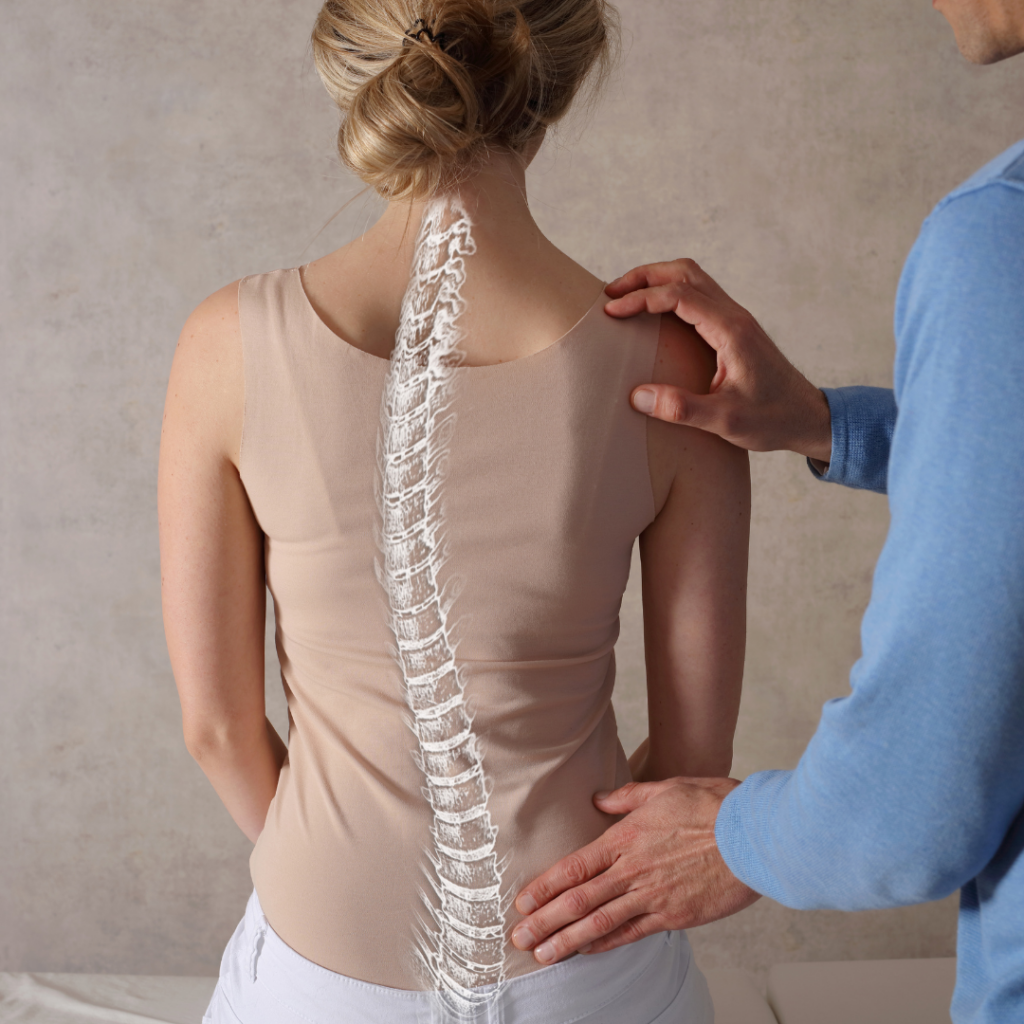
As a local chiropractor dedicated to helping my patients recover from sports injuries, I want to shed light on the various therapy techniques that can significantly enhance your healing process. Many individuals may be unfamiliar with the incredible benefits of chiropractic care and natural healing methods.
Incorporating foundational techniques like the RICE protocol—Rest, Ice, Compression, and Elevation—alongside chiropractic adjustments and massage therapy can greatly reduce recovery time and improve your overall performance.
But have you considered the advantages of additional therapies such as cryotherapy or acupuncture? These methods can complement your recovery journey, promoting healing and alleviating pain.
Understanding how these therapies work together is crucial not just for getting you back in the game, but for doing so with renewed strength and resilience.
I invite you to explore these options with me, as we aim to optimize your recovery and enhance your athletic performance through natural, holistic approaches.
Let's work together to get you back to doing what you love!
Importance of Recovery Techniques
As a local chiropractor, I want to emphasize the vital role that recovery techniques play, especially for those of you who may not be familiar with the healing process after an injury. When you engage in physical activities, sometimes your body can experience strains or injuries. It's crucial to understand that proper recovery is not just about resting; it's about employing effective techniques that can help you heal and regain optimal performance.
One of the key benefits of recovery techniques is that they promote healing. Simple methods like rest, ice, compression, and elevation (often referred to as RICE) can significantly reduce swelling and pain. This allows your body to focus on the recovery process without unnecessary discomfort. Moreover, maintaining flexibility and mobility in the affected area is essential. Techniques like chiropractic adjustments and therapeutic exercises can help prevent stiffness, ensuring that you're ready to perform at your best when you return to your activities.
Additionally, let's not overlook the mental aspect of recovery. Engaging in restorative practices such as gentle stretching or relaxation exercises can help you stay in tune with your body. This connection can alleviate anxiety about returning to your sport or physical activities. Taking the time to recuperate prepares you not just physically, but mentally, giving you the confidence to get back to what you love.
Regularly incorporating recovery techniques into your routine can enhance your overall performance. By committing to proper recovery, you build resilience in your body and minimize the risk of future injuries. This proactive approach allows you to train more effectively, knowing that you've taken the necessary steps to care for your body.
Physical Therapy Essentials
When you're healing from a sports injury, it's crucial to understand the fundamentals of chiropractic care and natural healing. It all begins with a comprehensive evaluation and diagnosis, which enables us to create a personalized treatment plan specifically designed for your recovery. From that point, you'll participate in targeted rehabilitation exercises and techniques that promote healing and enhance your overall well-being. Embracing chiropractic care can not only help alleviate pain but also support your body's natural ability to heal itself, getting you back to your sport as quickly and safely as possible.
Assessment and Diagnosis
Understanding and accurately evaluating a sports injury is essential for effective healing and recovery. When you come to see me, a local chiropractor, the first step is a comprehensive assessment to uncover the nature and severity of your injury. We'll start with an in-depth conversation about your symptoms—when they began, how they impact your performance, and any other relevant details.
After that, I will conduct a thorough physical examination. This involves checking for swelling, tenderness, and assessing your range of motion. These assessments allow me to gain insights into the specific characteristics of the injury you're facing. I may also utilize special tests to evaluate strength, stability, and functionality in the affected area. This helps us identify the root cause of your pain and informs the personalized treatment plan we'll develop together.
In some cases, if the injury is more complex or requires further investigation, I may recommend imaging techniques such as X-rays or MRIs. Gathering all this information is crucial for making an accurate diagnosis, which is the foundation for effective treatment. My goal is to ensure that we are not just addressing your symptoms but also targeting the underlying issues. This focused approach is vital for setting you up for a successful recovery and a smooth return to your sport, all while utilizing the natural healing methods that chiropractic care offers.
Customized Treatment Plans
As a local chiropractor, I want to emphasize the importance of creating a customized treatment plan for your recovery journey after a sports injury. It's crucial to tailor your rehabilitation approach to your specific needs in order to enhance your healing process and help you return to your sport effectively. Here's how a personalized plan can benefit you:
- Comprehensive Assessment: We start with a thorough evaluation of your injury and overall physical condition. This allows us to pinpoint the exact nature of your issue and develop a targeted approach that addresses your unique needs.
- Setting Achievable Goals: With a customized plan, we can establish realistic milestones based on your current capabilities and what you aim to achieve. This keeps you motivated and focused throughout your recovery journey.
- Incorporating Your Preferences: Your treatment plan can include techniques that you are comfortable with, whether it's chiropractic adjustments, soft tissue therapy, or other natural healing methods. This ensures that you remain engaged and proactive in your recovery.
- Ongoing Adjustments: As you make progress, your treatment plan can be modified to reflect your improvements and any new challenges that may arise. This adaptability ensures you are always receiving the most effective care tailored to your healing journey.
Rehabilitation Exercises and Techniques
Rehabilitation exercises and techniques are essential aspects of your recovery from a sports injury, and as a chiropractor, I want to emphasize how they can greatly aid in regaining your strength and mobility. These exercises not only assist in restoring function and alleviating pain, but they also play a critical role in preventing re-injury. Together, we can create a personalized program that caters to your unique needs, taking into account the specifics of your injury and your individual goals.
Initially, we'll start with gentle range-of-motion exercises aimed at keeping your joints flexible. As you progress through your rehabilitation journey, strength training will become a fundamental part of your recovery. I might introduce you to resistance bands and body-weight exercises designed to build muscle safely, ensuring we don't put undue stress on your injury. Additionally, incorporating balance and coordination drills will be vital, as they help stabilize the affected area and enhance your overall athletic performance.
It's important to understand that consistency is crucial in this process. Regularly engaging in your rehabilitation exercises is key to a successful recovery. I encourage you to keep track of your progress and openly communicate with me about any pain or discomfort you may encounter. Lastly, incorporating stretching into your routine will help maintain flexibility and support your overall recovery. With commitment and the right techniques, you'll find yourself returning to your favorite sport stronger and more resilient than before. Remember, natural healing is a journey, and I'm here to guide you every step of the way.
Benefits of Massage Therapy
As a local chiropractor, I want to share with you the incredible benefits of massage therapy in conjunction with chiropractic care. When you receive a massage, it effectively alleviates pain by focusing on sore muscles and areas of tension, resulting in a more comfortable recovery process. Additionally, massage therapy enhances circulation, which means that essential nutrients and oxygen are delivered to your injured tissues more efficiently. This increased blood flow significantly contributes to muscle recovery, helping you return to your activities and feel your best more quickly. Embracing natural healing methods like massage therapy can be a vital part of your overall wellness journey.
Pain Relief Mechanism
As a local chiropractor, I want to share with you the incredible benefits of massage therapy in alleviating pain and promoting recovery, especially for those who are active and may be dealing with injuries. Many of my patients have found that incorporating massage into their wellness routine can significantly enhance their overall healing process.
Here are four important ways that massage therapy contributes to pain relief:
- Reduced Muscle Tension: When we apply massage techniques to tight muscles, we help them relax. This relaxation can lead to less pain and a greater range of motion, allowing you to move more freely and comfortably.
- Endorphin Release: Massage therapy encourages your body to release endorphins, which are natural pain relievers. This not only helps to alleviate discomfort but can also lift your spirits, making you feel more positive and energized.
- Scar Tissue Management: Regular massage can effectively break down scar tissue from past injuries. This is crucial because scar tissue can lead to chronic pain and stiffness if not addressed properly.
- Stress Reduction: The calming effects of massage extend beyond the physical. By soothing both your mind and body, massage helps to lower stress levels. Since stress can intensify pain perception, managing it through massage can be a powerful tool in your recovery.
Integrating massage therapy into your recovery plan not only addresses your immediate pain but also supports your long-term health. Many of my patients have noticed a remarkable improvement in their overall well-being and athletic performance when they make consistent massage a part of their routine. If you're curious about how chiropractic care and massage therapy can work together to enhance your health, I encourage you to reach out and learn more!
Improved Circulation Benefits
As a local chiropractor, I want to emphasize the vital role that enhanced circulation plays in your recovery journey and how regular massage therapy can significantly support this process. During a massage session, your therapist works on your soft tissues, which stimulates blood flow throughout your body. This increased circulation is essential because it transports oxygen and vital nutrients directly to your injured tissues, which can greatly expedite healing.
In addition to nourishing your muscles, improved circulation helps eliminate metabolic waste products like lactic acid and other toxins that may build up after an injury or intense exercise. By facilitating a more effective detoxification process, massage therapy can help reduce inflammation and lessen muscle soreness, allowing you to feel relief more quickly.
You may also discover that better circulation enhances your flexibility and range of motion. As your muscles and joints receive the necessary nourishment, you'll likely find it easier to move and engage in your daily activities. This boost in circulation not only aids in physical recovery but can also elevate your overall sense of well-being, leaving you feeling more energized and prepared to tackle your rehabilitation.
Incorporating regular massage therapy into your recovery plan can be transformative for your body, helping you return to your favorite sports and activities more swiftly. As your chiropractor, I encourage you to consider this natural approach to healing, which complements your overall wellness journey.
Enhanced Muscle Recovery
As a local chiropractor dedicated to your overall health and well-being, I want to emphasize the importance of recovery for anyone looking to maintain peak performance, whether in sports or daily activities. One highly effective method to support your recovery is through massage therapy, which can be seamlessly integrated into your routine. Here's how it can benefit you:
- Reduced Muscle Tension: Massage therapy is excellent for alleviating tightness in your muscles. By promoting relaxation, it helps lower the risk of injuries that can occur when muscles are too tense.
- Improved Flexibility: Regular massage sessions can significantly enhance your flexibility and range of motion. This increase can lead to better performance in physical activities and a lower chance of injury.
- Faster Muscle Repair: One of the key benefits of massage is improved blood circulation. Enhanced blood flow delivers essential oxygen and nutrients to damaged tissues, which accelerates the healing process after intense training or injury.
- Pain Relief: If you've ever experienced soreness following a workout, you know how challenging it can be to stay motivated. Massage therapy can effectively relieve that discomfort, allowing you to train harder and more consistently without the lingering pain that often accompanies strenuous exercise.
Incorporating massage therapy into your recovery plan is a natural and effective way to support your body's healing process. If you have any questions or would like to learn more about how chiropractic care and massage can work together for your health, feel free to reach out!
Exploring Cryotherapy
As a local chiropractor, I want to introduce you to an innovative treatment option that can greatly benefit athletes and anyone recovering from injuries: cryotherapy. This natural healing method involves exposing the body to extremely cold temperatures for a brief period, typically in a cryo chamber or with localized ice packs. The chilling effect can significantly aid in reducing inflammation and swelling, which are common responses to injuries.
When you experience cryotherapy, the cold temperatures constrict your blood vessels, which limits blood flow to the affected area. However, once you exit the cryogenic environment, your blood vessels dilate, allowing fresh, oxygen-rich blood to flood back in. This process not only helps eliminate toxins but also accelerates the healing process. Many of my patients have reported less pain and soreness, enabling them to return to their training routines much sooner.
Moreover, athletes often describe feeling revitalized after their cryotherapy sessions. This treatment can enhance your overall mood and energy levels, making it easier to stay motivated during the recovery phase. Additionally, improved sleep quality is another benefit that is crucial for your body's healing process.
While the scientific community continues to explore the long-term effects of cryotherapy, many athletes and patients have found it to be incredibly beneficial. If you're considering incorporating cryotherapy into your recovery plan, I encourage you to consult with a healthcare professional, like myself, to ensure it aligns with your specific injury and needs. Embracing cryotherapy could be a transformative step in your journey to recovery, helping you bounce back stronger and faster. Don't hesitate to explore this exciting technique as part of your holistic approach to healing.
Understanding Electrical Stimulation
As a local chiropractor dedicated to supporting your healing journey, I want to introduce you to the benefits of electrical stimulation in injury rehabilitation. This natural technique harnesses electrical impulses to stimulate your muscles and nerves, promoting healing and alleviating pain in a way that might surprise you. Here are some key advantages to consider:
- Pain Relief: One of the standout features of electrical stimulation is its ability to disrupt the pain signals that travel to your brain. This means you can experience a more comfortable recovery, allowing you to focus on regaining your strength.
- Muscle Activation: Our bodies can sometimes struggle to maintain muscle strength during recovery, especially after an injury. Electrical stimulation encourages muscle contractions, helping to preserve your muscle health and prevent atrophy.
- Improved Circulation: By increasing blood flow to the affected area, electrical stimulation can accelerate the healing process and reduce swelling. This not only helps you feel better faster but also gets you back to doing the activities you love.
- Versatility: This technique is adaptable and can be effectively applied to a range of injuries, from sprains and strains to post-surgical rehabilitation. This makes it an invaluable addition to your recovery toolkit.
Integrating electrical stimulation into your rehabilitation plan can significantly enhance your recovery experience. Whether you're dealing with a sports injury or a chronic condition, I encourage you to discuss this option with me during your next visit. Together, we can tailor a holistic approach that meets your unique needs and priorities. Remember, your recovery is my top priority, and understanding the tools available to you is key to empowering your journey back to optimal health and performance.
Role of Acupuncture
As a local chiropractor, I want to introduce you to the incredible benefits of acupuncture as an adjunct to your recovery journey. This ancient Chinese therapy focuses on stimulating specific points on your body to foster healing and alleviate pain. If you've recently suffered from a sports injury, incorporating acupuncture into your recovery plan can significantly enhance blood flow, reduce inflammation, and expedite your healing process.
During an acupuncture session, thin needles are strategically placed in targeted areas of your body. This technique can trigger the release of endorphins, which are your body's natural painkillers. Not only do these endorphins help numb discomfort, but they also promote a sense of overall well-being. Many patients report feeling a deep sense of relaxation following their sessions, which is essential for mental recovery as well.
Acupuncture is not just about addressing immediate pain; it can also uncover and treat underlying issues that may be contributing to your injury. For example, if you are experiencing tight muscles or postural imbalances, acupuncture can help release tension and restore proper function. This holistic approach ensures that we are not only managing symptoms but also targeting the root causes of your discomfort.
As you integrate acupuncture into your recovery strategy, I encourage open communication with your practitioner. Sharing your specific concerns and the details of your injury will allow for a personalized treatment plan tailored to your unique needs. Remember, consistency is crucial in achieving lasting results, so consider scheduling regular sessions to maintain your progress and support your overall well-being.
Integrating Recovery Into Training
As a local chiropractor, I want to emphasize the importance of balancing recovery with your training, whether you're an athlete or someone who leads an active lifestyle. It's crucial not just to push your physical limits but also to integrate recovery into your routine in a way that supports your body's natural healing processes. This approach not only helps prevent injuries but also optimizes your performance in any physical activity.
Here are four effective strategies to seamlessly incorporate recovery into your training regimen:
- Active Recovery Days: Rather than opting for complete rest, consider scheduling days dedicated to low-intensity activities such as walking, gentle yoga, or light cycling. These activities promote blood circulation and aid in muscle recovery without adding undue stress on your body.
- Periodization: It's essential to structure your training plan to include phases of varying intensity alongside recovery periods. This means alternating hard training sessions with easier weeks, which allows your body to recuperate while still making progress toward your fitness goals.
- Nutrition and Hydration: Proper nutrition and hydration play a vital role in recovery. After workouts, focus on meals that are rich in protein and carbohydrates to help your muscles repair and strengthen. Staying hydrated is equally important, as it supports overall bodily functions and aids in recovery.
- Listen to Your Body: One of the most important aspects of recovery is being attuned to your body's signals. If you notice signs of excessive fatigue or discomfort, it's crucial to adjust your training load or incorporate an additional recovery session. Ignoring these signals can lead to more serious injuries and setbacks.
Conclusion
As a local chiropractor, I want to emphasize the importance of effective recovery techniques for your sports injury rehabilitation. Incorporating personalized chiropractic care can play a significant role in your healing journey. Alongside adjustments, therapies such as massage, cryotherapy, and acupuncture can enhance your recovery process and improve your overall performance.
It's vital to understand that recovery goes beyond just physical healing; it encompasses mental resilience as well. By integrating these natural therapies into your training routine, you can not only recover more quickly but also come back stronger and better prepared for your next challenge.
I encourage you to prioritize your recovery; the right combination of chiropractic care and complementary therapies can yield remarkable results. Let's work together to ensure you are on the path to optimal health and performance!