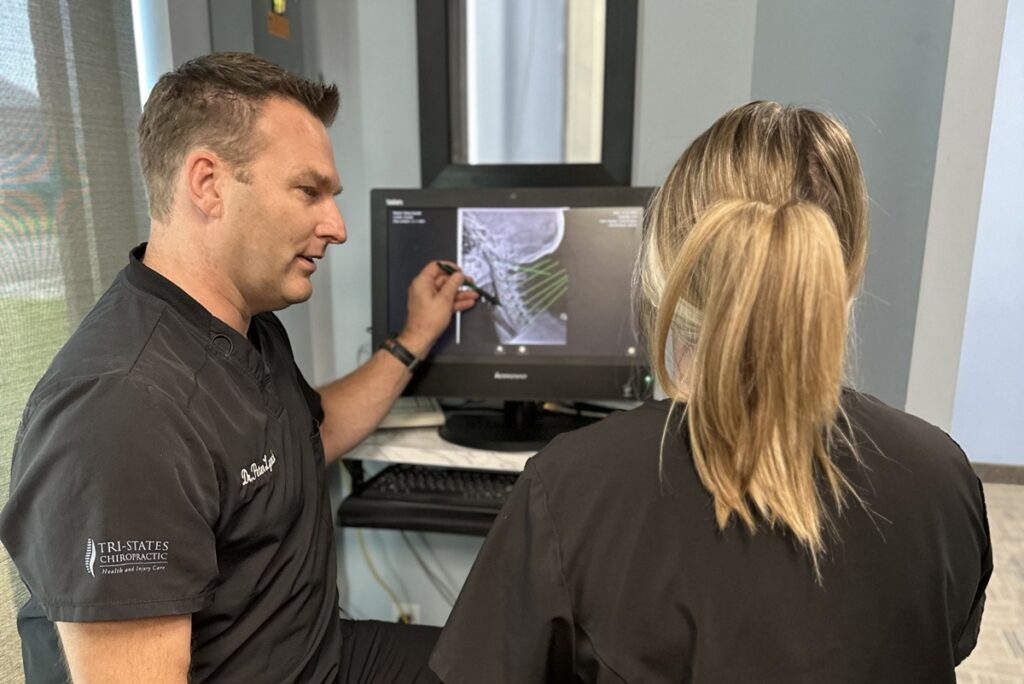
If you frequently experience headaches, know that you’re not alone. Many individuals seek natural solutions to alleviate their discomfort, and as a chiropractor, I believe that chiropractic care is one of the best ways to achieve optimal health and pain relief without relying on medications. There are several effective, natural methods you can incorporate into your daily routine to help manage and reduce the frequency of headaches.
Firstly, staying hydrated is crucial. Dehydration can lead to tension headaches, so make it a habit to drink plenty of water throughout the day.
Next, consider incorporating relaxation techniques such as deep breathing exercises or gentle stretching to ease tension in your muscles. Tight muscles in the neck and shoulders can often contribute to headaches, and chiropractic adjustments can also help relieve this tension by aligning the spine and improving overall function.
Additionally, ensure that you maintain good posture, especially if you spend long hours sitting at a desk. Poor posture can strain your neck and back, leading to headaches. Regular chiropractic visits can help improve your posture and prevent headaches from recurring.
Another helpful tip is to manage stress effectively. Activities like yoga, meditation, or simply taking time for yourself can significantly reduce stress levels, which in turn can help decrease headache occurrences.
Curious about how chiropractic care can specifically benefit you in managing headaches? Let’s explore these natural solutions further and see how they can enhance your overall well-being and quality of life. Remember, your journey to optimal health starts with understanding and caring for your spine!
Key Takeaways
- Stay hydrated by drinking at least eight 8-ounce glasses of water daily. Proper hydration supports overall health and can help prevent headaches, allowing your body to function optimally and reducing the strain on your spine and nervous system.
- Practice relaxation techniques like deep breathing and progressive muscle relaxation. These methods not only help reduce tension in your body but also promote spinal health by relieving stress and improving posture, which can be contributing factors to headache discomfort.
- Engage in regular physical activity, such as walking or yoga. These activities can help release endorphins, improve circulation, and reduce headache frequency. Furthermore, maintaining a strong and flexible spine through exercise supports overall wellness and reduces the likelihood of pain.
- Consider using essential oils, such as peppermint and lavender. These natural remedies can be applied topically or diffused to soothe headache symptoms. They can also enhance your overall relaxation, which is crucial for maintaining a healthy spine and nervous system.
- Maintain a consistent sleep routine to improve your sleep quality. Good sleep hygiene can help reduce headache triggers and improve your overall health. A well-rested body is better equipped to handle stress and maintain spinal alignment, both of which are essential for pain relief and overall wellness.
As a chiropractor, I encourage you to incorporate these natural strategies into your daily routine. They can work in harmony with chiropractic care to help you achieve optimal health and wellness, free from headaches and discomfort.
Stay Hydrated
Staying hydrated is crucial not only for your overall health but also for preventing and alleviating headaches, which many of my chiropractic patients experience. When your body is dehydrated, it can trigger headaches or exacerbate existing ones. You might be surprised to learn that even mild dehydration can lead to discomfort and pain in your head.
To keep your body functioning optimally and support your spinal health, aim to drink at least eight 8-ounce glasses of water each day. A practical tip is to carry a reusable water bottle with you; it serves as a great reminder to drink throughout the day. Listen to your body—if you start feeling thirsty, that’s your cue to hydrate!
Additionally, incorporating hydrating foods like cucumbers, oranges, and watermelon into your diet can help maintain your hydration levels. If you frequently suffer from headaches, consider keeping track of your water intake to see if there’s a connection. As you improve your hydration, you may find a noticeable decrease in the frequency and intensity of your headaches, supporting your overall wellness journey.
Remember, keeping your water levels up is a simple yet effective way to promote health, and your head (and spine) will thank you! As part of a holistic approach to health, regular chiropractic care can also play a vital role in reducing headache symptoms. By addressing any underlying spinal misalignments and promoting proper function, you can further enhance your body’s ability to manage stress and tension, which often contribute to headaches.
Embrace these hydration tips alongside your chiropractic care for a well-rounded approach to your health and wellness!
Apply Cold or Warm Compresses
Whether you’re dealing with a tension headache or a migraine, applying cold or warm compresses can be a simple yet effective way to find relief. For those pesky tension headaches, a warm compress can be especially beneficial as it helps to relax tight muscles in your neck and shoulders.
To create your own warm compress, just soak a cloth in warm water, wring it out, and place it on the affected area for about 15-20 minutes. This can promote relaxation and ease discomfort, complementing the benefits of chiropractic care.
Conversely, if you’re experiencing a migraine, cold compresses can be a great option. They work by numbing the pain and reducing inflammation.
To make a cold compress, wrap ice or a cold pack in a towel and gently apply it to your forehead or the back of your neck for 15-20 minutes. This can provide temporary relief while you work towards addressing the underlying causes of your headaches through chiropractic adjustments.
It’s important to note that everyone’s body is different, so feel free to experiment with what temperatures work best for you. Some individuals find that alternating between hot and cold compresses yields the best results. Always listen to your body and make adjustments as needed.
While these methods can provide immediate relief, they should be viewed as part of a broader approach to wellness. Chiropractic care focuses on addressing the root causes of pain and tension, promoting long-term health and well-being.
By incorporating regular chiropractic adjustments into your routine, you can help maintain a balanced spine, which is essential for reducing the frequency and intensity of headaches.
In summary, using warm and cold compresses can be a helpful tool for managing headaches, but don’t forget to complement these practices with chiropractic care for optimal health.
Remember to take care of your body, stay hydrated, and consider seeking guidance from your chiropractor for personalized advice on maintaining a pain-free lifestyle.
Practice Relaxation Techniques
When you’re dealing with a headache, incorporating relaxation techniques can significantly enhance your well-being. As a chiropractor, I often emphasize the importance of a holistic approach to health, which includes natural methods for pain relief. Techniques such as deep breathing exercises, progressive muscle relaxation, and mindfulness meditation are excellent ways to calm both your mind and body.
Deep breathing helps to increase oxygen flow, which can ease tension and promote relaxation. Progressive muscle relaxation involves tensing and then relaxing different muscle groups, allowing you to release built-up stress. Mindfulness meditation encourages you to stay present, helping to clear your mind and reduce anxiety.
By integrating these relaxation techniques into your daily routine, you can effectively lower tension and lessen discomfort. Additionally, regular chiropractic adjustments can help align your spine, improving overall function and reducing headache frequency.
Remember, prioritizing spinal health is key to achieving optimal wellness and pain relief. As you explore these techniques, keep in mind the importance of self-care and maintaining a healthy lifestyle.
Simple practices like staying hydrated, getting adequate sleep, and engaging in regular physical activity can also make a significant difference in managing headaches. Embrace the natural healing power of chiropractic care and these relaxation methods to support your journey toward a healthier, pain-free life.
Deep Breathing Exercises
Deep breathing exercises can be a powerful tool to alleviate headaches and promote overall relaxation, making them a great complement to chiropractic care. By focusing on your breath, you can reduce tension and clear your mind, enhancing the benefits of your chiropractic adjustments.
To begin, find a quiet space where you can sit comfortably. Close your eyes, and take a deep breath in through your nose for a count of four. Hold that breath for a count of four, and then exhale slowly through your mouth for a count of six. Repeat this cycle for several minutes. As you breathe, visualize tension leaving your body with each exhale, allowing your spine to relax.
This practice not only calms your mind but also improves oxygen flow, which can help ease headache symptoms. Incorporating deep breathing into your daily routine can enhance your overall well-being and complement the natural healing that chiropractic care provides.
Remember, chiropractic adjustments focus on aligning your spine to improve your body’s function and reduce pain.
Progressive Muscle Relaxation
Building on the calming effects of deep breathing, progressive muscle relaxation (PMR) is a fantastic technique that can help ease headaches and promote overall relaxation. By systematically tensing and relaxing different muscle groups, you release built-up tension in your body, which can directly alleviate headache discomfort. This practice complements chiropractic care, which focuses on spinal health and overall wellness.
Here’s how you can easily practice PMR at home:
- Find a quiet space: Choose a comfortable spot to sit or lie down where you won’t be disturbed. Creating a peaceful environment can enhance your relaxation experience.
- Focus on your body: Start with your feet. Tense the muscles tightly for a few seconds and then release. Gradually work your way up through your calves, thighs, abdomen, arms, and finally your head. This method helps you become more aware of where you hold tension.
- Breathe deeply: As you relax each muscle group, take deep, calming breaths. Inhale slowly through your nose, hold for a moment, and then exhale through your mouth. This combination of muscle relaxation and deep breathing amplifies the calming effect.
Incorporating PMR into your routine not only helps reduce headache frequency and intensity but also supports your overall wellness journey.
Remember, regular chiropractic adjustments can also play a significant role in maintaining a healthy spine and reducing tension, further enhancing your wellbeing.
Mindfulness Meditation Techniques
While daily stressors can feel overwhelming, incorporating mindfulness meditation techniques into your routine can complement your chiropractic care, enhancing relaxation and relieving headache symptoms.
Start by finding a quiet, comfortable space where you can sit undisturbed. Close your eyes and focus on your breath—inhale deeply through your nose and exhale slowly through your mouth. If thoughts come to mind, acknowledge them without judgment, then gently guide your focus back to your breath. Aim to practice this for 5 to 10 minutes each day.
Additionally, using guided meditation apps can support your journey towards a stress-free lifestyle. Over time, these techniques can help lower stress levels, improve mental clarity, and assist in managing headache triggers more effectively.
Remember, chiropractic care is also essential for achieving optimal health. Regular adjustments can enhance your body’s natural ability to heal, reduce tension, and improve overall well-being.
Embrace both mindfulness meditation and chiropractic care for a holistic approach to health. Together, they can make a significant difference in your life, helping you achieve natural wellness and pain relief.
Maintain a Regular Sleep Schedule
Getting enough quality sleep is essential for preventing headaches, and as your local chiropractor, I want to emphasize how a regular sleep schedule can play a crucial role in your overall health. Establishing a consistent sleep routine not only helps you feel more rested but also supports your spinal health, which is vital for reducing headache frequency.
A well-structured sleep routine allows your body to repair itself, including your spine and nervous system. Make sure to go to bed and wake up at the same time every day, even on weekends. This consistency helps regulate your body’s internal clock, which can lead to deeper, more restorative sleep.
Additionally, optimizing your sleep environment can make a significant difference. Ensure your bedroom is dark, quiet, and cool to promote relaxation. Consider using supportive pillows and a comfortable mattress to maintain proper spinal alignment while you sleep. This won’t only help reduce headaches but also support your overall wellness.
Remember, chiropractic care can be a powerful ally in achieving optimal health. Regular adjustments can improve your spinal alignment, enhance your nervous system function, and ultimately contribute to better sleep and reduced headache frequency.
Importance of Sleep Hygiene
Maintaining a regular sleep schedule is vital for your overall well-being and can be especially beneficial in alleviating headaches. When your sleep patterns are inconsistent, it can lead to increased stress and tension in your body, which often triggers headaches. By prioritizing sleep hygiene, you can create an environment that promotes better rest and recovery, ultimately supporting your spinal health and overall wellness.
Here are some practical tips to improve your sleep hygiene:
- Set a consistent bedtime and wake-up time: Sticking to a regular sleep schedule helps regulate your body’s internal clock, which can reduce tension in the spine and muscles, leading to fewer headaches.
- Limit screen time before bed: Reducing your exposure to screens and blue light in the hour before bedtime can help you fall asleep more easily. This simple change can enhance your body’s natural ability to relax and unwind.
- Create a relaxing bedtime routine: Engage in calming activities like reading, gentle stretching, or meditating before bed. These practices not only signal to your body that it’s time to wind down but can also help ease any tension in your muscles and spine.
By focusing on these tips, you can improve your sleep quality and support your journey toward natural healing.
Remember, chiropractic care can also play a significant role in managing headaches and enhancing your overall health. Regular adjustments can help ensure that your spine is aligned, reducing stress and tension that may contribute to discomfort.
Prioritize your sleep hygiene and consider incorporating chiropractic care into your wellness routine for optimal health.
Consistent Sleep Routine
Establishing a consistent sleep routine is essential for your overall health and wellness, particularly when it comes to managing headaches. By going to bed and waking up at the same time each day, you help regulate your body’s internal clock. This consistency not only promotes better sleep quality but also makes it easier for you to fall asleep and wake up feeling refreshed.
To enhance your sleep experience, consider avoiding late-night distractions. Instead, create a calming pre-sleep ritual that signals to your body it’s time to wind down. This could include activities like gentle stretching, reading, or meditation. Limiting caffeine and electronic device usage before bed can also contribute to a more restful night.
As a chiropractor, I want to emphasize that a well-rested mind and body are less prone to discomfort, including headaches. Prioritizing a regular sleep schedule can help minimize these issues and lead to clearer, more focused days ahead.
Sleep Environment Optimization
While establishing a consistent sleep routine is vital for your overall well-being, optimizing your sleep environment can significantly enhance your rest and reduce the likelihood of headaches.
As a chiropractor, I understand that quality sleep is essential for spinal health and overall wellness. Here are some simple tips to create a sleep-friendly environment that supports your natural healing process:
- Create Darkness: Block out distracting light with blackout curtains. Light can disrupt your sleep cycle, making it harder for your body to recover and heal. A dark room signals to your brain that it’s time to rest.
- Minimize Noise: Use white noise machines or earplugs to reduce sound disturbances. A quiet space allows your body to relax and promotes deeper sleep, which is crucial for spinal recovery.
- Temperature Matters: Adjust the temperature of your bedroom to a comfortable level, ideally between 60-67°F (15-19°C). A cooler room can help you fall asleep faster and improve the quality of your rest.
- Invest in Comfort: A supportive mattress and pillow are key to maintaining proper spinal alignment while you sleep. This can help alleviate pain and discomfort, allowing your body to heal naturally.
- Declutter for Relaxation: Keep your bedroom clutter-free to promote a sense of calm and relaxation. A tidy space can help reduce stress, making it easier for your body to unwind and prepare for restorative sleep.
By focusing on these simple adjustments, you can create a sleep environment that not only enhances your rest but also supports your journey towards optimal health and wellness.
Incorporate Essential Oils
Essential oils can be a wonderful addition to your wellness routine, especially when it comes to easing headache discomfort. While chiropractic care is often the best choice for addressing the underlying issues causing headaches, incorporating natural remedies like essential oils can complement your treatment and enhance your overall well-being.
Oils such as peppermint, lavender, and eucalyptus have unique properties that can help alleviate headache pain. For example, peppermint oil is known for its cooling sensation, which may improve blood circulation and relieve tension.
Lavender oil, with its calming effects, is excellent for headaches that stem from stress or anxiety. Eucalyptus oil can be particularly beneficial if sinus congestion is contributing to your discomfort, as it helps to open up your airways.
To use these oils effectively, you can add a few drops to a diffuser to create a soothing environment, or you can mix them with a carrier oil and gently massage them into your temples and the back of your neck.
Another simple method is to inhale the scents directly from the bottle or place a few drops on a cotton ball to breathe in the aroma.
Remember, while these natural remedies can provide soothing relief, it’s essential to address the root causes of your headaches. Regular chiropractic adjustments can help improve your spinal health, reduce tension in your muscles, and enhance your overall well-being.
Try Herbal Remedies
If you’re seeking natural relief from headaches, chiropractic care should be your first stop. Many headaches stem from issues related to the spine and nervous system, and addressing these root causes can lead to effective, long-lasting relief.
While herbal remedies may offer some benefits, they shouldn’t replace the comprehensive care provided by a chiropractor. Chiropractic adjustments can help realign the spine, relieving tension and pressure that often contribute to headaches. This holistic approach supports your body’s natural healing processes and promotes overall wellness.
In addition to chiropractic care, here are some general tips to help manage headaches naturally:
- Stay Hydrated: Dehydration can trigger headaches, so ensure you’re drinking plenty of water throughout the day.
- Maintain Good Posture: Poor posture, especially when sitting at a desk or using a computer, can lead to tension headaches. Be mindful of your posture and take regular breaks to stretch.
- Manage Stress: Stress can be a significant headache trigger. Consider incorporating relaxation techniques such as deep breathing, yoga, or meditation into your daily routine.
- Get Regular Exercise: Physical activity helps reduce stress and improve blood flow, which can alleviate headaches. Aim for at least 30 minutes of moderate exercise most days of the week.
- Sleep Well: Ensure you’re getting enough restful sleep each night. Establishing a regular sleep schedule can help improve sleep quality.
While exploring herbal remedies can be an interesting avenue, prioritizing chiropractic care will provide you with the most effective and holistic approach to managing headaches and promoting your overall health.
Effective Herbal Options
Herbal remedies can be a gentle way to support your body in managing headaches, but it’s essential to remember that chiropractic care is often the most effective method for addressing the underlying issues that contribute to pain.
By focusing on spinal health, chiropractic adjustments can help restore balance and alleviate tension that may lead to headaches.
If you’re exploring natural options alongside your chiropractic treatment, here are a few herbal choices that some people find helpful:
- Peppermint: This herb is known for its soothing properties. Applying peppermint oil to your temples may help relieve tension headaches and improve circulation, which complements the adjustments you receive in chiropractic care.
- Ginger: With its anti-inflammatory effects, ginger can be a supportive addition, especially for those who experience migraines. It may help reduce both the severity of the headache and any associated nausea, working in harmony with the holistic approach of chiropractic.
- Feverfew: Traditionally used to prevent migraines, feverfew may assist in alleviating headache symptoms. However, it’s important to remember that addressing the root cause of headaches through spinal alignment is key to long-term relief.
While herbal remedies can provide some relief, they shouldn’t replace the benefits of chiropractic care.
Regular adjustments not only address pain but also enhance overall wellness by improving your body’s function and communication.
Here are some general tips for managing headaches that can work hand-in-hand with your chiropractic care:
- Stay Hydrated: Dehydration can lead to headaches, so make sure you’re drinking enough water throughout the day.
- Maintain Good Posture: Poor posture can contribute to tension in your neck and shoulders, leading to headaches. Be mindful of your posture, especially if you spend long hours at a desk.
- Practice Stress Management: Techniques such as deep breathing, yoga, or meditation can help reduce stress levels, which may decrease the frequency of headaches.
- Regular Chiropractic Visits: Consistent chiropractic care can help keep your spine aligned and your nervous system functioning optimally, reducing the chances of headaches.
Remember to always consult with your chiropractor about any herbal remedies you wish to try, especially if you have any underlying health conditions or are on medication.
Your journey to wellness is best supported by a combination of chiropractic care and healthy lifestyle choices.
Preparation Methods Explained
When you’re ready to explore natural remedies for headaches, it’s important to understand how to prepare them effectively. While chiropractic care is a fantastic way to address the root causes of headaches, incorporating herbal remedies can also support your overall wellness.
Start with herbal teas, such as peppermint or ginger. Simply steep the dried herbs in hot water for about 10 minutes, strain, and enjoy the soothing benefits.
Another option is to create tinctures by soaking herbs in alcohol for several weeks. This allows the active compounds to infuse, providing a concentrated herbal remedy.
For those looking for topical relief, consider mixing essential oils like lavender or eucalyptus with a carrier oil, then gently massaging it onto your temples. This can enhance relaxation and alleviate tension.
If you prefer capsules, many health stores offer pre-prepared herbal supplements. Just be sure to pay attention to the dosage and seek guidance from a healthcare professional if you’re unsure about safety or potential interactions with other treatments.
Remember, while these herbal remedies can be beneficial, they work best alongside regular chiropractic care. Chiropractic adjustments can help alleviate tension in the body that may be contributing to your headaches, promoting better spinal alignment and overall health.
Adjust Your Diet
Adjusting your diet can significantly influence the frequency and intensity of headaches, and as a chiropractor, I want to emphasize the importance of holistic approaches to health and wellness.
By being mindful of what you consume, you can identify potential headache triggers and incorporate nourishing foods that may help alleviate symptoms. Tracking your meals alongside your headache occurrences can reveal helpful patterns.
Here are some dietary adjustments to consider that complement your chiropractic care:
- Stay Hydrated: Dehydration is a common headache trigger, so it’s essential to drink plenty of water. Aim for at least eight glasses a day to keep your body well-hydrated, which also supports overall spinal health.
- Limit Processed Foods: Highly processed foods often contain preservatives and additives that can contribute to headaches. Choosing whole, unprocessed foods can’t only help reduce headache occurrences but also promote better overall health and wellness.
- Increase Magnesium-Rich Foods: Magnesium is known for its ability to help relax blood vessels, which can be beneficial in reducing headache frequency. Incorporate foods like spinach, nuts, and whole grains into your meals to support your body’s natural healing processes.
Remember, while dietary changes can play a vital role in your health, regular chiropractic adjustments can also help maintain proper spinal alignment and nervous system function, which are crucial for overall wellness and can contribute to reducing headache pain.
Together, a balanced diet and chiropractic care can help you achieve optimal health and well-being.
Engage in Regular Physical Activity
Engaging in regular physical activity is essential for your overall health and can be particularly beneficial in managing headaches. When you exercise, your body releases endorphins—natural painkillers that can elevate your mood and help lessen both the frequency and intensity of headaches. Activities such as walking, cycling, or practicing yoga can enhance blood flow and alleviate muscle tension, both of which are important for headache relief.
You don’t need to push yourself to extremes; even moderate exercise for just 30 minutes a few times a week can yield significant benefits. It’s important to listen to your body and choose activities that you enjoy to keep yourself motivated.
Additionally, incorporating stretching and relaxation techniques can be incredibly effective in easing tension headaches.
As a chiropractor, I encourage you to prioritize physical activity in your routine, as it can lead to not only physical improvement but also a clearer, more focused mind—contributing to fewer headaches over time.
Remember, consistency is key. By integrating regular movement into your day and combining it with chiropractic care, you can achieve optimal health and wellness naturally.
If you’re experiencing chronic headaches, consider scheduling a chiropractic consultation to explore how spinal adjustments and tailored exercise plans can support your journey to wellness.
Limit Screen Time
Managing headaches involves a comprehensive approach, and one crucial aspect is limiting screen time. As a chiropractor, I often see how excessive screen exposure can contribute to headaches due to eye strain and poor posture. By reducing your time spent in front of screens, you can significantly decrease both the frequency and intensity of headaches, while also supporting your overall spinal health.
Here are some simple tips to help you cut back:
- Set daily screen time limits to avoid mindless scrolling. This helps not only your eyes but also promotes better posture and spinal alignment.
- Take regular breaks using the 20-20-20 rule: every 20 minutes, focus on something 20 feet away for 20 seconds. This practice can ease eye strain and give your spine a moment to relax.
- Engage in outdoor activities or physical exercises instead of screen time. Not only will this benefit your eyes, but it will also enhance your physical health and overall well-being, making chiropractic care even more effective.
By prioritizing these habits, you can support your body in managing headaches naturally and enhance your chiropractic care journey.
Explore Acupressure and Massage
As you seek natural ways to alleviate headaches, consider the powerful benefits of acupressure and massage, both of which complement chiropractic care beautifully.
Acupressure involves applying pressure to specific points on your body, which can effectively release tension and improve circulation. For instance, try pressing the space between your thumb and index finger for about 30 seconds; many people find this technique helps ease headache pain and encourages a sense of relaxation.
Massage, on the other hand, is excellent for relaxing tight muscles and reducing stress, both of which can contribute to headache discomfort. Gently massaging your temples, neck, or shoulders in circular motions can provide immediate relief.
If you’re looking to target hard-to-reach spots, using a tennis ball against a wall can be an innovative way to self-massage and relieve tension.
Incorporating these techniques into your daily routine not only helps relieve headaches but also promotes overall wellness and relaxation. They can easily be done at home or while you’re on the go, making them convenient and effective tools for managing headache discomfort.
While acupressure and massage are valuable, remember that chiropractic care is the best way to achieve optimal health and long-term pain relief. Regular visits to a chiropractor can address the root causes of headaches, ensuring that you not only find immediate relief but also work toward preventing future headaches.
By focusing on spinal health and proper alignment, chiropractic care helps your body function at its best.
If you’re struggling with headaches, I encourage you to explore these natural techniques and consider incorporating chiropractic care into your health routine. Together, they can help you achieve lasting relief and a healthier lifestyle.