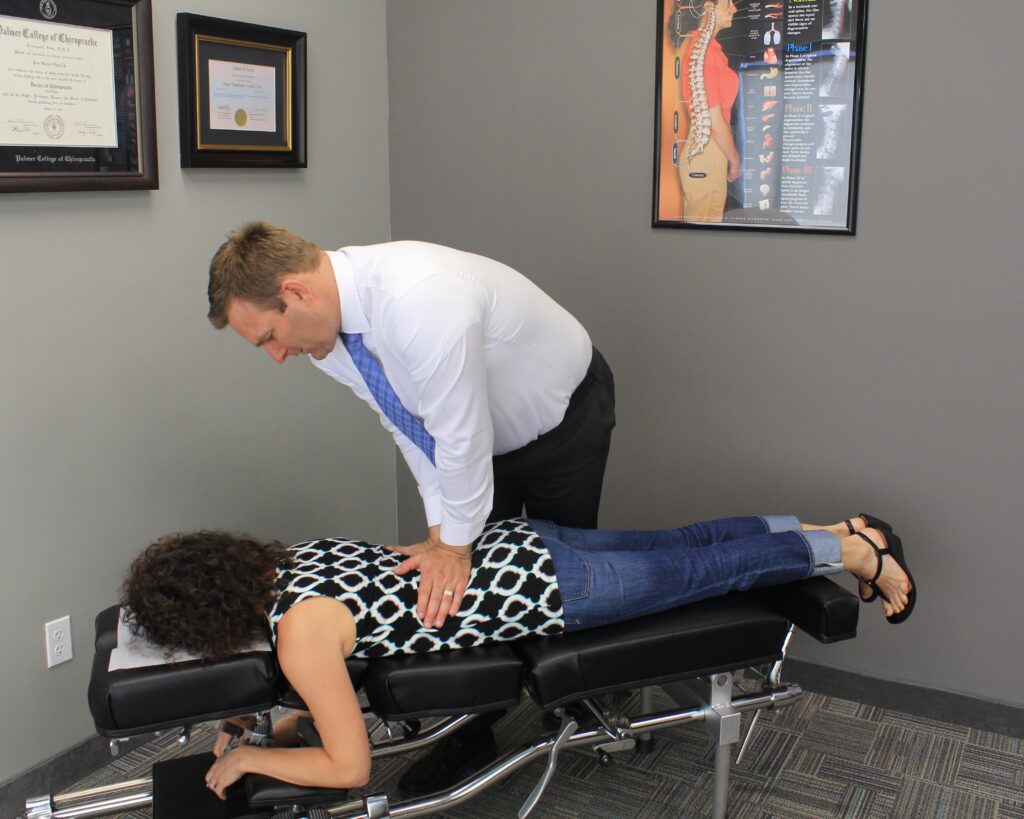
As a local chiropractor, I want to emphasize the importance of creating a safe and nurturing environment for your infants and toddlers, particularly in relation to their overall well-being and development.
While many may not immediately associate chiropractic care with infant safety, the techniques we discuss can play a crucial role in their health.
First and foremost, it's vital to ensure proper car seat usage. A well-fitted car seat not only protects your child during travel but also supports their developing spine.
Additionally, establishing safe sleep practices is essential; placing your baby on their back to sleep can reduce the risk of sleep-related issues, which we often see in our practice.
Creating a babyproof environment is another key aspect. This means not only removing physical dangers but also ensuring that your child's posture and movement are supported.
As they begin to explore, proper supervision during play is essential to prevent accidents that could lead to misalignments or injuries.
In the event of unexpected situations, such as emergencies or choking hazards, being prepared can significantly impact your child's safety.
Educating yourself on first aid techniques and recognizing potential risks in your home can make all the difference.
Let's work together to explore these essential techniques and how chiropractic care can support your little ones' healthy growth and development.
Remember, every decision you make contributes to their overall well-being.
Proper Car Seat Usage
As a local Chiropractor, I want to emphasize the importance of proper car seat usage for the safety and well-being of your little ones. Ensuring that your infant or toddler is securely fastened in their car seat is crucial for their protection during travel, just as we prioritize spinal alignment and overall health in our practice.
Choosing the right car seat involves considering your child's age, weight, and height. For infants, the safest choice is a rear-facing car seat. It's advisable for toddlers to remain in a rear-facing seat for as long as possible, ideally until they reach the maximum weight or height limits recommended by the manufacturer. This is akin to maintaining proper posture; keeping a child rear-facing provides optimal support for their developing spine.
Once your child outgrows the rear-facing seat, the next step is transitioning to a forward-facing car seat with a harness. It's crucial to ensure that the harness is snug and lies flat against your child's chest, with only enough room for one finger between the harness and their collarbone. This snugness helps maintain proper alignment, much like how we focus on spinal support in chiropractic care.
Always adhere to the car seat's installation instructions, as proper placement is essential. You can secure most car seats using either the vehicle's seatbelt or the LATCH (Lower Anchors and Tethers for Children) system, ensuring stability during travel.
Remember, placing your child in the back seat is the safest option, similar to how we encourage certain postures for optimal health. Avoid placing a rear-facing car seat in the front seat if there's an active airbag, as this can pose serious risks.
Regularly check the tightness of your car seat and confirm that it doesn't move more than an inch when pulled at the base. Just as you would schedule routine check-ups for spinal health, regular checks of your car seat contribute to your child's safety.
Finally, I recommend registering your car seat with the manufacturer to stay updated on any recalls or safety notices. By following these guidelines, you can help ensure the safety and well-being of your little ones while traveling, just as we strive to promote health and wellness in our chiropractic practice.
Safe Sleep Practices
As a local chiropractor, I want to emphasize the importance of creating a safe and nurturing sleep environment for your child, as proper rest is essential for their overall health and development. Understanding safe sleep practices can greatly contribute to your little one's well-being, much like how chiropractic care supports optimal physical health.
First and foremost, it's crucial to always position your child on their back for every sleep, whether during naps or at night. This simple practice significantly reduces the risk of Sudden Infant Death Syndrome (SIDS), ensuring that your child can rest safely.
Choosing the right sleep surface is also key. Opt for a firm crib or bassinet with a tightly fitted sheet. Soft bedding materials like pillows, blankets, or bumper pads can be hazardous and may increase the risk of suffocation. Instead, consider using a sleep sack or wearable blanket to keep your child cozy while eliminating the dangers of loose bedding.
When setting up the sleep area, keep it clear of toys and stuffed animals. While these items may seem harmless, they can create potential hazards during sleep. Additionally, ensuring a smoke-free home is vital, as exposure to smoke can heighten the risk of SIDS.
It's also important to make sure that the crib meets current safety standards and is free from any recalls. Regularly checking the sleeping area will help maintain a safe environment for your child. If your child shares a room with you, that's a wonderful choice! Room-sharing can be beneficial, but always adhere to safe sleep guidelines and avoid bed-sharing.
Finally, pay attention to the room's temperature. Overheating can increase the risk of SIDS, so make sure to dress your child appropriately and monitor how warm the room is. By following these safe sleep practices, you're not only protecting your little one during their sleep but also promoting a healthier and more restful experience, which is in line with the principles of natural healing that we embrace in chiropractic care.
Babyproofing Your Home
Creating a safe environment in your home is essential, especially as your little one begins to explore and grow. As a chiropractor, I often emphasize the importance of a holistic approach to health, which includes not only physical well-being but also ensuring a safe living space.
Start by assessing each room in your home for potential hazards that could lead to injuries. Look for sharp corners on furniture, electrical outlets, and heavy objects that could pose a risk of tipping over. Installing corner guards on sharp edges and securing heavy furniture to the wall can prevent accidents and support a safer environment for your child.
To further ensure safety, consider installing safety gates at the top and bottom of stairs. This is crucial in preventing your toddler from accessing dangerous areas. Choose gates that adhere to safety standards and are user-friendly for adults while remaining challenging for little hands.
Childproofing electrical outlets with safety plugs is another critical step. Additionally, keep cords from blinds or appliances out of reach to avoid any potential hazards. Store all cleaning supplies, medications, and other harmful substances in high cabinets or locked areas. Keeping areas such as the kitchen and bathroom secured with gates or door locks can also be beneficial.
It's important to be mindful of small items that can pose choking hazards. Regularly check your floors and surfaces for toys, coins, or any small objects that could be easily swallowed.
Lastly, creating a designated play area filled with safe toys and soft surfaces can provide your child the freedom to explore while minimizing risks. This not only supports their physical activity but also contributes to their overall well-being, which aligns with the principles of chiropractic care that focus on promoting a healthy lifestyle.
Safe Feeding Techniques
Creating a safe environment at home is essential, not just for physical safety, but also for promoting overall well-being, especially when it comes to feeding your little one. As a chiropractor, I often emphasize the importance of holistic health practices, and safe feeding techniques are a crucial part of that. Implementing these techniques ensures that mealtimes can be a positive and healthy experience for both you and your child.
Start by selecting age-appropriate foods. For infants, pureed fruits and vegetables are excellent choices, and as they grow, you can gradually introduce more textured options. It's vital to avoid foods that can pose choking hazards, such as whole nuts, popcorn, and hard candies, as these can lead to not only choking but also stress on the body.
When feeding your toddler, ensure they are secured in a high chair with a safety harness. Always strap them in to prevent falls, which can lead to misalignments in their developing spine. Make sure the chair is stable and positioned away from potential hazards like hot surfaces or sharp objects. Sitting together at the table during meals is not only a great way to encourage good eating habits but also enhances family bonding and helps in developing mindfulness during mealtime.
Supervision during meals is crucial. Encourage your child to chew their food thoroughly and take small bites. Teaching them to sit still while eating can significantly reduce the risk of choking and promote better digestion—an important aspect of overall health. It's also beneficial to keep mealtime free from distractions; turning off the TV and putting away toys allows your child to focus on their food, making it easier for you to monitor their eating habits.
Finally, always check the temperature of food before serving it to your little one. Hot foods can cause burns and discomfort, leading to stress on their nervous system. Allowing food to cool to a safe temperature is essential for their well-being. By incorporating these safe feeding techniques, you can create a secure and enjoyable mealtime environment that supports your child's health and development. Emphasizing overall wellness is key, and these practices can play an important role in fostering a healthy lifestyle from an early age.
Supervision Guidelines
As a local chiropractor, I want to emphasize the importance of supervision and guidance in your child's journey toward independence and wellness. Just as you would keep a watchful eye over your child during mealtimes to ensure their safety, it's crucial to foster their overall health and confidence. Supervision is especially vital for infants and toddlers as they begin to explore their surroundings and develop their bodies.
When your little one is trying new foods or engaging in physical activities, it's essential to remain nearby. This allows you to quickly intervene if they encounter any challenges, whether it's choking on food or needing assistance with movement. This proactive approach mirrors the care we offer in chiropractic practice, where we strive to support your child's development and ensure their safety.
During playtime, it's equally important to provide a safe environment. By removing hazards and offering age-appropriate toys, you set the stage for healthy exploration. Engaging with your child during these moments not only keeps them safe but also strengthens your bond and their understanding of their own body and limits—much like how we educate our patients on body awareness and alignment.
When you're outside, it's essential to keep your child within safe boundaries. Designated play areas can help, and staying alert to their surroundings ensures they can explore without unnecessary risks. Just as we guide patients in maintaining good posture and avoiding injury, you can guide your child in understanding their environment.
Monitoring your child's interactions with peers is also important. Encouraging sharing and taking turns helps develop their social skills, similar to how we promote holistic wellness through community and relationships in chiropractic care.
Emergency Preparedness
As a local chiropractor, it's important to emphasize the significance of being prepared for emergencies, not only for your health but also for your family's well-being. Just as you would keep your emergency contact information readily available, it's vital to familiarize yourself with natural healing methods and chiropractic care. Having a comprehensive safety equipment checklist, including items like heat packs and ergonomic support, can help you manage injuries or discomfort that may arise in unexpected situations. Being knowledgeable about your body's needs and having resources at hand will empower you to handle any health-related emergencies with confidence. Remember, a proactive approach to your wellness can make all the difference in maintaining your family's safety and health.
Emergency Contact Information
Having a reliable list of emergency contacts is essential for every parent or caregiver of infants and toddlers, especially when considering their overall health and wellness. As a local chiropractor, I emphasize the importance of being prepared in case of health-related emergencies. Start by including your child's pediatrician's contact information, as they are vital for medical advice and can guide you on issues related to your child's development and wellness.
Next, it's beneficial to add family members or close friends who understand your approach to health and wellness. Inform them that they may be called upon in emergencies, ensuring they are ready to support you and your child. It's also crucial to have local emergency services' numbers, such as police, fire, and ambulance, easily accessible. Make sure these numbers are saved in your phone and displayed prominently in your home for quick reference.
If your child attends school or daycare, include their contact information as well. In case of any incidents or health concerns during these hours away from home, knowing who to communicate with is key. Regularly update this list, especially when any contact information changes, to keep it current and reliable.
Finally, store this emergency contact list in an easily accessible location, such as your wallet or on your fridge. Being prepared means you can act quickly and confidently, ensuring the well-being of your child and your family. Remember, just as chiropractic care supports your child's health, being organized and ready for emergencies is part of maintaining a holistic approach to wellness.
Safety Equipment Checklist
As a local chiropractor, I want to emphasize that being prepared for emergencies doesn't just involve having a reliable list of contacts; it's also about ensuring you have the right safety equipment on hand to support your overall well-being and that of your family. Just as we prioritize your health through natural healing and chiropractic care, it's important to create a checklist of essential items that can assist you in responding effectively if a crisis arises. Here are three must-have safety equipment items to keep handy:
- First Aid Kit: Keep it stocked with essentials like band-aids, antiseptic wipes, and baby-safe pain relievers. These items are crucial for addressing minor injuries and discomfort, allowing you to focus on healing naturally.
- Fire Extinguisher: It's wise to have a fire extinguisher in an easily accessible spot, ideally in the kitchen. Being able to tackle small fires quickly can prevent escalation and protect your home environment, contributing to your overall peace of mind.
- Emergency Blanket: Lightweight and compact, an emergency blanket can provide warmth and protection during unexpected situations. Maintaining a comfortable environment is key to recovery and wellness.
Be sure to go through your safety checklist regularly to ensure everything is up-to-date and functional. Check expiration dates on items and replace anything that's missing or damaged. Just as regular chiropractic care promotes long-term health, having the right equipment not only helps you respond quickly in emergencies but also fosters a sense of security. You're taking a proactive approach to safety, ensuring your loved ones are protected in any situation. Stay vigilant and remember, being prepared is an essential part of a healthy lifestyle!
Safe Play Environment
Creating a safe play environment for infants and toddlers is not just vital for their physical safety but also for their overall well-being and development, which can positively impact their spine and musculoskeletal health. As a chiropractor, I encourage parents to set up play areas that prioritize safety and promote healthy movement patterns.
When establishing a play space, choose an area that is free from hazards. This involves removing sharp objects, small toys that could pose choking risks, and anything that could easily tip over. Opt for soft flooring materials, such as foam mats or carpet, which can help cushion falls and support safe exploration, reducing the risk of injury to their developing bodies.
Ensure the play area is well-lit for easy supervision, allowing you to monitor your child's movements and interactions. Select toys and play equipment that are appropriate for their age and development stage, ensuring they meet safety standards. Regularly inspect toys for wear and tear, discarding any that are broken or unsafe, as this can prevent accidents that may lead to musculoskeletal issues.
Establishing boundaries in the play area is also crucial. Use gates to block access to stairs or rooms that are not childproofed, which not only enhances safety but also encourages children to explore freely within a designated space. For outdoor play, a fenced yard or a safe park is ideal. Always supervise your little ones during outdoor activities, ensuring they are using age-appropriate equipment that supports their developing bodies.
Finally, encourage imaginative play with toys that stimulate creativity while remaining safe. Soft blocks, large stuffed animals, and simple musical instruments can provide endless enjoyment without the risk of injury. By being proactive and attentive, you can create a safe and nurturing play environment that supports not only physical safety but also the healthy development of your child's spine and overall well-being.
Health and Hygiene Tips
As a local chiropractor dedicated to your family's well-being, I want to emphasize the importance of maintaining healthy habits for your little ones, starting with proper handwashing techniques. This simple practice is essential not only for preventing illness but also for promoting overall health. Additionally, ensuring safe feeding practices is crucial to provide your infants and toddlers with the nutrition they need while avoiding any potential risks. Let's delve into these fundamental health and hygiene tips that can help keep your children safe and thriving, supporting their natural growth and development. Remember, a healthy body is the foundation for a healthy spine, and good habits start early!
Handwashing Importance
As a local chiropractor, I want to highlight the importance of handwashing, especially for the health of our little ones. Keeping infants and toddlers healthy is crucial, as it significantly reduces the risk of spreading germs and infections. Many parents may not realize how often young children come into contact with surfaces and objects that can harbor harmful bacteria. By teaching them to wash their hands regularly, you're not just instilling good hygiene but also promoting overall wellness.
Incorporating handwashing into your child's routine can be both fun and engaging. Here are a few key moments to encourage this healthy habit:
- Before meals: It's essential for your child to wash their hands before eating to eliminate any dirt and germs that could contaminate their food. This simple act can help prevent digestive issues and support their overall health.
- After playing outside: While outdoor play is fantastic for physical development, it also exposes children to dirt and germs. Encouraging a thorough hand wash after playtime can help keep them healthy and support their immune system.
- After using the toilet: This step is crucial for preventing the spread of infections. Teaching your child to wash their hands thoroughly afterward is a vital practice for maintaining their health.
To ensure effective handwashing, make sure to use soap and water, and encourage your child to scrub for at least 20 seconds. With consistent practice, handwashing can become second nature, significantly decreasing the likelihood of illness in your little ones. Remember, a healthy child is a happy child, and fostering these habits early on contributes to their long-term wellness and vitality!
Safe Feeding Practices
As a local chiropractor, I want to emphasize the importance of safe feeding practices for your infant or toddler's overall health and development. Just like we prioritize spinal health, ensuring that your child receives the right nutrients is vital for their growth. Begin by selecting age-appropriate foods that are soft and easy to chew, similar to how we recommend gentle adjustments for young bodies. Avoid any choking hazards, such as whole grapes, nuts, or hard candies, as these can lead to serious issues.
Supervision during mealtime is crucial, much like how we monitor our patients for their comfort and safety during treatments. Always keep an eye on your little one while they eat to quickly address any potential problems. Just as we advocate for cleanliness in our practice, ensure that you use clean utensils and plates to reduce the risk of contamination. Washing fruits and vegetables thoroughly is essential, and cooking them to a softer texture can benefit younger children, aligning with our approach to gentle and holistic care.
When introducing new foods, take a gradual approach, much like how we introduce new techniques or therapies. Offer one new food at a time and wait a few days before introducing another to monitor for any allergic reactions. This cautious method reflects our philosophy of listening to your body and understanding its needs.
Minimize distractions during meals, similar to creating a calm environment during chiropractic sessions. Turning off the TV and putting away toys allows your child to focus on eating, which is essential for developing healthy habits. Encourage them to be in tune with their hunger cues, and avoid forcing them to finish everything on their plates, just as we encourage patients to listen to their bodies.
Finally, establishing a feeding routine by providing meals at consistent times each day helps your child understand mealtime and fosters better eating habits, akin to the importance of regular chiropractic visits for maintaining spinal health. By prioritizing these safe feeding practices, you are not only supporting your child's nutritional needs but also laying the groundwork for a healthy lifestyle that aligns with the principles of natural healing we advocate in chiropractic care.
Understanding Choking Hazards
As a local chiropractor, I want to emphasize the importance of understanding potential hazards that can affect the health and safety of our little ones, especially when it comes to choking risks for infants and toddlers. It's vital for parents to recognize these dangers and take proactive steps to minimize them, ensuring a safe environment for their children to explore and grow.
Let's take a look at some common choking hazards that you might encounter:
- Small toys: Many toys on the market contain small parts that can easily fit into a child's mouth. These toys can pose a serious choking risk if not monitored closely during playtime.
- Food items: Certain foods, such as whole grapes, nuts, or popcorn, can easily obstruct a child's airway if not prepared carefully. It's crucial to cut food into small, manageable pieces and encourage thorough chewing.
- Household objects: Everyday items like coins, buttons, and batteries are often overlooked but can be extremely dangerous if swallowed.
To safeguard your child, always supervise their play and regularly check toys for small parts. Teaching your child the importance of eating slowly can also help reduce the risk of choking.
Additionally, I encourage all parents to familiarize themselves with basic first aid techniques for choking emergencies. Knowing how to respond quickly can be lifesaving. By being aware of these choking hazards and preparing your home accordingly, you can create a safer environment for your infant or toddler.
As a chiropractor, I believe in the power of natural healing and holistic well-being. Understanding these risks not only helps keep your little ones safe but also contributes to their overall health as they grow. Let's work together to ensure a nurturing environment for our children, allowing them to thrive without the constant worry of choking hazards.
Conclusion
As a chiropractor dedicated to promoting the well-being of infants and toddlers, it's crucial to incorporate safe techniques that support their healthy development. Utilizing proper car seats is vital for their safety during travel. Establishing safe sleep practices, such as placing them on their backs in a crib free of loose bedding, is essential for reducing risks. Additionally, babyproofing your home helps create a secure environment where they can explore and grow.
Supervision during playtime is important to prevent accidents, and being mindful of choking hazards is key to keeping them safe. Promoting hygiene through regular handwashing not only keeps them healthy but also establishes good habits early on.
As a chiropractor, I also emphasize the importance of being prepared for emergencies and ensuring a safe play environment to support your child's physical well-being. By paying attention to these practices, you contribute to a nurturing atmosphere that fosters a happier, healthier future for your little ones. Embracing natural healing methods can further enhance their development and overall health.