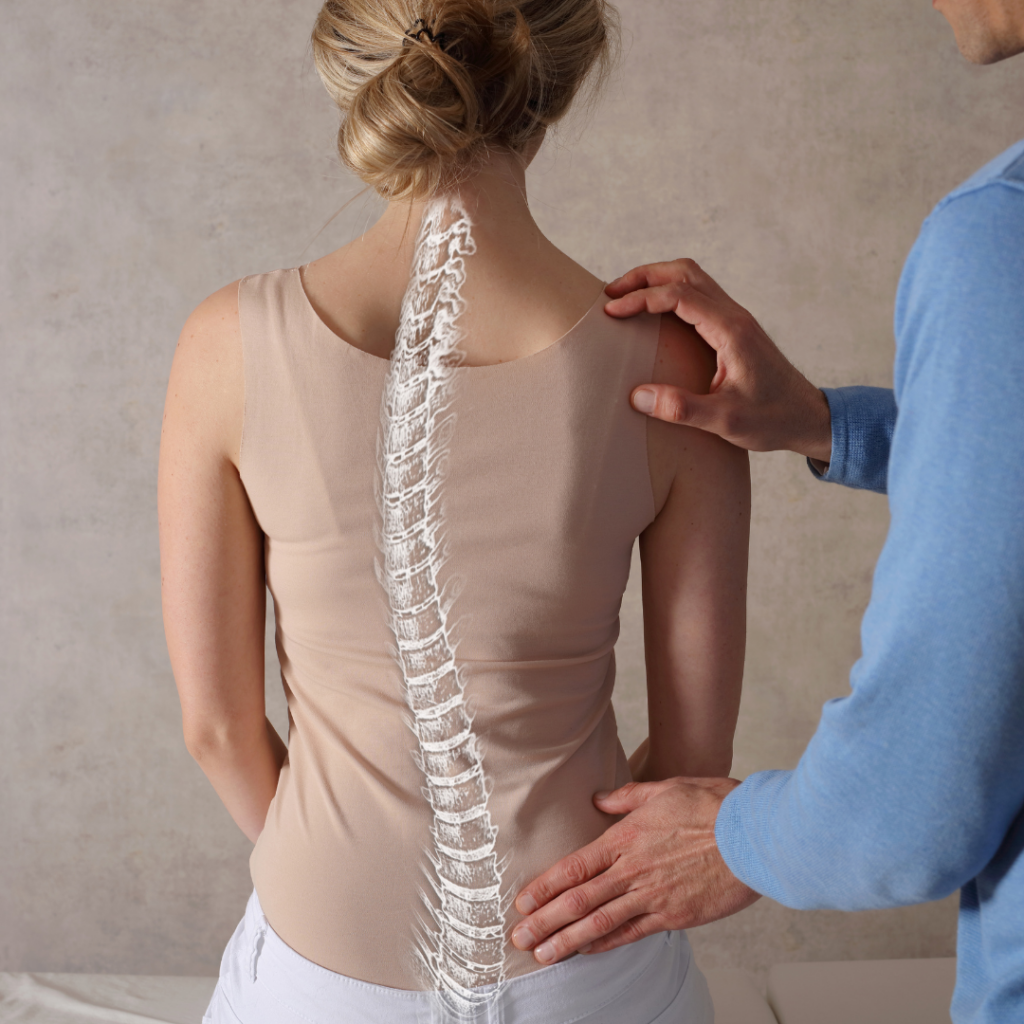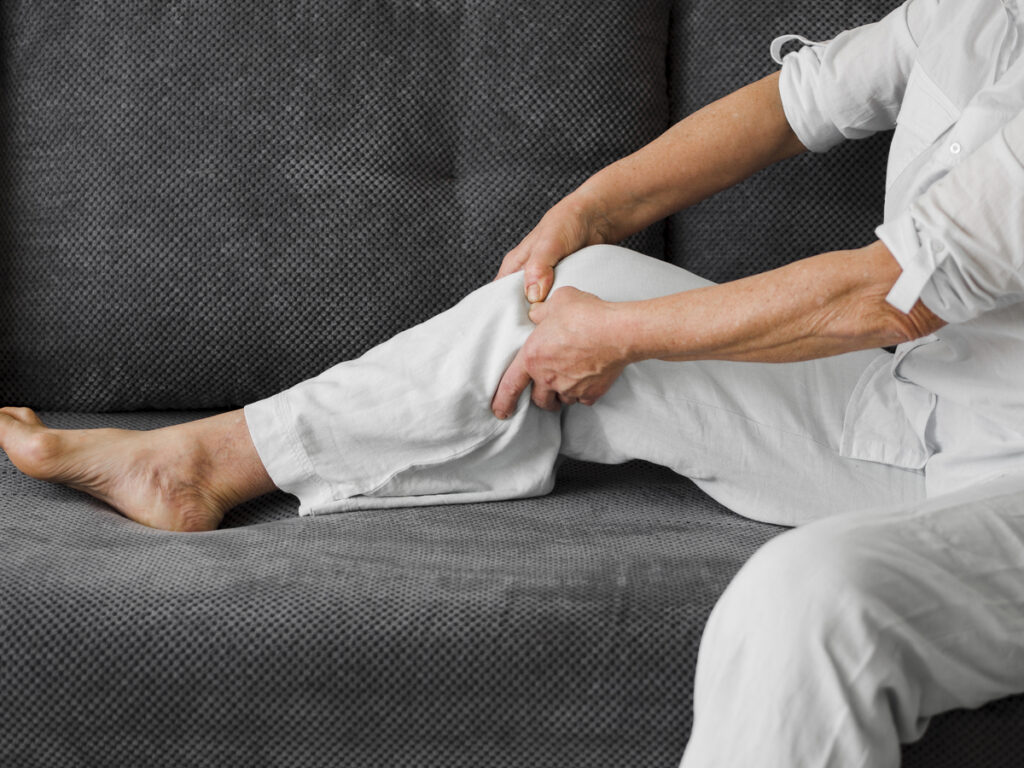
When it comes to recovering from a sports injury, as your local chiropractor, I want to emphasize the importance of making specific adjustments to enhance your healing journey.
It's essential to customize your rehabilitation process and adapt your training routines to ensure a more effective recovery and to help prevent future injuries.
By concentrating on these individualized modifications, we can tackle both the physical challenges of recovery and the mental hurdles that often accompany being sidelined.
So, what strategies can we implement together to ensure a safer return to your sport?
You may be surprised at the holistic approaches we can take to support your recovery and overall well-being.
Understanding Sports Injuries
As a local chiropractor, I want to emphasize the importance of understanding sports injuries for both your performance and recovery. Being aware of the types of injuries you may encounter can significantly aid in prevention and effective response when they occur. Common injuries such as sprains, strains, fractures, and tendonitis can keep you off the field for weeks or even months if not addressed properly.
It's crucial to recognize the early signs of an injury. Symptoms like pain, swelling, and limited range of motion are often the first indicators that something isn't right. Ignoring these signals can lead to more severe damage and extended recovery times. Always listen to your body and refrain from pushing through pain. Instead, take a moment to assess the situation and determine if you should continue or seek professional medical advice.
Familiarizing yourself with the injury risks specific to your sport can also be beneficial. For instance, runners frequently deal with knee injuries, while basketball players are prone to ankle sprains. Understanding the mechanics behind these injuries allows you to take preventive measures, such as improving your technique or strengthening specific muscle groups.
It's also important to note that not all injuries are the same. Acute injuries occur suddenly, often due to impact, while chronic injuries develop gradually from repetitive stress. Recognizing the type of injury you're facing enables you to tailor your approach to treatment and rehabilitation effectively.
As a chiropractor, I focus on natural healing methods that can help you recover from injuries and optimize your performance. By educating yourself about sports injuries, you empower yourself to maintain peak performance while minimizing the risk of setbacks. Remember, your health is paramount, and taking proactive steps can lead to a healthier, more active lifestyle.
The Importance of Recovery
As your local chiropractor, I want to emphasize the vital role recovery plays in your healing journey after an injury. Recovery is not solely about physical rehabilitation; it's also an opportunity to strengthen your mental resilience and equip yourself for future challenges. By implementing effective recovery strategies, including chiropractic care, you can not only prevent further injuries but also improve your overall performance in daily activities. Understanding and prioritizing recovery is a key step in embracing a holistic approach to your health and well-being. Let's work together to ensure you are on the path to a complete recovery.
Physical Healing Process
As a local chiropractor, I want to take a moment to explain the importance of the physical healing process, especially for those of you recovering from sports injuries. Understanding this process can greatly enhance your recovery and overall health.
When you sustain an injury, your body goes through several critical stages of healing: inflammation, tissue repair, and remodeling. Each of these stages plays a vital role in helping you regain strength and functionality.
Initially, during the inflammation stage, your body works hard to prevent further damage and kickstarts the healing process. You may notice some swelling, pain, and redness in the affected area—these are all natural responses. It's crucial to listen to your body during this time and avoid rushing through this phase, as it sets the foundation for effective healing.
Once the inflammation decreases, we enter the tissue repair stage. This is when your body begins to regenerate muscle fibers and connective tissues. Engaging in appropriate rehabilitation exercises is essential during this stage, as they help restore mobility and strength. Here at our clinic, we focus on finding the right balance between rest and activity, which is key to your recovery.
Finally, we arrive at the remodeling stage, where your body rebuilds stronger tissues. This is an exciting time as you can start to gradually return to your sport. However, it's crucial to approach this phase with caution. Rushing back into activities can increase the risk of re-injury. By respecting and understanding the healing process, you'll not only enhance your long-term performance but also reduce the likelihood of future setbacks.
As your chiropractor, I'm here to support you through this journey, utilizing natural healing methods to facilitate your recovery and help you achieve optimal health.
Mental Resilience Building
As a local chiropractor, I want to emphasize that building mental resilience is just as crucial as your physical healing when recovering from sports injuries. It's not just about alleviating the physical pain; you also need to address the emotional and psychological hurdles that can arise during your recovery journey. Developing mental resilience can help you stay focused, motivated, and maintain a positive mindset, which significantly influences your rehabilitation process.
To enhance your mental resilience, I recommend starting by setting realistic recovery goals. Break your progress into smaller, manageable steps, and take the time to celebrate those small victories. Surround yourself with a supportive network of friends, family, and teammates who understand what you're going through. Their encouragement can keep you motivated and help you remember that setbacks are a natural part of the healing process.
Incorporating mindfulness and visualization techniques can also be beneficial. These practices can keep your mind engaged and focused on healing, reducing anxiety while promoting a positive outlook. Lastly, it's important to remember that patience is vital. Recovery is a journey that takes time, and cultivating a resilient mindset will empower you to overcome challenges and emerge even stronger. By focusing on building your mental resilience, you not only enhance your recovery but also equip yourself for future challenges in both sports and life. If you have any questions about how chiropractic care can support your recovery process, feel free to ask!
Injury Prevention Strategies
As a local chiropractor, I want to emphasize the critical role that injury prevention strategies play in promoting effective recovery from sports injuries. Many individuals may not realize that by focusing on these strategies, they can significantly reduce the risk of re-injury, allowing them to return to their favorite sports stronger and more resilient than before.
One of the first steps I recommend is incorporating a thorough warm-up routine before engaging in any physical activity. Dynamic stretches and sport-specific drills are essential as they prepare your body for the physical demands you are about to face. This not only helps to prevent injuries but also enhances your overall performance.
Strength training is another vital component. By building the muscles surrounding your joints, you provide additional support that helps absorb impact and prevent injuries. It's important to listen to your body—if you experience pain or discomfort, don't ignore it. Pushing through pain can lead to more significant issues down the line. Instead, take a moment to assess the situation and address any problems before they escalate.
Furthermore, proper hydration and nutrition are key factors in injury prevention. Ensuring your body is fueled with the right nutrients helps maintain peak performance and aids in recovery. As a chiropractor, I often see the benefits of a balanced diet in my patients' overall health and athletic abilities.
Lastly, never underestimate the importance of rest. Allowing your body adequate time to recover is just as crucial as your training sessions. By implementing these injury prevention strategies, you not only enhance your athletic performance but also protect your body from future injuries. This proactive approach will lead to a more successful and fulfilling sports career. If you have any questions about how chiropractic care can support your injury prevention efforts, feel free to reach out. I'm here to help you on your journey to optimal health and performance.
Recognizing Signs of Overtraining
As a local chiropractor, I want to help you understand the importance of listening to your body, especially when it comes to training and exercise. Pushing your limits can be rewarding, but it's crucial to be aware of the signs of overtraining. You may start to experience physical symptoms such as ongoing fatigue or mental exhaustion that can hinder your concentration. If you notice a decline in your performance, this is a clear indicator that it's time to evaluate your training regimen. Prioritizing recovery is essential for both your physical and mental well-being. Remember, natural healing and proper care can help you get back on track and avoid the pitfalls of overtraining.
Physical Symptoms Manifestation
As a local chiropractor, it's important to recognize the signs of overtraining, especially if you're an athlete looking to maintain optimal performance and avoid unnecessary setbacks. Your body often communicates when it needs a break, and being attentive to physical symptoms can help you stay on track.
One key indicator to watch for is unexplained fatigue. If you find yourself feeling more tired than usual, it may be time to reevaluate your training regimen. Additionally, if you're experiencing muscle soreness that lasts longer than expected, that's another warning sign. While some soreness is normal after an intense workout, persistent discomfort can suggest that your body is having trouble recovering.
Another aspect to consider is the fluctuation in your performance. If you notice that you can't lift your usual weights or complete your runs at your normal pace, it might be a signal of overtraining. Increased susceptibility to injuries is also a major concern; if you find you're getting hurt more often, it's your body's way of signaling that something isn't right.
Don't forget to monitor your sleep patterns as well. Difficulty falling asleep or experiencing restless nights can be connected to overtraining. Lastly, pay attention to your heart rate. An elevated resting heart rate can indicate that your body is under significant stress.
Mental Fatigue Indicators
As a local chiropractor, I want to highlight an often-overlooked aspect of athletic performance: mental fatigue. Just like physical exhaustion, mental fatigue can sneak up on athletes and impact their overall well-being and performance. It's important to recognize the signs of mental fatigue, especially during periods of intensive training or recovery.
You might notice that you feel more irritable or easily frustrated, which can hinder your training efforts. If you find yourself lacking motivation or enthusiasm for your workouts, that's a key indicator that your mind may need a break.
Another sign to be aware of is difficulty concentrating during practice or games. If you struggle to focus on strategies or even the basics, this could lead to errors that are uncharacteristic for you. Feeling mentally drained after workouts instead of energized is also a sign to reassess your mental load and training intensity.
Additionally, pay attention to any sleep disturbances such as insomnia or excessive fatigue during the day. These can indicate that your mind is overworked, which can be just as detrimental to your recovery as physical strain.
As a chiropractor, I emphasize the importance of mental recovery alongside physical recovery to achieve optimal performance. By recognizing these signs and adjusting your training regimen, you can help ensure that both your body and mind are prepared for competition. Prioritizing mental health is a crucial step in your journey towards peak performance, and I am here to support you in that process through natural healing methods.
Performance Decline Signs
As a local chiropractor, I often see patients who are unaware of how their physical well-being can impact their overall performance. If you're feeling consistently worn out and less motivated, it may be a sign of overtraining, a condition that can creep up on anyone, even those who are active in their fitness routines. You might find that your usual workouts feel more challenging, and exercises that once brought you joy now seem daunting. This decline in performance can show up as decreased strength, slower times, or even coordination issues.
It's important to listen to what your body is telling you. If you're experiencing persistent muscle soreness or if your recovery times are longer than usual, these are warning signs that shouldn't be overlooked. Sleep disturbances can also play a significant role, making it difficult for you to feel refreshed and exacerbating feelings of fatigue. Additionally, if you notice that you're feeling more irritable or anxious, this could indicate that your body is under too much strain.
Recognizing these signs early on is crucial. Ignoring them can lead to more prolonged setbacks, making recovery even more difficult. As a chiropractor, I encourage you to take a step back, reassess your training routine, and prioritize rest. Incorporating chiropractic care can also help in restoring balance and alleviating stress on your body. Remember, listening to your body is essential for ensuring long-term success in your health and fitness journey. Natural healing through chiropractic adjustments may provide the support you need to bounce back and restore your energy.
Modifying Training Regimens
As a local chiropractor, I want to emphasize the importance of modifying your training regimen for effective recovery from sports injuries. If you've sustained an injury, it's crucial to rethink your workout approach. Rather than pushing through pain or sticking to your regular routine, I encourage you to focus on exercises that promote healing while still maintaining your overall fitness.
Start by identifying the specific area of your body that is injured. You may need to lower the intensity of your workouts temporarily or replace high-impact activities with gentler options, such as swimming or cycling. These low-impact exercises can help you maintain your cardiovascular fitness without aggravating your injury.
Next, it's essential to prioritize rehabilitation exercises that are specifically tailored to your injury. Incorporate movements that strengthen the affected muscle groups and improve flexibility. This not only aids in your recovery but also minimizes the chance of re-injury in the future.
Pay close attention to your body's signals during this process. If you feel pain while performing a certain exercise, it's important to modify or skip it altogether. Focus instead on movements that feel safe and comfortable for you.
Lastly, consider the frequency and duration of your workouts. You might need to temporarily reduce your training volume to allow your body the necessary time to heal. Don't hesitate to consult with your chiropractor; we can provide valuable insights into adjusting your regimen effectively and ensuring a safe recovery process. Remember, natural healing is a journey, and taking the right steps now can lead to a stronger comeback later.
Role of Physical Therapy
Incorporating chiropractic care into your recovery plan after a sports injury can significantly enhance your healing process. A personalized chiropractic regimen not only assists in pain management but also works to restore strength, flexibility, and overall function. Collaborating with a knowledgeable chiropractor can truly transform your recovery journey.
Chiropractic care focuses on specific adjustments and techniques tailored to your individual needs. Here are some benefits you can expect:
- Targeted Adjustments: Chiropractic adjustments are designed to realign your spine and joints, which can help strengthen the areas affected by injury and ensure you regain full functionality.
- Pain Relief: Through manual adjustments and various therapeutic modalities, we can reduce discomfort and inflammation, allowing for a smoother recovery.
- Enhanced Mobility: Techniques aimed at improving your flexibility and range of motion will help you return to your sport or activity more quickly.
Your chiropractor will work closely with you to monitor your progress and modify your treatment plan as needed, ensuring that you are always moving toward your recovery goals. This individualized approach means you are not just healing; you are also building a stronger foundation for your future performance.
Additionally, chiropractic care can provide you with valuable insights into injury prevention strategies. By understanding your body mechanics and learning proper movement patterns, you'll be better equipped to handle the physical demands of your sport, ultimately reducing the risk of similar injuries in the future.
Nutrition's Impact on Healing
As a local chiropractor, I want to emphasize the crucial role that nutrition plays in your recovery from sports injuries. The food you consume can significantly influence the speed and effectiveness of your healing process. Essential nutrients such as proteins, vitamins, and minerals are vital for repairing tissues and reducing inflammation. Additionally, maintaining proper hydration is key to ensuring your body operates at its peak performance. By prioritizing your nutritional intake, you can enhance your recovery journey and complement the chiropractic care you receive. Remember, healing is a holistic process, and what you fuel your body with matters.
Essential Nutrients for Recovery
As a local chiropractor, I want to emphasize the importance of proper nutrition in your recovery from sports injuries. Many people may not realize how the right nutrients can significantly enhance healing, reduce inflammation, and help you regain your strength. Here are three essential nutrients to focus on during your recovery process:
- Protein: Think of protein as a crucial component for repairing damaged tissues. Incorporating foods like chicken, fish, beans, and nuts into your diet can support your body in rebuilding muscle and promote overall healing.
- Omega-3 Fatty Acids: These beneficial fats possess anti-inflammatory properties that can help alleviate swelling and pain. You can find omega-3s in fatty fish such as salmon, as well as in chia seeds and walnuts. Including these in your meals can aid in your recovery.
- Vitamins C and D: Vitamin C is essential for collagen formation, which supports tissue repair, while vitamin D is important for maintaining bone health. You can boost your vitamin C intake with citrus fruits, bell peppers, and leafy greens. For vitamin D, ensure you get some sunlight exposure and consider fortified dairy products.
Understanding these nutrients and incorporating them into your diet can be a fundamental part of your recovery journey, and I'm here to help guide you through it.
Hydration's Role in Healing
As your local chiropractor, I want to emphasize the vital role that hydration plays in your body's healing process, especially when recovering from sports injuries. When you're injured, your need for water increases significantly. Proper hydration is crucial as it helps transport essential nutrients to your cells, flush out harmful toxins, and maintain optimal joint function. If you don't drink enough water, you may find that your recovery takes much longer than necessary.
Staying hydrated is critical for enhancing blood circulation, which is key to delivering oxygen and nutrients to the injured area. This can help minimize inflammation and promote the repair of tissues. You might be surprised to learn that even mild dehydration can hinder your recovery, leaving you feeling fatigued and less inclined to participate in rehabilitation exercises.
I encourage you to make it a routine to drink water consistently throughout the day. Additionally, incorporating hydrating foods, such as fruits and vegetables, into your diet can further support your recovery. Don't forget about electrolytes; they play a crucial role in your overall hydration. Consider consuming drinks that replenish these important minerals, particularly after engaging in strenuous activities.
Mental Health and Recovery
As a local chiropractor, I want to emphasize the crucial role mental health plays in your recovery from sports injuries. When you're dealing with an injury, the mental hurdles can often feel just as significant as the physical ones. It's common to experience feelings of frustration, anxiety, or even depression during this time. Acknowledging these emotions is the first step toward addressing them effectively.
Let's explore how you can support your mental health during your recovery journey:
- Cultivating a Positive Mindset: Setting clear recovery goals can keep you motivated and help you view challenges as opportunities to grow. This positive outlook is essential in your healing journey.
- Building a Support System: Surround yourself with supportive friends, family, or teammates. Their encouragement can significantly enhance your emotional well-being and help you build resilience during your recovery.
- Incorporating Mindfulness Practices: Techniques such as meditation, yoga, or breathing exercises can significantly reduce stress levels and improve your mental clarity. These practices can create a more conducive environment for healing.
Preventing Future Injuries
As a local chiropractor, I want to share some important insights on how you can prevent future injuries and enhance your overall well-being. Once you've addressed the mental aspects of recovery, it's essential to focus on practical strategies that can keep your body functioning optimally.
First, take a close look at your current training routine. Are you pushing yourself too hard without allowing for proper rest? Overtraining can lead to fatigue and significantly increase your risk of injuries. It's vital to incorporate rest days into your schedule and pay attention to what your body is telling you.
Next, don't underestimate the power of warm-up and cool-down routines. Warming up properly prepares your muscles and joints for physical activity, while a good cool-down supports recovery. I recommend incorporating dynamic stretching before you start your workout to activate your muscles, and static stretching afterward to maintain flexibility and aid in recovery.
Strength training is also crucial for injury prevention. By building strength in the muscles that support your joints, you can improve stability and reduce your chance of injury. Focus on exercises that target areas particularly prone to injuries based on your sport or activity. Additionally, balance and coordination exercises can further help minimize injury risks.
Using the right equipment plays an important role as well. Invest in shoes that fit well and provide the necessary support for your activities. Protective gear suited for your sport is equally important. Regularly check your equipment for signs of wear and tear, and replace it when necessary to enhance your safety.
Lastly, consider cross-training as part of your fitness routine. Engaging in a variety of activities not only keeps your workouts fresh and exciting but also helps in developing different muscle groups, which can reduce the risk of overuse injuries.
Building a Support System
Building a solid support system is vital in your healing journey, especially when it comes to chiropractic care and natural healing. The right people around you can significantly enhance your motivation and recovery process. Friends, family, healthcare professionals, and wellness coaches all play essential roles in your path to better health. They can offer encouragement, share valuable advice, and provide practical assistance when you need it most.
Consider who you would like to have supporting you. Here are three key types of supporters to think about:
- Friends and Family: They know your personality and can provide emotional support, which is crucial for maintaining a positive outlook during challenging times.
- Healthcare Partners: This includes chiropractors like myself, as well as physical therapists and nutritionists. These professionals understand your specific health needs and can offer tailored advice to facilitate your healing process. They can also help keep you motivated and engaged in your wellness journey.
- Wellness Coaches: These individuals can provide guidance on lifestyle changes and holistic practices that complement your chiropractic care, helping you achieve a more balanced state of health.
Don't hesitate to reach out and express what you need. Share your health goals with your supporters and let them know how they can assist you. Open communication fosters a sense of community, making it easier for you to stay focused on your healing. Remember, you are not alone in this journey—lean on your support system to navigate the ups and downs of recovery. Their presence can inspire you to overcome challenges and celebrate your progress, ultimately leading you to feel stronger and more determined in your pursuit of a healthier, pain-free life.
Setting Realistic Recovery Goals
As a local chiropractor, I want to help you understand the importance of setting realistic recovery goals when embarking on your healing journey. Establishing clear goals is essential for maintaining motivation and tracking your progress as you recover from an injury or discomfort. These goals act as a roadmap, guiding you through the healing process based on your unique condition.
First, it's crucial to assess your injury and recognize its limitations. Understanding your body's current state allows us to set specific, measurable, and time-bound goals together. Rather than expecting to be back at peak performance within a few weeks, we can break your recovery down into smaller, achievable milestones. For example, we might focus on improving your range of motion before progressing to strengthening exercises. Celebrating these small victories will not only keep you motivated but also reinforce your commitment to the healing process.
Don't forget to consider external factors that can influence your recovery, such as your overall health, lifestyle, and the recommendations I provide as your chiropractor. I encourage open communication, so please feel free to ask questions and share any concerns. Together, we can adjust your goals based on your progress and any new insights that arise during our sessions.
Remember, recovery isn't always a straight line. Setbacks can happen, and that's perfectly normal. If you face a hurdle, let's take the time to reevaluate your goals and modify them as needed. Being flexible in our approach will help you maintain a positive mindset and keep you moving forward on your path to wellness.
Setting realistic recovery goals not only cultivates a sense of accomplishment but also fosters resilience. It's about finding the right balance: challenging yourself just enough to push your limits while also allowing ample time for healing. Your journey to health is unique, and I'm here to support you every step of the way. Embrace this process, and let's stay committed to your recovery together.
Conclusion
As a local chiropractor, I want to emphasize the importance of making adjustments for your sports injury recovery to ensure a successful comeback. It's essential to personalize your training regimen, stay vigilant for signs of overtraining, and seek the right support during your healing journey. By focusing on both the physical and mental aspects of recovery, you can stay motivated and engaged, which is key for a safe return to your sport.
Setting realistic recovery goals is vital, and working closely with healthcare professionals like myself can significantly impact your recovery process. Chiropractic care can help alleviate pain, improve mobility, and enhance your overall healing. By incorporating natural healing methods, we can work together to not only prevent future injuries but also ensure your long-term success in your sport. Remember, the journey to recovery is not just about physical strength; it's about nurturing your whole self.