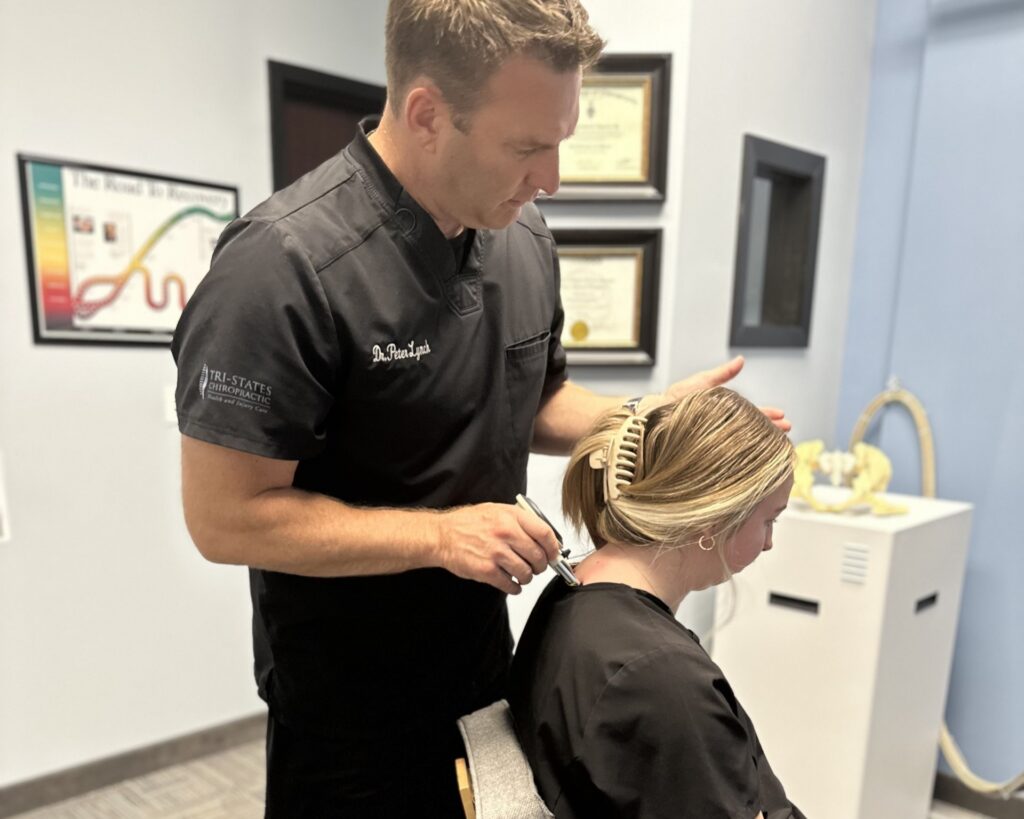
As a local chiropractor, I want to take a moment to emphasize the significant role that posture plays in your overall back health. In our modern world, where remote work and increased screen time have become the norm, it's crucial to recognize how your posture might be contributing to back pain. Many people are unaware of the connection between how we sit, stand, and move throughout our daily lives and the discomfort we experience.
As we look toward the future, particularly into 2025, it's heartening to see innovations in ergonomic design and technology on the rise. These advancements aim to create healthier workspaces that can enhance your well-being. However, beyond these tools, it's vital to adopt specific strategies that can help prevent chronic pain.
I encourage you to be mindful of your posture throughout the day. Simple adjustments, such as ensuring your chair supports your lower back and positioning your screen at eye level, can make a significant difference. Additionally, taking regular breaks to stretch and move can alleviate tension and promote better alignment.
By understanding and incorporating these practices, you can take proactive steps toward maintaining a healthy back and reducing discomfort. Remember, my goal as your chiropractor is to provide you with the knowledge and tools to support your natural healing journey. Together, we can work towards a pain-free future.
The Posture-Back Pain Connection
As a local chiropractor, I want to emphasize how crucial your posture is in relation to your back pain. Many people overlook this connection, but slouching or leaning forward can place excessive strain on your spine and the muscles surrounding it. Over time, this can lead to discomfort and chronic pain. By maintaining a neutral spine position, you can distribute weight evenly, which helps reduce pressure on your back.
For those of you who spend long hours sitting, you may notice that your lower back starts to ache. This is often a result of poor posture while seated. When your back isn't properly supported, your muscles and ligaments have to work overtime to keep you upright, leading to tension and pain.
I encourage you to make a conscious effort to sit up straight. Ensure your feet are flat on the ground and your knees are at a right angle to support a healthier posture.
Standing posture is just as important. If you find yourself leaning to one side or allowing your shoulders to slump forward, you're setting yourself up for pain. By engaging your core and keeping your shoulders back, you can improve your posture and reduce the strain on your back.
Even during everyday activities, it's vital to be mindful of your posture. Whether you're lifting objects or simply walking, proper alignment and technique can significantly help in preventing injuries.
I recommend incorporating regular posture checks into your daily routine. This small adjustment can lead to a remarkable difference in your back health. As you become more aware of how you carry yourself, you may notice a reduction in discomfort levels.
Remote Work and Its Effects
As a local chiropractor, I want to share how remote work can significantly impact your spinal health and overall well-being. Many people find the flexibility of working from home appealing, but it often leads to poor posture habits that can result in discomfort and back pain.
Without the structure of a traditional office, it's easy to end up slouched on the couch or hunched over an improvised workspace.
To help you maintain a healthy back while working remotely, here are some important tips:
- Create an Ergonomic Workspace: It's crucial to have a chair that provides adequate support for your lower back. Additionally, ensure your computer screen is positioned at eye level to avoid straining your neck.
- Take Regular Breaks: I recommend getting up every hour to stretch, walk around, or simply change your position. This practice can help prevent stiffness and promote better circulation.
- Be Conscious of Your Posture: Pay close attention to how you sit throughout the day. Keep your feet flat on the ground and your shoulders relaxed to support a neutral spine position.
- Incorporate Movement: Consider integrating short exercise sessions or yoga into your daily routine. These activities can help strengthen your back and core muscles, which are essential for maintaining good posture.
By following these simple guidelines, you can support your spine and enhance your overall health while enjoying the benefits of remote work.
If you experience persistent discomfort, don't hesitate to reach out for chiropractic care to help you achieve optimal health naturally.
Technology's Role in Posture
As a local chiropractor, I want to shed light on the significant impact technology has on our posture, particularly in this digital era where screens are an integral part of our daily lives. Many of you may find yourselves frequently hunched over your phones or leaning forward while working on your laptops. These common habits can lead to poor posture and increase your risk of experiencing back pain.
When using smartphones and tablets, many people adopt a forward head posture, often referred to as "text neck." This occurs when you tilt your head downward to view your device, causing the weight of your head to shift forward. This shift can strain your neck and upper back, potentially resulting in discomfort or chronic pain if not addressed.
Likewise, spending extended periods at a computer can lead to slouching, which puts undue pressure on your spine and can contribute to various back issues.
With the rise of virtual meetings, you might find yourself spending even more time in front of screens. During these interactions, it can be easy to forget about your posture as you focus on the conversation or presentation. It's essential to be conscious of your body positioning; aim to sit with your back straight and shoulders relaxed to support your spine.
While technology poses challenges to our posture, it also offers solutions. There are numerous apps and wearables designed to remind you to take breaks or correct your posture, serving as helpful tools in mitigating the negative effects of excessive screen time.
By incorporating these resources into your daily routine, you can cultivate healthier habits that protect your back and promote your overall well-being.
As your chiropractor, I'm here to help you understand the importance of maintaining good posture and to guide you on your journey to natural healing. Together, we can develop strategies to counteract the effects of technology on your body, ensuring you lead a pain-free, active lifestyle.
Ergonomic Solutions for Home Offices
As a local chiropractor, I want to emphasize the importance of your home office setup for your overall health.
When you're working from home, selecting the right chair is crucial for maintaining your comfort and promoting good posture.
It's essential to ensure that your desk height is suitable for your body, as an improper setup can lead to unnecessary back strain and discomfort.
By integrating these ergonomic solutions into your workspace, you can significantly reduce the risk of developing back pain.
Chair Design Importance
As a local chiropractor, I want to emphasize the significant role that chair design plays in preventing back pain, particularly for those of you spending long hours working from home.
An ergonomic chair isn't just a luxury; it's essential for supporting your body in a way that promotes good posture, allowing you to remain comfortable and focused throughout your workday.
When selecting a chair, it's important to consider features that align with your specific needs. Here are some key aspects to look for:
- Lumbar Support: A chair designed with proper lumbar support is crucial. It helps maintain the natural curve of your lower back, reducing strain and discomfort.
- Adjustable Height: Being able to adjust the height of your chair is vital for achieving the correct posture in relation to your desk. This can prevent unnecessary stress on your spine.
- Seat Depth: Look for a chair with adequate seat depth. A seat that allows your back to rest against the backrest while keeping a couple of inches of space behind your knees promotes healthy circulation and comfort.
- Armrests: Adjustable armrests can significantly reduce shoulder tension, providing a place for your arms to rest comfortably, which can alleviate strain on your neck and upper back.
Investing in a well-designed chair can profoundly impact your comfort and productivity.
By prioritizing the design of your chair, you're taking an essential step toward minimizing back pain and improving your overall experience while working from home.
Desk Height Adjustments
As a local chiropractor, I want to emphasize that creating an ergonomic workspace isn't just about selecting the right chair; desk height adjustments play a vital role in maintaining good posture and alleviating back pain.
When your desk is positioned correctly, it allows your arms to rest comfortably at a 90-degree angle while typing, which is essential for overall spinal health. If your desk is too high, you may find yourself raising your shoulders, leading to unnecessary tension and discomfort. On the other hand, a desk that's too low can cause you to slouch, placing additional strain on your back.
To find your ideal desk height, I recommend sitting in your chair with your feet flat on the ground and your knees bent at a 90-degree angle. Your elbows should align with the surface of your desk. If your desk isn't adjustable, you might consider utilizing a keyboard tray or elevating your monitor to help achieve the right ergonomic position.
It's also crucial to pay attention to your wrists while typing; keeping them straight can significantly reduce strain and prevent injuries.
Investing in a height-adjustable desk can provide you with the flexibility to alternate between sitting and standing, which is beneficial for your spine. By making these simple adjustments to your desk height, you can create a more comfortable workspace that not only promotes better posture but also helps minimize your risk of back pain.
Exercises for Better Posture
As a local chiropractor, I want to share with you how improving your posture can significantly reduce back pain and enhance your overall well-being.
Incorporating specific exercises into your daily routine is key to this transformation. These targeted movements not only strengthen your core but also enhance flexibility and promote better alignment.
Here are some effective exercises that can guide you on your journey to achieving better posture:
- Plank: This foundational exercise engages your entire core, fostering stability and strength. Begin in a push-up position, ensuring your body forms a straight line from your head to your heels. Aim to hold this position for 30 seconds, and as your strength develops, gradually increase your hold time.
- Wall Angels: Stand with your back against a wall, positioning your feet a few inches away. Raise your arms to create a "W," making sure your elbows and wrists stay in contact with the wall. Slowly slide your arms upward to form a "Y," then return to the starting position. This exercise is excellent for opening your shoulders and enhancing your upper body posture.
- Cat-Cow Stretch: Get on all fours with your hands aligned under your shoulders and your knees under your hips. Inhale as you arch your back (Cow), then exhale while rounding your spine (Cat). This dynamic stretch helps improve spinal flexibility and alleviates tension.
- Chin Tucks: Whether sitting or standing, maintain a straight posture and gently tuck your chin down toward your chest. Hold this position for a few seconds while feeling the stretch in the back of your neck. This simple yet effective exercise works wonders against forward head posture.
By incorporating these exercises into your routine, you can foster a healthier posture and alleviate discomfort.
Mindfulness and Body Awareness
As a chiropractor, I want to emphasize the importance of being aware of your body and its movements for maintaining optimal back health.
Mindful movement, combined with intentional breathing techniques, can significantly enhance your connection to your posture throughout the day. By regularly checking in on your posture, you can help prevent discomfort and support a healthier spine.
This awareness not only promotes overall well-being but also aligns with the principles of natural healing that we advocate in chiropractic care.
Taking the time to understand how your body moves can lead to a more enjoyable and pain-free life.
Importance of Mindful Movement
As a local chiropractor, I want to emphasize the importance of mindful movement in managing and preventing back pain. Being aware of your body and how it moves is crucial to developing healthier habits that protect your spine. Instead of rushing through daily activities, focusing on your posture and movements can significantly reduce strain on your back.
Here are some practical ways to incorporate mindful movement into your daily routine:
- Stay aware of your posture: It's vital to check in with how you're standing or sitting throughout the day. Maintaining proper spinal alignment can alleviate a lot of discomfort and prevent future issues.
- Engage in gentle stretching: Integrate movements that enhance flexibility and relieve tension in your back. Stretching can be a simple yet effective way to keep your spine healthy.
- Practice slow and intentional movements: When lifting objects or transitioning from sitting to standing, take your time. Moving deliberately helps avoid sudden strains that can lead to injury.
- Listen to your body: Your body communicates with you. If something feels off or uncomfortable, pay attention to those signals. Adjust your movements accordingly to prevent injuries and ensure your spine remains healthy.
By integrating these mindful movement practices into your life, you can support your spinal health and enhance your overall well-being.
As always, if you have any questions or concerns about your back pain, feel free to reach out to me for guidance and support.
Breathing Techniques for Awareness
As a chiropractor dedicated to your well-being, I want to share how incorporating mindful movement and breathing techniques into your daily routine can significantly enhance your body awareness and overall health.
Understanding how to focus on your breath can have a profound impact on your posture and help alleviate discomfort.
Begin by finding a comfortable seated position, ensuring your spine is aligned and lengthened. Inhale deeply through your nose, allowing your abdomen to expand fully. Then, exhale gently through your mouth, consciously releasing any tension you may be holding.
While you breathe, tune in to how your body feels. Are there areas of tightness or discomfort? Visualize your breath flowing into those spaces, helping to promote relaxation and ease. You might find it helpful to count your breaths—inhale for a count of four, hold for four, and exhale for six. This rhythmic practice can ground your awareness and help reduce feelings of anxiety.
Integrating these breathing techniques into your daily life can significantly enhance your body awareness, encouraging a more mindful approach to your movements.
By connecting with your breath, you can strengthen the relationship between your mind and body, which is essential for maintaining good posture and minimizing the risk of back pain.
It's important to remember that consistent practice is key to making these techniques a natural part of your routine, and I'm here to support you on this journey towards better health and holistic healing.
Daily Posture Check Practices
As a local chiropractor, I want to emphasize the importance of maintaining proper posture to support your overall health and well-being.
Establishing a daily posture check routine can significantly enhance your body awareness and reduce discomfort. Here are some effective strategies to incorporate into your daily life:
- Set Reminders: Consider using your phone or sticky notes in your workspace to prompt regular posture checks throughout the day. These reminders can help you become more mindful of your body alignment.
- Engage Your Core: Strengthening and engaging your core muscles is crucial for supporting your spine. Whether you're sitting or standing, focus on your core to help maintain a stable and aligned posture.
- Practice Mindful Breathing: Take a moment each day to practice deep breathing. Align your body with each inhale and exhale, which helps promote a natural and relaxed posture.
- Check Your Environment: Ensure that your workspace is ergonomically designed. Adjust your chair and computer screen height to create a comfortable setup that encourages good posture and reduces strain on your body.
By integrating these mindful practices into your daily routine, you can support your spinal health and enhance your overall quality of life.
Innovations in Posture Correction
As a local chiropractor, I often see many individuals who are struggling with poor posture and back pain. It's encouraging to know that there are innovative solutions available to help correct these issues and improve your overall well-being.
One of the most effective strategies we recommend is the use of ergonomic furniture. Items like adjustable desks and chairs are designed to support your body's natural alignment. By incorporating these tools into your daily routine, especially in your workspace, you can foster an environment that promotes good posture and reduces strain on your back.
Additionally, wearable devices have gained popularity for a reason. Smart posture correctors that gently vibrate when you slouch serve as a helpful reminder to keep your spine in alignment. Over time, these devices can assist you in developing healthier habits, making it easier to maintain an upright posture without having to constantly think about it.
There are also innovative apps that can assist in monitoring your posture. Utilizing your smartphone's camera, these applications can analyze your posture in real-time and offer personalized feedback. This immediate insight helps you become more aware of your body mechanics, allowing you to make necessary adjustments throughout your day.
Furthermore, we're seeing a rise in training programs that combine elements of physical therapy with modern technology. These programs often focus on guided exercises tailored to strengthen your core and back muscles. By committing to these exercises, you'll find it increasingly easier to maintain good posture and alleviate back pain.
As you explore these innovative options, remember that chiropractic care can also play a crucial role in your journey toward better posture and overall health. I encourage you to consider how these tools can complement your chiropractic treatments to achieve the best results.
Future Research Directions
As your local chiropractor, I'm excited to share the promising future of research into how posture affects back pain, as this knowledge could significantly improve our understanding and management of your discomfort.
Many people may not realize that the way we hold our bodies can greatly influence our spinal health and overall well-being. Here are some key areas of research that could lead to better prevention and treatment strategies for back pain:
- Longitudinal Studies: Research that tracks how your posture changes over time can help us understand how these shifts might affect your long-term health and pain levels. Knowing this can guide us in developing effective care plans.
- Technology Integration: The use of wearable devices that monitor your posture in real-time is on the horizon. This technology could empower you to make immediate adjustments, potentially revolutionizing how we manage back pain together.
- Customized Interventions: Just like no two patients are the same, your posture correction program should be tailored to your unique body mechanics and lifestyle. Future research may help us create personalized strategies that yield the best results for you.
- Psychosocial Factors: Interestingly, our mental and emotional states can also play a significant role in how we hold ourselves. Exploring how factors like stress and self-confidence influence posture could provide deeper insights into back pain and guide our holistic approach to your care.
By focusing on these research areas, we can better understand the complex relationship between posture and back pain.
As your chiropractor, my goal is to provide you with the knowledge and tools to maintain good posture, which can lead to relief from pain and a healthier, more active lifestyle.
Remember, the journey toward understanding and improving your posture is just beginning, and your engagement in this dialogue is crucial.
Together, we can work towards enhancing your quality of life through natural healing and a deeper understanding of how your body functions.
Conclusion
As your local chiropractor, I want to emphasize the importance of posture in reducing back pain and improving your overall health as we approach 2025. With many of us working from home, it's crucial to create a workspace that promotes good posture and minimizes strain on your back. Fortunately, there are plenty of ergonomic solutions available that can help you achieve this.
Incorporating technology, practicing mindfulness, and engaging in personalized interventions are key steps you can take to regain control of your posture. It's essential to stay informed about the best practices for maintaining a healthy spine. By being proactive in your approach, you can prevent chronic discomfort and lead a more comfortable, productive life.
I encourage you to take the first step on your journey to better posture today. Together, we can explore natural healing techniques that support your body's innate ability to heal and thrive. Remember, your health is in your hands, and I'm here to guide you every step of the way!