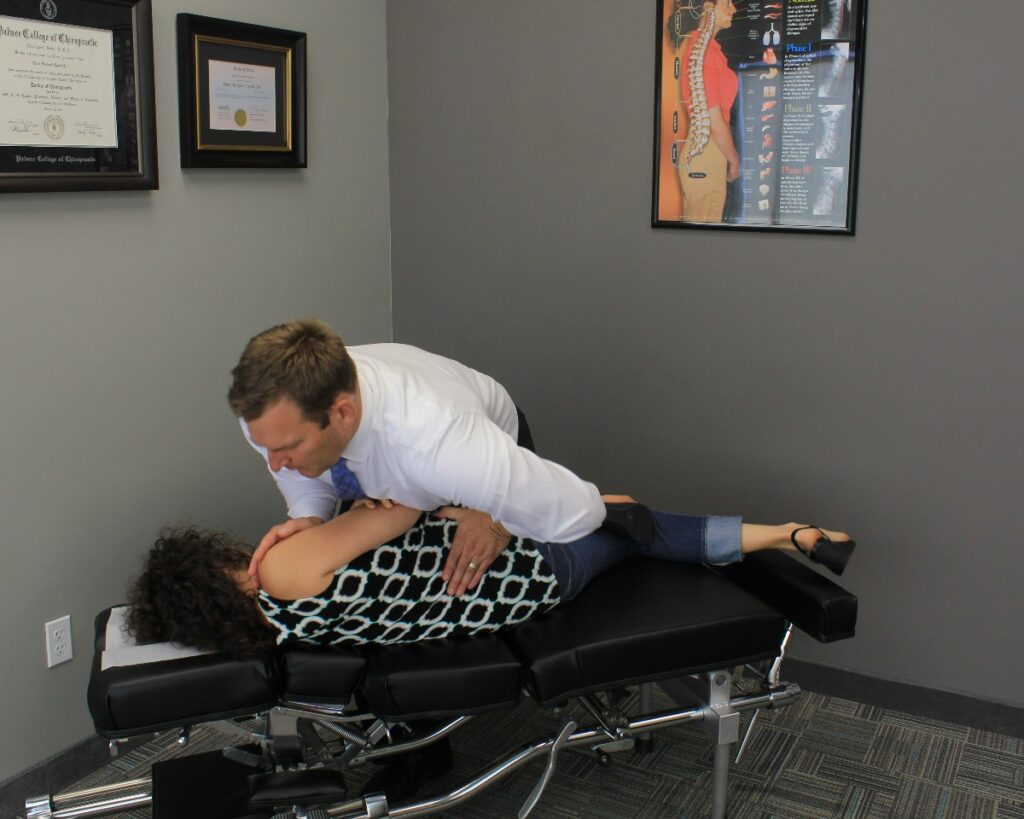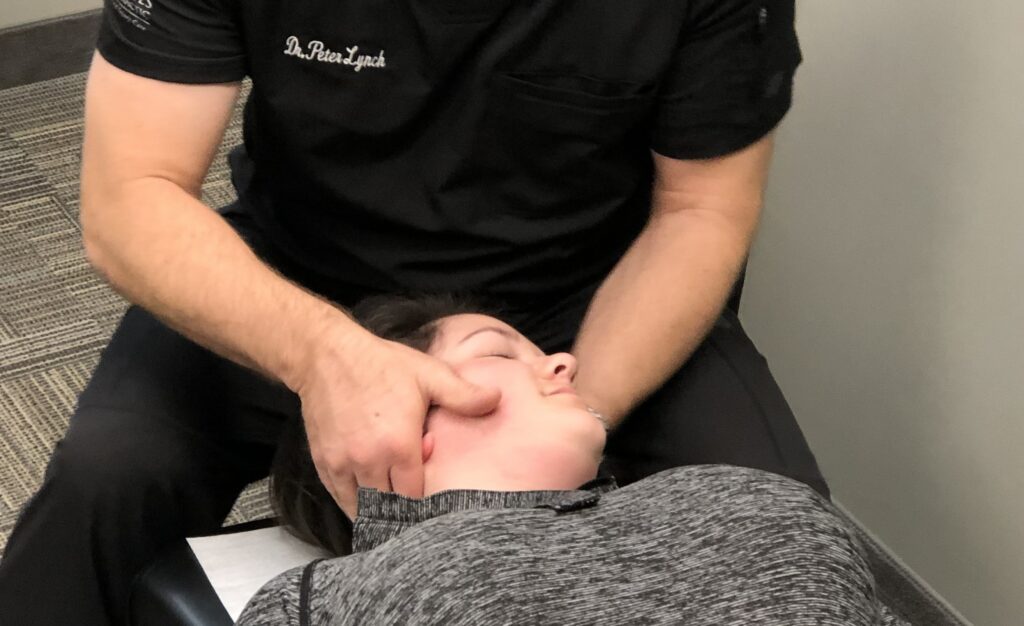
As a local chiropractor, I want to emphasize how much your daily habits can influence your posture and contribute to back pain. Many people may not realize that simple adjustments in your routine can lead to significant improvements in your comfort and overall health. Whether it's optimizing your workspace or being mindful of your sitting position, there are effective strategies you can implement immediately.
If you're interested in learning how to enhance your posture and relieve that persistent back pain, I encourage you to explore these practical tips. They could be the key to transforming your daily routine and fostering a healthier spine. Remember, chiropractic care is all about natural healing and empowering you to take charge of your well-being!
Assess Your Current Posture
As a local chiropractor, I want to help you understand how your posture can impact your back pain and overall well-being.
Let's start by evaluating your current stance. Stand up straight for a moment and take a close look at your body alignment. Are your ears aligned over your shoulders? Is your back straight, or do you notice any slouching? Pay special attention to your head position; if your chin is jutting forward, this can create strain in your neck and upper back, potentially leading to discomfort.
Next, let's consider your shoulders. Are they rounded or pulled back? Rounded shoulders may contribute to tension in your upper back and neck, which can build up over time and result in pain.
Now, shift your attention to your hips. Ideally, they should be level and not tilted forward or backward. A tilted pelvis can disrupt your body's balance and may lead to lower back pain.
While assessing your posture, it's also important to think about how you sit, especially if you spend long hours at a desk. Your seated posture plays a crucial role in your back health. Are you sitting upright, or are you leaning forward? Your lower back naturally curves, so if you find it lacking support, consider using proper cushioning to maintain that curve.
Lastly, observe your movements throughout the day. Are you lifting items using your legs, or are you bending at the waist? Improper lifting techniques can significantly worsen back pain.
By taking the time to review these aspects of your posture, you can pinpoint areas that may need improvement. Making adjustments to your stance now can lead to considerable relief from back pain in the long run.
If you're looking for personalized guidance, I'm here to help you explore chiropractic care and natural healing options that can enhance your posture and alleviate discomfort.
Ergonomic Workspace Setup
As a local chiropractor, I want to share with you how to create an ergonomic workspace that not only promotes better posture but also helps reduce back pain.
Understanding the relationship between your environment and your body is crucial for your overall health and comfort. A well-set-up workspace can make a world of difference.
Here are some important factors to consider:
- Chair Height: It's essential that your chair supports your lower back and allows your feet to rest flat on the floor. A chair that properly supports your spine can help prevent discomfort and promote good alignment.
- Desk Height: Your desk should be positioned at elbow height when you're seated. This allows your arms to rest comfortably, reducing strain on your shoulders and neck.
- Screen Position: Place your monitor at eye level. This simple adjustment can help prevent neck strain and keep your spine aligned while you work.
- Keyboard and Mouse: Keep your keyboard and mouse close enough so that your elbows remain at a 90-degree angle. This minimizes strain on your wrists and helps maintain a natural arm position.
- Regular Breaks: Remember, taking breaks is crucial! Stand up, stretch, and walk around every hour. Moving your body not only helps relieve tension but also promotes circulation, which is essential for your overall well-being.
Strengthen Core Muscles
As a local chiropractor, I want to emphasize the importance of strengthening your core muscles for overall health and well-being. Your core isn't just about having defined abs; it encompasses a network of muscles in your back, pelvis, and sides that work in harmony to support your spine.
When these core muscles are strong, they play a vital role in stabilizing your body and improving your posture, which can significantly reduce strain on your back and help alleviate discomfort.
To effectively strengthen your core, I recommend integrating some simple yet effective exercises into your routine, such as planks, bridges, and abdominal crunches.
Let's start with planks: position yourself face down and lift your body off the ground, balancing on your forearms and toes. It's important to keep your body straight. Aim to hold this position for 20 to 30 seconds at first, and as you build strength, gradually extend the duration.
Next, let's talk about bridges. This exercise is fantastic for engaging your core and glutes. Lie on your back with your knees bent and feet flat on the floor. Press through your heels to lift your hips toward the ceiling, squeezing your glutes at the top. Hold this position for a few seconds before lowering back down.
Try to complete three sets of 10 to 15 repetitions.
Incorporating these exercises just a few times a week can lead to noticeable improvements in your core strength, posture, and relief from back pain.
Remember, consistency is crucial; it's far more beneficial to engage in a little exercise regularly than to do a lot sporadically. As your core strengthens, you'll find it easier to maintain good posture throughout your daily activities, whether you're sitting at your desk or engaging in physical pursuits.
If you have any questions or need guidance on incorporating these exercises into your routine, feel free to reach out. Your journey to better health and wellness starts with a strong core!
Stretch Regularly
As your local chiropractor, I want to emphasize the importance of stretching regularly to improve your posture and alleviate back pain.
Many people are unaware that incorporating a daily stretching routine can significantly benefit your overall well-being. By targeting key muscle groups that often become tense and uncomfortable, you can enhance your flexibility and support proper spinal alignment.
I encourage you to make these stretches a part of your daily routine, as they can play a vital role in your journey toward natural healing and a healthier lifestyle.
Daily Stretching Routine
As a local chiropractor, I want to share with you the incredible benefits of incorporating a daily stretching routine into your life. Many people are unaware that stretching can significantly enhance your posture and help alleviate chronic back pain. It's not just about increasing flexibility; it's about restoring balance to your body and relieving built-up tension.
When you make stretching a part of your daily routine, you may find yourself feeling more energized and less strained. Here are some emotional and physical benefits you can expect to experience:
- Relief from Stress: Stretching helps to relax tight muscles and calms the mind, providing a much-needed escape from daily pressures.
- Improved Mood: Engaging in regular movement releases endorphins, which can elevate your overall happiness and well-being.
- Enhanced Focus: Taking a few moments to stretch can clear your mind, allowing for sharper concentration on tasks at hand.
- Increased Energy: You may feel revitalized and ready to approach your day with renewed vigor.
- Empowerment: By taking control of your body's health through stretching, you cultivate a sense of accomplishment and well-being.
I encourage you to set aside just a few minutes each day to stretch. Whether you choose to do this in the morning to wake up your body or in the evening to unwind from the day's stresses, consistency is crucial.
As you incorporate these stretches into your routine, you'll likely notice improvements in your posture and a significant reduction in back pain.
Target Key Muscle Groups
As a local chiropractor, I want to share some insights on how you can enhance your posture and alleviate back pain through targeted muscle group exercises. Each day is a chance to focus on the key muscles that support your spine and overall alignment.
Let's start with the core muscles. Having a strong core is vital for spinal support and helps prevent slumping. I recommend incorporating exercises like planks and bridges into your routine. They not only strengthen your core but also promote stability.
Next, we need to pay attention to your back muscles. Strengthening your upper back is essential, especially if you spend long hours sitting. Exercises like rows and reverse flys can help counteract the effects of poor posture from prolonged sitting.
Don't overlook your hip flexors, either. Tight hip flexors can inadvertently pull your pelvis forward, which negatively impacts your posture. Regularly stretching these muscles can help relieve tension. Lunges and pigeon stretches are excellent options to include in your regimen.
Finally, let's talk about your hamstrings. If they're tight, they can affect your pelvic alignment. To keep these muscles flexible, consider adding stretches such as standing toe touches or seated forward bends to your routine.
By focusing on these key muscle groups, you're taking proactive steps towards better posture and reduced back pain, which are essential for your overall health and well-being.
If you have any questions or need guidance on how to get started, feel free to reach out!
Use Supportive Furniture
As a local chiropractor, I want to emphasize the importance of using supportive furniture to improve your posture and alleviate back pain.
Ergonomic chairs, desks that adjust to your height, and features that provide proper lumbar support are essential for maintaining healthy alignment during your daily activities.
These elements not only enhance your workspace but also contribute significantly to your overall comfort and well-being.
By incorporating supportive furniture into your routine, you can make a meaningful impact on your spinal health and prevent discomfort.
Let's discuss how making these adjustments can lead to a healthier lifestyle and aid in your natural healing journey.
Ergonomic Chairs Importance
As a chiropractor, I often emphasize the importance of proper seating, especially for those of you who spend long hours sitting at a desk.
Investing in ergonomic chairs can significantly enhance your comfort and support, helping to alleviate strain on your back and neck. When you use the right ergonomic chair, you may find it easier to focus and be productive throughout your day.
Here are five key reasons why I recommend ergonomic chairs to my patients:
- Improved Posture: These chairs encourage a natural alignment of your spine, which is crucial for maintaining overall health.
- Reduced Pain: Ergonomic chairs can help minimize discomfort in your back, neck, and shoulders, leading to a more pleasant experience at work or home.
- Enhanced Productivity: A comfortable seating arrangement can boost your energy levels and concentration, allowing you to work more efficiently.
- Long-Term Health: By supporting your body correctly, ergonomic chairs can protect you against chronic pain and musculoskeletal disorders commonly seen in those with poor seating habits.
- Adjustable Features: Many ergonomic chairs come with customizable settings to fit your unique body shape and size, ensuring maximum comfort throughout your day.
When you prioritize ergonomic seating, you're not merely choosing a chair; you're making a significant investment in your health and well-being.
Say goodbye to those nagging aches and embrace a more supportive and comfortable workspace.
Desk Height Adjustment
As a local chiropractor, I want to emphasize the importance of achieving the right desk height to enhance your comfort and prevent strain, especially during those long hours of work.
When your desk is positioned correctly, it allows your arms to rest naturally at your sides, keeping your elbows bent at about a 90-degree angle. This alignment can significantly reduce tension in your shoulders and neck, which is crucial for your overall well-being.
To determine the optimal desk height, start by sitting in your ergonomic chair with your feet flat on the floor. Your knees should ideally be at or slightly below hip level.
Adjust your desk so that your elbows are aligned with the surface—this is key for promoting good posture. If you find that your desk is too high, consider incorporating a keyboard tray or an adjustable desk converter to help achieve that alignment. Conversely, if your desk is too low, you can elevate it with risers or even sturdy books.
Remember, maintaining the right desk height isn't just about comfort; it's an essential aspect of preventing musculoskeletal issues that we often address in chiropractic care.
Lumbar Support Features
As a local chiropractor, I want to share with you the importance of selecting the right furniture to support your spinal health. After ensuring your desk height is appropriate, the next step to promoting better posture is to invest in a chair that provides adequate lumbar support.
Many people don't realize how crucial this is until they experience discomfort. Sitting for extended periods can take a toll on your lower back, and having the right support is essential to maintain its natural curve and prevent pain.
When choosing a chair, look for these key lumbar support features:
- Adjustable lumbar support – This allows you to customize the fit to match the natural curve of your spine, providing personalized comfort.
- Ergonomic design – A chair designed with ergonomics in mind helps promote natural posture, reducing strain on your back and neck.
- Quality materials – Investing in chairs made from durable and comfortable materials can make a significant difference during long hours of sitting.
- Height adjustability – Being able to align the lumbar support with your body can greatly enhance your sitting experience and prevent discomfort.
- Mobility – Features like swivel and rolling capabilities can improve your workspace flexibility, allowing you to move easily without straining your back.
Choosing the right furniture isn't just about comfort; it's an investment in your health and well-being.
By prioritizing lumbar support, you're taking a proactive step towards alleviating back pain and enhancing your overall quality of life.
Mind Your Footwear
As a local chiropractor, I want to emphasize the vital role that proper footwear plays in your posture and overall back health. The right shoes can significantly impact how your body aligns, which in turn can reduce strain on your back. When selecting footwear, it's essential to choose options that fit well and provide adequate support for your arches.
Shoes that are too flat or lack cushioning can lead to discomfort and misalignment, negatively affecting your posture over time. When you're out shopping for shoes, pay close attention to their materials and construction. Look for footwear that offers sufficient arch support and cushioning to help absorb shock as you walk.
A slight heel, ideally around one inch, can promote a more natural gait, while high heels or overly flat shoes can disrupt your balance and contribute to back pain. It's also important to examine your shoe-wearing habits. Frequent use of flip-flops or unsupportive sandals can be detrimental, so consider limiting their use.
Instead, invest in high-quality sneakers or supportive sandals that prioritize comfort without sacrificing your posture. I recommend regularly assessing your footwear and replacing any shoes that have become worn out. Remember, the support that a shoe provides diminishes over time, so if your shoes no longer feel supportive, it's time for a change.
Your feet serve as the foundation for your entire body, and taking care of them is essential for maintaining good posture and back health. By prioritizing comfort and support in your footwear choices, you'll be doing your back a favor, and your body will thank you for it.
Practice Good Sitting Habits
As a local chiropractor, I want to emphasize the importance of proper seating when you find yourself sitting for extended periods.
The right chair can significantly impact your spinal health. It's crucial to consider desk ergonomics to ensure your workspace promotes good posture.
By making a few simple adjustments, you can greatly reduce your risk of back pain and maintain a healthy spine.
Chair Selection Matters
As a local chiropractor, I want to emphasize the importance of selecting the right chair for your overall health and well-being. Many people are unaware that the chair you choose can significantly affect your posture and contribute to back pain, especially if you spend long hours sitting.
A well-designed chair isn't just a piece of furniture; it can support your body in a way that allows you to focus on your work without being distracted by discomfort. Investing in a quality chair can lead to a healthier spine and a more enjoyable daily experience.
Here are some essential features to consider when selecting your chair:
- Lumbar Support: Look for a chair that provides adequate lumbar support, as it helps cradle your lower back and encourages the natural curve of your spine. This support is crucial for preventing strain and promoting healthy posture.
- Adjustable Height: An adjustable height feature is vital so that your feet can rest flat on the floor, which helps improve circulation and reduces the risk of developing numbness or discomfort in your legs.
- Seat Depth: The right seat depth is important as it prevents pressure on your thighs while supporting your back. This balance is key in maintaining comfort during long periods of sitting.
- Armrests: Armrests can significantly reduce shoulder tension, making it easier for you to relax your upper body. This can also contribute to a more comfortable sitting posture.
- Material: Choosing a chair made from breathable fabric will keep you comfortable throughout the day, helping you avoid overheating and discomfort during extended use.
By paying attention to these features when selecting your chair, you can take a proactive step towards better posture and a healthier spine.
Desk Ergonomics Essentials
As a local chiropractor, I want to emphasize that selecting the right chair is just the starting point for creating a workspace that supports your posture and alleviates back pain.
It's crucial to consider the height of your desk as well. Ideally, when you're typing, your elbows should be at a 90-degree angle with your wrists remaining straight. If your desk is too high or too low, it can lead to discomfort and strain over time, which is something we definitely want to avoid.
Next, let's talk about the positioning of your computer monitor. It should be set at eye level to prevent unnecessary strain on your neck. Keeping the top of the monitor about an arm's length away is a good guideline.
If you're using a laptop, I highly recommend investing in a stand or an external keyboard to help achieve that optimal height for your neck and spine.
Don't overlook the importance of your feet! They should rest flat on the floor or on a footrest. This position helps maintain proper spinal alignment. Ideally, your knees should be at or slightly below hip level for maximum support.
Lastly, remember to take regular breaks. I encourage you to stand up, stretch, and walk around every hour. This practice will help relieve tension and promote better circulation, both of which are vital for your overall well-being.
Take Frequent Breaks
As a local chiropractor, I want to emphasize the importance of taking frequent breaks for your overall health, particularly when it comes to maintaining good posture and alleviating back pain. Many of us spend long hours sitting, which can lead to muscle tension, discomfort, and misalignment.
By integrating regular breaks into your daily routine, you can give your body the opportunity to reset and rejuvenate. Here are some key benefits of taking breaks that I often share with my patients:
- Rejuvenate your muscles: Simple activities like stretching and moving around can significantly reduce stiffness and enhance blood circulation, which is vital for muscle health.
- Improve focus: Stepping away from your workspace allows your mind to clear, which can boost productivity and concentration when you return.
- Reduce cravings: Taking breaks can help you avoid mindless snacking, which supports your overall health and well-being.
- Enhance creativity: A brief change of scenery, even if it's just a few minutes outside, can spark new ideas and perspectives, which is beneficial for both your personal and professional life.
- Promote overall well-being: Dedicating time for yourself can elevate your mood and help lower stress levels, contributing to your mental health.
I recommend that you aim to take a break every 30 to 60 minutes, even if it's just for a minute or two. Stand up, stretch, or take a short walk—whatever feels comfortable for you.
Setting a timer can be a helpful reminder to step away from your desk. These small, consistent actions can have a profound impact on how you feel throughout the day.
Stay Hydrated
As your local chiropractor, I want to emphasize the importance of staying hydrated for your overall health, particularly when it comes to maintaining good posture and alleviating back pain. Many people may not realize that dehydration can significantly impact the way our bodies feel and function. When your body doesn't get enough water, it can lead to stiff muscles and joints, causing discomfort and tension that can affect your daily life.
One of the key areas affected by dehydration is the discs in your spine. These discs act as cushions between the vertebrae, and they need proper hydration to do their job effectively. When they lose moisture, they become less capable of absorbing shock, which can increase your risk of experiencing pain and even injury.
To ensure you stay properly hydrated, I recommend aiming for at least eight 8-ounce glasses of water daily. However, this amount can vary based on your individual activity level, the climate you live in, and your overall health. It's essential to listen to your body and adjust your intake accordingly.
If you're active or spending time in a hot environment, you'll likely need more water to keep your body functioning optimally. A reusable water bottle can be a great tool to help you sip throughout the day.
In addition to drinking water, consider incorporating water-rich foods into your meals. Fruits and vegetables such as cucumbers, watermelon, and oranges can significantly contribute to your hydration levels.
It's also wise to limit your consumption of dehydrating beverages like caffeine and alcohol, as these can worsen dehydration.
Be mindful of how you feel. If you start noticing symptoms of dehydration, such as dry mouth, fatigue, or headaches, it's a clear sign to increase your water intake.
Seek Professional Help
As your local chiropractor, I understand that recognizing the signs of persistent back pain can be daunting. However, seeking professional help is crucial for effective relief and recovery. You might feel tempted to tough it out or try to self-diagnose, but this often leads to increased frustration and discomfort.
That's where my expertise comes in—I can help you uncover the root causes of your pain and develop a personalized treatment plan tailored to your needs.
When you choose to consult with me, you're opening the door to a range of benefits that can significantly enhance your quality of life. Here are a few compelling reasons to consider chiropractic care:
- Accurate Diagnosis: With my training and experience, I can help identify the underlying issues causing your pain, enabling us to target the right treatment effectively.
- Tailored Solutions: Together, we can create a customized plan that includes specific exercises and therapies designed to address your unique condition.
- Access to Advanced Treatments: Chiropractic care encompasses various techniques, from spinal adjustments to soft tissue therapies, which may provide the relief you need.
- Emotional Support: I understand that chronic pain can impact your mental well-being. I'm here to support you through this journey, addressing both physical and emotional aspects of your condition.
- Preventive Measures: I can guide you on how to prevent future injuries by offering expert advice on posture and ergonomics, helping you to maintain a pain-free lifestyle.
Don't let persistent back pain dictate your life any longer. By seeking chiropractic care, you're taking a proactive step towards recovery. You deserve to feel good, move freely, and enjoy life without the burden of back pain.
Reach out to me today, and let's embark on your journey toward relief and improved well-being together!
Conclusion
As your local chiropractor, I want to share some valuable tips to help you improve your posture and alleviate back pain. It's important to start by assessing your current posture and creating an ergonomic workspace that supports your body's natural alignment. Strengthening your core through specific exercises and incorporating regular stretching into your routine will greatly enhance your flexibility and provide essential support for your spine.
Don't forget the importance of taking regular breaks to move around, staying hydrated to keep your muscles functioning well, and investing in furniture that offers proper support. These small changes can make a significant difference in your overall comfort and health.
If you're experiencing persistent discomfort, I encourage you to seek professional care. Chiropractic treatment can be a natural and effective way to address your back pain and improve your posture. Together, we can work towards a healthier, more comfortable life for you.