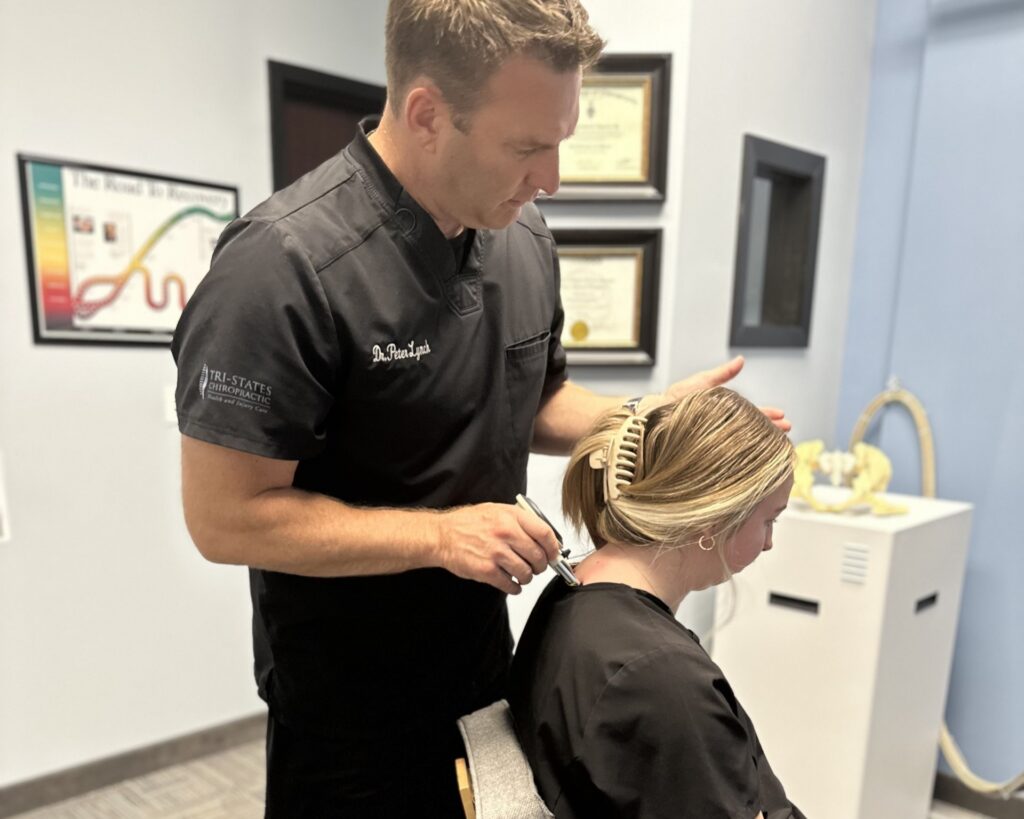
If you're experiencing back pain due to sports activities, know that you're not alone, and there are effective ways to help you find relief and regain your mobility. As a local chiropractor, I want to emphasize the importance of natural healing methods that can aid in your recovery.
First, it's crucial to focus on improving your posture, as this can significantly impact your spinal health. Strengthening your core is another vital aspect; a strong core supports your spine and can help prevent future injuries. Incorporating stretching routines into your daily regimen can also enhance flexibility and alleviate tension in your back muscles.
Don't underestimate the benefits of professional chiropractic care. Regular adjustments can help realign your spine, reduce pain, and improve your overall function. Additionally, mindfulness techniques, such as deep breathing and meditation, can help manage pain and promote relaxation.
Each of these methods plays a significant role in your journey toward recovery. If you're curious about how chiropractic care and these natural strategies can be tailored to your specific needs, let's dive deeper into these options together. Your path to a pain-free life starts here!
Maintain Proper Posture
As a local chiropractor, I want to emphasize the importance of maintaining proper posture, especially when it comes to preventing sports-related back pain. The alignment of your spine plays a crucial role in your overall health and function, particularly during physical activities. When you slouch or lean forward excessively, you put unnecessary strain on your back, which can lead to discomfort and even injury.
To help you keep your posture in check, I encourage you to be mindful of how you stand, sit, and move throughout your day. When standing, make sure to distribute your weight evenly across both feet. Keep your shoulders back and relaxed, and avoid locking your knees. This simple adjustment can significantly reduce tension in your back.
If you find yourself sitting for long periods, it's essential to ensure that your back is properly supported and that your feet are flat on the floor. Choose a chair that encourages good posture by providing lumbar support. If you're at your desk, consider setting reminders to check your posture and make any necessary adjustments.
When you're active, whether you're running or participating in a sport, aim to maintain a neutral spine. Keep your head aligned over your shoulders and your shoulders aligned over your hips. This alignment allows your muscles to work efficiently and helps prevent the overcompensation that can lead to injuries.
Lastly, I encourage you to incorporate specific stretches and mobility exercises into your routine to reinforce good posture habits. By focusing on your posture both in everyday life and during sports, you'll not only enhance your performance but also protect your back from pain and injury.
Strengthening Core Muscles
As a chiropractor, I often see patients struggling with sports-related back pain, and one of the most effective ways to mitigate this discomfort is by strengthening your core muscles. A robust core not only stabilizes your body but also enhances balance and supports your spine, which are all crucial for preventing back pain.
Here are three beneficial exercises that I recommend incorporating into your routine:
- Planks: Begin in a push-up stance, but instead of resting on your hands, support your weight on your forearms. Ensure your body forms a straight line from your head to your heels. Aim to hold this position for 30 seconds to a minute. Planks engage various core muscles and help improve your overall stability, making them an excellent choice for back pain prevention.
- Russian Twists: Sit on the floor with your knees bent and your feet flat on the ground. Lean back slightly and lift your feet off the floor. With your hands together, twist your torso to the right, then to the left. Strive for 10-15 twists on each side. This exercise is particularly effective for targeting your obliques, which are essential for rotational strength and stability.
- Bird-Dogs: Start on your hands and knees. Extend your right arm forward while simultaneously extending your left leg backward, ensuring your body remains straight. Hold this position for a few seconds, then return to the starting position. Alternate to the opposite side. This exercise not only promotes balance and coordination but also strengthens your core, which is vital for a healthy spine.
Incorporating these exercises into your workout routine can significantly bolster your core strength, thereby reducing the risk of back pain during sports activities.
Remember, consistency is crucial, so I encourage you to practice these exercises at least a few times each week. By taking these steps, you can enhance your overall well-being and enjoy a pain-free active lifestyle!
If you have any questions or need further guidance, feel free to reach out during your next visit.
Stretching and Flexibility Exercises
As a local Chiropractor, I want to emphasize the importance of stretching and flexibility exercises in maintaining a healthy spine and overall well-being.
These practices are vital for preventing back pain and can significantly enhance your athletic performance. By integrating regular stretching into your daily routine, you can improve your range of motion, promote better posture, and reduce the risk of injuries.
Let's delve into some effective flexibility exercises and stretching techniques that I recommend for everyone, whether you're an athlete or simply looking to improve your physical health.
Embracing these methods can lead to a more balanced body and a better quality of life.
Importance of Regular Stretching
As a local chiropractor, I want to emphasize the importance of regular stretching in maintaining a healthy back and preventing sports-related injuries.
Flexibility is crucial for enhancing your range of motion and improving your overall athletic performance. When you incorporate stretching into your daily routine, you're not just working on your flexibility; you're also protecting your body from potential injuries.
Here are three key benefits of stretching that I often share with my patients:
- Enhanced Mobility: Stretching is vital for increasing the flexibility of your joints and muscles. This improved mobility allows you to move more freely during physical activities, ultimately leading to enhanced performance and a lower risk of strains and injuries.
- Reduced Muscle Tension: Frequently stretching your muscles can significantly reduce tightness, which is often a contributor to discomfort and pain, especially in the back area. By keeping your muscles relaxed and supple, you minimize your chances of experiencing back pain during or after your sports activities.
- Improved Posture: Regular stretching plays a crucial role in aligning your body properly. Good posture is essential for reducing strain on your back, thereby preventing pain and injuries over time.
Incorporating stretching into your daily routine doesn't have to be overwhelming. Even just a few minutes each day can have a profound impact on your comfort and performance in sports.
As your chiropractor, I encourage you to prioritize stretching as part of your overall wellness plan!
Key Flexibility Exercises
As a local chiropractor, I want to emphasize the importance of integrating specific flexibility exercises into your daily routine to enhance the benefits of regular stretching.
These exercises focus on key muscle groups, which can significantly improve your overall flexibility and help reduce the risk of back pain.
Let's start with the cat-cow stretch. This exercise is fantastic for loosening up your spine and engaging your core muscles.
Begin on all fours, arch your back while inhaling deeply, and then round it while exhaling. This gentle movement can help improve spinal mobility.
Next, consider adding the hip flexor stretch to your regimen. Kneel on one knee and gently push your hips forward to open up the hip area.
This stretch is particularly beneficial for relieving pressure on your lower back, which can often be a source of discomfort.
Don't overlook the seated forward bend, either. Sit with your legs extended in front of you and reach for your toes.
This stretch targets your hamstrings and lower back, promoting flexibility in these areas.
I also recommend the standing quadriceps stretch. Stand on one leg, grab your opposite ankle, and gently pull it toward your glutes.
This will provide a deep stretch for your thigh and can help maintain balance and stability.
Lastly, include the child's pose in your routine. This resting position not only relaxes your back but also promotes overall flexibility.
I encourage you to perform these exercises regularly. By doing so, you may notice improved mobility and a reduction in discomfort during sports activities and daily life.
Stretching Techniques for Athletes
As a local chiropractor, I want to emphasize the importance of proper preparation for those who engage in physical activities, whether you're an athlete or just enjoy staying active.
One essential aspect of maintaining your overall health and preventing injuries—especially back pain—is stretching. Here are three effective techniques I recommend incorporating into your routine:
- Dynamic Stretching: Begin your warm-up with dynamic movements, such as leg swings or arm circles. These exercises help increase blood flow to your muscles and prepare them for the activities ahead, reducing the risk of injury.
- Static Stretching: After your physical activities, it's crucial to perform static stretches. Holding these stretches for 15-30 seconds can significantly enhance your flexibility. Focus on key muscle groups, particularly your hamstrings, quadriceps, and back muscles, to alleviate tightness and improve your range of motion.
- Foam Rolling: Consider adding foam rolling to your post-activity routine. This technique helps release muscle tightness and promotes recovery. Pay special attention to areas such as your lower back, hips, and thighs, as these tend to hold tension that can lead to discomfort.
Use of Heat Therapy
As a local chiropractor, I often see patients struggling with back pain, especially those who are active in sports. One effective method I recommend is heat therapy. This natural approach can truly transform your recovery process.
By applying heat, you can enhance blood circulation, which not only promotes healing but also helps to relax tight muscles and reduce discomfort.
Let's dive into the benefits of heat therapy, the various techniques you can use to apply it, and the best heat sources for optimal relief.
Understanding these aspects can empower you to take control of your healing journey and complement the chiropractic care you receive.
Benefits of Heat Therapy
As a local chiropractor, I want to share with you the valuable benefits of heat therapy for managing back pain, especially for those who lead active lifestyles.
Incorporating heat into your recovery routine can lead to significant relief and improved overall performance. Here are three key advantages of utilizing heat therapy:
1. Enhanced Blood Circulation: When you apply heat to your back, it causes your blood vessels to dilate, which boosts circulation.
This increased blood flow is crucial as it delivers essential nutrients to the muscles in the affected area, aiding in healing and alleviating discomfort.
2. Relaxation of Muscles: One of the remarkable effects of heat therapy is its ability to relax tense muscles and ease stiffness.
This relaxation is important because it allows for better flexibility and mobility, which are essential for maintaining an active lifestyle.
When your muscles are less tense, you can move more freely and comfortably.
3. Effective Pain Relief: The soothing warmth from heat therapy can significantly diminish discomfort by interfering with the pain signals that your brain receives.
This relief enables you to participate in your favorite activities without the persistent burden of back pain, ultimately enhancing your quality of life.
I encourage you to consider heat therapy as a natural and effective method to support your recovery and well-being.
If you have any questions about how this treatment can fit into your chiropractic care plan, feel free to reach out to me.
Application Techniques Explained
As a local chiropractor, I want to share with you how effectively applying heat therapy can significantly enhance your relief from back pain.
It's essential to choose the right time to utilize heat—ideally after you've engaged in physical activity or when you notice your muscles feeling tense. Always ensure that your heat source is warm, but not too hot, as we want to avoid the risk of burns.
When applying heat, focus on placing it directly on the affected area for about 15 to 20 minutes. You can use options like a heating pad, hot water bottle, or a warm towel.
However, it's crucial to place a cloth between your skin and the heat source to prevent any irritation. If you're opting for a heating pad, make sure it's set to a comfortable temperature that feels soothing.
For a more comprehensive approach, consider soaking in a warm bath. This method not only provides heat but also allows your muscles to relax completely.
While you're in the bath, take the opportunity to engage in gentle stretching exercises; this can amplify the benefits of the heat and promote better flexibility.
Always remember to listen to your body. If you start to feel any discomfort or notice adverse reactions, remove the heat source right away.
Regularly incorporating heat therapy into your routine can be an effective way to manage your back pain naturally, complementing the chiropractic care you receive.
Ideal Heat Sources
As your local chiropractor, I want to share the importance of choosing the right heat source for managing back pain. Heat therapy plays a crucial role in promoting healing by enhancing blood flow, relaxing tight muscles, and relieving discomfort.
Here are three effective heat sources I recommend for your therapy:
- Heating Pads: These are easy to use and can be applied while sitting or lying down comfortably. I suggest looking for heating pads with adjustable settings, allowing you to customize the level of heat to suit your needs.
- Hot Water Bottles: Simply fill a hot water bottle with warm water and place it on your back. This method provides consistent warmth that can conform to your body's shape, offering targeted relief where you need it most.
- Warm Baths: Taking a warm bath isn't only soothing for your back but also promotes relaxation for your entire body. Adding Epsom salts to the water can further enhance the therapeutic benefits, helping to ease muscle tension.
When using any heat source, it's essential to keep it at a comfortable temperature to prevent burns. I recommend applying heat for about 15-20 minutes at a time, and always listen to your body's signals.
Cold Therapy Techniques
As a chiropractor dedicated to helping you understand natural healing methods, I'd like to share how cold therapy techniques can provide effective relief for sports-related back pain. Incorporating these techniques into your recovery routine can truly make a significant difference in your healing journey.
Whether you're experiencing muscle strains or inflammation, the application of cold can help alleviate pain and promote recovery.
One of the most straightforward methods I recommend is using an ice pack. Simply wrap a few ice cubes in a thin towel or use a commercial cold pack, and apply it directly to the affected area for about 15-20 minutes.
It's important to give your skin periodic breaks to avoid frostbite, so alternate between 20 minutes on and 20 minutes off.
If you prefer a different approach, a cold compress can be very effective. Just soak a cloth in cold water, wring it out, and place it against your back. This method not only cools the area but also provides soothing relief from soreness.
For a creative twist, you might want to try a bag of frozen vegetables, which can easily conform to your body and offer consistent cold relief.
Cold baths or showers are another option worth considering. They help lower your overall body temperature and alleviate muscle tension, which can be particularly beneficial after intense physical activity.
If you have access to a cryotherapy chamber, these can be excellent for managing more severe pain, although they're not always necessary for everyday recovery.
Remember, consistency is key when it comes to applying cold therapy, especially after workouts or strenuous activities.
As your chiropractor, I encourage you to embrace these natural healing techniques for managing your back pain. By doing so, you'll be able to return to your favorite sports and activities more quickly and effectively.
Ergonomic Sports Equipment
As a local chiropractor dedicated to your overall health and wellness, I want to highlight the significant impact that ergonomic sports equipment can have on your performance and injury prevention. Choosing the right gear, designed with your body's natural mechanics in mind, can greatly reduce strain on your muscles and joints, enhancing your athletic experience.
Here are some key points to consider when selecting ergonomic equipment:
- Proper Fit: One of the most important factors is ensuring that your gear fits your body correctly. Whether you're investing in shoes, helmets, or protective pads, a proper fit can help prevent unnecessary pressure on your back and joints, which is crucial for maintaining a healthy spine.
- Supportive Design: It's essential to look for equipment that offers ample support. For example, a well-constructed sports bra or back support can significantly alleviate strain during high-impact activities. This not only keeps you comfortable but also protects your back from injury during your workouts.
- Adjustability: Opt for equipment that can be tailored to your unique body shape and size. Adjustable features, such as those found in bicycles, allow you to maintain a natural posture while you ride. This is particularly important for minimizing back pain, especially during extended exercise sessions.
By incorporating ergonomic sports equipment into your routine, you're not only enhancing your performance but also safeguarding yourself against potential injuries.
Remember, investing in the right gear is an investment in your long-term athletic health. When you prioritize comfort and support, you're setting yourself up for success, whether you're on the field or the court.
As your chiropractor, I urge you to consider the importance of ergonomics in your physical health and athletic endeavors. Making informed choices will lead to a noticeable improvement in how you feel during and after your workouts.
Together, let's work towards a healthier, more active lifestyle!
Professional Chiropractic Care
As a local chiropractor, I want to take a moment to explain how professional chiropractic care can be a vital part of your overall health, particularly if you lead an active lifestyle. Whether you're an athlete or someone who enjoys regular physical activity, ensuring that your spine and musculoskeletal system are functioning optimally is crucial.
Chiropractors are trained to diagnose and treat a variety of issues related to the spine, joints, and muscles. Many of my patients come in seeking relief from back pain, but what we offer goes far beyond that. Our goal is to enhance your performance and well-being as a whole.
During your first visit, I'll assess your posture, movement patterns, and any discomfort you may be experiencing. Based on this evaluation, I'll create a personalized treatment plan tailored to your specific needs. This often includes spinal adjustments, which are designed to realign your spine, improve your mobility, and alleviate pain. By correcting any misalignments, you can't only find relief from back pain but also boost your overall athletic performance.
In addition to providing relief, regular chiropractic visits can play a key role in injury prevention. Keeping your spine aligned and your muscles balanced reduces the likelihood of strains and sprains. I can also suggest exercises and stretches that cater to your body's unique requirements, helping you maintain peak condition.
It's important to understand that chiropractic care isn't solely about addressing pain; it's about enhancing your body's function. By focusing on alignment and mobility, many of my patients notice improvements in their strength and endurance.
Physical Therapy Solutions
As a local chiropractor, I want to emphasize the importance of chiropractic care and natural healing in managing and preventing back pain, especially for athletes and active individuals.
By focusing on holistic approaches tailored to your individual needs, we can enhance your strength, flexibility, and overall well-being. Here are three key chiropractic solutions you should consider:
1. Spinal Adjustments: One of the core aspects of chiropractic care is spinal adjustments. These gentle manipulations help align your spine and improve your overall posture.
By ensuring that your spine is properly aligned, you can alleviate pressure on nerves, reduce pain, and enhance your body's function.
2. Rehabilitative Exercises: After assessing your specific condition, I can develop a personalized exercise program that focuses on strengthening your core, back, and leg muscles.
These targeted exercises not only help support your spine but also work to prevent future injuries and enhance your athletic performance.
3. Soft Tissue Therapy: In addition to spinal adjustments, I utilize soft tissue therapy techniques such as muscle release and manipulation.
These hands-on methods help relieve tension in your muscles and improve circulation, allowing your body to heal naturally. This can be especially beneficial for athletes who experience tightness and discomfort.
By integrating chiropractic care into your wellness routine, you can proactively address back pain and support your body's natural healing processes.
Let's work together to enhance your performance and overall health!
Mindfulness and Relaxation Techniques
As your local chiropractor, I want to emphasize that alongside chiropractic care, integrating mindfulness and relaxation techniques into your routine can significantly enhance your recovery and overall health.
Stress plays a major role in exacerbating back pain, and these practices can help you manage that stress effectively. By centering your attention on the present moment, you can alleviate anxiety and muscle tension, which supports a more efficient healing process.
One particularly effective mindfulness technique is deep breathing. I encourage you to take a few minutes each day to find a quiet space and concentrate on your breath. Inhale deeply through your nose, allowing your abdomen to rise, and then exhale slowly through your mouth. This simple yet powerful practice can help calm your mind and relax your muscles, providing relief from back pain.
Another valuable approach is progressive muscle relaxation. Begin at your toes and gradually move up through your body, tensing each muscle group before relaxing them. This not only helps release physical tension but also fosters mental relaxation. Many patients report a noticeable decrease in pain and discomfort after consistently practicing this technique.
Meditation is also an excellent tool for pain management. Just a few minutes of daily meditation can clear your mind and reduce your perception of pain. Find a comfortable position, close your eyes, and either focus on a mantra or simply your breath. This practice can enhance your mental clarity and promote a sense of tranquility.
Incorporating these techniques into your daily routine can complement your chiropractic care and support your journey toward better health and wellbeing.
Gradual Return to Activity
As you embark on your journey back to an active lifestyle, it's important to start with gentle stretching to help ease your muscles into movement.
Think of this as a way to reconnect with your body. Gradually increase the intensity of your workouts, but always pay attention to how your body responds.
Monitoring your pain levels is crucial; it allows you to adjust your routine as needed to prevent any setbacks.
Remember, chiropractic care can support your recovery by promoting proper alignment and function, helping your body heal naturally.
If you're unsure about how to safely progress, don't hesitate to reach out for guidance. Your well-being is our priority!
Start With Gentle Stretching
As a local chiropractor, I want to emphasize the importance of gentle stretching as a crucial step in your journey back to physical activity after experiencing back pain.
Before you dive back into your regular exercise routine, it's vital to approach it with care. Gentle stretching can help promote flexibility and relieve tension, making your transition smoother.
Here's how you can begin this process:
- Target Key Muscle Groups: Focus on stretching your lower back, hamstrings, and hip flexors. These areas often endure the most strain, and gentle stretches can help alleviate discomfort while improving your overall mobility.
- Hold Each Stretch: It's beneficial to hold each stretch for about 15-30 seconds. This duration allows your muscles to relax and lengthen, which can significantly reduce the risk of injury as you gradually increase your activity levels.
- Breathe Deeply: While stretching, practice deep, controlled breathing. This technique not only promotes relaxation but also enhances oxygen flow to your muscles, supporting your recovery process.
By incorporating these gentle stretching techniques into your routine, you'll be taking a proactive step towards healing and maintaining your back health.
Increase Intensity Gradually
As a local chiropractor, I want to emphasize the importance of gradually ramping up your activity level, especially if you've experienced back pain. It can be tempting to jump back into intense workouts, but this approach can often lead to re-injury or prolonged discomfort. Instead, let's focus on a safer path to recovery.
First, it's crucial to evaluate where you currently stand with your fitness. Choose activities that feel comfortable and manageable for you. Low-impact exercises such as walking, swimming, or cycling are excellent ways to ease back into a routine without putting too much strain on your back.
Once you feel comfortable with these initial activities, we can begin to incrementally increase the intensity. This could mean incorporating short intervals of higher intensity or extending the duration of your workouts, but always remember to proceed slowly.
For example, if you start with walking, consider increasing your pace or adding small hills as you progress. You might also want to incorporate some strength training focused on core stability and lower back support, which can be incredibly beneficial for your spine.
Listening to your body is key. Pay attention to how you feel as you increase the intensity of your activities. It's important to allow for adequate recovery time between sessions. If you experience any discomfort, don't hesitate to pull back.
Our goal here is to build endurance and strength while ensuring your back remains healthy. By gradually increasing your activity level in this manner, you not only minimize the risk of re-injury but also enhance your overall performance in your chosen sport.
Monitor Pain Levels
As you begin to ease back into your routine, it's crucial to pay close attention to your pain levels. Overlooking discomfort can hinder your progress and delay your recovery.
Here are three effective strategies to help you monitor your pain, especially as you explore the benefits of chiropractic care and natural healing:
- Maintain a Pain Journal: Keeping a record of your pain levels before, during, and after various activities can be incredibly insightful. Document the intensity and duration of your discomfort to help identify specific patterns and potential triggers related to your daily activities and posture.
- Use a Pain Rating Scale: Adopt a simple scale from 1 to 10, where 1 represents minimal discomfort and 10 indicates severe pain. This scale can aid in communicating your pain levels to me and other healthcare providers, allowing us to tailor your treatment plan and make necessary adjustments to your activities.
- Tune into Your Body: It's essential to listen to what your body is telling you, especially during and after exercise. If you notice an increase in pain or if discomfort lingers, it may be a signal to reduce your activity level and reassess your approach.
Remember, chiropractic care focuses on promoting natural healing and balance, so it's vital to work within your limits.
Conclusion
As a local chiropractor, I want to share some effective solutions to help alleviate your sports-related back pain. First and foremost, maintaining proper posture is crucial, as it can significantly impact your spinal health. Additionally, strengthening your core muscles will provide the support your back needs, leading to improved stability and reduced pain.
Incorporating regular stretching routines into your daily regimen can enhance your flexibility, making you less prone to injuries. Heat therapy is another excellent option; it can soothe sore muscles and promote blood flow, aiding in the recovery process. Don't underestimate the importance of professional care—seeing a chiropractor can help address underlying issues and guide you on your path to healing.
Moreover, mindfulness techniques can be beneficial in managing pain and stress, allowing you to remain focused on your recovery. As you begin to feel better, I recommend a gradual return to low-impact activities, which is vital for preventing future complications.
Your back health is paramount, and with the right approach, you can enjoy your sports activities without the burden of pain. Don't hesitate to reach out for guidance on how chiropractic care can support your journey to wellness.