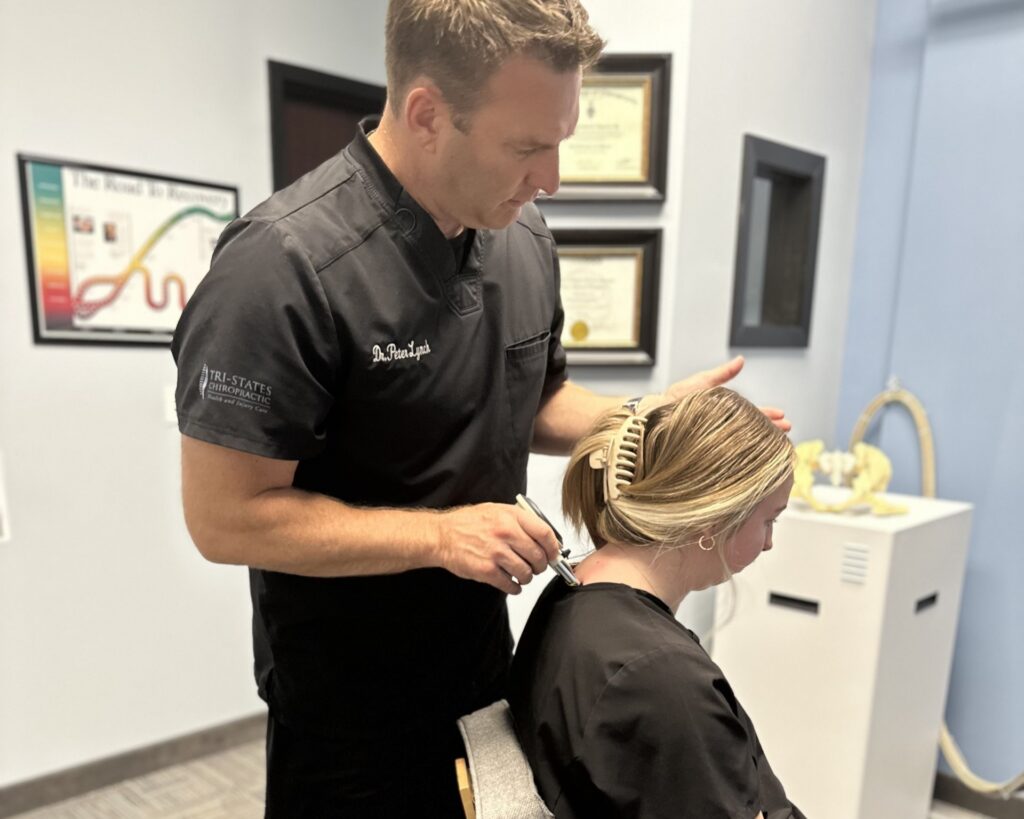
Spinal alignment is crucial when it comes to managing headaches effectively. When your spine is out of alignment, it can lead to tension and compress nerves, sending pain signals that contribute to your discomfort. Common culprits like poor posture and muscle strain can further exacerbate this issue. By understanding how spinal health directly impacts headache frequency, you can explore new paths to relief.
Chiropractic care is an excellent choice for addressing these misalignments. Through gentle adjustments, we can help restore proper alignment, reducing tension and promoting natural healing. Imagine if adjusting your spine could significantly lessen your headaches—this is the power of chiropractic care!
Additionally, here are some simple tips to support your spinal health and potentially reduce headache frequency:
- Maintain Good Posture: Be mindful of your posture while sitting, standing, or working. Keep your head aligned over your shoulders and avoid slouching.
- Stay Hydrated: Dehydration can contribute to headaches, so make sure to drink plenty of water throughout the day.
- Take Breaks: If you’re working at a desk or using screens for long periods, take regular breaks to stretch and move around.
- Manage Stress: Engage in relaxation techniques like deep breathing, meditation, or gentle yoga to help alleviate tension in your body.
- Regular Chiropractic Visits: Scheduling routine chiropractic adjustments can help maintain proper spinal alignment and overall wellness.
By prioritizing spinal health through chiropractic care and these simple lifestyle changes, you can take significant steps towards reducing your headaches and enhancing your overall well-being. Embrace the journey to a healthier, pain-free life!
Key Takeaways
Why Is Spinal Alignment Key to Headaches?
As a local chiropractor, I want to share how crucial proper spinal alignment is for your overall health, especially when it comes to managing headaches. Here are some essential points to consider:
- Reduces Nerve Compression: When your spine is aligned correctly, it helps minimize compression on the nerves. This reduction means fewer headache pain signals are sent to your brain, leading to less discomfort.
- Alleviates Muscle Tension: Misalignments in your spine can create unnecessary muscle tension, which often results in more frequent headaches. By maintaining proper alignment, you can help ease that tension and reduce the occurrence of headaches.
- Promotes Healthy Posture: An aligned spine supports good posture, which is vital for preventing discomfort and tension headaches. Simple adjustments in how you sit, stand, and move can make a significant difference in how you feel day-to-day.
- Chiropractic Care: Regular chiropractic adjustments are a natural way to support your spinal health. These adjustments not only help relieve headaches but also address the root causes by ensuring your spine is in optimal condition.
- Enhances Overall Well-being: Keeping your spine aligned contributes to your overall wellness. A healthy spine can reduce stress and tension levels in your body, which are often triggers for headaches.
Takeaway Tips:
- Be mindful of your posture when sitting or standing. Try to keep your back straight and shoulders relaxed.
- Consider regular chiropractic visits to maintain spinal health and prevent headaches before they start.
- Incorporate gentle stretching and movement into your daily routine to keep your muscles relaxed and aligned.
By focusing on spinal alignment through chiropractic care, you can take proactive steps to manage headaches naturally and enhance your overall health. Remember, your spine plays a vital role in your well-being, and taking care of it is the best choice for a healthier, pain-free life.
Understanding Spinal Alignment
Spinal alignment is key to maintaining your overall health and well-being. When your spine is properly aligned, it not only supports your body’s structure but also allows for effortless movement and flexibility. Good alignment ensures that weight is distributed evenly throughout your body, which helps reduce strain on your muscles and joints. This balance is essential for maintaining a healthy posture, which can help prevent various health issues from cropping up.
If your spine is misaligned, you may find yourself dealing with discomfort or pain that can impact your daily life. Poor spinal alignment can lead to muscle tension, limited mobility, and even disrupt your nervous system. Remember, your spine protects the spinal cord, which is crucial for transmitting signals between your brain and the rest of your body. By ensuring your spine is well-aligned, you can enhance your overall well-being and boost your energy levels.
Chiropractic care is an excellent choice for achieving and maintaining optimal spinal alignment. Our natural approach focuses on identifying and correcting misalignments, allowing your body to heal itself and function at its best. By prioritizing your spinal health through regular chiropractic adjustments, you can improve your posture and support your body’s innate ability to heal.
Here are some simple tips to help you maintain good spinal alignment at home:
- Practice Good Posture: Always be mindful of your posture while sitting, standing, or walking. Keep your shoulders back and your head aligned over your spine.
- Ergonomic Workspaces: If you work at a desk, ensure your chair and computer setup promote good posture. Your feet should be flat on the ground, and your computer screen should be at eye level.
- Stretch Regularly: Incorporate stretching into your daily routine to keep your muscles flexible and reduce tension in your spine.
- Stay Active: Engage in regular physical activity to strengthen your core muscles, which play a vital role in supporting your spine.
- Sleep Smart: Choose a supportive mattress and pillow that keep your spine aligned while you sleep.
The Mechanics of Headaches
Headaches often arise from a combination of nerve impingement, muscle tension, and poor posture. When your spine is misaligned, it can put pressure on nerves and tighten muscles, resulting in pain.
Understanding these mechanics is essential as it empowers you to address the root causes of your headaches effectively.
As a local chiropractor, I believe that chiropractic care is the most natural and effective way to achieve pain relief and optimal wellness. By focusing on spinal alignment, we can alleviate the tension that’s contributing to your headaches and help restore balance to your body.
Here are some helpful tips to manage and prevent headaches:
- Maintain Good Posture: Be mindful of your posture while sitting, standing, and using devices. Keep your spine straight, shoulders back, and avoid slouching.
- Stay Hydrated: Dehydration can contribute to headaches, so make sure to drink plenty of water throughout the day.
- Incorporate Stretching: Gentle neck and shoulder stretches can relieve muscle tension. Try rolling your shoulders back or tilting your head side to side.
- Consider Regular Chiropractic Care: Regular adjustments can help maintain proper spinal alignment, reducing the risk of headaches and promoting overall wellness.
- Manage Stress: Engage in relaxation techniques such as deep breathing, meditation, or yoga to help reduce stress, which can trigger headaches.
By understanding the mechanics of headaches and taking proactive steps, you can pave the way for a healthier, pain-free life.
Nerve Impingement Effects
When nerves in your neck become compressed due to misalignment, it can lead to a nagging headache that interrupts your daily life. This compression happens when the vertebrae in your spine shift out of their natural position, putting pressure on the nerves responsible for transmitting pain signals. As a result, you might feel sharp, radiating pain or a persistent dull ache.
This disruption in communication between your brain and body can heighten your sensitivity to pain. As these nerves struggle to function properly, they may provoke inflammatory responses, making your headache even worse. Recognizing the connection between nerve impingement and headaches is crucial for finding relief.
Chiropractic care is an excellent solution for addressing spinal misalignment. By gently realigning your spine, we can alleviate pressure from the affected nerves and help restore their proper function. This can lead to a reduction in the frequency and intensity of your headaches, paving the way for a healthier, pain-free life.
To support your wellness journey, consider these helpful tips:
- Maintain good posture: Sit and stand up straight to help keep your spine aligned.
- Stay active: Regular physical activity can strengthen your muscles and support spinal health.
- Stretch regularly: Gentle neck and shoulder stretches can relieve tension and improve flexibility.
- Stay hydrated: Drinking enough water can help keep your body functioning optimally.
Taking these simple steps and seeking chiropractic care can make a significant difference in your overall health and well-being. Remember, you don’t have to live with pain—there’s a natural, effective path to relief!
Muscle Tension Connection
Muscle tension can create a painful cycle that often leads to headaches, and understanding this connection is crucial for finding relief. When your neck and shoulder muscles become tight, they can pull on the spine, disrupting its alignment and putting pressure on the nerves. This tension can restrict blood flow, which may trigger painful headaches. You might notice that during stressful times or while sitting for long periods, your muscles tighten even more, making the situation worse.
As this tension builds, it can lead to muscle spasms, further increasing discomfort. To break this cycle, it’s essential to focus on reducing muscle tension through natural methods. Here are a few tips to help you manage tension and promote your overall well-being:
- Practice Good Posture: Maintaining proper posture while sitting or standing can alleviate unnecessary strain on your neck and shoulders. Make sure your workstation is ergonomically set up to support your spine.
- Incorporate Stretching: Gentle stretches can help relieve tightness in your muscles. Consider dedicating a few minutes each day to stretch your neck, shoulders, and upper back.
- Stay Hydrated: Proper hydration supports muscle function and can help prevent cramping and tightness.
- Utilize Relaxation Techniques: Techniques such as deep breathing, meditation, or yoga can help reduce stress and muscle tension.
- Consider Chiropractic Care: Regular chiropractic adjustments can help restore proper alignment to your spine, relieve muscle tension, and improve overall function. A chiropractor can provide personalized care to address your specific needs.
By focusing on these natural approaches, you can help alleviate muscle tension, restore proper spinal alignment, and reduce the frequency and intensity of your headaches.
Posture and Pain
Poor posture can significantly contribute to the onset of headaches, as it impacts the alignment of your spine and the surrounding muscles. When you slouch or hunch over, your neck and shoulders endure added strain, leading to muscle tension. This tension is a common trigger for headaches, particularly tension-type headaches.
You mightn’t realize it, but the way you sit, stand, or even sleep plays a vital role in how your body feels. Maintaining proper posture is essential for your overall well-being. It helps distribute your weight evenly, reducing stress on your muscles and joints.
Here are a few simple tips you can incorporate into your daily routine to improve your posture and potentially alleviate discomfort:
- Be Mindful of Your Sitting Position: Keep your feet flat on the floor, your back straight, and your shoulders relaxed. Consider using a supportive chair that encourages good posture.
- Take Frequent Breaks: If you find yourself sitting for long periods, make it a habit to stand up, stretch, and move around every 30 minutes. This can help relieve tension and improve circulation.
- Strengthen Your Core: Engage in exercises that strengthen your core muscles. A strong core supports your spine and helps maintain proper posture.
- Check Your Sleeping Position: Ensure that your pillow supports your neck without causing strain. A good sleeping position can significantly impact how you feel during the day.
- Stay Hydrated: Drinking plenty of water can help maintain muscle elasticity and reduce tension.
By being mindful of your posture throughout the day, you can alleviate discomfort and potentially prevent those pesky headaches. Remember, a straight spine is key to a headache-free life!
If you continue to experience headaches or tension, consider visiting a chiropractor. Chiropractic care focuses on aligning your spine and optimizing your overall health naturally, helping you achieve a pain-free lifestyle.
How Misalignment Causes Tension
When your spine is misaligned, it can lead to an uncomfortable build-up of muscle tension in your neck and shoulders. This tension can irritate nearby nerves, causing discomfort and even headaches.
It’s essential to recognize how your posture plays a critical role in your overall well-being. Chiropractic care is a natural and effective way to address these issues. By realigning your spine, we can help alleviate muscle tension and reduce nerve irritation, leading to a more comfortable and pain-free life.
Here are some simple tips to help you maintain good posture and support your spinal health:
- Be Mindful of Your Posture: Whether you’re sitting at a desk or standing, keep your shoulders back and your head aligned over your spine.
- Take Breaks: If you sit for long periods, make sure to stand up and stretch every 30 minutes to keep your muscles relaxed.
- Stay Active: Regular physical activity can strengthen your muscles and support your spine. Consider activities like walking, yoga, or swimming.
- Use Ergonomic Furniture: Invest in a chair that provides proper back support and adjust your workstation to promote good posture.
By incorporating these practices into your daily routine and seeking regular chiropractic care, you can effectively manage and prevent tension in your neck and shoulders and enjoy a healthier, more vibrant life.
Muscle Tension Build-Up
Misalignment in your spine can lead to uncomfortable muscle tension that builds up over time. When your spine isn’t in the right position, certain muscles have to work harder, becoming tight and fatigued. This tension can spread to your neck and shoulders, causing discomfort and even headaches. Fortunately, addressing this misalignment through chiropractic care can help relieve muscle strain and enhance your overall comfort.
Here’s a quick overview of how misalignment can affect different areas of your body, along with solutions that focus on natural healing:
| Affected Area | Symptoms | Solutions |
|---|---|---|
| Neck | Stiffness, pain | Stretching, chiropractic adjustments |
| Shoulders | Tightness, discomfort | Massage, heat therapy |
| Upper Back | Tightness, fatigue | Posture correction |
| Lower Back | Pain, stiffness | Strengthening exercises |
| Overall Well-being | Headaches, fatigue | Regular chiropractic care |
Tips for Relief:
- Practice Good Posture: Sitting and standing up straight can help keep your spine aligned and reduce muscle tension.
- Stay Active: Regular physical activity can strengthen your muscles and improve your spinal health.
- Incorporate Stretching: Simple neck and shoulder stretches can relieve tension and promote flexibility.
- Consider Chiropractic Care: Regular visits to your chiropractor can help maintain spinal alignment and prevent tension from building up.
Nerve Irritation Impact
Spinal misalignment can lead to nerve irritation, which often results in muscle tension and discomfort. When your spine isn’t aligned properly, it can create pressure on the nerves that travel through your spinal column. This irritation can trigger pain signals to your muscles, causing them to tighten up and even spasm.
You may find this tension accumulating in areas like your neck, shoulders, or head, which can eventually lead to chronic headaches and ongoing discomfort.
At our chiropractic practice, we focus on addressing spinal misalignment to alleviate nerve pressure. By doing so, we can help reduce muscle tension and promote a more relaxed state. Prioritizing your spinal health is essential in minimizing nerve irritation, which in turn can lessen the frequency and severity of your headaches.
Here are a few simple tips to help maintain your spinal health and promote overall wellness:
- Practice Good Posture: Be mindful of your posture when sitting, standing, or lifting. Keeping your spine aligned can help prevent unnecessary strain on your nerves.
- Stay Active: Regular physical activity strengthens your muscles and supports spinal health. Simple exercises like walking, stretching, or yoga can make a big difference.
- Take Breaks: If you’re sitting for long periods, take regular breaks to stand up, stretch, and move around. This helps reduce tension and keeps your spine aligned.
- Stay Hydrated: Drinking plenty of water helps keep your discs in the spine hydrated and healthy, supporting overall spinal function.
- Consider Chiropractic Care: Regular visits to a chiropractor can help ensure your spine remains aligned and functioning optimally. We can provide personalized adjustments and guidance to support your health journey.
By focusing on these practices and incorporating chiropractic care into your routine, you can take proactive steps toward a healthier, pain-free life.
Posture’s Role Explained
Poor posture is a common issue that can lead to significant tension in your body, often resulting in discomfort and headaches. When you slouch or hunch your shoulders, the muscles in your neck and back become strained. This misalignment can create pressure on your spine and nerves, which may trigger those nagging headaches.
It’s important to understand that the way you sit or stand plays a crucial role in your overall alignment and wellbeing.
If you frequently lean forward while using electronic devices, you may notice increased tension in your upper back and neck. This is where chiropractic care comes in. As a chiropractor, I believe that correcting your posture is essential for alleviating tension, reducing discomfort, and preventing headaches.
Through gentle adjustments and guidance, chiropractic care can help you regain proper alignment and promote natural healing in your body.
Here are some simple tips to improve your posture and overall health:
- Keep Your Shoulders Back: Make a conscious effort to pull your shoulders back and down, which can help relieve pressure on your neck and spine.
- Align Your Head with Your Spine: When standing or sitting, visualize a straight line from the top of your head down to your tailbone. This alignment can reduce strain on your neck and back.
- Take Breaks from Screens: If you spend long hours in front of a computer or phone, take regular breaks to stretch and reset your posture. Try to incorporate small movements every 30 minutes.
- Strengthen Your Core: A strong core can support better posture. Incorporate exercises that strengthen your abdominal and back muscles into your routine.
- Visit Your Chiropractor: Regular chiropractic adjustments can help maintain proper alignment, alleviate tension, and enhance your overall health and wellness.
By making these small adjustments and prioritizing chiropractic care, you can experience a significant improvement in how you feel.
The Role of Nerves in Headache Pain
Nerves play a crucial role in how we experience headache pain, serving as messengers that communicate signals between your brain and body. When nerves in your neck or upper back become irritated or compressed, they can send pain signals that result in headaches. One of the key players in this process is the trigeminal nerve, which is closely associated with various headache disorders.
If your spinal alignment is off, it can lead to nerve compression or irritation, intensifying the pain you feel. Misalignment may cause your nerves to send constant pain signals to your brain, making your headaches feel more severe. Many people don’t fully realize the significant impact proper spinal alignment has on headache intensity until they experience relief through chiropractic care.
Understanding this connection emphasizes the importance of maintaining a healthy spinal posture to reduce nerve-related headaches. Here are some tips to help you manage headache pain naturally:
- Practice Good Posture: Be mindful of your posture while sitting and standing. Keeping your spine aligned can help prevent irritation to your nerves.
- Stay Hydrated: Dehydration can contribute to headaches. Make sure to drink plenty of water throughout the day.
- Take Breaks: If you work at a desk or spend long hours in front of a screen, take regular breaks to stretch and move around. This can help relieve tension in your neck and back.
- Schedule Regular Chiropractic Adjustments: Regular visits to a chiropractor can help maintain proper spinal alignment, reduce nerve irritation, and alleviate headache pain.
Benefits of Chiropractic Care
Chiropractic care offers a wealth of benefits that go far beyond just alleviating pain. By focusing on spinal alignment, you can’t only reduce headaches but also boost your overall health and wellness. Chiropractic adjustments enhance your body’s natural ability to heal and function at its best.
Here are some key benefits you may experience when you incorporate chiropractic care into your life:
- Improved Mobility: Regular chiropractic adjustments can help restore your range of motion, making everyday activities easier and more enjoyable. You might find that bending, reaching, and moving feel more effortless.
- Enhanced Posture: Chiropractic care plays a vital role in promoting better posture. This can relieve stress on your spine and significantly reduce tension headaches. Good posture not only feels better but also helps you project confidence in your daily interactions.
- Stress Relief: Physical tension often leads to mental stress. By relieving that tension through chiropractic treatments, you can lower your stress levels, leading to a more relaxed state of mind. This can help you tackle your daily challenges with a clearer head.
Incorporating chiropractic care into your routine is an excellent choice for achieving a healthier and more balanced life. Remember, small changes can make a big difference!
Here are a few tips to help you maintain your well-being:
- Stay Active: Engage in regular physical activity that you enjoy. Movement is key to maintaining good spinal health.
- Practice Good Posture: Be mindful of your posture when sitting, standing, or lifting. This simple awareness can prevent strain and discomfort.
- Listen to Your Body: Pay attention to any signs of discomfort or pain. Addressing issues early can prevent them from becoming more significant problems.
With chiropractic care as a cornerstone of your wellness journey, you’re empowering yourself to live a vibrant, healthy life. Let’s work together to help you feel your best!
Exercises for Maintaining Spinal Health
To maintain ideal spinal health, it’s vital to incorporate targeted exercises into your daily routine. As a chiropractor, I emphasize the importance of a strong core, as it provides the essential support your spine needs and promotes better posture. Simple exercises like plank holds and bridges are fantastic ways to build this strength and keep your back healthy.
In addition to strengthening, don’t forget about flexibility! Incorporating stretches such as the cat-cow stretch and child’s pose can relieve tension in your back. These gentle movements help keep your spine mobile and reduce stiffness, which is key for overall spinal health.
It’s also important to pay attention to your upper back. Exercises like shoulder blade squeezes can help improve your alignment, making a significant difference in how you feel throughout the day.
Practicing good posture during your daily activities is crucial. Regularly remind yourself to sit and stand tall; this simple adjustment can greatly affect your spinal health and overall well-being.
Consider adding practices like yoga or Pilates to your routine. These activities not only strengthen your body but also emphasize spinal alignment and can complement the benefits of chiropractic care.
By committing to these exercises and lifestyle changes, you’re supporting your spine naturally and may even reduce the frequency of headaches linked to spinal misalignment.
Lifestyle Changes for Headache Prevention
While exercises are essential for maintaining spinal health, your daily habits can significantly impact headache prevention. By making a few simple lifestyle changes, you can reduce the frequency and intensity of your headaches, and chiropractic care can support these efforts for optimal wellness.
- Stay Hydrated: Dehydration is a common headache trigger. To keep your body functioning at its best, aim to drink plenty of water throughout the day. Remember, hydration supports your spinal health too!
- Limit Screen Time: Spending too much time on screens can lead to eye strain and neck tension. Make it a habit to take regular breaks to stretch and relax your muscles. This not only helps reduce headache triggers but also supports your spinal alignment.
- Practice Good Posture: Maintaining proper posture while sitting and standing is crucial. Good posture keeps your spine aligned and takes the pressure off your muscles.
If you find it challenging to maintain good posture, consider incorporating chiropractic adjustments into your routine. These adjustments can enhance your posture and overall wellness.
Incorporating these habits into your daily life can significantly lower your risk of headaches. Pay attention to how these changes affect your well-being, and make adjustments as needed.