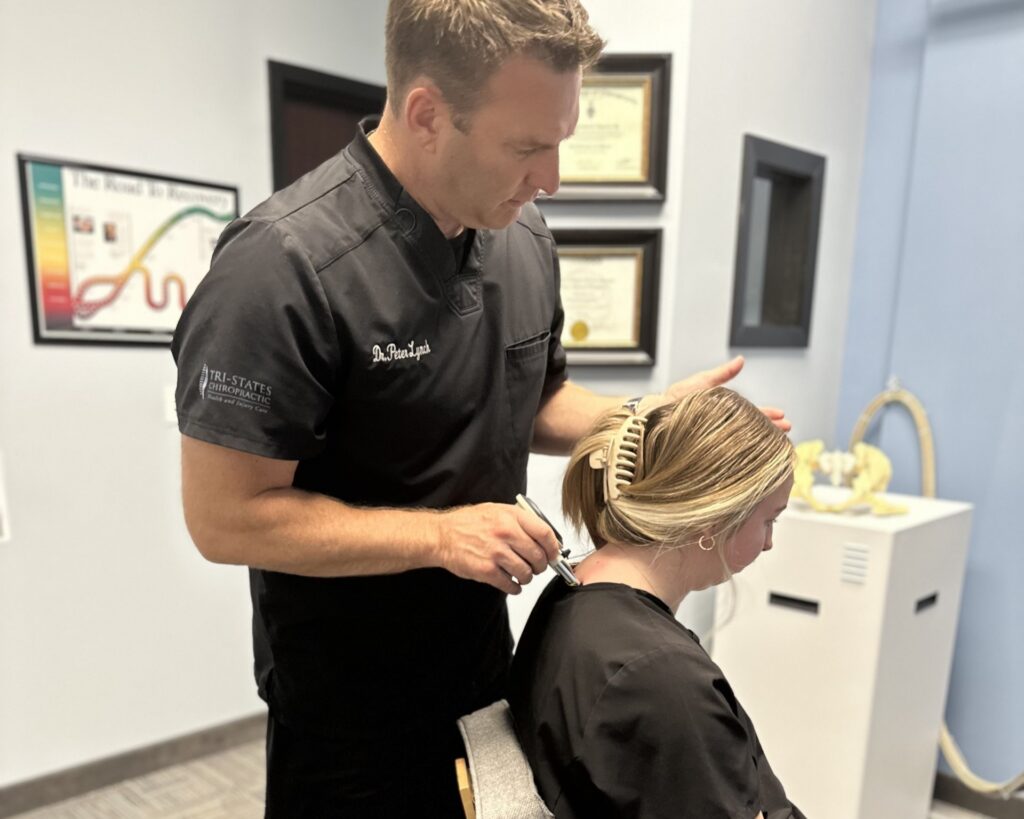
As a local chiropractor, I want to emphasize how crucial your posture is when it comes to managing back pain. Many of you may not realize that maintaining proper alignment can significantly reduce the strain on your spine and the surrounding muscles, which ultimately aids in your healing process. On the other hand, poor posture can lead to muscle imbalances and chronic pain, making recovery much more challenging.
Understanding the impact of posture on your back pain treatment can unveil helpful strategies that not only relieve discomfort but also contribute to your overall health. So, what specific adjustments can you start making today to improve your posture? Simple changes, like being mindful of your sitting position, adjusting your workstation ergonomics, and incorporating stretching exercises, can make a world of difference in your back pain management. Together, we can work towards achieving better posture and, in turn, a more effective and lasting recovery.
The Connection Between Posture and Pain
As a local chiropractor, I want to help you understand the profound impact that posture has on your overall well-being. Many people don't realize that when you slouch or hunch over, it can significantly affect your body. Poor posture isn't just an aesthetic issue; it can lead to various discomforts, particularly in your back and neck.
When you sit or stand incorrectly, you're placing unnecessary strain on your muscles and ligaments. This strain can create tension, which often translates into pain that may radiate through your back, shoulders, and even extend down to your arms and legs.
If you've ever experienced stiffness or soreness after sitting for long periods with bad posture, you're not alone. This discomfort can be more than just a minor annoyance; it can interfere with your daily activities and diminish your quality of life.
When your body is misaligned, your muscles have to work harder to maintain balance, which can eventually lead to fatigue and chronic pain.
Moreover, how you hold yourself affects your body's mechanics. Poor posture can limit your range of motion, making it challenging to perform tasks efficiently. You might find simple movements, like bending down or reaching for something, to be more difficult than they should be.
At my practice, we focus on natural healing methods that address these issues. By improving your posture, we can help alleviate pain, enhance your range of motion, and ultimately improve your quality of life.
How Poor Posture Affects the Spine
As a local chiropractor, I want to emphasize the importance of maintaining proper posture for the health of your spine. Many people don't realize that neglecting good posture can lead to significant issues. When you slouch or sit in awkward positions, you place unnecessary stress on your spinal structures. This can cause misalignments that create discomfort and impact your overall mobility.
Consider how you position yourself while sitting at your desk or standing throughout the day. If you often find yourself hunching forward or leaning to one side, you may be compressing certain vertebrae while stretching others. This imbalance not only leads to pain and stiffness but can also make everyday tasks more challenging.
Over time, poor posture can even contribute to the degeneration of spinal discs, increasing the risk of conditions like herniation. Additionally, your body tries to compensate for poor alignment by overworking specific muscle groups. This can lead to tightness and discomfort that may extend beyond your back.
It's essential to recognize that your posture plays a crucial role in how your spine absorbs shock and distributes weight. By focusing on maintaining good posture, you can help support your spine's health and overall well-being.
As your chiropractor, I'm here to guide you on effective strategies to improve your posture and alleviate any discomfort you may be experiencing. Together, we can work towards a healthier spine!
Muscle Imbalances and Back Pain
As a local chiropractor, it's essential for me to share how muscle imbalances can significantly affect your posture and lead to back pain.
When some muscles in your body are stronger or tighter than their opposing groups, it can cause misalignment, resulting in discomfort and pain.
Understanding these imbalances is crucial for us to identify the most effective treatment approaches.
By restoring balance to your muscles, we can help alleviate your pain and improve your overall posture.
Chiropractic care focuses on natural healing methods, allowing your body to regain its strength and alignment.
If you're experiencing discomfort, let's work together to understand your unique situation and develop a personalized plan for relief and recovery.
Common Muscle Imbalances
As a local chiropractor, I want to help you understand how muscle imbalances can significantly contribute to back pain. Many of these imbalances arise from a combination of overuse and underuse in our daily activities.
For example, if you spend long hours sitting at a desk, you might notice that your hip flexors start to tighten while your glute muscles weaken. This imbalance can lead to poor pelvic alignment, putting unnecessary strain on your lower back.
Another common issue I see in my practice is tightness in the chest and shoulders, often caused by prolonged periods of slouched posture. This can weaken the upper back muscles and lead to a rounded shoulder position, which can further strain your spine.
I also want to highlight the importance of a strong core. Your core muscles play a crucial role in stabilizing your spine. If your core isn't adequately engaged, other muscles may compensate, leading to even more imbalances and discomfort.
Additionally, tight hamstrings can pull on your pelvis, disrupting the alignment of your lower back. By recognizing these common muscle imbalances, we can take targeted steps to correct them.
Incorporating stretches for tight muscles and strengthening weaker ones is vital for restoring balance and alleviating pain.
As your chiropractor, I encourage you to prioritize these changes. They can make a significant difference in your overall back health and well-being.
Together, we can work towards a healthier, pain-free life.
Effects on Posture
As a local chiropractor, I want to shed some light on how muscle imbalances can significantly impact your posture and contribute to back pain. Many of my patients are surprised to learn that when certain muscles in the body are stronger or tighter than their opposing muscles, it creates an uneven pull on the spine. This imbalance can lead to poor postures, such as slumping or leaning to one side, which ultimately places extra strain on your back.
For example, if your hip flexors are tight while your glutes are weak, you may find yourself unconsciously tilting your pelvis forward. This condition, known as anterior pelvic tilt, can exacerbate the natural curve in your lower back, resulting in discomfort and pain over time.
Similarly, tight chest muscles paired with weak upper back muscles can lead to rounded shoulders, which often causes tension in the neck and upper back.
It's important to understand that these postural changes can cause not only immediate discomfort but also lead to chronic pain if ignored. As your chiropractor, I encourage you to recognize how these muscle imbalances affect your body.
Treatment Approaches
As a local chiropractor, I want to help you understand the importance of addressing muscle imbalances in effectively treating back pain. When certain muscles in your body become tight while others are weak, it can lead to poor posture and increased strain on your back.
To help correct these imbalances, our focus will be on strengthening the weak muscles and stretching the tight ones.
We'll start with exercises that target your core, glutes, and back muscles. Movements like planks, bridges, and rows are excellent for building the strength you need to support your spine.
Additionally, incorporating flexibility exercises—such as yoga or specific stretches—can help relieve tightness in critical areas like the hip flexors and hamstrings.
Beyond just exercises, it's vital to consider your daily activities. Adjusting your workstation ergonomics, practicing proper lifting techniques, and maintaining awareness of your posture throughout the day can go a long way in preventing further imbalances from forming.
If you're feeling overwhelmed or unsure of where to begin, I encourage you to reach out to me or another qualified chiropractor. We can work together to create a personalized plan tailored to your unique muscle imbalances and back pain, guiding you towards natural healing and improved well-being.
Posture's Role in Treatment Effectiveness
As your local chiropractor, I want to emphasize the significant impact your posture has on the effectiveness of your back pain treatment.
When you maintain the correct alignment of your spine, you not only enhance the activation of your muscles but also foster long-term habits that support healing.
Understanding how posture, muscle function, and healing interact can greatly improve your overall treatment outcomes.
Let's delve into how these elements work together to help you achieve relief and wellness.
Correct Alignment Benefits
As your local chiropractor, I want to share with you the vital importance of correct alignment in promoting your overall health and well-being. Proper alignment is crucial for alleviating back pain and enhancing the effectiveness of any treatment you may receive.
When you maintain good posture, it helps evenly distribute your body weight, which reduces unnecessary strain on your spine and the surrounding muscles. This proactive approach can prevent pain and discomfort, allowing you to participate more fully in your daily activities.
Moreover, achieving correct alignment ensures that your joints are functioning optimally. A properly aligned spine supports your body's natural curves, which can significantly lower the risk of injury.
I've noticed that when patients focus on maintaining good posture during treatment sessions, it not only improves their experience but also assists me in identifying issues more quickly and implementing effective solutions tailored to their needs.
You might be surprised to learn that good alignment can also enhance your body's healing capabilities. When your posture is aligned, blood circulation improves, delivering crucial nutrients to your muscles and tissues. This increased blood flow can accelerate recovery times and lead to better treatment outcomes.
Ultimately, by prioritizing correct alignment, you're not just alleviating current back pain; you're also taking significant steps to prevent future issues. Investing in your posture is a long-term investment in your health.
As we work together on your journey towards better health, I encourage you to consider the role of alignment in your overall wellness.
Muscle Activation Importance
As a local chiropractor, I want to share with you the significance of muscle activation in your treatment journey. Engaging your muscles properly is crucial for supporting your spine and alleviating pain. If you're experiencing back discomfort, grasping the concept of muscle activation can truly transform your recovery.
Here are three key reasons why muscle activation is vital:
- Improved Stability: When your muscles are engaged, they create a strong foundation that helps keep your spine in its natural alignment. This reduces unnecessary strain and promotes better overall posture.
- Enhanced Mobility: Proper muscle activation can significantly increase your range of motion. This means you'll find it easier to perform daily activities, making life more enjoyable and less painful.
- Pain Reduction: Correct muscle activation reduces the pressure on your spine, which can lead to a decrease in discomfort. When your muscles are working effectively, you may experience less pain during everyday movements.
Ignoring muscle activation in your treatment plan can lead to setbacks in your recovery. It's essential to incorporate exercises that focus on engaging your muscles.
By prioritizing this aspect of your care, you'll not only enhance the effectiveness of your treatment but also empower yourself to take control of your body.
Long-term Posture Habits
As a local chiropractor, I want to emphasize the importance of understanding how your posture habits can impact your overall health and the effectiveness of your treatment. Many people may not realize that consistently maintaining poor posture can lead to unnecessary strain on your back and create muscle imbalances that can worsen discomfort over time.
These habits can become deeply ingrained, making it challenging to correct them and potentially diminishing the benefits of any chiropractic care you receive.
To effectively manage and alleviate back pain, it's essential to adopt healthier posture habits. This means being aware of how you align your body throughout your daily activities—whether you're sitting at your desk, lifting objects, or even waiting in line.
Small adjustments, such as keeping your shoulders back and your spine straight, can make a significant difference in reducing pressure on your back muscles and joints.
In addition to improving your posture, incorporating exercises that strengthen your core and back muscles is crucial for supporting better alignment and enhancing your body's response to treatment.
Remember, chiropractic care isn't solely about relieving pain; it's about fostering a sustainable lifestyle that encourages long-term health and well-being.
By focusing on your posture habits, you can't only enhance the effectiveness of your chiropractic treatment but also lower your chances of experiencing future back pain.
I'm here to guide you on this journey toward better posture and a healthier life!
Strategies for Improving Posture
As a local chiropractor, I want to share some essential strategies for improving your posture, which can greatly alleviate back pain and enhance your overall well-being.
Many people are unaware of how simple changes in their daily habits can lead to significant improvements in their posture and comfort. Here are three effective strategies I recommend to help you stand tall and feel your best:
1. Be Mindful of Your Sitting Position: It's important to be conscious of how you sit throughout the day. Ensure your feet are flat on the ground, and your back is straight against the chair.
If you find it difficult to maintain proper alignment, consider using a cushion for lumbar support. This small adjustment can relieve pressure on your spine and significantly reduce discomfort.
2. Take Frequent Breaks: If you have a job that requires long periods of sitting, I suggest setting a timer to remind yourself to stand up and stretch every 30 to 60 minutes.
Regular movement not only enhances your posture but also improves circulation and boosts your energy levels, allowing you to feel more refreshed and engaged throughout your day.
3. Adjust Your Workspace: For those of you working at a desk, it's crucial to ensure your workspace is ergonomically friendly.
Make sure your computer monitor is at eye level, and position your keyboard so that your elbows are bent at a 90-degree angle. Creating a well-organized and comfortable workspace encourages better posture and minimizes strain on your back.
By incorporating these strategies into your daily routine, you can make strides toward better posture and overall health.
If you're still experiencing discomfort or have questions about how chiropractic care can support your journey, don't hesitate to reach out for a consultation. Together, we can work towards a healthier, pain-free lifestyle.
Exercises to Strengthen Postural Muscles
As a chiropractor, I want to emphasize that strengthening your postural muscles is just as crucial as adopting good habits for maintaining proper posture. Focusing on these muscles can create a solid foundation that supports your spine, ultimately helping to alleviate back pain.
Here are a few effective exercises that I recommend to get you started on your journey toward improved posture and overall health.
First, consider trying the plank exercise. To perform this, get into a push-up position, ensuring that your body forms a straight line from your head to your heels. Engage your core muscles and hold this position for 20 to 30 seconds. This exercise is excellent for strengthening your core, shoulders, and back, which are essential for maintaining proper posture.
Next, I encourage you to incorporate the wall angel into your routine. Stand with your back against a wall, keeping your feet a few inches away from it. Press your lower back, shoulders, and head firmly against the wall. Raise your arms to create a "W" shape while ensuring that they remain in contact with the wall. Slowly slide your arms up to form a "Y," then return them to the "W" position. Aim to repeat this movement 10 to 15 times. This exercise is particularly beneficial for enhancing shoulder mobility and strengthening the upper back, which can help prevent slouching.
Another effective exercise you can try is the bridge. Begin by lying on your back with your knees bent and feet flat on the floor. Lift your hips toward the ceiling while squeezing your glutes and engaging your core muscles. Hold this position for a few seconds before lowering back down. Strive for 10 to 15 repetitions. This exercise not only strengthens the lower back and glutes but also plays an important role in improving overall posture.
By integrating these simple exercises into your routine, you can strengthen your postural muscles and support your spine, leading to better posture and reduced discomfort.
If you have any questions or need personalized guidance, feel free to reach out during your next visit!
Long-Term Benefits of Good Posture
As a local chiropractor, I want to share the importance of maintaining good posture and how it can benefit your overall health in the long run. Many people may not realize that proper posture goes beyond just relieving back pain; it plays a vital role in your well-being. By consciously practicing good posture, you can significantly enhance your quality of life.
Here are three key long-term benefits of cultivating good posture that I often share with my patients:
- Increased Confidence: When you stand tall and align your body correctly, you naturally project confidence. This boost in self-esteem can improve your interactions in both social and professional settings, opening up new opportunities for you.
- Improved Breathing: Good posture allows your diaphragm to function optimally, giving you the ability to take deeper and more efficient breaths. This can lead to increased energy levels and improved focus throughout your day, which is essential for both work and leisure.
- Enhanced Digestion: Proper alignment of your body allows your internal organs to work more efficiently. By maintaining good posture, you may experience fewer digestive issues, which contributes to your overall health and comfort.
As your chiropractor, I encourage you to embrace these benefits of good posture. It's a simple yet powerful way to enhance your health and well-being, and I'm here to guide you on this journey to better posture and a healthier life.
Conclusion
As a local chiropractor, I want to emphasize the importance of posture in the treatment and prevention of back pain. Many people may not realize how poor alignment can negatively impact the spine and lead to muscle imbalances. By being mindful of your posture, you can take proactive steps to alleviate discomfort and support your back health.
Strengthening specific muscle groups and adopting healthier habits can significantly reduce pain and improve your overall mobility. Good posture isn't just about looking confident; it plays a crucial role in your long-term well-being. By embracing proper alignment, you set the foundation for a healthier, pain-free life.
I encourage you to start making these changes today. Your body will thank you with improved strength and alignment, paving the way for a brighter, healthier future. If you have any questions or need guidance on posture and spinal health, I'm here to help!