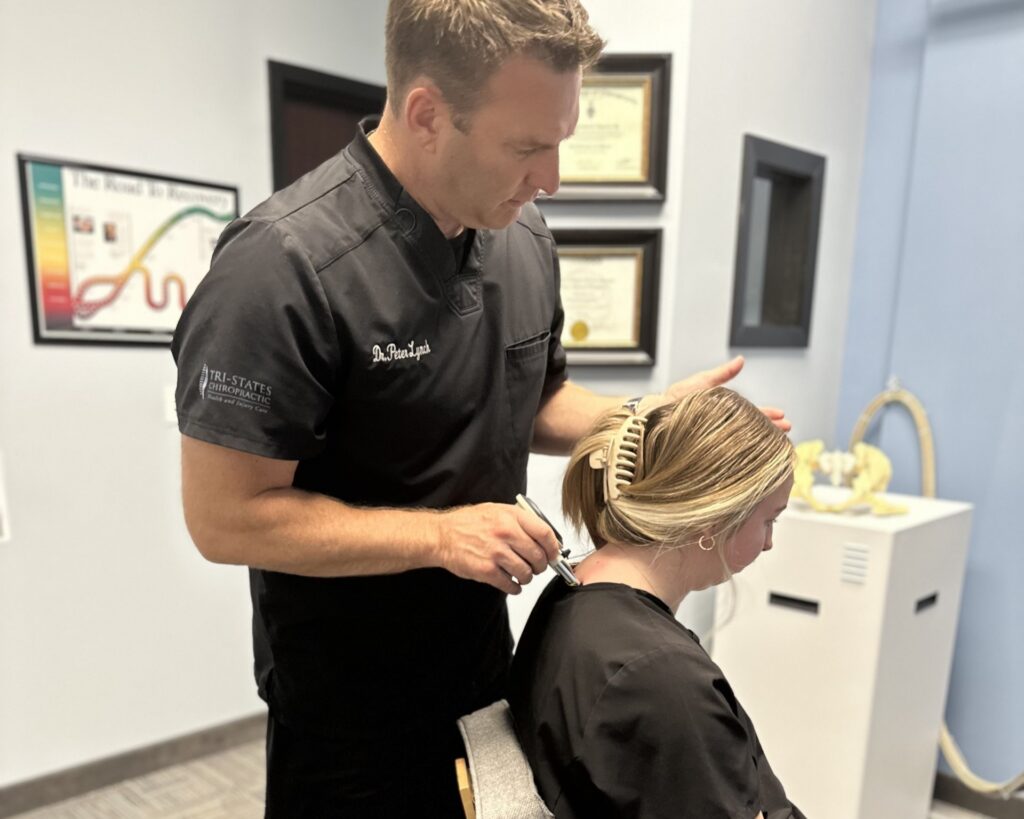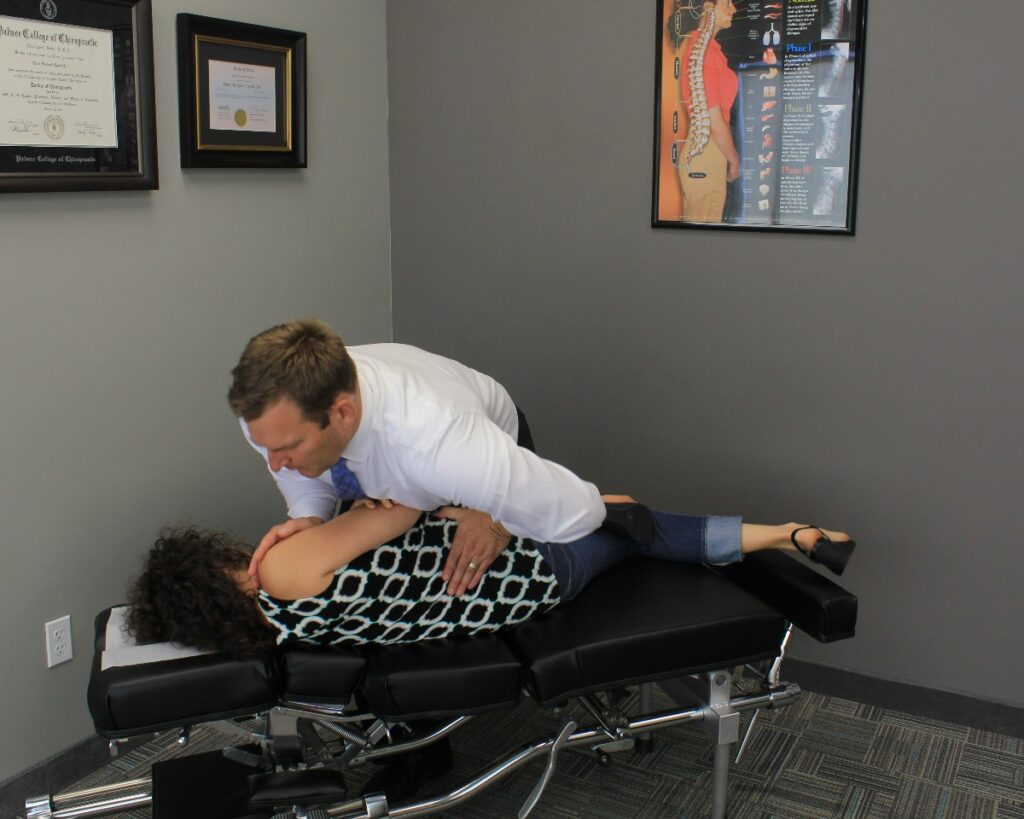
When it comes to managing low back pain, it’s easy to feel overwhelmed by the multitude of options out there. However, natural remedies, particularly chiropractic care, provide a holistic approach that not only addresses the root causes of your discomfort but also promotes overall wellness. Chiropractic adjustments can effectively realign the spine, relieve tension, and improve mobility, helping you get back to your daily activities without pain.
By exploring natural remedies, you’ll discover that they can alleviate pain while supporting your body’s own healing processes. Chiropractic care emphasizes the importance of spinal health, which is crucial for maintaining a healthy nervous system and overall body function.
If you’re curious about which remedies are most effective for low back pain, consider incorporating regular chiropractic visits into your routine. Additionally, there are simple tips you can practice at home, such as maintaining good posture, engaging in gentle stretching exercises, and staying active with low-impact activities like walking or swimming.
Let’s dive into how these natural approaches can not only relieve your pain but also enhance your overall well-being, making chiropractic care your go-to choice for achieving optimal health.
Key Takeaways
Natural remedies for low back pain offer a safe and effective way to find relief, especially when combined with chiropractic care. Unlike medications or surgeries, which can come with unwanted side effects, natural approaches focus on promoting your body’s own healing abilities.
Chiropractic care is a cornerstone of holistic healing, supporting your overall health through adjustments that align your spine and improve your nervous system function. This not only helps alleviate pain but also encourages better movement and flexibility.
Gentle stretching exercises, often recommended by chiropractors, can significantly relieve tension in your back muscles and enhance flexibility, which is key to a speedy recovery. Incorporating heat therapy, like warm compresses or heating pads, can also soothe discomfort and relax tight muscles.
Don’t forget about the power of nutrition! Eating anti-inflammatory foods—like fruits, vegetables, and healthy fats—along with staying well-hydrated, can play a crucial role in maintaining spinal health and tissue elasticity. Your chiropractor can provide personalized advice on which foods can best support your healing journey.
Additionally, practicing mind-body techniques, such as deep breathing or meditation, can help reduce stress and tension that often contribute to low back pain. By integrating these practices into your daily routine, you can improve your overall well-being and enhance the effectiveness of your chiropractic care.
Remember, the path to optimal health starts with understanding your body and making mindful choices. If you’re experiencing low back pain, consider visiting a chiropractor to explore these natural remedies and find a comprehensive approach to wellness.
Understanding Low Back Pain
When it comes to low back pain, understanding its causes and symptoms can empower you to manage it effectively and embrace a healthier lifestyle. Low back pain often arises from muscle strains, injuries, or conditions like herniated discs. Poor posture, prolonged sitting, and repetitive movements can also contribute to discomfort. By recognizing these triggers, you can take proactive steps to prevent and treat low back pain.
Common symptoms include aching, stiffness, or sharp pain that may radiate down your legs. Sometimes, these sensations can limit your mobility or disrupt your daily activities. Being aware of these signs is crucial, as it helps you know when to seek professional guidance.
One of the best ways to support your spine and alleviate low back pain is through chiropractic care. A chiropractor can assess your condition, provide adjustments, and guide you on exercises to strengthen your back. This natural approach helps restore proper alignment and function, allowing your body to heal itself without the need for medications or surgeries.
Additionally, paying attention to your body mechanics during activities—like lifting, bending, or even sitting—can significantly reduce strain on your back.
Here are some helpful tips to consider:
- Maintain Good Posture: Keep your back straight and shoulders back when sitting or standing. Use ergonomic chairs that support your lower back if you sit for long periods.
- Lift with Your Legs: When picking up heavy objects, bend your knees and keep the object close to your body. This technique helps protect your back from injury.
- Stay Active: Engage in regular low-impact activities, such as walking or swimming, to strengthen your back muscles and improve flexibility.
- Stretch Regularly: Incorporate gentle stretching into your daily routine, focusing on your lower back and legs to relieve tension.
- Listen to Your Body: If you feel discomfort, take breaks and adjust your activities as needed.
The Benefits of Natural Remedies
Natural remedies provide a holistic approach to managing low back pain and can work hand-in-hand with chiropractic care to help you achieve optimal health. By understanding the causes and symptoms of your pain, you can complement your chiropractic treatments with natural solutions that not only alleviate discomfort but also enhance your overall well-being.
Here are some key benefits of using natural remedies alongside chiropractic care:
| Benefit | Description | Impact |
|---|---|---|
| Fewer Side Effects | Natural remedies typically come with minimal side effects compared to medications. | Safer for long-term use |
| Cost-Effective | Many natural treatments are affordable or can be easily prepared at home. | Saves you money |
| Promotes Self-Care | Engaging in natural remedies encourages you to take an active role in your healing journey. | Increases your empowerment |
| Supports Overall Health | Many remedies enhance overall bodily function, working synergistically with chiropractic adjustments. | Improves your quality of life |
Incorporating these natural remedies can enhance your recovery from low back pain while you continue to receive chiropractic care. Here are some simple tips to get you started:
- Gentle Stretching: Incorporate gentle stretches into your daily routine to improve flexibility and relieve tension in your back.
- Heat Therapy: Applying warmth to the affected area can reduce pain and relax tight muscles, making it a great complement to your chiropractic adjustments.
- Stay Hydrated: Drinking plenty of water supports spinal health and helps maintain the elasticity of spinal discs.
- Mindful Movement: Engage in low-impact exercises like walking or swimming, which can strengthen your back without putting undue strain on it.
- Nutrition: Focus on a balanced diet rich in anti-inflammatory foods to support overall health and healing.
Common Natural Remedies for Low Back Pain
If you’re experiencing low back pain, consider exploring the benefits of chiropractic care alongside some common natural remedies. As a chiropractor, I believe that a holistic approach, including spinal adjustments, can be your best ally in achieving optimal health and lasting relief.
Chiropractic care focuses on aligning the spine to relieve pressure on nerves, which can help reduce pain and improve mobility. Alongside chiropractic adjustments, you might find that incorporating herbal treatments, physical therapy exercises, and mindfulness practices can further enhance your recovery.
Here are some tips to help you manage low back pain:
- Regular Chiropractic Adjustments: Regular visits to your chiropractor can help keep your spine aligned and reduce discomfort.
- Gentle Stretching and Strengthening: Engaging in gentle exercises that focus on strengthening your core and stretching your back can support your spine and alleviate tension.
- Herbal Remedies: Some people find relief with natural herbs like turmeric or ginger, known for their anti-inflammatory properties. Always consult with your chiropractor before trying new supplements.
- Mindfulness and Relaxation: Practicing mindfulness or meditation can help reduce stress, which may contribute to muscle tension and pain.
- Posture Awareness: Pay attention to your posture throughout the day, especially if you sit for long periods. Good posture supports spinal health and can prevent further pain.
Herbal Treatments and Supplements
As a local chiropractor, I’m excited to share how you can explore herbal treatments and supplements to complement your journey towards relief from low back pain. While chiropractic care is the best way to address the root causes of pain and promote overall wellness, certain natural remedies may help enhance your recovery.
Turmeric is a fantastic option due to its powerful anti-inflammatory properties, making it beneficial for reducing pain and discomfort. Similarly, ginger can be your ally in decreasing muscle soreness, which is often a contributor to back pain. Another herb, Boswellia, may support your mobility and alleviate pain, allowing you to move more freely.
Devil’s claw is another herbal remedy that has shown potential in easing back pain, while willow bark serves as a natural pain reliever. Additionally, consider magnesium supplements, especially if you experience muscle tension, as a magnesium deficiency can exacerbate discomfort.
Remember, natural remedies are best used alongside chiropractic care, which addresses the underlying issues causing your pain. It’s always wise to consult with a healthcare professional before starting any new herbal regimen, particularly if you’re currently taking other medications.
Incorporating these natural remedies can be a valuable part of your holistic approach to managing low back pain. Alongside regular chiropractic adjustments, which help align your spine and improve function, you can pave the way for better health and well-being.
Here are some general tips to keep in mind:
- Stay active with gentle exercises or stretches recommended by your chiropractor.
- Maintain good posture to reduce strain on your back.
- Stay hydrated and nourish your body with a balanced diet to support overall health.
Physical Therapy Techniques
To effectively alleviate low back pain, incorporating chiropractic care into your routine can significantly enhance your recovery journey. Chiropractic techniques focus on aligning the spine, improving mobility, and promoting overall wellness. Here are some common chiropractic methods and tips that can help you find relief and maintain a healthier lifestyle:
| Technique | Description |
|---|---|
| Spinal Adjustments | Gentle manipulations to align the spine and reduce pain. |
| Stretching | Simple stretches can improve flexibility and alleviate tension. |
| Strengthening | Exercises to build core muscles which provide better support for your back. |
| Posture Training | Learning proper posture can prevent future issues and enhance daily comfort. |
| Heat/Cold Therapy | Applying heat can relax tense muscles, while cold can reduce inflammation and pain. |
In addition to these techniques, here are some general tips to help you manage low back pain naturally:
- Stay Active: Engage in low-impact activities like walking or swimming to keep your body moving.
- Listen to Your Body: Pay attention to your pain levels and adjust your activities accordingly.
- Use Ergonomic Furniture: Ensure your workspace supports good posture to prevent strain.
- Regular Chiropractic Visits: Consistent adjustments can help maintain spinal health and prevent discomfort.
Mindfulness and Meditation
Incorporating mindfulness and meditation into your daily routine can significantly enhance your recovery from low back pain and complement the benefits of chiropractic care. These practices allow you to tune into your body, which helps reduce stress and tension—common culprits that can worsen discomfort. By focusing on your breath and being present in the moment, you can cultivate a sense of calm that promotes healing and supports your overall wellness.
You don’t need to spend hours on meditation; even a few minutes each day can make a notable difference. Try simple techniques like deep breathing exercises or consider exploring guided meditations specifically designed for pain relief. This mindful approach not only helps alleviate pain but also provides you with valuable tools to manage stress effectively.
As you consistently practice mindfulness and meditation alongside your chiropractic care, you’re likely to notice improvements in both your mental and physical well-being. This holistic method supports your recovery journey, making chiropractic care an essential part of achieving optimal health. Remember, your path to wellness is within reach—embracing these techniques can empower you to take control of your health and live a more vibrant life.
Lifestyle Changes to Support Healing
To support your healing from low back pain, it’s essential to incorporate exercise and movement into your daily routine. Engaging in regular physical activity not only helps strengthen your back but also promotes overall well-being. I recommend gentle exercises like stretching, walking, or yoga, which can improve flexibility and reduce tension.
Nutrition and hydration are also critical for your recovery. Eating a balanced diet rich in whole foods, fruits, and vegetables can provide your body with the nutrients it needs to heal. Staying well-hydrated helps maintain spinal health and supports your body’s natural healing processes.
As a chiropractor, I believe that chiropractic care is one of the best ways to achieve optimal health. Regular adjustments can help align your spine, alleviate pain, and improve your body’s function. By addressing any misalignments, chiropractic care can enhance your body’s ability to heal naturally.
Here are some general tips to help you on your healing journey:
- Stay Active: Incorporate light exercises into your day. Aim for at least 30 minutes of movement, whether it’s a brisk walk or gentle stretching.
- Focus on Posture: Pay attention to how you sit and stand. Good posture can help relieve strain on your back.
- Listen to Your Body: If something doesn’t feel right, don’t push through the pain. Rest and consult your chiropractor for guidance.
- Stay Hydrated: Drink plenty of water throughout the day to keep your body hydrated and support spinal health.
- Consider Regular Chiropractic Visits: Regular adjustments can keep your spine aligned and help prevent future issues.
Exercise and Movement
Engaging in regular exercise and movement is vital for alleviating low back pain and promoting overall healing, particularly when paired with chiropractic care. Staying active not only strengthens your core muscles but also improves flexibility and enhances circulation, all of which play a significant role in reducing discomfort. Simple activities like walking, swimming, or yoga can be incredibly beneficial. Aim for at least 30 minutes of moderate exercise most days of the week to support your spine and overall wellness.
As you embark on your fitness journey, it’s important to listen to your body; if an activity causes pain, make adjustments to ensure your comfort. Incorporating gentle stretching into your routine can also help relieve tension in your back, allowing for better movement and flexibility.
Remember, consistency is key. By prioritizing movement alongside regular chiropractic adjustments, you not only support your spine but also boost your mood and enhance your overall well-being. Chiropractic care is a natural and effective way to achieve optimal health, so make it a part of your wellness routine.
Embrace the healing power of exercise and chiropractic care—get moving today and take an active step towards a healthier, pain-free life!
Nutrition and Hydration
Proper nutrition and hydration play a vital role in your healing journey from low back pain, especially when combined with chiropractic care. A balanced diet filled with anti-inflammatory foods can significantly reduce pain and promote recovery, making it an excellent complement to your chiropractic treatments. Focus on incorporating whole grains, lean proteins, fruits, and vegetables into your meals. Don’t forget about the power of omega-3 fatty acids found in fish, flaxseed, and walnuts, which can be particularly beneficial in lowering inflammation.
Hydration is just as important! Drinking plenty of water not only supports your spinal health but also helps maintain flexibility in your muscles and joints, enhancing the effectiveness of chiropractic adjustments. Aim for at least eight glasses of water a day, and remember to adjust that amount based on how active you are.
Additionally, it’s wise to limit processed foods, added sugars, and excessive salt, as they can increase inflammation and hinder your healing process. By nourishing your body properly, you create a supportive environment for recovery and overall well-being, allowing your chiropractic care to work more effectively.
Incorporating these nutritional tips into your daily routine won’t only help alleviate your low back pain but also contribute to your overall health. Remember, chiropractic care is your best ally in achieving optimal wellness naturally!
The Role of Exercise in Pain Management
While many people may hesitate to engage in physical activity during episodes of low back pain, incorporating exercise into your daily routine can be one of the most effective ways to manage discomfort naturally. Regular exercise not only strengthens your back muscles but also improves flexibility and enhances your overall physical function, which can significantly help reduce pain over time.
Low-impact activities such as walking, swimming, or cycling are fantastic options that won’t put additional strain on your back. Additionally, stretching exercises are a great way to relieve tension and improve your mobility. It’s important to pay attention to how your body feels; if something doesn’t feel right, don’t hesitate to adjust your routine to suit your needs.
Consistency is crucial, so aim for shorter, more frequent sessions rather than lengthy workouts. As you gradually increase your activity level, you may notice an improvement in your pain and overall well-being. Staying active is essential for maintaining a healthy spine and preventing future issues.
As a chiropractor, I encourage you to consider chiropractic care as a vital part of your journey to optimal health. Regular chiropractic adjustments can help align your spine, reduce pain, and enhance your body’s natural healing abilities. Alongside exercise, chiropractic care provides a holistic approach to pain management and overall wellness.
Mind-Body Techniques for Relief
In addition to regular chiropractic adjustments and exercise, incorporating mind-body techniques can significantly enhance your relief from low back pain. These practices emphasize the connection between your mind and body, empowering you to manage pain more effectively and naturally.
Mindfulness meditation is a great way to become more attuned to your body’s sensations. By practicing mindfulness, you can learn to respond to pain without fear or tension, which is essential for maintaining a relaxed state.
Breathing exercises also play a vital role in your healing journey. Taking deep, slow breaths can promote relaxation and reduce muscle tension, which helps ease discomfort. Consider taking a few moments each day to focus on your breath; it can make a big difference in how you feel.
Yoga is another fantastic practice that combines movement, stretching, and meditation. It offers both physical and mental benefits, helping to strengthen your back and improve flexibility while also calming your mind.
Additionally, guided imagery can be an effective tool for visualizing calm and pain-free states. This technique not only helps reduce stress but also enhances your overall sense of well-being.
When to Consult a Healthcare Professional
Knowing when to consult a healthcare professional is vital for effectively managing low back pain, and as a chiropractor, I’m here to guide you through this process. If your pain lasts more than a few weeks, it’s a good idea to seek help. It’s important to listen to your body; if you’re feeling numbness, tingling, or weakness in your legs, don’t hesitate to get checked out. Other signs to watch for include loss of bladder or bowel control, severe pain following an injury, or ongoing pain that interferes with your daily activities.
Here’s a quick reference table to help you identify when to seek professional advice, particularly in the context of chiropractic care:
| Symptoms | Action | Chiropractic Approach |
|---|---|---|
| Pain lasting over 6 weeks | Schedule a chiropractic visit | Comprehensive spinal assessment |
| Numbness or weakness in legs | Visit a chiropractor | Neurological evaluation and spinal care |
| Loss of bowel or bladder control | Seek immediate care | Emergency chiropractic consultation |
| Severe pain post-injury | Get evaluated by a chiropractor | Focused treatment plan for recovery |
As you consider your options, remember that chiropractic care focuses on natural healing and wellness through spinal adjustments and therapies. It’s a holistic approach that not only addresses pain but also promotes overall health.
Here are some general tips to help manage your low back pain at home:
- Stay Active: Gentle movement, like walking or stretching, can help maintain flexibility and reduce stiffness in your back.
- Maintain Good Posture: Whether sitting or standing, keeping a straight back can prevent strain on your spine.
- Utilize Ice and Heat: Applying ice to reduce inflammation followed by heat to relax muscles can provide relief.
- Practice Relaxation Techniques: Stress can lead to muscle tension, so activities like deep breathing or meditation can be beneficial.
Chiropractic care can play a significant role in your journey to better health and pain relief. If you’re experiencing any of these symptoms, reach out for a consultation to discuss how chiropractic adjustments and therapies can help you achieve optimal wellness naturally.