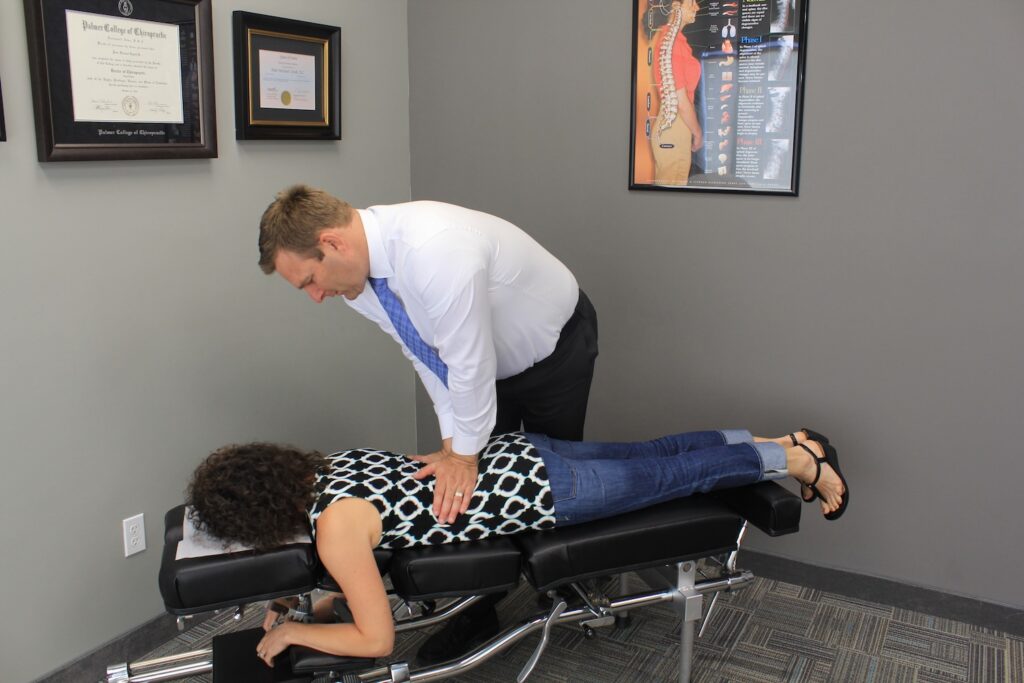
As a local chiropractor, I want to shed light on how easily muscle strain and back pain can enter your life, often due to everyday habits like poor posture or sudden physical exertion. Many people are unaware of how these common factors can impact their daily comfort and productivity. It's crucial to recognize these causes, as they may be affecting your well-being more than you realize.
Understanding the importance of warm-ups and making ergonomic adjustments in your workspace can be game-changers in both prevention and relief from pain. By taking a proactive approach—such as incorporating gentle stretches into your routine or ensuring your chair supports good posture—you can significantly enhance your quality of life.
What if I told you that finding relief might be simpler than you expect? As you explore chiropractic care, you'll discover natural healing techniques that focus on your body's innate ability to heal itself. Together, we can work towards a pain-free life through education and simple lifestyle changes.
Common Causes of Muscle Strain
As a local chiropractor, I often see patients who are unfamiliar with the importance of understanding muscle strain and how it can impact your overall well-being. Muscle strain can happen more easily than you might think – it often occurs when you push your body too hard, whether it's through heavy lifting, sudden movements, or even repetitive tasks in your daily life.
For instance, lifting a box without using proper technique or twisting your body abruptly while reaching for something can put unnecessary stress on your muscles, leading to discomfort or pain.
It's also important to recognize that overexertion during exercise is a common culprit. Many people feel motivated to push themselves harder in their workouts, but if you don't allow your muscles the necessary time to recover, you increase your risk of strain.
Even those who are very fit and conditioned can find themselves dealing with muscle strain if they suddenly ramp up their intensity or duration without a proper warm-up.
Repetitive activities, like typing at a computer or playing a musical instrument, can contribute to strain as well. If you're performing the same movements repeatedly without taking breaks, it can lead to muscle fatigue and discomfort.
Incorporating regular rest periods and stretching is essential to help mitigate this risk.
Additionally, I can't stress enough the importance of a proper warm-up and cool-down routine. Skipping these crucial steps can leave your muscles unprepared for physical activity, which can lead to strain.
Whether you're at the gym or engaged in everyday chores, always make it a point to warm up and cool down effectively.
By understanding these common causes of muscle strain, you can take proactive steps to minimize your risk and enhance your overall health.
As a chiropractor, I'm here to help guide you through natural healing methods and provide support to keep you pain-free and moving well.
The Role of Poor Posture
As a local chiropractor, I'd like to share how poor posture can significantly impact your overall health, particularly concerning muscle strain and back pain. Many people are unaware that the way they sit or stand can lead to discomfort in their bodies.
When you slouch or hunch over—whether at your desk for long hours or while standing in line—your spine and muscles are forced to work overtime to keep you balanced and supported. This added strain often results in pain, especially in the lower back and neck areas.
If you consistently maintain poor posture, the muscles in your back can become fatigued and overstretched. This fatigue leaves them vulnerable to injury, causing muscle strain. You may notice signs like rounded shoulders or a head that juts forward—these imbalances can worsen muscle tension and discomfort.
To help mitigate the negative effects of poor posture, it's essential to be mindful of your body alignment throughout the day. When you're sitting, aim to keep your feet flat on the floor, your back straight, and your shoulders relaxed.
When standing, distribute your weight evenly on both feet and stand tall. These small adjustments can make a remarkable difference in how you feel.
In addition, I recommend taking regular breaks from prolonged sitting or standing. Stretching or walking around every hour can help relieve built-up tension and improve circulation. Incorporating core-strengthening exercises into your routine can further enhance your posture over time, providing your spine with the support it needs.
Remember, as your chiropractor, I'm here to help you understand that making these simple changes today can lead to significant relief from muscle strain and back pain in the future.
Let's work together to improve your posture and overall well-being!
Overexertion and Physical Activity
As a local chiropractor, I want to emphasize the importance of listening to your body during physical activity. When you push yourself too hard, it's easy to strain your muscles and end up with discomfort, particularly in your back. That's why it's crucial to take the time to warm up properly—this prepares your body for the exertion ahead and helps prevent injuries.
Pay close attention to your body's signals. Signs of overexertion, such as fatigue and pain, are your body's way of telling you that it's time to take a break. Ignoring these signals can lead to more serious injuries, which could take longer to heal.
Common Causes of Strain
As a local chiropractor, I want to take a moment to educate you about some common causes of muscle strain, which can be quite prevalent, especially if you're active or just starting a new fitness routine.
One of the most frequent culprits of muscle strain is overexertion during physical activities. When we push ourselves too hard—whether it's lifting heavy weights, running long distances, or participating in sports—our muscles can become overloaded. This overexertion can lead to tiny tears in the muscle fibers, resulting in pain, swelling, and limited mobility.
Improper technique is another significant factor. If you're not using the right form while exercising—like lifting weights or running—you could be putting unnecessary stress on your muscles. It's crucial to ensure you're using proper techniques to minimize this risk.
Additionally, jumping into an intense workout after a long break can surprise your muscles and lead to injury, as they may not be prepared for the sudden increase in activity level.
Fatigue is also something to be aware of. When you're tired, your muscles don't function optimally, which can make it easier to overexert yourself without realizing it. It's important to listen to your body; if you begin to feel pain or discomfort, don't hesitate to stop and take a break.
Lastly, environmental factors play a role too. Slippery surfaces or uneven terrain can increase the likelihood of muscle strain during physical activities. Being mindful of your surroundings and these common causes can help you avoid injuries and maintain an active lifestyle.
If you ever find yourself dealing with muscle strain or discomfort, know that chiropractic care can help. We focus on promoting natural healing and restoring balance to the body, which can aid in recovery and prevent future injuries.
Your health and well-being are important, so take care of your body and listen to its signals.
Importance of Proper Warm-up
As a local chiropractor, I want to emphasize the crucial role that a proper warm-up plays in both preventing injuries and enhancing your performance during physical activities. Engaging in strenuous exercise without adequately warming up can put you at a higher risk for muscle strains and back pain. Just dedicating a few minutes to this essential preparation can make a significant difference in how your body responds to physical demands.
When you warm up, you're effectively increasing blood flow, elevating your body temperature, and preparing your muscles and joints for the activities ahead. I recommend starting with dynamic stretches or light aerobic exercises, which will gently raise your heart rate. This process not only boosts flexibility but also improves the range of motion in your joints, allowing you to perform at your best.
Warming up isn't just about the physical aspect; it also helps you mentally prepare for your workout or sport. By gradually easing your body into activity, you set a positive tone for what lies ahead. On the flip side, neglecting this important step can lead to tight muscles and a higher likelihood of injuries, which can ultimately set you back in your fitness journey.
You may think that skipping your warm-up won't have immediate consequences, but that small investment of time can save you from potential setbacks later on. Whether you're weightlifting, running, or participating in sports, remember that a proper warm-up is essential.
It's a simple yet effective way to protect yourself and improve your overall physical performance. So, let's make it a regular part of your routine before every workout! Your body will thank you for it.
Signs of Overexertion
As a local chiropractor, I want to emphasize the importance of listening to your body during physical activity to prevent overexertion. Overexertion can lead to muscle strain and injuries, which is why recognizing the signs early is crucial for your health and well-being.
You may notice increased fatigue or a heaviness in your limbs as you push yourself. If you find your heart rate skyrocketing or you have difficulty catching your breath, these are clear signals that it's time to ease up.
Another warning sign to watch for is persistent muscle soreness that lasts longer than the typical fatigue following a workout. If you experience dizziness or lightheadedness, take that as a cue to rest. Additionally, any sharp or unusual pains in your muscles or joints shouldn't be ignored, as they can indicate that you're pushing your limits too far.
Listening to your body isn't only about avoiding discomfort but also about enhancing your overall performance and health. Staying well-hydrated is essential, as dehydration can heighten feelings of overexertion.
Remember, it's always wise to adjust your activity level and allow for recovery rather than risk injury. By being mindful of these signs, you can protect yourself and improve your fitness routine.
If you have any concerns or questions about your physical activity and how it relates to your overall health, feel free to reach out. I'm here to help guide you on your journey to natural healing and wellness.
Stress and Muscle Tension
As a local chiropractor, I want to share with you how stress can significantly affect your muscles, causing tension and discomfort that many people experience but may not understand.
Both physical stressors, such as heavy lifting or poor posture, and emotional stress can lead to muscle strain. It's important to recognize how these factors influence your body, as this knowledge is vital for finding effective relief.
Many individuals are unaware of the connection between stress and muscle tension. When you're under stress, your body can react by tightening muscles, which can lead to pain and discomfort.
Chiropractic care focuses on addressing these issues naturally, helping to restore balance and function to your body.
By understanding how stress impacts your muscles, we can work together to develop a personalized treatment plan that may include chiropractic adjustments, exercises, and relaxation techniques.
This holistic approach can help alleviate tension, reduce discomfort, and promote overall well-being.
Physical Stressors Impacting Muscles
As a local chiropractor, I want to help you understand how physical stressors can significantly affect your muscles, often leading to tension and discomfort. Many of us engage in everyday activities—such as lifting heavy items or sitting with poor posture—that can place unnecessary strain on our muscles.
When these actions become habitual, they can cause your muscles to tighten, resulting in stiffness and pain. Repetitive motions, whether they occur at work or in your exercise routine, can lead to overuse injuries. This creates a cycle of tension that can limit your mobility.
It's crucial to take breaks and incorporate stretching into your day to give your muscles the chance to recover. Without this recovery time, the discomfort can worsen. Environmental factors, like cold weather, can also play a role in muscle tightness.
When temperatures drop, your muscles may contract, making them more prone to strain. This is why warming up before any physical activity is so important; it prepares your muscles for the demands they'll face.
Listening to your body is vital. If you experience pain or discomfort, addressing it early on can prevent further complications. As your chiropractor, I encourage you to incorporate proper warm-ups, use ergonomic equipment, and maintain good posture to help alleviate these physical stressors.
Together, we can work on keeping your muscles healthy and functioning optimally through natural healing methods.
Emotional Stress and Tension
As a local chiropractor, I want to help you understand how emotional stress can significantly impact your physical well-being. Many people don't realize that the pressures of daily life can lead to muscle tension, particularly in areas like your back, neck, and shoulders.
When stress levels rise, your body responds by tightening these muscles, creating a cycle of discomfort that can be hard to break. You might've noticed that when you're feeling anxious or overwhelmed, your posture may suffer—you might slouch or hunch over, which can further strain your muscles.
It's crucial to be aware of these habits, as recognizing them is the first step toward relief. To combat this tension, I encourage you to incorporate various relaxation techniques into your daily routine.
Simple practices like deep breathing exercises, progressive muscle relaxation, or mindfulness meditation can help soothe both your mind and body. Regular physical activity is vital, too. Engaging in activities such as yoga or stretching can release accumulated tension and enhance your flexibility.
Don't underestimate the importance of a good night's sleep and a balanced diet—they play a crucial role in managing stress levels. By addressing emotional stress and muscle tension, not only can you find relief from discomfort, but you can also improve your overall health and well-being.
If you're interested, I'd be happy to discuss how chiropractic care can support you in this journey towards better health. Together, we can work on creating a personalized plan to help you feel your best.
Inadequate Warm-Up Practices
As a local chiropractor, I want to share the importance of proper warm-up practices before engaging in any physical activity. Many people overlook this crucial step, which can significantly increase the risk of muscle strains and back pain. When you dive straight into exercise without preparing your muscles, you're not just risking discomfort; you're setting yourself up for potential injury.
Warm-ups play a vital role in increasing blood flow to your muscles, enhancing flexibility, and getting your body ready for the demands of exercise. Without this essential preparation, your muscles may struggle to perform efficiently, which can lead to strains and discomfort during activities.
Consider this: when your body skips the warm-up, it remains stiff, and your muscles can become tight. This stiffness can lead to a lack of coordination and control in your movements, making you more vulnerable to injuries. It's similar to driving a car that's been sitting in the cold without warming up the engine first – both require a bit of preparation for optimal performance.
A proper warm-up doesn't have to take a lot of time. Just 5 to 10 minutes of light aerobic activity, followed by dynamic stretches targeting the muscles you plan to use, can create a significant difference in your exercise experience.
For example, if you're preparing to go for a run, incorporating leg swings, arm circles, and gentle lunges can effectively prepare your muscles. These movements not only warm up your body but also improve your range of motion, reducing the likelihood of strains.
Sedentary Lifestyle Effects
As a local chiropractor, I want to take a moment to discuss the profound impact that a sedentary lifestyle can have on your overall health. Many of my patients come in complaining of muscle weakness and back pain, often stemming from long hours spent sitting—whether at a desk, in front of a screen, or lounging on the couch.
When we remain inactive for extended periods, our muscles can become deconditioned, particularly our core muscles. The core plays a crucial role in maintaining proper posture and providing support for your spine. When these muscles weaken, it can lead to poor alignment, which puts additional strain on your back and can contribute to pain. It's important to understand that this isn't just a minor issue; it can significantly affect your daily life.
Moreover, prolonged sitting can lead to tightness in your hip flexors and hamstrings. These muscles, when tight, can pull on your pelvis and create an unnatural curve in your lower back. This misalignment can make even simple movements, like bending down or lifting objects, painful and increase your risk of injury.
You may also find that your energy levels drop as a result of inactivity. This fatigue can make it even more challenging to engage in physical activity, creating a cycle where pain and exhaustion prevent you from exercising, leading to further muscle weakness. Even small activities, such as walking or stretching, can be incredibly beneficial in breaking this cycle.
To enhance your well-being, I encourage you to incorporate short breaks into your daily routine. Try to stand up, stretch, or take a brief walk every hour. If possible, consider using a standing desk or joining a local fitness class to promote movement.
By making these small adjustments, you can counteract the negative effects of a sedentary lifestyle, reduce muscle strain, and alleviate back pain.
Age-Related Factors
As a local chiropractor, I want to take a moment to talk to you about the effects of aging and a sedentary lifestyle on your body, particularly when it comes to muscle strain and back pain.
As we get older, our muscles and joints naturally lose some of their elasticity and strength, which can increase the risk of injuries and discomfort. You may find that everyday activities, like bending over to tie your shoes or lifting a grocery bag, can cause strain on your back. This is largely due to the normal wear and tear on your spine and the surrounding muscles, which can be more pronounced with age.
Additionally, the discs between your vertebrae may lose hydration, leading to less cushioning and increased pressure on your nerves, resulting in pain.
Moreover, age can play a significant role in your posture. Over time, many individuals develop poor posture habits that can worsen back pain. With weakened core muscles, maintaining proper alignment becomes more difficult, which increases the risk of strain and discomfort.
But don't worry—there are effective ways to combat these age-related challenges! Staying active is key. Regular exercise, particularly strength training and flexibility work, can help maintain muscle mass and improve your overall stability.
Simple activities such as walking, swimming, or practicing yoga can significantly reduce muscle strain and alleviate back pain.
As your chiropractor, I encourage you to prioritize your health and well-being. It's never too late to start moving and making positive changes in your life!
Chronic Conditions Impact
As a local chiropractor, I want to help you understand how chronic conditions can significantly influence your experience with muscle strain and back pain. If you're living with ongoing health issues such as arthritis, fibromyalgia, or diabetes, you may notice that your pain can feel more intense and challenging to manage.
These conditions often lead to inflammation, stiffness, and reduced mobility, which can transform everyday activities into major hurdles.
Here are three key ways chronic conditions can affect your pain experience:
1. Increased Sensitivity: Chronic conditions can amplify your sensitivity to pain. This means that what may be a minor muscle strain for someone else could feel excruciating for you. It's important to recognize this heightened sensitivity, as it can influence how you perceive and respond to pain.
2. Limited Mobility: Struggling with mobility due to a chronic condition can exacerbate muscle strain and back pain. Simple movements might become difficult, creating a cycle of inactivity that can lead to increased discomfort.
As a chiropractor, I focus on helping you improve mobility, which can alleviate some of the pain you're experiencing.
3. Mental Health Impact: Living with chronic conditions often affects mental health, leading to feelings of anxiety and depression. These emotional challenges can make pain feel more intense and unrelenting.
Understanding the connection between mental health and pain perception is crucial for your overall well-being.
Recognizing how chronic conditions influence your pain is vital for effective management. By becoming aware of these connections, you can approach your discomfort with greater insight and empathy.
Effective Relief Strategies
As a local chiropractor, I understand how debilitating muscle strain and back pain can be. If you're looking for effective relief, let me guide you through some natural healing strategies that can help you feel better.
First, it's important to address any inflammation. For the first 48 hours after experiencing pain, I recommend applying ice to the affected area. This can help numb the pain and reduce swelling.
Once that initial period has passed, switching to heat can be beneficial. Heat promotes blood flow and helps ease muscle tension, encouraging healing.
Over-the-counter pain relievers like ibuprofen or acetaminophen can also provide immediate relief. However, it's crucial to follow the recommended dosages to avoid any unwanted side effects.
If you find that your pain lingers, I encourage you to seek professional advice. A thorough examination may lead to suggestions for physical therapy or possibly prescription medications tailored to your needs.
Incorporating gentle stretching and strengthening exercises into your routine can be incredibly helpful. Focus on stretches that specifically target your back and the surrounding muscles.
Low-impact activities such as walking or swimming can keep you active while minimizing strain on your body.
Don't underestimate the importance of rest in your recovery process. Your body needs time to heal, but it's also essential to avoid long periods of inactivity, as this can lead to increased stiffness.
Additionally, consider making ergonomic adjustments to your workspace. Proper posture is key in reducing strain and ensuring your comfort throughout the day.
Mindfulness practices, including yoga and meditation, can also play a significant role in pain management. They promote relaxation and help reduce stress, both of which can exacerbate discomfort.
If you're still struggling with pain, I encourage you to explore alternative therapies like acupuncture or chiropractic care. Each person responds differently to treatment, and it's important to find what works best for you.
Conclusion
As a local chiropractor, I want to emphasize the importance of understanding what causes muscle strain and back pain, as this knowledge is crucial for both prevention and relief. Many of our patients often overlook factors such as poor posture, overexertion, and skipping warm-ups before physical activity, which can lead to discomfort and injury.
To protect your body, I encourage you to adopt proactive measures. Simple steps like incorporating regular stretching into your routine, using heat therapy for relief, and making ergonomic adjustments in your workspace can significantly reduce pain and promote recovery.
Additionally, regular chiropractic care is invaluable in this journey. Not only does it aid in healing, but it also teaches you how to maintain proper body mechanics, which is essential for a healthier lifestyle. By working together, we can help you achieve better wellness and keep back pain at bay.