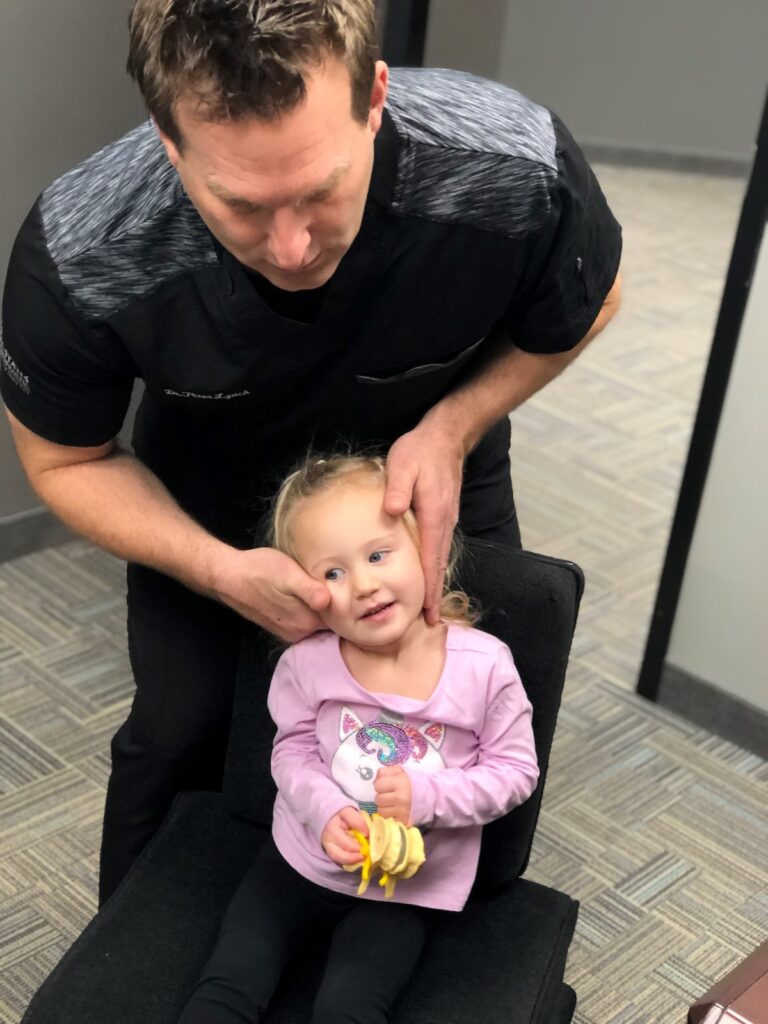
As a local chiropractor, I understand that many of you may be struggling with back pain and are seeking effective ways to find relief. It's essential to recognize that there are various techniques we can explore to alleviate your discomfort.
First and foremost, making simple adjustments to your daily routine—such as improving your posture and incorporating specific exercises—can have a profound impact on your back health.
However, it's equally important to delve into the root causes of your pain. This is where chiropractic care can play a vital role. Through gentle spinal adjustments and tailored treatment plans, we can help restore proper alignment to your spine, which is crucial for overall well-being.
Additionally, I encourage you to explore a range of natural healing options. This may include methods such as massage therapy, stretching routines, or even mindfulness practices like yoga, all of which can enhance your recovery process.
As we discuss these various approaches, you might find some surprising insights into pain management that could reshape your understanding of back pain relief. My goal is to work with you to discover what truly works for your body so that you can achieve the relief you seek.
Understanding Back Pain Causes
As a local chiropractor, one of my primary goals is to help you understand back pain and its various causes. Many people experience back pain due to poor posture, especially if you find yourself sitting for long periods at a desk or frequently looking down at your phone. This type of strain can lead to muscle tension and discomfort, which we can address through chiropractic adjustments and lifestyle changes.
Improper lifting techniques can also contribute to back pain. Lifting heavy objects without using your legs properly can put undue stress on your back, leading to injuries or chronic discomfort. I often emphasize the importance of proper lifting techniques in our sessions to help prevent these issues.
Injuries, whether from sports or accidents, are another common factor in back pain. Whether you've experienced a sprain from an awkward fall or a strain from overexertion, these injuries can result in lingering pain that may benefit from chiropractic care. I focus on targeted adjustments to promote healing and restore function.
Degenerative conditions, such as arthritis, can affect your spine and lead to stiffness and discomfort. Conditions like herniated discs, where the cushioning between your vertebrae bulges out and presses on nearby nerves, can also cause sharp pain. In our practice, we explore natural healing methods to manage these conditions and alleviate your discomfort.
Additionally, it's essential to consider the impact of weight on your back. Carrying excess weight can place extra pressure on your spine, which might lead to pain over time. If this is a concern for you, we can discuss ways to incorporate healthier habits into your lifestyle.
Stress and mental health can also play a significant role in back pain. Physical manifestations of stress often result in muscle tension, and our chiropractic techniques aim to help release that tension and promote relaxation.
Finally, certain medical conditions, such as infections or kidney stones, can contribute to back pain as well. By understanding these various causes, you can make informed decisions about your health and seek the appropriate help. Identifying the root of your back pain is crucial for finding effective relief and enhancing your overall quality of life. I'm here to support you on this journey toward better health and wellness through natural healing.
Lifestyle Changes for Relief
As your local chiropractor, I want to share with you how simple lifestyle changes can provide significant relief from back pain. By focusing on improving your posture and establishing a regular exercise routine, you can not only strengthen your back but also alleviate discomfort. Let's delve into how these adjustments can play a crucial role in your healing journey and overall well-being. Embracing these natural methods can enhance your quality of life and support your body's innate ability to heal itself.
Posture Improvement Techniques
As a chiropractor, I often see how poor posture can contribute to back pain, and I want to help you understand how making a conscious effort to improve your alignment can lead to significant relief. It all starts with being mindful of how you sit, stand, and move throughout your day.
When you're sitting, it's crucial to maintain a straight back, keep your shoulders relaxed, and ensure your feet are flat on the floor. An ergonomic chair can be a great investment, as it offers the support your lower back needs.
When you're standing, aim to distribute your weight evenly across both feet. Keep your shoulders back and your head aligned over your spine. If you find yourself on your feet for long periods, remember to shift your weight from one foot to the other every so often to relieve pressure.
Your workspace is also a key factor in your posture. I recommend adjusting your computer screen to eye level to avoid straining your neck. Keep your keyboard close enough so you don't have to reach too far, and consider using a footrest to elevate your feet slightly if necessary.
In addition to these adjustments, I encourage you to incorporate posture exercises into your routine. Simple movements like wall angels or shoulder blade squeezes can help strengthen your back muscles and improve your posture over time.
Throughout the day, take a moment to check in with your body. If you notice yourself slouching, gently correct your posture. These small, mindful changes can lead to a more aligned posture and, ultimately, a reduction in back pain. Remember, your journey to better posture and overall wellness is something we can work on together!
Regular Exercise Routine
As a chiropractor, I often see patients who are looking for ways to alleviate back pain and improve their overall well-being. One crucial aspect of this process is understanding that improving your posture is just one component of a larger picture. A regular exercise routine is vital for strengthening your back muscles, enhancing flexibility, and providing essential support for your body.
You don't need to engage in an intense gym regimen every day; even simple activities can yield significant benefits. I recommend starting with low-impact exercises such as walking, swimming, or cycling. These activities promote circulation without placing undue stress on your back.
Incorporating strength training into your routine is also beneficial, particularly exercises that focus on your core. Movements like planks, bridges, and bird-dogs are excellent for building stability and providing the support your back needs.
Don't overlook the importance of stretching; it plays a crucial role in maintaining flexibility and alleviating muscle tension. Practices like yoga and Pilates can be particularly effective, improving your posture while helping to relieve tightness.
Consistency is essential when it comes to exercise. Aim for at least 150 minutes of moderate activity each week. Pay attention to your body's signals—if you experience discomfort, it's important to modify your routine or seek guidance from a professional.
Stretching and Strengthening Exercises
As a local chiropractor, I want to share with you the importance of incorporating stretching and strengthening exercises into your routine to effectively address back pain. By enhancing your flexibility and building core strength, you can significantly improve your overall stability and provide better support for your spine. Let's delve into some safe and effective techniques that can truly make a difference in your daily comfort and well-being. Remember, taking care of your body naturally can lead to lasting relief and improved health.
Importance of Flexibility
As a local chiropractor, I want to emphasize the critical role that flexibility plays in alleviating back pain. Many of my patients are surprised to learn how incorporating stretching and strengthening exercises into their daily routine can lead to significant improvements. When your muscles and joints are flexible, they can move more freely, which helps to reduce tension and strain on your back. This enhanced flexibility not only helps prevent injuries but also promotes better posture, which is essential for maintaining a healthy spine.
I recommend starting with simple stretches such as the cat-cow stretch or the seated forward bend. These movements can help loosen tight muscles and improve your overall range of motion. It's beneficial to hold each stretch for 20-30 seconds while focusing on deep breathing to promote relaxation.
In addition to stretching, strengthening exercises like bridges and lunges are vital. They build muscle support around your spine, allowing stronger muscles to absorb shocks and maintain proper alignment, ultimately reducing the stress placed on your back.
Always remember to listen to your body. If you experience any pain during an exercise, it's important to ease up or consult with a professional. By prioritizing flexibility through consistent stretching and strengthening exercises, you are taking a proactive step towards managing your back pain and enhancing your overall well-being. As your chiropractor, I encourage you to embrace these practices as part of your journey to better health.
Core Strength Development
As a local chiropractor, I want to emphasize the importance of developing core strength for your overall back health and well-being. A strong core is fundamental in supporting your spine and pelvis, which can significantly reduce the risk of experiencing back pain. When we strengthen our core, we enhance the stability of our spine, allowing us to perform daily activities with less strain.
To effectively build core strength, I recommend incorporating both stretching and strengthening exercises that target your abdominal, back, and pelvic muscles. Simple movements like planks, bridges, and bird-dogs can engage multiple muscle groups at once, promoting better stability and posture. For instance, holding a plank for 30 seconds encompasses your entire core, while bridges are excellent for building glute strength—an essential component for back support.
It's also crucial to remember the role of flexibility in your routine. Stretching exercises for your hip flexors and hamstrings can complement your strengthening efforts, ensuring your muscles work together efficiently.
I advise my patients to be consistent with their core exercises, aiming for three to four sessions each week. As you strengthen your core, many of you may find a reduction in back pain and an improvement in your overall physical performance. Remember, a strong core is your first line of defense against potential back issues, and I'm here to help guide you in this journey toward better health through natural healing and chiropractic care.
Safe Stretching Techniques
As a local chiropractor dedicated to your well-being, I want to emphasize the importance of safe stretching techniques for maintaining your body's health and preventing injury. Understanding your body's limits is crucial to maximizing the benefits of stretching. I recommend starting with gentle stretches that focus on your back, hips, and legs. Aim to hold each stretch for 15 to 30 seconds, and remember to breathe deeply to promote relaxation.
One of my favorite stretches to recommend is the cat-cow stretch. To perform this, get on your hands and knees. Inhale as you arch your back, and then exhale as you round it. This simple movement can significantly enhance the flexibility of your spine. Another beneficial stretch is the child's pose. Kneel on the floor, sit back on your heels, and stretch your arms forward, allowing your forehead to rest on the ground. This pose is excellent for releasing tension in your back.
Don't overlook the importance of hamstring stretches. While seated, extend one leg forward and gently reach toward your toes. You should feel a nice stretch along the back of your leg. Always listen to your body; if you experience pain during a stretch, it's important to ease off and avoid pushing yourself too far.
I also encourage you to consider a warm-up before you start stretching. Activities like a brisk walk or light movement can increase blood flow to your muscles, making them more flexible and ready for stretching. By incorporating consistent and mindful stretching into your routine, you can significantly improve your flexibility and help alleviate back pain. Remember, a healthy spine is key to overall wellness!
Physical Therapy Options
As a local chiropractor, I'm here to guide you through the various options available for effectively managing and recovering from back pain. Chiropractic care is a holistic approach that focuses on restoring balance and function to your body, often through natural methods.
One of the key components of chiropractic care is spinal adjustments. These precise manipulations help realign the spine, which can relieve pressure on nerves and improve overall function. By correcting misalignments, we can enhance your posture and reduce the likelihood of future injuries.
In addition to spinal adjustments, we emphasize the importance of strengthening exercises. These exercises are designed to build the muscles that support your spine, helping to stabilize your back and improve your overall strength. A well-rounded exercise program can be instrumental in your recovery journey.
Stretching is another crucial aspect of our approach. While you may have some familiarity with stretching, a chiropractor can provide tailored guidance on specific stretches that target tight areas in your back and surrounding muscles. This personalized attention can significantly improve your flexibility and reduce discomfort.
We also utilize manual therapy techniques, which involve hands-on treatment to manipulate joints and soft tissues. This can help restore your range of motion, alleviate pain, and promote healing in affected areas. Each treatment is customized based on your unique condition to ensure the best outcomes.
Education is a fundamental part of our practice. We'll teach you about proper body mechanics, posture, and ergonomics, empowering you to make informed choices in your daily activities. This knowledge is essential in preventing movements that could aggravate your back pain.
Alternative Treatments
As a local chiropractor, I want to emphasize that while traditional chiropractic care provides significant benefits for managing back pain, there are also valuable alternative treatments that can enhance your overall wellness. Exploring these options may help you find additional relief and complement your chiropractic treatment. Here are some alternative therapies that I encourage you to consider:
- Acupuncture: This time-honored practice from ancient China involves placing thin needles at specific points on your body. Many of my patients have experienced reduced pain and improved mobility following acupuncture sessions, making it a worthwhile addition to your pain management plan.
- Massage Therapy: Regular massage can effectively reduce muscle tension and promote relaxation. This not only helps alleviate back pain but also contributes to overall well-being. I recommend seeking out therapists who specialize in therapeutic massage for the most beneficial results.
- Yoga: Incorporating yoga into your routine can significantly enhance your flexibility and strengthen your core muscles, both of which are crucial for maintaining proper spinal alignment. Additionally, the mindfulness practices associated with yoga can aid in stress management, which may further help in reducing pain levels.
- Herbal Supplements: Certain herbs, such as turmeric and ginger, are known for their anti-inflammatory properties. However, it's important to consult with me or another healthcare professional before starting any new supplement, as they can interact with other medications you may be taking.
When to Seek Medical Help
As a local chiropractor, I want to emphasize the importance of knowing when to seek medical help for back pain, as well as how chiropractic care can play a vital role in your healing journey. If you're dealing with severe back pain that doesn't improve with rest or over-the-counter medications, it's crucial to reach out for professional guidance. Persistent acute pain that lingers for more than a few weeks could be a sign of an underlying issue that warrants attention.
Pay close attention to your body's warning signs. If your pain radiates down your legs, or if you experience numbness or weakness in your arms or legs, these could indicate nerve involvement or other serious conditions that require immediate care. Additionally, symptoms such as unexplained weight loss, fever, or changes in bowel or bladder function should prompt you to seek medical advice right away.
It's also important to understand how your pain affects your daily life. If you find yourself struggling to complete everyday tasks or if your pain disrupts your sleep, those are clear signals that you should consult a healthcare professional. Early intervention, especially through chiropractic care, can lead to better outcomes and help you avoid chronic issues down the line.
Conclusion
As a local chiropractor, I want to share how incorporating effective techniques for back pain relief can significantly enhance your quality of life. It's essential to first understand the underlying causes of your discomfort; this knowledge is the foundation of your recovery journey. Simple lifestyle changes, along with regular stretching and strengthening exercises, can work wonders for your spine's alignment and overall function.
Chiropractic care plays a vital role in this process. With professional guidance, we can tailor a treatment plan specifically for you, focusing on gentle adjustments and therapies that promote natural healing. If your pain lingers, don't hesitate to seek medical advice—early intervention is crucial for getting back to your daily activities pain-free. Remember, taking these steps can lead to long-lasting relief and a healthier, more active life.