Low back pain can be a persistent issue that disrupts your daily life. However, with a few simple adjustments, you can significantly reduce discomfort and enhance your overall well-being. Chiropractic care stands out as a natural and effective approach for managing pain and promoting spinal health. By focusing on maintaining good posture and integrating gentle exercises, you can take charge of your back health.
Curious about how these strategies work together? Let’s explore some practical approaches that can help you feel better and regain control over your health:
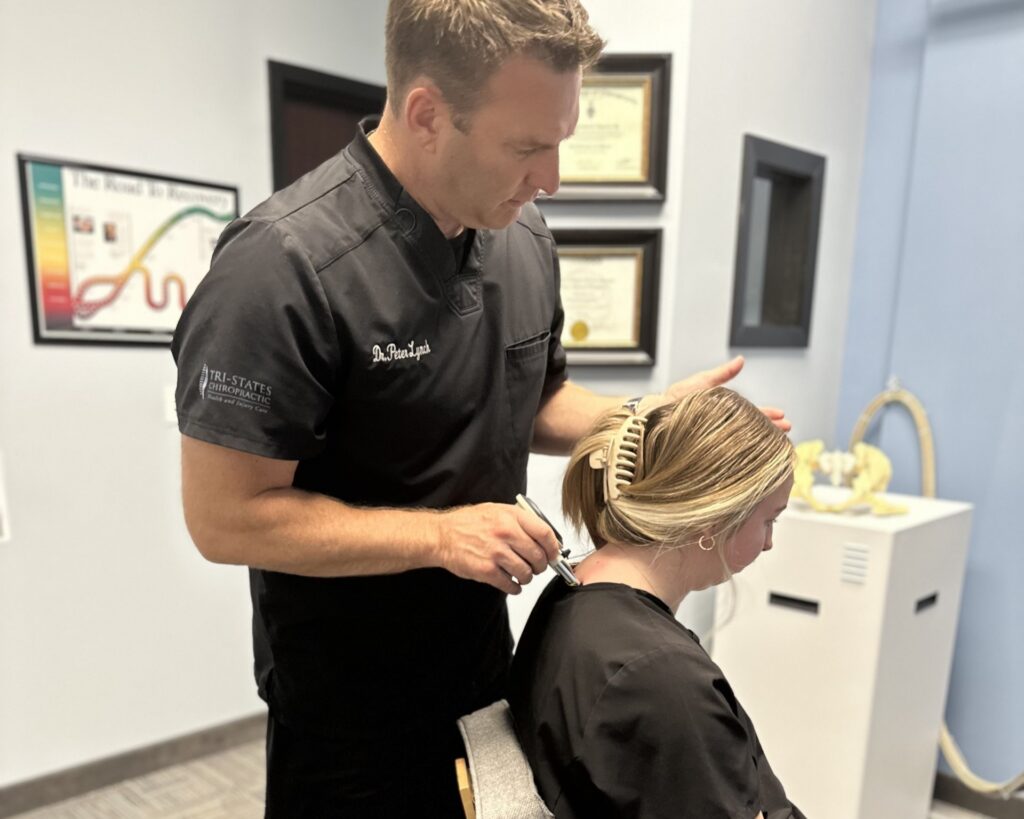
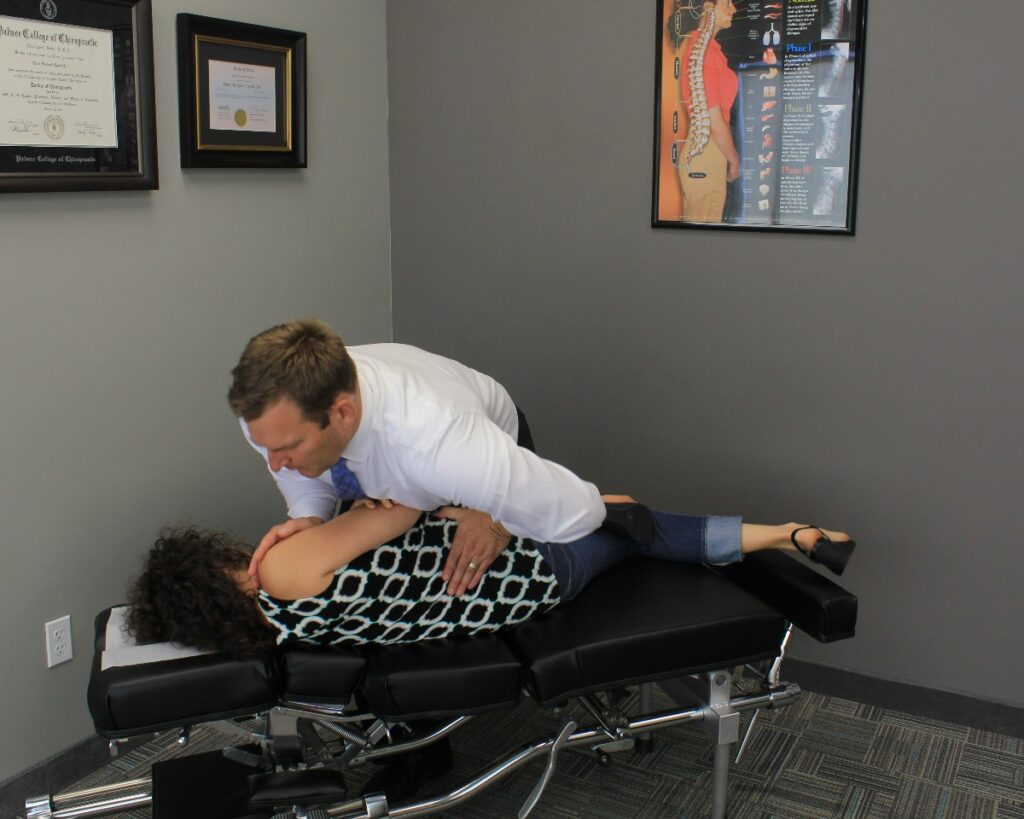
- Chiropractic Adjustments: Regular visits to your chiropractor can help align your spine, alleviate pressure on nerves, and promote overall spinal health. This hands-on treatment can relieve pain and improve mobility.
- Posture Awareness: Maintaining good posture is essential for spinal health. Be mindful of your sitting and standing positions. Use ergonomic furniture to support your back and practice sitting up straight to reduce strain.
- Gentle Stretching: Incorporate gentle stretches into your daily routine to improve flexibility in your back and surrounding muscles. Simple stretches can relieve tension and promote relaxation.
- Strengthening Exercises: Engage in exercises that strengthen your core muscles, which support your spine. A strong core can help prevent future pain and injuries.
- Heat and Cold Therapy: Applying heat or cold packs to your lower back can provide relief. Heat helps to relax muscles, while cold therapy can reduce inflammation.
- Stay Active: Regular physical activity is crucial for maintaining a healthy back. Consider walking, swimming, or low-impact aerobics to keep yourself active without putting too much strain on your back.
- Mindfulness and Relaxation: Stress can exacerbate pain. Practice mindfulness techniques such as deep breathing, meditation, or yoga to help relax your mind and body.
- Proper Footwear: Wearing supportive shoes can have a positive impact on your back health. Avoid high heels and choose footwear that provides adequate support and cushioning.
- Stay Hydrated: Drinking plenty of water helps keep your spinal discs hydrated and functioning properly, reducing the risk of pain.
- Consult Your Chiropractor: If you’re experiencing persistent low back pain, it’s essential to consult with your chiropractor. They can create a personalized treatment plan tailored to your specific needs.
By embracing these strategies and prioritizing chiropractic care, you can effectively manage low back pain and enhance your quality of life. Remember, taking small steps today can lead to significant improvements in your overall health and well-being!
Key Takeaways
- Prioritize maintaining good posture by keeping your shoulders relaxed and your ears aligned over your shoulders. This simple adjustment can significantly reduce strain on your spine and help prevent back pain. Remember, a strong, healthy spine starts with good alignment!
- Incorporate gentle stretching and low-impact exercises into your daily routine. These activities not only improve flexibility but also strengthen the muscles that support your spine. As a chiropractor, I often see how consistent movement can lead to a healthier back and overall well-being.
- Heat therapy is a fantastic option for soothing tight muscles and enhancing blood flow. Whether it’s a warm compress or a heating pad, applying heat can provide relief for chronic pain and help your body relax. This is an excellent complement to chiropractic adjustments!
- After an injury or during a flare-up, cold therapy can be incredibly beneficial. Applying ice packs can help reduce inflammation and numb sharp pain. It’s a simple way to take care of your body and can work hand-in-hand with chiropractic care for faster recovery.
- Consider chiropractic care as a key component of your wellness journey. Regular adjustments can help align your spine, improve your mobility, and support your body’s natural healing processes. Our goal is to help you achieve optimal health and alleviate pain without relying on medications or invasive procedures.
By focusing on these natural and effective methods, you can take control of your back pain and enhance your overall health. Remember, your spine is the foundation of your body—let’s keep it in top shape together!
Maintain Good Posture
Maintaining good posture is crucial for alleviating low back pain and enhancing overall well-being. As a chiropractor, I want to emphasize how simple adjustments to your posture can lead to significant improvements in your health. Whether you’re sitting, standing, or walking, being mindful of your alignment can make a world of difference.
When you sit, ensure that your shoulders are relaxed and pulled back, with your ears aligned over your shoulders. Choosing a chair that supports your lower back is key; make sure your feet are flat on the ground to promote proper alignment. Avoid slumping or leaning forward, as these habits can put unnecessary strain on your spine and contribute to discomfort.
While standing, aim to distribute your weight evenly between both feet and avoid locking your knees. Engaging your core muscles will provide stability and support for your back. If you spend long hours at a desk, remember to take regular breaks. Stand up, stretch, and adjust your posture to give your back a much-needed rest.
These small changes can’t only improve your posture but also reduce the risk of further discomfort. Consistency is essential—practice these habits daily for the best results. Remember, chiropractic care focuses on restoring spinal alignment and promoting natural healing, making it an excellent choice for pain relief and achieving optimal health. By prioritizing your posture and seeking chiropractic care, you’re taking proactive steps toward a healthier, pain-free life.
Incorporate Stretching Exercises
Incorporating stretching exercises into your daily routine can significantly alleviate low back pain and enhance your overall well-being.
These gentle movements not only improve your flexibility but also strengthen the muscles that support your spine, making chiropractic care even more effective.
When your muscles are flexible and strong, your spine can maintain its proper alignment, which is essential for optimal health.
Here are some simple yet effective stretching techniques you can easily add to your day:
- Cat-Cow Stretch: Begin on your hands and knees. As you inhale, arch your back and look up (Cow). As you exhale, round your spine and tuck your chin (Cat). Repeat this flow several times to loosen your back.
- Child’s Pose: Kneel on the floor, sit back on your heels, and stretch your arms forward on the ground. This pose helps to release tension in your lower back and promotes relaxation.
- Seated Forward Bend: Sit with your legs extended in front of you. Slowly bend forward at the hips, reaching towards your toes. This stretch helps to lengthen your spine and hamstrings.
- Knees to Chest: Lie on your back and gently pull your knees towards your chest. This movement can relieve tension in your lower back and promote flexibility.
- Torso Twist: While sitting or standing, gently twist your torso to one side and then the other. This helps to increase mobility in your spine and relieve stiffness.
Remember, the key to effective stretching is consistency.
Aim to incorporate these stretches into your daily routine, perhaps in the morning or before bed.
Not only will this improve your flexibility and strength, but it will also complement the benefits of chiropractic adjustments, ensuring your spine remains well-aligned and healthy.
If you’re experiencing persistent low back pain, don’t hesitate to seek chiropractic care.
A chiropractor can provide personalized treatment plans that include spinal adjustments and tailored exercise recommendations, helping you achieve lasting relief and enhanced wellness.
Embrace the power of natural healing through chiropractic care and stretching exercises, and take the first step towards a healthier, pain-free life.
Benefits of Stretching
Regular stretching can significantly help alleviate low back pain by enhancing flexibility and reducing muscle tension.
As a chiropractor, I want to emphasize the importance of incorporating stretching into your daily routine, as it can promote healing and recovery in your muscles. When you stretch, you boost blood flow to your muscles, which not only nourishes them but also helps flush out toxins that may contribute to discomfort.
Moreover, stretching plays a crucial role in maintaining proper spine alignment, reducing the strain on your back. It encourages body awareness, allowing you to identify areas of tightness or discomfort before they escalate into more serious issues. By becoming more in tune with your body, you can take proactive steps toward preventing pain.
To enhance your overall mobility and effectively manage low back pain, I recommend making stretching a regular habit. Here are a few simple tips to get you started:
- Start Slow: If you’re new to stretching, begin with gentle stretches and gradually increase intensity.
- Consistency is Key: Aim to stretch daily, even if it’s just for a few minutes. Consistency will lead to greater benefits over time.
- Listen to Your Body: Pay attention to how your body feels during each stretch. If something doesn’t feel right, ease off or modify the stretch.
- Focus on Key Areas: Target your hamstrings, hip flexors, and lower back, as these areas are often tight and can contribute to low back pain.
- Combine with Chiropractic Care: Regular visits to your chiropractor can complement your stretching routine, helping to ensure your spine is aligned and functioning optimally.
By incorporating these tips into your lifestyle, you’ll not only enhance your flexibility and mobility but also empower yourself to manage and alleviate low back pain naturally.
Recommended Stretching Techniques
To effectively manage low back pain, it’s essential to incorporate specific stretching techniques that target key muscle groups and promote overall spinal health.
As a chiropractor, I recommend starting with the cat-cow stretch, which enhances flexibility in your spine. Begin on all fours, arch your back upwards (like a cat), and then lower it while lifting your head (like a cow). This gentle movement helps to mobilize your spine and alleviate tension.
Next, try the child’s pose. Kneel and sit back on your heels, stretching your arms forward on the floor. This position not only stretches your back but also encourages relaxation. Hold each position for about 30 seconds to truly feel the benefits.
Another effective stretch is the piriformis stretch. Lie on your back, cross one ankle over the opposite knee, and gently pull the uncrossed leg towards you. This stretch targets the muscles in your hips and can relieve pressure on the lower back.
Lastly, don’t overlook the hamstring stretch. While standing, place one foot on an elevated surface and lean forward gently. This stretch helps to loosen up the hamstrings, which can contribute to back pain if they’re tight.
Use Heat and Cold Therapy
Using heat and cold therapy can be a game changer for managing low back pain, and as your local chiropractor, I’m here to guide you on how to use these methods effectively.
Heat therapy is excellent for relaxing tight muscles, which can be particularly beneficial if you’re experiencing muscle stiffness or tension in your lower back. Simply applying a warm towel or a heating pad can help soothe discomfort and promote relaxation.
On the other hand, cold therapy is great for reducing inflammation and numbing sharp pain. You can use an ice pack wrapped in a cloth to avoid direct contact with the skin. This can be especially helpful after any activity that aggravates your back pain.
Knowing when to use heat versus cold can maximize your relief. Generally, you should apply heat to your back if you’re feeling tightness or muscle spasms, and cold therapy is best used right after an injury or to combat inflammation.
Remember, these therapies aren’t substitutes for chiropractic care, but they can complement your treatment and enhance your healing process. Regular chiropractic adjustments can help align your spine and improve overall function, providing long-term relief from pain and discomfort.
Here are some simple tips you can take away:
- Use heat for muscle relaxation before engaging in any physical activity.
- Apply cold therapy after activities that may aggravate your pain.
- Always wrap ice packs in a cloth to protect your skin.
- Consider incorporating gentle stretching and mobility exercises into your routine to maintain flexibility and strength.
Benefits of Heat Therapy
Heat therapy is a fantastic way to find quick relief if you’re dealing with low back pain. When you apply heat, it enhances blood circulation, which helps your muscles heal more effectively. This warmth relaxes tight muscles, reducing tension and discomfort, allowing you to feel more at ease. Whether you prefer using a heating pad, a warm towel, or soaking in a hot bath, the soothing warmth penetrates deeply into your body, making it a highly effective method for managing pain.
In addition to providing relief, heat therapy can also improve your flexibility, helping you move more freely so you can engage in your daily activities without worry. It’s especially beneficial for chronic pain, as it can be used regularly without the risk of side effects that often accompany medications or invasive procedures.
As a chiropractor, I encourage you to incorporate heat therapy into your self-care routine. Just remember to use it for about 15 to 20 minutes at a time and listen to your body’s response. You may find that this simple practice, combined with regular chiropractic care, supports your journey towards optimal health and wellness.
For ongoing relief and to address the root causes of your discomfort, consider scheduling a chiropractic appointment. We focus on natural healing methods that promote long-term wellness, aligning your spine and helping your body function better. Together, we can create a personalized plan that works for you!
Cold Therapy Techniques
Cold therapy is a valuable tool that can complement chiropractic care in managing low back pain effectively. While many people think of heat for relief, using ice packs or cold compresses on your lower back can significantly reduce inflammation and numb sharp pain. After a chiropractic adjustment, incorporating cold therapy can enhance your healing process.
Aim to apply cold therapy for about 15-20 minutes at a time. It’s essential to allow your skin to return to a normal temperature between sessions to avoid any adverse effects. A convenient option is to use a bag of frozen vegetables wrapped in a thin towel. This method not only provides effective cooling but is also easily accessible.
Remember, it’s crucial to avoid placing ice directly on your skin, as this can lead to frostbite. Instead, always use a barrier like a towel. By integrating cold therapy into your routine alongside chiropractic adjustments, you can enhance your overall comfort and promote a quicker recovery.
For optimal health and wellness, consider making cold therapy a part of your pain management strategy, and always consult with your chiropractor for personalized advice tailored to your specific needs. Embracing these natural healing methods can lead you on a path to healthier living and a more comfortable life.
When to Use Both
When it comes to easing low back pain, understanding when to use heat and cold therapy can significantly enhance your recovery process. As a chiropractor dedicated to your health and wellness, I want to provide you with easy-to-follow guidance to help you manage your pain naturally.
Use cold therapy immediately after an injury or during flare-ups. Cold helps reduce inflammation and numbs the affected area, providing quick relief. Simply apply a cold pack for about 15-20 minutes at a time, several times a day. This method can be especially helpful following physical activity or any sudden discomfort.
On the other hand, heat therapy is your go-to solution for chronic pain or muscle stiffness. It works by increasing blood flow to the area, which helps relax tense muscles and promotes healing. You can use a heating pad or a warm towel for 15-30 minutes to enjoy soothing relief.
For some individuals, alternating between heat and cold therapy can provide the best results. Pay attention to how your body responds; if one method feels more effective, go with that!
Chiropractic care is an excellent complement to these therapies. Regular visits to your chiropractor can’t only help relieve pain but also address the root causes of discomfort, providing you with long-term wellness. Remember, taking care of your spine is essential for overall health. Embrace these natural methods, and don’t hesitate to reach out to your chiropractor for personalized advice tailored to your unique situation.
Stay Active With Low-Impact Activities
Engaging in low-impact activities can be a game-changer for managing low back pain, and as a chiropractor, I can’t emphasize enough how important it’s to keep your body moving while minimizing stress on your spine and joints. Activities like walking, swimming, or cycling are fantastic options that can enhance your overall fitness without aggravating your pain.
Aim for at least 30 minutes of activity a day, and remember, it’s perfectly okay to break this into shorter sessions if that feels better for you. This gentle movement not only helps to relieve pain but also encourages better spinal health, which is vital for long-term wellness.
Incorporating gentle stretching into your routine can further enhance your flexibility and reduce tension in your back. Consider joining yoga or Pilates classes specifically designed for beginners. These classes often focus on low-impact movements that promote relaxation and body awareness, which can be incredibly beneficial for your spine.
Listening to your body is crucial. If something doesn’t feel right, don’t hesitate to adjust your activity level. Staying active under the guidance of chiropractic care can help relieve pain and elevate your mood and energy levels.
Strengthen Core Muscles
Building strong core muscles is crucial for alleviating low back pain and boosting overall stability, which is a key focus in chiropractic care. It’s important to understand that your core is more than just your abdominal muscles; it also encompasses the muscles in your back, hips, and pelvis. When these muscles are strong, they provide essential support for your spine, helping to reduce strain and discomfort, which chiropractic adjustments can further enhance.
To effectively strengthen your core, consider incorporating simple exercises like planks, bridges, and abdominal crunches into your routine. Start with a few repetitions and gradually increase them as you gain strength. It’s vital to maintain proper form during these exercises to prevent injuries, allowing chiropractic care to work more effectively for you.
In addition to these exercises, engaging in activities like yoga and Pilates can be greatly beneficial. Not only do they help in developing core strength, but they also improve flexibility and promote overall wellness. Consistency is key; aim to incorporate core-strengthening workouts into your weekly routine two to three times. You’ll likely notice a decrease in low back pain and an improvement in your physical stability and performance.
Practice Mindfulness and Relaxation Techniques
Strengthening your core is just one key strategy for alleviating low back pain, but it’s not the only one. As a chiropractor, I want to emphasize the importance of incorporating mindfulness and relaxation techniques into your daily routine. These practices can significantly enhance your overall well-being and help reduce discomfort naturally.
Start with deep breathing exercises. This simple yet powerful technique involves inhaling slowly through your nose, holding for a moment, and then exhaling through your mouth. By focusing on your breath, you can calm your nervous system and ease muscle tension, which is essential for maintaining a healthy spine.
You might also find guided meditation or yoga beneficial. Both practices promote relaxation and improve flexibility, which is crucial for spinal health. Dedicate a few minutes each day to focus on your breath, clear your mind, and visualize a peaceful setting. This mental shift can help divert your attention from pain and promote healing.
Another effective technique is progressive muscle relaxation. This involves tensing and then relaxing each muscle group, starting from your toes and moving up to your head. This method not only helps in reducing tension but also empowers you to take control of your pain management.
Consider Physical Therapy
If you’re dealing with low back pain, chiropractic care might just be the solution you need. Our approach is centered around natural healing techniques that not only target your specific discomfort but also enhance your overall spinal health. Chiropractic adjustments can help improve your mobility, reduce pain, and promote proper alignment for a healthier lifestyle.
Finding a qualified chiropractor in your area is simpler than you think. They’ll work with you to create a personalized plan that addresses your unique needs and guides you through the recovery process.
Additionally, here are some general tips to help manage your low back pain at home:
- Maintain Good Posture: Be mindful of your posture while sitting, standing, and lifting. Proper alignment can significantly reduce strain on your back.
- Stay Active: Gentle exercises and stretches can strengthen your back muscles and improve flexibility, which is essential for long-term relief.
- Use Heat or Cold Therapy: Applying a heating pad or an ice pack can alleviate pain and reduce inflammation.
- Stay Hydrated: Drinking plenty of water helps maintain healthy spinal discs and overall joint function.
Benefits of Physical Therapy
Chiropractic care is a vital approach to alleviating low back pain and promoting overall wellness. When you choose a personalized chiropractic program, you’ll experience a range of benefits that can transform your health.
One of the key advantages is the strengthening of your core muscles, which provides essential support for your spine. By improving your flexibility, chiropractic adjustments can help reduce stiffness and enhance your mobility, making everyday activities easier and more enjoyable.
Chiropractors focus on teaching you proper body mechanics, which means you’ll learn how to lift and move safely. This knowledge is crucial in preventing future injuries and maintaining a healthy spine. Additionally, chiropractic care can effectively manage pain through gentle adjustments and targeted exercises tailored to your needs.
Here are some key benefits of chiropractic care:
- Increased strength and stability in your core
- Improved flexibility and range of motion
- Enhanced awareness of your body and better posture
- Customized exercise programs to fit your unique situation
- Natural pain management strategies without the need for medications or surgery
Incorporating chiropractic care into your wellness routine can be a transformative step toward achieving long-term relief and optimal health. Remember, maintaining a healthy spine is essential for your overall well-being, and chiropractic care is a natural way to support that goal.
For everyday tips, consider incorporating gentle stretches into your daily routine, practicing good posture while sitting and standing, and staying active with low-impact exercises like walking or swimming. Embrace the journey to better health with chiropractic care as your foundation!
Types of Techniques Used
When it comes to finding relief from pain and promoting overall wellness, chiropractic care stands out as a natural and effective solution. Unlike other treatment options, chiropractic focuses on the spine and its connection to the nervous system, helping to restore balance and function to your body without the need for medications or surgeries.
In your chiropractic sessions, you might experience a variety of techniques tailored specifically to your needs. One of the most common methods is spinal manipulation, where your chiropractor uses gentle, hands-on adjustments to realign your spine. This can help alleviate tension and pain, allowing your body to heal naturally.
Additionally, therapeutic exercises are often included in your treatment plan. These exercises are designed to strengthen your core, improve flexibility, and enhance stability, all of which are crucial for maintaining a healthy spine. Your chiropractor will guide you through these exercises, ensuring they’re suitable for your individual condition.
Another helpful aspect of chiropractic care is the use of modalities like heat or cold therapy. These techniques can aid in managing inflammation and improving blood flow, providing you with much-needed relief. Your chiropractor may also offer advice on posture and body mechanics, empowering you to take charge of your health and prevent future discomfort.
Finding a Qualified Therapist
Finding a qualified chiropractor can greatly enhance your recovery from low back pain and promote overall wellness. Choosing someone who understands your unique concerns and can develop a personalized care plan is crucial.
Here are some helpful tips to find the right chiropractor for you:
- Check Credentials: Ensure they’re licensed and have experience in treating back pain specifically. Look for someone who focuses on chiropractic care, as this is vital for natural healing.
- Ask for Referrals: Seek recommendations from your primary care doctor or from friends and family members who’ve benefited from chiropractic care.
- Read Reviews: Look up patient testimonials online. Positive feedback from others can give you insight into the chiropractor’s effectiveness and approach.
- Schedule a Consultation: Meet with the chiropractor to discuss your condition, treatment philosophy, and what to expect from care. This is a great opportunity to see if you feel comfortable with them.
- Trust Your Instincts: Choose a chiropractor you feel at ease with and confident in. Building a good rapport is essential for effective treatment.
Taking the time to find the right chiropractor can make a significant difference in your journey to pain relief and optimal health. Remember, chiropractic care focuses on natural healing, spinal education, and healthier living, making it an excellent choice for those looking to improve their well-being without medications or invasive procedures.
Explore Alternative Therapies
When it comes to easing low back pain, many individuals find that chiropractic care is one of the most effective and natural solutions available. Chiropractic adjustments focus on improving spinal alignment, which can significantly reduce tension and discomfort in your back. By addressing the root cause of the pain, chiropractic care not only provides relief but also promotes overall wellness.
In addition to chiropractic adjustments, incorporating practices such as yoga and Pilates into your routine can help build strength and flexibility. These exercises support your spine and can lessen the strain on your back, enhancing your overall health and wellbeing.
Another beneficial approach is massage therapy, which complements chiropractic care by relieving tight muscles and boosting circulation. This combination can offer you the comfort and relief you’re seeking.
Don’t overlook the power of mindfulness practices, like meditation and deep breathing. These techniques can help you manage the emotional aspects of chronic pain, bringing a sense of calm and control to your experience.
As a chiropractor, I encourage you to explore these holistic options, focusing on natural healing methods to take charge of your low back pain. By prioritizing chiropractic care and integrating supportive practices into your daily life, you can pave the way toward optimal health and a pain-free future. Remember, maintaining a healthy lifestyle and staying active are key components in your journey to wellness.
Ensure a Supportive Sleep Environment
Creating a supportive sleep environment is essential for managing low back pain and achieving overall wellness. By making a few adjustments to your bedroom setup, you can significantly enhance your sleep quality and reduce discomfort. Here are some practical tips to help you cultivate that ideal environment, all while considering how chiropractic care plays a crucial role in your journey to optimal health:
- Choose a supportive mattress: A medium-firm mattress is often recommended by chiropractors, as it helps support your spine’s natural alignment. This can alleviate pressure on your back and promote better sleep.
- Use the right pillows: The right pillow can make a world of difference. Look for pillows that keep your neck aligned with your spine. If you’re a side sleeper, a contour pillow can provide the extra support you need to maintain proper alignment while you rest.
- Adjust your sleep position: Your sleeping position plays a significant role in spinal health. Sleeping on your back or side with your knees slightly bent can help relieve pressure on your lower back.
If you’re unsure about the best position for your spine, consider consulting your chiropractor for personalized advice.
- Maintain a comfortable room temperature: A cool, comfortable bedroom temperature contributes to better sleep quality. Aim for a temperature that feels right for you, as a comfortable environment aids in relaxation and restorative sleep.
- Limit distractions: A peaceful sleeping atmosphere is vital for quality rest. Reduce noise and light by using blackout curtains and earplugs.
Creating a calming environment can help you unwind and promote a deeper sleep, allowing your body to heal naturally overnight.
By taking these simple steps, you can create a supportive sleep environment that complements your chiropractic care. Remember, chiropractic adjustments play a crucial role in maintaining spinal health and overall wellness.
If you’re struggling with low back pain or looking to enhance your sleep quality, consider reaching out to your local chiropractor for guidance on how to achieve optimal health naturally.
Consult a Healthcare Professional
If you’re dealing with persistent low back pain, consulting a chiropractor can be a fantastic first step toward relief. Chiropractors specialize in understanding the spine and its impact on overall health, and they can help identify the root causes of your pain while offering natural solutions tailored to your needs.
Here’s what you can expect when you visit a chiropractor:
| Consultation Aspect | What to Expect | Benefits |
|---|---|---|
| Initial Assessment | A detailed evaluation of your spine and posture | Pinpoint the source of your discomfort |
| Treatment Plan | Personalized chiropractic adjustments and recommendations | A natural, drug-free approach to pain relief |
| Follow-up Care | Regular check-ins to track your progress | Continuous support to enhance your well-being |
Chiropractic care focuses on restoring proper alignment and function to your spine, which can alleviate pain and improve your overall health.
In addition to seeking chiropractic care, here are some general tips to support your back health:
- Stay Active: Gentle exercises like walking or stretching can help keep your spine flexible.
- Practice Good Posture: Maintain a straight back when sitting or standing to reduce strain on your spine.
- Use Proper Lifting Techniques: Bend your knees and keep the load close to your body to prevent back injuries.
- Stay Hydrated: Drinking plenty of water can help keep your discs hydrated and healthy.
Don’t hesitate to reach out for chiropractic care. Early intervention can prevent further complications and help you regain your quality of life naturally. Your health is worth prioritizing!