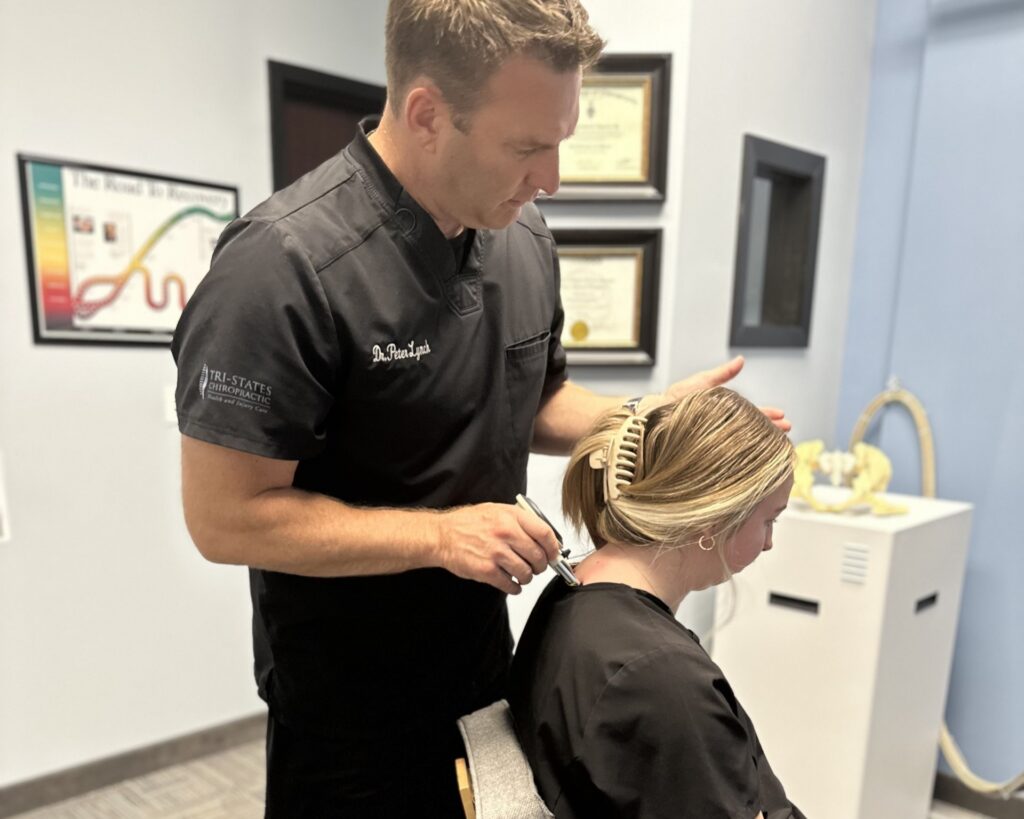
When it comes to alleviating back pain, understanding the latest chiropractic techniques can make a significant difference in your recovery. By focusing on hands-on adjustments and movement therapies, we can effectively address the root causes of your discomfort. Chiropractic care emphasizes the importance of spinal alignment and mobility, which is essential for your overall health.
But that’s just the beginning. There are innovative methods within chiropractic care that might surprise you, such as specific stretching routines and ergonomic advice that can enhance your mobility and help reduce pain. These techniques not only relieve your current discomfort but also promote long-term wellness.
So, what are some key chiropractic techniques that can benefit you? Here are a few tips to consider:
- Spinal Adjustments: Regular chiropractic adjustments can help realign your spine, reduce tension, and improve your overall range of motion.
- Movement Therapies: Incorporating exercises tailored to your specific needs can strengthen your muscles and support your spine, making it less prone to injury.
- Posture Correction: Paying attention to your posture while sitting, standing, and lifting can significantly reduce strain on your back. Simple changes in your daily habits can lead to lasting relief.
- Stretching Routines: Gentle stretching can help maintain flexibility and prevent stiffness. A chiropractor can guide you on effective stretches for your back.
- Ergonomic Advice: Make adjustments in your workspace or home to support your spine better. Simple changes can create a more comfortable environment.
By choosing chiropractic care, you are taking a natural approach to pain relief and overall wellness. Remember, your journey toward a healthier, pain-free life begins with understanding your body and how to care for it. Let’s work together to find the best path for your recovery and long-term health.
Key Takeaways
- Start by incorporating gentle stretching and strengthening exercises into your daily routine. These movements can enhance flexibility and alleviate tension in your back, making a significant difference in how you feel.
- It’s essential to utilize ergonomic furniture and maintain proper posture throughout your day. This not only reduces strain on your spine but also supports your overall well-being. Simple adjustments, like sitting upright and using lumbar support, can go a long way in preventing discomfort.
- Regular physical activity is key to a healthy back. Activities like walking, yoga, or even light stretching can strengthen the muscles that support your spine and keep your body moving freely. Aim for at least 30 minutes of activity most days of the week.
- Managing stress is crucial for muscle relaxation. Consider practicing mindful techniques such as deep breathing exercises or meditation. These practices can help reduce tension in your back and promote a sense of calm.
- Chiropractic care is an excellent option for restoring spinal alignment and promoting natural healing. Regular adjustments can help alleviate pain, improve your range of motion, and enhance your overall health. By working with a chiropractor, you can take a proactive approach to your wellness, ensuring your spine stays healthy and pain-free.
Remember, your body is designed to heal itself, and with the right support and lifestyle choices, you can achieve optimal health naturally.
Understanding the Causes of Back Pain
Back pain can arise from a variety of factors, and understanding these causes is essential for finding effective relief. As a chiropractor, I see many patients who experience discomfort due to poor posture, particularly if they spend long hours sitting at a desk. It’s important to be mindful of your posture; simple adjustments like using an ergonomic chair or taking regular breaks to stretch can make a significant difference in your comfort.
Another common issue is lifting heavy objects incorrectly. Always remember to lift with your legs, not your back, to avoid unnecessary strain. Age-related wear and tear on the spine can also lead to chronic pain, but chiropractic care can help manage and alleviate these issues by promoting spinal alignment and overall health.
Muscle imbalances or weakness can exacerbate your back pain, highlighting the importance of maintaining strength and flexibility. Incorporating exercises that strengthen your core and back muscles can support your spine and help prevent injuries. Additionally, managing stress is crucial; tension in your muscles can lead to discomfort. Techniques such as deep breathing, yoga, or even regular chiropractic adjustments can help relieve that tension and promote relaxation.
Sometimes, underlying conditions like herniated discs or arthritis can be contributors to back pain. However, chiropractic care focuses on the spine’s alignment and function, providing a natural and effective approach to addressing these issues without the need for surgery or medication.
Innovative Physical Therapy Techniques
Finding relief from back pain often requires a holistic approach that emphasizes natural healing and wellness. Chiropractic care stands out as one of the best ways to address back pain and promote overall health. By focusing on spinal alignment and function, chiropractic adjustments can help restore balance in your body, reduce pain, and enhance mobility.
One innovative technique that chiropractors may utilize is spinal manipulation, which targets misalignments in the spine to relieve pressure on nerves and improve function. This can lead to significant pain relief and better movement. Additionally, incorporating gentle stretching and strengthening exercises can help you regain strength and flexibility, allowing you to perform daily activities with ease.
Another effective method is the use of therapeutic modalities like ultrasound or electrical stimulation, which can complement chiropractic adjustments by reducing inflammation and promoting healing in the affected areas. These techniques support your body’s natural healing process without the need for invasive procedures or medications.
Consider adding functional movement training to your routine, as this focuses on the movements you perform every day. By practicing these movements under the guidance of a chiropractor, you can improve your strength and stability, which is essential for preventing future injuries.
Lastly, don’t overlook the benefits of lifestyle changes such as maintaining good posture, staying active, and practicing stress-reducing techniques like yoga or meditation. These simple yet effective strategies can greatly enhance your overall wellbeing and help you manage back pain more effectively.
The Role of Chiropractic Care
Chiropractic care is an essential part of managing and relieving back pain by focusing on the root issues affecting your spine and nervous system.
When you come to see me, I’ll carefully evaluate your posture, spinal alignment, and overall health to create a personalized treatment plan just for you. Through gentle, hands-on spinal adjustments and various techniques, my goal is to restore proper alignment and function to your spine.
This natural approach can help ease tension, reduce inflammation, and enhance your mobility. Many of my patients notice that regular chiropractic adjustments not only alleviate their pain but also boost their overall well-being.
I often recommend simple lifestyle changes, tailored exercises, and ergonomic adjustments to support your healing journey and help prevent future problems.
Incorporating chiropractic care into your pain management strategy is an excellent way to complement your healing process. By focusing on the underlying causes of your back pain, chiropractic care empowers you to take charge of your health and live more comfortably.
Here are a few tips you can start using today:
- Practice good posture: Be mindful of how you sit and stand. Keeping your spine aligned can prevent unnecessary strain.
- Stay active: Regular movement is key. Simple activities like walking or stretching can keep your back healthy.
- Use supportive furniture: Make sure your work and home environments support your spine. Ergonomic chairs and desks can make a big difference.
- Listen to your body: If something doesn’t feel right, don’t ignore it. Pay attention to what your body is telling you and seek help when needed.
Exploring Acupuncture for Pain Relief
If you’re dealing with back pain, it’s essential to explore all your options for relief, and I want to share why chiropractic care should be at the top of your list. While acupuncture is an ancient practice that some people consider for pain management, chiropractic care offers a comprehensive approach to spinal health and overall wellness.
Chiropractic adjustments focus on correcting misalignments in your spine, which can be a major source of discomfort. By restoring proper alignment, we not only relieve pain but also enhance your body’s natural ability to heal itself. This holistic approach can lead to long-term pain relief, improved mobility, and better overall health.
Here are some tips to consider for your pain relief journey:
- Posture Matters: Be mindful of your posture, especially if you spend long hours sitting. Proper alignment can prevent strain on your back.
- Stay Active: Regular, gentle exercise can strengthen your back muscles and support spinal health. Activities like walking, swimming, or yoga can be very beneficial.
- Listen to Your Body: Pay attention to how your body feels during different activities and make adjustments to avoid pain.
- Regular Chiropractic Visits: Regular check-ups with your chiropractor can help maintain spinal health and prevent future issues.
- Stress Management: Stress can contribute to muscle tension and pain. Techniques like deep breathing, meditation, or light stretching can help reduce stress.
Mechanism of Acupuncture
Chiropractic care harnesses the body’s natural healing powers, providing a holistic approach to pain relief and overall wellness. While acupuncture is known for its benefits, chiropractic adjustments specifically focus on the spine and nervous system to promote optimal health. By gently realigning the spine, chiropractors can stimulate the nervous system, enhance blood flow, and encourage the release of the body’s natural pain-relieving chemicals, such as endorphins.
| Mechanism | Effect |
|---|---|
| Spinal Adjustments | Restores proper alignment |
| Improved Nerve Function | Reduces inflammation |
| Enhanced Circulation | Eases pain |
| Muscle Relaxation | Alleviates tension |
| Nervous System Activation | Promotes overall healing |
Through these mechanisms, chiropractic care not only addresses back pain but also improves overall health and well-being. Regular chiropractic visits can lead to long-term relief and a better quality of life.
Here are some tips you can incorporate into your daily routine to support your spine and overall health:
- Maintain Good Posture: Pay attention to how you sit and stand. Keeping your spine aligned can help prevent discomfort.
- Stay Active: Regular physical activity strengthens muscles and promotes flexibility, which is essential for spinal health.
- Ergonomic Workspace: If you work at a desk, ensure your workspace is set up to promote good posture and reduce strain on your back.
- Stay Hydrated: Drinking plenty of water helps keep your discs hydrated and healthy.
- Stretch Regularly: Simple stretching exercises can relieve tension and promote flexibility in your spine and muscles.
Treatment Protocols Explained
When it comes to finding relief from back pain, many individuals often consider various treatment options, but chiropractic care stands out as a comprehensive solution that focuses on natural healing and overall wellness. Chiropractic care involves the hands-on adjustment of the spine and other joints to restore proper alignment, improve mobility, and alleviate discomfort.
During a typical chiropractic session, which can last anywhere from 30 to 60 minutes, a licensed chiropractor will assess your posture, spinal alignment, and any areas of tension or pain. They’ll then develop a personalized treatment plan tailored to your specific needs. This may include spinal adjustments, stretches, and exercises designed to strengthen your back and improve your overall health.
One of the major benefits of chiropractic care is its ability to promote relaxation and reduce stress, which can be incredibly beneficial for those dealing with chronic pain. It’s important to communicate openly with your chiropractor about your pain levels and any concerns you may have, ensuring that your treatment plan effectively targets your specific issues.
In addition to seeking chiropractic adjustments, here are some general tips to support your back health:
- Practice Good Posture: Whether sitting at a desk or lifting objects, maintaining proper posture can significantly reduce strain on your back.
- Stay Active: Regular physical activity helps strengthen the muscles that support your spine, making you less prone to injury.
- Stretch Regularly: Incorporating stretching into your routine can improve flexibility and reduce tension in your back muscles.
- Use Proper Lifting Techniques: Bend at your knees and keep your back straight when lifting heavy objects to avoid injury.
- Stay Hydrated: Drinking plenty of water helps keep your spinal discs hydrated and healthy.
Benefits for Back Pain
When you’re dealing with back pain, considering chiropractic care can be a transformative step towards relief and overall wellness. Chiropractic adjustments focus on aligning your spine and improving your body’s natural ability to heal itself. This hands-on approach not only alleviates pain but also promotes better health throughout your entire body.
Many patients experience reduced muscle tension, improved range of motion, and enhanced flexibility after just a few visits. Chiropractic care also supports proper blood circulation and can help your body release its own natural painkillers, leading to a more balanced physical and mental state.
One of the great benefits of chiropractic treatment is that it offers a safe, drug-free alternative for managing pain. This means you can avoid the potential side effects of medications while still finding effective relief. Whether you’re dealing with chronic back pain or occasional discomfort, chiropractic care can provide the holistic approach you need to regain your mobility and enjoy life to the fullest.
In addition to regular chiropractic visits, there are several simple tips to help you support your spine health at home:
- Maintain Good Posture: Pay attention to how you sit and stand. Keeping your back straight and shoulders back can help reduce strain on your spine.
- Stay Active: Incorporate gentle exercises into your routine, such as walking, swimming, or yoga, to strengthen your back muscles and improve flexibility.
- Ergonomic Workspace: If you work at a desk, make sure your chair and computer setup are ergonomically friendly to minimize stress on your back.
- Mind Your Weight: Maintaining a healthy weight can significantly reduce the strain on your spine and lower back.
- Stay Hydrated: Drink plenty of water, as hydration supports the health of your spinal discs.
Mindfulness and Meditation Practices
Managing back pain can be a challenging journey, but incorporating mindfulness and meditation into your routine can significantly enhance your healing process. As a chiropractor, I believe that these practices can complement the benefits of chiropractic care, offering a holistic approach to wellness.
By focusing on your breath and increasing your body awareness, you can actively reduce tension and improve your overall well-being. Here are some simple tips to help you get started:
- Deep Breathing: Take a few moments each day to practice deep breathing. Inhale slowly through your nose, allowing your abdomen to expand, and then exhale gently through your mouth. This technique not only calms your mind but also helps to release muscle tension in your back.
- Body Scanning: Find a comfortable position, either sitting or lying down. Close your eyes and mentally scan your body from head to toe, paying attention to areas of tension or discomfort. Acknowledge these sensations without judgment, and visualize sending relaxation to those areas. This practice can enhance your body awareness and help you identify patterns of tension that may be contributing to your pain.
- Mindful Movement: Gentle stretching or yoga can be a great way to incorporate mindfulness into your daily routine. Focus on your movements and breath, allowing yourself to be present in each stretch. This can improve flexibility and alleviate tightness in your back.
- Regular Chiropractic Care: Remember, chiropractic adjustments play a crucial role in maintaining spinal health and relieving pain. Regular visits to your chiropractor can help ensure that your spine is properly aligned, which is vital for optimal function and overall wellness.
By integrating these mindfulness practices with chiropractic care, you can create a powerful combination for managing back pain naturally. Always listen to your body, and don’t hesitate to reach out to your chiropractor for personalized advice tailored to your specific needs.
Together, we can work towards achieving your health goals and enhancing your quality of life.
Breathing Techniques
Practicing breathing techniques can significantly enhance your ability to manage back pain while promoting overall wellness. By focusing on your breath, you can encourage relaxation and reduce tension in your body, which is essential for maintaining a healthy spine. Here’s a simple way to incorporate breathing exercises into your daily routine, complementing your chiropractic care.
Start by finding a comfortable position, whether sitting or lying down, and gently close your eyes. Inhale deeply through your nose, allowing your abdomen to rise as you fill your lungs completely. Hold that breath for a brief moment, then exhale slowly through your mouth, consciously letting go of any tightness or discomfort you may be feeling. Repeat this process for several minutes. Focus on the rhythm of your breath, allowing it to guide you into a state of calm.
As thoughts and distractions arise, acknowledge them without judgment, then gently redirect your attention back to your breath. Regular practice of these techniques can create a soothing effect, helping you cope with pain more effectively and enhancing the benefits of your chiropractic treatments.
In addition to breathing exercises, remember to maintain good posture throughout your day and stay active with gentle exercises that support spinal health. These simple changes, along with the care you receive from your chiropractor, can lead to a more balanced and pain-free life. Embrace these natural methods for wellness, and you’ll be on your way to achieving optimal health!
Body Awareness Practices
Cultivating body awareness through mindfulness and meditation not only enhances your understanding of physical sensations and emotional states but also plays a significant role in managing back pain. By tuning into your body, you can identify triggers and patterns that contribute to discomfort, making it easier to address them naturally. Here are four effective practices to help you develop this awareness and support your journey toward optimal health:
- Body Scan: Find a comfortable position, either lying down or seated, and mentally scan your body from head to toe. Pay attention to any areas of tension or pain. This practice helps you connect with your body and understand where you may need to focus your care.
- Mindful Movement: Incorporate gentle yoga or tai chi into your routine. As you move, concentrate on how each posture and transition feels in your body. This not only promotes flexibility and strength but also encourages a deeper connection with your spine, which is crucial for overall wellness.
- Breath Awareness: Take a few moments each day to observe your breathing. Focus on the rhythm of your breath and allow it to ground you in the present moment. Deep, controlled breathing can reduce stress and tension, which often contribute to back pain.
- Meditative Visualization: Visualize warm, healing energy flowing into your back. Picture this energy easing tension and promoting relaxation. This mental imagery can support your body’s natural healing process and reinforce the benefits of chiropractic care.
The Benefits of Regular Exercise
Regular exercise plays a crucial role in alleviating back pain, and as a chiropractor, I want to emphasize how incorporating physical activity into your routine can lead to natural healing and improved spinal health. Engaging in regular exercise strengthens the muscles that support your spine, which is essential for maintaining good posture and stability.
This not only helps reduce the risk of future injuries but also minimizes discomfort in your everyday life.
You don’t need to dive into intense workouts to reap the benefits. Even moderate activities like walking, swimming, or practicing yoga can work wonders for your back. These exercises enhance blood circulation, which promotes healing and reduces stiffness in your muscles.
Moreover, physical activity releases endorphins, your body’s natural pain relievers, helping to uplift your mood and diminish the perception of pain.
Incorporating a consistent exercise routine isn’t just about relieving back pain; it’s also about enhancing your overall well-being. When your body feels better, daily tasks become easier and more enjoyable.
Here are a few simple tips to make exercise a part of your routine:
- Start Slow: If you’re new to exercise, begin with short walks or gentle stretches, gradually increasing your activity level.
- Listen to Your Body: Pay attention to how your body feels. If something causes pain, it’s essential to modify or stop that activity.
- Stay Consistent: Aim for at least 20-30 minutes of physical activity most days of the week. Consistency is key to seeing improvements.
- Mix It Up: Incorporate a variety of activities to keep things interesting and work different muscle groups.
- Consider Chiropractic Care: Regular visits to a chiropractor can complement your exercise routine by improving spinal alignment and function, enhancing your ability to move freely.
Nutritional Approaches to Support Spine Health
As a chiropractor, I want to emphasize how vital nutrition is for maintaining a healthy spine. The foods we eat can significantly influence our spine health, and making the right dietary choices can help alleviate discomfort and promote natural healing. By incorporating anti-inflammatory foods, essential nutrients, and ensuring proper hydration, you can support your back and overall well-being.
Let’s look at some practical tips to enhance your spine health through nutrition:
- Focus on Anti-Inflammatory Foods: Foods rich in omega-3 fatty acids, like salmon and walnuts, can help reduce inflammation in your body. Including plenty of fruits and vegetables, such as berries and leafy greens, can also provide powerful antioxidants that combat inflammation.
- Essential Nutrients for Strong Bones: Calcium and vitamin D are crucial for maintaining healthy bones. Incorporate dairy products, leafy greens, and fortified foods in your diet to ensure you’re getting enough of these essential nutrients.
- Stay Hydrated: Water is essential for keeping your spinal discs hydrated and functioning properly. Aim to drink plenty of water throughout the day to support your spine’s health.
- Mindful Eating: Pay attention to your body’s hunger cues and eat smaller, more frequent meals. This can help prevent excess weight, which can put added stress on your spine.
- Limit Processed Foods: Try to reduce your intake of processed foods high in sugar and unhealthy fats. These can contribute to inflammation and may lead to discomfort in your back.
Remember, while nutrition is a key player in supporting your spine health, regular chiropractic care is crucial for achieving optimal wellness. Chiropractic adjustments can help align your spine, relieve pain, and enhance your body’s ability to heal naturally.
Anti-Inflammatory Foods
Incorporating anti-inflammatory foods into your diet can significantly enhance your spine health and help alleviate back pain. These foods not only fight inflammation but also nourish your body, promoting overall well-being.
As a chiropractor, I believe that natural approaches, like nutrition and chiropractic care, are key to achieving optimal health and wellness. Here are four powerful options to consider adding to your meals:
- Fatty Fish: Fish like salmon and mackerel are rich in omega-3 fatty acids, which are known for their ability to reduce inflammation. Regularly including these in your diet can support your spine and joints, helping to keep pain at bay.
- Leafy Greens: Vegetables such as spinach and kale are loaded with antioxidants. These nutrients work to combat inflammation and support your overall health. Consider adding a fresh salad or a green smoothie to your daily routine to boost your intake.
- Berries: Blueberries and strawberries aren’t only delicious but also packed with vitamins and anti-inflammatory properties. Snack on these fruits or add them to your breakfast to benefit from their health-enhancing effects.
- Nuts: Almonds and walnuts are excellent sources of healthy fats that contribute to joint health. A handful of nuts can make for a great snack and can easily be included in meals to add extra nutrition.
Remember, while these foods can help reduce inflammation, they work best in conjunction with regular chiropractic care. By addressing the underlying issues in your spine and aligning your body properly, chiropractic adjustments can enhance your overall health, making it easier for your body to heal and thrive.
Essential Nutrients for Healing
While focusing on anti-inflammatory foods is crucial, understanding essential nutrients for healing can significantly enhance your spine health and overall well-being. By incorporating key vitamins and minerals into your diet, you not only support tissue repair but also help reduce pain, making it easier to enjoy life. Here’s a breakdown of some important nutrients to consider:
| Nutrient | Benefits |
|---|---|
| Vitamin D | Helps your body absorb calcium for stronger bones. |
| Calcium | Essential for building and maintaining strong bones. |
| Magnesium | Aids in relaxing your muscles and nerves, promoting better movement. |
| Omega-3 Fatty Acids | Known for their ability to reduce inflammation, which can alleviate pain. |
| Vitamin C | Supports the formation of collagen, vital for healthy tissues. |
You can easily find these nutrients in everyday foods like leafy greens, nuts, fish, and citrus fruits. By prioritizing these essential nutrients in your diet, you’ll not only enhance your body’s healing process but also support your spine health naturally.
Hydration and Spine Health
Staying hydrated is essential for maintaining not just your overall health, but also the health of your spine. As a chiropractor, I can tell you that proper hydration plays a crucial role in how well your spine functions. When you drink enough water, it helps your spine’s discs stay flexible and absorb shock effectively.
Here are four key reasons why hydration is important for your back health:
- Cushions Your Spine: Drinking adequate water helps keep your spinal discs elastic. This elasticity reduces the risk of injury and can help prevent pain caused by stiff or damaged discs.
- Reduces Inflammation: Proper hydration can help lower inflammation in your body, which in turn can ease discomfort and pain in your back. When you’re well-hydrated, your body can manage inflammation more effectively.
- Promotes Nutrient Transport: Water acts as a vehicle for delivering essential nutrients to your spinal tissues, which is vital for healing and maintaining a healthy spine. Staying hydrated supports your body’s natural healing processes.
- Improves Mobility: Hydration is key to joint lubrication. When your joints are well-lubricated, it’s easier to move without pain, making daily activities more enjoyable and comfortable.
To support your spine health, aim to drink plenty of water throughout the day. A good rule of thumb is to drink at least half your body weight in ounces of water daily. Keep a water bottle with you as a reminder, and consider setting reminders on your phone to encourage regular sips throughout the day.
Ergonomic Modifications in Daily Life
Making ergonomic modifications in your daily life can significantly reduce back pain and enhance your overall comfort, allowing you to live a healthier and more active life. As a chiropractor, I want to share some easy tips to help you achieve optimal health through natural methods.
Start by evaluating your workspace. Ensure that your chair provides proper support for your lower back and that your feet rest flat on the floor. This position helps maintain the natural curve of your spine. Adjust your computer monitor to eye level to avoid straining your neck, which can lead to discomfort and tension.
When lifting objects, remember to bend your knees and keep your back straight. This technique protects your spine and prevents unnecessary pressure on it, promoting better alignment. Incorporating these habits into your daily routine can make a world of difference.
Don’t forget the importance of taking regular breaks throughout your day. Standing up, stretching, or walking for a few minutes every hour not only relieves tension but also improves circulation. If you find yourself sitting for long periods, consider using a standing desk or an ergonomic chair that encourages proper posture. These adjustments can enhance your comfort and help maintain spinal health.
At home, be mindful of how you carry groceries or other heavy items. Using a backpack can help distribute weight evenly across your back, reducing strain and allowing for better posture. These simple modifications can greatly contribute to alleviating back pain and improving your overall well-being.
Advanced Medical Treatments and Interventions
When it comes to managing chronic back pain, many people often seek solutions that go beyond simple lifestyle changes. While advanced medical interventions exist, I believe that chiropractic care offers a natural, effective approach to pain relief and overall wellness.
Here are some valuable insights and tips for finding relief from back pain:
- Chiropractic Adjustments: Regular chiropractic adjustments can help realign your spine and improve your body’s function. This can alleviate pressure on nerves and reduce pain, allowing your body to heal naturally.
- Exercise and Movement: Incorporating gentle exercises and stretches into your daily routine can strengthen your back muscles and enhance flexibility. Activities like walking, yoga, or swimming can promote better spinal health and reduce discomfort.
- Posture Awareness: Being mindful of your posture throughout the day is crucial. Whether sitting at a desk or lifting heavy objects, maintaining good posture can prevent strain on your back and help you avoid pain.
- Nutrition and Hydration: Eating a balanced diet rich in anti-inflammatory foods and staying hydrated can support your body’s healing process. Foods like leafy greens, fatty fish, and nuts can contribute to overall wellness and reduce inflammation.
- Mind-Body Techniques: Practices such as meditation, deep breathing, and mindfulness can help manage stress and promote relaxation, which can be beneficial for those experiencing chronic pain.
By exploring chiropractic care and adopting these holistic approaches, you can take charge of your health and work towards a pain-free life.
Holistic Approaches: Combining Methods for Optimal Relief
When it comes to relieving back pain, embracing a holistic approach is essential for achieving optimal health and wellness. As a chiropractor, I believe that combining various methods can lead to the best results. One of the most effective ways to start your journey to relief is by incorporating chiropractic care into your routine. Regular chiropractic adjustments can help realign your spine, reduce pain, and enhance your overall well-being.
In addition to chiropractic care, integrating physical therapies like yoga or Pilates can significantly boost your flexibility and strengthen your core muscles, which are crucial for supporting your back. These practices not only help in relieving pain but also contribute to long-term spinal health.
Mindfulness practices, such as meditation and deep-breathing exercises, are also beneficial. They can help reduce stress and tension in your body, which often contributes to back pain. Taking a few moments each day to practice mindfulness can make a substantial difference in how you feel.
Don’t forget the importance of nutrition in your recovery journey! A balanced diet that includes anti-inflammatory foods can support healing and overall health. Foods rich in omega-3 fatty acids, fruits, and vegetables can help reduce inflammation in your body.
For immediate relief, consider using heat or cold therapy. Applying a warm compress can ease muscle tension, while an ice pack can reduce inflammation. These simple techniques can provide quick comfort and help you manage your pain effectively.
Lastly, ensure you’re getting enough rest and maintaining proper sleep positions. A supportive mattress and pillow can make a world of difference in your recovery process.