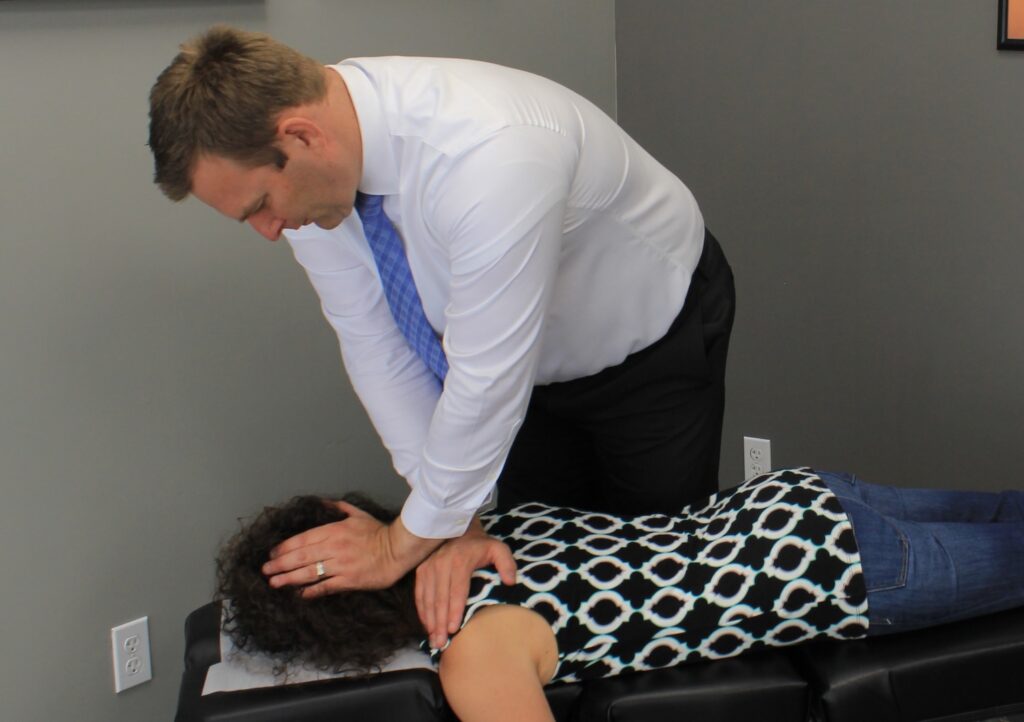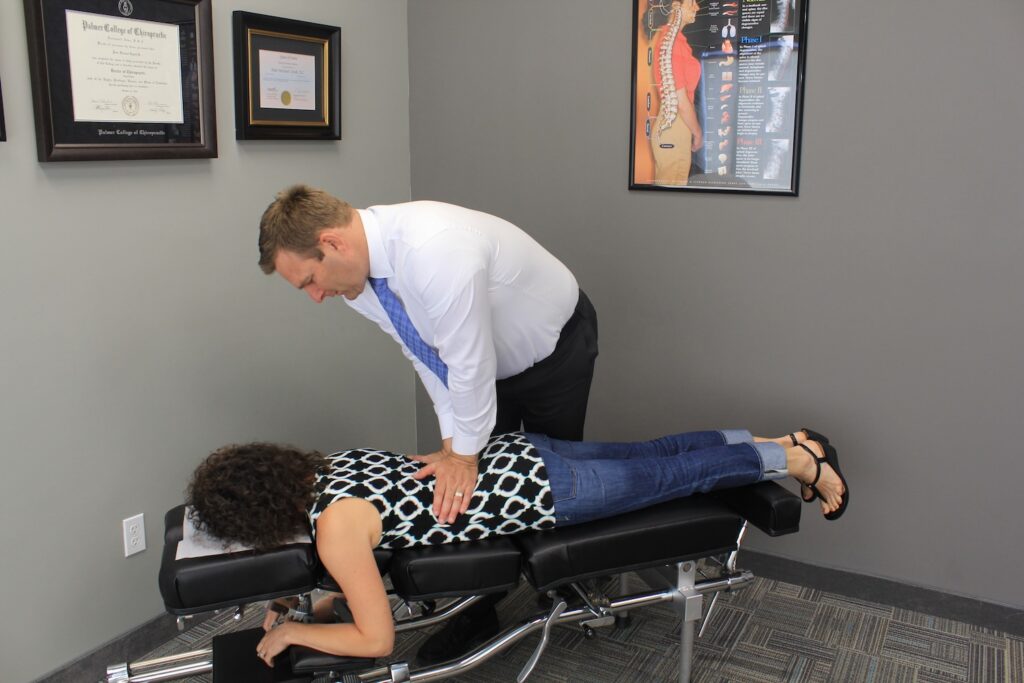
As a local chiropractor, I understand that facing a sports injury can be daunting. However, I want to assure you that with the right knowledge and techniques, your path to recovery can be much smoother.
It's essential to consider early intervention strategies, which can significantly enhance your healing process. Customized care is key—every individual has unique needs, and tailoring your treatment plan is vital for effective recovery.
Incorporating targeted rehabilitation exercises into your routine is crucial, and I can help guide you through these. Additionally, proper nutrition and fostering mental resilience play a pivotal role in your healing journey.
You might be surprised to learn that the combination of chiropractic adjustments, physical therapies, and lifestyle changes can accelerate your recovery in ways you might not expect.
Let's work together to uncover the essential elements of your healing process and change the way you approach recovery from sports injuries.
With my expertise in natural healing, I can help you explore a holistic approach that can lead to a swift return to the activities you love.
Understanding Sports Injuries
As a local chiropractor, I want to emphasize the importance of understanding sports injuries to support your overall well-being and performance. It's crucial to recognize that injuries can affect anyone, regardless of their athletic skill level or experience. By familiarizing yourself with common types of sports injuries—such as sprains, strains, fractures, and tendonitis—you can become more aware of the early symptoms that may arise. For example, a sprain typically involves the stretching or tearing of ligaments, whereas a strain impacts muscles or tendons.
Listening to your body is vital. Symptoms like pain, swelling, and limited mobility are all indicators that something may not be right. Ignoring these signs can lead to more significant issues down the line. Understanding the mechanics of your chosen sport can also shed light on how injuries occur. For instance, improper jumping or landing techniques can heighten the risk of knee injuries.
Your training regimen is another key factor in injury prevention. Overtraining or skipping warm-ups can leave you vulnerable to injuries. To enhance your resilience, consider incorporating strength training, flexibility exercises, and adequate rest into your routine. Moreover, it's essential to evaluate your equipment. Choosing the right footwear and gear specifically designed for your sport can significantly lower your risk of injury.
As a chiropractor, I encourage you to take proactive steps in maintaining your health. Chiropractic care can play a vital role in preventing and treating sports injuries, helping to restore proper function and alignment to your body. By embracing a holistic approach to your health, you can not only prevent injuries but also improve your overall athletic performance.
Importance of Early Intervention
As a local chiropractor, I want to emphasize the critical role of early intervention when it comes to managing sports injuries. Timely action can make a world of difference in your recovery journey, allowing you to heal quicker and avoid more serious complications down the line. Delaying treatment can result in chronic issues that may keep you from enjoying your favorite activities for much longer than necessary.
Here are three key reasons why you should prioritize early intervention with chiropractic care:
- Reduced Severity: Seeking chiropractic assistance early on can help prevent your injury from becoming more severe. Conditions like sprains, strains, and minor tears can escalate into more significant issues if not addressed promptly. A chiropractor can assess your injury and provide effective treatment options to manage it right away.
- Faster Recovery: Early chiropractic treatment often leads to a more efficient recovery process. Our focus on natural healing methods—such as spinal adjustments, soft tissue therapy, and rehabilitative exercises—can help alleviate pain and restore function, allowing you to return to your sport sooner.
- Informed Decision-Making: When you consult with a chiropractor promptly, you gain valuable insights into the nature and severity of your injury. This information enables us to create a customized treatment plan tailored to your needs, ensuring that you are on the most effective path to recovery.
Physical Therapy Approaches
Chiropractic care plays a vital role in the rehabilitation of sports injuries, helping you restore strength, flexibility, and mobility naturally. When you experience an injury, a knowledgeable chiropractor will assess your condition and develop a personalized treatment plan tailored to your individual needs. This plan typically includes a blend of spinal adjustments, soft tissue therapies, and patient education.
Spinal adjustments are one of the core techniques utilized in chiropractic care. This hands-on approach involves the chiropractor using their hands or specialized tools to manipulate the spine and joints, alleviating pain and enhancing mobility. Techniques such as spinal manipulation can improve nerve function and promote overall healing.
Soft tissue therapies are another essential component of chiropractic treatment. These may involve techniques like myofascial release, trigger point therapy, or massage. Each therapy serves a unique purpose, whether it's reducing muscle tension, alleviating pain, or facilitating tissue repair. Your chiropractor will determine which therapies will be most effective for your recovery journey.
Education is equally crucial in chiropractic care. Your chiropractor will provide you with valuable insights on proper body mechanics, posture, and strategies to prevent future injuries. This knowledge empowers you to make informed decisions about your physical activities and overall wellness.
Ultimately, chiropractic approaches are designed to support your recovery and enhance your well-being. By engaging in these natural healing techniques, you will not only address the immediate effects of your injury but also establish a strong foundation for long-term health and performance. Trust the process, and you'll find yourself on a path to recovery and improved vitality.
Rehabilitation Exercises
As a local chiropractor, I want to emphasize the importance of rehabilitation exercises in your recovery journey after experiencing a sports injury. One effective approach we use in chiropractic care is dynamic stretching, which not only enhances your flexibility but also plays a crucial role in preventing future injuries.
In addition to stretching, we focus on strengthening key muscle groups to improve your stability. This dual approach not only aids in your recovery but also helps you regain your range of motion, allowing you to return to your favorite sport with increased strength and resilience. Embracing these natural healing methods can significantly enhance your overall well-being and performance. Your body has an incredible capacity to heal, and with the right guidance, you can achieve optimal recovery.
Dynamic Stretching Benefits
As a local chiropractor dedicated to helping patients heal naturally, I want to share the significant benefits of dynamic stretching, especially for those recovering from injuries. Integrating these exercises into your rehabilitation routine can greatly enhance your recovery journey. Here are three key advantages:
- Increased Blood Flow: Dynamic stretching is not just a warm-up; it actively elevates your heart rate and promotes blood circulation. This boost in blood flow is vital, as it delivers essential nutrients to your muscles and can significantly accelerate the healing process.
- Improved Flexibility: Engaging in dynamic stretches helps you enhance your range of motion. This improvement in flexibility is crucial when working to regain strength and function in the affected area. It ensures that you can return to your favorite activities without limitations, promoting overall well-being.
- Enhanced Muscle Activation: Performing dynamic stretches activates the muscles you will use during physical activity. This engagement not only prepares your body for movement but also reduces the risk of re-injury, making it an essential component of your rehabilitation process.
Incorporating dynamic stretching into your recovery plan can truly be a game changer. It not only aids in regaining strength and flexibility but also lays a solid foundation for a safer return to your activities. I encourage you to embrace this technique, as it can bring you one step closer to complete recovery. Remember, your journey to healing is important, and we are here to support you every step of the way.
Strengthening Muscle Groups
As a local chiropractor, I want to emphasize the importance of strengthening your muscle groups, especially when you're recovering from a sports injury. It's crucial to focus on exercises that specifically target the injured area while maintaining balance with the surrounding muscles. This balanced approach not only aids in your recovery but also enhances your overall performance in daily activities.
To start your rehabilitation, consider incorporating isometric exercises into your routine. These exercises involve contracting your muscles without any movement, making them low-impact and effective for building strength without putting additional stress on your injury. Once you feel ready, we can progress to isotonic exercises, such as squats or lunges, which focus on endurance and stability.
Using resistance bands can be incredibly helpful during your recovery. These bands provide variable resistance, allowing you to control the intensity of your workouts as you strengthen your muscles. Additionally, bodyweight exercises can be very effective and can be performed anywhere, making them a convenient option for rehabilitation.
It's vital to listen to your body throughout this process. If you experience any pain, it's important not to push through it. We will gradually increase the intensity and volume of your exercises as you heal. I encourage you to consult with me or another physical therapist for personalized guidance tailored to your specific needs. Strengthening your muscles not only aids in recovery but also empowers you to return to your activities stronger and more resilient than before. Remember, natural healing and chiropractic care can play a significant role in your journey to recovery!
Range of Motion
As a local chiropractor, I want to emphasize the importance of maintaining your range of motion during your recovery from a sports injury. Flexibility in your joints and muscles is crucial for preventing stiffness and promoting healing. Here are three effective rehabilitation exercises that can help you restore your range of motion safely and naturally:
- Gentle Stretching: Start with simple stretching exercises tailored to the injured area. Hold each stretch for 15-30 seconds to help maintain flexibility without putting too much strain on your body. This gentle approach is a great way to ease into your recovery.
- Dynamic Movements: Incorporate dynamic movements that replicate the actions required in your sport. For example, if you're a runner, practicing leg swings or hip circles can gradually help improve your mobility and prepare your body for activity.
- Resistance Training: Utilizing light resistance bands or weights for controlled movements is beneficial. This not only strengthens your muscles but also promotes joint movement throughout its full range, aiding in your overall recovery process.
Before you begin any new exercise routine, especially after an injury, it's essential to consult with a healthcare professional, such as a chiropractor. We can provide guidance tailored to your specific needs and ensure that you're on the right track. By consistently practicing these range of motion exercises, you'll support your recovery and get your body ready for a safe return to your sport. Remember, progress takes time, so be patient and trust in the healing process!
Nutritional Support for Recovery
As a local chiropractor, I want to emphasize the vital role that proper nutrition plays in your recovery from sports injuries. When you experience an injury, your body requires the right fuel to heal effectively. It's important to focus on a balanced diet filled with whole foods, which includes lean proteins, healthy fats, and a variety of fruits and vegetables.
Protein is especially crucial during this time, as it aids in repairing tissues and rebuilding muscle. Incorporate sources like chicken, fish, beans, and nuts into your meals to ensure you meet your protein needs.
Don't forget about carbohydrates—they are essential for providing the energy your body needs for recovery. Make sure to include whole grains, fruits, and vegetables in your diet, as they not only offer energy but also supply vital vitamins and minerals that support the healing process.
Hydration is another key factor in your recovery journey. Drinking enough water is essential for maintaining blood volume and facilitating the transport of nutrients to the injured areas. Dehydration can hinder your recovery, so I recommend keeping a water bottle with you and sipping throughout the day.
Additionally, consider adding anti-inflammatory foods to your diet. Ingredients such as turmeric, ginger, and omega-3-rich foods like fatty fish and walnuts can help reduce inflammation and promote healing.
Lastly, it's important to listen to your body. If you're feeling fatigued or unwell, it could be a sign that you need more nutrients or hydration. By prioritizing your nutritional intake, you'll enhance your body's ability to recover and get back to your favorite activities sooner. Remember, chiropractic care complements these nutritional efforts by helping to restore your body's natural alignment and function, further supporting your recovery.
Mental Resilience Techniques
As a local chiropractor, I want to emphasize the importance of building mental resilience when recovering from sports injuries. It's not just about physical healing; your mindset plays a vital role in your recovery journey. Techniques such as visualization and positive self-talk can be incredibly beneficial. By picturing yourself overcoming your injury and reinforcing your strengths through affirmations, you can enhance your confidence and maintain focus on your healing process. These tools, combined with chiropractic care, can help you recover more effectively and return to the activities you love.
Visualization and Imagery
Harnessing the power of visualization and imagery can significantly enhance your mental resilience as you recover from sports injuries. As a local chiropractor, I want to share how these techniques can complement your chiropractic care and promote natural healing. By creating vivid mental images of your recovery, you can improve your focus, reduce anxiety, and boost your motivation. Here's how you can effectively use visualization and imagery during your recovery process:
- Create a detailed mental image: Imagine yourself fully healed and back in action. Visualize every detail—how you move, the energy of the game, and even the joy of participating again. This mental imagery helps your brain align your recovery goals with your physical healing, reinforcing the connection between mind and body.
- Practice regularly: Just like with your chiropractic adjustments, consistency is key. Set aside time each day to engage in visualization exercises. The more regularly you practice, the clearer and more powerful those mental images will become, strengthening your belief in your ability to overcome the injury.
- Incorporate sensory experiences: Engage all your senses when visualizing your recovery. Picture the sensation of your muscles working during a game, hear the cheers from the crowd, and even smell the fresh grass on the field. By tapping into multiple senses, you can make your visualizations more impactful, enhancing their effectiveness in your healing journey.
Positive Self-Talk Techniques
As a chiropractor, I encourage you to surround yourself with supportive individuals who uplift your positive mindset. The affirmations and encouragement from those around you can significantly enhance your self-talk, making it even more powerful in your healing journey.
Additionally, it's important to track your progress, no matter how minor it may seem. Each small victory is worth celebrating and can serve as motivation for your self-talk. By consistently practicing these techniques, you'll build resilience that not only supports your recovery but also improves your overall performance in daily life. Remember, your mind plays a crucial role in the healing process—so let's harness its power to work in your favor!
Role of Rest and Sleep
As a local chiropractor, I want to emphasize the crucial role that rest and sleep play in your recovery from sports injuries. When you experience an injury, your body requires time to heal, and sufficient sleep is a vital component of this healing process. It's during sleep that your body engages in essential repair mechanisms, allowing muscles and tissues to recover while reducing inflammation. Neglecting to prioritize rest can prolong your recovery and risk further aggravation of your injury.
Here are three important reasons to prioritize rest and sleep during your healing journey:
- Muscle Repair: When you enter deep sleep, your body produces growth hormones essential for muscle repair and regeneration. This process is crucial for returning to your sport, not just at your previous level but even stronger.
- Pain Management: Quality sleep can enhance your pain tolerance. A well-rested body can handle discomfort more effectively, making it easier for you to cope with pain related to your injury.
- Mental Recovery: Sleep is vital for cognitive function and emotional health. A rested mind enables you to maintain focus during rehabilitation exercises and helps manage any feelings of frustration that may arise during your recovery.
Integrating sufficient rest and ensuring you get enough sleep each night will not only accelerate your physical healing but also bolster your mental resilience. So, don't overlook the significance of a good night's sleep—it's an integral part of your healing process. Prioritize rest, and you'll be well on your way to recovery in no time. As your chiropractor, I encourage you to embrace the power of sleep as part of your natural healing journey.
Use of Ice and Heat
As a local chiropractor, I want to help you understand the effective management of sports injuries through the strategic use of ice and heat. These two treatments serve distinct purposes, and knowing when to use each can significantly influence your recovery journey.
Ice therapy, also known as cryotherapy, is your best friend immediately following an injury. It works wonders in reducing swelling and numbing pain, making it a crucial first step for acute injuries. When applying ice, always wrap it in a cloth or towel to avoid frostbite. I recommend icing for 15-20 minutes at a time, multiple times a day, during the first 48 hours after the injury occurs. Remember, the sooner you ice your injury, the better your chances are of minimizing damage and promoting healing.
Conversely, heat therapy is more suitable for chronic injuries or muscle tightness. The application of heat increases blood flow to the affected area, which promotes healing and helps relax stiff muscles. You can use a heating pad or a warm towel for about 15-20 minutes. Just like with ice, it's important to avoid applying heat directly to your skin; always use a barrier to prevent burns.
As you navigate your recovery process, it's crucial to listen to your body. If you experience increased pain or swelling with either treatment, I encourage you to stop and consult with a healthcare professional. By combining ice and heat appropriately, you can significantly enhance your recovery, paving the way for you to return to your favorite sport stronger and more resilient. Let's work together on your path to natural healing!
Preventing Future Injuries
As a local chiropractor, I want to help you understand how you can effectively prevent future sports injuries and promote natural healing. Taking proactive steps to protect your body is crucial for both your well-being and athletic performance. Here are three essential strategies you can adopt:
- Strength and Conditioning: It's important to engage in a comprehensive strength training program that focuses on all major muscle groups. By strengthening your muscles, you provide better support for your joints, which enhances your overall stability. I recommend incorporating exercises that mimic the specific movements of your sport. This not only builds functional strength but also helps in aligning your body properly, reducing the risk of injury.
- Flexibility and Mobility: Incorporating regular stretching and mobility exercises into your routine is vital for injury prevention. These practices maintain your joint range of motion and reduce stiffness, making you less prone to injuries. I suggest implementing dynamic stretches before your workouts to warm up and static stretches afterward to cool down, ensuring your muscles remain flexible and responsive.
- Proper Technique and Equipment: Always emphasize the importance of using correct form during any physical activity. Whether you're running, jumping, or lifting, maintaining proper technique is crucial to minimizing strain on your body. Additionally, make sure your sports equipment—such as shoes or protective gear—fits well and is suitable for your specific sport. This can significantly enhance your performance and reduce the likelihood of injury.
Conclusion
As your local chiropractor, I want to share some valuable techniques that can greatly aid in your recovery from sports injuries. It's crucial to prioritize early intervention, which means addressing issues as soon as they arise to prevent them from becoming more serious. Engaging in tailored rehabilitation exercises is essential; these exercises are designed specifically for your injury and can help restore function and strength.
Nutrition plays a vital role in the healing process, so it's important to focus on fueling your body with the right nutrients. Don't forget about the importance of mental resilience and giving your body the adequate rest it needs to recover. Additionally, using ice and heat therapy can provide effective pain relief, helping to manage discomfort as you heal.
Being proactive about preventing future injuries is equally important. By adopting this holistic approach, which includes chiropractic care, you can enhance your recovery and ultimately return to peak performance even quicker and stronger. I'm here to support you on your journey to recovery and optimal health!