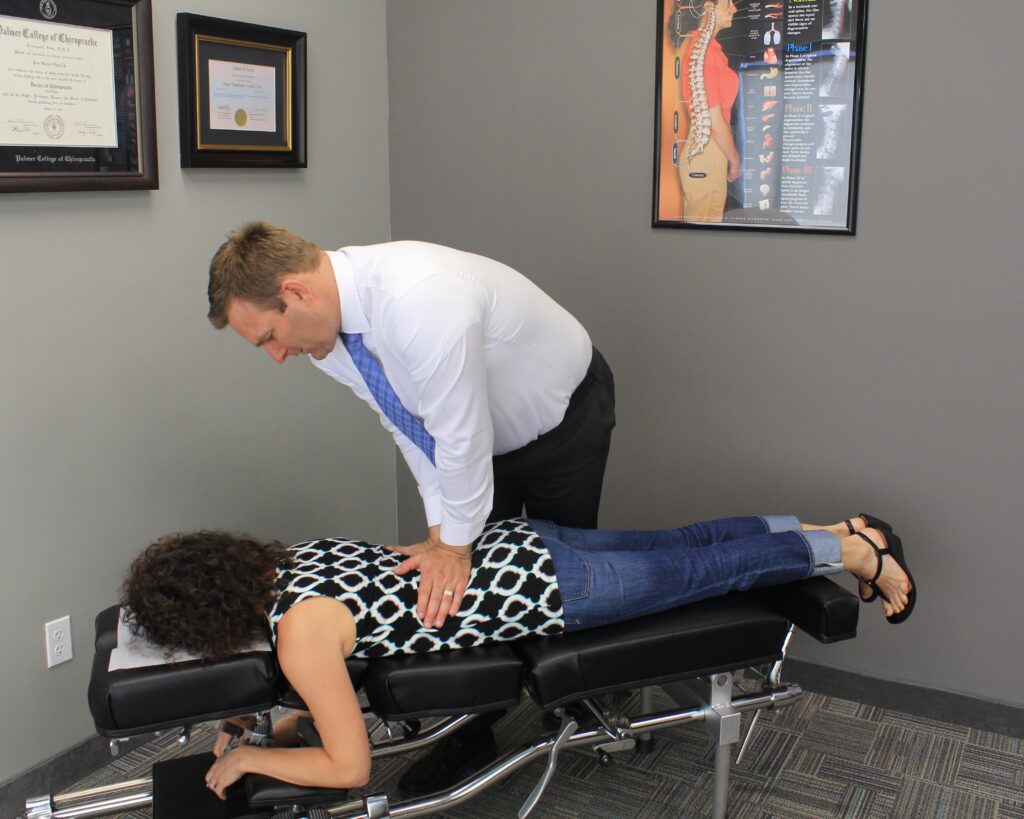
If you're dealing with back pain, you may have noticed that traditional treatments often fall short in providing the relief you seek. As a local chiropractor, I want to introduce you to the benefits of chiropractic care and natural healing methods. By embracing a holistic approach that includes proper nutrition, gentle exercise, and mindfulness practices, you can significantly improve your well-being.
Incorporating anti-inflammatory foods into your diet and engaging in low-impact physical activities can help address the underlying causes of your discomfort. However, there's much more to consider beyond diet and exercise. Chiropractic care focuses on aligning the spine and improving the function of your nervous system, which can be a game changer in your journey to recovery.
By exploring a full spectrum of natural remedies—including adjustments, stretches, and lifestyle changes—you may uncover the relief you've been searching for. Let's work together to find a personalized approach that helps you regain your quality of life and tackle your back pain effectively.
Understanding Back Pain
As a local chiropractor, I often see patients who are dealing with back pain, a common issue that affects many individuals at some point in their lives. This discomfort can manifest in various areas, including the lower, middle, or upper back, and understanding the source of your pain is crucial for effective relief.
Back pain can arise from a variety of causes. For instance, muscle strains, poor posture, or even underlying medical conditions may be contributing factors. Acute back pain tends to occur suddenly, often lasting from a few days to a couple of weeks. It can result from activities like lifting heavy items, making awkward movements, or even falling.
Conversely, chronic back pain lingers for three months or more and may stem from issues such as degenerative disc disease or arthritis. Differentiating between these types of pain is vital in determining the best approach to treatment.
When assessing your back pain, it's also important to reflect on your lifestyle. Do you find yourself sitting for extended periods, not engaging in regular exercise, or sleeping on a mattress that doesn't provide adequate support? These habits can significantly impact your back health and exacerbate discomfort.
As a chiropractor, I encourage my patients to be proactive about their lifestyles; small changes can lead to substantial improvements in your overall well-being.
Additionally, it's essential to recognize that emotional stress can contribute to muscle tension, further leading to back pain. Incorporating stress management techniques, such as mindfulness or yoga, can help alleviate this tension and improve your comfort.
The Role of Nutrition
As a local chiropractor, I want to share with you how important nutrition is for managing back pain and promoting overall spinal health. What you eat plays a crucial role in your body's ability to heal, reduce inflammation, and maintain a healthy weight. By focusing on a balanced diet, you can lay the groundwork for a healthier spine.
Let's start with the power of anti-inflammatory foods. Incorporating fruits like berries, leafy greens, and fatty fish such as salmon into your meals can make a difference. These foods are packed with antioxidants and omega-3 fatty acids that help combat inflammation.
Additionally, whole grains, nuts, and seeds are key players, as they provide essential nutrients that support your body's healing processes.
Maintaining a healthy weight is also essential for managing back pain. Carrying excess weight puts extra stress on your spine and the surrounding muscles. By practicing portion control and creating balanced meals, you can achieve and sustain a healthy weight, which can relieve some of that unnecessary pressure.
Hydration is another vital component of spinal health. Drinking enough water is important for keeping the spinal discs elastic and ensuring your muscles function effectively. I recommend aiming for at least eight cups of water each day, adjusting as necessary for your activity level.
Finally, let's not overlook the significance of vitamin D and calcium for bone health. Including dairy products, leafy greens, and fortified foods in your diet can help ensure that you're meeting your nutritional needs.
By prioritizing nutrition, you not only support your spine but also boost your overall well-being, which makes it easier to manage and prevent back pain.
As your chiropractor, I encourage you to consider these dietary changes as part of a holistic approach to your health. Together, we can work towards a pain-free, healthier life!
Herbal Remedies
As a local chiropractor dedicated to helping you achieve optimal health, I want to share some valuable insights about natural solutions for back pain relief, particularly through the use of herbal remedies. Many of my patients have found that incorporating certain herbs into their wellness routines can significantly aid in their recovery.
For example, turmeric, which contains the powerful compound curcumin, is well-known for its anti-inflammatory properties. This means it can help reduce inflammation in your body, potentially alleviating pain associated with back issues. You can easily add turmeric to your diet by sprinkling it on your meals or considering it in supplement form.
Another herb that deserves your attention is ginger. It's celebrated for its ability to ease pain and inflammation. Drinking ginger tea or including fresh ginger in your cooking can provide you with some relief.
Additionally, willow bark has a long history of use as a natural painkiller. It contains salicin, a compound similar to aspirin, and is available in both capsules and tea form.
If you're interested in topical solutions, arnica is an excellent option. This herb can be applied directly to the painful area as a cream or gel and is particularly effective for muscle soreness and bruising.
You may also want to look into devil's claw, which has shown promise in clinical studies for reducing back pain.
However, I can't stress enough the importance of consulting with your healthcare provider before starting any new treatment, including herbal remedies. It's crucial to ensure that these natural solutions are appropriate for your specific needs and won't interfere with any medications you may be taking.
By integrating these herbal remedies into your wellness routine, alongside chiropractic care, you may discover the relief you've been searching for.
Physical Activity and Exercise
As a local chiropractor, I want to share with you the importance of regular physical activity in alleviating back pain and enhancing your overall well-being. Engaging in exercise is one of the most natural and effective ways to support your spine and promote healing.
By strengthening the muscles around your spine, improving flexibility, and encouraging good posture, you can take significant steps toward better spinal health. Here are four types of activities that can be particularly beneficial for managing back pain:
- Walking: This is one of the simplest yet most effective exercises you can do. Walking boosts circulation and strengthens your muscles without placing undue stress on your back. I recommend aiming for at least 30 minutes of walking each day to reap the benefits.
- Stretching: Integrating gentle stretching into your daily routine can greatly enhance your flexibility. Focus on stretches that target your back, hips, and hamstrings to relieve tension and promote a greater range of motion.
- Strength Training: Developing core strength is vital for providing support to your back. Exercises such as planks and bridges can effectively strengthen your abdominal and back muscles, leading to improved stability and support for your spine.
- Low-Impact Aerobics: Activities like swimming or cycling are excellent ways to stay active while minimizing stress on your back. These low-impact exercises elevate your heart rate and provide a cardiovascular benefit without straining your joints.
Incorporating these forms of physical activity into your routine can complement the chiropractic care you receive and help you achieve long-lasting relief from back pain.
Mindfulness and Stress Relief
As a local chiropractor, I want to share how mindfulness can significantly aid in alleviating back pain.
Incorporating mindful breathing techniques and meditation into your daily routine can be a powerful complement to chiropractic care. These practices help manage stress and lower pain levels, allowing your body to heal more effectively.
By embracing mindfulness alongside your chiropractic treatments, you may experience enhanced relief and a deeper sense of relaxation.
It's all about creating a holistic approach to your wellness journey.
Mindful Breathing Techniques
As a local chiropractor dedicated to helping my patients understand the benefits of natural healing, I want to introduce you to some effective mindful breathing techniques that can significantly alleviate stress and potentially ease back pain.
By concentrating on your breath, you can foster a calming effect that benefits both your mind and body. Here are four simple techniques you can incorporate into your daily routine:
1. Deep Breathing: Start by inhaling deeply through your nose for a count of four, hold that breath for another four counts, and then exhale slowly through your mouth for six counts.
Repeat this cycle for a few minutes. This practice helps to center yourself and can create a sense of relaxation that supports your overall well-being.
2. Box Breathing: This technique involves inhaling for a count of four, holding your breath for four counts, exhaling for four counts, and holding again for four counts.
Box breathing is excellent for regulating your breath and promoting a deeper state of relaxation, which can be particularly beneficial if you're experiencing discomfort.
3. Abdominal Breathing: To practice this, place one hand on your chest and the other on your abdomen.
As you breathe in deeply, focus on making your abdomen rise more than your chest. This technique encourages full oxygen exchange and can be especially helpful in relieving tension that may be contributing to back pain.
4. Progressive Relaxation: With this method, as you inhale, tense a specific muscle group (like your shoulders), then as you exhale, consciously relax that muscle.
This technique can help you release physical tension that often accompanies stress, providing relief that can complement your chiropractic treatment.
Integrating these mindful breathing techniques into your routine can enhance your journey toward a healthier, pain-free life.
I encourage you to give them a try and see how they can positively impact your overall well-being.
Meditation for Pain Relief
As your local chiropractor, I want to introduce you to a powerful tool for managing pain: meditation. Building on the calming effects of mindful breathing, meditation can be an effective complement to your chiropractic care.
When you take a moment to sit quietly and focus on the present, you not only help reduce stress and anxiety that can exacerbate back pain, but you also create a space to observe your body without judgment. This awareness can help you notice sensations more clearly without feeling overwhelmed.
I encourage you to explore guided meditation or simply concentrate on your breathing. It's normal for your mind to wander, but when it does, gently redirect your focus back to your breath.
Research has shown that regular meditation can decrease pain perception and enhance overall well-being, which is vital for your recovery.
Incorporating meditation into your daily routine can significantly improve your ability to cope with pain. Even dedicating just a few minutes each day can yield noticeable benefits.
As you cultivate this practice, you may find that your back pain becomes more manageable and your overall quality of life improves. Remember, the journey is about making progress, not striving for perfection.
Alternative Therapies
As a local chiropractor, I want to share with you some invigorating alternative therapies that can be effective in managing back pain. These approaches focus on holistic healing, addressing not just the physical aspects of pain, but also the emotional components.
By incorporating these methods into your routine, you may discover significant relief and an overall enhancement in your well-being.
Let me introduce you to four popular alternative therapies that can complement chiropractic care:
1. Acupuncture: This ancient Chinese practice involves the careful insertion of thin needles into specific points on the body. Many of my patients have found acupuncture to be beneficial for alleviating back pain.
It may help stimulate the release of endorphins, the body's natural pain relievers, and promote healing.
2. Chiropractic Care: Our primary focus here is on spinal alignment. By using targeted chiropractic adjustments, we can relieve tension and discomfort in your back.
During your visits, we'll explore individualized techniques tailored to restore proper function and significantly reduce your pain.
3. Massage Therapy: Incorporating regular massage into your treatment plan can be incredibly beneficial. It helps to loosen tight muscles, improve circulation, and promote relaxation.
Whether you prefer deep tissue or Swedish massage, working with a skilled therapist can greatly enhance your back pain management.
4. Yoga: Practicing yoga isn't just about flexibility and strength; it also emphasizes mindfulness and breath control.
Many of my patients have found that incorporating yoga into their routine helps them manage stress and develop a greater awareness of their bodies, which can lead to a reduction in back pain.
By understanding and integrating these alternative therapies, you can empower yourself in your journey towards pain relief and improved well-being.
If you have any questions or would like to learn more, feel free to reach out!
Creating a Supportive Environment
As a local chiropractor, I want to emphasize the importance of creating a supportive environment for anyone dealing with back pain. Your surroundings significantly influence how you manage discomfort, and they can either worsen or improve your symptoms.
First, let's talk about your workspace. It's crucial that your chair offers proper lumbar support to maintain the natural curve of your spine. Additionally, ensure your computer screen is at eye level to minimize strain on your neck and back. If you find yourself sitting for extended periods, I recommend considering a standing desk or, at the very least, taking regular breaks to stretch and move. This can help alleviate tension and promote better posture.
Now, let's move to your home environment. It's vital to create a living space that minimizes unnecessary bending or twisting. Arrange your furniture thoughtfully and consider using supportive cushions on your sofa and bed to help maintain spinal alignment while you relax or sleep.
Don't overlook the importance of a good mattress; it should provide adequate support without sagging, as this can greatly affect your back health.
Pay attention to your daily habits as well. Incorporating gentle exercises, such as yoga or stretching, into your routine can strengthen your back and enhance your flexibility. Surrounding yourself with supportive friends and family is equally important, as emotional support can have a significant impact on your overall well-being.
Finally, think about the calming elements in your environment. Soft lighting, soothing colors, and indoor plants can create a tranquil atmosphere that promotes relaxation and recovery.
Conclusion
As a local chiropractor, I want to share how incorporating natural solutions into your daily routine can significantly enhance your journey toward back pain relief. It's important to focus on nutrition, maintain an active lifestyle, and embrace mindfulness practices. Not only can these strategies alleviate your discomfort, but they also promote your overall well-being.
I encourage you to explore herbal remedies and alternative therapies, as they may complement your chiropractic care and help you discover what works best for your body. Additionally, creating a supportive environment—both physically and emotionally—is crucial for your recovery process.
By taking these steps today, you're not just aiming for relief; you're investing in a healthier, pain-free life. Remember, chiropractic care is about more than just adjustments—it's about fostering a holistic approach to your health. Let's work together to find the best path for your healing journey!