When dealing with an injury, it's crucial to recognize that recovery goes beyond simply resting. As a local chiropractor, I want to emphasize the importance of implementing trusted strategies tailored to your unique situation.
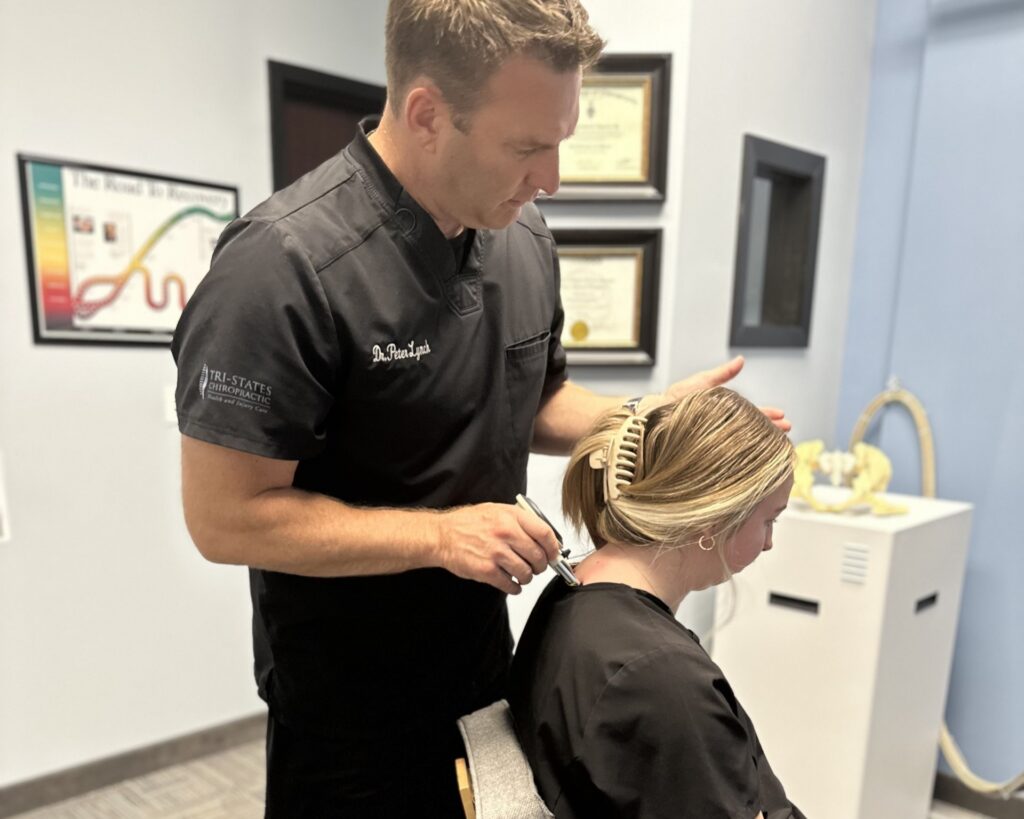
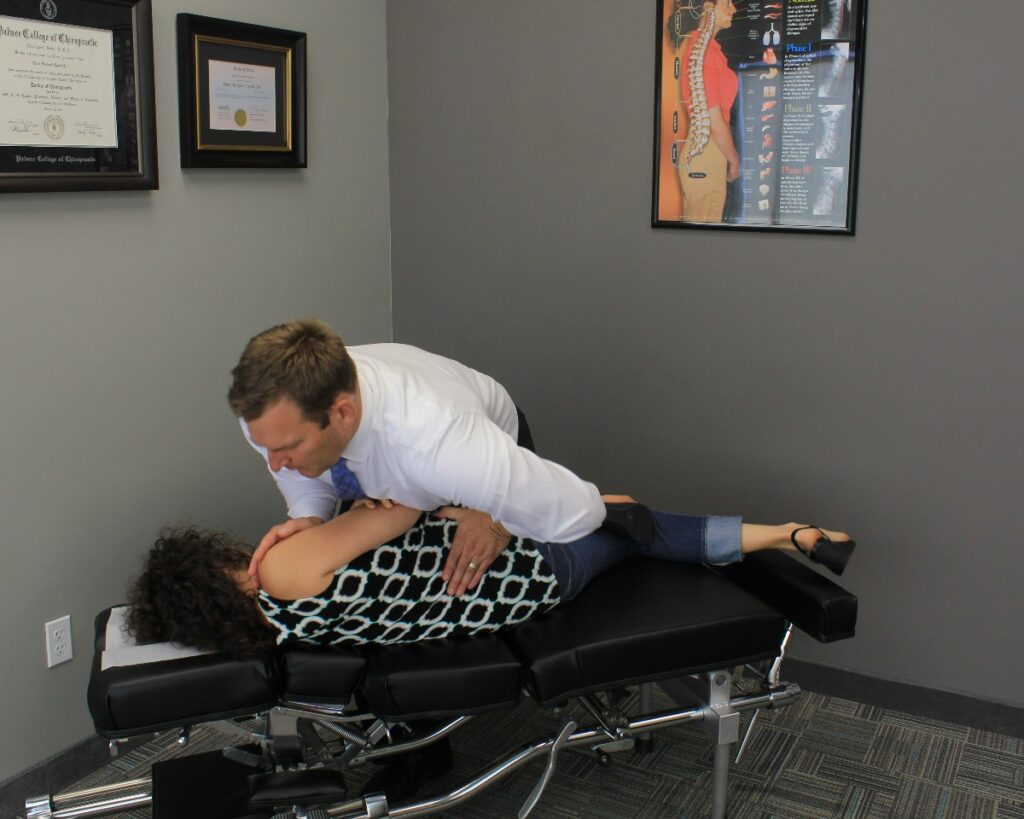
Engaging with professionals like myself can help guide you through a structured rehabilitation process that incorporates effective techniques to promote healing, including chiropractic adjustments and other natural therapies.
Nutrition also plays a vital role in recovery, and I can provide guidance on how to support your healing through proper diet.
As you embark on this journey, it's important to understand that mental resilience is key to your comeback.
So, what specific strategies can you adopt to ensure a smoother recovery and minimize the risk of setbacks?
Together, we can explore chiropractic care, personalized rehabilitation exercises, and lifestyle adjustments that will empower you on your path to recovery.
Understanding the Injury Process
As a local chiropractor, I want to help you understand the injury process and how it plays a crucial role in your recovery journey. When you experience an injury, it's vital to recognize the stages your body goes through to heal effectively.
Initially, your body responds with inflammation. This stage may involve pain, swelling, and redness, signaling that something is amiss. This inflammatory response is a natural part of the healing process, and it's your body's way of indicating that it's working to repair itself.
Following this, you enter the repair phase. During this time, your body starts to rebuild the damaged tissue. It's important to approach this phase with care. Overexerting yourself can lead to setbacks, so it's essential to allow your body the necessary time to heal. As you recover, you may notice a gradual decrease in pain and swelling, which is a sign that your body is making progress.
Eventually, you reach the remodeling phase. Here, your body strengthens the new tissue, making it more resilient and better able to withstand stress. This phase can take several weeks or even months, depending on the severity of your injury. Patience is key; rushing back into physical activities too soon can increase the risk of re-injury.
Throughout this entire process, it's beneficial to stay informed about your specific injury. Understanding the anatomy involved, the typical recovery timeline, and any potential complications can empower you to make informed decisions about your rehabilitation and training.
As your chiropractor, I'm here to guide you through each stage of the injury process. By prioritizing your body's needs and staying engaged in your recovery, you'll not only navigate this journey more effectively but also return to your activities stronger than before. Embracing a holistic approach to healing will set you up for long-term success in your health and wellness.
Importance of Professional Guidance
As you embark on your recovery journey, I want to emphasize the significant role that professional guidance, particularly chiropractic care, can play in your healing process. Chiropractors are skilled in understanding the complexities of injuries and can develop personalized recovery plans tailored specifically to your unique needs. Our expertise allows us to recommend strategies that foster optimal healing and restore your body's natural balance.
When you visit a chiropractor, you gain access to a comprehensive understanding of injury management. We work with you to set realistic goals and timelines for your recovery, ensuring that you don't push yourself too hard, too soon. This customized approach not only supports your physical healing but also helps ease any mental stress you may be experiencing, allowing you to concentrate on regaining your strength and confidence.
In addition, chiropractors can offer valuable insights into injury prevention. We will help you identify risk factors and teach you effective techniques to avoid re-injury, ensuring that you not only recover but also build a more resilient foundation for your athletic pursuits.
I cannot stress enough the importance of open communication with your healthcare team, including your chiropractor. Keeping us informed about your progress, any setbacks, or concerns you may have enables us to make timely adjustments to your recovery plan. Involving us in your journey empowers you to make informed decisions and stay motivated throughout the process.
Ultimately, chiropractic care can transform your recovery from a daunting challenge into a structured pathway toward wellness. By utilizing our expertise, you can navigate your injury recovery more effectively and return to your sport with renewed energy and enthusiasm. Let's work together to help you achieve your health goals and get back to doing what you love!
Rehabilitation Techniques Overview
As your local chiropractor, I want to emphasize the importance of understanding rehabilitation techniques for your recovery journey. These techniques are vital not just for healing, but also for enhancing your overall health. In our practice, we incorporate various physical therapy modalities tailored to your needs, such as manual adjustments, therapeutic exercises, and active recovery strategies.
We also focus on injury-specific rehabilitation protocols that are designed to support and accelerate your healing process. By integrating these techniques into your care, you will not only regain strength but also significantly reduce the risk of future injuries. My goal is to empower you with knowledge about how chiropractic care and natural healing can play a crucial role in your recovery and long-term wellness.
Physical Therapy Modalities
Chiropractic care plays a vital role in your recovery journey, especially if you're an athlete. Our natural healing techniques can help alleviate pain, restore function, and enhance your overall mobility. During your rehabilitation, you'll encounter various approaches tailored specifically to your needs.
One of the key methods we use is manual therapy, where I utilize my hands to manipulate soft tissues and joints. This technique can help relieve tension and improve circulation, promoting a faster recovery. You may also experience techniques such as ultrasound therapy, which employs sound waves to stimulate healing at the cellular level. Another effective option is electrical stimulation, which reduces pain and muscle spasms by sending gentle electrical impulses to the affected areas.
Hot and cold therapy is also an essential component of our treatment plan. Applying heat can help relax tight muscles, while cold therapy is effective in reducing inflammation and numbing pain. Each of these methods serves a unique purpose, and together, we will determine the best combination to address your specific injury.
Education is equally important in your healing process. I will guide you on proper body mechanics and techniques to prevent further injuries. By actively engaging in your recovery and utilizing these chiropractic methods, you are setting yourself up for a successful return to your sport and a healthier lifestyle overall.
Active Recovery Strategies
As a local chiropractor, I want to emphasize the importance of active recovery strategies for anyone looking to heal from injuries and maintain their overall wellness. These methods are not just about resting; they play a vital role in promoting blood flow, reducing muscle soreness, and enhancing mobility, which are all crucial for effective recovery.
Engaging in low-intensity exercises such as walking, cycling, or swimming can significantly aid in your recovery process. These activities keep the body moving while minimizing strain on any injured areas. Additionally, incorporating stretching and flexibility routines can improve your range of motion and help alleviate tightness.
You may also find yoga or Pilates to be beneficial. Both practices focus on controlled breathing and gentle movements, which can foster relaxation and support the healing process. It's important to listen to your body during these sessions; feel free to modify movements to avoid aggravating any injuries.
Don't forget about the importance of hydration and nutrition in your recovery journey. Proper nutrition fuels your body's healing processes and can help you regain strength more effectively. Remember, consistency is key. By regularly incorporating these active recovery strategies into your routine, not only will you speed up your recovery, but you'll also enhance your overall athletic performance.
As your chiropractor, I'm here to guide you through these practices and help you understand how they can work in harmony with chiropractic care to promote natural healing and wellness.
Injury-Specific Rehabilitation Protocols
As a local chiropractor, I want to emphasize the importance of injury-specific rehabilitation protocols tailored to your individual needs. When you experience an injury, whether it's a sprained ankle, torn ligament, or stress fracture, it's crucial to follow a structured recovery plan that addresses your specific situation.
First and foremost, I encourage you to consult with a qualified healthcare professional, such as a chiropractor, who can assess your injury and help develop a personalized rehabilitation program. This program may include mobility exercises to maintain joint function, strengthening exercises to rebuild muscle, and balance training to help prevent future injuries.
Once you have your protocol in place, it's vital to stick to it, gradually increasing the intensity of your exercises as your body allows. Always pay attention to any pain signals your body may send; pushing through pain can lead to setbacks in your recovery. Incorporating natural healing modalities, such as ice, heat, or even electrical stimulation, can also support your recovery process, so don't hesitate to discuss these options with me during your visits.
Lastly, remember that patience is key. Recovery takes time, and adhering to an injury-specific rehabilitation protocol will assist you in returning to your activities stronger and more resilient. By committing to this focused recovery plan, you'll be giving yourself the best chance to bounce back and thrive in your athletic pursuits. Together, we can navigate your recovery journey and ensure you achieve optimal health through natural healing methods.
Nutrition for Recovery
As a local chiropractor, I want to emphasize the crucial role that nutrition plays in your recovery after intense training sessions or competitions. Your body needs proper nourishment to heal and rebuild itself effectively. It's essential to focus on a balanced diet that includes carbohydrates, proteins, and healthy fats, as these nutrients significantly support your recovery process.
Carbohydrates are vital for replenishing glycogen stores, which provide the energy you need for your next workout. Proteins are equally important; they help repair and rebuild muscle tissues that may have been stressed during physical activity. I recommend incorporating lean protein sources such as chicken, fish, beans, or plant-based alternatives into your meals. Consuming around 20-30 grams of protein within 30 minutes after exercising can greatly enhance muscle repair.
Hydration is another crucial aspect of recovery. Water helps transport nutrients throughout your body and plays a significant role in your overall recovery process. Be sure to drink plenty of fluids before, during, and after your training sessions.
In addition to these macronutrients, consider adding antioxidant-rich foods like berries, nuts, and leafy greens to your diet. These foods can help reduce inflammation and combat the oxidative stress that often results from intense physical activity. Healthy fats, such as those found in avocados and olive oil, are also beneficial as they contribute to overall health and can help in reducing inflammation.
Above all, it's important to listen to your body. If you find yourself feeling fatigued or sore, that could be a sign that it's time to reassess your nutrition plan. I encourage you to consult with a nutritionist who specializes in sports nutrition to create a personalized recovery plan that suits your specific needs. By prioritizing nutrition alongside chiropractic care, you can enhance your recovery and get back to your peak performance more quickly.
Mental Resilience and Mindset
Injuries can be challenging, but they also present a unique opportunity for personal growth and healing. As your local chiropractor, I want to emphasize the importance of mental resilience during your recovery journey. By harnessing visualization techniques, you can not only support your physical healing but also cultivate a positive mindset that significantly impacts your recovery process. Embracing this holistic approach can help you navigate through adversity and come out stronger on the other side. Let's work together to enhance your healing experience and promote overall well-being.
Growth Through Adversity
Overcoming challenges is not just a journey for athletes; it's a path that everyone can relate to, especially when it comes to health and recovery. Just like athletes face injuries and setbacks, many of my patients experience their own obstacles when it comes to their physical well-being. It's easy to feel defeated during these times, but I encourage you to see these challenges as valuable learning experiences that can lead to personal growth and healing.
As a chiropractor, I believe in the power of embracing adversity to build a stronger, more resilient mindset. When you face physical setbacks, it's crucial to focus on what you can control. Together, we can set small, achievable goals for your recovery that will keep you motivated and aware of your progress. Every step you take, no matter how minor, is a victory that contributes to your overall resilience.
Moreover, surrounding yourself with a supportive network—whether that's family, friends, or healthcare professionals—can make a significant difference in your healing journey. Their encouragement will remind you of your potential and help you stay committed to your goals. Remember, overcoming adversity is not just about the physical aspect; it's about nurturing your mental and emotional well-being as well. Let's work together to turn your challenges into opportunities for growth and recovery.
Visualization Techniques for Healing
As a local chiropractor, I want to share with you an incredible tool that can significantly enhance your healing journey: the power of visualization. This technique can help you stay focused and strengthen your mental resilience as you recover from injuries or ailments. By visualizing yourself fully healed and active, you create a mental roadmap that your body can follow, aiding the natural healing process.
To get started, find a quiet and comfortable space where you can relax. Close your eyes and take several deep breaths to help center your mind. Begin to visualize the area of your body that needs healing. Picture the tissues mending, blood circulation improving, and the strength returning to that area. Imagine yourself engaging in activities you love, whether that's running, jumping, or participating in sports. This positive imagery reinforces your commitment to recovery and can complement the chiropractic care you receive.
I encourage you to incorporate visualization into your daily routine. Even just a few minutes each day focused on your healing journey can make a difference. The more vivid and detailed your mental imagery, the more effective it will be. Additionally, you can enhance your visualization practice by combining it with affirmations—repeating positive statements about your recovery can further solidify your commitment to healing.
Cross-Training During Recovery
Cross-training during your recovery process can significantly benefit you as an athlete, especially if you're navigating the challenges of an injury. As a chiropractor, I want to emphasize the importance of engaging in various forms of exercise that not only maintain your fitness levels but also help protect your body from further harm while you heal. Incorporating cross-training into your routine can aid in sustaining your cardiovascular endurance and strengthen muscle groups that may not be affected by your injury.
When considering cross-training options, I recommend focusing on low-impact activities such as swimming, cycling, or using an elliptical machine. These exercises can provide a robust workout while minimizing stress on the injured area. However, it's crucial to work closely with your healthcare provider or a physical therapist to develop a cross-training plan tailored to your specific needs. They can guide you in selecting safe and effective activities based on your injury.
Additionally, cross-training can be a wonderful way to keep your spirits high during recovery. Being sidelined can sometimes lead to feelings of frustration, but trying out new activities can reignite your enthusiasm for fitness. You may uncover new skills or interests that add depth to your athletic experience.
Monitoring Progress and Adjustments
As you embark on your recovery journey, it's vital to regularly monitor your progress to ensure effective healing and optimal performance. Keeping a close watch on both your physical and mental state will help you identify what's beneficial and what may need adjustments. Begin by setting specific, measurable goals that correspond with your recovery timeline. This structured approach will provide you with a clear framework for assessing how far you've come.
Tracking your daily activities, pain levels, and any setbacks is crucial. I encourage you to consider journaling as a powerful tool; make notes about how you feel before and after your chiropractic sessions, and record any changes in mobility or strength. This information will not only reveal trends over time but will also be invaluable when you discuss your progress with me or another healthcare professional.
It's important to remain flexible with your recovery plan based on your observations. If you notice that certain activities or exercises lead to pain or discomfort, it's okay to modify them or focus on alternatives that feel better for your body. Our goal is to challenge you while minimizing the risk of further injury. Always feel free to communicate openly with me; I'm here to provide guidance and adjust your treatment plan based on your feedback.
Lastly, don't forget to celebrate the small victories along the way. Acknowledging improvements, no matter how minor, can greatly enhance your motivation and reinforce your commitment to the recovery process. By consistently monitoring your progress and making necessary adjustments, you'll create a more effective path to healing that supports your long-term health and wellness goals. Remember, chiropractic care is about enhancing your body's natural healing abilities, and I'm here to support you every step of the way.
Building Strength Post-Recovery
As a local chiropractor, I want to emphasize the importance of building strength after you've successfully navigated the recovery phase from an injury. Transitioning from rehabilitation to strength training can feel daunting, but it's crucial to ensure that your body is physically prepared for the demands of your sport or daily activities. A focus on gradually increasing your strength not only helps prevent re-injury but also enhances your overall performance.
To begin this journey, set specific and achievable goals for yourself. This clarity will provide direction and keep you motivated throughout your recovery. I recommend incorporating a balanced routine that includes the following components:
- Resistance training: Utilizing free weights, resistance bands, or machines can effectively target various muscle groups, helping to build strength in a controlled manner.
- Functional movements: Engaging in exercises that mimic the movements of your specific sport or daily activities is essential for improving your body mechanics and ensuring your muscles are prepared for real-world challenges.
- Core stability: A strong core is vital for maintaining balance and supporting overall body strength. Incorporating core exercises into your routine will pay dividends in your performance.
- Flexibility exercises: Regular stretching is important for maintaining a full range of motion. This not only helps prevent tightness but also facilitates recovery and overall mobility.
- Progressive overload: Gradually increasing the intensity of your workouts is key to continuing to build strength over time. This principle encourages your body to adapt and grow stronger.
Always remember to listen to your body throughout this process. If you experience any pain or discomfort, it's crucial to adjust your training accordingly. Consistency is important, but so is patience; regaining your full strength is a gradual process. Celebrate every bit of progress, no matter how small, and continue to push forward. By focusing on these strategies, you'll create a solid foundation for your return to sport or daily activities, ensuring that you are not just back to where you were, but stronger than before. As your chiropractor, I'm here to support you in this journey towards natural healing and optimal performance.
Conclusion
Injury recovery goes beyond merely resting; it's a comprehensive journey that demands your dedication and the right approach. As a local chiropractor, I encourage you to seek professional guidance to navigate this process effectively. Embracing active rehabilitation is crucial, and chiropractic care plays a significant role in facilitating this by addressing any misalignments or restrictions in your body.
Additionally, focusing on nutrition is vital for healing. A well-balanced diet can provide the necessary nutrients to support your recovery. It's also important not to overlook the mental aspect of healing—maintaining a positive mindset and visualizing your goals can significantly enhance your recovery experience.
Monitor your progress and be open to adjustments in your recovery plan. With patience, consistency, and the right strategies, you'll not only recover from your injury but also emerge even stronger. Trust in the natural healing processes that chiropractic care can offer, and let us guide you on your path to recovery.