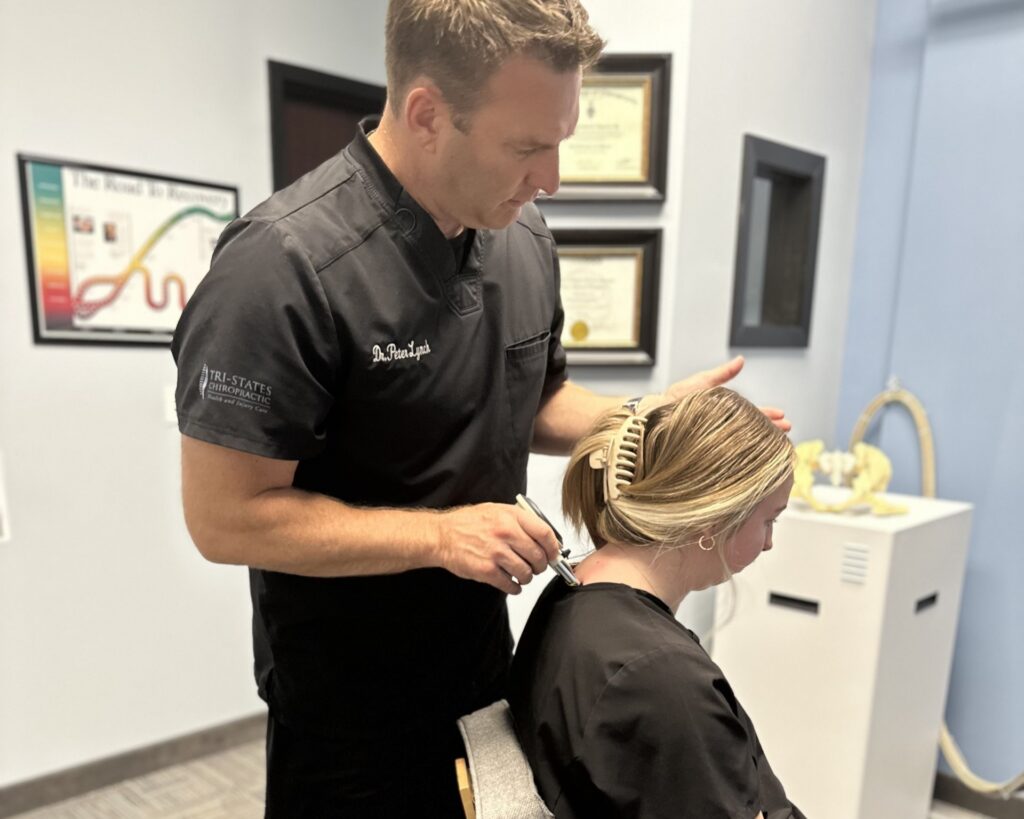
As a local chiropractor, I understand that many of you may be feeling overwhelmed by your lower back pain and thinking that surgery is your only option. I want to assure you that there are several effective, non-surgical methods available that can help manage and even alleviate your discomfort. By implementing some lifestyle changes and utilizing targeted chiropractic treatments, you can significantly reduce your pain and enhance your overall quality of life.
Chiropractic care focuses on the relationship between your spine and nervous system, aiming to restore proper alignment and function. This can lead to improved mobility and reduced pain. Additionally, incorporating exercises, ergonomic adjustments, and stretching techniques into your daily routine can further support your recovery.
If you're curious about how chiropractic care and natural healing methods can fit into your life, I encourage you to explore these options with me. Together, we can create a personalized treatment plan that prioritizes your health and well-being. The journey to relief may be more attainable than you realize!
Understanding Lower Back Pain
As a local chiropractor, I understand that experiencing lower back pain can be overwhelming and confusing. Many of my patients often wonder why they're feeling this discomfort and what steps they can take to alleviate it. The first step toward effective relief is understanding the underlying causes of your pain.
Lower back pain can arise from various issues, such as muscle strains, ligament sprains, herniated discs, or even conditions like arthritis. You might find that you've lifted something too heavy, twisted in an awkward way, or even strained your back through regular daily activities. Additionally, poor posture—whether from sitting for long periods or using improper techniques during physical activities—can significantly contribute to your pain. Identifying these triggers is crucial for addressing the problem at its source.
It's also important to consider lifestyle factors that may be exacerbating your lower back pain. For instance, carrying excess weight puts extra strain on your spine, while a sedentary lifestyle can weaken the core muscles that support your back. Stress can also lead to muscle tension, further intensifying your discomfort.
Listening to your body is key. If your pain persists or worsens, I encourage you to consult with a healthcare professional who specializes in natural healing, like a chiropractor. We can assess your condition, identify the underlying causes, and recommend appropriate interventions tailored to your needs.
Understanding lower back pain goes beyond just knowing what causes it; it involves recognizing how your daily habits and lifestyle choices impact your overall well-being. By gaining this awareness, you can take proactive steps to manage your pain effectively and improve your quality of life.
Benefits of Non-Surgical Treatments
As a local chiropractor, I often see individuals grappling with lower back pain, and many of them are unaware of the effective non-surgical treatments available to them. These options not only enhance your quality of life but also come with far fewer risks than surgical interventions.
One of the most attractive benefits of chiropractic care is its ability to deliver immediate relief. Many of my patients experience significant reductions in pain after just one session, allowing them to quickly return to their daily routines and activities.
Another great advantage of chiropractic treatments is the minimal recovery time involved. Unlike surgical procedures that can leave you sidelined for weeks or even months, chiropractic adjustments and other non-invasive therapies allow you to get back to your normal life almost right away. This means you can continue to fulfill your work obligations, engage in family activities, and enjoy your social life without lengthy interruptions.
When it comes to cost, non-surgical treatments like chiropractic care are often much more budget-friendly than surgery. With healthcare costs on the rise, choosing chiropractic adjustments, therapeutic exercises, or lifestyle modifications can save you both money and time.
More importantly, these treatments aim to address the underlying causes of your pain, paving the way for long-lasting relief rather than just temporary fixes.
Finally, one of the most rewarding aspects of chiropractic care is that it empowers you to take charge of your health. By being actively involved in your treatment journey, you'll gain a deeper understanding of your body and its needs.
This hands-on approach not only helps manage your pain effectively but also fosters overall well-being, guiding you toward a healthier, pain-free future. If you're struggling with lower back pain, consider exploring the benefits of chiropractic care—it might just be the solution you've been looking for.
Physical Therapy Techniques
As a local chiropractor, I want to emphasize the importance of chiropractic care in managing and alleviating lower back pain naturally. Our holistic approaches are designed to enhance your body's natural healing abilities, improve mobility, and promote overall wellness.
By working collaboratively with a skilled chiropractor, you can develop a personalized plan that addresses your specific concerns and targets the underlying causes of your pain.
Here are three key chiropractic techniques that you may experience during your visits:
- Spinal Manipulation: This hands-on method involves the chiropractor applying controlled force to specific joints in your spine. It aims to restore proper alignment, improve circulation, and reduce muscle tension, ultimately aiding in the healing process and relieving discomfort.
- Rehabilitative Exercises: We often incorporate specific exercises that strengthen the muscles supporting your lower back. These exercises help enhance core stability and flexibility, which are essential for maintaining good posture and minimizing strain on your spine.
- Therapeutic Modalities: We may use various modalities, including heat therapy, cold therapy, or electrical stimulation, to alleviate pain and reduce inflammation. These treatments can prepare your body for movement and help speed up recovery.
Integrating these chiropractic techniques into your pain management strategy can significantly enhance your quality of life.
Consistency is crucial; regular visits can lead to long-lasting improvements. Always feel free to discuss your progress and any questions you may have with your chiropractor.
Effective Stretching Exercises
As a local chiropractor, I want to share with you the importance of incorporating stretching exercises into your routine, especially if you're dealing with lower back pain.
These exercises aren't just about flexibility; they play a vital role in strengthening your core and enhancing your overall mobility. By integrating targeted stretches into your daily life, you can relieve tension and improve your comfort.
Let's take a look at some essential stretches that can truly make a difference in how you feel each day.
Core Strengthening Techniques
As your local chiropractor, I want to emphasize the importance of strengthening your core to help alleviate lower back pain. A robust core plays a crucial role in providing stability and support for your spine, which can significantly reduce strain on your lower back.
By incorporating specific core-strengthening exercises into your routine, you can enhance your overall well-being and support the healing process.
Here are three effective core strengthening techniques that I recommend:
- Planks: Begin in a forearm plank position, ensuring your body is straight from head to heels. Aim to hold this position for 20 to 30 seconds, and as your strength improves, gradually increase the duration. This exercise engages multiple muscle groups, providing excellent support for your spine.
- Bird-Dog: Start on your hands and knees. Extend one arm forward while simultaneously extending the opposite leg behind you. Hold this position for a few seconds before switching sides. This exercise not only strengthens your core but also improves your balance and coordination, which are essential for overall body function.
- Dead Bug: Lie on your back with your arms extended toward the ceiling and your knees bent at a 90-degree angle. Slowly lower one arm and the opposite leg toward the floor, then return to the starting position. Alternate sides to enhance your core stability. This exercise is particularly beneficial for connecting your upper and lower body, promoting better core engagement.
I encourage you to incorporate these exercises into your weekly routine, aiming for 2 to 3 sessions per week.
By building your core strength, you'll not only help alleviate lower back pain but also contribute to a more resilient body overall.
Flexibility and Mobility Stretches
As a local chiropractor, I want to share the importance of incorporating flexibility and mobility stretches into your daily routine, as they can significantly enhance your overall function and help alleviate lower back pain.
These stretches not only improve your range of motion but also help reduce muscle tension, which can contribute to discomfort.
Let's start with a great stretch called the cat-cow stretch. Begin by getting on your hands and knees. Alternate between arching your back towards the ceiling and dipping it towards the floor. This gentle movement warms up your spine and encourages flexibility, which is essential for maintaining a healthy back.
Next, I recommend the seated hamstring stretch. Sit comfortably with one leg extended and the other bent. Reach for your toes on the extended leg, holding the position for about 20 to 30 seconds before switching sides. This stretch is fantastic for relieving tightness in the hamstrings, which can often impact lower back health.
Another effective stretch worth incorporating into your routine is the child's pose. Kneel on the floor, sit back on your heels, and extend your arms forward while relaxing your forehead on the ground. This position gently elongates your spine and helps relieve tension in your lower back, promoting a sense of calm and relaxation.
Don't overlook the standing quadriceps stretch. Stand tall, grab your ankle, and pull your heel towards your glutes. This stretch targets the hip flexors and enhances overall mobility, which is crucial for preventing pain and stiffness.
By regularly incorporating these stretches into your routine, you may notice a significant improvement in your lower back pain.
Strengthening Your Core
As a local chiropractor, I want to emphasize the importance of strengthening your core for maintaining a healthy spine and preventing lower back pain. Many people may not realize how crucial core stability is for overall health.
By incorporating effective core exercises into your routine, you can't only increase your strength but also enhance your posture and improve your balance, which are vital for your daily activities.
Let's take a closer look at some key exercises that can truly benefit your core stability. These exercises won't only support your spine but also play a significant role in your overall well-being.
Importance of Core Stability
As a local chiropractor, I want to emphasize the vital importance of core stability in managing and preventing lower back pain. When your core muscles are strong and well-conditioned, they provide essential support for your spine and pelvis, which significantly reduces the strain on your lower back.
This stability is crucial for maintaining proper posture during everyday activities and exercise, ultimately contributing to your overall back health.
Here are some key benefits of cultivating core stability that I often share with my patients:
- Injury Prevention: A strong core acts as a protective barrier for your back by effectively absorbing shock and evenly distributing forces throughout your body. This can greatly reduce the risk of injury during physical activities.
- Improved Balance: Core stability plays a significant role in enhancing your balance and coordination. This improvement makes it easier to perform daily movements—like bending, lifting, or even walking—without putting yourself at risk for injury.
- Enhanced Performance: Whether you're engaging in exercise, lifting objects, or simply standing upright, a stable core allows for smoother and more efficient movement. This can lead to better performance in all sorts of activities, from sports to routine tasks.
Incorporating exercises that strengthen your core can be a game-changer for your back health.
As your chiropractor, I'm here to guide you on the right path to achieving a strong and stable core, which can improve your quality of life and overall well-being.
Effective Core Exercises
As a local chiropractor, I want to share some effective exercises that can help you strengthen your core, which is vital for overall health and can alleviate lower back pain.
Let's begin with the plank exercise. This move is excellent for engaging your abdominal muscles, back, and shoulders. Aim to hold a plank for 20 to 30 seconds, and as you build strength, you can gradually increase that time.
Another beneficial exercise is the bridge. To perform this, lie on your back with your knees bent and feet flat on the floor. Lift your hips toward the ceiling while squeezing your glutes at the top. Hold this position for a few seconds before gently lowering back down. I recommend aiming for 10 to 15 repetitions.
Don't overlook the dead bug exercise. Start by lying on your back with your arms extended toward the ceiling and your legs raised at a 90-degree angle. Slowly lower your right arm and left leg toward the floor, then return to the starting position. Remember to alternate sides, aiming for 10 to 12 reps.
Lastly, consider adding bird-dogs to your routine. Begin on all fours and extend your right arm forward while extending your left leg back. Hold this position for a moment before switching to the other side. This exercise not only helps build core strength but also promotes stability and coordination.
Incorporating these exercises into your weekly routine can significantly improve your core strength and support your overall health.
If you're looking for more personalized guidance or have any questions about how these exercises can fit into your wellness journey, feel free to reach out. Your health is important to me, and I'm here to help you navigate the path to natural healing.
Alternative Therapies to Explore
As a local chiropractor, I often see patients struggling with lower back pain who are curious about alternative therapies.
It's encouraging to know that many are exploring holistic healing options that can complement traditional medical treatments. By considering these therapies, you may uncover effective ways to manage your pain while enhancing your overall well-being.
Let me share three alternative therapies that can be beneficial for your lower back pain:
- Acupuncture: This ancient practice from Chinese medicine involves inserting fine needles into specific points on the body. Many of my patients report that acupuncture helps alleviate pain and fosters a sense of relaxation, making it an excellent complement to chiropractic care for chronic back issues.
- Chiropractic Care: This is my area of expertise! Chiropractic care involves manual adjustments to correct misalignments in the spine. By restoring proper function to your vertebrae, we aim to alleviate pain and improve mobility. Regular chiropractic sessions can lead to significant relief from discomfort and enhance your quality of life.
- Massage Therapy: Therapeutic massage is another excellent way to address lower back pain. It helps reduce muscle tension, improves circulation, and increases flexibility. Many patients find that massage therapy not only relieves physical discomfort but also helps them unwind and reduce stress.
Before embarking on any new therapy, I encourage you to consult with me or your healthcare provider.
Together, we can determine the best options tailored to your specific condition. Remember, what brings relief to one person may differ for another, so it's important to be patient as you explore these alternative therapies.
You might just find the relief you've been looking for without the need for invasive procedures.
The Role of Heat and Cold
As a local chiropractor, I want to share some valuable insights on managing lower back pain, particularly through the use of heat and cold therapies. Understanding how these methods work can significantly enhance your recovery process.
Heat therapy is a fantastic tool for promoting muscle relaxation and increasing blood flow. When you apply heat—whether from a heating pad, a warm towel, or a hot water bottle—you help loosen tight muscles and improve circulation. This can be especially beneficial if you're experiencing stiffness or discomfort in your lower back.
However, it's important to be cautious: limit heat applications to about 15-20 minutes to avoid burns or overheating.
On the flip side, cold therapy is your go-to for reducing inflammation and numbing sharp pain. Utilizing ice packs or cold compresses on the affected area helps constrict blood vessels, thereby minimizing swelling. This approach is particularly effective within the first 48 hours following an injury or flare-up.
Again, aim to keep your application time to around 15-20 minutes to protect your skin.
Many patients find that alternating between heat and cold offers the best relief. Start with cold therapy to tackle inflammation, and then switch to heat to relax your muscles.
It's essential to listen to your body and adjust your treatments according to what feels most comfortable for you. By incorporating these methods into your routine, you can take proactive steps towards effectively managing your lower back pain.
Lifestyle Modifications for Relief
Managing lower back pain effectively involves more than just relying on heat or cold therapy; it requires thoughtful lifestyle modifications that can significantly enhance your recovery.
As a local chiropractor, I want to share how simple adjustments to your daily routine can help alleviate discomfort and prevent future issues with your back. Here are some key changes to consider:
- Stay Active: Engaging in regular physical activity is essential for strengthening your back muscles and improving flexibility. I recommend focusing on low-impact exercises such as walking, swimming, or cycling. These activities can help keep your back healthy without placing excessive strain on it, which is crucial for your recovery.
- Improve Posture: Be mindful of your posture throughout the day—whether you're sitting, standing, or moving. Proper posture reduces the pressure on your spine and can prevent further pain. If you work at a desk, consider using ergonomic furniture and make it a habit to take breaks to stretch and realign your body.
- Maintain a Healthy Weight: Carrying excess weight can add unnecessary strain to your lower back. By adopting a balanced diet and engaging in regular exercise, you can achieve and maintain a healthy weight, which will significantly lessen the burden on your spine.
Making these lifestyle changes can have a profound impact on your lower back pain. I encourage you to start small; even minor adjustments can lead to significant improvements over time.
Remember, consistency is crucial. By prioritizing your physical health, you'll not only relieve pain but also enhance your overall quality of life. Embrace these modifications, and you'll be well on your way to a healthier, pain-free back.
If you have any questions about how chiropractic care can support you in this journey, don't hesitate to reach out!
Mindfulness and Stress Management
As a chiropractor, I want to emphasize the importance of incorporating mindfulness and stress management techniques into your daily routine, especially if you're experiencing lower back pain.
When stress levels rise, our bodies tend to tense up, which can worsen any existing discomfort. By practicing mindfulness, you can learn to anchor yourself in the present moment, which helps to alleviate anxiety and foster a sense of relaxation. This relaxation is key, as it can significantly reduce muscle tension in your lower back.
I recommend setting aside a few minutes each day for mindfulness exercises. Consider engaging in deep breathing, meditation, or progressive muscle relaxation.
Focus on your breath, allowing each inhale and exhale to instill a sense of calm. Visualize any tension in your lower back dissipating, and notice how your body begins to relax.
In addition to mindfulness, managing stress through physical activity is essential for overall well-being. Regular exercise releases endorphins, which act as natural pain relievers.
Gentle activities such as yoga or tai chi can't only help strengthen your back but also enhance your mental health. I encourage you to integrate these practices into your weekly routine.
Don't overlook the value of journaling or sharing your emotions with someone you trust. Writing down your thoughts can be an effective way to process feelings and alleviate stress, which may ultimately benefit your back pain.
Engaging with supportive friends or family members can also provide the emotional relief you may need during this time.
By adopting these holistic approaches, you can take significant steps toward managing your lower back pain and enhancing your overall health.
When to Seek Professional Help
As a local chiropractor, I want to emphasize the importance of addressing persistent lower back pain.
If you've been managing your discomfort with self-care methods but haven't seen improvement, it may be time to consider professional support.
When pain begins to disrupt your daily activities, don't hesitate to reach out for guidance.
Chiropractic care focuses on natural healing and can provide tailored treatments that not only alleviate pain but also enhance your overall quality of life.
Persistent Pain Symptoms
As a local Chiropractor, I understand that lower back pain can be a frustrating companion, especially when it lingers for weeks or even longer.
It's important to recognize that persistent discomfort is your body's way of signaling that something may be off. Ignoring these signals can lead to further complications, so it's crucial to pay close attention to how you feel.
If you're experiencing any of the following symptoms, I encourage you to consider reaching out to a healthcare professional, such as a chiropractor:
- Severe Pain: If your pain is sharp, shooting, or feels unbearable, it's a sign that you should seek help.
- Numbness or Tingling: Any loss of sensation in your legs or feet can indicate an issue that needs to be addressed.
- Difficulty Moving: If you find it increasingly challenging to bend, stand, or walk, this may point to an underlying problem.
These symptoms could suggest that there's a more serious issue that chiropractic care can help with.
Early diagnosis and treatment can lead to more effective solutions and help prevent long-term damage. Chiropractic care focuses on natural healing and restoring balance to your body, so you can regain control over your life and improve your overall well-being.
Remember, it's always better to be proactive about your health. If your pain persists or worsens, don't hesitate to consult with a chiropractor.
We're here to support you on your journey to better health. Trust your instincts—your body knows when something feels off, and seeking help is an important step towards feeling better.
Impact on Daily Activities
As a local chiropractor, I want to highlight how persistent pain can significantly impact not just your physical health, but also your daily activities and overall quality of life.
When you're dealing with lower back pain, even the simplest tasks—like getting out of bed, bending to tie your shoes, or sitting at your desk—can become daunting challenges. This discomfort might lead you to shy away from activities you once loved, resulting in feelings of frustration and isolation.
It's important to pay attention to how this pain affects your life. If you're finding it difficult to carry out routine tasks or if the pain lasts for more than a few weeks, it may be time to explore your options. Ignoring the problem won't make it disappear; in fact, it might even worsen over time.
As a chiropractor, I can assess your condition, uncover the underlying causes of your pain, and provide you with effective, natural treatment solutions.
Moreover, if you experience concerning symptoms like numbness, tingling, or weakness in your legs, please don't hesitate to reach out. These signs could indicate a more serious issue that requires immediate attention.
Remember, seeking help isn't a sign of weakness; it's a proactive step towards reclaiming your life and returning to the activities you enjoy. Chiropractic care focuses on natural healing methods that can help you manage pain and improve your overall well-being.
Let's work together to get you back on track!
Conclusion
As a local chiropractor, I want to share with you how you can effectively address lower back pain without the need for surgery. Many of my patients are surprised to learn that making certain lifestyle changes, participating in physical therapy, and incorporating specific stretching and core-strengthening exercises can lead to significant relief.
It's important to understand that natural healing methods, like the application of heat and cold, as well as mindfulness practices, can play a crucial role in managing your pain effectively. These techniques not only alleviate discomfort but also support your overall well-being.
If your pain persists despite these efforts, I encourage you to seek professional help. Chiropractic care focuses on restoring balance and function to your body, and with a tailored approach, we can work together to help you reclaim a pain-free life and enhance your quality of life. Remember, you're not alone in this journey, and I'm here to assist you every step of the way.