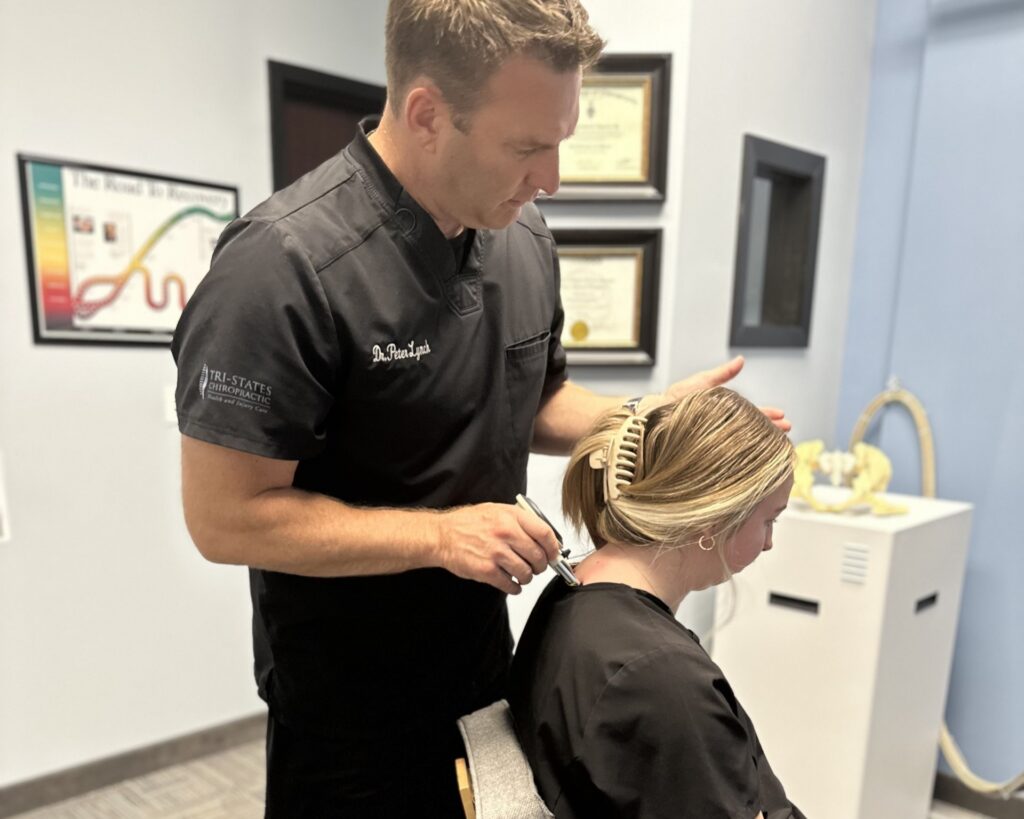
Headaches can be quite disruptive to your daily life, but managing them doesn’t have to be complicated. As a chiropractor, I believe that approaching headache relief through natural means can be highly effective. By understanding your triggers and implementing a few simple lifestyle changes, you can significantly reduce the frequency and intensity of your headaches.
One of the most important steps is to stay hydrated. Dehydration can easily lead to headaches, so make sure you’re drinking enough water throughout the day. Additionally, practicing relaxation techniques such as deep breathing, meditation, or gentle stretching can help ease tension in your body, which is often a contributing factor to headaches.
Another key element is maintaining a consistent sleep schedule. Quality sleep is essential for your overall health and can prevent headaches caused by fatigue or stress. Aim to go to bed and wake up at the same time every day to help regulate your body’s internal clock.
Incorporating chiropractic care into your routine can also be a game-changer. Regular adjustments can help align your spine, relieve tension, and improve your overall well-being. This natural approach fosters healing from within and can lead to fewer headaches over time.
Curious about how to weave these tips into your daily life? Start by setting reminders to drink water, scheduling short breaks for relaxation, and prioritizing a good night’s sleep. And don’t forget to consider regular chiropractic visits as a proactive step toward optimal health. Together, these strategies can help you find effective relief from headaches and promote a healthier, happier you.
Key Takeaways
- Keep a headache diary to identify your personal triggers, such as certain foods, stress levels, and sleep habits. This simple practice can empower you to manage your headaches more effectively and discover how chiropractic care can address these underlying issues.
- Hydration is key! Aim to drink at least eight 8-ounce glasses of water each day. Staying well-hydrated can help prevent headaches caused by dehydration, and it’s a fundamental step towards overall wellness that chiropractic care can support.
- Explore relaxation techniques like deep breathing and mindfulness meditation. These practices can significantly reduce tension and stress—common headache triggers. Incorporating chiropractic adjustments can also help release tension in your body, promoting a sense of relaxation.
- Consistency is essential for a good night’s sleep. Try to maintain a regular sleep schedule, aiming for 7-9 hours of quality rest each night. Proper spinal alignment through chiropractic care can enhance your sleep quality, reducing headache frequency and improving your overall health.
- Consider regular chiropractic visits to support your spinal health. A well-aligned spine can alleviate headache triggers and contribute to your overall well-being. Chiropractic care not only addresses symptoms but also promotes natural healing and healthier living.
Identify Your Triggers
Have you ever noticed that certain activities or foods seem to trigger your headaches? Identifying your personal triggers is crucial for managing and preventing these painful episodes. A great way to start is by keeping a headache diary. Each time you experience a headache, write down what you ate, your daily activities, and any stressors you encountered that day. Over time, you’ll start to notice patterns that can help you pinpoint your specific triggers.
Common triggers may include certain foods like aged cheeses, processed meats, or artificial sweeteners. Stressful situations or lack of sleep can also contribute to headaches. By recognizing these factors, you can make informed choices to avoid them and promote your overall wellness.
Don’t forget to pay attention to environmental triggers as well, such as strong odors or bright lights. Once you identify your triggers, you can take proactive steps to minimize their impact on your life. Remember, everyone is different; what triggers headaches for one person may not for another.
Chiropractic care can also play a significant role in managing headaches. Regular adjustments can help align your spine, reduce tension, and improve your overall health, which can lead to fewer headaches.
Along with being aware of your triggers, consider incorporating regular chiropractic visits into your wellness routine. This natural approach not only helps with pain relief but also supports your body’s ability to heal itself.
Stay vigilant, and take control of your health—your body will thank you!
Stay Hydrated
Staying hydrated is crucial for maintaining overall health, and it can significantly influence the frequency and intensity of headaches. When your body isn’t adequately hydrated, it can lead to dehydration, which may trigger new headaches or exacerbate existing ones. To help prevent this, aim to drink at least eight 8-ounce glasses of water every day. Of course, you might need to adjust this amount based on how active you’re and the climate you live in.
Keeping a water bottle within reach can serve as a great reminder to take sips throughout the day. Watch out for signs of dehydration, such as dry mouth, fatigue, or dark urine—these are your body’s way of signaling that it needs more fluids.
If you find plain water a bit dull, consider adding some flavor by infusing it with fruits or herbs! This not only makes hydration more enjoyable but can also encourage you to drink more.
Remember, hydration can come from various sources, including fruits, soups, and other beverages, which can support your overall wellness journey.
As a chiropractor, I want to emphasize that staying hydrated is just one piece of the puzzle for achieving optimal health. Proper hydration can support spinal health and help reduce tension, potentially minimizing headache occurrences.
Practice Relaxation Techniques
Hydration is essential for preventing headaches, but incorporating relaxation techniques can significantly enhance your overall well-being and reduce headache frequency. As a chiropractor, I want to emphasize that natural methods, such as relaxation practices, can complement your chiropractic care and contribute to a healthier lifestyle.
Start with deep breathing exercises. Simply inhale slowly through your nose, hold for a few seconds, and then exhale gently through your mouth. This practice calms your nervous system, helping to ease tension that may contribute to headaches.
Another effective method is progressive muscle relaxation, where you systematically tense and then relax each muscle group, starting from your toes and moving up to your head. This technique promotes relaxation and can relieve built-up tension in your body.
Mindfulness meditation is another powerful tool. By focusing on the present moment, you can detach from stressful thoughts that might trigger headaches. Even dedicating just a few minutes each day to mindfulness can create a sense of peace and help you manage headache triggers more effectively.
Incorporating these relaxation techniques into your daily routine can complement the benefits of chiropractic care. They not only promote relaxation but also support your body’s natural healing processes.
Remember to experiment with these methods to find what resonates with you, and consider making them a regular part of your wellness journey. With the right combination of chiropractic care and relaxation practices, you can achieve optimal health and well-being. Your head and body will thank you!
Maintain a Consistent Sleep Schedule
Establishing a consistent sleep schedule is crucial for managing headaches and supporting your overall health, especially when it comes to spinal wellness. When you go to bed and wake up at the same time every day, you help regulate your body’s internal clock. This makes it easier to fall asleep and stay asleep, which can significantly reduce the frequency and intensity of headaches.
Aim for 7-9 hours of quality sleep each night. Avoid caffeine and heavy meals close to bedtime, as these can disrupt your sleep patterns and lead to discomfort. A relaxing bedtime routine—like gentle stretching or deep breathing exercises—can signal to your body that it’s time to wind down and prepare for restorative sleep.
If you find it difficult to fall asleep, try limiting screen time an hour before bed. The blue light emitted by devices can interfere with your ability to drift off, leading to a restless night. By prioritizing a consistent sleep schedule and incorporating these simple practices, you’ll not only help alleviate headaches but also promote your overall well-being.
Chiropractic care can also play a vital role in enhancing your sleep quality. Regular adjustments can help relieve tension, improve spinal alignment, and reduce discomfort, making it easier for your body to relax and achieve restorative sleep.
Consider visiting a chiropractor to explore how this natural approach can support your journey to better health and wellness.
Incorporate Regular Exercise
Incorporating regular exercise can be a game-changer for relieving headaches, and as a chiropractor, I want to emphasize how important it’s for your overall health and wellness. Engaging in low-impact activities, such as walking, swimming, or cycling, can help keep your body moving without putting extra stress on your spine.
Remember, consistency is key—aim to incorporate these activities into your routine rather than focusing on high-intensity workouts.
Additionally, don’t overlook the importance of stretching and flexibility exercises. These practices can enhance your spinal health, improve your posture, and release tension that often contributes to headaches. Simple stretches can be done at home and should be part of your daily routine to promote relaxation and aid in pain relief.
If you’re struggling with headaches, consider visiting your local chiropractor. We can assess your spine and provide gentle adjustments to help alleviate pain and improve your overall well-being.
Choose Low-Impact Activities
When you’re experiencing headaches, incorporating low-impact activities into your daily routine can greatly enhance your comfort and support your recovery. Gentle exercises such as walking, swimming, or yoga are excellent options that keep you active without adding unnecessary strain to your body.
These activities help improve blood circulation, which can relieve tension and encourage relaxation—both of which are vital in managing headache symptoms. Engaging in low-impact workouts can also elevate your mood by releasing endorphins, the body’s natural painkillers, which can further diminish the discomfort associated with headaches.
It’s important to listen to your body; if you feel any pain or discomfort while exercising, be sure to stop right away. The goal here is to find movements that feel good and don’t worsen your pain.
In addition to these activities, regular chiropractic care can play a crucial role in managing headaches. Chiropractors focus on spinal health, ensuring that your spine is properly aligned, which can significantly reduce headache frequency and intensity.
By addressing any underlying issues in the spine, chiropractic adjustments can help improve your overall well-being and promote a healthier lifestyle.
Prioritize Consistency Over Intensity
To effectively manage headaches, it’s important to incorporate regular exercise into your daily routine rather than engaging in intense workouts. Consistency is the secret ingredient for enjoying the many benefits of physical activity. Engaging in low-impact exercises on a regular basis can significantly help reduce stress, enhance blood circulation, and promote overall wellness—an essential part of maintaining a healthy spine and body.
As a chiropractor, I encourage you to consider the following exercise types and their recommended frequencies to support your journey to optimal health:
| Exercise Type | Frequency |
|---|---|
| Walking | 3-5 times/week |
| Cycling | 2-3 times/week |
| Swimming | 2-3 times/week |
| Yoga | 2-4 times/week |
| Dancing | 1-3 times/week |
In addition to regular exercise, here are a few tips to help you manage headaches naturally:
- Stay Hydrated: Drink plenty of water throughout the day, as dehydration can contribute to headaches.
- Maintain Good Posture: Pay attention to your posture, especially if you spend long hours sitting. Proper alignment supports spinal health and can alleviate headache triggers.
- Practice Relaxation Techniques: Activities like yoga and deep-breathing exercises can help calm your mind and reduce tension.
- Prioritize Sleep: Ensure you’re getting enough restful sleep each night, as poor sleep can lead to increased headache frequency.
- Regular Chiropractic Care: Consider regular visits to your chiropractor, as spinal adjustments can help relieve tension and promote overall wellness.
Incorporate Stretching and Flexibility
Stretching and flexibility exercises are vital components of managing headaches, especially when combined with the benefits of chiropractic care. These exercises help release tension in the muscles surrounding your neck and shoulders, often the culprits behind headache discomfort. By incorporating simple stretches into your daily routine, you can significantly improve how you feel.
Try incorporating neck rolls, shoulder shrugs, and gentle side bends into your day. You don’t need to dedicate hours to this; just a few minutes of stretching throughout the day can work wonders. Remember, the goal is to relieve tightness and promote relaxation.
Yoga is also an excellent practice that merges stretching with relaxation techniques. Focus on poses that open your chest and relieve shoulder tension, which can be extremely beneficial for headache relief. As you stretch, remember to breathe deeply—this not only enhances relaxation but also helps reduce stress, a common trigger for headaches.
By prioritizing these stretching exercises alongside regular chiropractic adjustments, you’ll not only alleviate headache pain but also contribute to your overall well-being. Chiropractic care is a natural and effective way to achieve optimal health, and it complements your efforts in managing headaches and improving flexibility.
Try Natural Remedies
If you’re experiencing headaches, consider turning to natural remedies that can easily fit into your daily routine. While chiropractic care is an excellent option for addressing the underlying causes of headaches, these natural solutions can provide additional relief. Here are some remedies worth trying:
| Remedy | Description | How to Use |
|---|---|---|
| Peppermint Oil | Known for its soothing properties, it can help ease tension. | Dilute with a carrier oil and gently apply to your temples. |
| Ginger Tea | A natural anti-inflammatory, ginger can help reduce headache discomfort. | Brew fresh ginger in hot water and sip slowly for relief. |
| Lavender Oil | This calming oil encourages relaxation and can help alleviate stress-related headaches. | Inhale the scent or apply a few drops to your wrists for soothing effects. |
| Magnesium | Low magnesium levels are linked to headaches; it may help prevent them. | Incorporate magnesium-rich foods like nuts and leafy greens into your diet or consider supplements after discussing with your chiropractor. |
| Hydration | Sometimes, headaches can stem from dehydration. | Make it a habit to drink water throughout the day to stay properly hydrated. |
In addition to these remedies, regular chiropractic adjustments can enhance your overall wellness and help manage headache triggers. By aligning your spine and improving nervous system function, chiropractic care can significantly reduce the frequency and intensity of headaches. Always consult with your chiropractor about the best personalized approach for your health and wellness needs.
Use Over-the-Counter Medications Wisely
Managing headaches can be a challenge, but there are natural strategies that can help you find relief without relying on over-the-counter medications. As a chiropractor, I believe in the body’s ability to heal itself, and I want to share some holistic approaches that can support your wellness journey.
First, it’s important to understand the type of headache you’re experiencing. Tension headaches, often caused by stress or muscle tension, can be alleviated through chiropractic adjustments. By addressing spinal misalignments, we can relieve pressure in the neck and shoulders, promoting better circulation and reducing pain.
For those who suffer from migraines, consider exploring lifestyle changes that can help minimize triggers. Keeping a headache diary can be beneficial—track what you eat, your stress levels, and your sleep patterns. This information can help identify patterns and potential triggers.
Incorporating regular chiropractic care into your routine can also be an effective strategy for headache prevention. Adjustments can help maintain proper spinal alignment, which may reduce the frequency and intensity of headaches.
Additionally, don’t underestimate the power of self-care techniques. Practice relaxation exercises, such as deep breathing or meditation, to help manage stress. Staying hydrated and maintaining a balanced diet can also play a crucial role in overall health and headache prevention.
Remember to prioritize your health by consulting with a chiropractor who can provide personalized care tailored to your needs. By focusing on natural healing and healthy lifestyle choices, you can take control of your headache relief and enhance your overall wellbeing.
Apply Cold or Heat Therapy
After discussing the advantages of chiropractic care and making lifestyle adjustments for headache relief, another helpful approach to consider is the application of cold or heat therapy.
Cold packs can be incredibly effective in reducing inflammation and numbing sharp pain, making them a great option for those dealing with tension headaches or migraines. Simply apply a cold pack to your forehead for about 15 minutes to help alleviate discomfort.
On the flip side, heat therapy can work wonders by relaxing tight muscles and boosting blood flow. Using a warm compress or a heating pad on the back of your neck or shoulders can provide soothing relief, particularly for tension headaches.
Additionally, you might find it beneficial to alternate between cold and heat therapy to determine what provides you with the most relief. Just be sure to wrap ice or heat sources in a cloth to protect your skin from extreme temperatures.
Whichever method you decide to try, remember that taking time to relax and listen to your body is essential for your overall health.
While cold and heat therapy can be helpful, don’t forget that regular chiropractic care is a natural, effective way to address the underlying issues causing your headaches.
A chiropractor can help identify and correct misalignments in your spine, which may be contributing to your pain. By prioritizing chiropractic care, you’re taking a significant step toward achieving optimal health and wellness.
When to Seek Professional Help
While many headaches can often be managed through home remedies and lifestyle changes, there are times when it’s important to seek professional help, especially in the realm of chiropractic care. If your headache is particularly severe or feels different from what you’ve experienced in the past, it’s essential not to ignore it. Consulting a chiropractor can provide insights into the underlying causes of your pain and help you find relief through natural methods.
If your headaches persist for several days or occur frequently, a professional assessment is crucial. Chiropractors can address issues related to spinal alignment and muscle tension, which are common contributors to headaches. Pay attention to any additional symptoms you may have, such as changes in vision, confusion, or weakness—these could indicate a need for more specialized care.
If you find that over-the-counter medications aren’t providing the relief you seek or if you’re relying on them too often, it’s a clear signal to explore chiropractic solutions. Chiropractors can offer tailored treatment options, focusing on natural healing techniques that align your spine and promote overall wellness.
Remember, preventative care is key. Incorporating regular chiropractic check-ups into your routine can help maintain a healthy spine and prevent headaches from occurring in the first place. Trust your instincts—if something feels off, don’t hesitate to schedule an appointment. Your health is important, and chiropractic care can be a powerful ally in achieving lasting wellness.
Here are some general tips to help manage headaches naturally:
- Stay hydrated: Drink plenty of water throughout the day.
- Practice good posture: Be mindful of your posture whether sitting at a desk or using your phone.
- Manage stress: Incorporate relaxation techniques such as deep breathing, yoga, or meditation into your daily routine.
- Get regular exercise: Physical activity can help reduce tension and improve circulation.
- Ensure proper sleep: Aim for a consistent sleep schedule and create a restful sleeping environment.