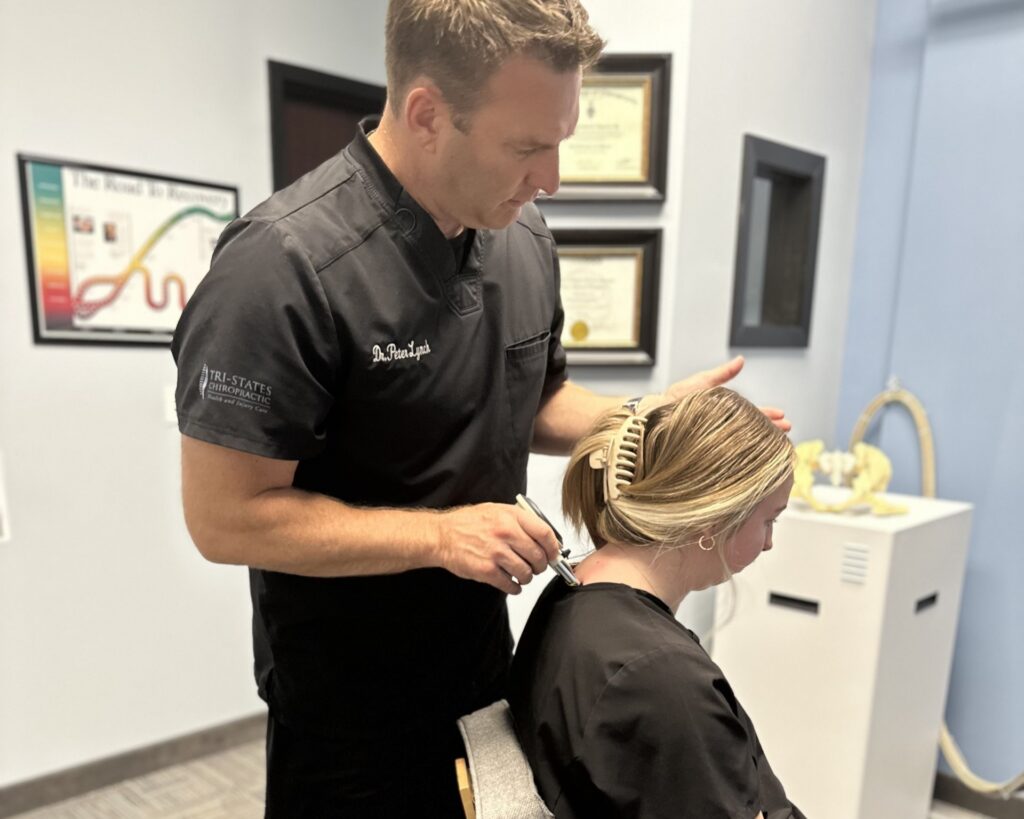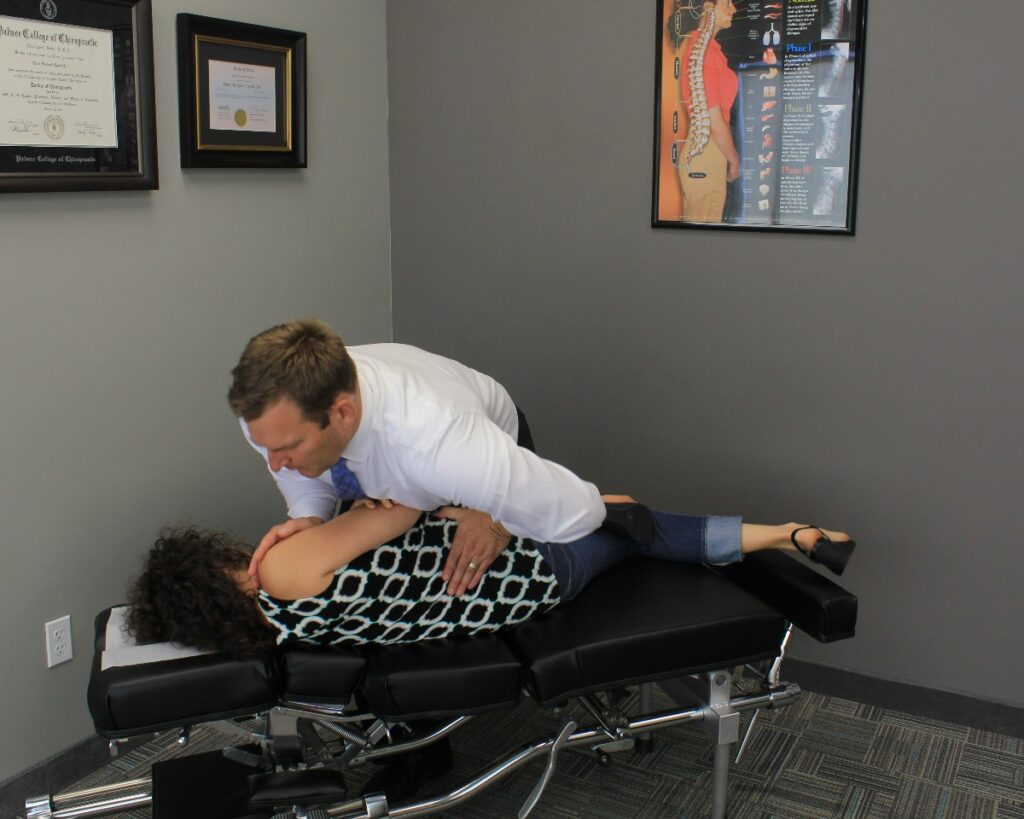
If you're struggling with ongoing back pain, know that you're not alone, and finding effective relief is crucial for your well-being.
As a chiropractor, I want to share with you how simple techniques like stretching and strengthening exercises can significantly enhance your comfort in daily life.
It's important to recognize the impact of good posture and the therapeutic effects of hot and cold treatments, which can completely change the way you manage your pain.
However, there's a whole range of additional methods we can explore together, all aimed at providing you with lasting relief and improving your quality of life through natural healing practices.
Let's work together to find the best approach for you!
Stretching Exercises
As a local chiropractor, I want to share the importance of stretching exercises in alleviating back pain and enhancing flexibility. Many of my patients have found that by regularly incorporating stretching into their daily routines, they experience a significant reduction in tension and stiffness in their back muscles. Targeting specific muscle groups not only increases blood flow but also promotes healing, making movement more comfortable.
I highly recommend starting with gentle stretches like the cat-cow pose. This exercise involves arching and rounding your back, which helps release tightness and improves spinal flexibility. Following that, the child's pose is another beneficial stretch; it helps elongate the spine and relaxes the lower back. I encourage you to focus on deep breathing during these stretches, as it can enhance the effectiveness of each movement.
Another excellent option is the seated forward bend. While sitting with your legs extended, reach for your toes, and you should feel a gentle stretch along your spine and hamstrings. This stretch is particularly helpful for relieving tension in the lower back, making it a great choice for anyone experiencing discomfort.
Additionally, consider incorporating torso rotations while seated. This movement can enhance spinal mobility; as you twist gently, you stimulate your back muscles, encouraging them to loosen.
Lastly, don't overlook the standing quad stretch. Pulling your heel toward your glutes stretches your quadriceps while also helping maintain balance and stability in your back. By integrating these stretches into your routine, you'll likely find your back feels more relaxed and flexible, ultimately improving your overall quality of life. Remember, natural healing and chiropractic care can work hand-in-hand to help you feel your best.
Strengthening Workouts
As your local chiropractor, I want to emphasize the importance of strengthening workouts in alleviating back pain. Focusing on exercises that enhance your core strength is vital. When you incorporate core exercises into your routine, you not only stabilize your spine but also improve your posture, which can significantly reduce discomfort. Additionally, pairing these strengthening workouts with stretching and flexibility routines can further enhance your overall back health. It's all about creating a balanced approach to support your body naturally and effectively. Remember, a strong core is foundational for a healthy spine!
Core Strength Exercises
As a local chiropractor, I want to emphasize the importance of building a strong core for preventing and alleviating back pain. Your core is the foundation of your entire body; it stabilizes you, promotes better posture, and alleviates strain on your spine. By integrating core strength exercises into your regular routine, you can significantly enhance your back health.
Here are some effective core exercises that I recommend starting with:
- Planks: Begin by holding a plank position for 20-30 seconds. Focus on maintaining a straight line from your head to your heels. This exercise engages multiple muscle groups, particularly your abdominal muscles and lower back, which are crucial for spinal support.
- Bridges: Lie on your back with your knees bent and feet flat on the floor. Then, lift your hips toward the ceiling while squeezing your glutes at the top. This movement not only strengthens your lower back but also your glutes, both of which play a vital role in maintaining spinal alignment.
- Dead Bugs: Start on your back with your arms extended towards the ceiling. Slowly lower one arm and the opposite leg towards the ground, then return to the starting position. This exercise is great for improving coordination and effectively engaging your core muscles.
Incorporating these exercises into your weekly routine can help you develop a stronger core, which in turn leads to a healthier back and improved overall stability. As your chiropractor, I encourage you to focus on these foundational exercises for better long-term health.
Stretching and Flexibility Routines
As a local chiropractor, I want to emphasize the vital role flexibility plays in maintaining a healthy back and ensuring your body functions optimally. Many of my patients find that incorporating stretching and flexibility routines into their daily lives significantly alleviates back pain and enhances their overall mobility. When your muscles are flexible, they can provide better support for your spine, helping to reduce tension and discomfort.
I recommend starting with gentle stretches that focus on your lower back, hamstrings, and hip flexors. For example, the cat-cow stretch is excellent for promoting spinal flexibility, while the seated forward bend effectively stretches the hamstrings. Make sure to hold each stretch for at least 20-30 seconds and breathe deeply to facilitate relaxation.
Additionally, consider integrating practices like yoga or Pilates into your routine. These disciplines emphasize flexibility and core strength, which not only stretch your muscles but also improve your posture—further protecting your back.
Consistency is key. Regularly practicing these stretching and flexibility routines can help maintain your flexibility over time. Always listen to your body and avoid pushing yourself too hard; gradual progress is essential. By committing to these exercises, you can relieve existing back pain and prevent future discomfort, allowing you to move freely and confidently in your daily activities. Remember, chiropractic care works hand-in-hand with these practices to promote your overall health and well-being.
Improving Posture
As a local chiropractor, I want to emphasize the importance of maintaining good posture for alleviating back pain and promoting overall spinal health. The way you position your body while sitting, standing, or moving has a significant impact on your spine's alignment. Unfortunately, poor posture can lead to unnecessary strain on your muscles and ligaments, resulting in discomfort and pain. By prioritizing your posture, you can alleviate these issues and greatly enhance your quality of life.
Here are some simple techniques you can adopt to improve your posture:
- Stay aware of your alignment: It's crucial to periodically check in with your body. When sitting, ensure your feet are flat on the floor, your knees form a right angle, and your back is straight against the chair. When standing, distribute your weight evenly across both feet and keep your shoulders relaxed. This awareness can make a significant difference.
- Focus on strengthening your core: A strong core is essential for supporting your spine and maintaining good posture. Incorporate exercises like planks, bridges, and abdominal crunches into your daily routine. Not only will this improve your posture, but it can also help prevent future back pain, which is something we often see in our practice.
- Take regular breaks and move: If you find yourself working at a desk or sitting for extended periods, it's important to make it a habit to stand up, stretch, and walk around every hour. This practice helps reduce muscle fatigue and enhances circulation, keeping your back healthy and aligned.
Hot and Cold Therapy
As your local chiropractor, I want to share some valuable insights about managing back pain through hot and cold therapy. Many of you may not be familiar with how these techniques can aid in your recovery. Applying heat to your back can help relax tight muscles and enhance blood circulation, which is essential for healing. On the other hand, cold therapy is effective in reducing inflammation and numbing acute pain. By understanding how to use these methods correctly, you can significantly improve your comfort and support your healing journey. If you have any questions or need guidance on how to incorporate hot and cold therapy into your routine, I'm here to help!
Benefits of Heat Application
As a local chiropractor, I want to share some valuable insights about the benefits of heat application in alleviating back pain and promoting healing. Many of my patients find that incorporating heat therapy into their routine can greatly enhance their overall well-being.
When you apply heat, it increases blood flow to the affected area, which helps to relax tight muscles and ease discomfort. This surge in circulation delivers essential nutrients and oxygen to the tissues, speeding up the recovery process.
Here are some key benefits of using heat therapy that I often discuss with my patients:
- Muscle Relaxation: Heat can effectively loosen stiff muscles, making it easier for you to move and reducing pain during daily activities.
- Pain Relief: A warm compress or heating pad can numb sharp pain and lessen discomfort, allowing you to engage in your daily tasks more comfortably.
- Stress Reduction: The calming effects of heat can help lower stress levels, which often contribute to muscle tension and exacerbate back pain.
I encourage you to explore different methods of heat application, whether it's a warm bath, a heating pad, or a hot towel, and find what works best for you. Generally, it's advisable to apply heat for about 15-20 minutes at a time. Always listen to your body, and if your pain persists, please don't hesitate to reach out to me or another healthcare professional for further guidance. Together, we can develop a personalized approach to your health and healing.
Cold Therapy Techniques
As a local chiropractor, I want to share some valuable insights about managing back pain, particularly through the use of cold therapy. While many are familiar with heat therapy for relief, cold therapy is an equally important technique that can significantly aid in your recovery process.
Cold therapy works by reducing inflammation and numbing sharp pain, making it particularly effective for acute injuries or flare-ups. The good news is that you can easily implement cold therapy at home with simple items like ice packs, frozen vegetables, or a cold compress.
To get started, take an ice pack and wrap it in a thin cloth to protect your skin. Apply this to the affected area for 15 to 20 minutes at a time. It's essential to take breaks between applications to allow your skin to warm back up to its normal temperature. If you're experiencing pain across a larger area of your back, a cold gel pack that conforms to your body's shape may provide better coverage.
Cold showers or baths can also be beneficial in managing pain, but be cautious not to stay in the cold water for too long to avoid frostbite. If you find that cold therapy offers you relief, you might consider alternating between heat and cold treatments to optimize your comfort.
Always remember to listen to your body; if your back pain continues or worsens, it's important to consult with a healthcare professional. As your chiropractor, I'm here to support you on your journey to natural healing and wellness.
Massage Techniques
As a local chiropractor, I often see how effective massage techniques can be in alleviating back pain while also promoting mental relaxation. Many of my patients experience chronic discomfort or occasional tension, and integrating massage into their daily routine can be a valuable approach to natural healing. You don't have to be a trained professional to benefit; even simple techniques can yield significant relief.
One effective method is to gently apply pressure along your spine using your fingers. This can help release tension in the muscles surrounding the vertebrae. Pay particular attention to areas that feel tight, and use circular motions to enhance blood flow and facilitate healing. You may also find kneading the muscles in your lower back to be especially comforting.
Here are a few straightforward massage techniques you can try:
- Self-Massage: Utilize your thumbs or a massage ball to focus on specific knots in your back. Dedicating a few minutes to each tight area can make a noticeable difference.
- Foam Rolling: This technique is excellent for releasing muscle tightness and enhancing flexibility. Roll slowly over your back, pausing at tender spots to allow for deeper relief.
- Partner Massage: If you have a friend or family member willing to assist, ask them to massage your back. It's important to communicate your preferences; let them know what feels soothing and where you need more pressure.
Mindfulness and Relaxation
As a local chiropractor, I've seen firsthand how mindfulness and relaxation techniques can serve as valuable allies in managing back pain. Incorporating these practices into your daily routine can significantly alleviate stress, promote healing, and enhance your overall well-being. When you engage in mindfulness, you heighten your awareness of the present moment, which allows you to recognize and address tension in your body before it escalates into pain.
I recommend starting with just a few minutes each day dedicated to mindfulness practice. Find a quiet space where you feel comfortable, and focus on your breath. As you breathe in and out, try to let go of distractions and pay attention to how your body feels. Take note of any tightness or discomfort, especially in your back. Recognizing these sensations is crucial, as it helps you understand how stress can manifest physically.
In conjunction with mindfulness, I encourage you to explore relaxation techniques such as deep breathing, progressive muscle relaxation, or gentle yoga. Deep breathing is particularly beneficial as it increases oxygen flow, which relaxes your muscles and can help reduce pain. Progressive muscle relaxation involves intentionally tensing and then relaxing each muscle group, fostering a sense of calm throughout your body.
You may also want to look into guided imagery or meditation apps that target back pain relief. These resources can assist you in visualizing a pain-free state and reinforce positive beliefs about your body's natural ability to heal. Remember, consistency is essential. By regularly practicing mindfulness and relaxation, you'll strengthen the connection between your mind and body, leading to decreased pain and an improved quality of life. As your chiropractor, I'm here to support you on this journey to better health through natural healing methods.
Ergonomic Adjustments
As a local chiropractor, I want to emphasize the importance of making ergonomic adjustments in your workspace to alleviate back pain and enhance your overall comfort. By setting up your environment correctly, you can significantly reduce strain on your back and promote better posture throughout your day-to-day activities.
Let's start by assessing your chair. It should provide support for your lower back and allow your feet to rest flat on the floor. If your chair is not adjustable, consider using a cushion to provide that necessary support. This simple adjustment can make a big difference in how your back feels.
Next, it's crucial to position your monitor at eye level. This prevents you from having to tilt your neck up or down, which can lead to discomfort. Ideally, the top of your screen should be at or slightly below eye level and about an arm's length away. This setup encourages you to maintain a straight posture and helps avoid slouching.
Also, pay attention to the placement of your keyboard and mouse. They should be close enough so that you avoid reaching, which can lead to unnecessary strain. Your elbows should be at a comfortable 90-degree angle, and it's important to keep your wrists straight while typing to prevent discomfort.
To further enhance the ergonomics of your workspace, here are some additional tips:
- Use a footrest: If your feet do not comfortably reach the floor, a footrest can help you maintain proper posture.
- Take regular breaks: It's essential to stand up, stretch, and walk around every hour. This practice can give your back a much-needed reprieve.
- Consider investing in a standing desk: Alternating between sitting and standing can significantly reduce the strain on your back over time.
Physical Therapy
While ergonomic adjustments are important for preventing back pain, chiropractic care can significantly enhance your recovery and promote overall spinal health. If you're experiencing back pain, a chiropractor can evaluate your condition, uncover the root causes, and develop a personalized treatment plan tailored to your needs. This individualized approach ensures you receive the most effective care for your specific situation.
In chiropractic care, you will likely participate in various techniques aimed at realigning your spine, improving mobility, and enhancing your overall posture. These adjustments not only help alleviate pain but also reduce the risk of future episodes by correcting misalignments in your spine. Your chiropractor will guide you through these adjustments, ensuring they are performed safely and effectively to prevent further injury.
Moreover, chiropractors often utilize manual therapies, including spinal manipulation and soft tissue work, to relieve tension and facilitate healing. These hands-on techniques can provide immediate pain relief and help you gain a better understanding of your body's mechanics.
You will also learn practical self-care strategies to integrate into your daily life. This may include advice on proper lifting techniques, stretches to do at home, or lifestyle changes that support your spinal health. By consistently attending your chiropractic sessions and adhering to the recommended exercises, you can make significant strides in improving your spinal health over time.
Acupuncture Benefits
As a local chiropractor, I want to introduce you to the benefits of acupuncture for back pain relief. This ancient practice harnesses your body's natural healing abilities, providing a powerful mechanism for pain management. Unlike some conventional treatments, acupuncture not only addresses the pain directly but also enhances your overall health and well-being. By understanding how acupuncture can fit into your holistic health journey, you may discover the relief you've been looking for. Embracing acupuncture alongside chiropractic care can lead to a more comprehensive approach to your wellness.
Pain Relief Mechanism
As a local chiropractor, I want to share with you how acupuncture can serve as an effective method for alleviating back pain. This ancient healing practice involves the precise placement of thin needles into specific points on your body, which can activate your natural healing processes. When these needles are inserted, they stimulate the release of endorphins—your body's own natural painkillers. This process can help diminish your perception of pain and enhance your overall sense of well-being.
In addition to pain relief, acupuncture is known to improve blood circulation. Enhanced circulation allows for more oxygen and nutrients to reach your muscles and tissues, which promotes healing and relaxation. Many of my patients discover that acupuncture not only helps reduce their pain but also improves their overall quality of life.
Here are some of the benefits you may experience from incorporating acupuncture into your back pain relief plan:
- Reduced inflammation: Acupuncture can help calm your body's inflammatory responses, leading to less discomfort.
- Improved mobility: This practice can enhance your flexibility and increase your range of motion in the back.
- Stress reduction: Acupuncture encourages relaxation, which can further ease tension in your back muscles.
If you're curious about how acupuncture can complement your chiropractic care, I encourage you to reach out and learn more about this holistic approach to healing.
Holistic Health Approach
As a local chiropractor, I want to share with you the importance of a holistic health approach, which recognizes that your body, mind, and spirit are interconnected. One complementary practice that aligns beautifully with chiropractic care is acupuncture, and it plays a vital role in enhancing overall wellness. By stimulating specific points on your body, acupuncture helps release blocked energy, which can significantly reduce pain and promote a sense of well-being.
When it comes to managing back pain, acupuncture offers several surprising benefits that you may not be aware of. For starters, it can alleviate muscle tension and improve blood circulation, leading to a more relaxed state. Many patients find that regular acupuncture sessions can help decrease both the frequency and intensity of their back pain. Additionally, this practice encourages the release of endorphins—your body's natural painkillers—which can uplift your mood and enhance your overall comfort.
Importantly, a holistic approach to health goes beyond just addressing physical pain. It also considers your emotional and mental well-being, tackling stress and anxiety that can worsen discomfort. By incorporating acupuncture into your wellness routine alongside chiropractic care, you're not only working on alleviating back pain but also nurturing your overall health. If you haven't yet explored acupuncture, I encourage you to give it a try. You may discover a new and effective path to relief that supports all aspects of your health.
Lifestyle Modifications
As a local chiropractor, I want to share some valuable insights on how simple lifestyle modifications can significantly alleviate back pain. Many individuals may not realize that small changes in their daily routines can lead to remarkable improvements in their back health. By adopting healthier habits, you can ease the strain on your back and enhance your overall well-being.
First and foremost, let's talk about posture. Whether you're sitting at a desk, driving, or simply standing, maintaining a neutral spine is crucial. I encourage my patients to invest in ergonomic furniture and to be conscious of their alignment throughout the day. Proper posture can prevent unnecessary stress on your back and contribute to long-term health.
Next, staying active is essential. Engaging in regular low-impact exercises such as walking, swimming, or yoga can help strengthen your core muscles, which in turn provides better support for your spine. I recommend aiming for at least 30 minutes of activity most days to keep your back in optimal condition.
Lastly, it's important to monitor your weight. Carrying excess weight, particularly around the midsection, can misalign your spine and heighten your risk of experiencing back pain. A balanced diet filled with fruits, vegetables, whole grains, and lean proteins is key to maintaining a healthy weight and supporting your spine.
Here are a few lifestyle modifications I encourage my patients to consider:
- Improve your posture: Invest in ergonomic furniture and practice good alignment throughout your day.
- Stay active: Incorporate regular low-impact exercises to strengthen your core.
- Maintain a healthy weight: Focus on a balanced diet to support your overall spine health.
Conclusion
As your local chiropractor, I want to share some effective techniques that can help relieve back pain and improve your overall well-being. Incorporating these practices into your daily routine can make a significant difference. Regular stretching and strengthening your core muscles are essential; they not only enhance your posture but also provide crucial support for your spine.
It's also important to consider ergonomic adjustments in your workspace and home. These small changes can help reduce strain on your back. Additionally, I highly recommend exploring the benefits of hot and cold therapy, massage, and acupuncture as natural ways to manage discomfort.
By making mindful lifestyle modifications, you can take control of your back health and lead a more active, pain-free life. Remember, it's never too late to start—take the first step today for a healthier tomorrow! If you have any questions about these techniques or how chiropractic care can support you, feel free to reach out. I'm here to help!