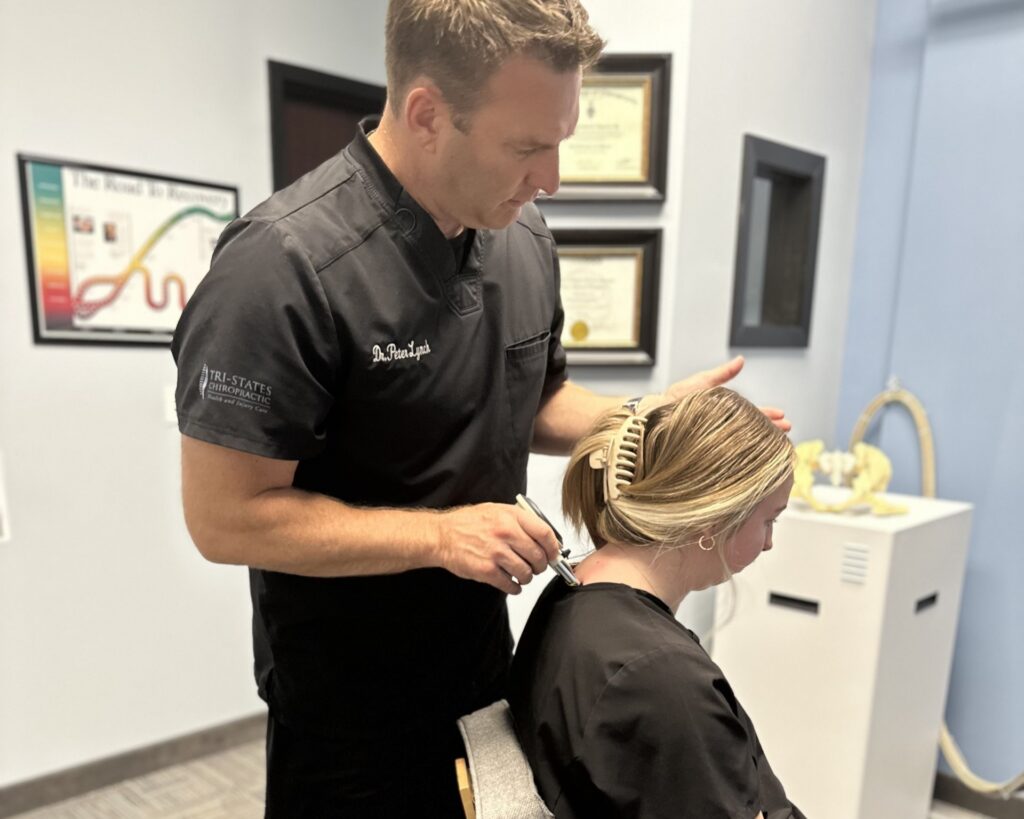
If you’ve ever suffered from chronic tension headaches, you know how disruptive they can be to your daily life. Thankfully, there are effective remedies that can help alleviate your discomfort and enhance your overall health. As a chiropractor, I believe that natural healing and spinal care are key to achieving lasting relief. Let’s dive into the top 10 remedies that can transform the way you manage your headaches, with a special focus on the benefits of chiropractic care.
- Chiropractic Adjustments: Regular visits to your chiropractor can help realign your spine, relieve tension in your muscles, and reduce headache frequency. By addressing the root cause of your tension, chiropractic care promotes optimal health and well-being.
- Posture Awareness: Poor posture can contribute significantly to tension headaches. Be mindful of your posture while sitting, standing, or working. Keeping your back straight and shoulders relaxed can minimize strain on your neck and back.
- Stress Management Techniques: Incorporating relaxation techniques such as deep breathing, meditation, or yoga can help reduce stress levels. Lowering stress can significantly decrease the occurrence of tension headaches.
- Regular Exercise: Engaging in regular physical activity strengthens muscles and improves circulation, both of which can help reduce headache symptoms. Aim for at least 30 minutes of moderate exercise most days of the week.
- Adequate Hydration: Dehydration can trigger headaches, so it’s essential to drink plenty of water throughout the day. Keep a water bottle handy to remind yourself to stay hydrated.
- Ergonomic Workspace: If you spend long hours at a desk, ensure your workspace is ergonomically designed. This includes having your computer monitor at eye level and using a chair that supports your lower back.
- Heat Therapy: Applying heat to your neck and shoulders can help relax tight muscles and relieve tension. A warm towel or heating pad can work wonders.
- Sleep Hygiene: Establishing a consistent sleep schedule and creating a restful sleep environment can improve the quality of your sleep. Aim for 7-9 hours of restful sleep each night to help prevent headaches.
- Massage Therapy: Therapeutic massage can help release muscle tension and improve blood flow, providing relief from headache symptoms. Consider incorporating regular massages into your wellness routine.
- Mindfulness Practices: Engaging in mindfulness practices can help you become more aware of stress triggers and teach you how to respond to them calmly. This can be instrumental in reducing headache frequency.
By integrating these remedies into your daily routine, you can take control of your health and manage chronic tension headaches more effectively. Remember, chiropractic care is a natural and holistic approach to achieving optimal wellness, and it plays a vital role in relieving pain and improving your quality of life. If you’re struggling with headaches, don’t hesitate to reach out to your local chiropractor for personalized care and guidance. Together, we can work towards a healthier, headache-free life!
Key Takeaways
- Regularly practicing deep breathing and meditation can significantly reduce stress and promote relaxation, which are essential for managing tension headaches. Incorporating these techniques into your daily routine can enhance the effectiveness of chiropractic care in alleviating headache symptoms.
- It’s important to maintain good posture and ergonomics, especially when working. Poor posture can contribute to muscle tension that triggers headaches. By focusing on proper alignment and taking regular breaks to stretch, you can help support the adjustments made during your chiropractic visits.
- Staying hydrated is key to preventing dehydration-induced headaches. Drinking adequate water and consuming hydrating foods not only benefits your overall health but also complements the pain relief you receive from chiropractic care. A well-hydrated body can better respond to spinal adjustments.
- Using heat or cold therapy can be an effective way to relieve pain and tension in the head and neck areas. These simple remedies can work hand in hand with chiropractic treatments to enhance comfort and promote healing.
- Seeking professional chiropractic care is one of the best ways to address chronic tension headaches. A chiropractor can provide tailored treatments, spinal adjustments, and valuable lifestyle guidance that support your overall wellness. With the right care, you can achieve long-lasting relief from headaches and improve your quality of life. Embracing chiropractic care is a natural and effective approach to achieving optimal health.
Practice Relaxation Techniques
Managing chronic tension headaches can be a challenge, but incorporating relaxation techniques into your daily routine can significantly alleviate your discomfort. One of the simplest yet most effective practices is deep breathing. By taking a moment to inhale deeply through your nose, holding that breath for a few seconds, and then exhaling slowly through your mouth, you can quickly reduce the stress and tension that may be contributing to your headaches.
Meditation is another powerful tool for relieving headache pressure. Try to carve out a few minutes each day to sit quietly, focusing on your breath or repeating a calming phrase. This mindful practice can help clear your mind and promote relaxation, which is essential for overall well-being.
Gentle yoga or stretching is also beneficial. Not only does it release tension held in your muscles, but it can also improve your spinal alignment—an important aspect of chiropractic care. Even something as simple as a neck stretch can provide immediate relief from tightness and discomfort.
Remember, chiropractic care is an excellent choice for achieving optimal health and managing headaches naturally. Regular adjustments can help align your spine and reduce nerve interference, which may be a contributing factor to your pain.
Experiment with these techniques to see what works best for you. Consistency is key; regular practice can lead to lasting benefits, helping you manage your headaches more effectively and improve your overall wellness.
Embracing a holistic approach to health, including chiropractic care, can guide you toward a more balanced, pain-free life.
Maintain Good Posture
Practicing relaxation techniques can greatly benefit your overall well-being, but maintaining good posture is equally vital in managing chronic tension headaches. Poor posture can strain your neck and shoulder muscles, leading to discomfort and headaches. As a chiropractor, I want to emphasize that good posture not only helps alleviate pain but also promotes overall health.
To improve your posture, focus on sitting and standing with your back straight, shoulders relaxed, and chin slightly tucked in. This simple adjustment can make a significant difference in how you feel.
Here’s a quick glance at how good posture can transform your experience:
| Good Posture | Poor Posture |
|---|---|
| Reduces muscle tension | Increases muscle strain |
| Enhances blood circulation | Restricts blood flow |
| Boosts confidence | Lowers self-esteem |
| Improves focus | Causes distraction |
| Promotes relaxation | Invokes stress |
As you work on maintaining good posture, consider incorporating regular chiropractic care into your wellness routine. Chiropractors can provide personalized strategies to help you achieve and maintain optimal posture, which can ultimately lead to pain relief and enhanced quality of life.
Here are some general tips to help you maintain good posture throughout your day:
- Ergonomic Workspace: Ensure your workspace is set up to encourage good posture. Your chair should support your lower back, and your computer screen should be at eye level.
- Take Breaks: If you sit for long periods, take short breaks to stand up, stretch, and reset your posture.
- Strengthen Core Muscles: Engage in exercises that strengthen your core, as a strong core supports your spine and promotes better posture.
- Mindfulness: Practice being aware of your posture throughout the day. Set reminders on your phone to check in with your body and adjust as needed.
- Chiropractic Adjustments: Regular visits to your chiropractor can help address any misalignments and guide you on how to maintain proper posture effectively.
Stay Hydrated
Staying hydrated is crucial for overall health and can play a significant role in preventing chronic tension headaches. When your body isn’t getting enough water, you may experience symptoms like fatigue or dizziness, which can exacerbate discomfort in your neck and spine. As a chiropractor, I encourage you to prioritize hydration as part of your wellness routine.
Here are some simple hydration tips to keep you feeling your best and support your spinal health:
- Drink Water Throughout the Day: Aim to keep a water bottle with you and take sips regularly. This constant intake helps maintain proper hydration levels and supports your body’s functions.
- Set Reminders: Sometimes life gets busy, and we forget to drink water. Set reminders on your phone or use apps designed to help you track your water intake.
- Add Flavor Naturally: If plain water isn’t appealing, consider infusing it with fruits like lemon, cucumber, or berries. This can make drinking water more enjoyable and encourage you to drink more.
- Eat Hydrating Foods: Incorporate foods with high water content, such as cucumbers, oranges, and watermelon, into your diet. These not only hydrate you but also provide essential nutrients that support your overall health.
- Monitor Your Urine: A simple way to check your hydration level is by observing the color of your urine. It should be light yellow. Dark urine can indicate dehydration, so adjust your water intake accordingly.
Remember, proper hydration isn’t just about drinking water; it’s about supporting your entire body, including your spine. When your body is well-hydrated, it can function optimally, reducing the risk of tension headaches and other discomforts.
As you focus on hydration, don’t forget the importance of regular chiropractic care. Chiropractic adjustments can help alleviate pain and tension in your body, enhancing your overall well-being and ensuring your spine is aligned for optimal health.
Stay hydrated, and consider incorporating chiropractic visits into your wellness routine to achieve the best version of yourself!
Importance of Water Intake
Hydration is a vital component in managing chronic tension headaches, and as a chiropractor, I want you to understand how important proper water intake is for your overall health and wellness. When your body is well-hydrated, it operates more efficiently, helping to minimize common headache triggers. Water aids in maintaining good blood flow, delivering essential nutrients, and flushing out toxins, all of which are crucial for your health and well-being. Even mild dehydration can lead to discomfort, so it’s important to stay vigilant about your water intake.
| Benefits of Staying Hydrated | Impact on Headaches |
|---|---|
| Improved blood circulation | Reduces headache intensity |
| Enhanced mood | Lowers stress levels |
| Increased energy levels | Prevents headache onset |
To help manage your headaches and promote overall wellness, make it a habit to drink water consistently throughout the day. Here are some simple tips: carry a reusable water bottle with you, set reminders on your phone, or even try adding slices of lemon or cucumber to your water for a refreshing twist. Remember, staying hydrated can have a profound effect on your body—and your head will benefit as well!
As you prioritize hydration, don’t forget that regular chiropractic care can also play a crucial role in achieving optimal health. By addressing spinal alignment and nervous system function, chiropractic adjustments can help reduce tension and improve your overall well-being. Consider incorporating regular visits to your chiropractor as part of your health routine to support your journey towards pain relief and natural wellness. Your body will thank you!
Signs of Dehydration
How can you tell if your body is running low on water? It’s important to recognize the signs of dehydration, as staying properly hydrated is essential for optimal health and wellness. Look out for indicators like a dry mouth, fatigue, and darker urine; these are warning signs your body is sending you.
If you’re feeling unusually thirsty or notice that your skin isn’t as elastic as it should be, these are also red flags. Headaches may arise too, often signaling that your body needs more hydration.
You might also notice difficulty concentrating or increased irritability, which can happen when your brain is craving water. Additionally, if you experience dizziness or lightheadedness, it’s a clear signal to replenish your fluids.
Remember, your body communicates its needs, and paying attention to these signals can significantly improve your overall health.
A well-hydrated body supports better spinal health and can enhance the effectiveness of chiropractic care. Staying hydrated helps maintain the elasticity of your spinal discs and supports optimal nerve function, which is crucial for pain relief and natural healing.
Here are a few tips to help you stay hydrated:
- Drink water consistently throughout the day, not just when you feel thirsty.
- Incorporate hydrating foods into your diet, such as fruits and vegetables like cucumbers, watermelon, and oranges.
- Set reminders on your phone to take a water break throughout your day, especially if you tend to forget.
- Carry a reusable water bottle with you to make it easier to sip throughout the day.
By listening to your body and ensuring you’re adequately hydrated, you can support your overall well-being and enhance the benefits of chiropractic care.
Don’t overlook these signs; they’re your body’s way of communicating its needs. Stay proactive about your hydration and overall health!
Hydration Tips and Tricks
Staying hydrated is essential for maintaining overall health and wellness, especially when it comes to supporting your spine and overall bodily function. As a chiropractor, I often emphasize the importance of hydration in promoting natural healing and optimal health. Here are some effective tips to help you keep your hydration levels up:
| Tip | Description | Reminder |
|---|---|---|
| Set a schedule | Drink water regularly throughout the day | Try to sip every hour |
| Use a water bottle | Keep a reusable water bottle handy | Find a design you enjoy |
| Add flavor | Enhance water with natural flavors like fruits and herbs | Experiment with lemon, cucumber, or mint |
| Track your intake | Monitor your water consumption using apps or a simple journal | Set achievable daily goals |
Apply Cold or Heat Therapy
Applying cold or heat therapy can be a wonderful way to alleviate chronic tension headaches, complementing your journey towards optimal health through chiropractic care.
Start by using a cold pack, or even a bag of frozen peas wrapped in a cloth, and place it on your forehead or the back of your neck for about 15-20 minutes. The cold temperature helps numb the pain and reduce inflammation, offering immediate relief.
If you find that heat provides more comfort, consider using a warm compress or a heating pad. Applying heat to your neck and shoulders can relax tense muscles and boost blood flow, which may ease your discomfort even further.
It’s important to remember that everyone is different, so you might need to experiment with both cold and heat to see which method works best for you. Some individuals find that alternating between the two can offer the most relief.
Always pay attention to your body and steer clear of extreme temperatures to avoid skin damage.
Incorporating these simple therapies into your routine can enhance your overall wellness and may help you manage headaches more effectively.
Additionally, regular chiropractic adjustments can further support your body’s natural healing processes, helping to address the underlying causes of tension headaches and promote a healthier lifestyle.
Prioritizing chiropractic care is a proactive step towards achieving optimal health and wellness.
Incorporate Regular Exercise
Incorporating regular exercise into your routine can significantly help alleviate chronic tension headaches, and it’s a fantastic complement to chiropractic care. Engaging in physical activity not only boosts your mood and reduces stress, but it also enhances blood circulation, which is vital for overall health.
As a chiropractor, I encourage you to explore activities like walking, yoga, or swimming that are gentle on the body and can be easily integrated into your daily life.
When you exercise, you’re not just moving your body; you’re also promoting the health of your spine and nervous system. This is crucial because a well-aligned spine supports optimal nerve function, which can help reduce headache symptoms.
Remember to listen to your body—start slow, especially if you’re new to exercise, and gradually increase the intensity as you feel more comfortable.
In addition to exercise, maintaining good posture during your daily activities can also play a crucial role in preventing tension headaches. Make sure your workspace is ergonomically designed, and take regular breaks to stretch and move around.
Lastly, don’t forget the importance of hydration and proper nutrition in supporting your overall health and reducing headache frequency.
Benefits of Exercise
Regular exercise can significantly help alleviate chronic tension headaches, and when paired with chiropractic care, it can lead to even greater relief. Exercise promotes the release of endorphins and reduces muscle tension, two important factors that can help you feel better. By incorporating physical activity into your daily routine, not only will you improve your mood, but you’ll also enhance your overall well-being.
Chiropractic care focuses on ensuring that your spine is aligned properly, which can improve blood circulation. Better circulation helps deliver oxygen and nutrients to your brain, potentially easing headache symptoms. Additionally, regular exercise can improve your sleep quality, a crucial factor in preventing headaches.
When you stay active, you also build resilience against stress, which is a common trigger for tension headaches. Activities such as brisk walking, yoga, or strength training are excellent options—find what you enjoy most! Consistency is essential, so aim for at least 30 minutes of activity most days.
Remember, chiropractic care can complement your exercise routine by ensuring that your body is functioning optimally. Regular adjustments can help maintain spinal alignment, reduce tension, and increase your overall health.
You’ll likely notice a significant difference in how you feel when you combine exercise with chiropractic care. So, take charge of your health and make these practices a part of your lifestyle!
Recommended Activities
Finding the right activities to incorporate into your routine can make a significant difference in managing chronic tension headaches, and chiropractic care can play a vital role in your journey to wellness. By addressing spinal alignment and muscle tension, chiropractic adjustments can help alleviate headache triggers and promote overall health.
Start by engaging in regular aerobic exercises like walking, swimming, or cycling. Aim for at least 30 minutes, five times a week. These activities not only boost endorphin levels, which can help reduce pain, but they also promote better blood circulation and spinal health.
In addition to cardio, incorporating yoga or Pilates into your routine can be extremely beneficial. These practices promote relaxation, flexibility, and proper posture, which are essential for maintaining a healthy spine. They also help release muscle tension, a common trigger for headaches.
Remember to include stretching exercises, particularly for your neck and shoulders, as these areas often hold tension that can lead to discomfort.
Don’t overlook the power of mindfulness activities like meditation or deep breathing. These practices can significantly help manage stress levels, which is essential for preventing tension headaches.
By mixing these activities into your routine, you’ll likely find relief from chronic tension headaches, and chiropractic care can enhance these efforts by ensuring your spine is aligned and functioning optimally.
Explore Acupressure and Acupuncture
As you seek relief from chronic tension headaches, it’s essential to consider a holistic approach to wellness. While acupressure and acupuncture are often discussed for headache relief, chiropractic care stands out as a highly effective option for addressing not just the symptoms but the root causes of your pain.
Chiropractic care focuses on the alignment of your spine and the overall health of your nervous system. Misalignments in the spine can lead to tension headaches by putting pressure on nerves and restricting blood flow. By visiting a chiropractor, you can receive adjustments that help restore proper alignment, alleviate nerve pressure, and improve circulation throughout your body.
In addition to professional chiropractic adjustments, there are simple self-care techniques you can incorporate into your routine to further support your well-being. For instance, practicing good posture, staying hydrated, and managing stress through relaxation techniques can significantly reduce headache frequency.
Gentle stretches and exercises can also help relieve tension in your neck and shoulders, which are common contributors to headaches.
While acupressure involves applying manual pressure to specific points, it’s important to remember that chiropractic care offers a comprehensive approach to healing. By focusing on spinal health and addressing the underlying issues causing your headaches, chiropractic care can provide lasting relief and enhance your overall quality of life.
If you’re struggling with chronic tension headaches, consider scheduling an appointment with a chiropractor to explore how spinal adjustments and lifestyle changes can help you achieve optimal health and wellness, free from discomfort.
Utilize Essential Oils
Essential oils can be a wonderful addition to your wellness routine, especially when it comes to managing chronic tension headaches. While I always emphasize the importance of chiropractic care for achieving optimal health and pain relief, incorporating essential oils can complement your journey to wellness.
Start by exploring some of the best essential oils known for their soothing properties, such as lavender, peppermint, and eucalyptus. These oils can provide relief when used correctly. You can apply them topically by diluting with a carrier oil and gently massaging them onto your temples or the back of your neck. This can enhance the effects of your chiropractic adjustments by promoting relaxation and reducing tension in the muscles surrounding the spine.
Remember, safety is key! Always do a patch test before using a new essential oil on your skin to avoid any adverse reactions. It’s also important to consult with your chiropractor about integrating these oils into your wellness plan.
In addition to using essential oils, consider some general tips to manage tension headaches. Ensure you maintain good posture throughout the day, stay hydrated, and incorporate regular chiropractic adjustments into your routine.
These practices can help keep your spine aligned and reduce the frequency and intensity of headaches.
Best Essential Oils
When it comes to managing chronic tension headaches, chiropractic care can play a vital role in your relief strategy. By focusing on spinal health and alignment, chiropractors can help reduce tension and improve overall wellness.
However, incorporating essential oils can also enhance your natural healing process.
Lavender oil is known for its calming properties, which can help ease tension and promote relaxation. When you’re feeling stressed, a few drops of lavender oil in a diffuser or a warm bath can create a soothing atmosphere that complements your chiropractic adjustments.
Peppermint oil offers a refreshing sensation that may help alleviate headache pain and improve circulation. Applying diluted peppermint oil to your temples can provide instant relief and can work hand-in-hand with chiropractic treatments aimed at reducing muscle tension.
Eucalyptus oil can be beneficial for those who experience sinus-related headaches. By opening up the sinuses, it may help reduce discomfort that can be exacerbated by spinal misalignments. Breathing in eucalyptus oil can also promote overall respiratory health, which is important for maintaining good body function.
Rosemary oil is another wonderful option. It stimulates blood flow and can relieve muscle tension, making it a great addition to your wellness routine alongside regular chiropractic care. Consider using rosemary oil in a massage or in a warm compress for targeted relief.
Finally, chamomile oil has soothing effects that can assist in relaxation and stress relief. When combined with chiropractic care, it can help create a holistic approach to managing tension headaches.
Remember, while essential oils can support your wellness journey, regular chiropractic adjustments are essential for maintaining spinal health and addressing the root cause of your headaches.
Incorporating these natural remedies into your routine can enhance your overall well-being and help you manage chronic tension headaches effectively. If you haven’t already, consider scheduling a chiropractic consultation to explore how spinal care can help you live a healthier, pain-free life.
Application Techniques
To effectively address chronic tension headaches, incorporating essential oils can be a supportive addition to your overall wellness routine, especially when combined with chiropractic care. Here are some simple application techniques to help enhance the benefits of these natural remedies.
First, it’s important to dilute your chosen essential oil with a carrier oil, such as coconut or jojoba oil, to avoid skin irritation. A gentle massage of this mixture onto your temples and the back of your neck can help relieve tension. Use circular motions, as this can promote relaxation and enhance the effects of your chiropractic adjustments.
You can also benefit from the calming aromas of essential oils. Inhale the scent directly from the bottle or consider using a diffuser to create a soothing environment in your home. This can complement the relaxation techniques often recommended in chiropractic care.
Another effective method is to use a warm compress infused with essential oils and place it on your forehead. This not only provides soothing relief but also helps to relax tight muscles, promoting better spinal alignment and overall wellbeing.
Remember to experiment with different oils and techniques to see what works best for you, and always pay attention to how your body responds.
While essential oils can provide support, regular chiropractic care is essential for addressing the root causes of tension headaches, improving spinal health, and achieving optimal wellness.
Safety Considerations
Using essential oils can be a helpful addition to your toolkit for managing chronic tension headaches, but it’s crucial to prioritize safety. Always remember to dilute essential oils with a carrier oil before applying them to your skin to avoid irritation. Some oils may cause allergies or sensitivities, so it’s a good idea to perform a patch test first. If you’re pregnant or nursing, be sure to consult a healthcare professional before using essential oils.
Here’s a quick reference table for safe essential oils:
| Essential Oil | Safety Note |
|---|---|
| Lavender | Generally safe; known for its calming effects |
| Peppermint | Use with caution; may irritate sensitive skin |
| Eucalyptus | Avoid if you have allergies; may irritate skin |
| Rosemary | Consult your doctor if pregnant |
In addition to essential oils, consider incorporating chiropractic care into your routine. Regular chiropractic adjustments can help alleviate tension in your neck and back, which may contribute to headache relief. By addressing the root causes of your discomfort, chiropractic care promotes holistic wellness and supports your body’s natural healing processes.
For everyday pain relief, make sure to stay hydrated, practice good posture, and take regular breaks if you’re sitting for long periods. These simple lifestyle changes can enhance your overall wellness and support your journey to feeling your best. Remember, prioritizing your health is the first step towards a pain-free life!
Get Enough Sleep
Getting enough sleep is crucial for managing chronic tension headaches, and as a local chiropractor, I want to emphasize how important quality rest is for your overall health and wellness. Insufficient sleep can intensify pain and tension, making it harder for your body to heal naturally. Aim for 7 to 9 hours of restorative sleep each night to support your body’s healing processes.
Establishing a consistent sleep schedule can greatly benefit your well-being. Try to go to bed and wake up at the same time each day to regulate your body’s internal clock. Create a soothing bedtime routine that signals to your body that it’s time to relax. This could include gentle stretches or a few minutes of deep breathing exercises, which can also help in reducing tension in your spine and muscles.
It’s wise to limit screen time at least an hour before bed. The blue light emitted by screens can disrupt your natural sleep cycle. Instead, consider reading a book or listening to calming music as part of your bedtime routine.
Your sleeping environment plays a vital role in the quality of your rest. Ensure your bedroom is dark, quiet, and cool. A comfortable sleeping position can also contribute to better spinal health. If you find it difficult to drift off, relaxation techniques can be a great aid. Remember to avoid caffeine and heavy meals close to bedtime, as they can interfere with your ability to fall asleep.
Prioritizing rest not only helps in reducing the frequency of headaches but also enhances your overall health, making it easier to tackle daily challenges.
And don’t forget, regular chiropractic adjustments can help align your spine and promote better sleep quality, providing a natural approach to pain relief and improved wellness. By focusing on these holistic practices, you can support your body’s natural healing abilities and pave the way for a healthier, more vibrant life.
Manage Stress Effectively
Managing chronic tension headaches involves more than just ensuring you get enough sleep; it also requires effective stress management, and chiropractic care can play a crucial role in this process.
As a chiropractor, I encourage you to start by identifying your stress triggers. Keeping a journal to track when your headaches occur and any factors that may have contributed can provide valuable insights. Understanding these triggers allows you to take steps to minimize them, potentially reducing the frequency and intensity of your headaches.
Incorporating relaxation techniques like deep breathing, meditation, or yoga into your daily routine can complement the benefits of chiropractic adjustments. These practices not only help lower stress levels but also enhance your overall well-being.
Additionally, physical activity is vital—exercise is a natural way to release endorphins, which can uplift your mood and alleviate tension.
Make sure to carve out time for hobbies or activities that bring you joy. Connecting with friends and family can also provide emotional support and help lighten your stress load.
Seek Professional Help
When chronic tension headaches persist, seeking professional help can truly make a difference, and as a chiropractor, I believe chiropractic care is one of the best options for achieving relief and promoting overall wellness. A chiropractor can provide tailored strategies that focus on natural healing methods to alleviate your discomfort and improve your quality of life.
Chiropractic care emphasizes the importance of spinal health, as misalignments in the spine can contribute to headaches. Through gentle spinal adjustments, we can help restore proper alignment, reduce tension, and improve overall function.
Here’s a quick overview of how chiropractic care can help with tension headaches:
| Type of Professional | Treatment Options | Benefits |
|---|---|---|
| Chiropractor | Spinal adjustments | Improves alignment, reduces tension, promotes natural healing |
| Lifestyle Coach | Exercise & wellness tips | Strengthens muscles, increases flexibility, enhances overall health |
| Nutritionist | Dietary guidance | Supports overall well-being, reduces inflammation |
In addition to chiropractic adjustments, incorporating regular exercise, maintaining good posture, and managing stress can significantly improve your situation. Simple practices like stretching, staying hydrated, and practicing relaxation techniques such as deep breathing or yoga can also help alleviate headaches.
It’s essential to communicate your symptoms clearly during your visits. Together, we can uncover the root cause of your headaches and explore effective, natural solutions tailored to your unique needs. Take that important step toward relief and regain control over your life with chiropractic care! Your journey to optimal health starts here.