Low back pain is a common issue that can arise from various injuries, but understanding these causes is key to finding the right path to relief. Conditions like muscle strains or herniated discs can contribute to discomfort, and recognizing their symptoms can help you manage your pain more effectively.
As a chiropractor, I emphasize the importance of exploring each type of injury and its impact on your daily life. For instance, muscle strains often occur due to overexertion or improper lifting techniques, leading to tightness and discomfort. Herniated discs, on the other hand, can create nerve pain that radiates down your legs.
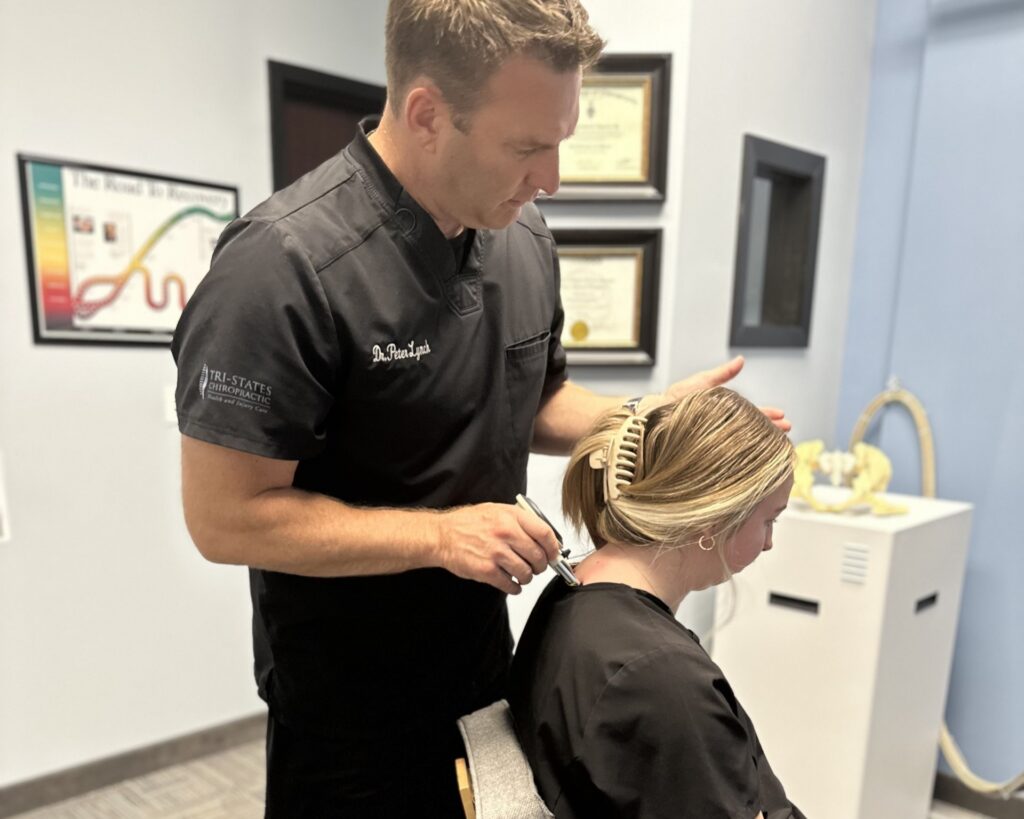
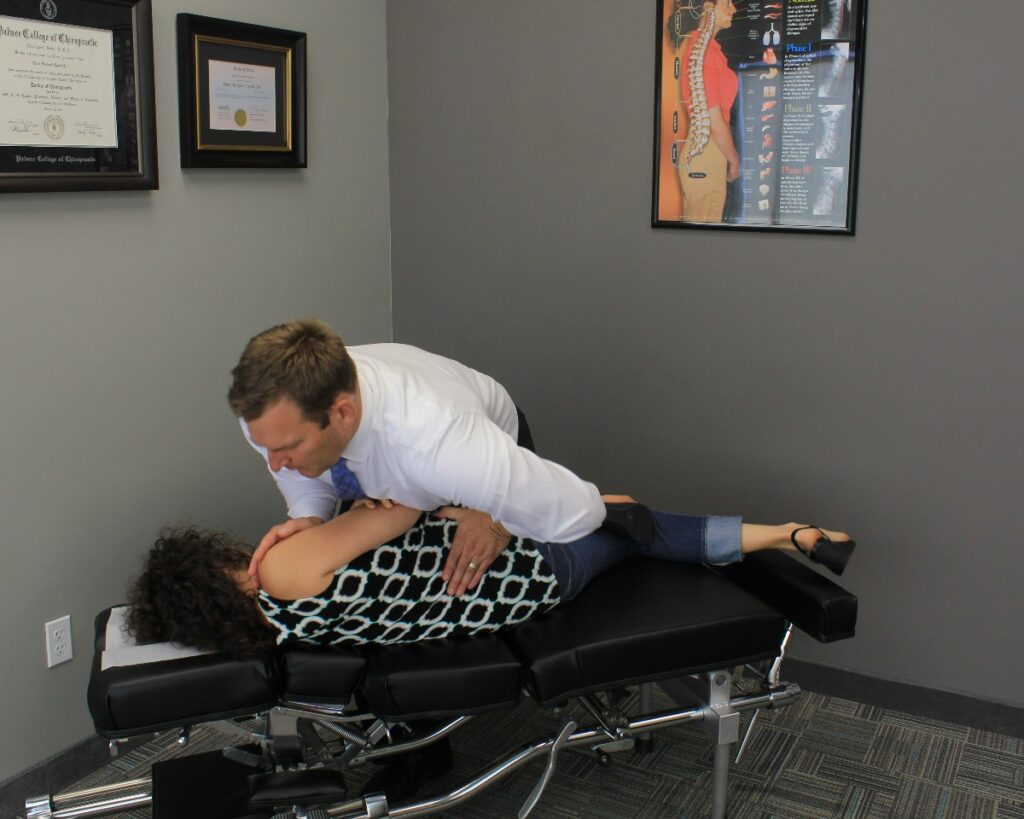
The great news is that chiropractic care offers a natural, drug-free way to address these issues. By focusing on spinal alignment and overall wellness, we can help your body heal itself. Regular chiropractic adjustments can relieve pressure on nerves, improve mobility, and enhance your body’s ability to recover.
Here are some general tips to help you manage low back pain:
- Maintain Good Posture: Be mindful of your posture when sitting, standing, or lifting. Proper alignment can help prevent strain on your back.
- Stay Active: Gentle movements and stretching can keep your back muscles strong and flexible. Activities like walking or yoga can be beneficial.
- Use Heat and Cold Therapy: Applying heat can help relax tense muscles, while cold packs can reduce inflammation.
- Listen to Your Body: If an activity causes discomfort, take a break and give your body time to recover.
- Schedule Regular Chiropractic Visits: Regular adjustments can help maintain spinal health and prevent future injuries.
By focusing on these strategies and prioritizing chiropractic care, you can take proactive steps towards optimal health and wellness. Remember, your body has an incredible ability to heal itself, and with the right support, you can find lasting relief from low back pain.
Key Takeaways
Low back pain is a common issue many people face, and understanding the injuries that can lead to it is essential for prevention and recovery. Here are some of the top injuries that may cause low back pain, along with helpful tips on how chiropractic care can assist in healing and maintaining wellness:
- Muscle Strains and Sprains: Often resulting from improper lifting, bending, or twisting, these injuries can lead to inflammation and restricted movement. Chiropractic care can help relieve tension in the muscles and improve mobility through gentle adjustments and targeted exercises. Remember to use proper lifting techniques and stretch regularly to prevent these strains.
- Herniated Discs: This occurs when the inner material of a disc pushes through the outer layer, potentially compressing nearby nerves. This can cause sharp pain or weakness in the legs. Chiropractic adjustments can help alleviate pressure on the nerves and promote healing. Maintaining a strong core and practicing good posture can also support spine health.
- Sciatica: This condition arises from compression of the sciatic nerve, resulting in pain, tingling, or numbness that can extend from the lower back down the legs. Prolonged sitting often exacerbates the discomfort. Chiropractic care can help relieve pressure on the sciatic nerve and promote better alignment. Incorporating regular movement and stretches into your routine can also ease symptoms.
- Sacroiliac Joint Dysfunction: This involves inflammation or misalignment in the pelvis, leading to pain in the lower back and buttocks, especially during certain movements. Chiropractic adjustments can help realign the pelvis and reduce pain. Additionally, practicing pelvic stability exercises can strengthen the area and prevent further issues.
- Fractured Vertebrae: These can occur due to accidents or conditions like osteoporosis, leading to intense back pain and potential nerve-related symptoms like tingling in the legs. While fractures require careful management, chiropractic care can assist in pain relief and rehabilitation by promoting proper healing and restoring function. Always prioritize bone health through nutrition and regular physical activity.
By focusing on natural approaches to healing, chiropractic care can be an effective way to manage low back pain and enhance overall wellness. If you’re experiencing discomfort, consider consulting with a chiropractor to explore personalized treatment options and develop a plan that prioritizes your health. Remember, maintaining a healthy lifestyle, practicing good posture, and staying active are key to preventing low back injuries and supporting your spine health.
Muscle Strains and Sprains
Muscle strains and sprains can catch you off guard, often leading to persistent low back pain. These common injuries typically occur during routine activities like lifting, bending, or twisting. It’s surprising how easily overexertion or improper movements can lead to discomfort and pain.
A muscle strain happens when a muscle is stretched beyond its limits and tears, while a sprain occurs when ligaments — the strong bands that connect your bones — are damaged. Both injuries can lead to inflammation, stiffness, and a struggle to move comfortably.
To alleviate your pain naturally, consider resting and applying ice to the affected area. Chiropractic care can be incredibly beneficial in addressing these issues by promoting healing and restoring balance to your body. Gentle spinal adjustments and techniques can help reduce pain, improve mobility, and enhance overall function.
While you’re healing, it’s crucial to avoid activities that exacerbate your pain. Once you start feeling better, focusing on strengthening your core and back muscles can help prevent future injuries. Incorporating regular chiropractic visits into your wellness routine not only aids recovery but also supports your body in maintaining strength and resilience.
Additionally, staying mindful of your body mechanics during daily activities can make a significant difference. Simple tips like lifting with your legs, keeping your back straight, and taking breaks during repetitive tasks can help protect your back. By embracing a proactive approach to your health through chiropractic care, you can achieve optimal wellness and enjoy a pain-free life.
Herniated Discs
After dealing with muscle strains and sprains, you might find yourself encountering another common source of low back pain: herniated discs. This condition occurs when the soft inner gel of a disc pushes through the tougher outer layer, often due to the natural wear and tear of our bodies or a sudden injury. When this happens, it can put pressure on nearby nerves, resulting in discomfort and limited movement.
You may experience symptoms such as sharp pain, tingling, or weakness in your legs, making daily activities challenging. Even simple movements can sometimes worsen your pain. It’s important to note that herniated discs can develop gradually, often without a specific incident triggering them.
As a chiropractor, I want to emphasize that there are effective, natural ways to manage this condition. Focusing on chiropractic care can help you find relief and restore your mobility. Through gentle adjustments, we can realign your spine, reducing pressure on nerves and promoting healing.
In addition to chiropractic adjustments, consider incorporating physical therapy and specific exercises tailored to your needs. Maintaining good posture is crucial as well—be mindful of how you sit and lift to avoid unnecessary strain on your back.
Sciatica
When sciatica strikes, it can feel like a jolt of pain shooting down your leg, making even the simplest tasks unbearable. This condition happens when the sciatic nerve, which runs from your lower back to your feet, gets compressed or irritated. You might feel sharp pain, tingling, or numbness in your lower back, buttocks, and legs. It often worsens with prolonged sitting or certain movements, like bending or twisting.
As a local chiropractor, I want to emphasize the importance of chiropractic care in managing sciatica and promoting overall wellness. Gentle spinal adjustments can help relieve pressure on the sciatic nerve, allowing your body to heal naturally. Incorporating specific stretches and exercises to strengthen your back and improve flexibility can also be incredibly beneficial.
Applying heat or ice to the affected area can provide temporary relief, but chiropractic care addresses the underlying issues that contribute to sciatica. It’s essential to avoid heavy lifting and maintain good posture to prevent further irritation. Remember, your spine is the foundation of your overall health, so taking care of it should be a priority.
In addition to chiropractic adjustments, consider integrating gentle movement into your daily routine, such as walking or yoga, to keep your body flexible and strong. You can also practice mindful breathing and relaxation techniques to help manage pain and stress.
Sacroiliac Joint Dysfunction
If you’re struggling with low back pain, it’s possible that sacroiliac joint dysfunction could be a key player. This condition arises when the sacroiliac joints, which are located where your lower spine meets your pelvis, become inflamed or misaligned. When this happens, you might feel discomfort not only in your lower back but also in your buttocks or even radiating down your legs. Common causes include injuries, arthritis, or changes related to pregnancy.
You may find that certain movements—like bending, twisting, or climbing stairs—make your pain worse. The good news is that diagnosing sacroiliac joint dysfunction can often be done through a thorough physical exam. As a chiropractor, I focus on natural healing techniques to address this condition, emphasizing the importance of alignment and mobility in your spine.
Chiropractic care is an excellent way to manage and alleviate the symptoms of sacroiliac joint dysfunction. Through tailored adjustments, we can help restore proper alignment and reduce inflammation, allowing your body to heal naturally. In addition to chiropractic adjustments, incorporating core-strengthening exercises and improving your posture can significantly contribute to your overall well-being.
Here are some practical tips to help manage your symptoms:
- Practice Good Posture: Pay attention to how you sit, stand, and move throughout the day. Proper alignment can reduce strain on your sacroiliac joints.
- Strengthen Your Core: Engaging in exercises that strengthen your core muscles can provide better support for your spine and pelvis.
- Stay Active: Gentle activities like walking, swimming, or yoga can help maintain mobility without putting too much pressure on your joints.
- Use Heat or Cold Therapy: Applying heat or cold to the affected area can help alleviate pain and reduce inflammation.
If you suspect sacroiliac joint dysfunction is contributing to your low back pain, I encourage you to reach out for a consultation. Together, we can create a personalized plan that focuses on natural healing and optimal health through chiropractic care. Your journey to feeling better starts with understanding your body and taking proactive steps towards wellness!
Spinal Stenosis
As you age or experience wear and tear on your spine, you may develop a condition known as spinal stenosis. This happens when the spaces in your spine narrow, which can lead to pressure on your spinal cord or nerves. Many people with spinal stenosis experience pain, numbness, or weakness, particularly in the lower back and legs. You might notice that your symptoms worsen during activities like walking or standing, but you may find relief when sitting or bending forward.
Spinal stenosis can occur due to various factors, such as arthritis, herniated discs, or thickened ligaments. It’s important to pay attention to the signs of this condition early on, as neglecting it can lead to mobility issues and impact your overall quality of life.
Chiropractic care is a fantastic option for addressing spinal stenosis naturally. Through gentle adjustments and specialized techniques, chiropractors can help relieve pressure on your spine, improve mobility, and reduce pain. Staying active is crucial; regular movement can keep your spine healthy and strong. Additionally, maintaining a healthy weight and practicing good posture can help manage symptoms and prevent further issues.
Here are some tips to help you support your spinal health:
- Stay Active: Engage in low-impact exercises like walking, swimming, or yoga. These activities can strengthen your back muscles and improve flexibility.
- Practice Good Posture: Be mindful of your posture when sitting, standing, or lifting. Proper alignment reduces stress on your spine.
- Use Support: When sitting for long periods, use a chair that supports your lower back. Consider using lumbar rolls or cushions.
- Stretch Regularly: Incorporate gentle stretches into your daily routine to help maintain flexibility in your back and legs.
- Stay Hydrated: Drinking plenty of water can help keep your spinal discs hydrated and healthy.
If you suspect you have spinal stenosis or are experiencing discomfort, it’s always best to consult with a chiropractor. They can provide a thorough assessment and create a personalized treatment plan that focuses on natural healing and overall wellness. Remember, taking care of your spine is essential to living a healthy, active life!
Fractured Vertebrae
Fractured vertebrae can occur for various reasons, including accidents or conditions like osteoporosis. If you find yourself experiencing sudden, intense back pain or difficulty moving, it may be a sign of a fracture. It’s crucial to recognize these symptoms early on to address them effectively.
As a chiropractor, I want to emphasize the importance of understanding your spine and how to maintain its health. Chiropractic care is an excellent approach for managing pain and promoting natural healing. By focusing on spinal alignment and overall wellness, we can help your body recover and prevent future injuries.
Here are some tips to help you take care of your spine and promote a healthier lifestyle:
- Stay Active: Regular movement strengthens your back and improves flexibility. Simple exercises like walking, stretching, and yoga can be very beneficial.
- Practice Good Posture: Whether sitting, standing, or lifting, maintaining good posture can prevent undue stress on your spine.
- Use Ergonomic Furniture: If you spend long hours sitting, invest in a chair that supports your back. This can make a significant difference in your comfort and spinal health.
- Stay Hydrated: Proper hydration helps keep the discs in your spine healthy and functioning well.
- Consider Chiropractic Adjustments: Regular visits to a chiropractor can help keep your spine aligned and reduce the risk of injury.
Causes of Fractured Vertebrae
Fractured vertebrae can be a painful experience, often resulting from a sudden impact or prolonged stress on your spine. This type of injury can happen due to falls, sports collisions, or car accidents, where your spine absorbs the force of the impact. It’s important to recognize that conditions like osteoporosis can weaken your bones, making them more vulnerable to fractures even during everyday activities, like lifting groceries or doing household chores.
Improper lifting techniques can also put a strain on your back, leading to injury. It’s essential to lift heavy objects correctly—always bend at the knees and keep the load close to your body.
Additionally, repetitive motions from certain jobs or sports can create microtraumas in the spine that accumulate over time, potentially resulting in a fracture.
As a chiropractor, I want to emphasize the importance of understanding these causes so you can take proactive steps to protect your spine. Here are some helpful tips:
- Practice Proper Lifting Techniques: Always bend your knees and keep your back straight when lifting heavy items to reduce strain on your spine.
- Strengthen Your Core: Engaging in exercises that strengthen your abdominal and back muscles can provide better support for your spine.
- Stay Active: Regular physical activity, such as walking or swimming, can help keep your bones strong and improve overall spinal health.
- Be Mindful of Repetitive Movements: If your job or hobbies involve repetitive motions, take regular breaks and stretch to reduce the risk of microtraumas.
- Consider Chiropractic Care: Regular chiropractic adjustments can help maintain proper spinal alignment, improve mobility, and reduce pain, promoting overall wellness.
Symptoms and Diagnosis
When you experience low back pain, it’s important to consider that it may be related to a fractured vertebra. This can manifest as sharp or stabbing pain, particularly when you move, bend, or lift. You might also observe some swelling or bruising in the affected area. In certain cases, you may feel tingling or numbness that travels down your legs.
While it’s crucial to get an accurate diagnosis, I want to emphasize the natural and effective approach that chiropractic care offers for managing back pain. A chiropractor can perform a thorough examination to assess your condition and identify any misalignments in your spine that may be contributing to your pain.
Imaging tests like X-rays, CT scans, or MRIs can be beneficial in some cases, but often, a chiropractor can provide insight into your condition through their expertise in spinal health. If you suspect a fracture or are experiencing significant pain, seek the help of a qualified chiropractor. Early intervention can lead to a more effective treatment plan, helping you achieve optimal health and wellness without the need for invasive procedures.
Here are some general tips for managing low back pain naturally:
- Stay Active: Gentle movements and stretching can help maintain mobility and reduce stiffness. Activities like walking and yoga can be beneficial.
- Maintain Good Posture: Pay attention to your posture while sitting, standing, and lifting. Proper alignment can alleviate stress on your spine.
- Use Heat and Ice: Applying heat or ice packs to the affected area can help reduce pain and inflammation.
- Stay Hydrated: Drinking enough water supports overall health and helps keep your spinal discs hydrated.
- Consider Chiropractic Adjustments: Regular visits to a chiropractor can help keep your spine in alignment and prevent future issues.
Poor Posture and Ergonomics
Poor posture and ergonomics can significantly contribute to low back pain, often without you even realizing it. When you hunch over your desk or lean too far into your phone, you’re placing unnecessary strain on your back muscles and spine. Things like an improper chair height or lack of lumbar support can make this situation worse, leading to discomfort that accumulates over time.
As a chiropractor, I want to help you understand the importance of maintaining good posture for your overall health and well-being. Here are some tips to keep in mind:
- Sit Up Straight: Make a conscious effort to sit up straight with your shoulders relaxed. Keep your feet flat on the floor to promote better spinal alignment.
- Adjust Your Workspace: Position your computer screen at eye level to reduce strain on your neck and back. Your chair should provide adequate support for your lower back.
- Practice Standing Posture: When standing, distribute your weight evenly on both feet. Avoid locking your knees, as this can lead to discomfort over time.
- Take Breaks: Remember to take regular breaks from sitting. Stretching and moving around can help relieve tension and improve circulation.
- Consult with a Chiropractor: If you’re experiencing persistent pain, a chiropractor can provide personalized care to help realign your spine and alleviate discomfort naturally.
By making these small adjustments in your daily habits, you can significantly reduce the risk of low back pain. Your body deserves proper support, and chiropractic care is a fantastic option to achieve optimal health and wellness.
Embrace these tips, and let’s work together towards a healthier, pain-free life!