If you're dealing with lower back pain, you're not alone—many people experience this discomfort at some point in their lives.
As a local chiropractor, I want to help you understand the various treatment options available to alleviate your pain, including the benefits of chiropractic care and natural healing methods.
Chiropractic adjustments can play a vital role in relieving lower back pain by correcting misalignments in the spine that may be contributing to your discomfort.
Alongside chiropractic care, physical therapy and lifestyle modifications, such as proper stretching and exercise, can also enhance your recovery process.
It's important to remember that each treatment option has its own unique benefits, and what works for one individual might not necessarily work for another.
If you're curious about how chiropractic care can specifically help you find relief from lower back pain, let's dive into these top treatment choices together and discover the best path for your healing journey.
Physical Therapy
Chiropractic care plays a crucial role in effectively managing lower back pain through natural healing methods. When you visit our clinic, I will conduct a thorough assessment of your condition and develop a personalized treatment plan that addresses your specific needs. This plan often incorporates adjustments to realign your spine, along with targeted exercises to strengthen your core, enhance flexibility, and improve your posture.
You will engage in various activities that are designed to help you regain mobility and alleviate pain. These exercises will focus on your back, hips, and legs, enabling you to build the strength and stability essential for long-term relief. As we progress through your treatment, I may use additional techniques such as soft tissue therapy or recommend heat and cold therapies to ease discomfort and support your recovery.
One of the greatest benefits of chiropractic care is that it empowers you to take charge of your pain management. You will learn how to perform exercises correctly and safely, minimizing the risk of aggravating your condition. I will also educate you on proper body mechanics and ergonomics, enabling you to make practical adjustments in your daily activities to prevent further injury.
Consistency is vital in your healing journey. Regular visits to our office, combined with practicing what you've learned at home, will optimize your results. Over time, you'll likely experience a reduction in pain levels and an improvement in your overall function, allowing you to return to the activities you love. So, take that first step towards relief; chiropractic care could be the natural solution you need to regain control of your lower back pain and enhance your overall well-being.
Chiropractic Care
As a local chiropractor, I want to help you understand how chiropractic care can provide significant relief for your lower back pain. Through targeted adjustments, we can address the root causes of your discomfort. There are various techniques that we utilize, each carefully tailored to meet your specific needs and health goals.
It's also important to know how often you should visit us for effective treatment, as this can greatly influence your recovery process. By establishing a personalized care plan, we can work together to help you achieve optimal health and well-being naturally. If you're new to chiropractic care, I invite you to reach out with any questions you may have—your journey to relief starts here!
Benefits of Chiropractic Adjustments
As a local chiropractor, I want to take a moment to share with you the incredible benefits that chiropractic adjustments can bring, especially for those struggling with lower back pain. Many people are not familiar with how chiropractic care works, so let me explain how it can significantly enhance your quality of life.
One of the most important benefits of chiropractic adjustments is pain relief. By gently realigning your spine, we can reduce nerve irritation that often contributes to pain. Many of my patients experience noticeable pain reduction after just a few sessions, which is a great first step toward feeling better.
Another key advantage is the improvement in mobility. After receiving adjustments, many individuals find that their range of motion increases, making everyday activities, like bending down to tie your shoes or lifting objects, much easier and more enjoyable. This increased mobility not only enhances your daily life but also plays an essential role in preventing future injuries. By correcting these misalignments, we are actively supporting your body's natural biomechanics.
Chiropractic care goes beyond just addressing pain—it promotes overall wellness. Regular adjustments can lead to better posture and improved spinal health, which can have a positive ripple effect on various bodily functions. Many of my patients report reduced stress levels and better sleep quality, thanks to the relaxation that comes from spinal adjustments.
Lastly, one of the most appealing aspects of chiropractic care is that it offers a drug-free approach to pain management. This means you can avoid the potential risks and side effects associated with medications, allowing you to heal naturally and safely.
If you're curious about how chiropractic care can help you, I encourage you to reach out. Together, we can explore how adjustments can lead to a healthier, happier you!
Techniques Used by Chiropractors
As your local chiropractor, I want to take a moment to educate you about the various techniques we use to effectively address lower back pain. Many people may not be aware of the breadth of our methods, but I assure you that we have a variety of tools at our disposal to help you feel your best.
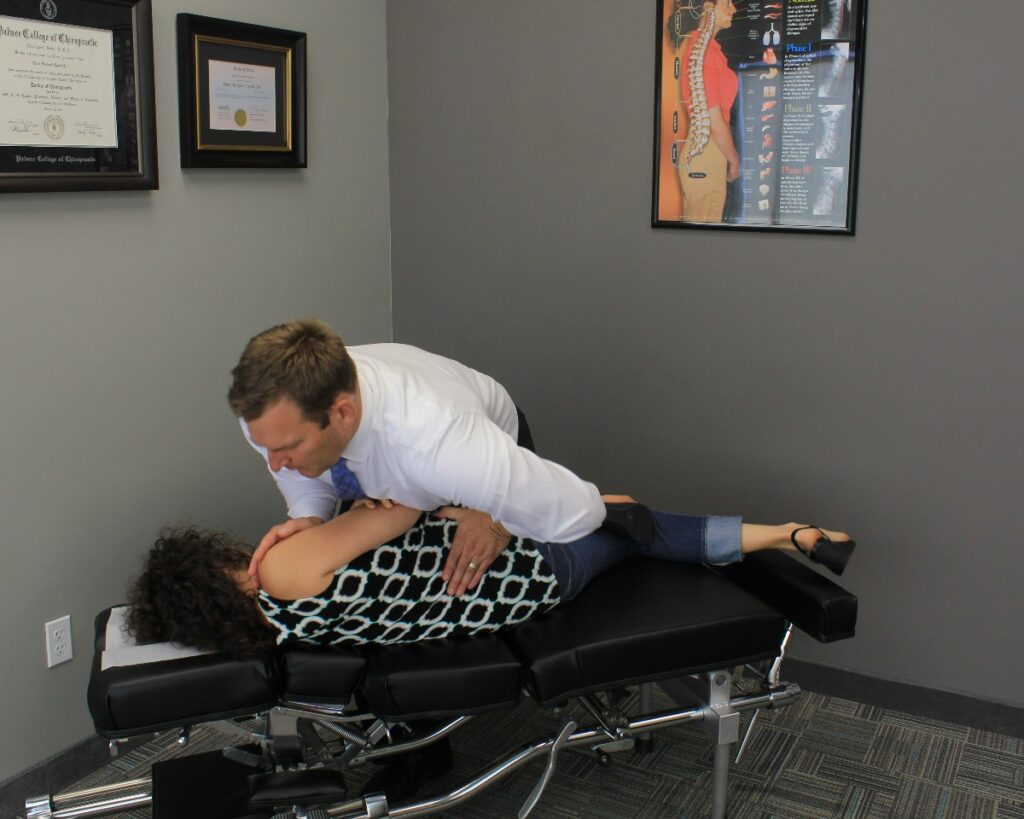
One of the most common techniques we employ is spinal manipulation. This involves applying controlled force to specific joints in your spine, which can help restore proper movement and alleviate discomfort. It's a safe and effective way to enhance your body's natural ability to heal.
In addition to spinal manipulation, we often utilize manual therapies, including soft tissue massage and stretching. These techniques help reduce muscle tension and improve your flexibility, allowing your body to move more freely and comfortably.
You may also find that we incorporate therapeutic exercises into your treatment plan. These exercises are designed to strengthen your core muscles, improve your posture, and enhance your overall spinal health. It's about empowering you to take an active role in your recovery.
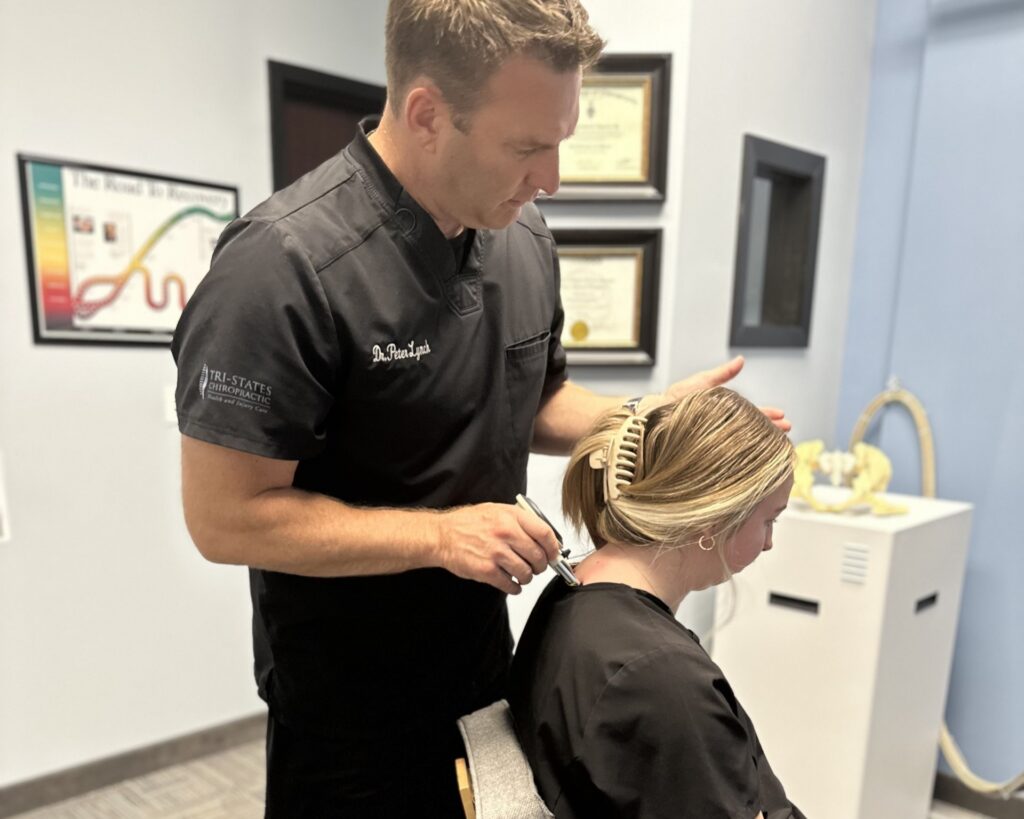
Some of you might be curious about the Activator Method, a gentle technique where we use a small, handheld device to deliver a subtle impulse to your spine. This method promotes alignment without the traditional cracking sounds that some may find intimidating.
We also use therapeutic modalities such as electrical stimulation or ultrasound in our treatments. These can help reduce inflammation and promote healing, making a significant difference in your recovery journey.
Lastly, education is a vital part of our approach. We believe in teaching you how to manage your pain effectively and prevent future issues. By tailoring these techniques to your specific needs, our goal is to provide you with effective and lasting relief from lower back pain. I'm here to support you every step of the way on your path to wellness!
Frequency of Treatments Needed
As your local chiropractor, I want to help you understand the frequency of chiropractic treatments for lower back pain and how it can be tailored to your unique needs. It's important to note that the frequency of visits can vary based on several factors, including the severity of your pain and your overall health goals. Here's a breakdown of what you can typically expect:
- Acute Pain: If you're experiencing severe pain, we may start with treatments 2-3 times a week. This intensive approach is designed to help reduce inflammation and restore your mobility as quickly as possible.
- Subacute Pain: As your condition begins to improve, we can reduce the frequency of your visits to once a week. This phase is crucial for maintaining your progress and preventing any setbacks.
- Chronic Pain: If you've been living with ongoing issues, we might recommend bi-weekly or even monthly sessions. These visits play an essential role in managing pain and enhancing your overall quality of life.
- Maintenance Care: Once we reach your health goals, you may only need to come in for occasional check-ups every few months. This maintenance care helps keep everything aligned and functioning optimally.
Throughout your treatment journey, I'll closely monitor your progress and adjust the frequency of visits based on how you're responding to care. Consistency is key to achieving lasting relief, and I'm here to support you every step of the way. If you have any questions or need more information about how chiropractic care can benefit you, don't hesitate to reach out!
Over-the-Counter Medications
As a local chiropractor, I want to share some insights about managing lower back pain with over-the-counter medications. Many individuals seek quick relief from discomfort without the need for prescriptions, and there are options available that can help.
Nonsteroidal anti-inflammatory drugs (NSAIDs) like ibuprofen and naproxen are commonly used for pain relief. These medications not only alleviate pain but also help reduce inflammation in the affected area, which can be particularly beneficial if you've strained a muscle or experienced an injury. However, it's essential to consider these as temporary solutions rather than long-term fixes.
Another option is acetaminophen, which is effective for pain relief. While it doesn't directly address inflammation, it can be gentler on your stomach compared to NSAIDs. It's crucial to adhere to the recommended dosages, as excessive use can lead to liver issues.
As you explore the use of over-the-counter medications, I encourage you to pay attention to how your body responds. If your pain continues despite using these medications, it could indicate an underlying issue that requires professional evaluation. Consulting with a healthcare professional, like a chiropractor, can help determine the root cause of your discomfort and lead to a more comprehensive treatment plan focused on natural healing.
Moreover, be cautious about mixing medications. For instance, combining NSAIDs with certain other drugs can heighten the risk of side effects. Always read labels carefully to ensure your safety, and don't hesitate to reach out to a pharmacist or your healthcare provider if you have any questions or concerns.
Hot and Cold Therapy
As a local chiropractor, I often see patients struggling with lower back pain, and I want to share how hot and cold therapy can be valuable tools for relief. Applying heat can be incredibly beneficial; it works to relax tight muscles and enhance blood flow to the affected area, promoting healing. On the other hand, cold therapy is excellent for reducing inflammation and can help numb any sharp pain you may be experiencing. Knowing the unique benefits of each method empowers you to choose the right approach based on your specific situation. I'm here to guide you through these options and help you find the best way to alleviate your discomfort naturally.
Benefits of Heat Application
As a local chiropractor, I often see patients struggling with lower back pain, and one effective method I recommend is heat application. When used correctly, heat therapy can provide significant relief and support your body's natural healing process. Let me explain some of the key benefits of using heat for lower back pain:
- Muscle Relaxation: Heat application helps to relax tight, tense muscles in your back. This relaxation can make a huge difference, allowing you to move more freely and with less discomfort.
- Improved Blood Circulation: Applying heat increases blood flow to the affected area. This enhanced circulation ensures that essential nutrients and oxygen reach the tissues, which can speed up healing and recovery.
- Pain Relief: The soothing warmth from heat therapy can effectively block pain signals from reaching the brain. This can provide you with immediate relief and make daily activities more manageable.
- Enhanced Flexibility: With your muscles relaxed and circulation improved, you may notice greater flexibility in your movements. This means you can perform your daily tasks with less strain on your back.
To utilize heat therapy effectively, I recommend using a heating pad, hot water bottle, or a warm towel. Apply it to your lower back for about 15-20 minutes. However, it's important to avoid using heat on swollen areas or immediately after an injury, as this can exacerbate the problem.
Incorporating heat therapy into your pain management routine can greatly enhance your comfort and promote a smoother recovery process. If you have any questions or need guidance on how to integrate this into your care plan, don't hesitate to reach out. Your journey to better health is our priority!
Advantages of Cold Therapy
As a local chiropractor, I want to emphasize the importance of exploring various methods for managing lower back pain, including cold therapy. While many people are familiar with heat therapy, cold therapy is an equally effective option that you might not have considered.
Cold therapy works by constricting blood vessels, which helps reduce inflammation and numbs the area affected by pain. This can be particularly beneficial immediately after an injury or during a flare-up of discomfort.
Utilizing ice packs or cold compresses can significantly alleviate muscle spasms and diminish swelling, providing you with much-needed relief. In fact, you can enhance the effects of cold therapy by combining it with other treatments we may discuss during your chiropractic visits. Just remember to apply the cold for about 15-20 minutes, allowing your skin to return to a warmer temperature in between applications to prevent any risk of frostbite.
One of the great advantages of cold therapy is its accessibility. You can easily create a cold pack at home using a bag of frozen vegetables or a wet towel placed in the freezer. This makes cold therapy a cost-effective and convenient solution for managing your lower back pain.
Incorporating cold therapy into your pain management routine can be a powerful addition to the holistic approaches we promote in chiropractic care. By integrating it into your daily routine, you may discover the relief you've been seeking, enabling you to engage in your everyday activities with greater comfort and ease. If you have any questions about how cold therapy can fit into your overall treatment plan, don't hesitate to ask during your next visit!
Massage Therapy
As a local chiropractor, I want to share with you the benefits of incorporating massage therapy into your wellness routine, especially for those experiencing lower back pain. Many people are unaware of how effective this natural healing method can be in alleviating discomfort, enhancing mobility, and promoting overall relaxation.
Massage therapy works wonders by specifically targeting muscle groups that are often the culprits behind lower back pain. By releasing tension and improving circulation, massage aids your body in healing and recovery more efficiently. Here's what you can expect from a professional massage therapy session:
- Pain Relief: The manipulation of soft tissues can significantly reduce muscle tightness and provide immediate relief from discomfort, making it a valuable addition to your pain management strategy.
- Increased Flexibility: Regular massage sessions can greatly enhance your overall flexibility, allowing you to move more freely without the hindrance of pain or stiffness.
- Stress Reduction: It's important to remember that massage therapy isn't solely about physical relief. It also plays a crucial role in lowering stress levels. A relaxed mind can positively influence your perception of pain, making you feel more at ease.
- Improved Posture: Many lower back issues arise from poor posture. A skilled massage therapist can help realign your body, which promotes better posture and minimizes strain on your back.
Integrating massage therapy into your healthcare routine can be transformative for managing lower back pain. Whether you opt for deep tissue, Swedish, or trigger point therapy, identifying the right technique for your needs can lead to remarkable improvements in your well-being. If you're seeking a natural approach to easing your back pain, I encourage you to explore massage therapy. You deserve to live comfortably and move freely!
Stretching and Exercise
As a local chiropractor, I want to emphasize the vital role that stretching and exercise play in alleviating lower back pain. Many of my patients find that improving their flexibility and strengthening their core can significantly lessen discomfort and boost overall mobility. By incorporating a daily stretching routine into your life, you may notice a remarkable improvement in how you feel each day. It's important to remember that natural healing methods, like these exercises, can complement chiropractic care and promote long-term wellness.
Importance of Flexibility
As a local chiropractor, I want to emphasize the crucial role that flexibility plays in alleviating lower back pain. Maintaining a healthy range of motion is vital for preventing stiffness and discomfort. By incorporating stretching and flexibility exercises into your daily routine, you can experience significant improvements in your overall comfort and mobility.
Here are four key benefits of enhancing flexibility specifically for lower back pain relief:
- Improved Range of Motion: Regular stretching enables your muscles and joints to move more freely. This increased flexibility helps reduce restrictions that can contribute to pain and discomfort.
- Reduced Muscle Tension: Engaging in flexibility routines allows you to relax tight muscles, which can relieve pressure on your spine and the surrounding structures. This relaxation is essential for maintaining a pain-free back.
- Enhanced Posture: Greater flexibility supports better posture, which is crucial for minimizing strain on your lower back during everyday activities. Good posture can make a significant difference in how you feel throughout the day.
- Injury Prevention: A flexible body is less susceptible to injuries. By improving your flexibility, you can avoid flare-ups associated with tight muscles and poor movement mechanics, reducing your risk of future pain.
As you consider ways to manage your lower back pain, don't overlook the importance of stretching and flexibility exercises. These simple practices can be transformative for your well-being. Remember, a good stretch can be one of your best tools in achieving relief and maintaining a healthy back!
Core Strengthening Exercises
As a local chiropractor, I often see patients who are unaware of how crucial core strengthening exercises can be for alleviating lower back pain. A strong core plays a vital role in supporting your spine, stabilizing your pelvis, and promoting proper posture, all of which can significantly alleviate discomfort. When your core muscles are weak, it places additional strain on your lower back, leading to pain and increasing the risk of injury.
To start building a stronger core, I recommend focusing on exercises that engage the muscles around your abdomen, hips, and lower back. One of the best exercises for this is the plank. Planks work multiple muscle groups and help build endurance. If you're new to this exercise, aim for a 20-second hold, and gradually increase the duration as your strength improves.
Another excellent exercise to incorporate is the bridge. Begin by lying on your back with your knees bent and your feet flat on the floor. Lift your hips toward the ceiling while squeezing your glutes at the top. Hold this position for a few seconds before lowering back down. Aim for 10 to 15 repetitions to strengthen your core effectively.
Lastly, I encourage you to try bird-dogs in your exercise routine. Start on all fours, then extend one arm forward while simultaneously reaching the opposite leg back, ensuring your spine remains stable. This exercise not only enhances your balance and coordination but also strengthens your core muscles. Remember, consistency is essential for achieving lasting results!
Incorporating these exercises into your daily routine can support your chiropractic care and promote natural healing. If you have any questions or need personalized recommendations, feel free to reach out during your next visit!
Daily Stretching Routine
As a local chiropractor, I want to emphasize the importance of a daily stretching routine for enhancing your flexibility and alleviating lower back pain. Many of my patients find that by simply incorporating a few effective stretches into their day, they can significantly improve their mobility and relieve tension in their lower back. Here are some stretches that I often recommend to my patients:
- Child's Pose: Start by kneeling on the floor, sitting back on your heels, and stretching your arms forward while lowering your torso. Hold this pose for about 30 seconds. It's a wonderful way to gently stretch your spine and hips.
- Cat-Cow Stretch: Position yourself on all fours. Alternate between arching your back up toward the ceiling (like a cat) and then dropping your belly while lifting your head (like a cow). This dynamic movement helps to increase flexibility in your spine. Repeat this for about 1 minute.
- Knees to Chest: Lie down on your back and gently pull your knees towards your chest, hugging them lightly. Hold this position for 30 seconds. This stretch can help relieve tension in your lower back and promote relaxation.
- Seated Forward Bend: Sit with your legs extended straight in front of you. Reach for your toes while keeping your back straight. Hold this stretch for 30 seconds. It helps to elongate your spine and stretch the hamstrings.
I encourage you to incorporate these stretches into your daily routine, whether in the morning to start your day or before bed to unwind. Not only will you likely experience relief from lower back pain, but you will also notice an improvement in your overall flexibility and well-being. Remember to listen to your body and be mindful of your limits—it's essential to avoid pushing yourself too hard to prevent injury. If you have any concerns or specific conditions, feel free to reach out for personalized advice!
Acupuncture
As a local chiropractor, I want to share the benefits of acupuncture as a complementary treatment for lower back pain relief. Acupuncture employs fine needles to stimulate specific points on the body, and while it has its roots in traditional Chinese medicine, it aligns well with our holistic approach to health.
This ancient practice focuses on balancing the flow of energy, known as "qi," throughout your body. By inserting needles into targeted areas, acupuncture can help alleviate pain, reduce inflammation, and promote healing—much like chiropractic care does.
During your first visit to an acupuncturist, they will assess your condition and discuss your specific pain points. This personalized approach ensures that the treatment is tailored to your unique needs. While you may feel a slight prick when the needles are inserted, most people report minimal discomfort. After the needles are placed, many experience a sense of relaxation as the treatment begins to take effect.
Numerous studies support the effectiveness of acupuncture in managing lower back pain. Research shows it can reduce pain intensity, enhance mobility, and improve your overall quality of life. It's particularly beneficial for individuals seeking a drug-free approach or those who haven't found relief through conventional treatments.
To experience the full benefits, you may need several sessions, so consistency is key. I encourage you to keep a journal after each appointment to track your progress and any changes in your symptoms. By integrating acupuncture into your wellness routine, alongside chiropractic adjustments, you could discover a holistic method that provides lasting relief from lower back pain and supports your overall well-being.
Mindfulness and Relaxation
As a local chiropractor dedicated to helping you find relief from lower back pain, I want to share how incorporating mindfulness and relaxation techniques into your daily routine can significantly enhance your recovery process. These practices are not just supplementary; they can play a crucial role in managing pain and improving your overall well-being. By focusing on the present moment and learning to relax both your body and mind, you can alleviate the tension that often contributes to discomfort. Here are four effective mindfulness and relaxation techniques that I encourage you to explore:
- Deep Breathing: I recommend taking a few minutes each day to engage in deep breathing exercises. Inhale deeply through your nose, letting your abdomen expand fully, and then exhale slowly through your mouth. This straightforward technique can help alleviate stress and reduce tension in your back, complementing the chiropractic adjustments you receive.
- Guided Imagery: Visualizing a peaceful setting where you feel secure and relaxed can have a profound calming effect. This mental imagery can help ease the stress that may be amplifying your back pain, making it an excellent tool to use alongside your chiropractic care.
- Progressive Muscle Relaxation: This technique involves systematically tensing and then relaxing various muscle groups throughout your body, starting from your toes and moving up to your head. Not only does this method help to relax your muscles, but it also increases your awareness of any tension, allowing you to better understand your body's responses.
- Mindfulness Meditation: I suggest setting aside time each day for mindfulness meditation. Focus on your breath and observe your thoughts without judgment. Regular practice can cultivate a sense of peace and resilience, which is essential for managing pain and enhancing your recovery from chiropractic treatments.
Prescription Medications
When it comes to managing lower back pain, it's important to consider a holistic approach that includes chiropractic care and natural healing methods. While prescription medications can be a part of some treatment plans, I encourage my patients to explore alternatives that address the root cause of their discomfort.
Chiropractic adjustments are a key component in relieving lower back pain. These gentle manipulations help realign the spine, reduce tension, and improve mobility. By restoring proper function to the spine, we can often reduce inflammation and alleviate pain without the need for medication.
For patients experiencing muscle spasms, I may also recommend specific exercises and stretches that can help relax tight muscles and improve overall flexibility. This natural approach not only addresses the immediate discomfort but can also empower you to manage your pain more effectively in the long run.
If you are considering medication, it's important to be informed about the potential side effects. Nonsteroidal anti-inflammatory drugs (NSAIDs) like ibuprofen can provide temporary relief, but they may not address the underlying issues and can lead to other health concerns if used long-term. Instead, we can focus on lifestyle changes, ergonomic adjustments, and specific therapies that promote healing without the risks associated with prescription drugs.
In cases of chronic pain, I often find that incorporating nutritional guidance, physical therapy, and mindfulness practices can significantly enhance your healing journey. It's crucial to have open discussions about all available options, including chiropractic care, so we can create a tailored plan that prioritizes your health and well-being. Always remember to consult with your healthcare provider to explore the best path forward for your individual needs.
Lifestyle Modifications
As a chiropractor dedicated to helping you manage lower back pain, I want to emphasize how crucial your daily habits are in alleviating discomfort and enhancing your overall well-being. By making simple lifestyle changes, you can significantly improve your quality of life. Here are four essential modifications you can start implementing today:
- Embrace Good Posture: It's important to understand that how you carry yourself matters. Whether you're sitting at your desk, standing in line, or lifting items, maintaining good posture can make a big difference. Keep your back straight, shoulders relaxed, and ensure your feet are flat on the ground when seated. When lifting, remember to bend your knees and keep the item close to your body to avoid unnecessary strain.
- Engage in Regular Exercise: Incorporating low-impact activities such as walking, swimming, or practicing yoga into your routine can greatly benefit your back. These activities help strengthen your core muscles, which play a vital role in supporting your spine, while also improving your flexibility. Aim for at least 30 minutes of exercise most days – your back will thank you!
- Achieve a Healthy Weight: It's essential to recognize that carrying extra weight can put additional pressure on your lower back. Focus on nourishing your body with a balanced diet that includes plenty of fruits, vegetables, lean proteins, and whole grains. This approach will not only help you maintain a healthy weight but also support your overall health.
- Prioritize Quality Sleep: Poor sleep can aggravate back pain, so it's crucial to ensure that you're getting restorative rest. Invest in a supportive mattress and pillow, and try sleeping on your side with a pillow between your knees to keep your spine properly aligned. Good sleep hygiene can make a significant difference in how you feel during the day.
Conclusion
As a local chiropractor, I want to emphasize that finding relief from lower back pain often involves a combination of treatments that cater to your specific needs. Chiropractic care is a fantastic option for addressing the underlying issues causing your discomfort, and it can be complemented by physical therapy and lifestyle changes that are easy to incorporate into your daily routine.
Don't overlook the power of hot and cold therapy, which can provide immediate relief and enhance your healing process. Mindfulness techniques, such as meditation and deep breathing, can also play a vital role in managing pain and reducing stress.
Consistency is crucial when it comes to these approaches. With the right strategies and regular chiropractic adjustments, we can work together to improve your mobility and overall well-being. I encourage you to explore these options and take proactive steps toward a pain-free life. Let's get started on your journey to better health today!