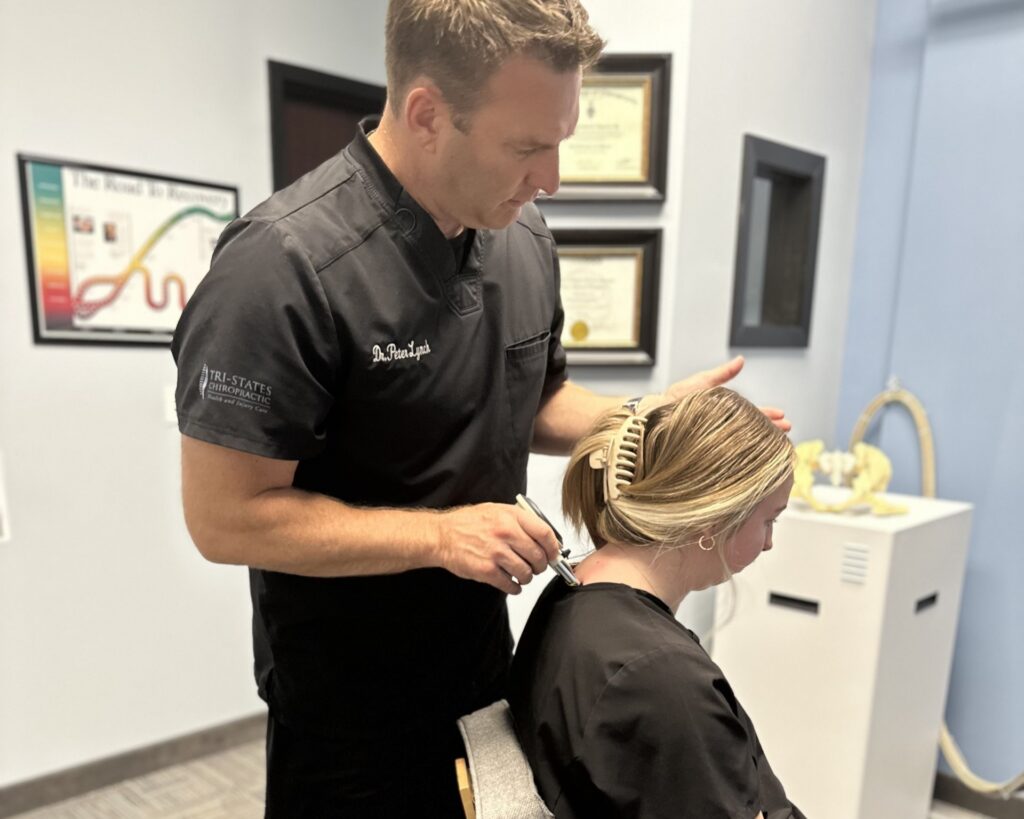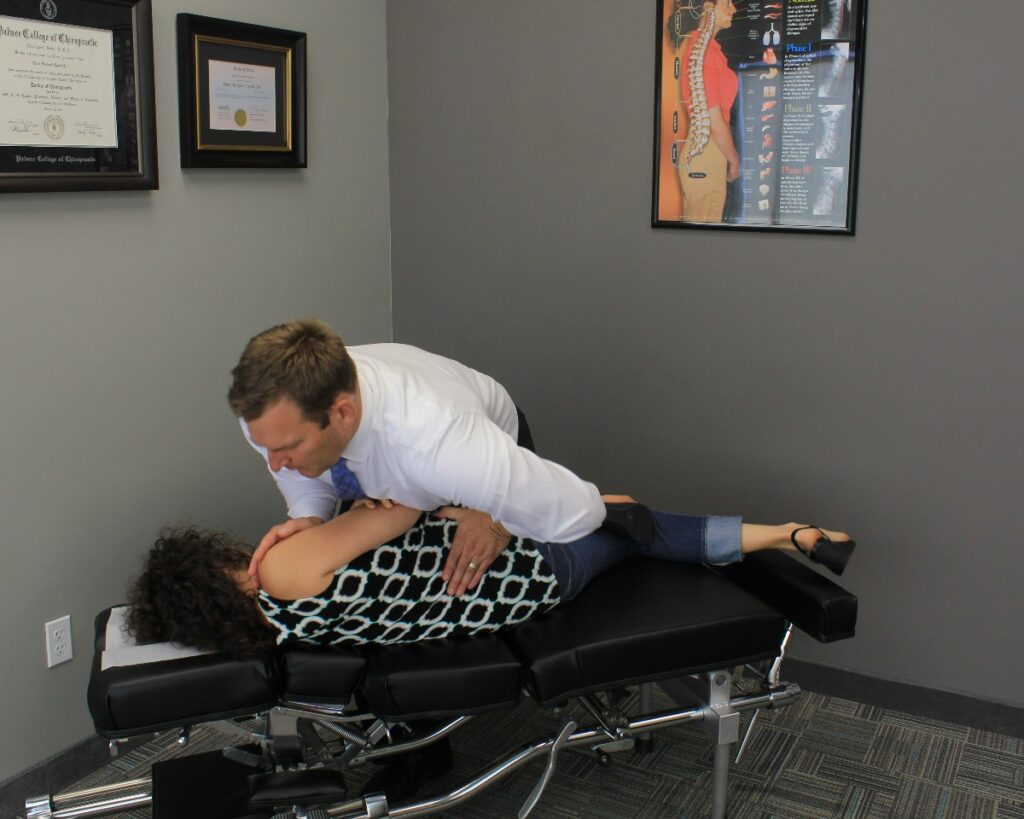
If you’re experiencing low back pain, it’s crucial to understand the underlying causes to effectively address them. Many factors can contribute to discomfort, such as poor posture, lack of physical activity, or even stress. By identifying your specific pain triggers and making small lifestyle adjustments, you can begin to alleviate your discomfort. So, what steps can you take to manage and prevent low back pain naturally? Let’s explore some effective strategies that can significantly enhance your quality of life.
- Chiropractic Care: One of the most effective ways to address low back pain is through chiropractic adjustments. A chiropractor can help align your spine, improve mobility, and reduce pain without the need for medications or surgeries. Regular visits to a chiropractor can keep your spine healthy and prevent future issues.
- Maintain Good Posture: Pay attention to your posture, especially if you sit for long periods. Use ergonomic furniture and make a conscious effort to sit up straight, with your feet flat on the ground. This simple change can greatly reduce strain on your back.
- Stay Active: Engage in regular physical activity that strengthens your core and back muscles. Exercises like walking, swimming, or specific stretching routines can improve flexibility and reduce tension in your back. Always consult with your chiropractor for personalized exercise recommendations.
- Use Proper Lifting Techniques: When lifting heavy objects, always bend at your knees and keep your back straight. This technique helps prevent unnecessary strain on your lower back.
- Incorporate Stretching: Regular stretching can enhance flexibility and relieve tension in your muscles. Consider incorporating gentle stretches into your daily routine, especially after prolonged sitting.
- Manage Stress: High stress levels can lead to muscle tension, exacerbating back pain. Explore relaxation techniques such as deep breathing, meditation, or yoga to help manage stress and promote overall well-being.
- Stay Hydrated and Maintain a Healthy Diet: Proper hydration and nutrition play a vital role in your body’s overall health and can influence how well your muscles and joints function. Aim to eat a balanced diet rich in anti-inflammatory foods to support recovery and prevent discomfort.
By focusing on these strategies, particularly through the support of chiropractic care, you can proactively manage and reduce your low back pain, improving your overall health and well-being. Remember, a healthy spine is key to a healthy life!
Key Takeaways
- Keep a pain diary to track your low back pain triggers and patterns. This can help you and your chiropractor understand what might be causing your discomfort.
- Set up an ergonomic workspace to support good posture and spinal alignment. This simple change can make a big difference in how your back feels throughout the day.
- Regular core-strengthening exercises and low-impact activities, like walking or swimming, can strengthen your back and improve your overall well-being. Your chiropractor can guide you on safe exercises tailored to your needs.
- Incorporate daily stretching routines that focus on the muscles supporting your spine. Stretching can help reduce tension and improve flexibility, making it easier for your body to heal naturally.
- If your pain persists or if you experience symptoms like numbness, seek a professional evaluation from a chiropractor. They specialize in understanding the spine and can provide targeted care to help you feel better and prevent future issues.
Remember, chiropractic care is a natural and effective way to manage low back pain and promote overall wellness. Prioritizing your spinal health can lead to a healthier, more active lifestyle.
Understand Your Pain Triggers
Understanding Your Pain Triggers for Better Back Health
As a chiropractor, I often see how understanding the triggers of low back pain can lead to more effective management and a healthier lifestyle. By paying attention to what causes your pain, you can take proactive steps to feel better and maintain your overall wellness.
One of the best ways to start is by keeping a pain diary. Track when your pain occurs, how intense it is, and what activities you were doing at the time. This simple practice can help you identify patterns and potential triggers, whether they come from specific movements, long periods of sitting, or heavy lifting.
Next, take a close look at your daily routine and environment. Are there repetitive tasks that put strain on your back? Consider your sleeping position and the type of footwear you wear daily. Making small adjustments in these areas can significantly impact your back health.
If you’re unsure about what might be triggering your pain, don’t hesitate to consult with a chiropractor. We can provide personalized insights and guidance tailored to your specific situation, helping you understand your body better and promoting natural healing.
Recognizing and understanding your pain triggers is a vital step toward effective management. By focusing on your spinal health and making informed lifestyle choices, you can lead a more comfortable and active life. Remember, chiropractic care is a natural and effective way to address pain and promote overall wellness. Embrace it as a key component of your journey to optimal health!
Maintain Proper Posture
Maintaining proper posture is crucial for preventing and managing low back pain, and chiropractic care is your best ally in achieving this goal. A well-aligned spine is key to a healthy body, and here are some simple tips to help you maintain that alignment throughout your day.
First, create an ergonomic workspace. This means setting up your desk and chair in a way that supports your back. Your chair should provide good lumbar support, and your desk height should allow your elbows to be at a comfortable angle. When sitting, keep your feet flat on the ground and your knees at hip level. This position helps reduce strain on your lower back.
Strengthening your core muscles is another important aspect of maintaining proper posture. A strong core supports your spine, making it less susceptible to pain. Incorporate simple exercises like planks or bridges into your routine to build this strength.
Remember, regular chiropractic adjustments can greatly enhance your posture and overall spinal health. Chiropractors focus on aligning your spine naturally, helping you to move freely and without pain.
By making chiropractic care a part of your wellness journey, you’re investing in a healthier, pain-free future.
Ergonomic Workspace Setup
Creating an ergonomic workspace is essential for maintaining a healthy spine and preventing low back pain. Proper posture throughout your day can significantly impact your overall well-being. Here are some simple adjustments you can make to your workspace that not only support your spine but also promote natural healing and wellness.
Chair: Start by adjusting your chair so that your feet rest flat on the floor and your knees are level with your hips. This position helps reduce pressure on your spine, promoting better alignment and comfort.
Monitor: Position your monitor at eye level, ensuring it is about an arm’s length away. This setup prevents unnecessary strain on your neck and eyes, allowing for a more relaxed posture while you work.
Keyboard and Mouse: Keep your keyboard and mouse close to your body, with your elbows bent at about 90 degrees. This arrangement minimizes shoulder and wrist strain, enabling you to work more comfortably and efficiently.
Here’s a quick summary of the ideal setup and its benefits:
| Component | Ideal Setup | Benefits |
|---|---|---|
| Chair | Feet flat, knees at hip level | Reduces pressure on the spine |
| Monitor | Eye level, arm’s length away | Prevents neck and eye strain |
| Keyboard/Mouse | Close to body, elbows at 90 degrees | Minimizes shoulder and wrist strain |
Strengthen Core Muscles
Strengthening your core muscles is vital for supporting proper posture and alleviating low back pain. A strong core stabilizes your spine, making it easier to maintain good alignment in your daily activities. This is where chiropractic care can play a significant role. By ensuring that your spine is properly aligned, we can enhance the effectiveness of your core strength exercises.
To build your core muscles, consider incorporating simple exercises like planks, bridges, and abdominal crunches into your routine. It’s important to focus on your form rather than the number of repetitions. Quality movements are key to avoiding injury and maximizing benefits. While you’re sitting or standing, engage your core by gently pulling your belly button in towards your spine. This not only helps with stability but also reduces strain on your lower back.
Additionally, practices like yoga or Pilates can complement your core strengthening efforts, as they emphasize both core strength and flexibility. Remember, incorporating these practices into your daily life not only supports your posture but also significantly decreases your risk of experiencing low back pain.
If you’re experiencing discomfort, chiropractic care can provide a natural and effective approach to pain relief. By addressing spinal misalignments and promoting proper movement patterns, we can help you achieve better overall health. Make a commitment to your core strength and consider regular chiropractic adjustments to enhance your wellness journey. Together, we can work towards a healthier, pain-free life!
Incorporate Regular Exercise
Incorporating regular exercise into your daily routine is an excellent way to alleviate low back pain and improve your overall mobility. As a chiropractor, I often see how low-impact activities, such as walking, swimming, and cycling, can help strengthen your back and core muscles while also promoting flexibility. Aim to engage in at least 30 minutes of exercise most days of the week to reap the benefits.
When starting out, it’s important to ease into your exercise routine and gradually increase the intensity. This approach helps prevent injury and allows your body to adjust. Always listen to your body—if something doesn’t feel right, don’t hesitate to modify your activities. Consistency is essential; creating a regular exercise schedule can lead to noticeable improvements in your back health over time.
In addition to cardio, consider adding strength training and balance exercises into the mix. These types of workouts can provide extra support for your back, helping to prevent future pain. Remember, before starting any new exercise program—especially if you’re dealing with significant discomfort—it’s wise to consult with a healthcare professional who understands your needs, like a chiropractor.
Utilize Stretching Techniques
To effectively manage your low back pain, incorporating a daily stretching routine can truly transform your experience. As a local chiropractor, I want to emphasize the importance of focusing on targeted muscle groups that support your spine. Stretching not only enhances flexibility but also helps to alleviate tension in your back, making it an essential part of your wellness journey.
When you engage in stretching, remember to integrate deep breathing techniques. This not only promotes better relaxation but also aids in the release of tight muscles. By doing so, you’re not just addressing the symptoms of pain but also nurturing the underlying structures that contribute to your overall spinal health.
Additionally, consider incorporating stretches that specifically target your hamstrings, hip flexors, and lower back muscles. These areas play a crucial role in maintaining a healthy spine. As you develop this routine, you’ll notice improved mobility and a reduction in discomfort.
Always listen to your body and ease into each stretch. If you encounter persistent pain, it’s essential to consult with a chiropractor who can offer personalized care and guidance. Chiropractic adjustments, combined with a tailored stretching regimen, can work wonders in enhancing your overall well-being and achieving optimal health without the need for surgeries or medications.
Daily Stretching Routine
Incorporating a daily stretching routine is an excellent way to alleviate low back pain and enhance your overall flexibility, and as your local chiropractor, I can’t emphasize enough the importance of taking care of your spine.
Starting your day with gentle stretches can warm up your muscles and prepare your body for daily activities, reducing the risk of injury.
Focus on simple movements that promote your range of motion, such as cat-cow stretches or gentle torso twists.
These exercises help to keep your spine healthy and mobile.
You don’t need to dedicate hours to stretching; just 10-15 minutes each morning can lead to significant improvements in how you feel throughout the day.
While you stretch, pay attention to your breathing.
Inhale deeply and exhale slowly to help release any tension in your body.
This mindful approach not only enhances your stretching but also contributes to your overall sense of well-being.
Consistency is crucial!
Try to establish a stretching routine that fits seamlessly into your schedule.
Remember to listen to your body; if a stretch feels uncomfortable, it’s important to adjust it to suit your needs.
By committing to daily stretching, you’re not only taking steps towards relieving low back pain but also supporting your spine’s health naturally.
Regular chiropractic care can complement your stretching routine, helping you achieve optimal health and wellness.
Together, we can work towards a pain-free life that allows you to thrive.
Targeted Muscle Groups
Stretching plays a vital role in enhancing overall flexibility, but when it comes to alleviating low back pain, targeting specific muscle groups can provide even greater relief. As a chiropractor, I highly recommend focusing on the hamstrings, hip flexors, and glutes. These areas often become tight and can contribute to discomfort in your lower back.
To effectively stretch your hamstrings, sit on the floor with one leg extended in front of you, and gently reach toward your toes. This simple movement can help release tension and improve flexibility.
For your hip flexors, kneel on one knee and push your hips forward while keeping your back straight. This stretch can help open up the hips and alleviate pressure on your spine.
To stretch your glutes, lie on your back, cross one ankle over the opposite knee, and gently pull the uncrossed leg toward your chest. This position helps to relax the glute muscles and can provide comfort for your back.
Incorporating these targeted stretches into your daily routine can be a powerful way to reduce tension, improve mobility, and enhance your overall well-being. Remember, chiropractic care is an excellent choice for achieving optimal health and addressing low back pain naturally. Regular adjustments can help realign your spine, improve your posture, and support your body’s natural healing processes.
Remember to listen to your body as you stretch and never push yourself to the point of pain. If you experience ongoing discomfort, consider consulting with your chiropractor for personalized advice and treatment options. Together, we can work towards a healthier, pain-free life!
Breathing Techniques Integration
Targeted stretching is a fantastic way to relieve tension in muscle groups like the hamstrings, hip flexors, and glutes, and when paired with effective breathing techniques, it can enhance your overall wellness.
As you stretch, remember to focus on your breath. Take deep, slow breaths by inhaling through your nose, letting your diaphragm expand fully, and exhaling through your mouth to release any tightness. This combination not only promotes relaxation but also increases oxygen flow, which helps your muscles release tension more effectively.
Consider trying the “4-7-8” breathing technique while you stretch. Inhale for four seconds, hold your breath for seven seconds, and then exhale slowly for eight seconds. This method can help calm your mind and body, making your stretching routine even more beneficial. By integrating focused breathing with your stretching, you address not just physical discomfort but also promote overall wellness.
Incorporating these techniques into your routine can be an excellent complement to chiropractic care. Chiropractic adjustments are designed to align your spine and support your body’s natural healing processes, and adding targeted stretching and mindful breathing can enhance your results.
Manage Stress Effectively
Managing stress effectively is vital for alleviating low back pain, as tension in your body can make discomfort worse. As a chiropractor, I want to help you understand how to tackle stress naturally, which can lead to improved overall health and wellness.
Start by identifying the stressors in your life. Knowing what triggers your stress can empower you to create effective strategies to manage them. Incorporating relaxation techniques such as mindfulness or meditation can be incredibly beneficial for staying calm and centered. These practices help reduce tension and promote relaxation, which is essential for maintaining a healthy spine.
Regular physical activity is another key component in managing stress and relieving back pain. Exercise releases endorphins—your body’s natural mood lifters. Activities like walking, yoga, or even gentle stretching can enhance your physical health and provide a natural outlet for stress.
Don’t forget about the importance of social support. Engaging with friends, family, or even a therapist can offer a safe space to express your feelings and gain valuable perspective. Sometimes, just talking things through can lighten the mental load and contribute to your overall well-being.
Lastly, practicing good sleep hygiene is crucial for stress management. Quality sleep is foundational for both your mental and physical health. Make sure to create a restful sleep environment and establish a regular sleep routine.
By prioritizing these strategies, you can effectively manage stress and its impact on low back pain. Chiropractic care is a natural way to support your body through these challenges, helping you achieve optimal health and wellness without the need for surgeries or medications.
Consider Ergonomic Solutions
When it comes to alleviating low back pain, embracing ergonomic solutions can greatly enhance your daily comfort and well-being.
Let’s start by examining your workspace. Ensure that your chair provides proper lumbar support, which is crucial for maintaining good posture. Your feet should rest flat on the floor, and your knees should be at or slightly below hip level to promote healthy spinal alignment.
Adjust your computer screen to eye level. This simple change can help prevent unnecessary strain on your neck and back, which is essential for maintaining overall spinal health. If you find yourself sitting for extended periods, consider using a standing desk or alternating between sitting and standing throughout your day to keep your spine in motion.
When lifting objects, always remember to bend at your knees and keep the load close to your body. This technique helps protect your back from injury. Additionally, using ergonomic tools, like supportive cushions or specially designed keyboards, can minimize strain and enhance your comfort.
At the core of achieving optimal health is chiropractic care. Regular visits to your chiropractor can help address underlying issues, improve spinal alignment, and promote natural healing. By incorporating these ergonomic adjustments and prioritizing chiropractic care, you can create a supportive environment that not only alleviates discomfort but also fosters long-term wellness and vitality.
Seek Professional Help
While making ergonomic adjustments can greatly enhance your comfort, seeking chiropractic care is often the best choice for addressing persistent low back pain. A chiropractor can provide a comprehensive evaluation to pinpoint the underlying causes of your discomfort.
Through gentle adjustments and tailored treatment plans, we focus on restoring proper spinal alignment, which can significantly alleviate pain and improve mobility.
If your pain continues, don’t hesitate to reach out to a chiropractor. We specialize in targeted treatments that include spinal adjustments, therapeutic exercises, and lifestyle advice that cater to your specific needs.
We also emphasize the importance of proper body mechanics to help you avoid future issues, ensuring that you remain pain-free in the long run.
Should you notice any symptoms like numbness or weakness, it’s crucial to seek professional attention right away, as these could signify more serious conditions.
Remember, prioritizing your health is essential. By addressing low back pain with chiropractic care, you can enjoy a more natural, effective path to recovery and pain management.
In addition to chiropractic adjustments, here are some general tips to help you manage low back pain:
- Stay Active: Gentle exercises like walking or stretching can keep your back strong and flexible.
- Mind Your Posture: Be conscious of your posture when sitting, standing, or lifting. Proper alignment can make a big difference!
- Use Support: Consider using lumbar support when sitting for extended periods to help maintain the natural curve of your spine.
- Practice Relaxation Techniques: Stress can contribute to muscle tension. Practices like deep breathing or yoga can help relieve stress and promote relaxation.
Take the first step towards a healthier, pain-free life today. You deserve to feel your best!