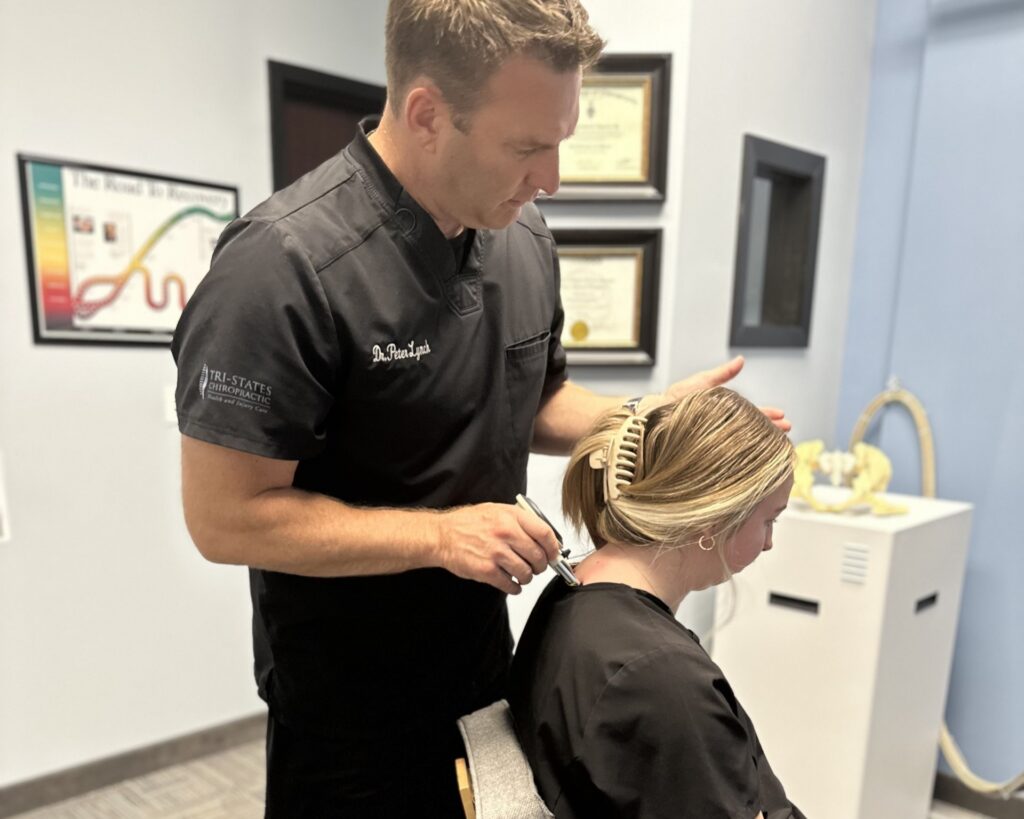
Do you frequently struggle with headaches? You may not realize that the alignment of your spine plays a crucial role in this discomfort. When your spine is misaligned, it can lead to muscle tension and nerve compression, both of which are common triggers for headaches. This connection is vital to understand for effective headache management.
Imagine if restoring your spinal health could significantly lessen the frequency and intensity of your headaches. Chiropractic care focuses on aligning your spine, helping to alleviate the underlying issues that may be contributing to your pain. By choosing chiropractic treatment, you can work towards not just temporary relief, but a long-term solution that promotes natural healing and overall wellness.
Here are some tips to support your spinal health and reduce headaches:
- Maintain Good Posture: Whether you’re sitting at a desk or standing, be conscious of your posture. Keep your back straight, shoulders relaxed, and avoid slouching.
- Stay Hydrated: Dehydration can lead to headaches, so ensure you’re drinking plenty of water throughout the day.
- Regular Stretching: Incorporate gentle stretches into your daily routine to relieve tension in your neck and shoulders.
- Manage Stress: Engage in relaxation techniques such as deep breathing, meditation, or yoga to help reduce stress, which can contribute to headaches.
- Schedule Regular Chiropractic Visits: Regular adjustments can help maintain proper spinal alignment, reducing the risk of headaches and promoting overall health.
By focusing on these simple practices and prioritizing chiropractic care, you can take significant steps towards managing your headaches naturally and improving your overall quality of life. Embrace the journey to optimal health—your spine will thank you!
Key Takeaways
Understanding Spinal Alignment and Headache Relief
Did you know that proper spinal alignment can make a big difference in how you feel? When your spine is aligned correctly, it helps reduce tension in your neck and shoulders, which can significantly alleviate headache symptoms.
One of the best ways to achieve this alignment is through chiropractic adjustments. These gentle, targeted adjustments can promote natural pain relief and help decrease the frequency of headaches. By addressing any misalignments in your spine, we can help ensure that your body is functioning optimally.
When your spine is misaligned, it can compress nerves, leading to radiating pain and persistent headaches. That’s why maintaining a well-aligned spine is crucial for your overall health. Not only does good alignment help with headaches, but it also improves blood flow, which can contribute to a decrease in headache intensity.
Regular chiropractic care is a great way to support long-term spinal health. By focusing on the root causes of your headaches, we can work together to find effective relief and improve your quality of life.
Here are a few general tips for maintaining a healthy spine and reducing headaches:
- Practice Good Posture: Whether you’re sitting at a desk or using your phone, be mindful of your posture. Keep your back straight and your shoulders relaxed.
- Stay Hydrated: Drinking plenty of water can help prevent dehydration, which is a common headache trigger.
- Take Breaks: If you’re working at a computer or doing repetitive tasks, make sure to take regular breaks. Stretch your neck and shoulders to relieve tension.
- Sleep Well: Ensure that you have a comfortable sleeping position. A supportive pillow can make a big difference in neck alignment.
- Stay Active: Regular physical activity can strengthen your muscles and improve your spinal alignment, making you less prone to headaches.
By incorporating these tips and seeking regular chiropractic care, you can take charge of your health and work towards a life with fewer headaches and more vitality. Remember, chiropractic care is a natural and effective way to achieve optimal health and wellness.
Understanding Headaches: Types and Triggers
Understanding Headaches: Types, Triggers, and the Benefits of Chiropractic Care
Headaches can be frustrating and disruptive to your daily life, but understanding their different types and triggers can significantly improve your ability to manage them.
Headaches are generally categorized into two groups: primary and secondary. Primary headaches, such as tension headaches and migraines, occur on their own and aren’t caused by other medical conditions. Tension headaches often result from stress or muscle tension, while migraines may be triggered by certain foods, hormonal changes, or environmental factors.
In contrast, secondary headaches arise from underlying issues like sinus infections or high blood pressure. Identifying your specific headache triggers is essential for effective management. One helpful tip is to keep a headache diary. By noting when your headaches occur, what you’ve eaten, and any stressors or activities you were involved in, you can uncover patterns and potentially avoid triggers.
Chiropractic care is a fantastic option for those seeking natural relief from headaches. Through spinal adjustments and targeted therapies, chiropractors can help alleviate tension and improve spinal alignment, which may reduce the frequency and intensity of headaches.
Plus, chiropractic care promotes overall wellness, enhancing your body’s ability to heal itself naturally.
Incorporating some simple lifestyle changes can further support your headache management. Staying hydrated, practicing good posture, and incorporating regular physical activity can all contribute to reducing tension and stress.
Additionally, consider techniques such as deep breathing exercises or gentle stretching to help ease muscle tightness.
By understanding the types of headaches and their triggers, along with embracing chiropractic care, you can empower yourself to manage headaches more effectively and enhance your overall well-being.
The Anatomy of the Spine
Understanding the connection between headaches and spinal health is essential for effectively managing discomfort. The anatomy of your spine plays a crucial role in how your body functions and can significantly influence the occurrence and intensity of headaches.
Let’s break down the key components of your spine:
- Vertebrae: These are the individual bones that stack together to form your spine, serving as a protective barrier for your spinal cord.
- Intervertebral Discs: These discs act as shock absorbers between each vertebra, providing flexibility and allowing for smooth movement.
- Spinal Nerves: These nerves branch out from the spinal cord and carry signals throughout your body. When misalignments occur, they can disrupt normal function and contribute to discomfort, including headaches.
To maintain optimal spinal health, it’s important to understand how these structures work in harmony. Proper alignment of your spine not only supports overall wellness but can also help reduce the frequency and intensity of headaches. By focusing on spinal health, you’re taking an important step toward natural pain relief.
Here are some simple tips to support your spinal health and potentially alleviate headaches:
- Practice Good Posture: Ensure that you sit and stand with your spine aligned. This reduces strain on your neck and back, helping to prevent headaches.
- Stay Active: Regular physical activity strengthens the muscles that support your spine. Activities like walking, swimming, or yoga can be beneficial.
- Stay Hydrated: Proper hydration supports the health of your intervertebral discs and overall spinal function. Aim to drink plenty of water throughout the day.
- Consider Chiropractic Care: Regular visits to a chiropractor can help keep your spine aligned and functioning optimally. Chiropractors are trained to identify misalignments and provide safe, effective adjustments that promote natural healing and pain relief.
- Manage Stress: High stress levels can lead to muscle tension in your neck and shoulders, contributing to headaches. Incorporate relaxation techniques like deep breathing, meditation, or gentle stretching into your daily routine.
Connection Between Spinal Alignment and Headaches
Your spinal alignment is crucial for how your body handles pain, including headaches. When your posture is off, it can put pressure on nerves, leading to tension and discomfort that often manifests as headaches.
Fortunately, chiropractic care is here to help! By focusing on improving your spinal alignment, we can relieve that tension and potentially lessen the frequency and intensity of your headaches.
Here are some simple tips to help maintain good spinal health and reduce headaches:
- Practice Good Posture: Whether you’re sitting at a desk or standing, make sure to keep your back straight and shoulders relaxed. This helps prevent unnecessary strain on your spine.
- Stay Active: Regular movement can keep your spine flexible and strong. Simple activities like walking, stretching, or yoga can make a big difference.
- Use Ergonomic Furniture: If you spend a lot of time at a desk, consider investing in an ergonomic chair that supports your lower back and keeps your spine aligned.
- Stay Hydrated: Drinking plenty of water can help keep your body functioning optimally and reduce the chances of tension headaches.
- Schedule Regular Chiropractic Visits: Regular adjustments can help maintain proper spinal alignment and keep headaches at bay. Your chiropractor can provide personalized care to suit your needs.
Embracing chiropractic care not only helps with headache relief but also promotes overall wellness and better health.
Let’s work together towards a pain-free life!
Nerve Interference and Pain
Proper spinal alignment is crucial for maintaining overall health and preventing nerve interference, a common contributor to headaches. When your spine is misaligned, it can place pressure on your nerves, leading to pain and discomfort. By focusing on keeping your spine properly aligned, you can help minimize these issues and potentially reduce the frequency of headaches.
Here are some important points to consider:
- Nerve Compression: When your spine is out of alignment, it can compress nerves, which may lead to referred pain and tension headaches. Regular chiropractic adjustments can help restore proper alignment, relieving that pressure and promoting better nerve function.
- Inflammation: Misalignment can also lead to inflammation, irritating the nerves and exacerbating headache symptoms. Chiropractic care can help reduce inflammation by improving spinal alignment and encouraging proper movement.
- Muscle Tension: An improperly aligned spine can cause surrounding muscles to tighten, contributing to headache pain. By receiving chiropractic adjustments, you can help relax those muscles, reducing tension and discomfort.
To support your spinal health and potentially alleviate headaches, here are some simple tips you can incorporate into your daily routine:
- Maintain Good Posture: Whether sitting at a desk or standing, always be mindful of your posture. Keeping your spine straight can prevent misalignments.
- Stay Active: Regular physical activity strengthens your muscles and supports spinal health. Consider activities like walking, swimming, or yoga.
- Stretch Regularly: Gentle stretching can help relieve tension in your muscles and promote flexibility, which is vital for maintaining proper alignment.
- Hydrate: Drinking enough water is essential for overall health and can help reduce inflammation in the body.
- Schedule Regular Chiropractic Visits: Regular adjustments from a chiropractor can ensure your spine stays aligned, helping you avoid headaches and improve your overall well-being.
Posture and Tension Relief
While many people overlook the importance of good posture, it’s essential for maintaining spinal alignment and reducing headaches. When you practice proper posture, you help alleviate unnecessary tension in your neck and shoulders, which can be a leading cause of headaches. Slouching or hunching can put strain on your spine and tighten the surrounding muscles, leading to discomfort.
By consciously correcting your posture—sitting up straight, keeping your shoulders relaxed, and ensuring your head is aligned over your spine—you can significantly relieve built-up tension. Incorporating regular posture checks throughout your day can help you develop lasting habits that improve your spinal alignment.
This proactive approach not only decreases the frequency and intensity of headaches but also enhances your overall well-being. Remember, small adjustments in your posture can lead to significant relief.
As your local chiropractor, I encourage you to consider chiropractic care as a natural and effective way to achieve optimal health and wellness. Regular chiropractic adjustments can help maintain proper spinal alignment, which is key to reducing pain and enhancing your quality of life.
Embrace these simple posture tips, and consider how chiropractic care can support you on your journey to better health!
How Poor Posture Affects Head Pain
When you find yourself slouching or hunching over a screen for extended periods, it can lead to more than just a sore back; it can also result in significant head pain. Poor posture misaligns your spine, which places additional strain on your neck and back. This strain can trigger tension headaches and migraines, often without you even realizing it. The way you sit or stand plays a crucial role in how you feel throughout the day.
Here are some ways that poor posture can contribute to head pain:
- Increased Muscle Tension: When your muscles in the neck and shoulders are tight due to poor posture, they can create discomfort that leads to headaches. Keeping your spine aligned can help keep those muscles relaxed.
- Nerve Compression: Misalignment of your spine can put pressure on nerves, causing pain that may radiate to your head. Chiropractic care focuses on realigning your spine to alleviate this pressure and enhance nerve function.
- Reduced Blood Flow: Slouching can limit blood flow to your brain, resulting in a dull, persistent headache. Ensuring proper posture can improve circulation and help keep those headaches at bay.
Being mindful of your posture throughout the day is essential for alleviating head pain and improving your overall well-being. Here are a few tips to help you maintain good posture:
- Ergonomic Setup: Adjust your workspace so that your computer screen is at eye level, and keep your feet flat on the floor. This can help promote better alignment.
- Take Breaks: Stand up and stretch every 30 minutes. This helps relieve muscle tension and encourages better posture.
- Strengthen Your Core: A strong core supports your spine. Incorporate exercises into your routine that strengthen your abdominal and back muscles.
- Stay Hydrated: Drinking enough water can help maintain muscle flexibility and reduce tension.
- Visit Your Chiropractor: Regular chiropractic adjustments can help keep your spine aligned and relieve the strain that leads to headaches. Your chiropractor can provide personalized advice and treatment to support your journey towards optimal health.
The Role of Chiropractic Care in Headache Relief
Chiropractic care is a vital resource for finding relief from headaches by addressing the core issues linked to spinal misalignment. When you come to see us, we’ll carefully evaluate your spine to pinpoint any misalignments that could be causing your headaches. Through gentle adjustments and manipulations, we can realign your spine, often leading to noticeable pain relief.
In addition to treating the immediate concerns, we emphasize the importance of maintaining overall spinal health. A well-aligned spine can improve blood flow and reduce tension in your neck and shoulders—areas commonly associated with headaches. By incorporating regular chiropractic adjustments into your routine, you can help keep your spine aligned and potentially prevent future headaches.
We also provide valuable advice on ergonomics and lifestyle changes that can support your spinal health. Simple adjustments to your workstation, posture, and daily habits can make a significant difference in how you feel. By choosing chiropractic care, you’re not just masking the symptoms; you’re addressing the root causes of your headaches, setting the stage for long-term relief and enhanced wellness.
Here are a few tips you can start implementing today:
- Maintain Good Posture: Whether sitting or standing, keeping your spine straight can help prevent misalignments.
- Take Breaks: If you work at a desk, remember to take short breaks to stretch and move around.
- Stay Hydrated: Dehydration can contribute to headaches, so drink plenty of water throughout the day.
- Manage Stress: Practices such as deep breathing, yoga, or meditation can help reduce tension in your body.
- Get Regular Adjustments: Frequent visits to your chiropractor can help maintain alignment and promote overall health.
Exercises for Improving Spinal Alignment
To achieve optimal spinal alignment, incorporating specific exercises can significantly enhance your overall health and well-being. As a chiropractor, I believe that focusing on natural healing methods, such as stretching for flexibility, strengthening your core muscles, and practicing proper posture techniques, can lead to lasting improvements in spinal health and help alleviate headaches.
Let’s break down how each of these components plays a vital role in maintaining a healthy spine.
- Stretching for Flexibility: Regular stretching can help maintain the elasticity of your muscles and ligaments, which is crucial for a well-aligned spine. Simple stretches, like neck rolls or gentle back bends, can relieve tension and promote better posture. Aim to stretch daily, even for just a few minutes, to keep your body flexible and reduce the risk of injury.
- Strengthening Core Muscles: A strong core supports your spine and helps maintain proper alignment. Exercises like planks, bridges, and abdominal crunches can strengthen the muscles that stabilize your spine. Consider incorporating these exercises into your routine a few times a week to build a solid foundation for your back health.
- Posture Correction Techniques: Being mindful of your posture throughout the day can have a profound impact on your spinal health. Whether you’re sitting at a desk or standing in line, practice keeping your shoulders back and your head aligned over your spine. Simple reminders, like adjusting your chair or using a lumbar roll, can make a big difference in maintaining good posture.
By embracing these exercises and techniques, you’re taking important steps toward better spinal alignment and overall wellness.
Remember, chiropractic care is an excellent choice for pain relief and promoting natural health. A chiropractor can provide personalized guidance, ensuring you’re on the right track to achieving a healthy spine and living a pain-free life.
Stretching for Flexibility
Stretching for flexibility is an important component of maintaining a healthy spine and overall well-being. Regular stretching helps release tension, enhances mobility, and can significantly improve your posture.
As a chiropractor, I encourage you to incorporate stretching into your daily routine to alleviate stiffness and promote a balanced body. Here are some effective stretches that can support your spinal health:
- Cat-Cow Stretch: This gentle yoga pose is fantastic for warming up your spine. It alternates between arching and rounding your back, which promotes flexibility and helps keep your spine aligned.
- Child’s Pose: This stretch isn’t only calming but also beneficial for relaxing your back muscles and opening up your hips. It’s a great way to release tension and reset your spine after a long day.
- Thoracic Spine Twist: This stretch focuses on your upper back, improving rotational flexibility and relieving tension. It’s particularly useful if you spend a lot of time sitting, as it can help counteract the effects of poor posture.
Incorporating these stretches into your daily routine can provide significant benefits for your spinal health.
Remember, chiropractic care is a natural and effective way to achieve optimal health and alleviate pain. By maintaining a consistent stretching routine, you can support the work we do in chiropractic care, helping you feel your best every day.
Always listen to your body, and if you have any concerns or need personalized advice, don’t hesitate to reach out to your chiropractor for guidance.
Strengthening Core Muscles
Incorporating stretching into your daily routine is an excellent way to lay the groundwork for spinal health, but don’t forget the importance of strengthening your core muscles. A strong core plays a crucial role in maintaining proper alignment of your spine, which is essential for overall well-being. When your core is strong, it provides support for your spine, which can help reduce strain on the muscles and joints that surround it.
To enhance your core strength, consider adding simple exercises such as planks, bridges, and pelvic tilts to your routine. These movements target your abdominal and back muscles, improving your stability and posture. Aim to perform these exercises three times a week for the best results.
As you build your core strength, you may notice better alignment and reduced discomfort in your back and neck, making daily activities more enjoyable. Additionally, a strong core can help alleviate headaches by minimizing tension throughout your body. It’s all interconnected! Prioritizing these exercises can provide long-term benefits for your spinal health.
Remember, chiropractic care is a wonderful complement to your core strengthening efforts. Regular visits to a chiropractor can help ensure that your spine stays aligned and functioning optimally. This natural approach to health can help you achieve pain relief and enhance your overall wellness without the need for medications or invasive procedures.
Posture Correction Techniques
Enhancing your spinal health and overall wellness starts with understanding the importance of good posture. As a local chiropractor, I want to emphasize that while strengthening your core is vital, adopting posture correction techniques can make a significant difference in achieving optimal spinal alignment and reducing discomfort, including headaches.
By incorporating specific exercises into your daily routine, you can promote better posture and improve your overall health naturally. Here are three effective techniques to consider:
- Wall Angels: Stand with your back against a wall and raise your arms to a 90-degree angle. Slowly slide your arms up and down while keeping them in contact with the wall. This exercise helps open up your shoulders and encourages proper alignment.
- Chin Tucks: Whether sitting or standing, keep your back straight and gently tuck your chin in towards your neck. Hold for a few seconds before releasing. This simple movement can strengthen your neck muscles and improve your posture.
- Cat-Cow Stretch: Get on all fours and alternate between arching your back like a cat and dipping your spine like a cow, all while taking deep breaths. This stretch not only helps with spinal mobility but also promotes relaxation.
Incorporating these exercises into your day can lead to better spinal alignment and a reduction in headache discomfort.
Remember, chiropractic care is an excellent way to support your body’s natural healing processes. By prioritizing your posture and seeking chiropractic adjustments, you can achieve a healthier, pain-free life.
Take these tips to heart and feel the difference in your well-being!
Ergonomics and Its Importance in Preventing Headaches
Ergonomics is crucial for preventing headaches, and as a chiropractor, I want to emphasize how a well-designed workspace can significantly reduce physical strain on your body. When you take the time to set up your work environment thoughtfully, you’re less likely to experience discomfort that can lead to those pesky headaches.
Start by adjusting your chair height so that your feet rest comfortably flat on the floor. This simple adjustment can help maintain proper spinal alignment. It’s also vital to position your computer screen at eye level; this helps minimize neck strain, which is often a trigger for headaches.
Choosing a chair with good lumbar support is essential for keeping your spine in proper alignment, especially when you’re sitting for long periods. Remember to keep your keyboard and mouse close to your body to avoid reaching, which can cause tension in your shoulders and neck.
In addition to these setup tips, I highly recommend taking regular breaks to stretch and move around. This allows your muscles to relax and can help you avoid the buildup of tension that contributes to headaches. Simple stretches or a quick walk can work wonders for your overall well-being.
By incorporating these ergonomic principles into your daily routine, you can create a more comfortable workspace that not only helps prevent headaches but also promotes overall health.
As a chiropractor, I believe that prioritizing ergonomics is a straightforward yet powerful way to take control of your health naturally. If you’re experiencing persistent headaches, consider visiting a chiropractor who can provide personalized care and guidance tailored to your needs.
Lifestyle Changes for Better Spinal Health
To enhance your spinal health, it’s essential to create an ergonomic workspace that promotes good posture. This means adjusting your chair, desk, and computer screen to ensure that you’re sitting comfortably and not straining your back or neck.
Alongside this, incorporating a regular exercise routine can help strengthen the muscles that support your spine, reducing the likelihood of discomfort.
Consider simple stretches and strengthening exercises that focus on your core and back muscles. These practices, combined with regular chiropractic adjustments, can significantly reduce the risk of headaches and other issues linked to spinal health.
Remember, chiropractic care is a natural and effective way to achieve optimal wellness and pain relief without the need for medications or surgeries.
Ergonomic Workspace Setup
Creating an ergonomic workspace isn’t just about comfort; it’s a vital step towards enhancing your spinal health, especially if you find yourself spending long hours at a desk.
As a chiropractor, I want to emphasize how a well-set-up environment can support proper posture and significantly reduce strain on your neck and back.
Here are three essential elements to consider when evaluating your workspace:
- Chair Height: Ensure your chair is adjusted so that your feet rest flat on the ground, and your knees form a comfortable 90-degree angle. This position helps maintain proper spinal alignment and reduces the risk of discomfort.
- Monitor Position: Position your monitor at eye level and about an arm’s length away. This setup encourages you to keep your head in a neutral position, avoiding the tendency to lean forward or strain your neck—both of which can lead to pain and discomfort over time.
- Keyboard and Mouse: Keep your keyboard and mouse within easy reach to prevent unnecessary stretching. Your elbows should remain close to your sides, which helps maintain a natural arm position and reduces tension in your shoulders.
By making these simple adjustments, you can greatly enhance your comfort and promote better spinal alignment while working.
Remember, prioritizing your workspace setup isn’t just about aesthetics; it’s an investment in your health.
Chiropractic care can further support your journey to optimal health by addressing any existing discomfort and helping you maintain a balanced and aligned body.
Consider incorporating regular chiropractic visits into your routine for effective pain relief and natural wellness. Your spine deserves it!
Regular Exercise Routine
Maintaining a well-structured workspace is just the beginning of your journey to better spinal health, but don’t overlook the power of a regular exercise routine. Incorporating movement into your daily life is vital for enhancing spinal alignment and reducing the frequency of headaches.
Focus on activities that strengthen your core, back, and neck muscles—think yoga, Pilates, or even swimming. These exercises not only improve your posture but also increase flexibility, which can help ease tension in your spine.
In addition to these strengthening exercises, make sure to include daily stretches to keep your muscles loose and relaxed. Taking short movement breaks throughout your day can also make a significant difference in how you feel.
Remember, consistency is key! By committing to a regular exercise routine, you’re actively supporting your spinal health and overall wellness, all while naturally managing headaches without the need for medications or invasive procedures.
Chiropractic care complements your exercise efforts perfectly. Regular adjustments can help enhance your body’s ability to heal itself, ensuring that you get the most out of your workouts and daily activities.
Alternative Therapies for Headache Management
When it comes to managing headaches, many people often think of medications as the primary solution. However, there are effective alternative therapies that can complement your existing routine and promote natural healing.
As a chiropractor, I believe that chiropractic care is one of the best ways to address headaches and achieve optimal health. Here are some alternative therapies to consider, along with the vital role that chiropractic care plays in headache management:
- Chiropractic Adjustments: Regular chiropractic adjustments can help alleviate tension, improve spinal alignment, and relieve pressure on nerves that may contribute to headaches. By addressing the root cause of pain, chiropractic care provides long-lasting relief.
- Acupuncture: This ancient practice can promote balance and pain relief by stimulating specific points on the body. While it may be beneficial, consider combining it with chiropractic care for a more holistic approach to your health.
- Massage Therapy: Therapeutic massages can help release tension in your neck and shoulders, which are often sources of headache pain. Incorporating massage into your wellness routine can enhance the benefits of chiropractic adjustments.
- Mindful Practices: Techniques such as yoga and meditation can promote relaxation and reduce stress, which are key factors in headache management. These practices complement chiropractic care by fostering overall wellness.
- Herbal Remedies: While natural supplements like butterbur and feverfew may provide some relief, it’s essential to focus on a well-rounded approach that includes chiropractic care for the best results.
By exploring these alternative therapies and prioritizing chiropractic care, you can enhance your overall well-being and find the relief you’re seeking.
Always consult with a healthcare professional, like a chiropractor, to ensure that your treatment plan is tailored to your unique needs. Remember, a proactive approach to health can lead to a happier, pain-free life!
Monitoring Progress: Tracking Headache Frequency and Severity
Understanding how alternative therapies, especially chiropractic care, can impact your headaches is just the first step; tracking your headache frequency and severity can provide valuable insights into your progress. By keeping a headache diary, you can easily record how often your headaches occur and how intense they feel. This information helps you identify patterns and triggers, leading to more effective management strategies.
Start by noting the date, time, duration, and severity of your headaches on a scale from one to ten. It’s also helpful to jot down any potential triggers, such as stress, dietary choices, or changes in your spinal alignment. Regularly reviewing your entries will help you spot trends and understand what might be contributing to your discomfort.
This practice not only empowers you to take control of your health but also provides your chiropractor with essential information to tailor your treatment plan. As you monitor your progress, you’ll gain a clearer picture of what works best for you, allowing you to adjust your approach for optimal headache management.
Remember, consistency is key for effective tracking. Additionally, consider incorporating regular chiropractic adjustments into your routine. This natural healing method focuses on spinal health, which can significantly reduce headache frequency and intensity by addressing misalignments that may be contributing to your pain.
Embrace healthier living by staying active, staying hydrated, and practicing good posture—all of which can further support your journey to wellness.