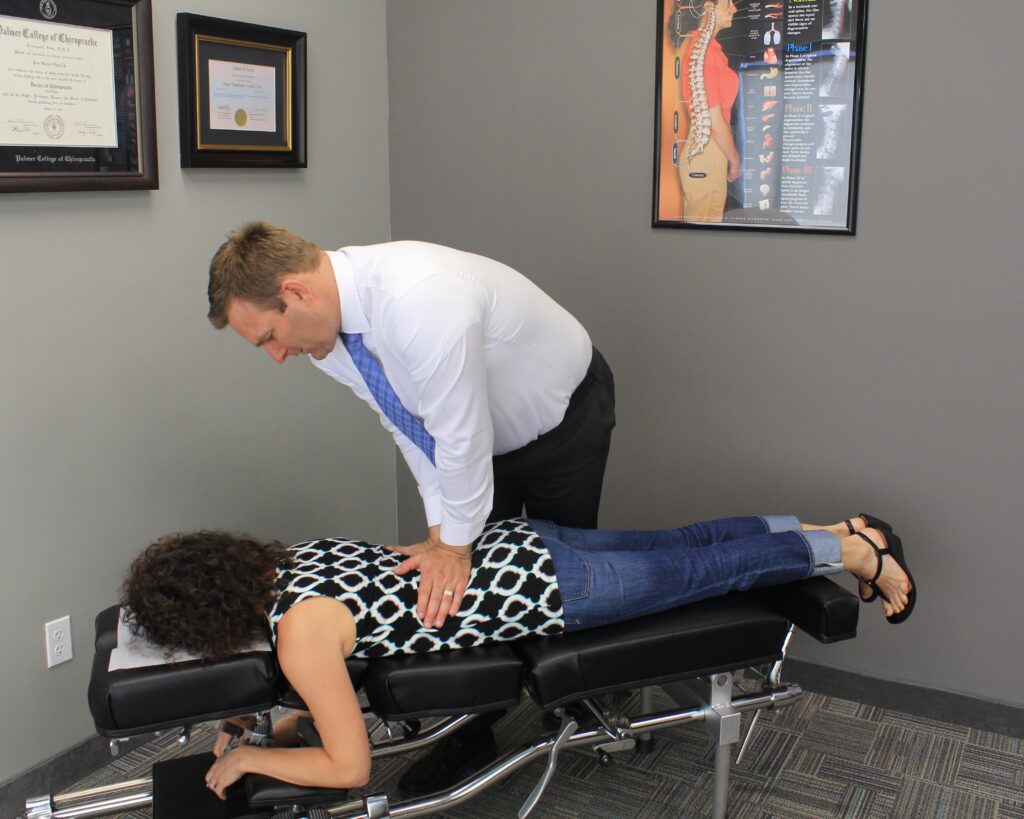
As a local chiropractor, I often see patients who struggle with the persistent discomfort of back pain. It's crucial to understand that there are effective, natural solutions available to alleviate this pain. One of the most impactful methods is through simple exercises that can enhance your core strength and flexibility, ultimately helping you maintain a pain-free back.
By incorporating a few targeted movements into your daily routine, you can significantly improve your overall back health. But which exercises should you prioritize for lasting relief? Let me guide you through some straightforward yet powerful options that can help you stay active and pain-free.
Remember, taking proactive steps towards your back health is an essential part of your overall well-being. These exercises, combined with regular chiropractic adjustments, can create a robust foundation for a healthier life. Let's work together to ensure you feel your best!
Benefits of Regular Exercise
As a chiropractor, I want to emphasize how regular exercise can significantly enhance your overall well-being, particularly when it comes to managing and preventing back pain. Engaging in consistent physical activity is essential for strengthening your core muscles, which play a vital role in supporting your spine and maintaining proper alignment. A strong core can significantly reduce the likelihood of discomfort or strain in your back during everyday activities.
In addition to core strength, regular exercise can greatly improve your posture. Many physical activities help develop awareness of body alignment, allowing you to sit and stand more effectively. Improved posture alleviates unnecessary pressure on your spine and the surrounding muscles, thereby reducing the risk of back pain.
Moreover, incorporating regular exercise into your routine increases flexibility and range of motion. Activities such as walking, swimming, or cycling enhance blood circulation throughout your body, including your back. Improved circulation is crucial as it delivers essential nutrients to your muscles and tissues, promoting quicker recovery from minor injuries or strains.
Let's not overlook the mental health benefits of regular exercise. Engaging in physical activity releases endorphins, which serve as natural painkillers and mood enhancers. A reduction in stress and an uplift in your mood can significantly help you cope with any back pain you might be experiencing.
Finally, committing to a consistent exercise routine fosters discipline and a sense of accomplishment. As you begin to notice improvements in your strength and mobility, you'll feel empowered to take charge of your health.
Stretching for Flexibility
As a local chiropractor, I want to emphasize the importance of incorporating stretching into your daily routine to enhance your flexibility, which is crucial for maintaining a healthy back. When your muscles and joints are flexible, they can move more freely, reducing tension and minimizing the risk of injury.
Regular stretching not only helps alleviate existing discomfort but also plays a vital role in preventing future issues by promoting proper alignment and movement patterns.
To begin, I recommend focusing on major muscle groups, particularly your hamstrings, hip flexors, and lower back. A simple yet effective stretch is the seated forward bend. Sit on the floor with your legs extended in front of you, reach your arms towards your toes, and gently lean forward. Hold this position for 15-30 seconds, taking deep breaths to help relax your muscles.
Another beneficial stretch is the cat-cow stretch. Start on all fours, ensuring that your hands are directly under your shoulders and your knees are aligned with your hips. As you inhale, arch your back (like a cow), lifting your head and tailbone. Then, as you exhale, round your back (like a cat), tucking your chin and pelvis.
Repeat this sequence for 5-10 breaths to increase flexibility in your spine.
Don't overlook the value of incorporating side bends and torso twists into your routine, as they can enhance flexibility in your oblique and back muscles. I recommend stretching at least three times a week, holding each stretch for 15-30 seconds.
With consistent practice, you'll likely notice improvements in your flexibility, leading to a healthier back and a more active lifestyle. Remember, flexibility is a key element in overall wellness, and I'm here to support you on your journey to better health!
Strengthening Your Core
As a chiropractor dedicated to your well-being, I want to emphasize the importance of strengthening your core for reducing back pain and enhancing overall stability.
Many patients may not realize that a strong core provides essential support for your spine, which is crucial in maintaining proper alignment and function. By incorporating effective core exercises into your routine, you can alleviate discomfort and improve your body's resilience.
It's important to remember that maintaining proper form during these exercises is key to maximizing their benefits and preventing injury.
I encourage you to explore different core strengthening techniques and consider incorporating them into your daily activities. If you're unsure where to start, don't hesitate to reach out for guidance—I'm here to help you on your journey to better health through natural healing methods.
Importance of Core Strength
As a local chiropractor, I want to emphasize how crucial core strength is in managing and preventing back pain. Many people often overlook this aspect, thinking core strength is solely about achieving a flat stomach. In reality, your core serves as the essential support system for your entire body. A robust core stabilizes your spine and pelvis, which can significantly enhance your posture and balance. This added stability helps to alleviate strain on your back, reducing the likelihood of pain and injury.
When your core is weak, other muscle groups, particularly those in your back, have to pick up the slack, leading to imbalances that can result in discomfort and chronic pain. By prioritizing core strength, you're not just safeguarding your back; you're also improving your overall physical performance. Whether you're lifting heavy objects or trying to maintain good posture at your desk, a strong core provides the stability you need.
Furthermore, core strength is vital for your daily activities. It enables you to move more efficiently and lowers your risk of falls, which becomes increasingly important as you age. Strengthening your core can lead to improved movement patterns and enhanced mobility, making everyday tasks much easier.
Effective Core Exercises
As a local chiropractor, I want to emphasize the importance of a strong core for your overall health and well-being. A well-developed core not only supports your spine but also enhances your stability and balance, which can prevent injuries and alleviate back pain.
Here are three effective exercises that I encourage you to incorporate into your daily routine:
- Plank: Start in a push-up position, but instead of balancing on your hands, rest on your forearms. Ensure your body forms a straight line from your head to your heels. Aim to hold this position for 30 seconds to a minute. Focus on engaging your abdominal muscles, as this is key to strengthening your core.
- Russian Twists: Sit on the floor with your knees bent and feet flat. Lean back slightly while maintaining a straight back. You can either hold a weight or clasp your hands together. Begin by twisting your torso to the right, then to the left. Try to complete 10-15 twists on each side. This exercise targets your obliques and enhances your rotational stability.
- Bird-Dog: Position yourself on all fours, ensuring your hands are directly under your shoulders and your knees under your hips. Extend your right arm forward while simultaneously stretching your left leg back, keeping your body stable. Hold this position for a few seconds, then switch sides. Aim for 10 repetitions on each side. This movement helps improve coordination and balance, which are vital for spinal health.
Incorporating these exercises into your routine can significantly contribute to maintaining core strength, which in turn supports your spinal health and can help alleviate any discomfort you may be experiencing.
Maintaining Proper Form
As a local chiropractor, I want to emphasize the importance of maintaining proper form during core exercises. This isn't only essential for maximizing the benefits of these workouts but also for preventing injuries that can arise from improper alignment.
When performing exercises such as planks or crunches, it's crucial to focus on your body alignment. Keep your back straight, steering clear of any arching or rounding, as this can lead to unnecessary strain on your spine.
Engaging your abdominal muscles is vital during each movement. You should feel your core working effectively, rather than putting undue stress on your neck or back. Additionally, pay attention to your breathing; exhale as you exert effort and inhale as you return to the starting position. This breathing rhythm can help maintain tension and stability in your core.
If you're incorporating exercises like bridges or leg raises into your routine, ensure that your hips are properly aligned with your knees and shoulders. Avoid allowing your hips to sag or rise too high—maintaining a neutral spine is key to a safe and effective workout.
Lastly, I encourage you not to rush through these movements. Slow, controlled motions enhance effectiveness and significantly reduce the risk of injury. If you experience any discomfort, take a moment to stop and reassess your form.
Exercises for Lower Back
As a local chiropractor dedicated to your well-being, I want to share some effective exercises that can help alleviate lower back pain and enhance your overall strength. Incorporating these exercises into your routine can't only relieve discomfort but also strengthen your core, which in turn provides better support for your spine.
Here are three exercises you can easily perform at home:
- Knee-to-Chest Stretch: Begin by lying on your back with your knees bent. Gently pull one knee toward your chest while holding it for 15-30 seconds. Then, switch legs and repeat. This stretch is excellent for relieving tension in your lower back and promoting flexibility.
- Bird-Dog: Start in a tabletop position on your hands and knees. Slowly extend your right arm forward while simultaneously extending your left leg behind you. Hold this position for a few seconds before returning to the starting point. Alternate sides. This exercise not only strengthens your core but also enhances stability, which is vital for a healthy back.
- Pelvic Tilts: Lie on your back with your knees bent and feet flat on the floor. Engage your abdominal muscles and gently flatten your lower back against the floor. Hold this position for a few seconds, then relax. Repeat this motion 10-15 times. Pelvic tilts are fantastic for building strength in both your lower back and abdominal muscles.
By integrating these exercises into your daily routine, you can create a solid foundation for your lower back health.
It's essential to listen to your body and consult with a healthcare professional if you experience any persistent pain. With consistency and dedication, you may notice a significant improvement in your lower back comfort and strength.
As your chiropractor, I'm here to support you on your journey to better health and wellness.
Upper Back and Shoulder Relief
As a local chiropractor, I understand that many of you may be unfamiliar with the benefits of chiropractic care and natural healing techniques.
If you're experiencing tension in your upper back and shoulders, I want to share some effective methods that can provide you with quick relief.
Incorporating targeted stretching techniques into your daily routine can significantly alleviate discomfort. These stretches help to release tight muscles and improve flexibility.
Additionally, strengthening exercises are crucial for enhancing your posture, which in turn can help reduce pain and prevent future issues.
By focusing on these approaches, you can't only feel better but also move more freely in your daily life.
I'm here to guide you through these methods and help you understand how chiropractic care can support your overall wellness.
Stretching Techniques
As a local chiropractor, I often see patients who experience upper back and shoulder tension, a common issue that can greatly affect your overall well-being.
Fortunately, incorporating simple yet effective stretching techniques into your daily routine can significantly enhance your comfort and flexibility. Here are three stretches I recommend:
- Neck Stretch: Begin by sitting or standing up straight. Gently tilt your head to one side, bringing your ear toward your shoulder. Hold this position for 15-30 seconds, then switch to the other side. This stretch is excellent for releasing tension in your neck and shoulders, which often contributes to discomfort.
- Shoulder Rolls: Whether you're seated or standing, roll your shoulders in a circular motion. Start by bringing your shoulders forward and upward toward your ears, then move them back and down. Repeat this motion 10 times. Shoulder rolls are great for improving circulation and alleviating tightness in the upper back.
- Cat-Cow Stretch: Position yourself on your hands and knees in a tabletop position. Inhale deeply as you arch your back, lifting your head and tailbone towards the ceiling (this is the cow position). Then, exhale as you round your spine, tucking your chin to your chest (the cat position). Flow through this movement 5-10 times. This stretch not only promotes spinal flexibility but also helps to relieve tension throughout your back.
Incorporating these stretching techniques into your routine can be a natural and effective way to manage tension and improve your overall health.
If you have any questions or want to learn more about how chiropractic care can support your wellness journey, feel free to reach out!
Strengthening Exercises
As a local chiropractor, I want to emphasize the importance of strengthening your upper back and shoulders for maintaining good posture and preventing discomfort. Many people are unaware that these muscles play a crucial role in your overall stability and can significantly reduce the risk of injury.
One of the foundational exercises I recommend is the seated row. To perform this exercise, sit up straight in a chair, grab a resistance band, and gently pull it towards you while squeezing your shoulder blades together. Aim for three sets of 10 to 15 repetitions. This simple movement can greatly enhance the strength of your upper back.
Another effective exercise is the wall angel. Stand with your back against a wall, raising your arms into a "W" position. Slowly slide your arms up into a "Y" shape while keeping your elbows and wrists in contact with the wall. This not only improves shoulder mobility but also strengthens the upper back. I suggest performing 10 to 12 repetitions of this exercise.
Don't overlook the plank! This exercise is often associated with core strengthening, but it also benefits your shoulders and upper back. Hold a plank position for 20 to 30 seconds, ensuring your body maintains a straight line throughout.
I encourage you to incorporate these exercises into your routine two to three times a week. By doing so, you'll likely notice improved posture, reduced tension, and a significant decrease in upper back discomfort.
Consistency is key, and your body will appreciate the effort you put into strengthening these vital areas. Remember, a strong back contributes to overall wellness!
Posture Improvement Techniques
As a chiropractor, I often see how vital good posture is for preventing and alleviating back pain. Many people aren't aware that the way you sit, stand, and move can have a profound impact on your spine's health. By paying attention to your posture, you can significantly reduce strain on your back and improve your overall well-being.
Here are three effective techniques I recommend to help you enhance your posture:
- Mind Your Sitting Position: When you're seated, make sure your feet are flat on the ground and your knees form a right angle. It's essential to keep your back straight and your shoulders relaxed. I often suggest using a chair that offers excellent lumbar support to help maintain the natural curve of your spine, which is crucial for spinal health.
- Stand Tall: When standing, aim to distribute your weight evenly across both feet. Keeping your shoulders back and aligning your head with your spine is essential. Picture a string pulling the top of your head toward the ceiling; this visualization can help you maintain an upright stance and prevent slouching, which can lead to discomfort and misalignment.
- Engage Your Core: A strong core is fundamental for maintaining good posture. I encourage my patients to incorporate exercises like planks or bridges into their fitness routines. Engaging your core muscles provides essential support for your spine and can help prevent slouching during everyday activities.
By implementing these techniques, you can contribute to your spinal health and overall wellness.
Daily Routine Integration
As a local chiropractor, I often emphasize the importance of integrating simple exercises into your daily routine to alleviate back pain and enhance overall well-being. You don't need to dedicate hours at the gym; small, consistent changes can lead to significant improvements in how you feel throughout the day.
To start, consider taking a few minutes for gentle stretching during your work or home breaks. Stretching can relieve muscle tension and boost your energy levels. When you wake up, dedicate a couple of minutes to morning stretches, which help loosen your muscles and prepare your back for the day ahead. Effective options include the cat-cow stretch or a gentle spinal twist.
As you go about your day, think about incorporating exercises like wall sits or calf raises while you wait for your coffee to brew or during TV commercials. These small movements can make a big difference over time.
If you find yourself sitting for prolonged periods, setting a timer to remind you to stand up and move is a great idea. Even a minute or two of walking can help keep your back engaged and reduce stiffness. You can also practice pelvic tilts while enjoying your favorite show, seamlessly blending these exercises into your daily activities.
Remember, incorporating these exercises should feel natural and not like a chore. By weaving them into your existing routine, you can't only prevent back pain but also foster a healthier lifestyle overall.
Consistency is key; the more these exercises become a part of your day, the easier it will be to maintain a pain-free back. As always, if you have any specific concerns or questions, feel free to reach out—I'm here to help you on your path to better health!
Tips for Consistency
As a local chiropractor dedicated to your well-being, I understand that maintaining a consistent exercise routine can be a challenge, especially when life gets hectic.
However, prioritizing your back health is crucial for achieving long-term relief and wellness. Here are some practical tips to help you stay committed to your exercise routine:
1. Establish a Regular Schedule: Consider your exercise sessions as important as any other appointment in your calendar.
Identify specific days and times each week that align with your lifestyle, and make a commitment to stick to them.
When exercise becomes a regular part of your routine, you're more likely to follow through.
2. Begin with Small Steps: If you're new to exercising or returning after a break, it's important not to overwhelm yourself.
Start with short sessions—perhaps just 10 minutes a day—and gradually increase the duration as you become more comfortable.
This gradual approach fosters a sustainable habit and helps prevent burnout.
3. Diversify Your Routine: To keep your exercises engaging, try mixing them up!
Incorporate various movements that target your back, core, and overall strength.
Not only does this help prevent boredom, but it also engages different muscle groups, enhancing your overall fitness and supporting your chiropractic care.
By following these tips, you can create a consistent exercise routine that complements your chiropractic treatment and fosters long-term health and well-being.
Conclusion
As a local chiropractor, I want to share how incorporating simple exercises into your daily routine can significantly help in managing and preventing back pain. Focusing on stretching, core strengthening, and posture improvement not only alleviates tension but also enhances your overall health and well-being. Even dedicating just 10 minutes each day to these exercises can yield positive results. It's essential to stay consistent, listen to your body's signals, and embrace the journey towards a healthier back. Remember, taking the first step towards a pain-free life is within your reach, and I'm here to guide you along the way!