As a local chiropractor, I understand that many athletes may not fully appreciate the crucial role that recovery plays in their overall performance. It's important to recognize that recovery is just as vital as the training itself. By prioritizing rest and incorporating active recovery techniques, you can significantly enhance muscle healing and flexibility. Have you thought about how proper nutrition and hydration can support your recovery efforts?
There are innovative recovery tools and methods available that can help you unlock your full potential. But the key is to personalize these strategies to align with your specific needs and goals. Together, we can uncover the steps to customize your recovery journey effectively. Embracing chiropractic care and natural healing can be a game-changer in optimizing your recovery process. Let's explore how we can work together to enhance your athletic performance through proper recovery techniques.
The Importance of Recovery
As a local chiropractor, I want to emphasize the critical role recovery plays in your overall health and athletic performance. Many people think recovery is merely about taking a break, but it's much more profound than that. It involves allowing your body, especially your muscles and joints, to heal, regain energy, and prevent injuries. Neglecting this essential phase can lead to fatigue, reduced performance, and even burnout.
First and foremost, it's essential to listen to your body. If you're experiencing soreness or fatigue after a rigorous workout, it's a clear indication that your body needs time to recuperate. Prioritizing rest days allows your muscles to repair and prepares you for the next challenge. Some may feel the need to push through pain, but as a chiropractor, I can tell you that this approach often leads to more significant problems down the road. It's okay to give yourself permission to rest and heal.
Incorporating active recovery into your routine can also be beneficial. Gentle activities such as light stretching, walking, or yoga can increase blood flow to your muscles, promoting recovery without adding extra strain.
Hydration is another crucial element in this process. Make sure you're drinking enough water before, during, and after your workouts. Proper hydration supports your body's recovery and ensures optimal performance.
Nutrition is equally important. After a workout, fueling your body with the right nutrients is vital for muscle repair and energy replenishment. Aim for a balanced diet filled with protein, healthy fats, and complex carbohydrates to support your recovery efforts.
Remember, recovery shouldn't be an afterthought; it's a vital component of your overall training regimen. By embracing recovery as an integral part of your health journey, you can enhance your performance and improve your overall well-being.
If you have any questions or need guidance on how to implement effective recovery strategies, don't hesitate to reach out to your local chiropractor. We're here to help you thrive!
Innovative Recovery Techniques
As a local chiropractor, I want to share some insights on how innovative recovery techniques can significantly enhance your healing process. Many people are unaware of how active recovery strategies and the latest advancements in technology can transform your recovery after intense physical activity.
Let's delve into these exciting methods that can support your journey toward better health and wellness.
Active recovery strategies involve gentle movements or exercises that promote blood flow and help reduce muscle soreness, making it easier for you to bounce back.
Meanwhile, advanced technologies—such as electrical stimulation and infrared therapy—can aid in reducing inflammation and accelerating tissue repair.
Active Recovery Strategies
As a local chiropractor, I want to share some insights about active recovery strategies that can greatly benefit your overall health and performance, particularly if you're involved in regular physical activity.
Instead of taking a complete rest after intense workouts, I encourage you to consider engaging in low-intensity activities that promote blood circulation and muscle recovery. Activities like light jogging, cycling, or swimming can help your body flush out lactic acid and alleviate soreness.
In addition, incorporating dynamic stretching or yoga into your routine can significantly aid in your recovery process. These practices not only enhance flexibility but also promote relaxation, which is crucial for effective muscle repair.
If you experience tightness in certain areas, foam rolling can be an excellent technique to release tension and improve blood flow.
I also recommend scheduling active recovery days within your training plan. These days should focus on gentle movements that keep you engaged without overexerting your body. Simple activities like walking or participating in recreational sports can make a noticeable difference in your recovery.
It's important to listen to your body throughout this process. If you ever feel fatigued, don't hesitate to adjust the intensity of your active recovery activities.
By embracing these natural healing strategies, you'll not only speed up your recovery but also lay a solid foundation for improved performance in your future workouts.
Advanced Technology Applications
As a local chiropractor, I want to share how advanced technology applications are transforming the way we approach sports recovery and overall wellness. Many people may not be familiar with how these innovations can support your healing process after intense workouts or injuries, but they can play a crucial role in your recovery.
For instance, modalities like cryotherapy and infrared saunas are becoming increasingly popular among athletes and fitness enthusiasts. By exposing your body to extreme cold or heat, these treatments can significantly reduce muscle soreness and inflammation. This helps enhance blood circulation, which is vital for promoting quicker recovery.
Another exciting development is the rise of wearable technology. Devices such as smartwatches and fitness trackers provide real-time monitoring of essential metrics like your heart rate, sleep patterns, and recovery progress. By analyzing this data, you can customize your recovery routine to meet your specific needs, allowing you to track improvements and adjust your workout intensity effectively. This proactive approach helps to prevent burnout and reduces the risk of injury.
Additionally, electrical stimulation devices, like TENS units, are fantastic tools for alleviating pain and speeding up recovery. They're user-friendly and can be easily incorporated into your home recovery regimen, offering convenience alongside effective relief.
Lastly, I want to highlight the use of virtual reality in recovery programs. This innovative approach offers immersive experiences that can distract your mind from pain while allowing your body to engage in gentle movements. It's a unique way to support your recovery journey.
Nutrition for Optimal Recovery
As a local chiropractor, I want to emphasize the importance of nutrition in your recovery process, especially after engaging in intense physical activities.
It's crucial to pay attention to the essential nutrients your body needs to heal effectively. In addition to chiropractic care, proper timing of nutrient intake and maintaining hydration are key factors that can significantly aid in muscle recovery and energy replenishment.
By incorporating the right foods and fluids into your routine, you can enhance the healing process and support your overall wellness.
Let's delve into how these nutritional elements can complement your chiropractic treatments and enhance your recovery journey. Understanding and implementing these strategies can lead to optimal healing and improved physical performance.
Essential Nutrients for Recovery
As a local chiropractor dedicated to your overall health and wellness, I want to emphasize the critical role that proper nutrition plays in recovery. It's essential to prioritize certain nutrients to enhance not just your physical performance but your overall well-being.
Let's start with carbohydrates. They're vital for replenishing glycogen stores after intense physical activity, which is crucial for recovery. Including whole grains, fruits, and vegetables in your diet can effectively refuel your body after workouts and support your chiropractic care.
Next, we've protein, which is integral for muscle repair. Focus on incorporating lean sources like chicken, fish, beans, and legumes into your meals. These foods play a significant role in supporting tissue regeneration, which is particularly important if you're undergoing chiropractic adjustments or therapies.
Don't forget about healthy fats! Foods rich in omega-3 fatty acids, such as salmon and walnuts, can help reduce inflammation and promote faster recovery. This is especially relevant for anyone experiencing discomfort or pain, as reducing inflammation can aid in your healing process.
Hydration is another key aspect of recovery. Proper hydration helps transport nutrients throughout your body and is essential for muscle function. Keep a water bottle with you and make it a habit to sip water consistently, particularly after exercise or any chiropractic sessions.
Lastly, let's talk about vitamins and minerals. These micronutrients, including vitamin C, vitamin D, and magnesium, play a substantial role in recovery and immune function. Eating a colorful variety of fruits and vegetables will ensure you're receiving a broad spectrum of these essential nutrients.
Timing Your Nutrient Intake
As a local chiropractor, I want to emphasize the importance of timing your nutrient intake to enhance your recovery process, especially if you're engaging in physical activities or treatments that require healing. Proper nutrition can play a vital role in how well your body heals and functions.
After any physical exertion or chiropractic adjustment, your body is in a state where it craves a combination of carbohydrates and protein. It's crucial to refuel within 30 minutes of your workout or adjustment, as this timeframe is key for replenishing energy stores and aiding in muscle repair.
For optimal recovery, I recommend a nutrient ratio of 3:1 or 4:1 carbohydrates to protein. This not only supports muscle recovery but also helps minimize any soreness you might experience.
If you happen to miss that initial window, don't stress. Just ensure that you consume a balanced meal within two hours that includes protein, healthy fats, and complex carbohydrates to keep your recovery on track.
In the days following your physical activity, it's important to maintain a consistent intake of nutritious foods to support your ongoing recovery. Incorporate lean proteins, whole grains, fruits, and vegetables into your meals.
These nutrients are essential for rebuilding and strengthening your body, helping you to feel your best and promoting overall health. Remember, nutrition is a key component of the healing process, and I'm here to help guide you on your journey to natural healing and wellness!
Hydration's Role in Recovery
As a local chiropractor, it's essential for me to emphasize the importance of hydration in your recovery process. While nutrition is crucial, hydration plays an equally vital role in how your body heals and performs. When you engage in physical activity, your body loses fluids through sweat, and it's important to replace those fluids to avoid dehydration, which can hinder your recovery and overall well-being.
Here are several reasons why staying hydrated is critical for your recovery:
- Enhanced Nutrient Delivery: Water is crucial for transporting essential nutrients to your muscles. This helps accelerate recovery and can significantly reduce muscle soreness, making it easier for you to get back to your routine.
- Body Temperature Control: Proper hydration helps regulate your body temperature. This is important because maintaining a stable temperature allows your body to recover more efficiently, minimizing additional stress on your system.
- Joint Health: Hydration is key to keeping your joints lubricated. This is particularly important for those of you who may be experiencing joint pain or stiffness. Adequately lubricated joints can help prevent injuries and support your ability to engage in physical activities.
To optimize your recovery, I encourage you to drink water consistently throughout the day, especially after your workouts. If you've had an intense session, consider incorporating electrolyte-rich beverages to replenish lost minerals.
Holistic Practices to Consider
As a local chiropractor, I believe that while traditional recovery methods are important, incorporating holistic practices can significantly enhance your overall well-being.
These approaches not only focus on your physical recovery but also support your mental and emotional health, leading to a more balanced healing experience.
One holistic practice I highly recommend is mindfulness and meditation. Just a few minutes each day dedicated to deep breathing and centering your thoughts can reduce stress and enhance your focus.
This mental clarity can translate into better performance in your daily activities and workouts. You might consider using guided meditation apps or simply taking a moment to sit in silence, allowing your mind to settle.
Yoga is another practice worth considering. This ancient discipline not only improves flexibility and strength but also promotes relaxation and stress relief.
Regular yoga sessions can prevent injuries, enhance your range of motion, and support muscle recovery. Even a brief daily routine can yield significant benefits for your body.
Aromatherapy is a wonderful addition to your recovery regimen as well. Utilizing essential oils like lavender and eucalyptus can create a soothing environment, helping you unwind after strenuous activities.
You can use a diffuser to disperse the scent throughout your space or apply diluted oils directly to your skin for additional benefits.
Lastly, it's essential not to underestimate the role of nutrition in your healing journey. Incorporating whole, nutrient-dense foods into your diet can significantly support your body's recovery processes.
I recommend consulting with a nutritionist who can help create a personalized nutrition plan tailored to your specific health needs.
Tools and Gadgets for Recovery
As a local chiropractor, I often emphasize the importance of recovery in maintaining optimal health and wellness. There are several innovative tools and gadgets that can significantly aid your recovery process, helping you bounce back more efficiently from intense workouts, minimizing soreness, and enhancing your overall physical performance.
One of the most effective tools I recommend is the foam roller. This handy device is excellent for self-myofascial release, which can alleviate muscle tightness and improve blood circulation. Spending just a few minutes rolling out sore areas can truly transform how you feel and aid in your recovery.
Another invaluable tool is the percussion massage gun. This device works by delivering rapid bursts of pressure to your muscles, promoting relaxation and relieving tension. I often suggest using a massage gun after workouts, as it can expedite recovery and improve flexibility—essential for maintaining an active lifestyle.
Lastly, I encourage my patients to consider compression sleeves. These sleeves provide consistent pressure to your muscles, which can significantly help reduce swelling and enhance circulation. Many people find that wearing them during or after their workouts can noticeably speed up their recovery time.
By incorporating these tools into your routine, you can streamline your recovery process and continue to feel your best. Remember, proper recovery is a vital part of any fitness regimen, and these gadgets can help support your journey toward better health.
- Foam Roller
- Percussion Massage Gun
- Compression Sleeves
Creating a Personalized Recovery Plan
Creating a personalized recovery plan is essential for anyone looking to enhance their overall well-being and physical performance, and as your local chiropractor, I'm here to guide you through this process. To begin, it's important to evaluate your individual needs, goals, and the specific demands of your activities. Take some time to reflect on your training intensity, frequency, and any discomfort or injuries you may be experiencing. Understanding these aspects will empower you to develop a tailored recovery approach.
Next, consider incorporating a variety of recovery methods that resonate with your body. These may include active recovery sessions, gentle stretching, foam rolling, or even practices like yoga. It's vital to listen to your body and identify which techniques alleviate tension and restore your energy.
Additionally, nutritional strategies play a significant role; for instance, post-workout meals rich in protein and carbohydrates can significantly enhance muscle recovery.
Don't forget the importance of scheduling rest days in your recovery plan. Allowing your body time to heal and rejuvenate is crucial for long-term health. I also recommend using tools such as a recovery journal or a tracking app to monitor your progress. This will help you understand what works best for you and inform adjustments as needed.
Lastly, remain adaptable. Your recovery plan should evolve in response to changes in your training intensity or daily schedule. Regularly revisit your goals and modify your strategies accordingly.
Conclusion
As a local chiropractor, I want to share how incorporating effective recovery strategies into your routine can significantly enhance your athletic performance. Prioritizing rest and embracing innovative techniques are key components of a holistic approach to healing. Coupled with proper nutrition, these strategies can help your body recover more efficiently and effectively.
It's important to remember that using the latest tools to track your progress allows you to stay adaptable in your recovery journey. A personalized recovery plan tailored to your unique needs can not only facilitate muscle healing but also promote long-term health benefits.
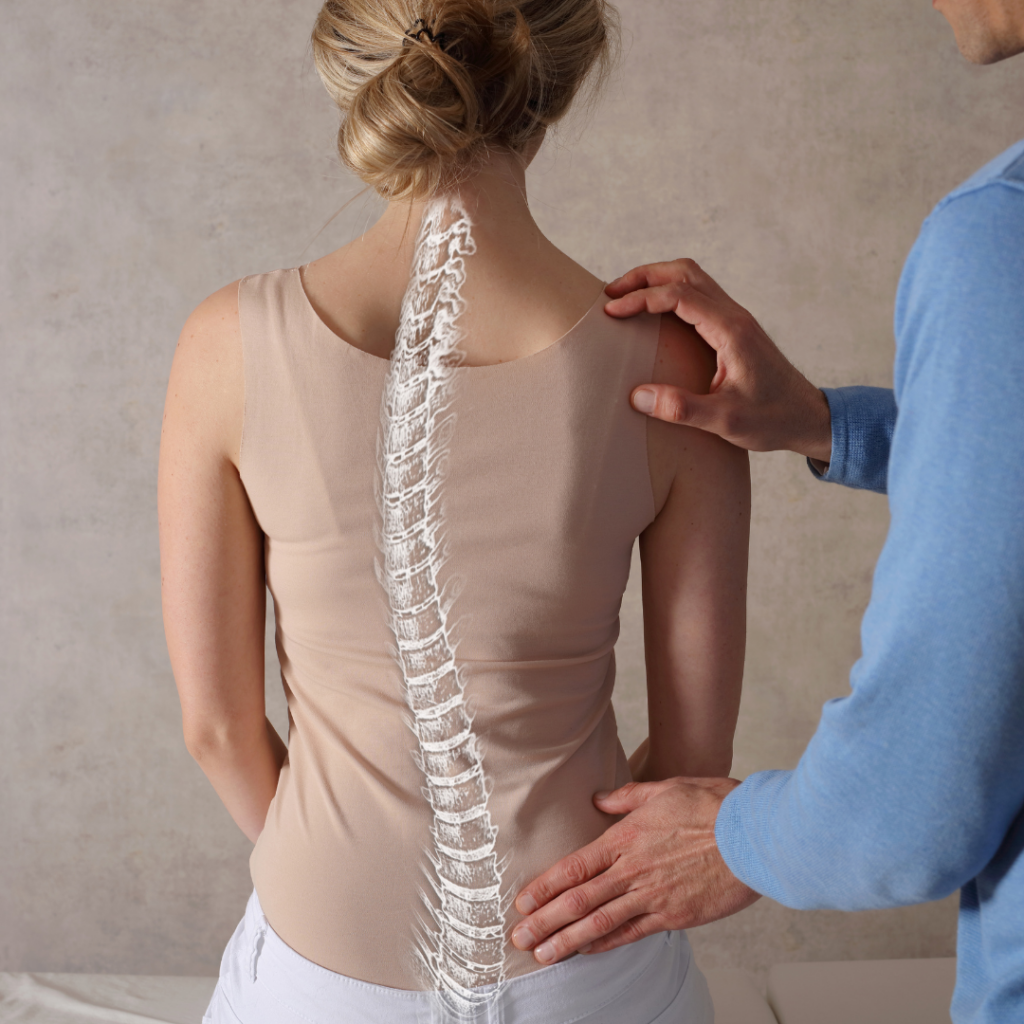
Chiropractic care can play a pivotal role in this process by addressing any underlying issues that may impede your recovery. By aligning your spine and optimizing your nervous system function, we can help your body perform at its best.
Start revitalizing your sports recovery journey today—your body will truly thank you for it! If you have any questions about how chiropractic care can support your recovery, feel free to reach out.