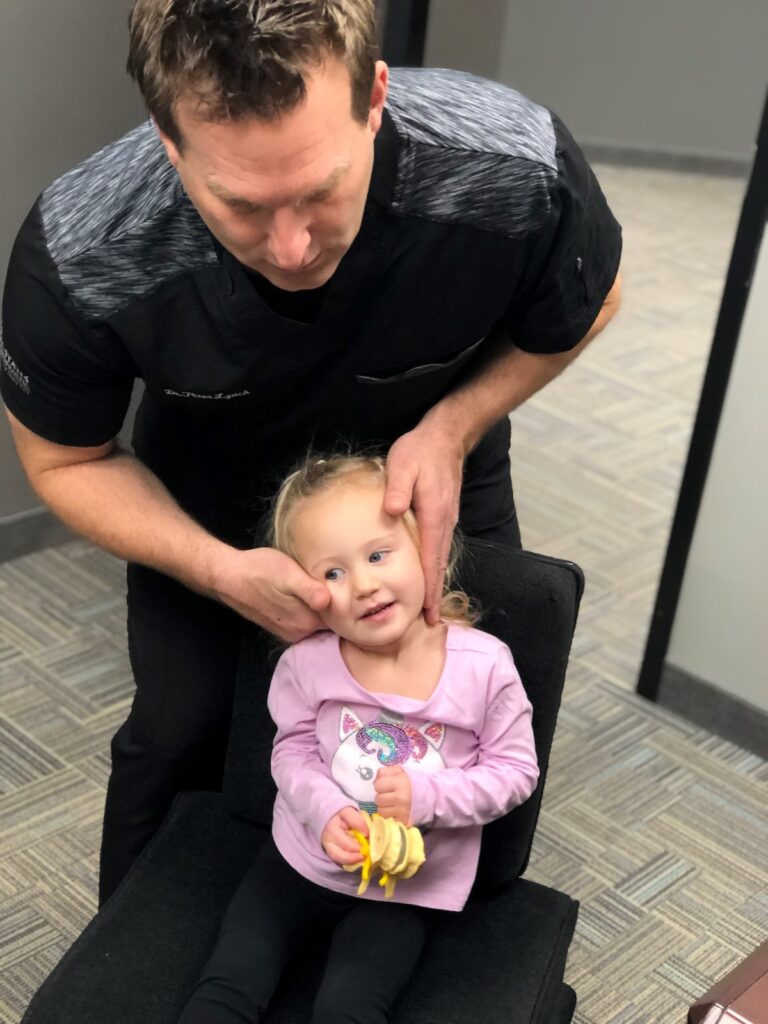
If you're dealing with upper back pain, know that you're not alone, and there are effective ways to find relief that don't necessarily require medication.
As a chiropractor, I want to help you understand how your body works and the importance of maintaining good posture, especially in your workspace. Simple adjustments can make a significant difference in your comfort levels.
Incorporating targeted stretching and strengthening exercises into your routine can alleviate discomfort and promote better overall health.
It's essential to look beyond just the symptoms; understanding the root causes of your pain is crucial for long-term relief.
Through a combination of chiropractic care, education, and self-care techniques, we can work together to transform how you feel on a daily basis.
Let's explore the steps you can take to improve your upper back pain naturally and effectively.
Understanding Upper Back Pain
As a local chiropractor, I want to help you understand upper back pain and its common causes and symptoms. Many of my patients describe feelings of tightness, stiffness, or a dull ache in their upper back, which can often extend to the shoulders or neck. This discomfort can significantly impact your daily activities, making it difficult to sit, stand, or even get a good night's sleep. Recognizing these signs early on is crucial for effective management and treatment.
One key area to consider is your posture. Many people don't realize that poor posture—especially during long hours at a desk or while using your phone—can lead to muscle tension and strain. If you find yourself slouching, it puts added stress on your upper back muscles, leading to discomfort. Additionally, if you frequently engage in repetitive movements or lift heavy objects without proper technique, you may unknowingly be putting your back at risk.
It's also important to acknowledge the role of stress and anxiety in upper back pain. These emotional factors can lead to muscle tension that manifests as pain or discomfort in your back. Understanding how stress affects your body is a vital part of managing your symptoms and overall well-being.
Moreover, I encourage you to evaluate your physical activity levels. A sedentary lifestyle can weaken your back muscles, making them more susceptible to pain. Regular movement and exercise are essential to keeping your muscles strong and flexible, which can greatly reduce the likelihood of discomfort.
As your chiropractor, I'm here to guide you through natural healing methods that can alleviate your upper back pain and improve your quality of life. Together, we can develop a personalized plan that addresses the underlying causes of your discomfort and helps you achieve a healthier, pain-free lifestyle.
Common Causes of Discomfort
As a local chiropractor, I want to help you understand that upper back pain is a common issue that many people experience, often due to poor posture habits and muscle strain or injury. If you find yourself slouching at your desk or lifting heavy objects incorrectly, these actions may be contributing to your discomfort. By recognizing these common causes, you can take the first step toward finding relief. Chiropractic care focuses on natural healing methods to address these issues and restore balance to your body. Together, we can work on improving your posture and strengthening the muscles in your back to prevent further pain and enhance your overall well-being.
Poor Posture Habits
As your local chiropractor, I want to shed light on a common issue that many of my patients face: poor posture. Many people don't realize how significantly poor posture can contribute to upper back pain. When you slouch or hunch over—whether you're sitting at your desk or standing—it puts undue strain on your upper back muscles. Over time, this persistent pressure can lead to discomfort and stiffness that can affect your daily life.
Consider how often you find yourself leaning forward to check your phone or work on your computer. This habit can disrupt the natural alignment of your spine. Similarly, if you're not using an ergonomic chair or maintaining proper lumbar support while seated, it's all too easy to fall into poor posture habits.
Furthermore, spending long hours in front of a screen without taking breaks can cause you to overlook how your posture may be deteriorating. Even seemingly minor habits, like carrying your bag on one shoulder or allowing your head to lean too far forward, can add to the strain on your back.
To start addressing these issues, I encourage you to pay close attention to your posture throughout the day. Straightening your back, keeping your shoulders relaxed, and regularly adjusting your position can significantly alleviate the impact of poor posture. Remember, making small adjustments now can lead to considerable relief from upper back pain in the long run. As your chiropractor, I'm here to support you on your journey to better health and natural healing.
Muscle Strain and Injury
As a local chiropractor, I want to emphasize the importance of caring for your musculoskeletal health, especially when it comes to preventing muscle strains in your upper back. Many people unknowingly put their muscles at risk by engaging in physical activities without proper warm-up or technique. Straining your upper back can happen due to common activities like lifting heavy objects incorrectly, making sudden movements, or pushing yourself too hard during workouts. Even everyday actions, such as reaching for something on a high shelf or twisting in an awkward way, can lead to discomfort and injury.
If you're experiencing symptoms such as dull aches, sharp pains, or stiffness in your upper back, it's crucial to pay attention. Prolonged periods of sitting can tighten your muscles, making you more vulnerable to injuries when you finally move. Ignoring these warning signs may lead to more serious issues, including chronic pain and limited mobility.
To keep your upper back healthy and prevent strains, I recommend always warming up your body before any physical activity. Incorporating strengthening exercises specifically for your upper back can be incredibly beneficial, along with practicing proper lifting techniques. If you do find yourself with a muscle strain, take the time to rest the affected area, apply ice, and once the pain has subsided, consider gentle stretching to promote healing.
Importance of Good Posture
As a local chiropractor, I want to emphasize the vital role that good posture plays in your overall health and well-being. Think of your posture as the sturdy foundation of a house; it supports not just your spine but your entire body. Maintaining proper alignment can significantly reduce the strain on your muscles and ligaments, helping to prevent discomfort, particularly in the upper back. In our fast-paced world, where many of us find ourselves hunched over screens for extended periods, it's easy to overlook the importance of posture. However, making a conscious effort to improve it can lead to remarkable changes in how you feel.
When you sit or stand with good posture, your body works more efficiently. This alignment allows your organs to function optimally, promotes better breathing, and enhances circulation. You may not realize it, but slouching can compress your lungs and restrict blood flow, which can lead to feelings of fatigue and discomfort over time.
Beyond the physical benefits, good posture can also enhance your confidence. Standing tall not only projects an image of strength and self-assurance but can also positively influence your interactions and how others perceive you.
To start improving your posture, I encourage you to be mindful of your body alignment throughout the day. Whether you're seated at your desk or standing in line, take a moment to check in with yourself. Are your shoulders relaxed? Is your back straight? Regularly reminding yourself to adjust your posture can lead to lasting habits that alleviate pain and promote better health.
Incorporating good posture into your daily routine is a simple yet powerful approach to supporting your upper back and enhancing your overall well-being. As your chiropractor, I am here to guide you on this journey toward better posture and natural healing. Let's work together to ensure your body is functioning at its best!
Stretching Exercises for Relief
As a local chiropractor, I want to share with you some effective stretching exercises that can help alleviate upper back pain. Many of my patients experience discomfort due to poor posture or prolonged sitting, and incorporating these stretches into your daily routine can make a significant difference in your overall well-being.
Let's begin with the Cat-Cow stretch. To perform this exercise, get on all fours with your wrists positioned directly under your shoulders and your knees under your hips. Inhale deeply as you arch your back, lifting your head and tailbone towards the ceiling (this is the Cow position). Then, exhale as you round your spine and tuck your chin to your chest (this is the Cat position). Repeat this sequence for 5-10 cycles, and focus on your breath as you do so. This movement helps mobilize your spine and loosen up tight muscles.
Next, I recommend the Child's Pose. Kneel on the floor and sit back on your heels. Stretch your arms forward on the ground while lowering your forehead to the floor. Hold this position for 30 seconds to a minute. You'll feel a gentle stretch along your spine and shoulders, which can be incredibly soothing.
Another valuable stretch is the Thoracic Extension. Whether sitting or standing, maintain a tall posture and interlace your fingers behind your head. Gently pull your elbows back while arching your upper back. Hold this position for 15-20 seconds, and you should feel a beneficial stretch across your chest and upper back, helping to counteract the forward hunch that often accompanies desk work.
Lastly, I encourage you to try the Wall Angels stretch. Stand with your back against a wall and raise your arms in a "W" position. Slowly slide your arms up into a "Y" shape while keeping your shoulders pressed against the wall. Return to the starting position and repeat for 10 repetitions. This exercise is excellent for promoting shoulder mobility and improving posture.
Incorporating these stretches into your daily routine can support your chiropractic care and enhance your overall health. Remember, regular movement and stretching are key to maintaining flexibility and reducing discomfort. If you have any questions or need personalized guidance, don't hesitate to reach out!
Strengthening Your Back Muscles
As a local chiropractor dedicated to educating my patients about natural healing and overall well-being, I want to emphasize the importance of strengthening your back muscles, particularly in the context of preventing and alleviating upper back pain. While stretching is crucial for maintaining flexibility, having a strong back provides essential support to your spine, improves your posture, and reduces strain on your muscles and ligaments. Here are three effective exercises that I encourage you to incorporate into your routine to help strengthen those vital back muscles:
- Lat Pulldowns: This exercise can be performed using a cable machine. Begin by sitting down and securing your knees under the pad. Grasp the bar with a grip wider than shoulder-width, and pull it down toward your chest. Take your time to return it to the starting position slowly. I recommend aiming for 3 sets of 10-12 repetitions, which can significantly contribute to your upper back strength.
- Bent-Over Rows: Using a pair of dumbbells, hinge at your hips while keeping your back straight. Let your arms hang down in front of you, then pull the weights up towards your torso, squeezing your shoulder blades together at the top of the movement. Lower the weights back down carefully. Try to complete 3 sets of 10-12 reps. This exercise is fantastic for reinforcing your upper and middle back.
- Supermans: For this exercise, lie face down on a mat with your arms extended in front of you. Together, lift your arms, chest, and legs off the ground, holding the position for a few seconds before gently lowering them back down. Aim for 3 sets of 10-15 repetitions. Supermans are an excellent way to engage your entire back and improve core stability.
Ergonomic Workspace Setup
As a local chiropractor, I want to emphasize the importance of setting up an ergonomic workspace to alleviate upper back pain and promote overall wellness. Many people are unaware of how critical their workspace setup is for their health.
First, let's talk about desk height. Adjusting your desk to a comfortable height can help maintain proper posture, reducing strain on your back. It's essential that your chair provides adequate support for your lower back, as this can significantly impact your spinal alignment.
Additionally, positioning your monitor at eye level is crucial. This helps to avoid unnecessary neck and shoulder strain, which can contribute to discomfort. By implementing these straightforward changes, you can create a workspace that not only enhances your comfort but also boosts your productivity.
Desk Height Adjustment
As a chiropractor, I want to emphasize the importance of having an ideal desk height for your overall comfort and productivity. Proper desk height can greatly influence your posture, which is crucial in preventing upper back pain and other musculoskeletal issues. Here are some key points to consider when adjusting your workspace for optimal desk height:
- Elbow Position: Make sure your elbows are positioned at a 90-degree angle or slightly more open when your hands are on the keyboard. This alignment promotes better circulation and helps reduce strain on your shoulders, which is essential for maintaining spinal health.
- Screen Level: The top of your monitor should be aligned with your eye level or slightly below it. This positioning prevents you from tilting your head forward or backward, which can lead to discomfort and tension in your neck and upper back.
- Feet Placement: Your feet should be flat on the floor or resting on a footrest. Keeping your feet grounded not only stabilizes your lower body but also supports a more ergonomic seated position, which can enhance your overall well-being.
Chair Support Features
As a local chiropractor, I often emphasize the importance of a well-designed ergonomic workspace to help you maintain your health and reduce the risk of discomfort, particularly upper back pain. One of the key elements in achieving this is the support features of your chair.
A chair with adjustable lumbar support can be a game-changer. This feature allows you to tailor the support for your lower back, which not only promotes better posture but also helps to alleviate strain on your upper back. When your spine is properly supported, you're less likely to develop tension or pain.
Additionally, I recommend looking for chairs with adjustable armrests. Proper arm support is crucial; your armrests should allow your arms to rest comfortably while keeping your shoulders relaxed. If the armrests are not at the right height, you may find yourself hunching your shoulders, which can lead to increased tension and discomfort.
Seat height and depth are also vital considerations. Ideally, when seated, your feet should rest flat on the floor, and your knees should be at or slightly below hip level. This alignment is essential for maintaining proper spinal health.
Lastly, don't underestimate the value of good cushioning and breathable materials in your chair. Opt for something that provides adequate support without causing discomfort, especially during long hours of work. By prioritizing these ergonomic qualities in your chair, you can create a workspace that minimizes strain on your body and promotes your overall well-being. Remember, your comfort directly impacts your health, so take the time to choose wisely!
Monitor Positioning Tips
As your local chiropractor, I want to emphasize that creating an ergonomic workspace is essential for your overall health, especially when it comes to preventing upper back pain. While proper chair support is important, the way you position your monitor plays a crucial role in maintaining a healthy posture and reducing strain on your body. Here are three vital tips to help you set up your monitor for optimal alignment:
- Height: It's important to position your monitor at eye level. When you sit up straight, your eyes should naturally meet the top third of the screen. This alignment helps you avoid leaning forward or looking down, which can lead to unnecessary tension in your neck and back.
- Distance: Aim to place your monitor about an arm's length away from your body. This distance not only helps prevent eye strain but also encourages better posture. If you find yourself squinting to see the screen, it could be too far away or not large enough for comfortable viewing.
- Angle: Tilting your monitor slightly upward, between 10 to 20 degrees, can make a significant difference. This angle helps reduce glare and creates a more comfortable viewing experience, allowing you to keep your head in line with your spine.
Heat and Cold Therapy
As a local chiropractor, I want to share some valuable insights on how you can find relief from upper back pain through the natural methods of heat and cold therapy. Both techniques can be incredibly effective, but they serve different purposes in supporting your healing process.
When you apply heat to your upper back, it increases blood circulation in the area, which promotes healing and helps to relax tight muscles. You can achieve this soothing effect by using items like a heating pad, a hot water bottle, or even enjoying a warm shower. Just be sure to keep the temperature at a comfortable level to prevent burns, and limit your heat sessions to about 15-20 minutes.
Conversely, cold therapy is excellent for reducing inflammation and numbing sharp pain. You can use ice packs or even a bag of frozen vegetables wrapped in a towel. This method is particularly beneficial if you've recently strained your back. Apply the cold for 15-20 minutes, especially after any activities that may have aggravated your discomfort.
In my experience, many patients find that alternating between heat and cold therapy provides the best relief. Start with cold therapy to help reduce inflammation, and then switch to heat to relax those tense muscles. This combination can significantly enhance your overall comfort and improve mobility in your upper back.
Listening to your body during this process is crucial. If you notice an increase in pain or discomfort, it's important to stop the therapy right away. And remember, if your pain persists, don't hesitate to reach out to a healthcare professional like myself. I can provide personalized recommendations tailored to your specific situation.
Consistency is key to seeing results, so I encourage you to incorporate these therapies into your daily routine. By doing so, you're taking an important step toward natural healing and overall well-being.
Mindfulness and Relaxation Techniques
As a local chiropractor, I want to share with you how incorporating mindfulness and relaxation techniques into your daily routine can significantly enhance your experience with upper back pain. Focusing on the present moment and calming your mind can help reduce the tension and stress that often contribute to discomfort. Here are three effective techniques that you can easily integrate into your day:
- Deep Breathing: Begin by finding a comfortable position, whether sitting or lying down. Close your eyes and take a deep breath in through your nose, allowing your abdomen to expand fully. Exhale slowly through your mouth. Repeat this process for several minutes, concentrating on the rhythm of your breath. This practice can help lower your heart rate and ease muscle tension, promoting an overall sense of relaxation.
- Progressive Muscle Relaxation: Find a quiet space to lie down. Start with your toes by tensing the muscles for about five seconds before releasing them. Gradually work your way up your body—moving to your calves, thighs, abdomen, and so forth—tensing and relaxing each muscle group. This technique enhances your awareness of where you may be holding tension, enabling you to consciously release it, which can be beneficial for your spinal health.
- Mindful Stretching: Engage in gentle stretches that specifically target your upper back. As you stretch, take the time to pay attention to how your body feels. This not only improves flexibility but also fosters a sense of calm. By combining mindfulness with movement, you can enhance your body awareness, which will help you identify areas of tightness or discomfort that may be contributing to your pain.
When to Seek Professional Help
While mindfulness and relaxation techniques can certainly help alleviate upper back pain, there are important times when seeking professional help from a chiropractor can be beneficial. If your discomfort persists despite your best self-care efforts, I encourage you to consult with a healthcare provider, particularly one specializing in chiropractic care. Chronic pain may point to underlying issues that require more than just self-managed techniques.
It's essential to reach out if you're experiencing severe pain that hinders your daily activities or disrupts your sleep. Additionally, if you notice any numbness, tingling, or weakness in your arms or legs, these symptoms should not be ignored, as they may indicate nerve involvement that a chiropractor can help assess and treat.
If your pain arises after an injury or accident, seeking chiropractic care is crucial. We can help rule out more serious concerns, such as fractures or herniated discs, and provide you with a tailored treatment plan to address any misalignments or dysfunctions in your spine.
If you have a history of health issues like cancer or osteoporosis, don't overlook any new or worsening back pain. A chiropractor can help evaluate your condition and determine the best course of action for your recovery.
Moreover, it's important to pay attention to your emotional well-being. If your pain is causing you anxiety or depression, discussing these concerns with a chiropractor can offer you insights into holistic approaches to healing. Addressing both physical and mental aspects of pain is vital for overall recovery.
Ultimately, trust your instincts when it comes to your health. If something feels off or your pain isn't improving, reaching out to a chiropractor can lead to a personalized treatment plan that targets the root cause of your upper back pain, helping you to regain your quality of life.
Lifestyle Changes for Prevention
As a local chiropractor, I want to share some valuable tips to help you prevent upper back pain. One of the first steps is to create an ergonomic workstation that supports your posture. This means adjusting your chair, desk, and computer screen to promote a healthy alignment while you work. Additionally, incorporating regular stretching exercises into your daily routine can make a significant difference in how you feel. These simple lifestyle changes not only alleviate discomfort but also enhance your overall well-being. Remember, taking care of your body now can lead to a healthier, pain-free future!
Ergonomic Workstation Setup
As a local chiropractor, I want to share how creating an ergonomic workstation can significantly alleviate upper back pain and enhance your overall well-being. Proper workstation setup not only promotes good posture but also reduces the strain on your body, especially if you spend long hours working at a desk. Let's explore how you can set up your workspace for better health:
- Chair Height: It's crucial to adjust your chair so that your feet rest flat on the floor and your knees form a 90-degree angle. This positioning helps distribute your weight evenly and minimizes tension in your back, reducing the likelihood of discomfort and pain.
- Monitor Position: Your computer monitor should be positioned at eye level and about an arm's length away. By doing this, you can avoid leaning forward or tilting your head, which can lead to misalignment and strain in your spine.
- Keyboard and Mouse Placement: Position your keyboard and mouse close enough that you can type with your elbows bent at 90 degrees and your wrists in a neutral position. Keeping your arms relaxed and your wrists straight will help minimize strain on your shoulders and upper back, leading to a healthier work experience.
Regular Stretching Exercises
As a local chiropractor, I want to emphasize the importance of incorporating regular stretching exercises into your daily routine to help prevent upper back pain. Stretching is a vital practice that can enhance your flexibility, alleviate muscle tension, and improve blood circulation—factors that are essential for maintaining a healthy spine.
I recommend starting with simple stretches like the cat-cow pose. This exercise is excellent for mobilizing your spine. To perform it, get on your hands and knees, arch your back as you inhale, and then round it out as you exhale. Another beneficial stretch is the shoulder blade squeeze. You can do this while sitting or standing; simply pull your shoulder blades together and hold for a few seconds.
I suggest dedicating at least 10-15 minutes each day to stretching, particularly if you find yourself sitting for prolonged periods. You can also incorporate stretches during your breaks, which can help relieve tension before it accumulates.
It's essential to listen to your body. If you encounter any discomfort, please adjust your form or skip that specific stretch. Consistency is crucial; find a time that suits your schedule—whether it's in the morning, during lunch, or before bed. By prioritizing stretching, you can significantly lower your risk of upper back pain and improve your overall well-being. Remember, taking these small steps can lead to a healthier, pain-free life!
Conclusion
As a local chiropractor, I want to share with you some effective strategies to relieve upper back pain and enhance your overall well-being. One of the key elements is maintaining good posture throughout your daily activities; it can make a significant difference in how your back feels. Incorporating regular stretching and strengthening exercises tailored to your needs can help alleviate discomfort and prevent future issues.
Additionally, using heat or cold therapy can provide immediate relief when needed. I also encourage you to explore mindfulness techniques, as reducing stress can play a crucial role in managing pain. If you find that your pain persists despite these efforts, please consider seeking professional help. Chiropractic care focuses on natural healing methods that address the root cause of your pain, not just the symptoms. With the right approach, you can lead a more comfortable, pain-free life. Let's start this journey together and help you feel the difference!