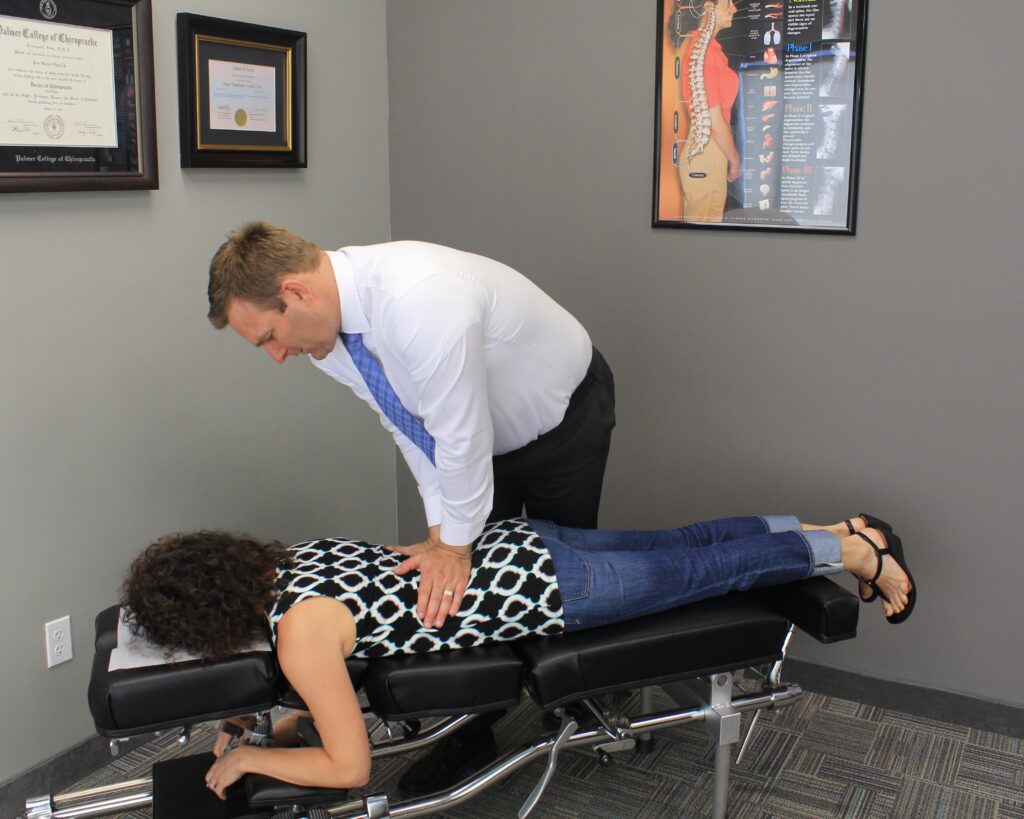
As a local chiropractor, I want to share some insights with you if you're dealing with upper back discomfort.
You're certainly not alone in this struggle; many individuals face similar challenges, often due to factors like poor posture or muscle tightness.
Targeted adjustments are a cornerstone of chiropractic care and can provide significant relief by realigning your spine and alleviating tension in the muscles.
These specialized techniques do more than just reduce pain; they can enhance your overall mobility and well-being.
Understanding how these adjustments work can truly empower you in your healing journey.
When you come to see me, I'll assess your specific situation and determine which adjustments may be the most beneficial for you.
My goal is to not only relieve your discomfort but also to help you maintain a healthier spine and posture in the long run.
If you have any questions or concerns about chiropractic care, I'm here to help guide you towards a path of natural healing and improved comfort.
Understanding Upper Back Discomfort
As a local chiropractor, I often see patients struggling with upper back discomfort, a common issue that many of us face at some point in our lives. You might be experiencing a dull ache, a tightness, or even sharp pain nestled between your shoulder blades. This discomfort can make daily activities feel challenging. It's crucial to understand what upper back discomfort feels like because this awareness can help us address it effectively.
Unlike lower back pain, which frequently arises from injury or strain, upper back discomfort is often linked to factors like poor posture, muscle tension, and prolonged sitting. Many of my patients report that their discomfort worsens after spending long hours at a desk or while hunching over their phones. This pain typically results from the muscles and ligaments in your upper back struggling to support your spine, particularly when they aren't accustomed to maintaining good posture.
Additionally, emotional stress can contribute to tension in the upper back area, amplifying the discomfort you may feel. It's important to recognize these symptoms early, as this can empower you to take proactive steps in alleviating your pain.
Listening to your body and identifying activities that trigger your discomfort is essential. For instance, if specific tasks leave you feeling tight or sore, we can work together to modify those actions. Simple lifestyle adjustments, such as incorporating stretching into your routine, taking regular breaks, and practicing good posture, can significantly help in managing your discomfort.
Causes of Upper Back Pain
As a local chiropractor, I want to help you understand the various factors that can lead to upper back pain, so you can take proactive steps in your health journey. One significant contributor is poor posture. Many of us spend extended periods hunched over a desk or staring down at our phones, which can put undue strain on the muscles in your back. Often, people are unaware of how much their posture impacts their comfort until they start experiencing pain.
Muscle tension is another common issue. Stress can manifest in our bodies, particularly in the shoulders and upper back. If you've had a particularly demanding day, you might find that tension builds up in these areas, leading to discomfort. Recognizing this connection between stress and physical tension can be an important step toward relief.
Repetitive movements and heavy lifting can also play a role in upper back pain. If your daily activities involve straining your upper body—whether that's lifting items or participating in certain sports—you may be at greater risk for developing pain over time.
Injuries, whether they occur during sports or from accidents, can lead to immediate pain that may stick around longer than expected. It's crucial to pay attention to any new discomfort that arises after an injury, as this could indicate a more serious underlying issue.
Lastly, there are underlying medical conditions like herniated discs or arthritis that might cause chronic pain. If you're frequently dealing with upper back discomfort, I encourage you to consult a healthcare professional. A chiropractor can help assess your condition and provide natural healing options to alleviate your pain and improve your overall well-being.
Benefits of Targeted Adjustments
As a local chiropractor, I want to share how targeted adjustments can significantly benefit your overall health and well-being. When we work on aligning your posture, you may find yourself standing taller and feeling more confident in your daily activities. Many of my patients report a noticeable reduction in muscle tension, which not only alleviates discomfort but also contributes to a greater sense of wellness.
Moreover, these adjustments are designed to enhance your mobility and flexibility. This means you'll have an easier time moving throughout your day, whether it's playing with your kids, enjoying a walk, or simply going about your daily tasks. I encourage you to consider how chiropractic care can support your journey to a healthier, more active lifestyle.
Improved Posture Alignment
As a local chiropractor, I want to share how improving your posture alignment can significantly alleviate upper back discomfort and enhance your overall well-being. When your spine is properly aligned, the strain on your muscles and ligaments is minimized, leading to less pain and discomfort in your daily life. Through targeted adjustments, we can help realign your spine, making it easier for you to maintain good posture in your everyday activities.
As you begin to focus on your posture, you may notice that your body feels more balanced and stable. Standing or sitting up straight not only relieves pressure on your upper back but also promotes better breathing and digestion. You might find that even simple tasks, like typing or driving, become much more comfortable when your posture is correct.
Incorporating regular adjustments into your routine can lay a strong foundation for lasting improvements in your posture. As your chiropractor, I can help you identify specific areas that require attention, ensuring that your spine remains in optimal condition. As your posture improves over time, you're likely to feel more energized and ready to take on your day.
Reduced Muscle Tension
As a local chiropractor, I want to share how maintaining good posture can significantly reduce muscle tension, particularly in your upper back. Many of us develop tension from everyday habits, such as slouching or sitting for prolonged periods. When you come in for targeted adjustments, I focus on realigning your spine, which plays a crucial role in alleviating that discomfort.
By addressing misalignments, these adjustments help release tightness in your muscles, allowing them to relax and recover effectively. You may notice that this relief enhances your overall comfort, making it much easier to carry out daily activities without the nagging discomfort that can come from muscle tension.
Additionally, as your muscles begin to relax, you'll likely experience improved circulation. This increased blood flow nourishes your muscles and promotes healing, contributing to the overall well-being of your upper back.
It's important to understand that regular chiropractic adjustments create a cumulative effect. The more you prioritize these sessions, the more significant the reduction in muscle tension you will experience over time. Many of my patients report that their upper back feels lighter and more flexible after consistent care.
Investing in targeted adjustments is not just about relieving discomfort; it's about fostering a healthier posture and empowering you to maintain a more relaxed state. This proactive approach can ultimately enhance your quality of life. If you're new to chiropractic care, I encourage you to consider how these natural healing methods can benefit you.
Enhanced Mobility and Flexibility
As a local chiropractor, I want to share with you how regular chiropractic adjustments can significantly improve your mobility and flexibility. When you receive these targeted adjustments, your spine aligns more naturally, allowing for freer movement throughout your body. This enhanced alignment reduces restrictions in your upper back, making everyday actions—such as reaching, twisting, or lifting—much easier and more comfortable.
As we work together to improve the mobility of your joints, you might notice an increase in your overall range of motion. This means you'll be able to participate in physical activities with greater ease and less discomfort. Whether it's engaging in your favorite sport, exercising, or just tackling daily tasks, enhanced flexibility can lead to better performance in all areas of your life.
Moreover, improving your mobility can play a crucial role in injury prevention. When your body is functioning efficiently, you're less prone to straining muscles or joints during physical activities. With chiropractic care, your body becomes more adaptable to various physical demands, allowing you to lead a more active and fulfilling lifestyle. I'm here to guide you on this journey toward better mobility and overall well-being!
Chiropractic Techniques for Relief
As a local chiropractor dedicated to your well-being, I'm here to help you understand how chiropractic techniques can effectively relieve upper back discomfort. Many people experience this type of pain, often due to poor posture or muscle tension, and I want you to know that there are natural, holistic approaches to address these issues.
When you come into my office, I will begin by assessing your posture, spinal alignment, and muscle tension. This thorough evaluation allows me to create a personalized treatment plan tailored specifically for you. One of the primary methods I use is spinal manipulation. This technique involves applying gentle, controlled force to specific joints in your spine. By doing so, we can improve your mobility and significantly reduce your pain.
In addition to spinal adjustments, I often incorporate soft tissue therapies into your treatment. Techniques like massage and myofascial release focus on relieving tension in the muscles surrounding your spine. By addressing the tightness and inflammation in these muscles, we can enhance your comfort and flexibility, helping you feel better overall.
Another important technique I use is mobilization. During this process, I gently guide your joints through their natural range of motion. This not only enhances blood flow but also promotes healing in the affected areas. I may also provide you with specific exercises that will help strengthen your upper back and prevent future discomfort.
Moreover, I believe in the importance of lifestyle adjustments. I can offer you ergonomic tips and posture correction strategies to help you maintain proper alignment throughout your daily activities. By combining these chiropractic techniques, we can effectively relieve your upper back discomfort and improve your overall well-being.
Physical Therapy Approaches
As a local chiropractor, I want to share how chiropractic care can significantly alleviate upper back discomfort. Many patients find that our manual adjustment techniques can effectively relieve pain and improve mobility. In addition to adjustments, we also emphasize the importance of strengthening exercises tailored to your needs, which help prevent future issues. By combining these methods, we empower you to regain your strength and enjoy a pain-free lifestyle naturally. Understanding these approaches can make a real difference in your healing journey.
Manual Therapy Techniques
As a local chiropractor, I want to share with you the importance of manual therapy techniques in alleviating upper back discomfort and restoring mobility. These hands-on approaches involve skilled practitioners, like myself, using our hands to manipulate muscles, joints, and soft tissues, aiming to help you feel better and move more freely.
One effective method we often use is joint mobilization. This technique involves gently moving your joints to enhance flexibility and reduce pain, which can be incredibly beneficial if you're experiencing stiffness. Another valuable approach is myofascial release, which focuses on relieving tension in the fascia surrounding your muscles. This technique can help ease tightness and promote a sense of relaxation.
Soft tissue massage is also a key component of our practice. This method targets muscle knots and improves blood circulation, allowing your body to heal more effectively. Many of my patients report feeling increased comfort and reduced tension after a session.
Incorporating these manual therapy techniques into your treatment plan can lead to significant improvements in your upper back condition. It's essential to work with a qualified chiropractor who understands your specific needs. Together, we can develop a tailored approach that effectively addresses your discomfort, helping you reclaim your mobility and enhance your quality of life. Remember, natural healing is a journey, and I'm here to guide you every step of the way.
Strengthening Exercise Programs
As a local chiropractor, I want to emphasize the significance of strengthening exercise programs in managing upper back discomfort and enhancing your overall spinal health. By targeting the muscles that support your spine, you can improve your posture, stability, and flexibility, which are all vital components of a healthy back.
Incorporating specific exercises into your routine can help alleviate tension and prevent future discomfort. I recommend starting with movements that engage your upper back muscles, such as rows, shoulder blade squeezes, and wall angels. These exercises focus on strengthening the rhomboids and trapezius muscles, which are essential for maintaining proper posture and alignment.
As you progress, it's important to gradually increase the intensity and resistance of your exercises to build strength and endurance. Additionally, don't overlook the importance of core exercises like planks and bridges. A strong core provides vital support to your spine, reducing strain on your upper back and helping to mitigate discomfort.
Stretching should also be an integral part of your exercise program. It helps maintain flexibility and prevent tightness, especially in your chest and shoulders, which can counteract the effects of slouching often seen in today's sedentary lifestyles.
Always listen to your body and consult with a healthcare professional, such as a physical therapist or chiropractor, if you're unsure about specific exercises or if you experience any pain. Remember, with consistency and dedication to strengthening your upper back, you can enhance your overall well-being and enjoy a healthier, more active lifestyle.
Effective Exercises to Try
As a local chiropractor, I want to share with you some effective exercises that can help relieve upper back discomfort. Many of my patients find that incorporating targeted movements into their daily routine not only alleviates pain but also enhances their overall posture. Here are three exercises that I recommend:
- Cat-Cow Stretch: Begin by getting on your hands and knees. As you inhale, arch your back and lift your head (this is the Cow position). When you exhale, round your spine and tuck your chin (the Cat position). Repeat this sequence for 10-15 repetitions. This exercise is excellent for increasing flexibility and reducing tension in your upper back.
- Thoracic Extension: Whether sitting or standing, maintain a tall posture. Place your hands behind your head and gently pull your elbows back to open up your chest. Hold this position for 15-30 seconds. This stretch helps counteract the slouching that many experience and promotes better posture.
- Wall Angels: Stand with your back flat against a wall, positioning your feet a few inches away. Raise your arms, ensuring they remain in contact with the wall, and slide them up and down as if making snow angels. Aim for 10-12 repetitions with this exercise, as it enhances shoulder mobility and strengthens the muscles in your upper back.
Incorporating these exercises into your daily routine can significantly help in managing upper back discomfort. It's important to warm up beforehand and to be mindful of your body during each movement. If you encounter any pain, please stop and consult with a healthcare professional. Consistency is crucial, so I encourage you to practice these exercises regularly to enjoy lasting benefits. With dedication, you'll be well on your way to achieving a more comfortable, pain-free upper back!
Maintaining Long-Term Comfort
Maintaining long-term comfort in your upper back is essential for your overall well-being, and as your local chiropractor, I want to share some effective strategies to help you achieve this. It's important to understand that long-term comfort isn't just about occasional stretches or treatments; it's about developing sustainable habits that support your spine every day.
First and foremost, let's discuss the importance of posture. I encourage you to be mindful of your posture throughout your daily activities. Whether you're at your desk or standing in line, ensure that your shoulders are back, your spine is aligned, and your head is in a neutral position. This simple adjustment can significantly reduce strain on your upper back and prevent discomfort.
Next, consider your workspace. If you spend long hours in front of a computer, it's crucial to create an ergonomic environment. Invest in a supportive chair that promotes good posture and supports your lower back. Position your monitor at eye level to prevent neck strain and make it a habit to take regular breaks to stand up, stretch, and move around. This not only helps your back but also promotes circulation and focus.
Incorporating stretching and strengthening exercises into your routine is another vital component of back health. Focus on exercises that engage not only your upper back but also your core and lower back. A strong core is essential for stabilizing your spine, which can help prevent discomfort and improve your overall posture.
Don't overlook the role of sleep in your spinal health. Choose a mattress that provides adequate support for your body, and select a pillow that keeps your neck aligned with your spine. Your sleep position can also impact your back health, so try to rest on your side or back to reduce stress on your upper back.
Lastly, always listen to your body. If you begin to feel discomfort, it's important not to ignore it. Address any issues promptly with gentle stretches or adjustments, and don't hesitate to consult a healthcare professional, like myself, if the discomfort persists. By making these simple yet effective changes, you can foster long-term comfort and well-being in your upper back, ultimately enhancing your quality of life. Remember, your spine is the foundation of your health, and taking care of it is a worthwhile investment!
Conclusion
As a local chiropractor, I want to share how incorporating targeted adjustments into your routine can significantly alleviate upper back discomfort and enhance your overall well-being. Many of my patients are often unaware of the underlying causes of their pain, but understanding these factors is crucial for effective treatment.
Chiropractic care offers various techniques designed to address your unique needs. By exploring these methods, we can work together to find the most effective solutions for you. It's important to remember that adjustments alone may not be enough for lasting relief. I recommend complementing your chiropractic sessions with physical therapy and specific exercises tailored to strengthen your back and improve flexibility.
Additionally, paying attention to your posture and staying active will play a vital role in maintaining long-term comfort. By prioritizing these aspects of your health, you can enjoy a more vibrant, pain-free lifestyle. If you're curious about how chiropractic care can help you, I encourage you to reach out for a consultation. Together, we can create a personalized plan to address your upper back discomfort and support your journey toward better health.