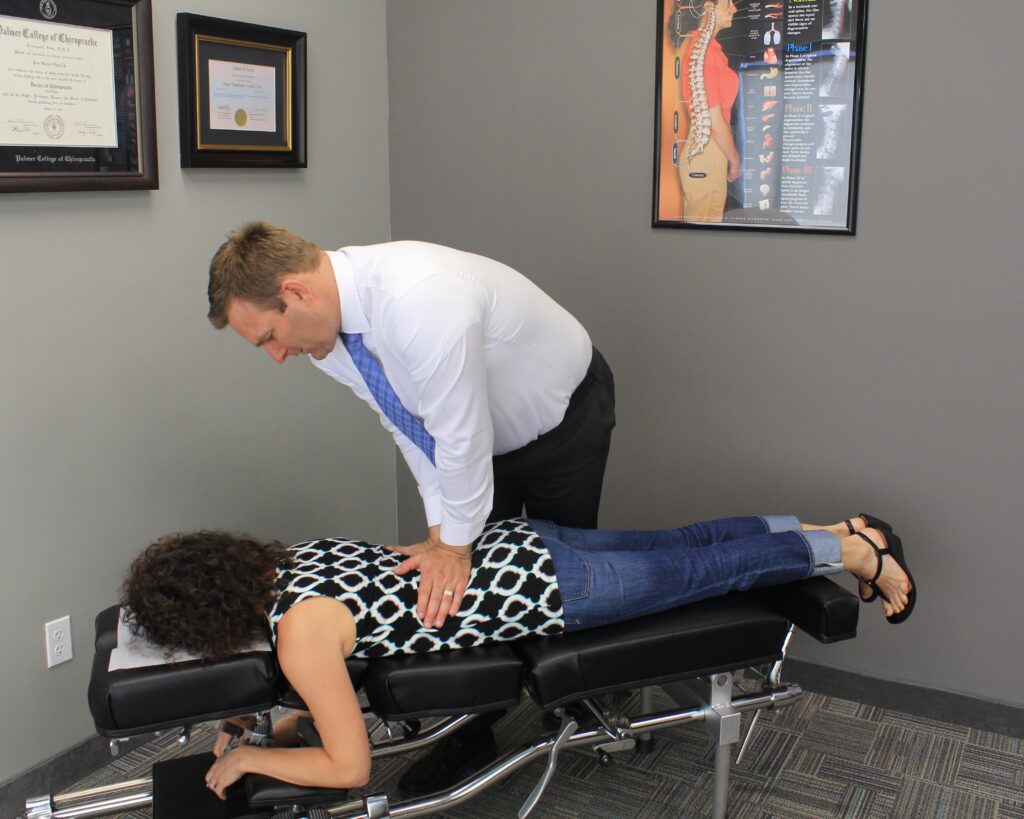
If you're dealing with chronic back pain, know that you're not alone, and I'm here to guide you through effective steps to find relief. As a local chiropractor, I believe it's vital to understand how key elements can work together for your back health. First and foremost, focusing on your posture can make a significant difference. Poor posture often contributes to discomfort, so becoming mindful of how you sit, stand, and move is crucial.
In addition to posture, incorporating targeted stretching into your daily routine can help alleviate tension in your back. Stretching promotes flexibility and can relieve tight muscles that may be contributing to your pain. I can assist you with specific stretches that are ideal for your unique situation.
Moreover, strengthening your core is essential for providing support to your back. A strong core helps to stabilize your spine and reduces the risk of injury. I can guide you through exercises tailored to your needs, ensuring you're building strength safely.
Lastly, I want to emphasize that lifestyle adjustments can significantly enhance your journey toward a pain-free life. This includes making choices that promote overall wellness, such as staying active, maintaining a healthy weight, and managing stress effectively.
Let's explore these steps together and discuss how chiropractic care can play a pivotal role in your path to improved back health. Your well-being is my priority, and I'm here to help you make lasting changes.
Understanding Chronic Back Pain
As a local chiropractor, I want to take a moment to discuss the significant issue of chronic back pain, which affects millions of individuals daily. Understanding the nature of your back pain is crucial for effective management and healing. If you're experiencing persistent discomfort, it can certainly have an impact on your daily life, hindering everything from simple tasks to more complex activities.
Chronic back pain can arise from various sources, including injuries, degenerative conditions, and even emotional stress. It's vital to recognize that this pain isn't solely a physical problem; it often carries emotional and psychological dimensions that can worsen your experience.
When you visit me for chiropractic care, we'll assess the specific characteristics of your discomfort. Is your pain sharp or dull? Does it radiate to other areas, like your legs or arms? Understanding these symptoms is essential for pinpointing the underlying cause of your pain.
Many people mistakenly think that back pain is only due to physical strain, but factors such as poor sleep, anxiety, and depression can also play a significant role.
As we explore your pain together, I encourage you to reflect on how your lifestyle may contribute to your discomfort. A sedentary lifestyle can weaken your muscles and increase your risk of injuries, while overexertion without proper preparation can lead to strain and aggravate existing issues.
By gaining a deeper understanding of what triggers and sustains your chronic back pain, you can be empowered to make informed decisions regarding your treatment and self-care strategies.
My goal is to help you address both the physical and emotional aspects of your pain through natural healing methods, allowing you to work towards a more effective management plan and ultimately, a better quality of life.
Step 1: Improve Posture
As a local chiropractor, I want to emphasize that improving your posture is one of the simplest yet most effective ways to alleviate chronic back pain. When you maintain proper posture, you significantly reduce strain on your spine and the surrounding muscles, which can help prevent discomfort and injury. It's essential to be mindful of your alignment throughout the day, whether you're sitting, standing, or walking.
When you sit, ensure your feet are flat on the floor and your knees are at a right angle. Choosing a chair that provides good lumbar support is crucial; you might even consider using a cushion to support your lower back. Be mindful to avoid slouching or leaning forward, as this can compress your spine and lead to pain.
While standing, distribute your weight evenly on both feet and keep your shoulders back. A helpful visualization is to imagine a string pulling the crown of your head upward; this simple trick can help elongate your spine. If you find yourself on your feet for extended periods, remember to shift your weight between your legs to reduce fatigue.
When walking, take slow, deliberate steps. Keep your head up and your gaze forward rather than looking down. This not only helps maintain good posture but also encourages a natural alignment of your spine, which is essential for overall spinal health.
Lastly, be conscious of how you carry heavy items. Always bend at the knees rather than the waist, and hold the object close to your body. By making these adjustments, you'll be taking significant steps toward relieving your chronic back pain and enhancing your overall well-being.
Step 2: Incorporate Stretching
Stretching is a fundamental aspect of managing back pain and improving your overall flexibility, and as your local chiropractor, I want to emphasize its importance in your healing journey. Regular stretching can alleviate tension in your muscles, enhance blood circulation, and expand your range of motion.
By incorporating stretching into your daily routine, you not only focus on your back but also engage the surrounding muscles, which can significantly help reduce discomfort and stiffness.
To begin, I recommend gentle stretches that specifically target your back, hips, and legs. One effective stretch is the cat-cow stretch, which promotes mobility in your spine and helps relieve tension. To perform this stretch, get on your hands and knees. Arch your back upwards, like a cat, and then dip it downwards while lifting your head, much like a cow. Hold each position for a few seconds, and repeat this several times.
Another beneficial stretch is the seated forward bend. Sit with your legs extended in front of you and slowly reach towards your toes. This stretch targets your lower back while also stretching your hamstrings. If you find it challenging to reach your toes at first, that's perfectly fine! Just go as far as you comfortably can, and over time, you'll notice improvement.
I encourage you to incorporate these stretches into your daily routine, ideally after warming up your muscles. Aim for at least 10 to 15 minutes of stretching each day.
Step 3: Strengthen Core Muscles
As a local chiropractor, I often emphasize the importance of strengthening your core muscles when it comes to managing back pain. Many people think of the core as just the abdominal muscles, but it's actually a complex group that includes all the muscles in your abdomen, lower back, and pelvis. A robust core provides essential stability and support for your spine, which can help alleviate pressure and reduce discomfort.
To get started, I recommend incorporating some straightforward exercises into your routine. For instance, planks are an excellent choice because they engage your entire core without putting undue strain on your back. Start by holding a plank position for about 20 to 30 seconds, and as your strength builds, gradually increase the duration.
Another great exercise is the bridge. To perform this, lie on your back with your knees bent, and then lift your hips toward the ceiling while squeezing your glutes at the top. This movement not only strengthens your core but also targets the lower back, which is vital for overall spinal health.
Don't overlook pelvic tilts either. While lying on your back, gently press your lower back into the floor by tightening your abdominal muscles. Hold this position for a few seconds before relaxing. This exercise helps improve flexibility and strengthens the lower back, which can be particularly beneficial if you're experiencing pain.
As you become more comfortable with these exercises, consider adding more challenging ones like bicycle crunches or stability ball workouts. It's crucial to prioritize proper form over the number of repetitions; doing fewer reps correctly is far more beneficial than rushing through them incorrectly.
Aim to strengthen your core two to three times a week, and over time, you should notice a reduction in your back pain. Building a strong core isn't just about relieving current discomfort; it's also about protecting yourself against future issues.
Lifestyle Changes for Relief
As a local chiropractor, I want to share some valuable insights on managing chronic back pain through natural methods.
One of the most effective ways to alleviate discomfort is by making some key lifestyle changes. First, I recommend setting up an ergonomic workstation. This means arranging your desk, chair, and computer in a way that supports your body and promotes good posture.
Additionally, incorporating a regular exercise routine into your daily life can significantly improve your overall well-being. These adjustments not only enhance your comfort but also pave the way for long-term relief from pain.
Embracing these changes is an important step towards a healthier, pain-free life.
Ergonomic Workstation Setup
As a chiropractor dedicated to helping you achieve optimal health, I want to emphasize the importance of creating an ergonomic workstation. Proper setup can significantly alleviate chronic back pain and enhance your overall comfort while you work.
Let's start with your chair. It's crucial that it provides adequate support for your lower back. Adjust the height so that your feet are flat on the floor and your knees are at a 90-degree angle. If you find that your feet don't reach the ground comfortably, using a footrest can help maintain this ideal position.
Now, let's discuss your desk and monitor. Your monitor should be at eye level and positioned roughly an arm's length away from you. This arrangement is vital for preventing neck strain. If you're using a laptop, I encourage you to consider a laptop stand or an external keyboard. This adjustment will help you maintain proper posture and reduce the risk of discomfort.
Also, pay attention to your keyboard and mouse. Keep them close enough so you don't have to overreach, and make sure they're at elbow height. This will help prevent unnecessary strain on your shoulders and wrists, which can lead to more significant issues over time.
Lastly, don't underestimate the importance of taking regular breaks. I recommend standing up, stretching, or walking around every hour. This simple practice can relieve tension and improve circulation, further contributing to your comfort and overall well-being.
Regular Exercise Routine
As a local chiropractor, I want to emphasize the importance of incorporating a regular exercise routine into your lifestyle, especially when it comes to enhancing the benefits of an ergonomic workstation.
Exercise plays a crucial role in strengthening the muscles that support your spine, which can improve your posture and significantly reduce discomfort.
I recommend aiming for at least 30 minutes of moderate activity most days of the week. This could be activities like walking, swimming, or cycling—whatever gets your body moving and your heart rate up.
Additionally, it's beneficial to include strength training in your routine two to three times a week. Focusing on your core, back, and legs is essential.
Exercises such as planks, bridges, and back extensions can help build muscle and stability, which are vital for a healthy spine.
Flexibility shouldn't be overlooked either. Incorporating yoga or dedicated stretching routines can enhance your range of motion and help release tension in your muscles, further supporting your spinal health.
Pay attention to how your body feels during these activities. If something doesn't feel right, don't hesitate to modify your routine or reach out for professional guidance.
Consistency is key; even short, daily sessions can lead to significant improvements over time. Not only will you feel stronger, but you'll also experience increased energy throughout your day, supporting both your physical health and overall well-being.
When to Seek Professional Help
As a local chiropractor, I want to emphasize the importance of knowing when to seek professional help for chronic back pain, especially if you're not familiar with chiropractic care and natural healing approaches. If your pain persists for more than a few weeks, even after trying self-care methods like rest and over-the-counter pain relief, it's a good idea to consult with a healthcare provider, like myself. Ignoring ongoing pain can lead to further complications and prolong your discomfort.
You should definitely reach out if you notice your pain becoming more intense or if it starts radiating down your legs. Symptoms such as numbness, tingling, or weakness in your limbs may be signs of more serious underlying issues, like a herniated disc or nerve damage. Additionally, if you experience any changes in bladder or bowel function, it's crucial to seek immediate medical attention, as these symptoms can indicate a medical emergency.
If you're dealing with back pain that's accompanied by unexplained weight loss, fever, or severe headaches, please don't hesitate to reach out. These could signal underlying health issues that need prompt investigation.
Moreover, if your pain is limiting your daily activities or affecting your ability to sleep, it's absolutely worth consulting with a chiropractor. Chronic pain can significantly impact your mental well-being, and I can help you navigate both the physical and emotional aspects of your condition.
Lastly, if you've tried various treatments without finding relief, that's a clear signal to seek expert guidance. As a chiropractor, I can assess your condition, recommend appropriate diagnostic imaging, and develop a personalized treatment plan tailored to your unique needs.
Don't wait too long to seek help; addressing these issues early can lead to better outcomes and a significantly improved quality of life. Remember, you don't have to manage this pain alone—I'm here to help!
Maintaining Long-Term Wellness
As your local chiropractor, I want to guide you through the essential steps to achieve long-term wellness after addressing your back pain. The journey to a healthier back begins with a consistent exercise routine that aligns with your individual needs. I often recommend low-impact activities such as swimming, walking, or yoga. These exercises can help strengthen your core muscles and enhance flexibility, significantly reducing the likelihood of experiencing pain in the future.
It's also crucial to be mindful of your posture throughout your daily activities. Whether you're seated at a desk for work or lifting items, maintaining proper alignment is key to preventing additional strain on your back. I encourage you to consider ergonomic furniture designed to support your spine and to incorporate regular breaks into your schedule. Use these breaks to stretch and move around, which can greatly benefit your overall spinal health.
Nutrition plays a pivotal role in your journey toward wellness as well. A balanced diet that emphasizes anti-inflammatory foods can facilitate healing and alleviate discomfort. I suggest incorporating a variety of fruits, vegetables, whole grains, and healthy fats into your meals.
Remember, staying hydrated is equally important, as proper hydration supports joint health and overall bodily function.
Lastly, it's essential not to overlook the impact of stress on your physical health. Chronic stress can lead to muscle tension and can worsen existing back pain. I recommend exploring techniques such as mindfulness, meditation, or deep breathing exercises to help you stay relaxed and focused.
Conclusion
As a local chiropractor, I want to share some simple yet effective strategies to help you alleviate chronic back pain. By focusing on improving your posture, incorporating regular stretching, and strengthening your core muscles, you can make significant strides toward pain relief. These lifestyle changes are crucial not just for immediate relief, but for your long-term health and wellness.
It's important to understand that chiropractic care isn't just about treating symptoms—it's about addressing the root cause of your discomfort. If your pain persists or worsens, I encourage you to seek professional help. With dedication to these methods and the guidance of chiropractic care, you can take control of your back health and enjoy an active, pain-free life. Begin your journey today—your back will truly thank you!