If you are dealing with chronic back pain, know that you are not alone, and uncovering the root causes is crucial for finding effective relief. As a local chiropractor, I want to help you understand how identifying your pain triggers can lead to meaningful lifestyle changes and treatment options. In this guide, I will introduce you to beneficial stretching techniques, strengthening exercises, and alternative therapies that have been proven to alleviate discomfort.
Before diving into these techniques, it's important to understand the underlying issues that could be contributing to your pain. By exploring these factors together, we can tailor a plan that addresses your specific needs and promotes natural healing. Let's take a closer look at what might be causing your discomfort and how chiropractic care can play a vital role in your recovery journey.
Understanding Chronic Back Pain
Chronic back pain is more than just a fleeting discomfort; it's a persistent issue that can significantly hinder your everyday life. As a chiropractor, I often see patients struggle with simple tasks—like getting out of bed or lifting groceries—that can become daunting obstacles.
Unlike acute pain, which typically resolves as your body heals from an injury, chronic pain can last for months or even years, leading to a cycle of discomfort and frustration.
To truly understand chronic back pain, it's essential to recognize that it can arise from various sources, including muscle strains, spinal misalignments, or even emotional stress. You may feel this pain as a dull ache, sharp stabbing sensations, or stiffness in your back.
It's vital to listen to your body and notice how pain influences your mood, productivity, and overall quality of life.
You may also find that chronic back pain limits your range of motion, making it difficult to bend or twist. This restriction can lead to a more sedentary lifestyle, which is detrimental to both your physical and mental health.
Additionally, chronic back pain can interfere with your sleep, leaving you fatigued and irritable during the day. It's important to note that the emotional impact can be just as significant as the physical aspect.
Feelings of anxiety or depression may arise, affecting your relationships and daily routines. Recognizing these factors is a crucial first step in addressing chronic back pain.
As a chiropractor, I'm dedicated to helping you find effective, natural relief strategies tailored to your needs. Through a combination of spinal adjustments, exercises, and lifestyle modifications, we can work together to alleviate your pain and improve your overall well-being.
Your journey to recovery starts with understanding and addressing the root causes of your discomfort.
Identifying the Causes
As your local chiropractor, I want to emphasize the importance of identifying the causes of your chronic back pain.
Many times, the triggers can be related to your lifestyle choices, such as posture, physical activity, and even stress levels.
Additionally, underlying medical conditions may play a significant role in your discomfort.
By understanding these factors, we can work together to develop a tailored approach to relieve your pain and enhance your overall quality of life through natural healing techniques.
Common Back Pain Triggers
As a local chiropractor, I want to help you understand the various triggers of back pain and how identifying them can lead to effective relief.
One of the most common contributors to back pain is poor posture. If you find yourself spending long hours hunched over a desk or leaning forward while using your phone, your back is likely bearing the brunt of that strain.
Another significant trigger is improper lifting techniques. It's essential to lift heavy objects correctly by bending your knees and using your legs rather than straining your back. This simple adjustment can make a world of difference in preventing injury.
Additionally, muscle strain from overexertion can lead to discomfort. Whether you're lifting weights at the gym, working in your garden, or even just tidying up around the house, it's easy to push your body too hard. It's important to listen to your body and recognize when to take breaks.
Let's not overlook the impact of stress, which can manifest as tension in your back. Your emotional state can significantly affect your physical health, making it crucial to find ways to manage stress effectively.
Injuries from falls or accidents can also be significant triggers for back pain. Even seemingly minor injuries can develop into chronic pain if not treated properly.
Lastly, certain medical conditions, like herniated discs or arthritis, can be underlying causes of ongoing discomfort.
By understanding and pinpointing these triggers, you can take proactive steps towards alleviating your back pain.
As a chiropractor, I'm here to guide you in exploring natural healing methods that promote overall well-being and help you regain a pain-free life.
Lifestyle Factors Impacting Pain
As your local chiropractor, I want to shed light on how various lifestyle factors can significantly impact your pain levels, particularly back pain. Understanding these influences can be a transformative step in your journey toward relief and overall wellness.
Firstly, let's talk about your daily habits. Many people spend long hours sitting, especially at a desk, often with poor posture. This can lead to muscle strain and discomfort in your back. I recommend ensuring that your chair provides proper support for your lower back, and that your computer screen is at eye level. These small adjustments can help minimize strain and promote better spinal alignment.
Next, consider your level of physical activity. A sedentary lifestyle can weaken the muscles that support your spine, making you more vulnerable to pain. Incorporating regular exercise, such as walking or stretching, is vital. It strengthens your back muscles and enhances flexibility. However, it's important to strike a balance—overdoing it during workouts can lead to injury. A well-rounded exercise routine is crucial for maintaining a healthy spine.
Your diet is another essential factor that often goes overlooked. An unhealthy diet can lead to weight gain, which places additional stress on your spine. I encourage you to focus on a balanced diet rich in anti-inflammatory foods. This not only supports your overall health but can also play a role in managing pain.
Lastly, don't underestimate the impact of stress on your body. Stress can lead to muscle tension, which may exacerbate pain. Techniques such as meditation, yoga, or deep breathing exercises can be beneficial in managing stress levels and promoting relaxation.
Medical Conditions to Consider
As a local chiropractor dedicated to helping you find relief from back pain, it's important to understand that while lifestyle factors play a significant role in your discomfort, certain medical conditions can also contribute.
By knowing about these conditions, we can work together towards effective treatment that aligns with natural healing principles.
For example, herniated discs can compress nearby nerves, leading to sharp pain or numbness. If you experience these symptoms, I encourage you to seek a thorough evaluation. Understanding the root cause is essential for tailored care.
Arthritis is another condition that can cause inflammation in the spine, resulting in chronic pain and stiffness. If you notice difficulty moving or persistent stiffness, arthritis could be affecting your mobility.
Together, we can explore ways to alleviate these symptoms naturally.
Osteoporosis, which results in weakened bones, can increase the risk of fractures and significant pain. It's crucial to be aware of this condition, especially if you have a history of bone issues, as we can implement strategies to strengthen your spine and enhance your overall well-being.
Sciatica is yet another condition to consider, characterized by irritation of the sciatic nerve. This often leads to pain that radiates down the leg. If you're experiencing this type of discomfort, I recommend getting a proper diagnosis so we can formulate an effective treatment plan.
Lastly, fibromyalgia is a condition that can cause widespread pain throughout the body, including the back. If you're experiencing persistent pain without a clear explanation, let's discuss this possibility.
Identifying these medical conditions is the crucial first step toward effective relief from your chronic back pain.
As your chiropractor, I'm here to guide you through understanding these conditions and finding natural, holistic solutions to restore your health and improve your quality of life.
Together, we can work towards a pain-free future.
Lifestyle Changes for Relief
As a local chiropractor, I want to share how simple lifestyle changes can significantly alleviate chronic back pain. It all begins with an assessment of your daily activities and posture. Whether you're sitting, standing, or lifting, being aware of your body mechanics is crucial.
I recommend investing in ergonomic furniture—like chairs that offer lower back support—and ensuring your feet are flat on the floor while seated. If you find yourself at a desk for extended periods, be sure to take short breaks to stand and stretch, which can help reduce the strain on your back.
Another important factor to consider is your weight. Carrying excess weight can place additional pressure on your spine, leading to discomfort. Embracing a balanced diet rich in fruits, vegetables, lean proteins, and whole grains can be beneficial for maintaining or achieving a healthy weight.
Don't forget to stay hydrated; adequate water intake supports your overall bodily functions and helps keep your spinal discs in good condition.
Incorporating exercise into your routine is essential as well. Low-impact activities like walking or swimming can strengthen your muscles without putting undue strain on your back. Regular physical activity not only improves flexibility but can also reduce pain over time.
I recommend aiming for at least 30 minutes of activity most days of the week.
Lastly, let's talk about stress management. Chronic stress can lead to muscle tension, which often exacerbates back pain. I encourage you to integrate relaxation techniques into your daily routine, such as deep breathing, meditation, or yoga.
These practices can help you feel more relaxed and contribute to your overall well-being.
As your chiropractor, I'm here to support you in exploring these lifestyle changes that complement chiropractic care and promote natural healing. Together, we can work towards a healthier, pain-free life.
Effective Stretching Techniques
As a local chiropractor, I want to share with you the importance of incorporating effective stretching techniques into your daily routine, especially if you're dealing with chronic back pain.
Stretching is a simple yet powerful tool that can help improve your flexibility, reduce muscle tension, and enhance blood circulation in your back and surrounding areas. Just a few minutes of stretching each day can make a significant difference in alleviating discomfort and promoting overall spinal health.
Here are some effective stretching techniques that I recommend:
- Cat-Cow Stretch: Start on all fours. As you inhale, arch your back (this is the 'cat' position), and as you exhale, lower your belly while lifting your head and tailbone (the 'cow' position). Repeat this sequence several times to warm up your spine and increase mobility.
- Child's Pose: Kneel on the floor and sit back on your heels. Stretch your arms forward on the ground. This gentle stretch helps elongate your spine and provides relaxation to your back muscles, which can be particularly soothing.
- Knee-to-Chest Stretch: Lie on your back and gently pull one knee toward your chest while keeping the other leg straight. Hold for a few seconds, then switch legs. This stretch effectively targets tension in your lower back, helping to release tightness.
- Seated Forward Bend: Sit with your legs extended straight in front of you. Reach for your toes while maintaining a straight back. This stretch focuses on your hamstrings and lower back, promoting greater flexibility and reducing discomfort.
Incorporating these stretches into your daily routine can significantly help in easing chronic back pain.
Always remember to listen to your body; avoid pushing yourself too far, as each individual's comfort levels can vary. Consistency in performing these stretches is key to achieving lasting relief and supporting your overall spine health.
If you have any questions or need personalized guidance, feel free to reach out during your next visit. Your journey to a pain-free back is important to me!
Strengthening Exercises
As a local chiropractor, I want to emphasize the importance of incorporating strengthening exercises into your daily routine to effectively manage chronic back pain. These targeted exercises focus on the muscles that support your spine, which helps enhance stability and alleviate discomfort. When your core, back, and hip muscles are strong, they play a crucial role in maintaining proper posture and alignment, ultimately reducing the strain on your back.
Let's start with some fundamental exercises. Pelvic tilts are a great way to begin. To perform this exercise, lie on your back with your knees bent. Gently flatten your lower back against the floor by tilting your pelvis upwards. Hold this position for a few seconds before relaxing. Aim for 10-15 repetitions.
Another effective exercise is the bridge. While lying on your back with your knees bent, lift your hips towards the ceiling while squeezing your glutes. Hold it at the top for a few seconds, then lower back down—again, aim for 10-15 reps.
As you become more comfortable, you can progress to more challenging exercises like planks and bird-dogs. For planks, position yourself on your forearms and toes, ensuring your body remains straight from head to heels. Try to hold this position for 20-30 seconds.
For bird-dogs, get on all fours, extend one arm forward while extending the opposite leg back, and keep your core engaged. Hold for a few seconds, then switch sides.
It's crucial to listen to your body as you engage in these exercises. If you experience any pain, please stop immediately and consult with a healthcare professional, such as myself.
Gradually increasing the intensity and frequency of your strengthening exercises will boost your endurance and resilience against chronic back pain. Remember, natural healing through movement is a powerful tool, and I'm here to guide you on your journey to a healthier back.
Alternative Therapies
As a local chiropractor, I want to share some insights on how alternative therapies can significantly aid in managing chronic back pain, alongside your strengthening exercises. These therapies can enhance your overall well-being, improve mobility, and reduce discomfort.
Here are a few approaches that I often recommend to my patients:
- Acupuncture: This ancient practice is rooted in Chinese medicine and involves the insertion of thin needles into specific points on the body. Many of my patients have reported finding relief from back pain through acupuncture, as it stimulates the body's natural healing processes.
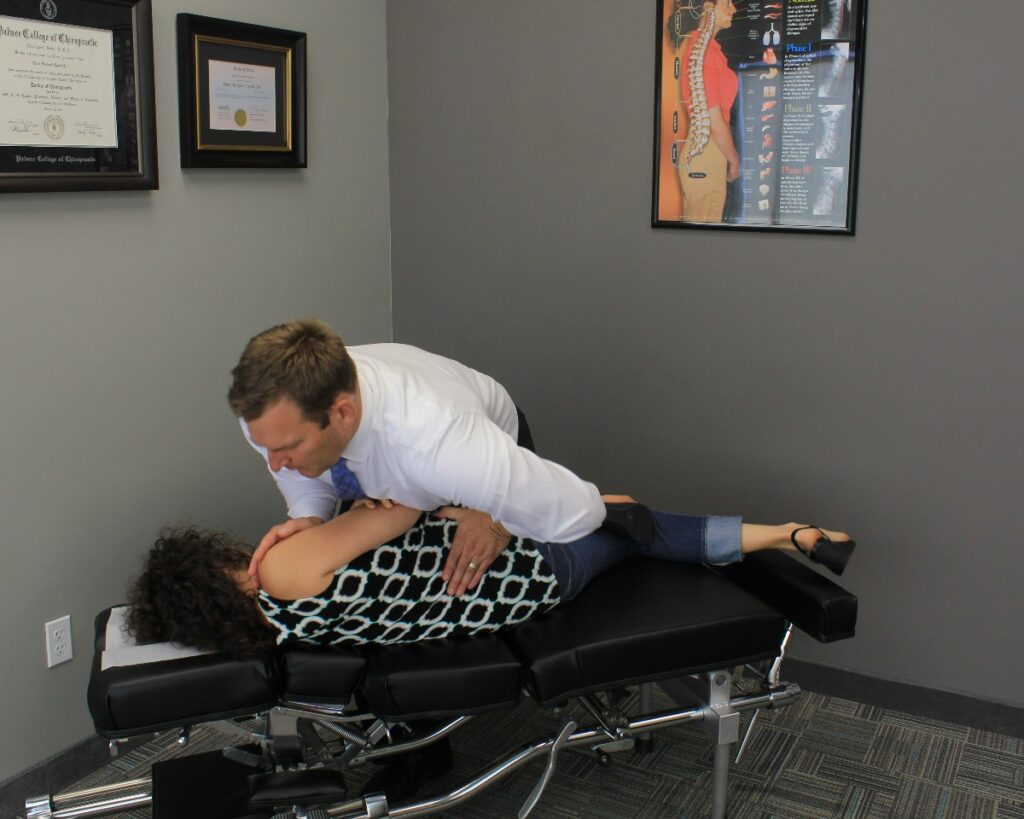
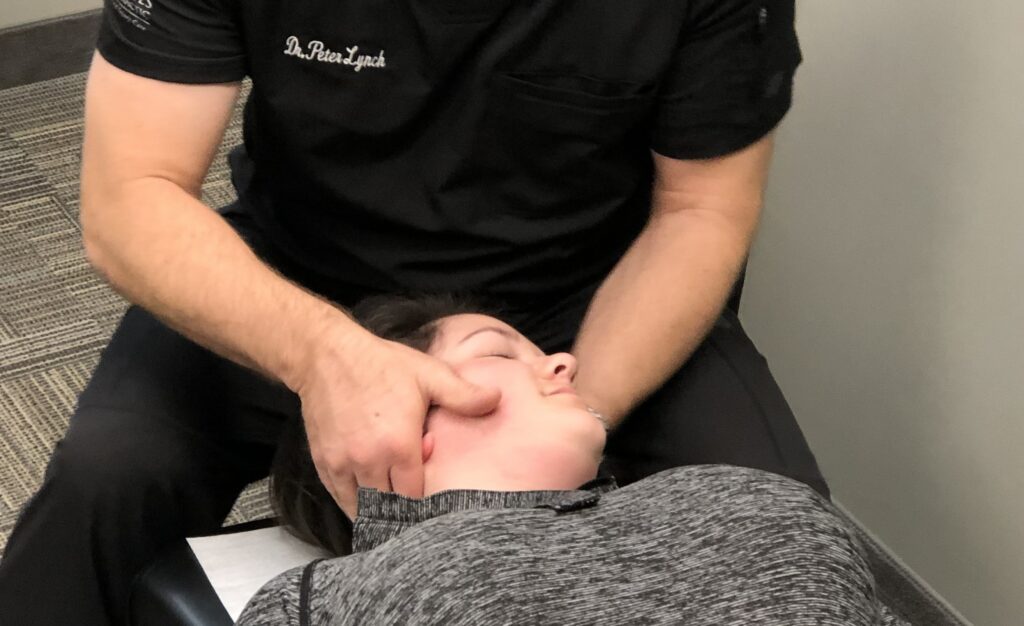
- Chiropractic Care: A cornerstone of natural healing, chiropractic care focuses on spinal manipulation and alignment of the musculoskeletal system. By addressing misalignments, we can relieve pressure on nerves, restore proper function, and ultimately alleviate pain. It's a safe and effective way to support your body's natural ability to heal itself.
- Massage Therapy: Incorporating therapeutic massage into your routine can work wonders. It helps to loosen tight muscles, enhance blood circulation, and promote a deep state of relaxation. Many of my patients find that regular massage sessions contribute to a reduction in chronic pain and overall improvement in their quality of life.
- Yoga and Meditation: These practices offer more than just physical benefits; they also foster relaxation and mindfulness. Through yoga, you can strengthen your body while also developing a better awareness of your posture, which is crucial for managing back pain.
It's essential to understand that everyone responds differently to these therapies. I encourage you to explore various options and see what works best for you.
Always pay attention to how your body feels, and don't hesitate to consult with a healthcare professional—like me—before starting any new treatment. Together, we can find the right approach to support your journey toward relief and recovery.
Professional Treatment Options
As a local chiropractor, I want to help you understand how professional treatment options can effectively manage chronic back pain. Many people are unfamiliar with chiropractic care and the natural healing methods we offer.
Through tailored chiropractic techniques, we can address the root cause of your pain, rather than just masking the symptoms.
In addition to spinal adjustments, we may incorporate physical therapy exercises, lifestyle modifications, and nutritional guidance to support your healing journey.
It's essential to explore these holistic options with a knowledgeable practitioner who can guide you based on your specific needs.
Physical Therapy Techniques
If you're struggling with chronic back pain, it can often feel overwhelming, but I want to share how chiropractic care can provide effective, natural solutions.
As a chiropractor, my focus is on helping you strengthen your back, enhance flexibility, and improve your overall function through gentle, targeted techniques.
Here are some common chiropractic approaches you might experience during your visits:
- Spinal Manipulation: A hands-on technique that helps realign the spine, reduce pain, and improve mobility.
- Rehabilitative Exercises: Tailored exercise programs designed to strengthen your core muscles and support proper posture.
- Stretching Techniques: Specific stretches that help increase flexibility and relieve tension in your back.
- Postural Education: Guidance on maintaining proper posture to prevent strain and discomfort in daily activities.
Regular chiropractic sessions can significantly enhance your functionality, alleviate pain, and help prevent future episodes of discomfort.
Remember, consistency is vital. By incorporating these chiropractic approaches into your routine, you can take an active role in your healing journey and work towards a pain-free life.
If you're curious about how chiropractic care can assist you, don't hesitate to reach out. I'm here to guide you through this process and help you achieve lasting relief naturally.
Medication and Pain Management
As a chiropractor, I want to share the valuable benefits of chiropractic care while emphasizing the role that medication and pain management can play in your overall treatment plan.
Many individuals may not realize that simple over-the-counter pain relievers, such as ibuprofen or acetaminophen, can provide quick relief for mild to moderate back pain. However, when pain becomes more intense, it's essential to consult with a healthcare provider, who may prescribe stronger medications like muscle relaxants or opioids. It's important to use these under careful supervision because of the potential side effects and risks associated with addiction.
In addition to medication, I encourage you to consider topical treatments, such as creams or patches that contain analgesics, for localized relief. For more persistent pain, procedures like nerve blocks or steroid injections can effectively reduce inflammation and discomfort in specific areas of your back.
These treatments can work particularly well when paired with other therapies, such as physical therapy or chiropractic adjustments.
It's crucial to maintain open communication with your healthcare provider about your pain levels and the effects of any medications you're using. By collaborating closely, we can develop a personalized pain management strategy that best suits your needs, helping you engage in your daily activities with greater comfort and ease.
Surgical Interventions Overview
As a local chiropractor, I understand the challenges that chronic back pain can bring, especially when traditional methods haven't provided the relief you seek.
While surgery may be an option that some consider, I want to emphasize the importance of exploring chiropractic care and natural healing methods before making such a significant decision.
Chiropractic care focuses on the body's ability to heal itself through spinal adjustments and holistic treatments. If you've tried medications, physical therapy, and lifestyle changes without success, consider the following non-surgical options we provide to help alleviate your pain, restore function, and enhance your overall quality of life:
- Spinal Adjustments: Gentle manipulations to realign the spine, which can relieve nerve pressure and promote healing.
- Therapeutic Exercises: Customized exercise programs designed to strengthen your back and improve flexibility, addressing the root causes of pain.
- Lifestyle Counseling: Guidance on ergonomics, posture, and daily activities to help prevent further injury and maintain spinal health.
- Massage Therapy: Techniques to reduce muscle tension and improve circulation, which can aid in pain relief and recovery.
Before considering surgical interventions, I encourage you to discuss these natural options with me.
Together, we can evaluate your specific condition and determine a comprehensive treatment plan that prioritizes your health and wellness.
Remember, surgery is often considered a last resort, and many patients find significant relief and improved function through chiropractic care.
Let's work together to explore the best path for your healing journey.
Creating a Pain Management Plan
As a local chiropractor, I want to emphasize the importance of a well-structured pain management plan, especially when it comes to chronic back pain. Our journey together begins with a thorough evaluation of your pain levels and potential triggers. I encourage you to keep a journal to document your daily activities, noting when you experience pain and what may worsen it. This will be invaluable in helping us identify patterns and develop targeted strategies for your unique situation.
Setting realistic goals is another crucial step in your pain management journey. Whether your objectives are to improve mobility, reduce pain, or increase your daily activities, having clear targets will keep you focused and motivated. I invite you to discuss these goals with me so we can ensure they align with your overall treatment plan.
In our chiropractic practice, we utilize a variety of treatment modalities to address your pain. This may include chiropractic adjustments, physical therapy techniques, and even alternative therapies such as acupuncture or yoga. Together, we can experiment with different approaches to find what resonates best with your body.
Remember, what works for one person mightn't work for another, so it's important to stay open-minded.
Lifestyle changes can also play a significant role in managing your pain. Regular exercise, a balanced diet, and good sleep hygiene can all contribute to alleviating discomfort. I can work with you to develop a safe and effective exercise regimen tailored specifically to your needs.
Finally, I encourage open communication with me and the rest of your healthcare team. Regular check-ins will allow us to adjust your plan as necessary. If a particular treatment isn't yielding the desired results, we can explore alternative options together.
Your pain management plan is a dynamic part of your care; it should evolve as you do. By actively participating in your healing journey, you'll empower yourself to manage your chronic back pain more effectively.
Conclusion
As a local chiropractor, I want to share some effective strategies that can significantly help relieve chronic back pain. Many patients may not realize how crucial it is to understand your personal pain triggers and make necessary lifestyle adjustments. By doing so, you can set the foundation for a healthier back.
I encourage you to explore various methods such as stretching techniques, strengthening exercises, and alternative therapies. These approaches can be tailored to your individual needs and preferences, allowing you to discover what works best for you.
Open communication with your healthcare provider, including your chiropractor, is vital. Together, we can assess your condition and make adjustments to your pain management plan as needed. Remember, consistency in your efforts is essential. With dedication to these practices, you can reclaim your comfort and mobility in your daily life. Embrace this journey toward better health and wellness!